There is another side to Arabia, one that exists beyond the soaring skyscrapers, architectural landmarks and ambitious developments that have come to define the region on the global stage. It is a world of vast desert expanses, rugged mountain ranges, untouched coastlines and secluded oases, where nature has quietly shaped the identity, culture and history of the Arabian Peninsula for generations.
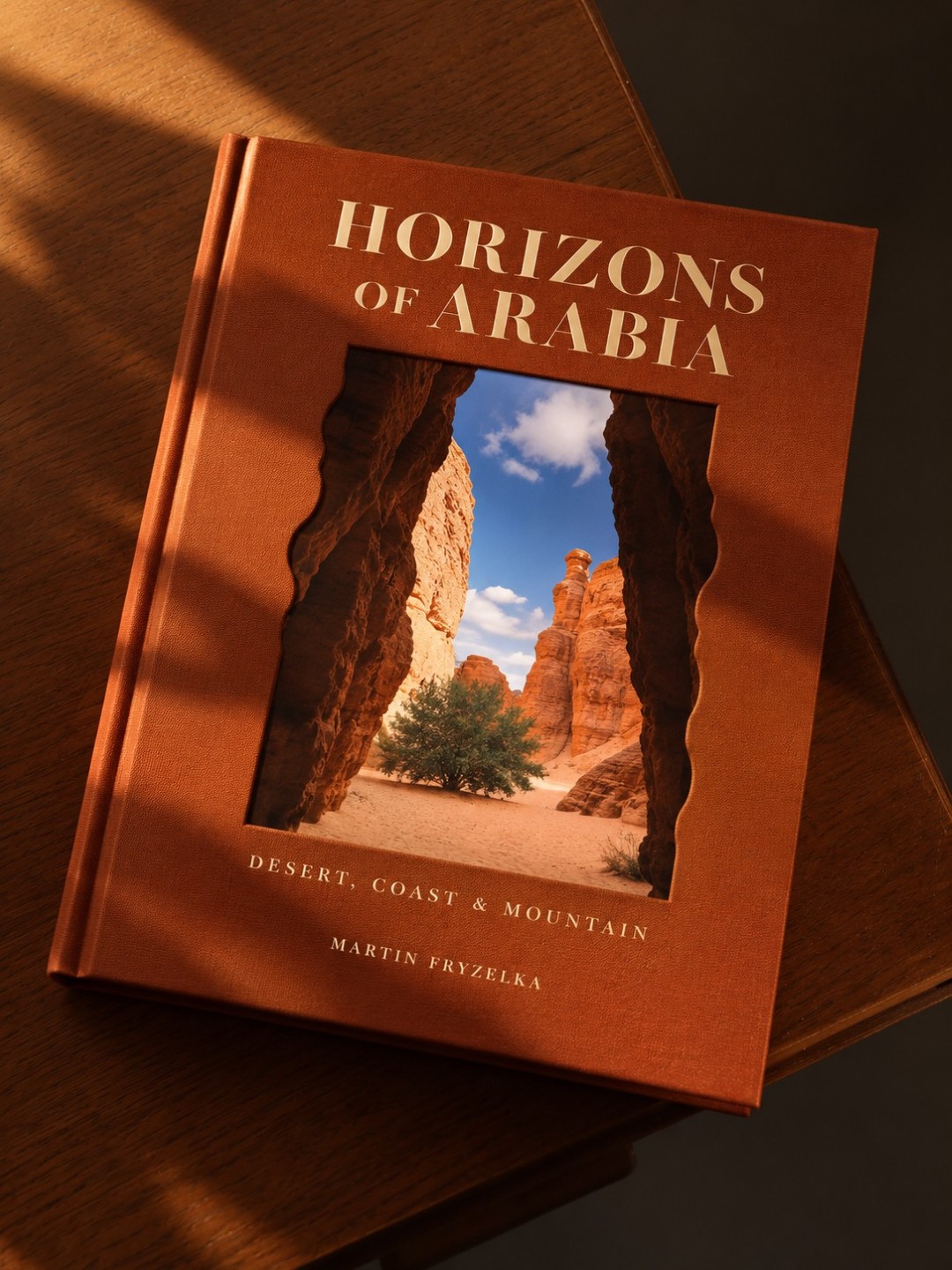
This lesser-seen Arabia takes centre stage in Horizons of Arabia: Desert, Coast & Mountain, a new large-format photographic book conceived by Martin Fryzelka, edited and published by Catherine Belbin, with creative direction by Petter Almén. Scheduled for release later this month, the publication offers an intimate and visually captivating exploration of the Peninsula’s natural diversity, inviting readers to look beyond familiar destinations and rediscover the landscapes that have always been part of the region’s story.
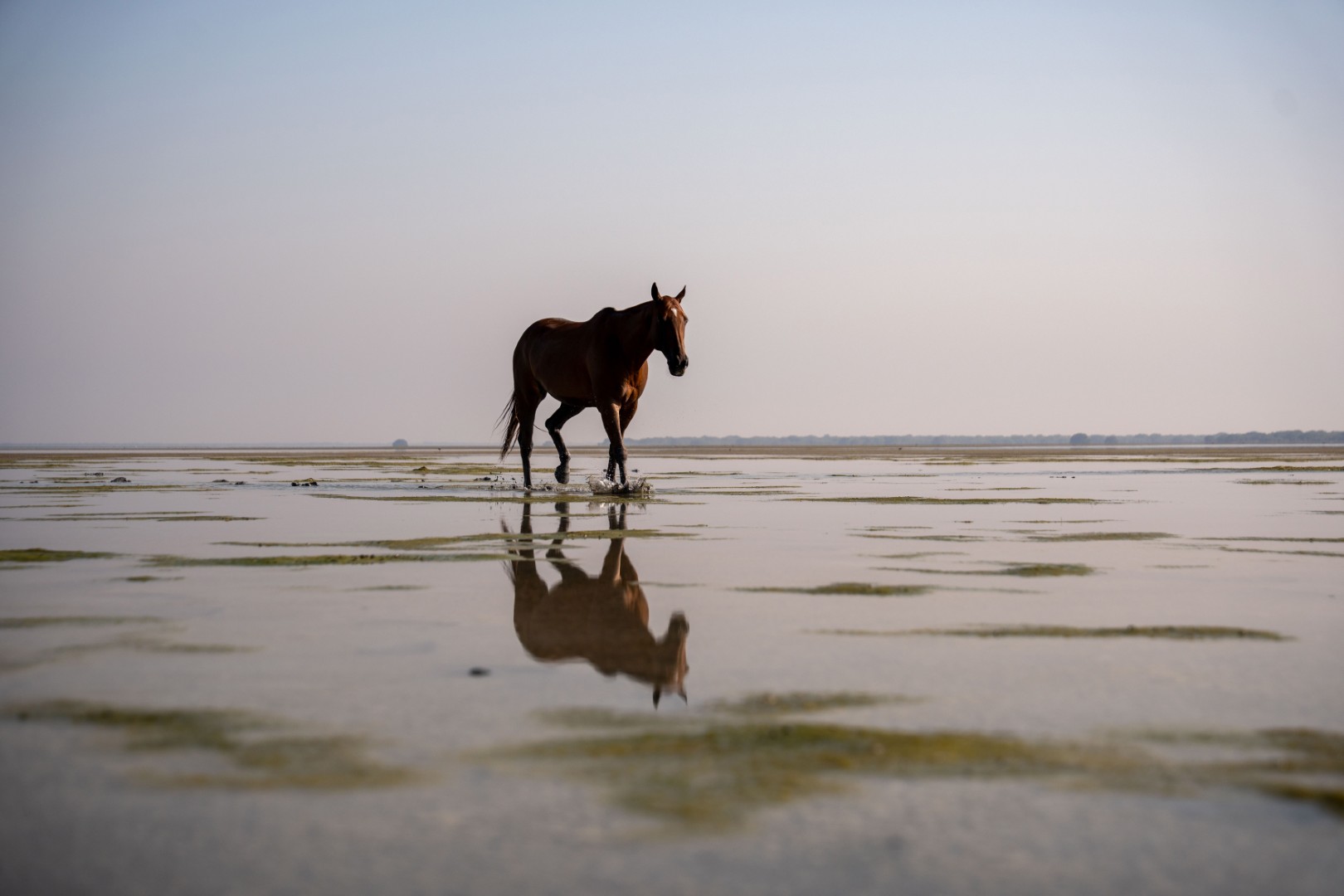
From the seemingly endless dunes of the Empty Quarter to the dramatic sandstone formations of AlUla, the rugged peaks of the Hajar Mountains and the intricate ecosystems of coastal mangroves, Horizons of Arabia captures the extraordinary contrasts that exist across the Peninsula. Through evocative photography, it reveals a landscape that is both powerful and delicate, shaped by time, movement and the elements.
Yet this is far more than a collection of beautiful images. Rather than presenting the region through conventional geographical boundaries, the book unfolds through a series of thematic chapters: Glow, Flow, Dune, Peak, Haven, Form, Move, Grow and Built. Each offers a different perspective on the natural world, exploring everything from shifting light and geological formations to wildlife, traditional settlements and the rhythms of life outdoors.
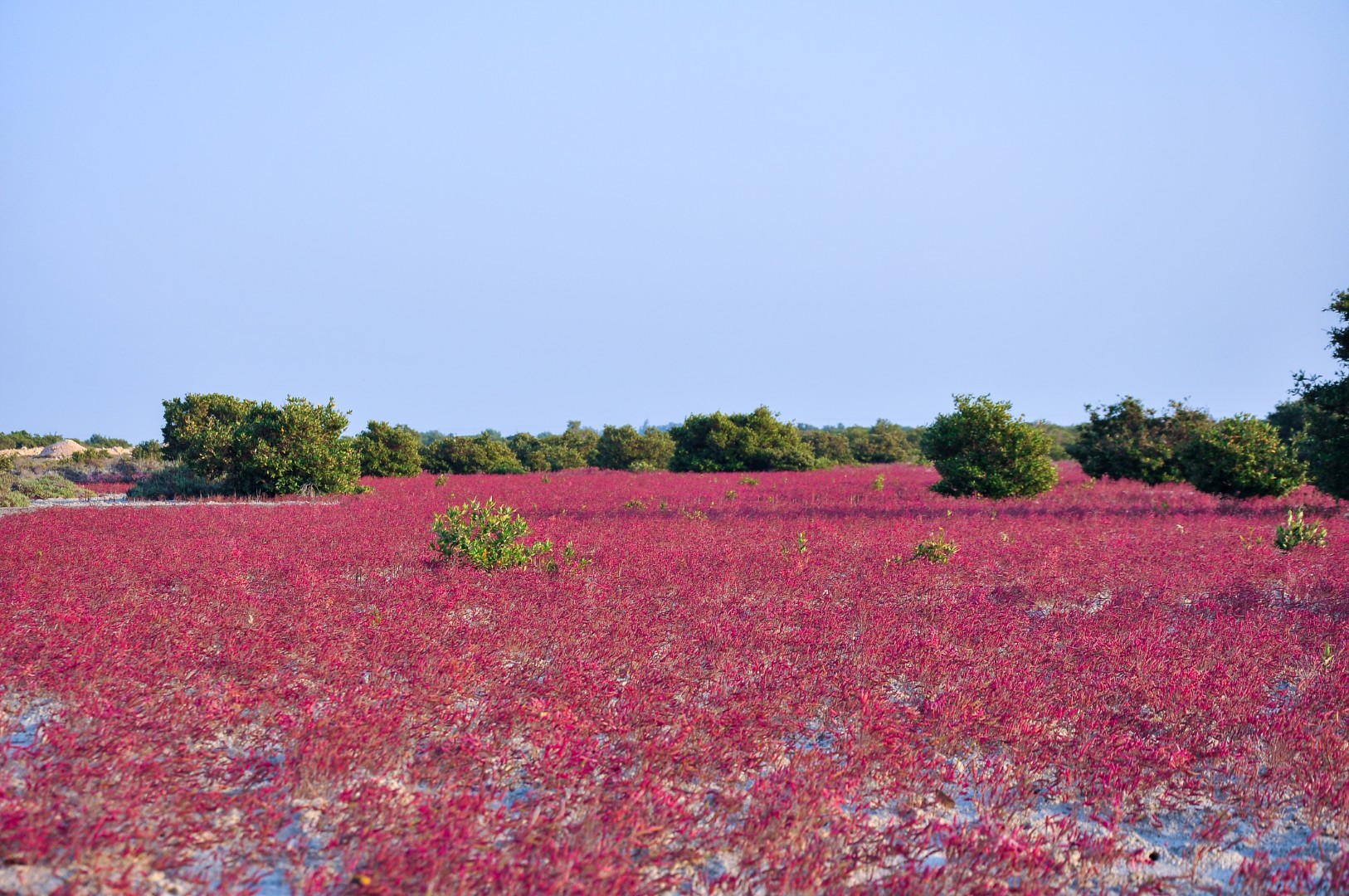
The result is a visual narrative that celebrates the Peninsula not simply as a destination, but as a living landscape. Through the eyes of photographers who possess an intimate understanding of the terrain, familiar environments become places of discovery, while remote locations reveal their own distinct character and beauty.
At the heart of the publication is also a deeply human story. In a chapter titled Echoes, the book moves beyond photography to explore the personal connections individuals have developed with the natural world. Artists, architects, scientists, environmentalists, explorers and entrepreneurs share reflections on how the landscapes of Arabia have influenced their work, imagination and understanding of belonging.
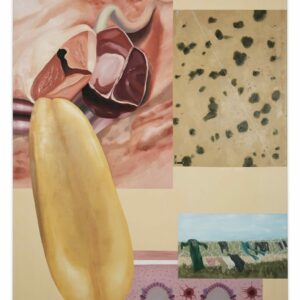
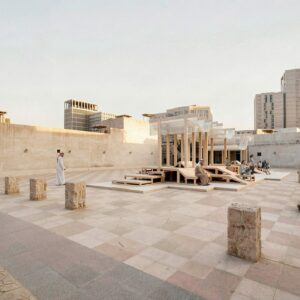
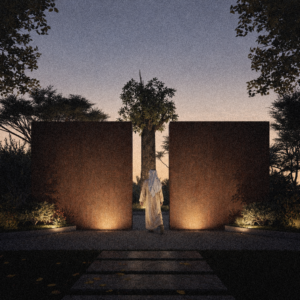
Among the contributors are internationally recognised Saudi artist Manal AlDowayan, whose creative practice engages with questions of identity and place; Qatari architect Ibrahim M. Jaidah; and Bahraini marine field ecologist Dr Reem AlMealla. Their voices bring an additional dimension to the publication, demonstrating how nature continues to inform contemporary creativity, scientific exploration and cultural identity across the region.
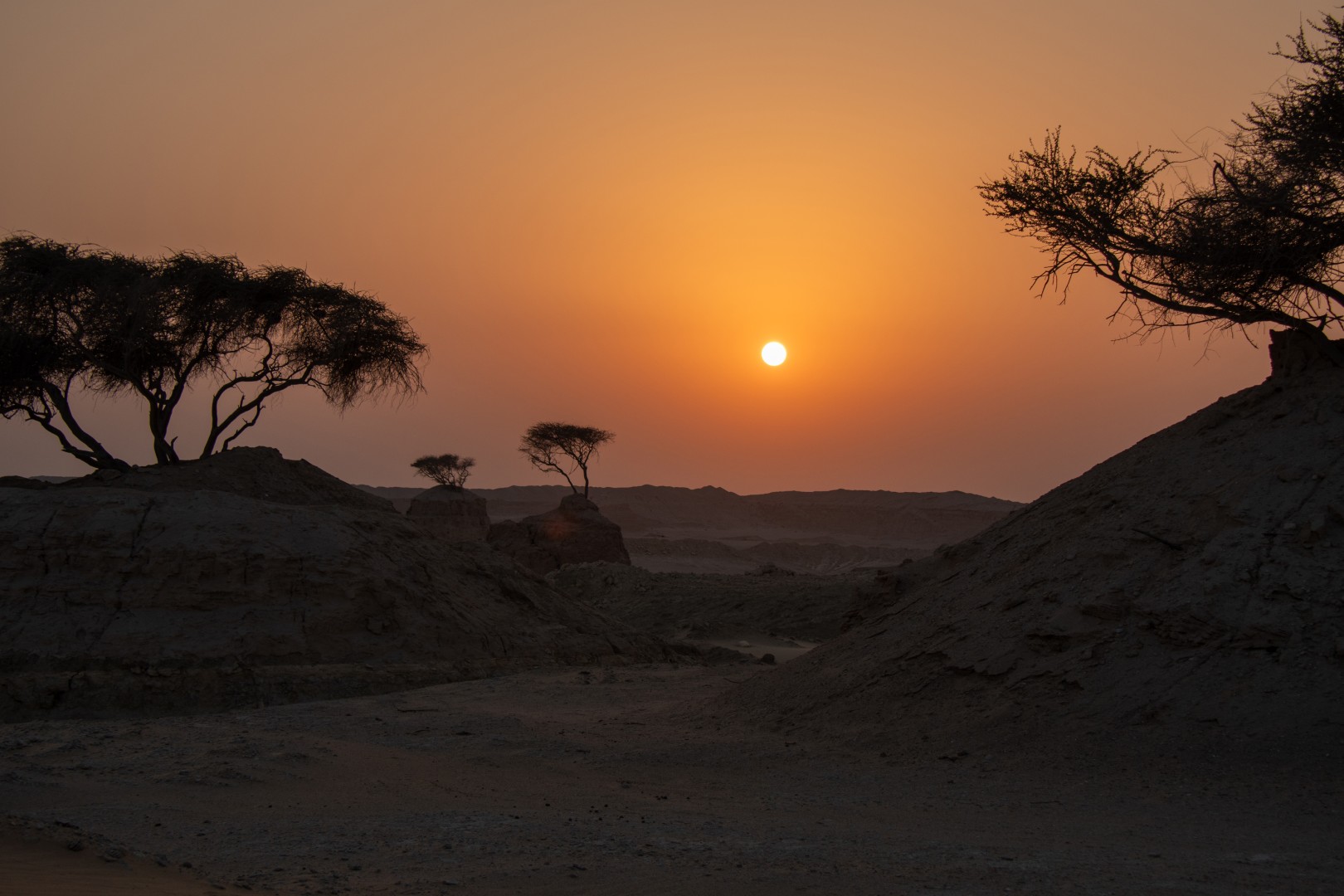
Their perspectives also challenge the notion that Arabia’s natural environment exists separately from its modern identity. Instead, the book presents nature as an essential part of the Peninsula’s past, present and future, a source of inspiration that continues to influence how people live, create and connect with their surroundings.
As the region experiences growing interest in outdoor exploration, responsible tourism and wellbeing, Horizons of Arabia arrives with a timely message. In a part of the world often associated with luxury, scale and spectacle, it offers a different interpretation of what is truly valuable: the stillness of an untouched landscape, the changing colours of the desert at sunrise, the quiet presence of wildlife or the opportunity to experience a place far removed from the demands of urban life.
As Fryzelka observes in the book’s preface, “Nature is not a backdrop to life. It is an active participant in it.”
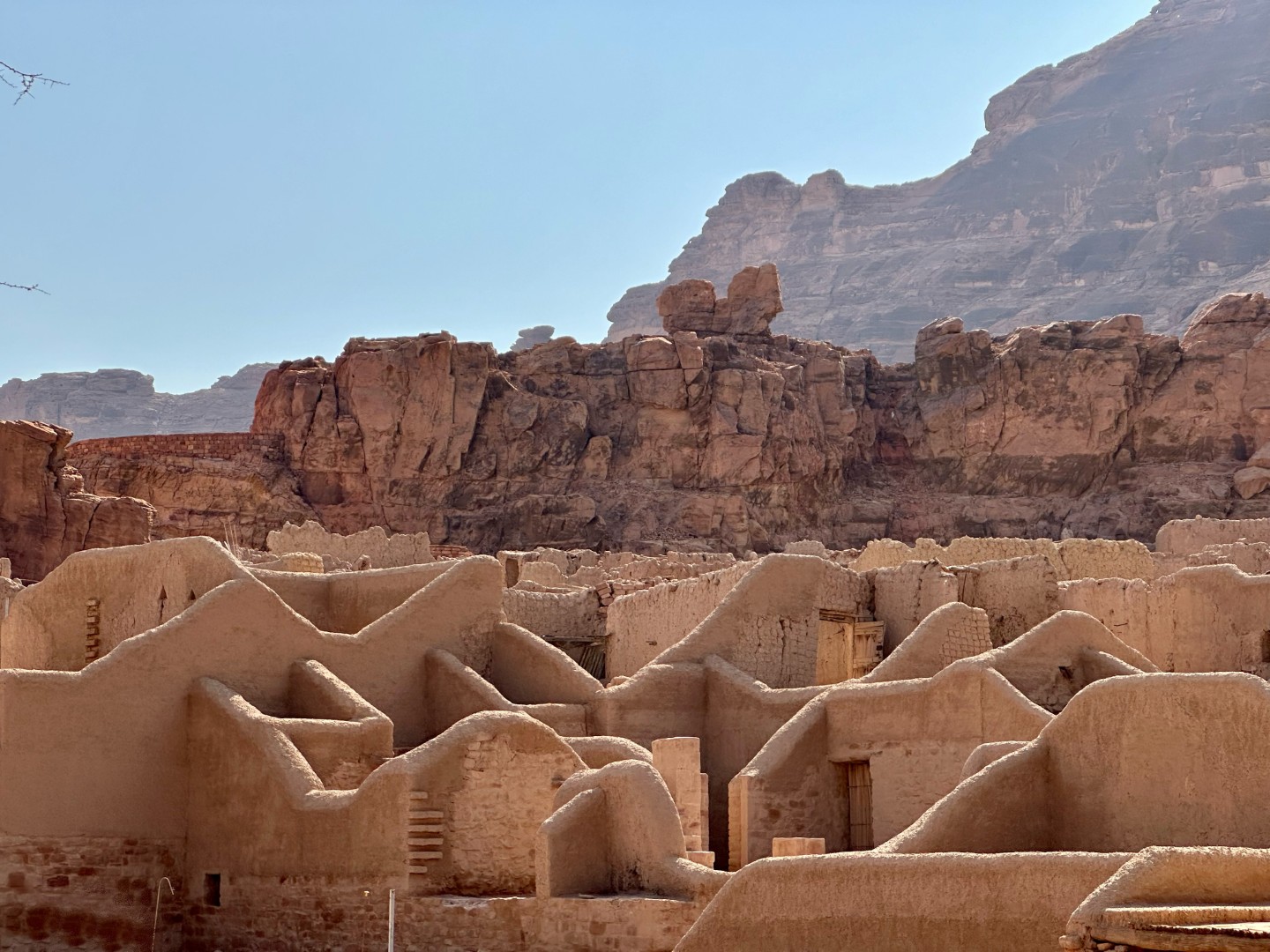
This sentiment runs throughout the publication, encouraging a deeper appreciation of the relationship between people and their environment. It is an invitation not only to explore, but also to observe, understand and protect the natural spaces that continue to shape the Peninsula.
Printed in the United Arab Emirates, the book is as much a celebration of Arabia’s remarkable landscapes as it is a reminder of their cultural and environmental significance. Its pages offer a perspective on a region that is constantly evolving, while drawing attention to the timeless beauty that exists beyond its urban centres.
Ultimately, Horizons of Arabia is a reminder that some of the region’s most extraordinary stories are not found in what has been built, but in what has always been there. Through photography and personal storytelling, it invites readers to rediscover Arabia in its most elemental form, where desert, coast and mountain meet, and where the relationship between nature, memory and belonging remains as powerful as ever.
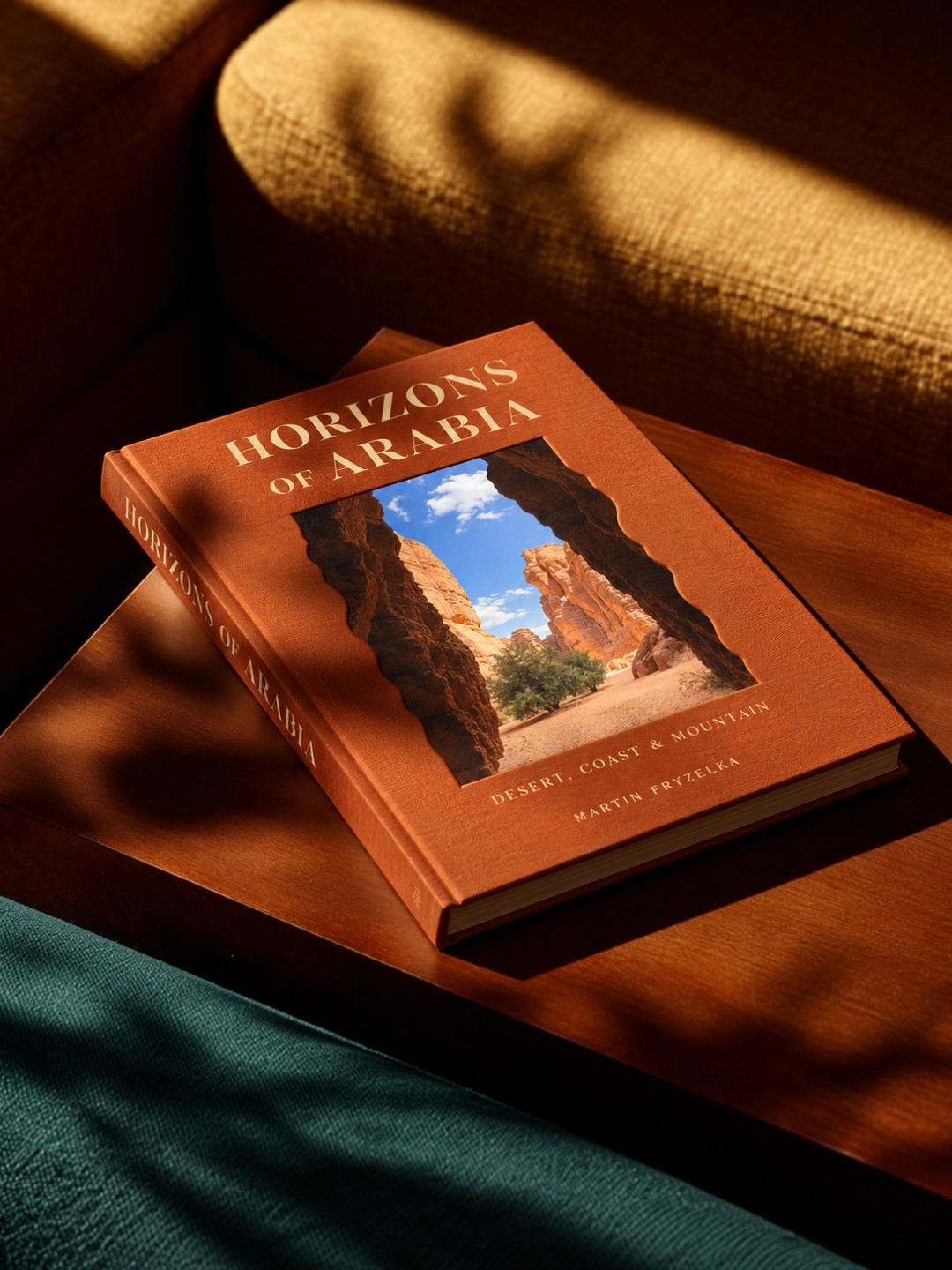
Horizons of Arabia: Desert, Coast & Mountain is scheduled for publication in November 2026. More information is available at www.horizonsofarabia.com.
For more stories of art and culture, visit our dedicated archives.