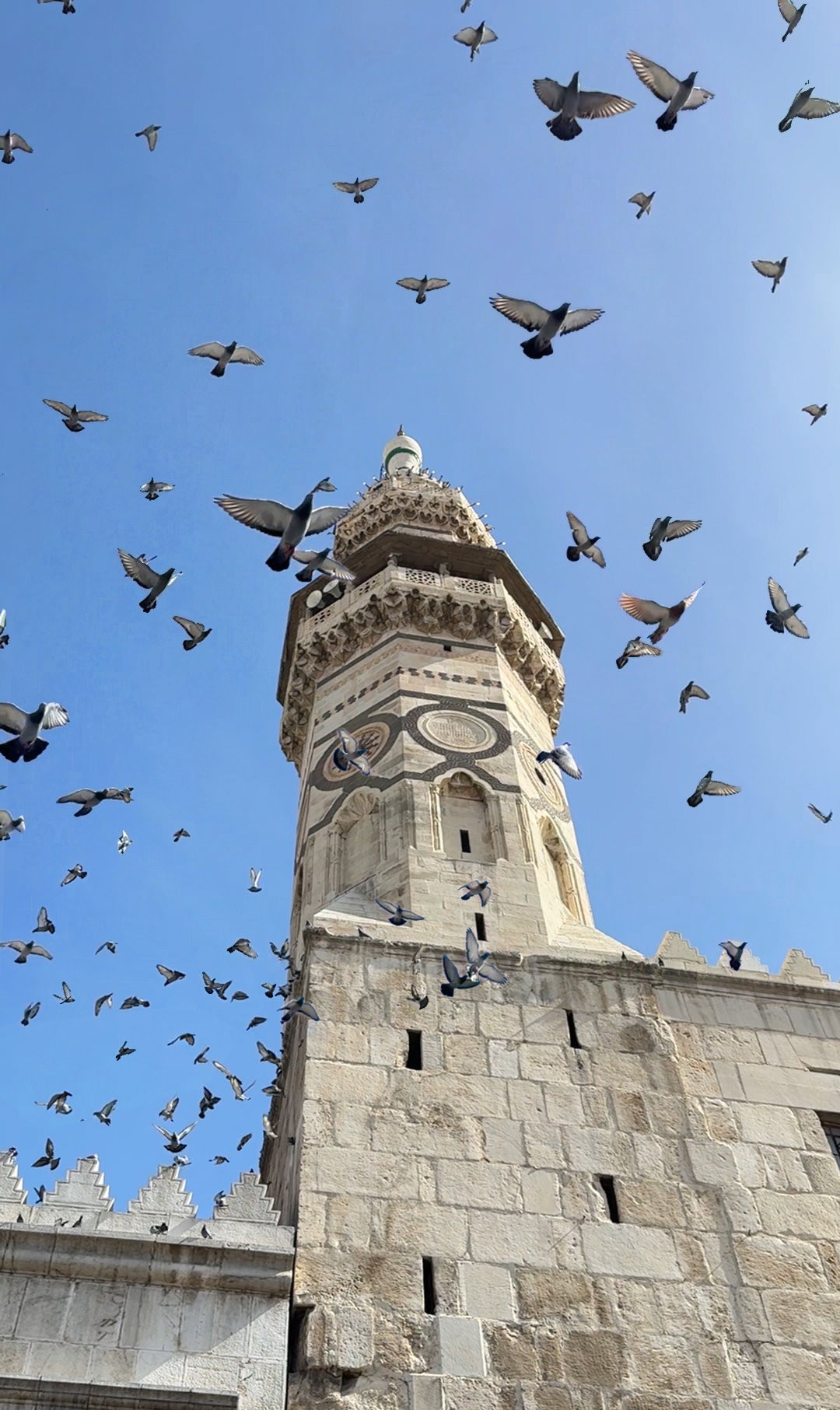
There is a particular way we look at a place after we have been away from it for too long. Familiar streets suddenly demand attention. A doorway becomes more than a doorway. The smell of food, the sound of voices in a souq, the light falling across an old wall all seem to carry something that was invisible before.
For Polish-Syrian photographer Nadine Ghannoum, returning to Syria was as much about remembering as it was about seeing.
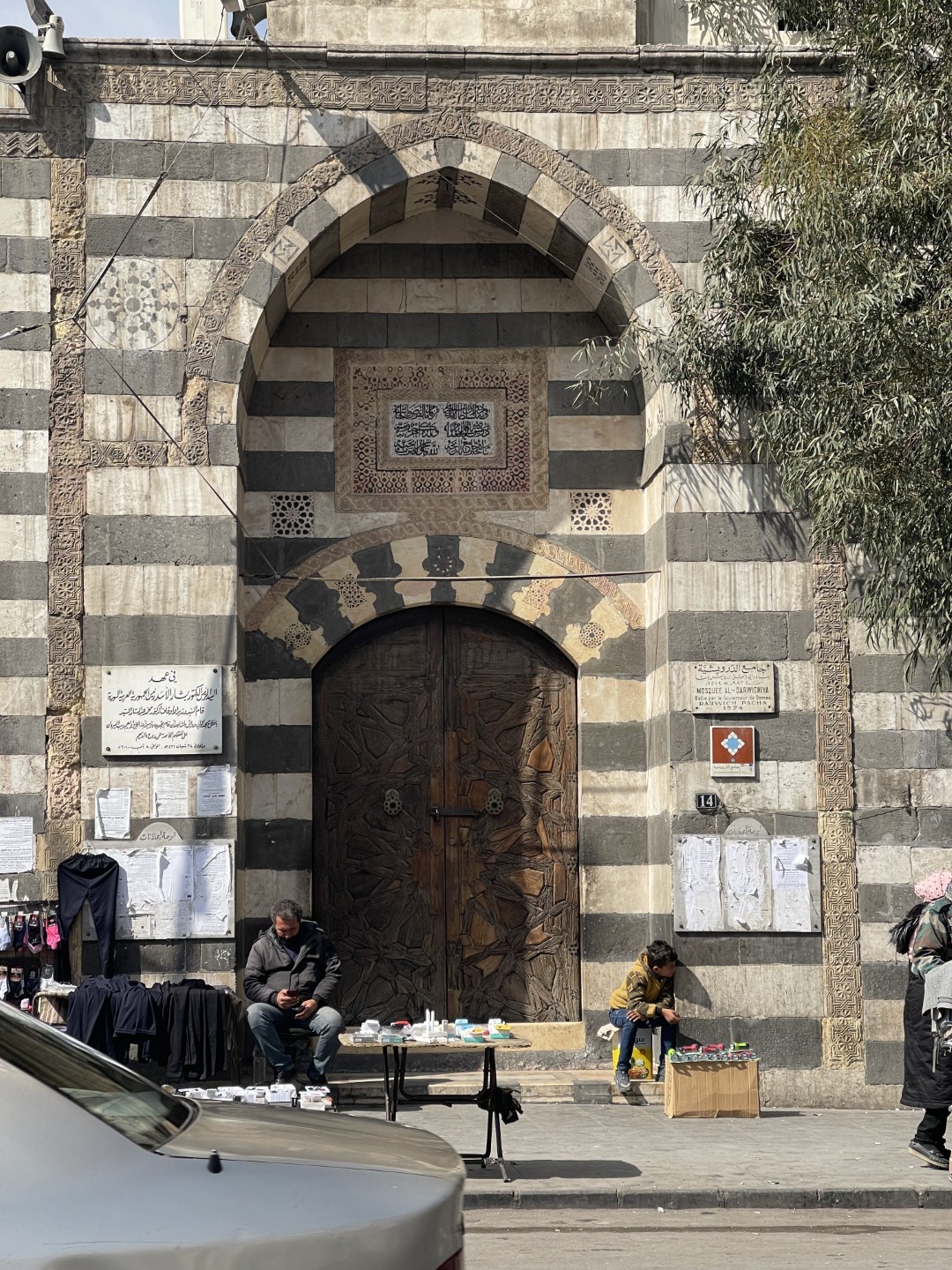
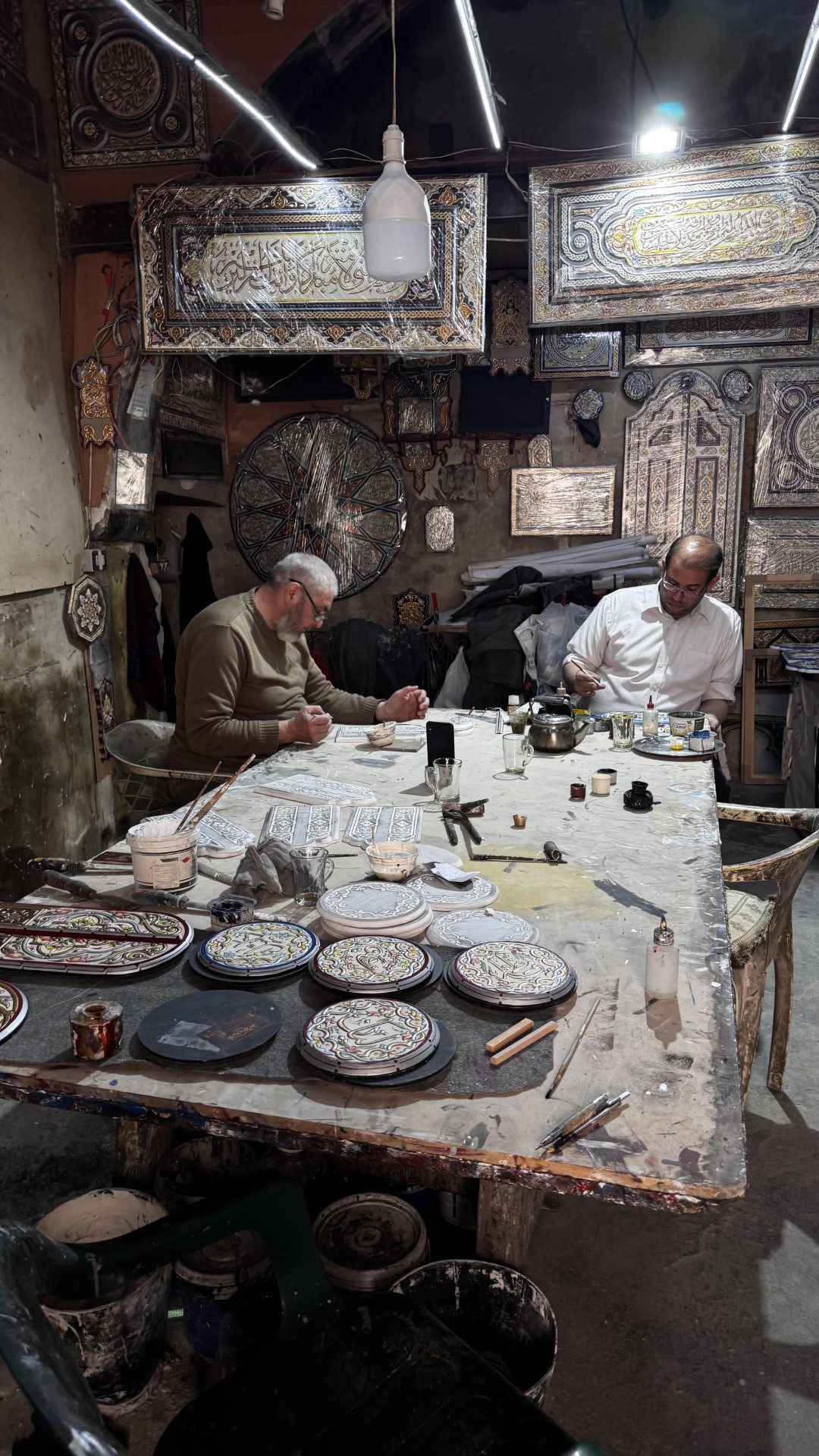
“Leaving Syria wasn’t a choice I wanted, and starting over from scratch was exhausting,” she says. “Part of me was also tired of living only in memories of home.” Her return became an opportunity to turn those memories into something tangible, building a deeply personal photographic diary from the places and details she had carried with her while away.
Ghannoum’s relationship with Syria has always existed through more than one lens. Being both Polish and Syrian gave her an awareness of the details that distinguish one culture from another, and perhaps an instinct to protect them through images.
“Being half-Polish and half-Syrian showed me how much detail sits in our food, architecture, crafts, art, and history,” she explains. “That dual perspective pulls me toward photographing those details, the heritage in the smallest parts of daily life.”
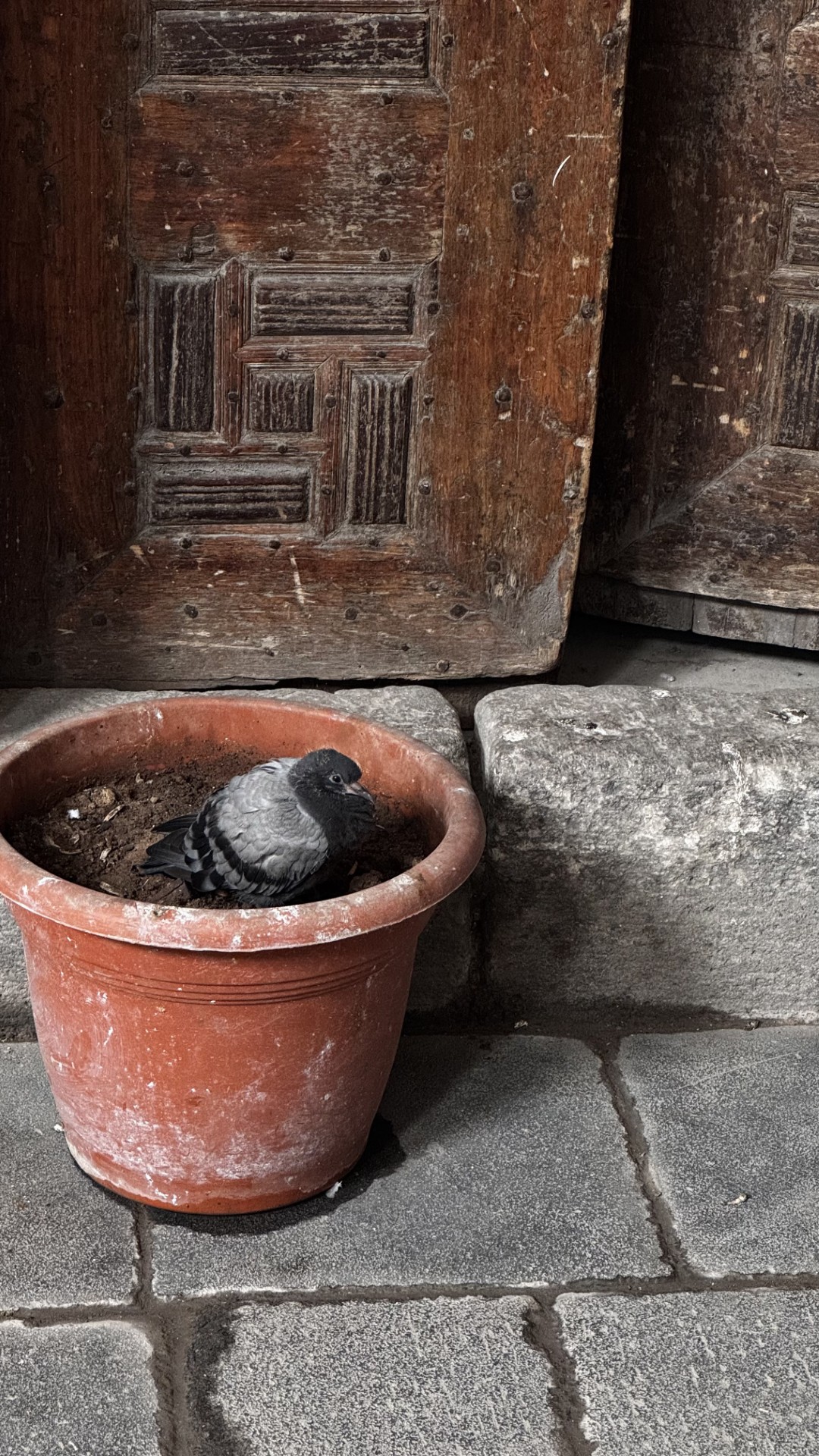
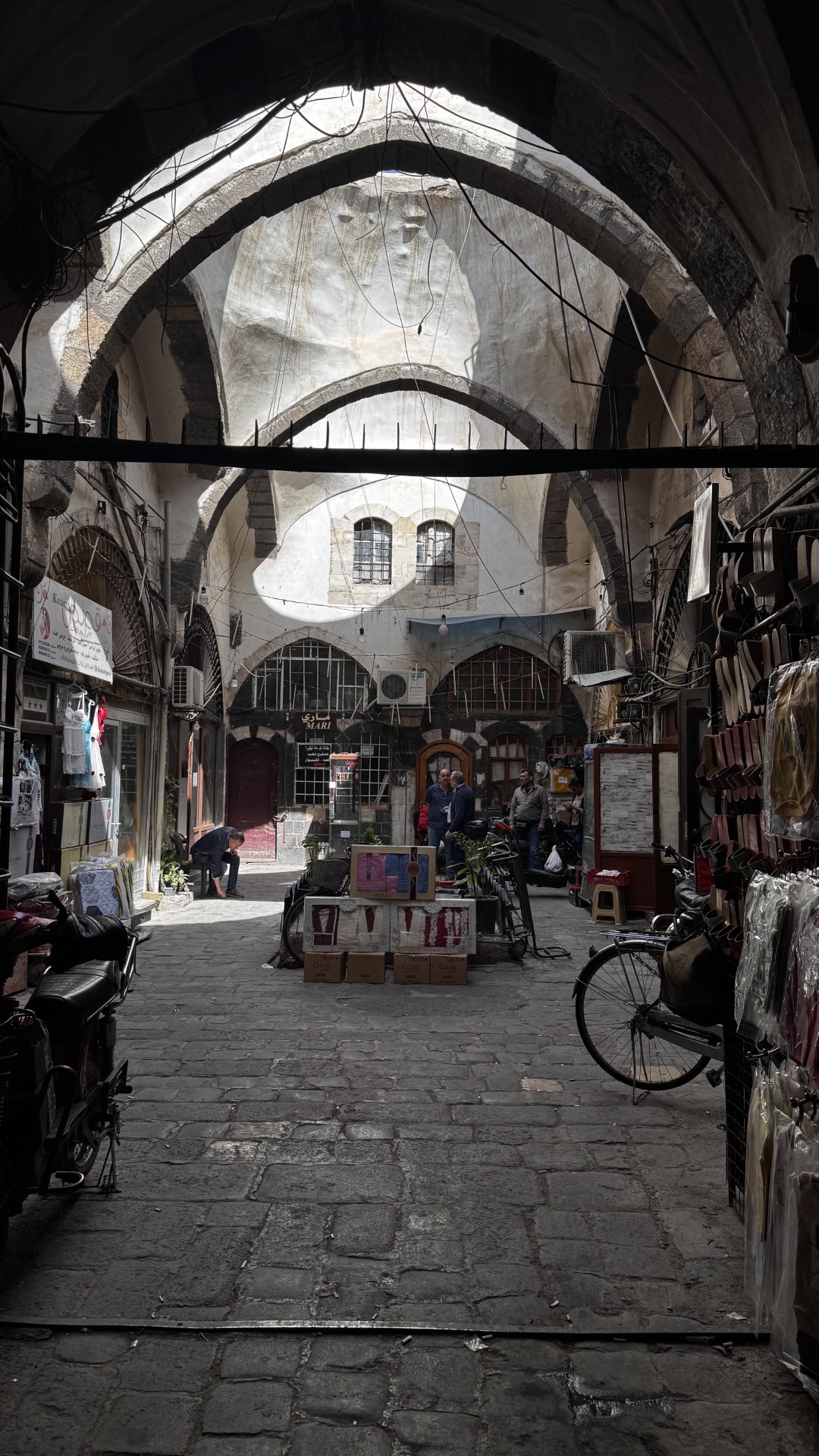
And it is precisely the small things that give this diary its intimacy.
There was no rigid shot list or predetermined route. Instead, Ghannoum allowed memory and instinct to guide her. She photographed what she had missed, what felt familiar and what still seemed alive. Faces, streets, architecture and ordinary places became markers of continuity.
“I followed what my heart and senses missed most while I was away,” she says. “I focused on the things that felt alive, the small details, familiar faces, and everyday spots that show our spirit are still standing.”
Her first days back sharpened that awareness. Arriving on a warm spring day, she found herself wishing photography could hold more than an image.
“I wished my camera could capture the sounds and smells, too,” she recalls. “Being away so long made me look closer at everything I passed, people’s faces, their conversations, the scent of the trees, the food, the history we carry.”
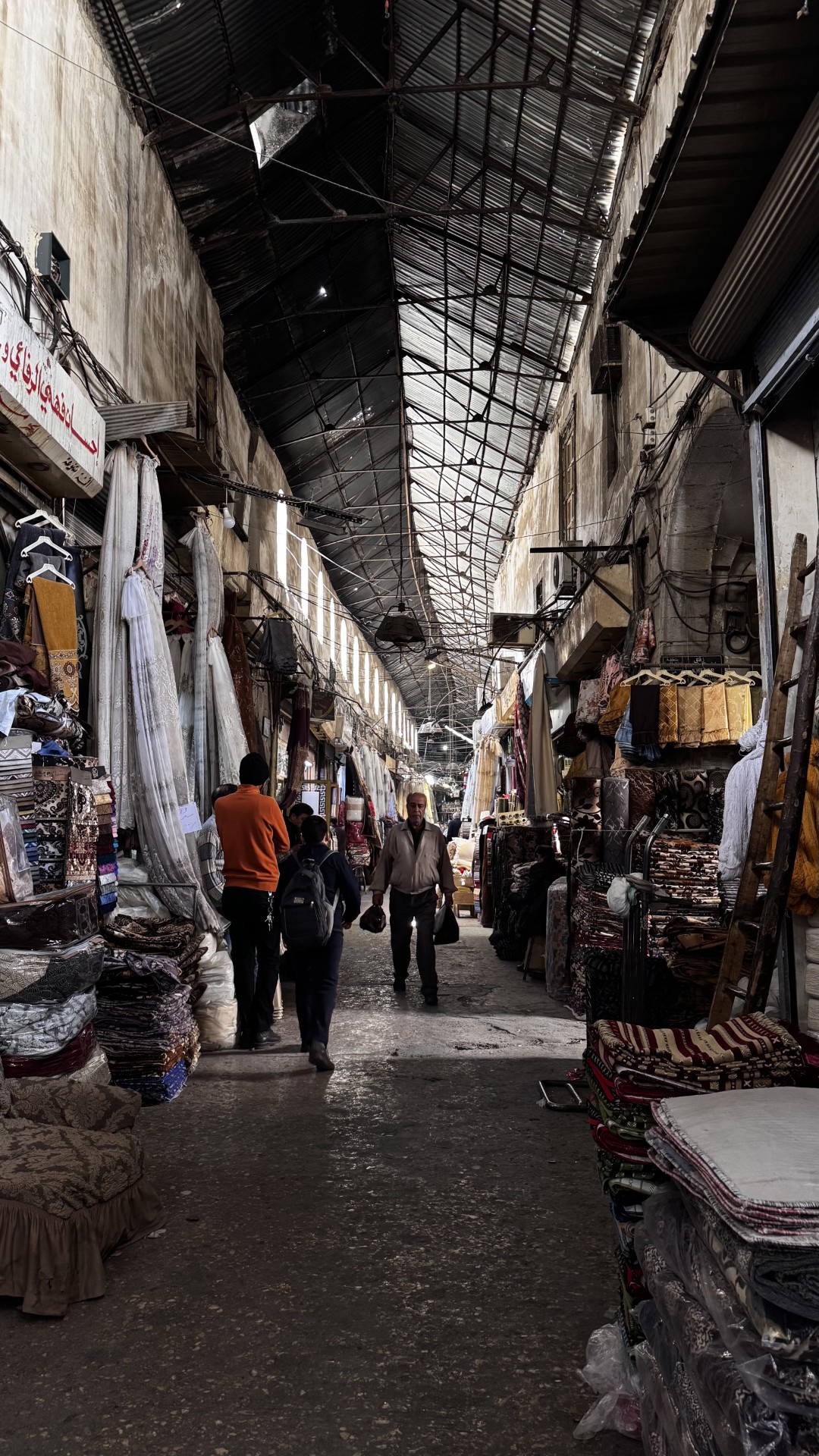
Perhaps the most personal image in the diary is also the simplest act of return. Ghannoum recreated a childhood photograph taken during her first trip around the Old City with her mother. Twenty-eight years separate the two images.
“Standing in that same spot, it felt like nothing had changed,” she says. “Only I had gotten older.”
It is an image that captures the strange elasticity of home. Time moves, people leave, buildings age and histories accumulate, yet certain places have the ability to collapse decades into a single moment.
Ghannoum is also conscious of the Syria that often exists outside these intimate experiences. Her photographs deliberately move away from the country as an abstract headline and toward the people, beauty and daily rituals that continue within it.
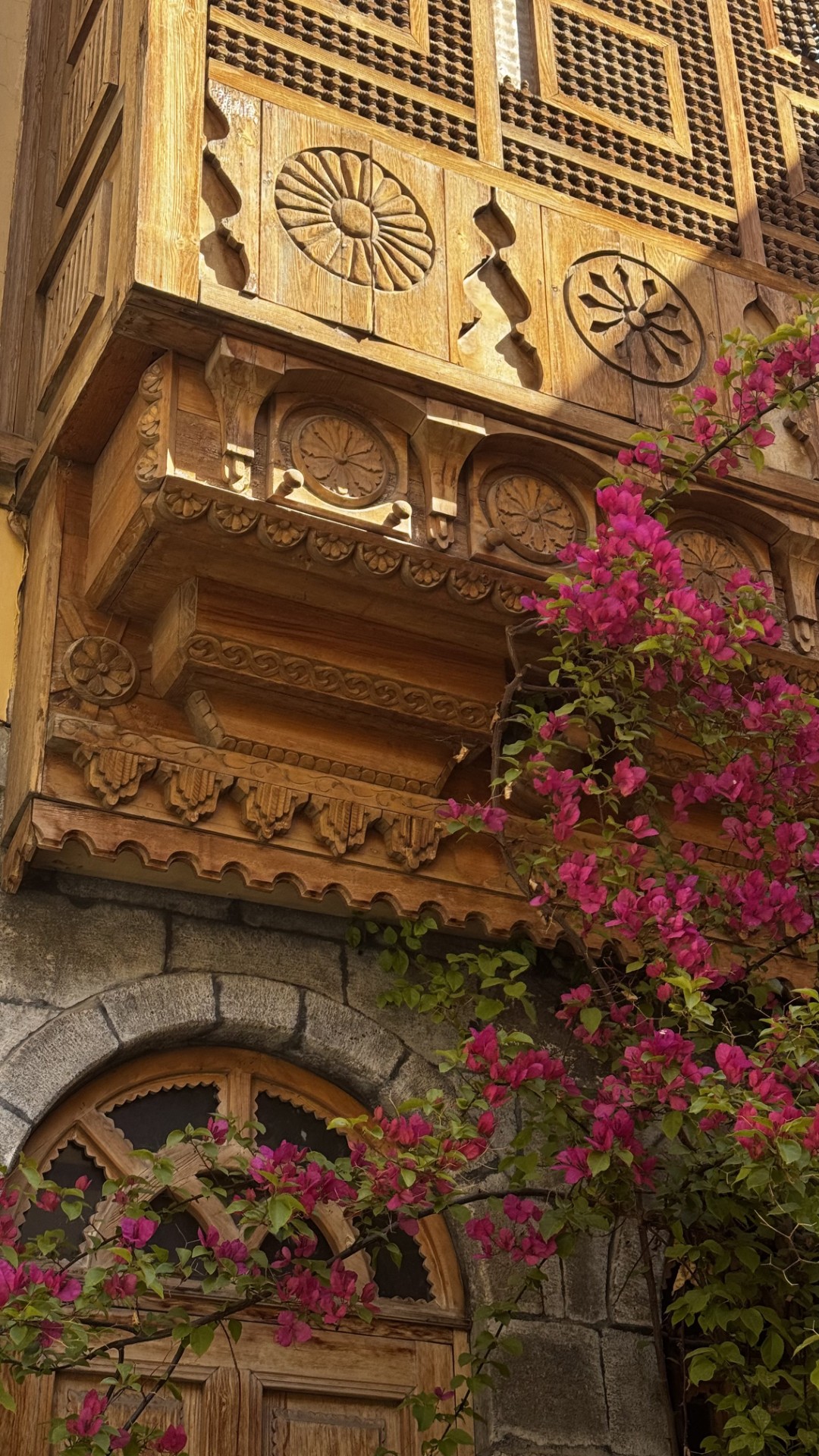
“I wanted to reveal the art hidden behind ordinary doorways and the beauty of old Damascene houses,” she says. For her, Syria is shaped by “quiet resilience and warmth”, a place whose character persists alongside the visible traces of its history.
She does not attempt to photograph beauty while excluding loss. The two are inseparable.
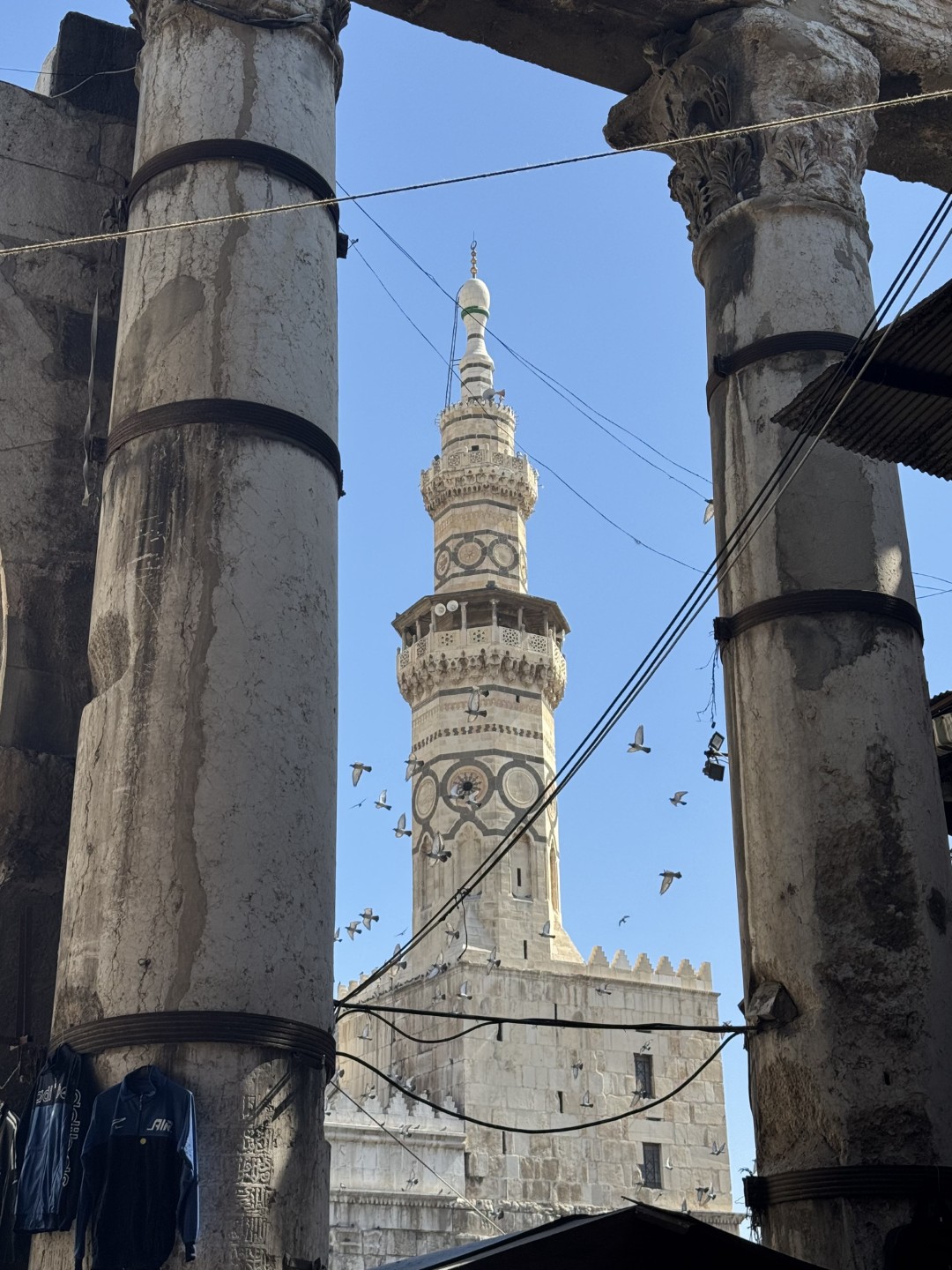
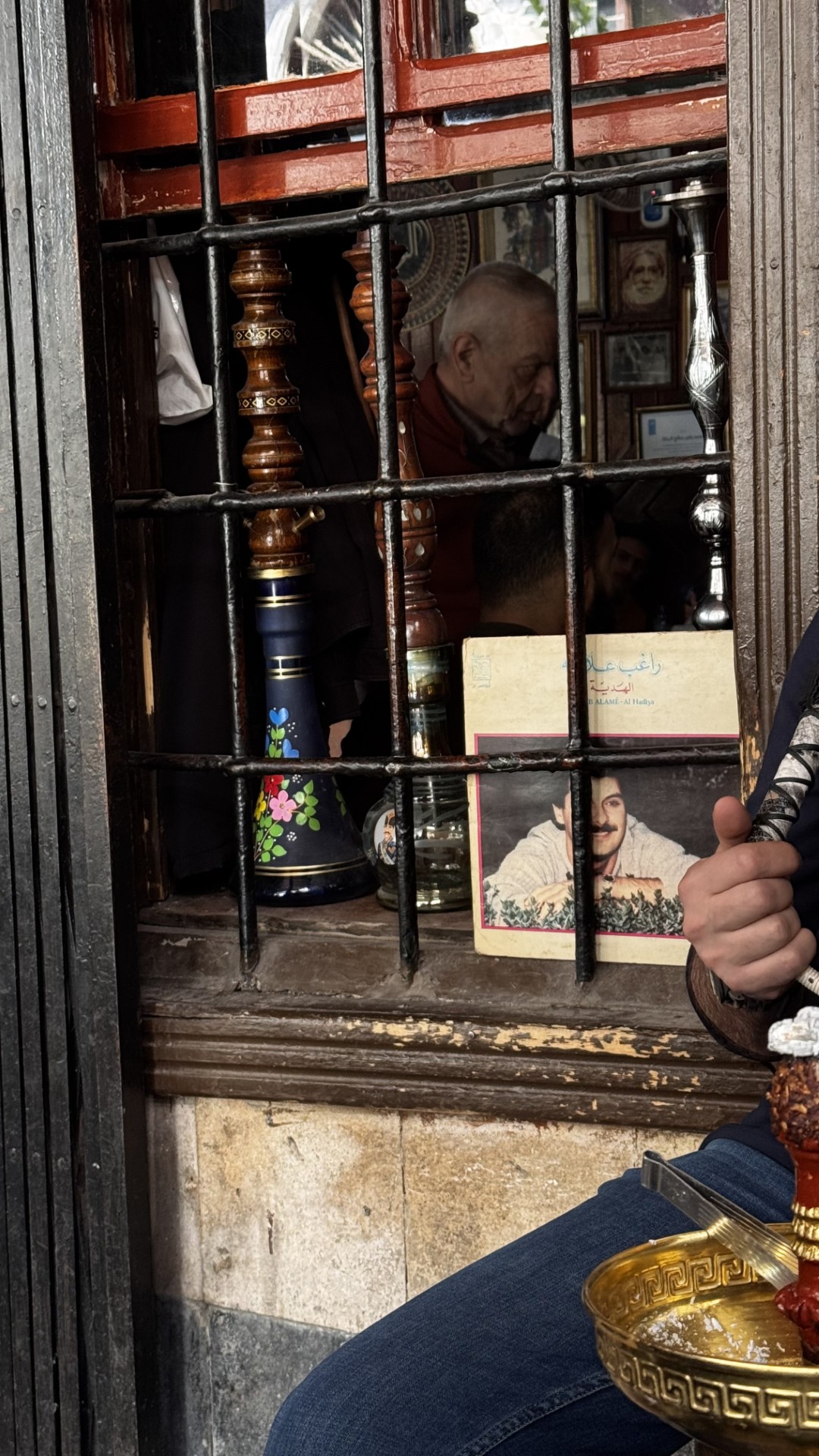
“In Syria, beauty and loss live in the same streets,” she says. “My photos hold both at once: the scars, and the stubborn warmth of people refusing to let go of life.”
The people she encountered rarely turned away from her lens. Ghannoum describes an openness among those she photographed, almost a desire to be recorded as they were, within ordinary life rather than through the narratives usually imposed upon them. The conversations she remembers most were not about geopolitics but about simple hopes, daily existence and a sense of relief that she encountered on the streets.
Photography also became a way of negotiating Ghannoum’s own identity. Distance had preserved Syria in memory, but returning allowed those memories to become physical again.
“Walking those streets showed me my Syrian heritage carries a grace that distance couldn’t fade,” she says.
That desire to make a memory feel alive continues beyond the still photograph. Ghannoum uses digital tools to transform some of her images into moving visual stories, adding movement and atmosphere without wanting technology to overwhelm what was originally there.
“I use digital tools not to change the truth, but to give it a heartbeat,” she explains. For her, technology becomes “a modern brush”, another way of communicating emotion while keeping tradition and the original human experience at the centre.
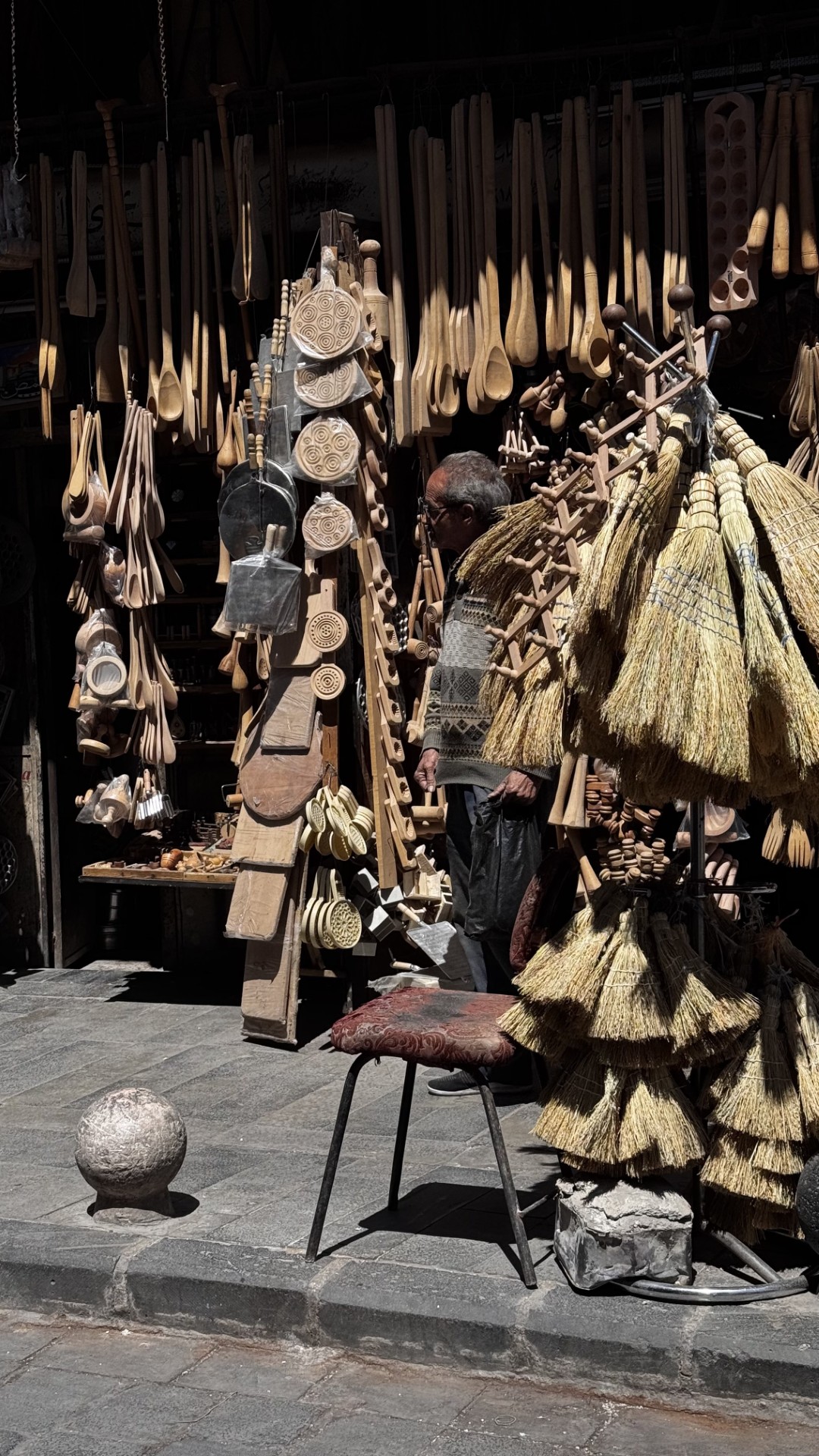
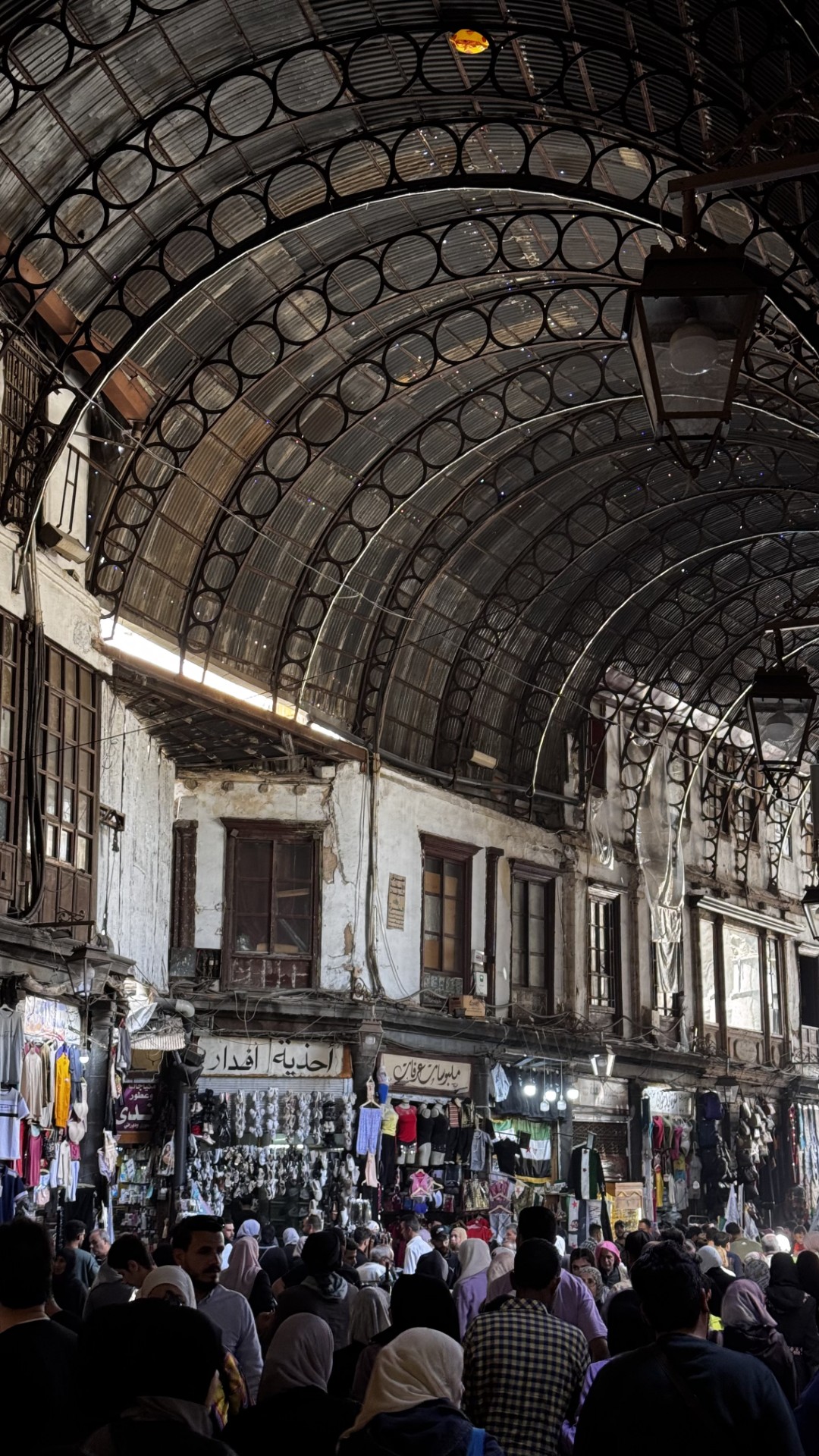
Ultimately, Ghannoum’s Syrian diary is not an attempt to explain a country in its entirety. It is something more personal: a return seen through one woman’s memories, heritage and camera.
“I hope readers look past the headlines to feel the pulse, art, and warmth of everyday life,” she says. “I want them to see Syria not as a place defined by tragedy, but as a home of grace and stubborn resilience.”
And perhaps that is what a diary can do that a headline cannot. It allows a country to be encountered slowly, through a face, a doorway, an old photograph and the sound of a street we can almost hear.
For more stories of art and culture, visit our dedicated archives and follow us on Instagram.