Extraleganza may be Piaget’s latest creative chapter, but its roots stretch back to the maison’s golden age. To understand the concept currently shaping Piaget’s creative universe (itself a portmanteau of extravagance and elegance), you first have to understand the era that continues to inspire the maison’s Creative Director, Stéphanie Sivrière. And for that, we’re going back to the 1960s and 1970s. Piaget’s Golden Age.
This was a time when luxury wasn’t trying to blend in. The Swiss maison wrapped its identity around textured gold, ornamental stone dials, vibrant gemstones, and a jet-set lifestyle that stretched out between Saint-Tropez, Monaco, Palm Beach, and the French Riviera. It was a world embraced by artists, socialites, royalty, and Hollywood stars alike.
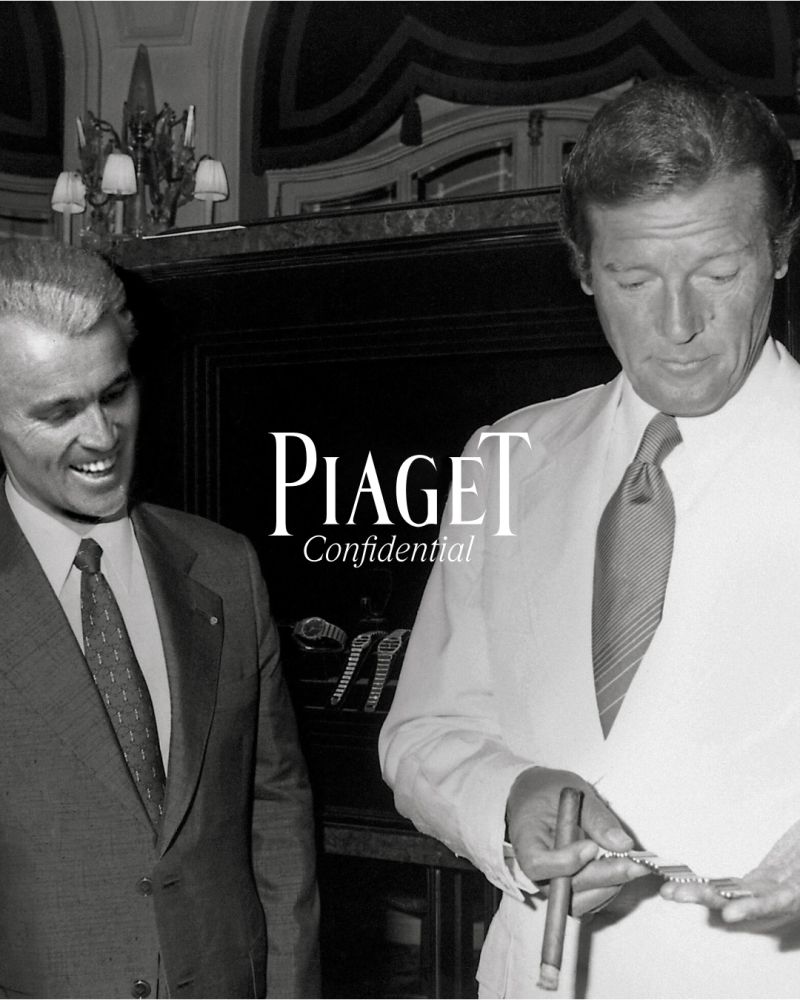
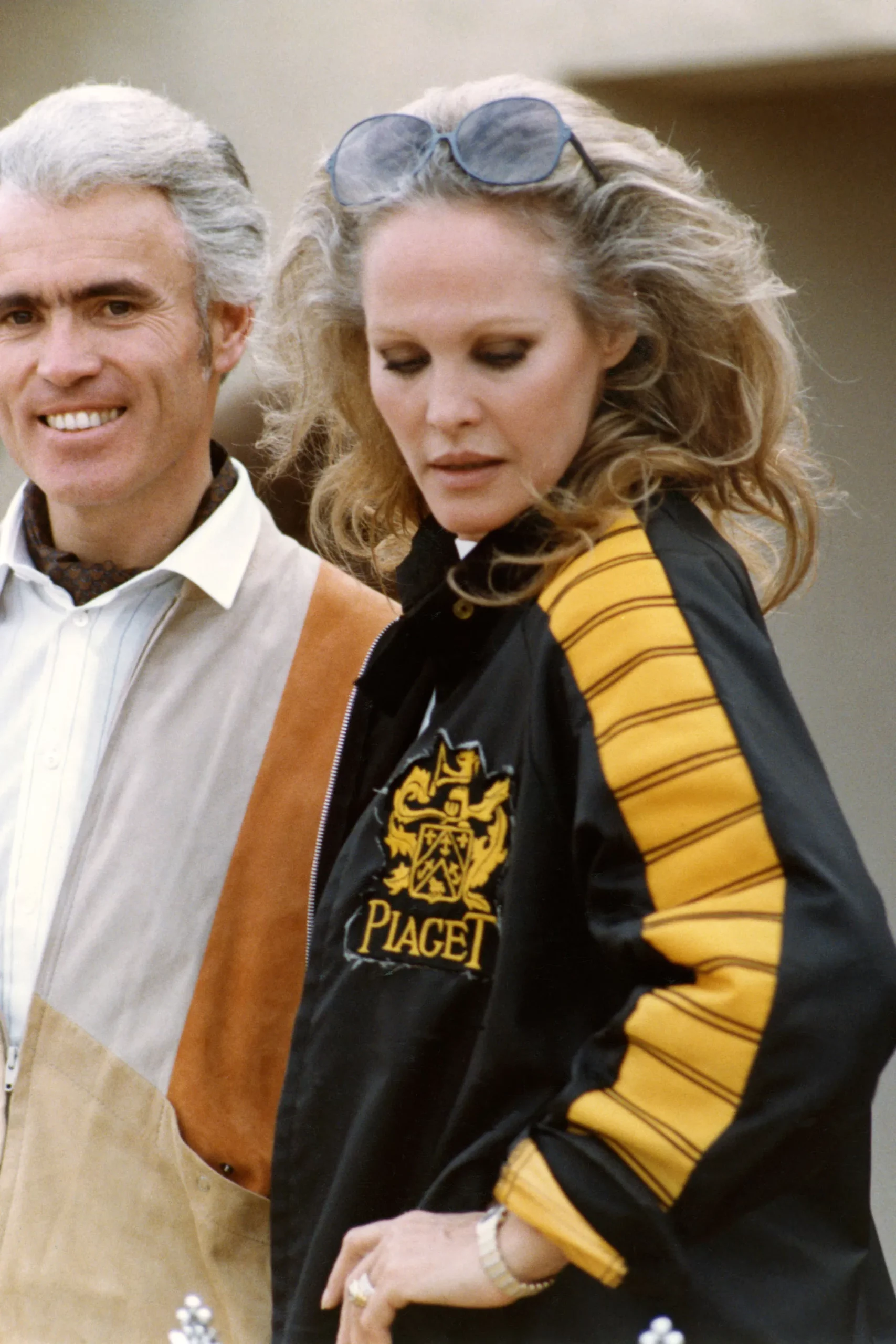
Today, every luxury brand wants a roster of celebrities, creators, and cultural tastemakers attached to its name. Piaget had one long before social media made that strategy mainstream, AKA the Piaget Society. Think of the Piaget Society as the 1970s equivalent of getting Andy Warhol, Brooke Shields, Roger Moore, and half your Pinterest board into the same group chat. Before ‘influencer marketing’ existed, these cultural icons were already aligned with the brand.
This is also where Extraleganza begins.
A combination of elegance and extravagance, the term captures Piaget’s belief that luxury doesn’t have to choose between refinement and self-expression. For Stéphanie Sivrière, that philosophy is inseparable from the maison’s golden era. It was during these decades that Piaget transformed colourful ornamental stones into miniature works of art, blurred the lines between jewellery and watchmaking, and embraced a visual language that felt radically modern for its time.
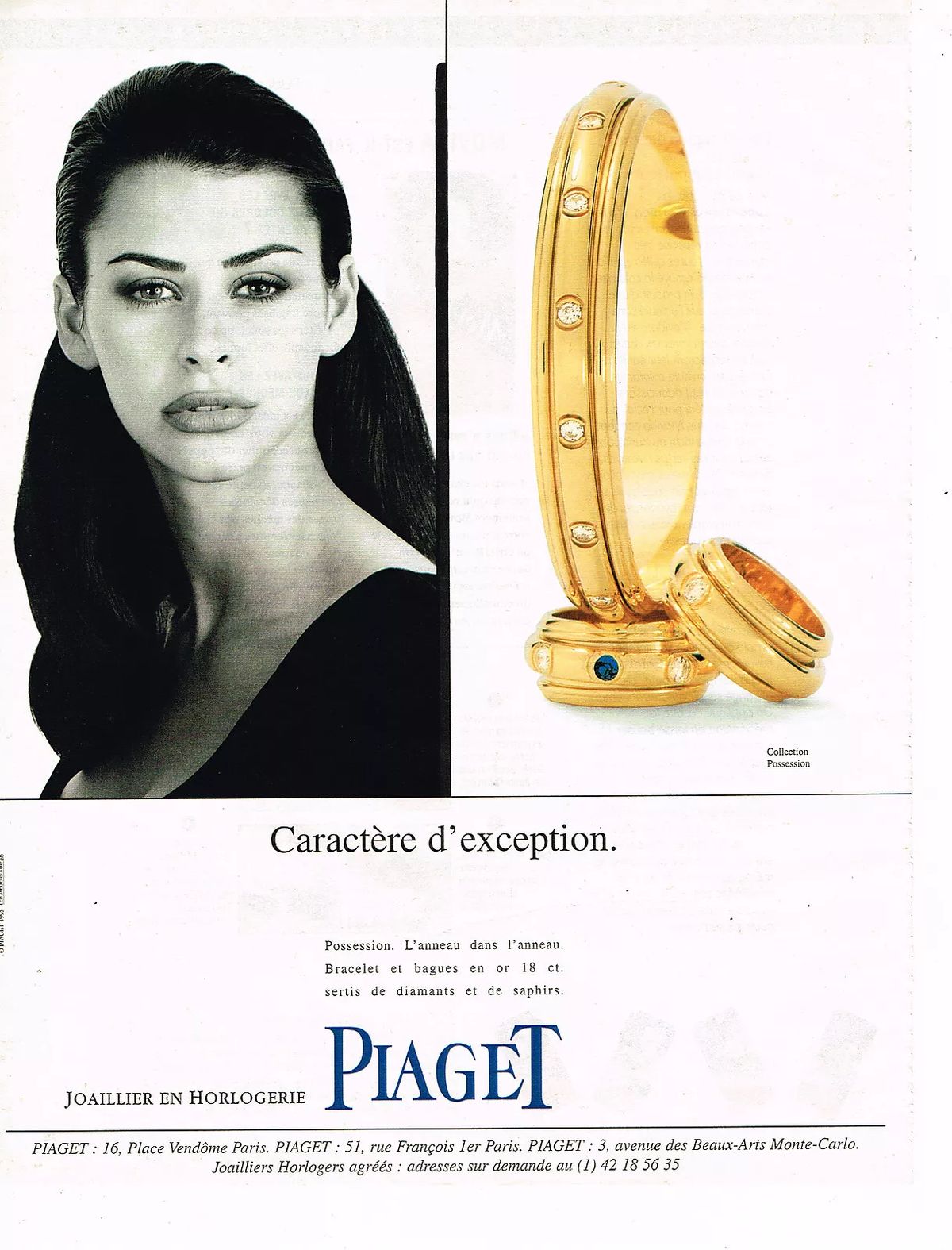
More than half a century later, many of those same ideas are finding a new audience. As fashion moves away from uniform minimalism and towards individuality, collecting, colour, and personal expression, Piaget’s archives feel surprisingly current. The same glamour that once played out aboard yachts in Saint-Tropez is now finding a new audience in a generation that has grown tired of blending in.
So before we talk about Extraleganza today, we need to understand where it came from. And that story starts in Piaget’s most colourful chapter.
When More Was More
Piaget’s fascination with ornamental stones began in 1963, but what the maison achieved went far beyond simply introducing colourful watch dials. At a time when most watchmakers were turning towards steel and functionality, Piaget was transforming the timepiece into a work of art.
The real plot twist? None of this would’ve happened without the ultra-thin 9P movement, introduced by Piaget in 1957. Its revolutionary slimness gave the maison something most watchmakers didn’t have: freedom. Suddenly, the dial wasn’t just there to tell the time—it was a canvas waiting to be filled with lapis lazuli, malachite, tiger’s eye, and whatever else Piaget’s imagination could dream up.
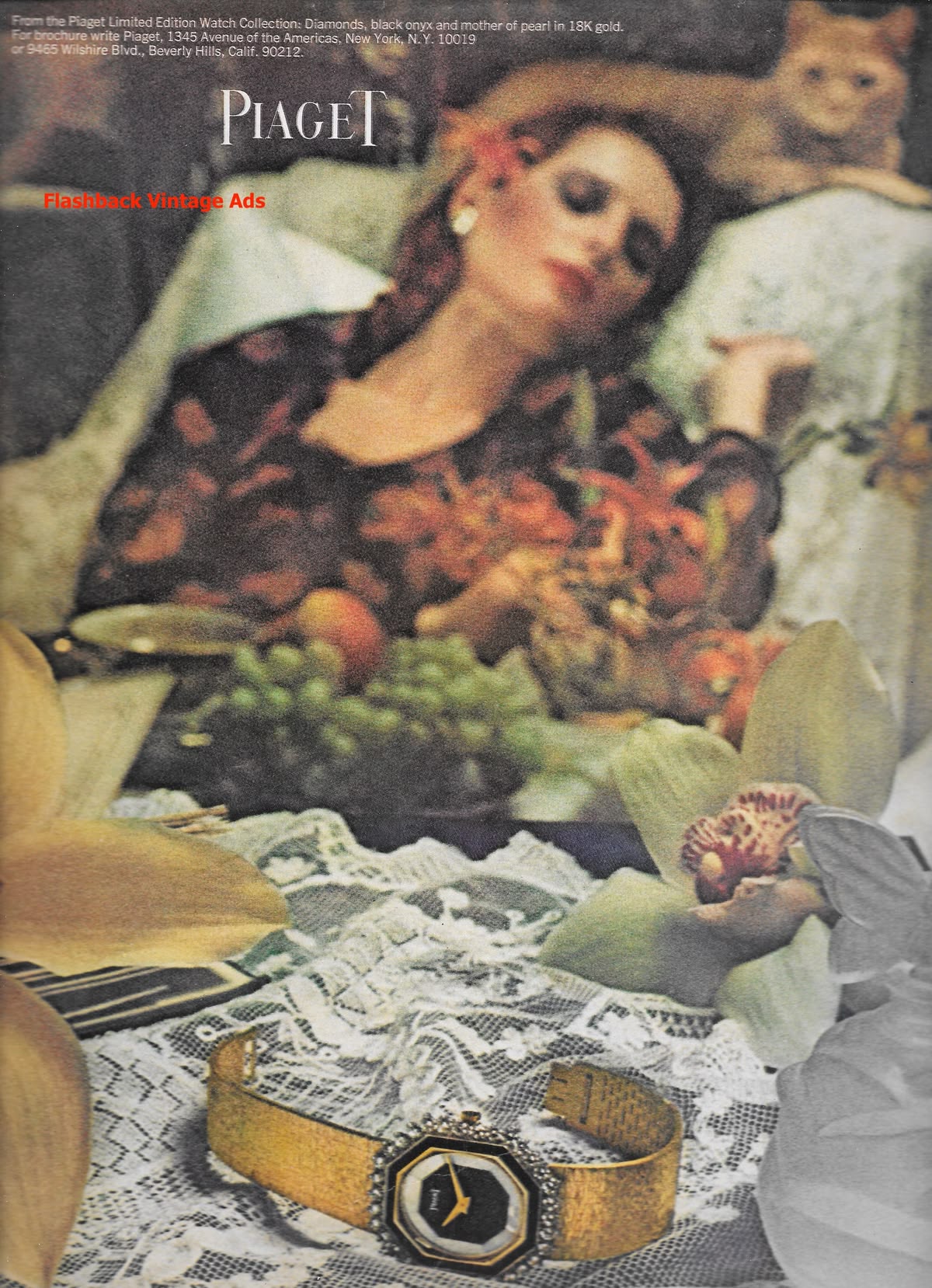
Piaget stopped treating gemstones like cheap costume jewellery and finally made them the main event. Instead of using them as little accents around the bezel, they turned the whole dial into a canvas. You’ve got the deep blue of lapis, the swirling green of malachite, and the way tiger’s eye catches the light—every single one looks like a tiny, one-of-a-kind painting. Because these are natural stones, no two watches are identical; each one has its own vibe.
The timing could not have been more perfect. The 1960s were defined by colour, experimentation and a growing appetite for self-expression. Piaget’s stone dials captured the spirit of the era, appealing to artists, actors and jet-set tastemakers who would later form the celebrated Piaget Society. Their natural markings carried an organic, almost mystical quality that resonated with the decade’s fascination with both nature and futurism.
Perhaps most remarkably, Piaget anticipated today’s obsession with personalisation decades before it became a luxury industry buzzword. Through the Style Selector programme introduced in the mid-1960s, clients could create their own jewellery watch by selecting everything from the bracelet design and stone dial to the numerals and diamond-set bezel. Long before individuality became a defining luxury value, Piaget was already placing creative choice in the hands of its clients.
Behind this explosion of colour was an extraordinary level of craftsmanship. Ornamental stones had to be sliced to astonishing thinness—sometimes as little as 0.4 millimetres—before being polished to reveal their natural patterns and brilliance. The process carried a significant risk of breakage, making each successful dial a feat of both artistry and technical mastery.
More than sixty years later, the maison continues to revisit this legacy, incorporating stones such as opal, tiger’s eye, jade, sodalite and onyx into its latest creations. What began as a daring experiment in 1963 has become one of Piaget’s most enduring signatures: a belief that watches can be as expressive, colourful and personal as the people who wear them.
The Original Influencer Circle
As Piaget’s reputation grew throughout the 1960s and 1970s, so did the circle of creatives, artists, and celebrities drawn to the maison. Created during the maison’s golden age, the Piaget Society brought together a constellation of artists, actors, models, musicians, and cultural tastemakers who embodied the spirit of the brand.
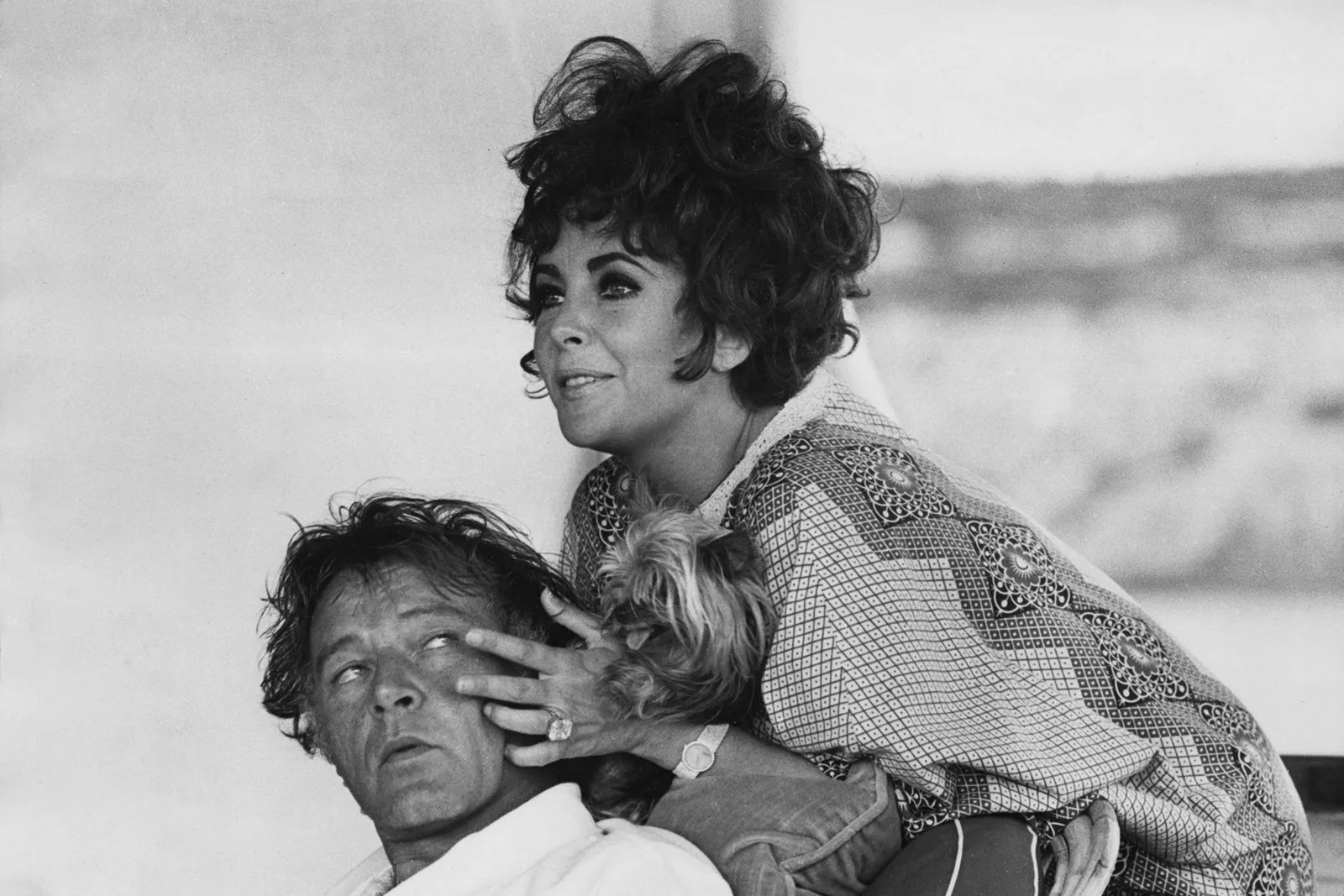
The women who came to define the era — Sophia Loren, Elizabeth Taylor, and Jackie Kennedy among them — shared a taste for that Piaget glamour. Whether arriving at Riviera soirées, vacationing aboard yachts, or travelling between the world’s most glamorous destinations, these figures reflected the lifestyle Piaget had built its universe around.
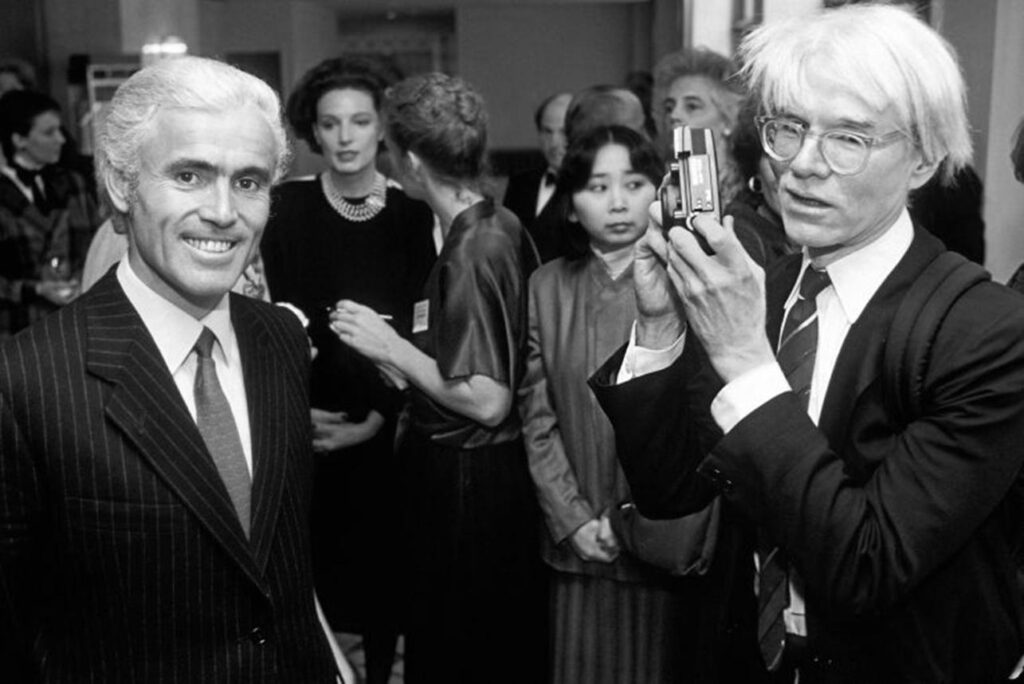
Perhaps no relationship illustrates this better than that of Andy Warhol. The artist and avid watch collector owned several Piaget timepieces throughout his lifetime and developed a close friendship with Yves Piaget himself. Decades later, that connection remains an important part of the maison’s history, speaking to Piaget’s close ties to the creative worlds of art, fashion, and culture.
In retrospect, the Piaget Society feels strikingly modern. Decades before social media transformed personalities into brands, Piaget understood the power of community. Yves Piaget recognised early on the cultural power of artists, actors, musicians, and athletes, helping position the maison at the centre of the era’s most influential social circles. In many ways, it laid the groundwork for the cultural ecosystems luxury houses continue to cultivate today.
Piaget’s presence wasn’t limited to the worlds of fashion, art, and society, finding its way onto the silver screen as well. In Martin Scorsese’s 1995 film Casino, Robert De Niro’s character Sam ‘Ace’ Rothstein wears a Piaget Polo watch, a model originally designed by Yves Piaget in 1979. Conceived as a ‘watch bracelet’ that blurred the lines between jewellery and timepiece, the Piaget Polo quickly earned a place on the wrists of some of the era’s most recognisable cultural figures.
What Gen Z Sees in Piaget
Today’s fascination with jewellery watches feels like a product of the vintage revival. Scroll through fashion week street style or luxury resale platforms and you’ll find delicate watch bracelets, miniature dials, and statement cuffs enjoying a renewed moment in the spotlight. What many don’t realise, however, is that Piaget was exploring these ideas decades earlier.
At the height of its golden age, the maison challenged conventional ideas of watchmaking by treating timepieces as jewellery first and watches second. This way of thinking defined much of Piaget’s output during its golden era. Watches weren’t treated as purely functional objects, nor was jewellery viewed as separate from watchmaking. Instead, the two came together in pieces that were as expressive as they were technically accomplished.
Many of the designs that feel fresh today—from jewellery watches and bracelet-style timepieces to richly coloured stone dials—can be traced back to this period. Decades before they became fixtures of contemporary wish lists and vintage mood boards, Piaget had already established them as part of its design language. Seen through today’s lens, these creations feel less like archival curiosities and more like blueprints for many of the trends currently shaping luxury fashion and jewellery.
For years, fashion’s dominant mood was one of restraint. Neutral palettes, understated silhouettes, and logos hidden in plain sight became shorthand for luxury, championing a vision of wealth that was intentionally discreet. Lately, though, that appetite for subtlety has started to wear off.
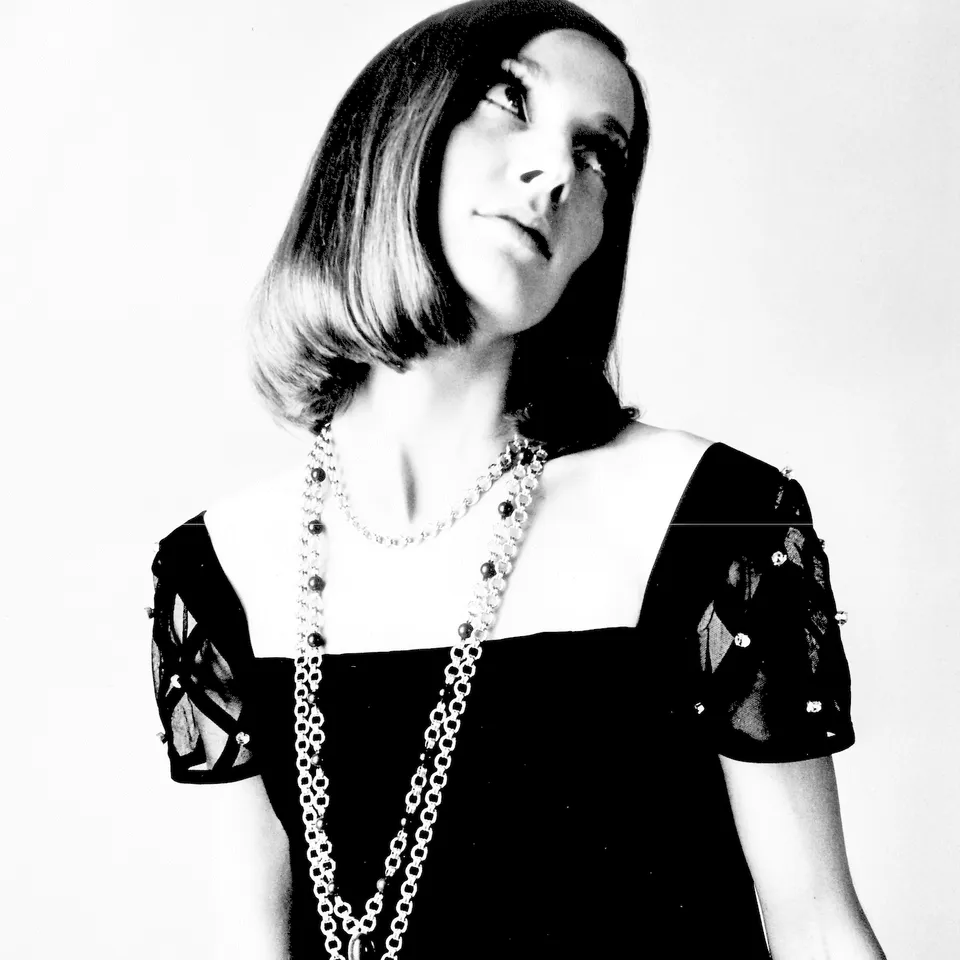
A new generation has become fascinated with archival fashion, vintage collecting, statement jewellery, and pieces that feel curated. The rise of resale culture has encouraged consumers to look backwards as much as forwards, rediscovering the houses, designs, and aesthetics that helped shape luxury in the first place.
This renewed interest makes Piaget’s archives feel particularly relevant. The maison’s golden era was defined by many of the qualities currently resonating with younger audiences: colour, ornamental stones, jewellery watches, artistic collaborations, and a willingness to embrace glamour. What once felt excessive now feels expressive.
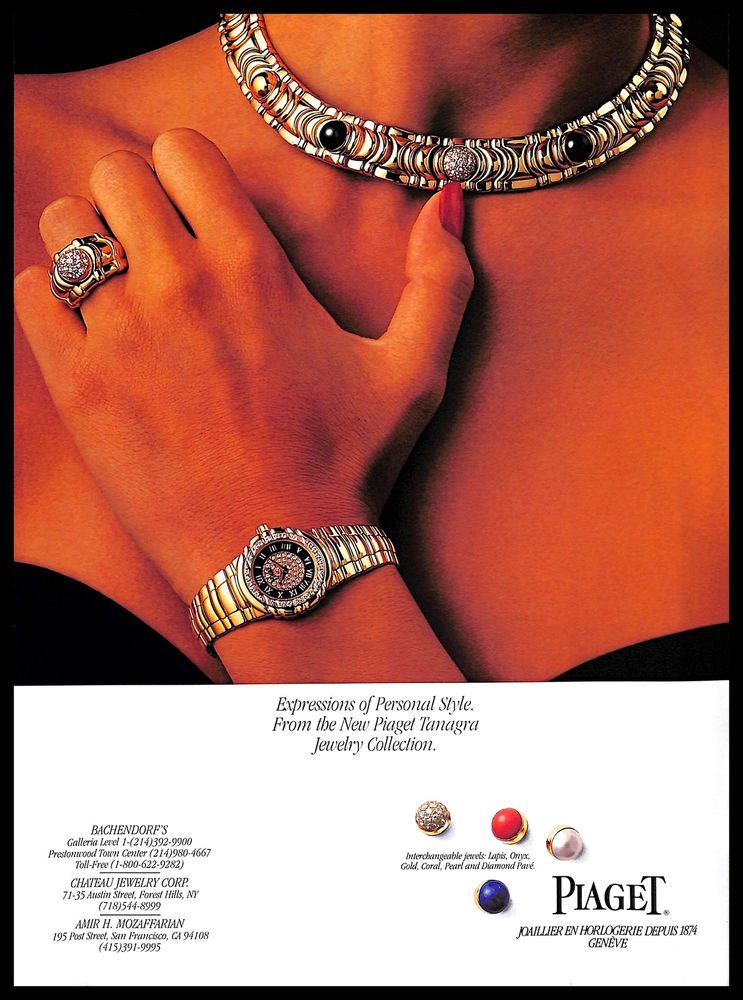
Perhaps that’s why Piaget’s archives feel so compelling today. They reveal the origins of ideas that continue to shape contemporary fashion and jewellery culture. For Gen Z, discovering Piaget is less about looking back and more about recognising just how modern the maison’s vision has always been.
If quiet luxury belonged to the last decade, Piaget’s return suggests the next one may be a little more colourful.
For more stories about the world’s finest watches, visit our dedicated archives and follow us on Instagram.