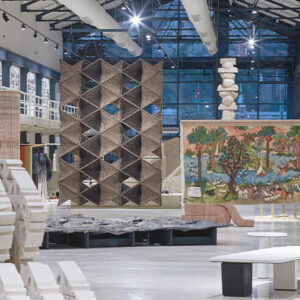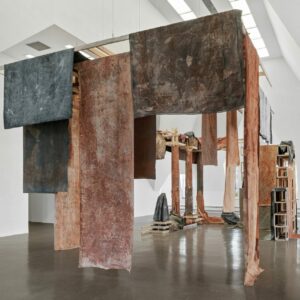
Beirut has never been a city that can be understood at a glance. It reveals itself slowly, through layers of history, architecture, memory and reinvention. In Beirut Habibi, a new volume from Assouline’s Classics Collection, the Lebanese capital unfolds as both a physical place and an emotional landscape.
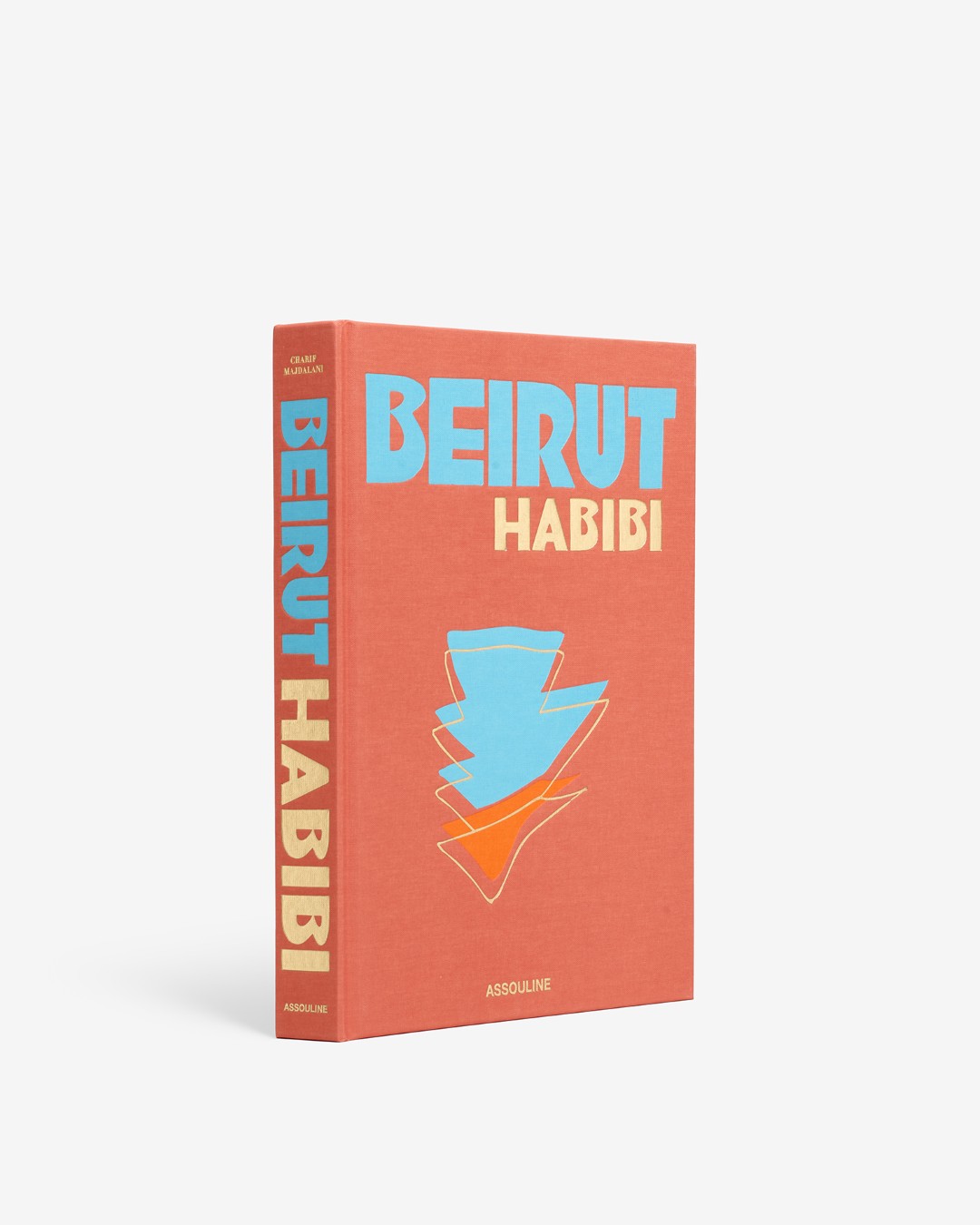
Written by Lebanese novelist and professor Charif Majdalani, the book traces a city shaped by successive civilisations. Once a Phoenician port, later a Roman colony, an Ottoman centre and part of the French Mandate, Beirut carries evidence of every era. Yet its identity has never belonged exclusively to one time or culture. Mediterranean in geography, Arab and Levantine at heart, and long influenced by European ideas, it is a city defined by encounters.
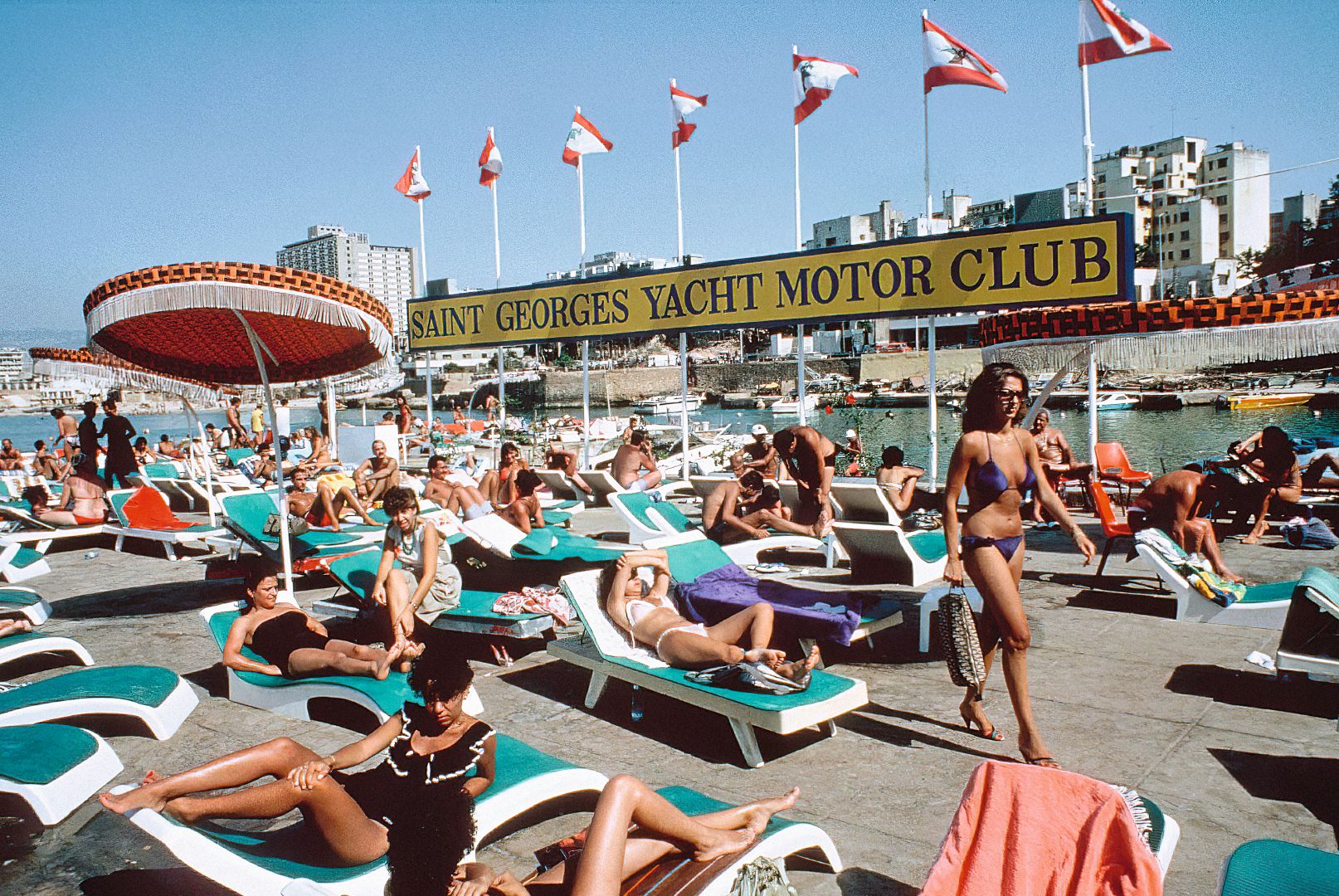
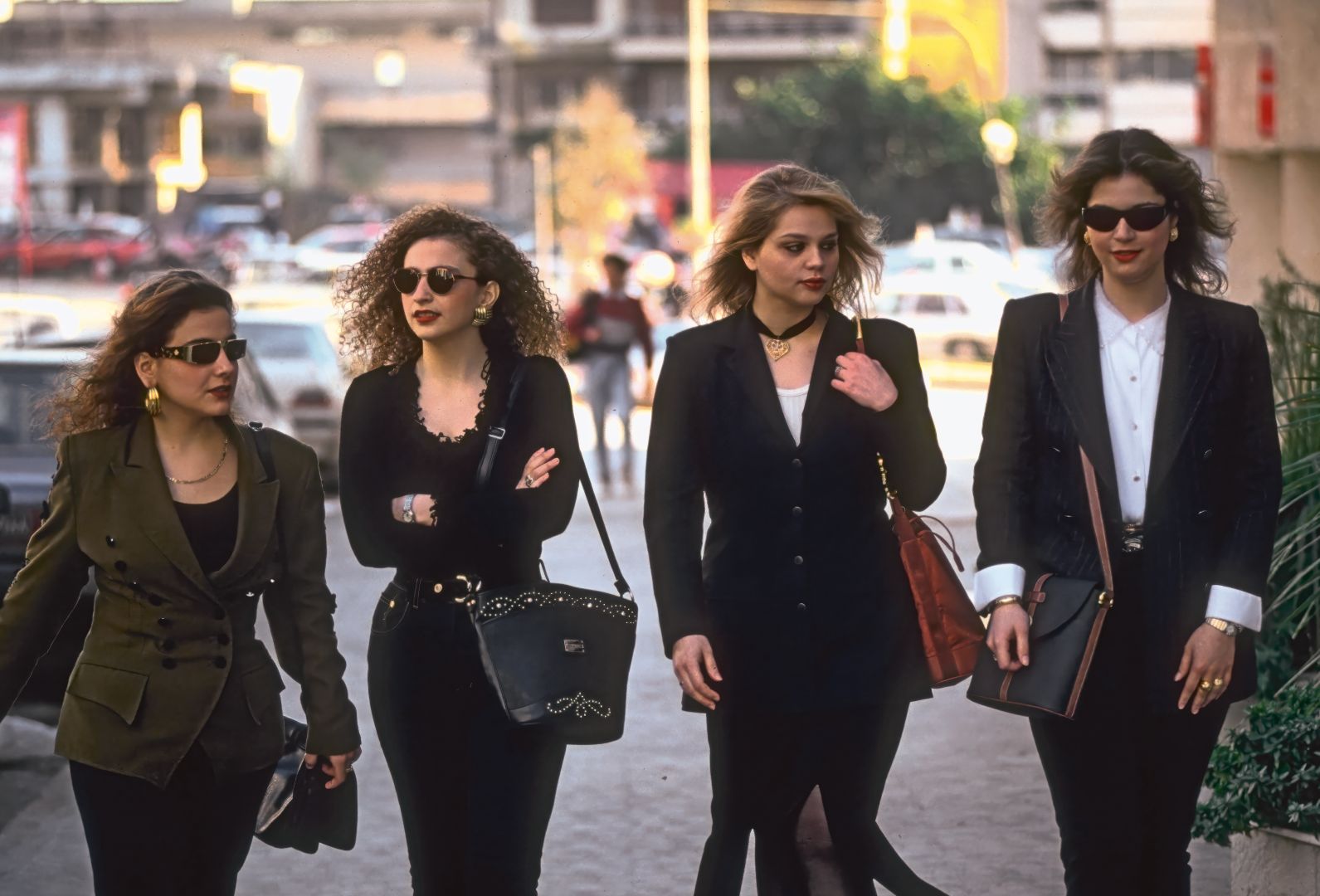
Across 304 pages, Beirut Habibi explores these contrasts through evocative imagery and Majdalani’s perspective. Historic photographs sit alongside contemporary views, moving between the city’s glamorous past and its constantly evolving present. Together, they reveal Beirut not as a fixed portrait, but as a place continuously creating new versions of itself.
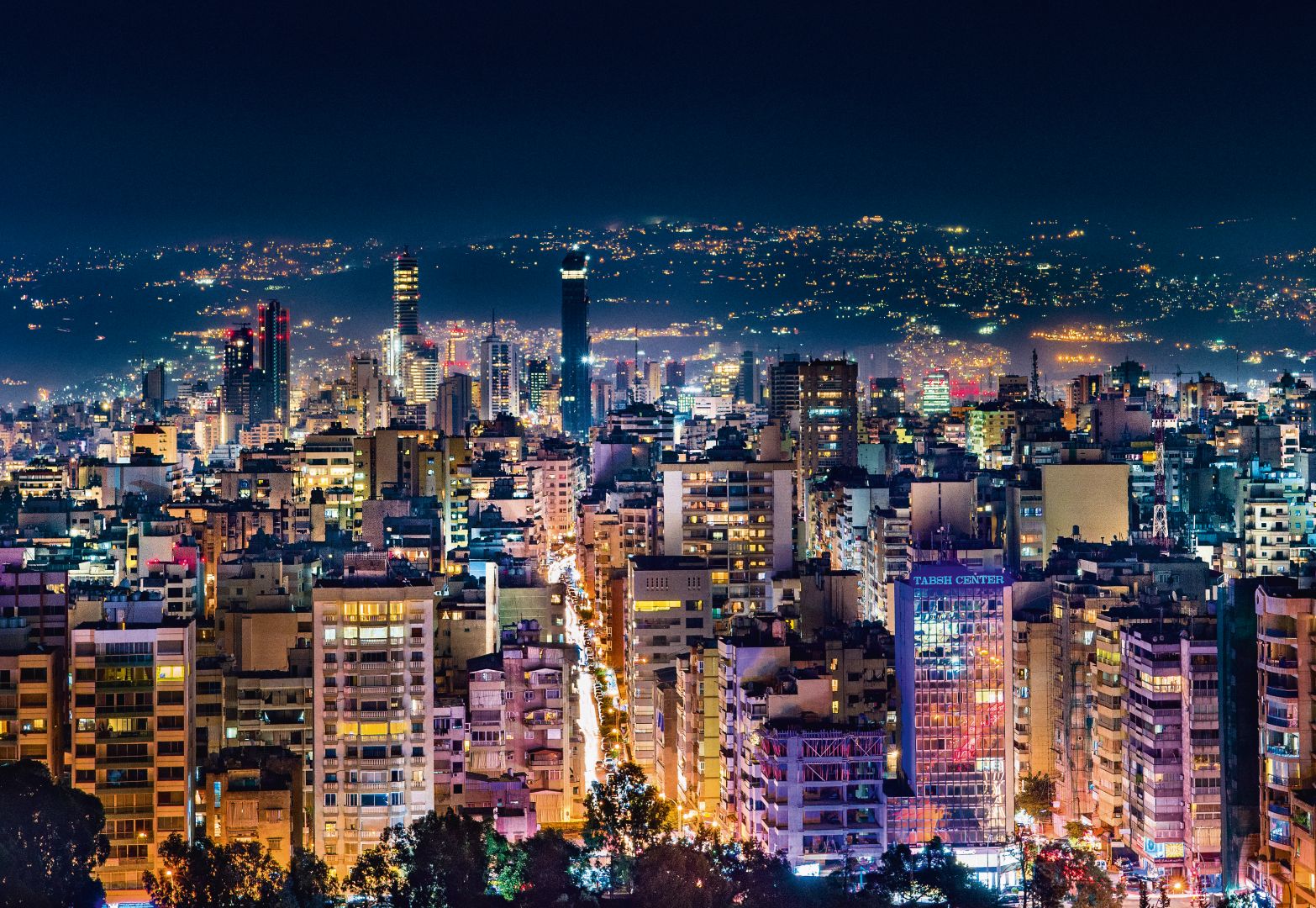
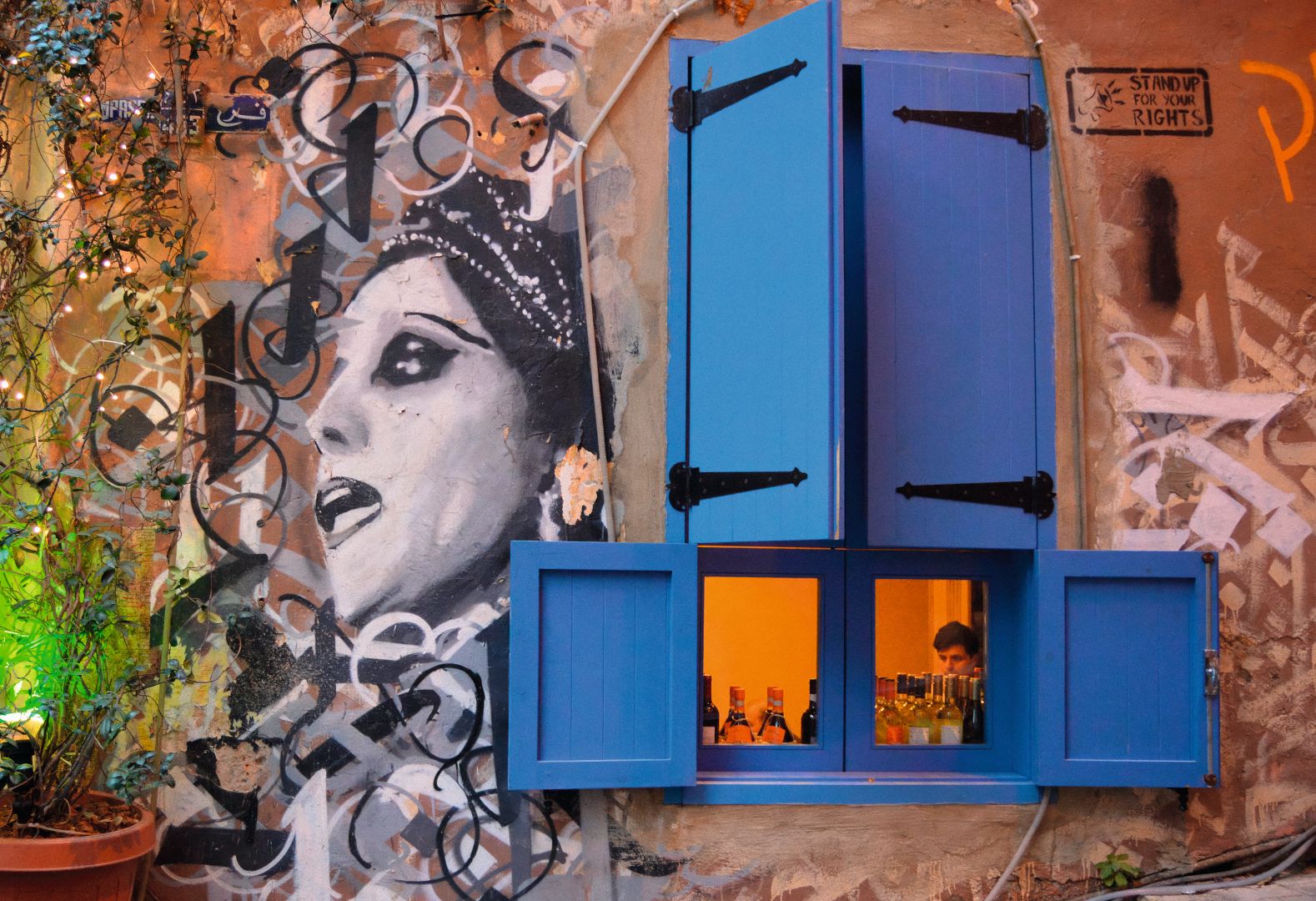
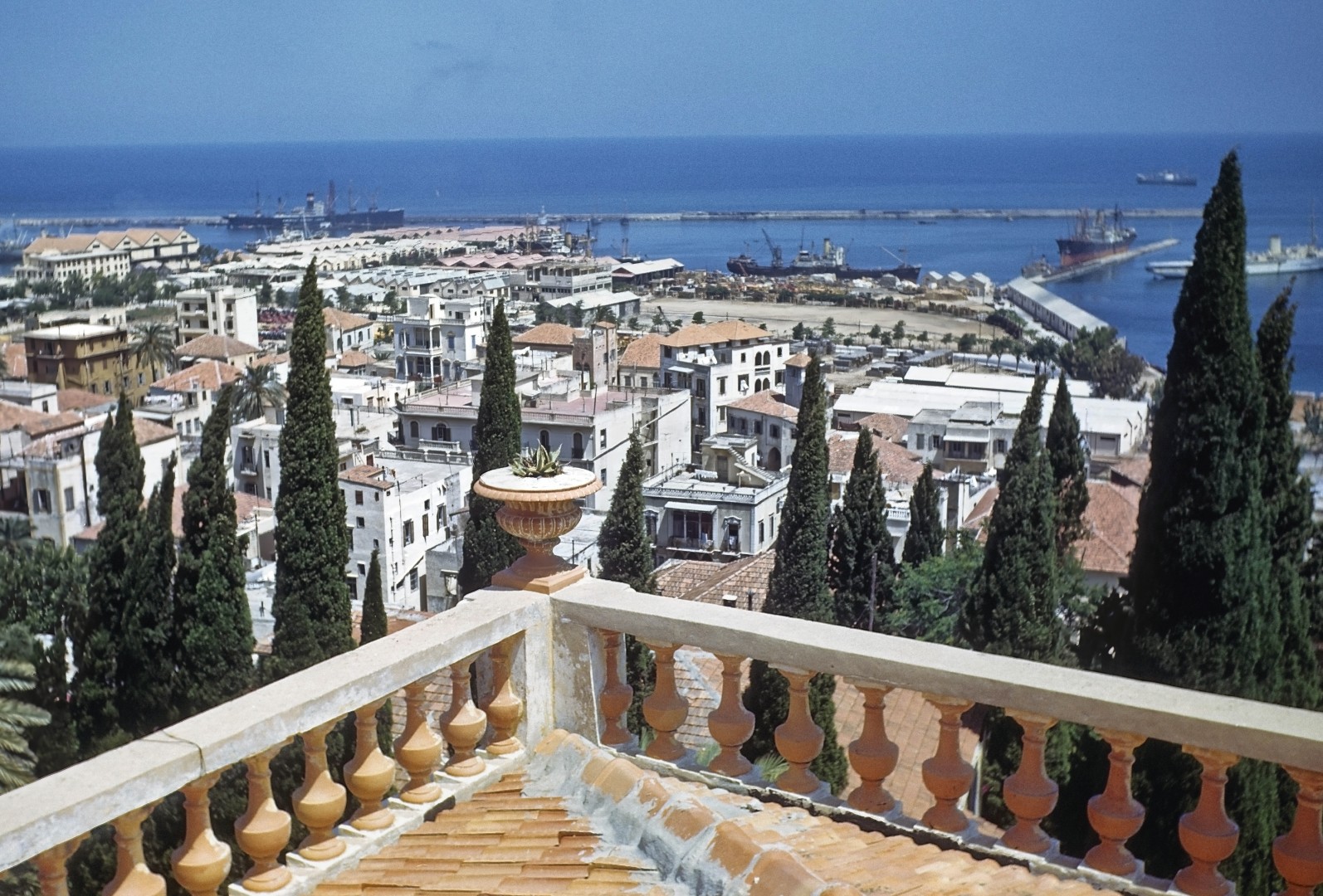
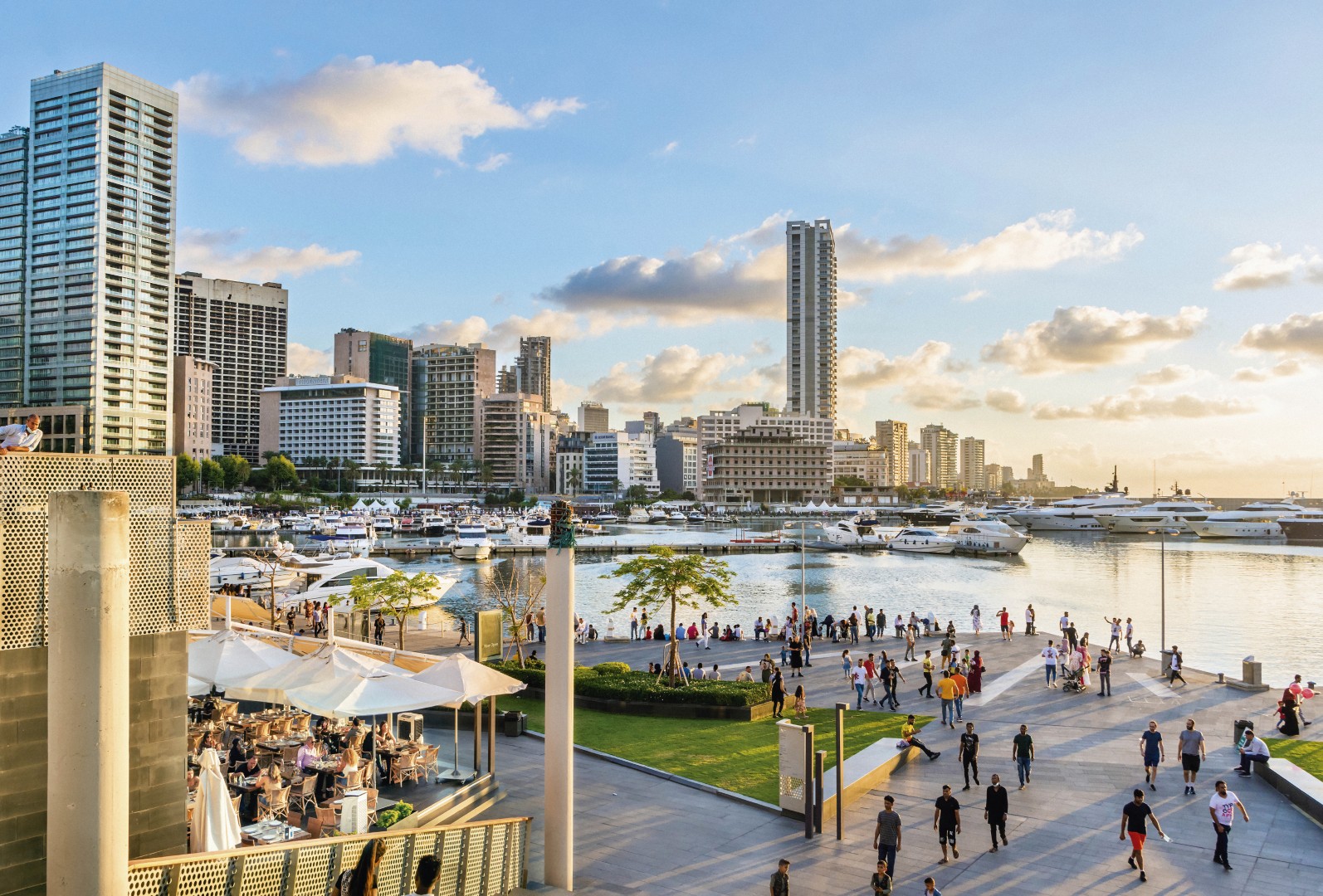
The journey passes through some of the capital’s most recognisable landmarks and neighbourhoods. The Raouché Rocks rise dramatically from the Mediterranean, while panoramic views capture Beirut’s rooftops, coastline and harbour. In Gemmayze, Ottoman-era architecture, galleries, cafés and boutique hotels coexist with the work of a new creative generation. Yazan Halwani’s mural of Fairuz turns the beloved singer into a monumental presence, connecting contemporary street art with one of Lebanon’s most enduring cultural voices.
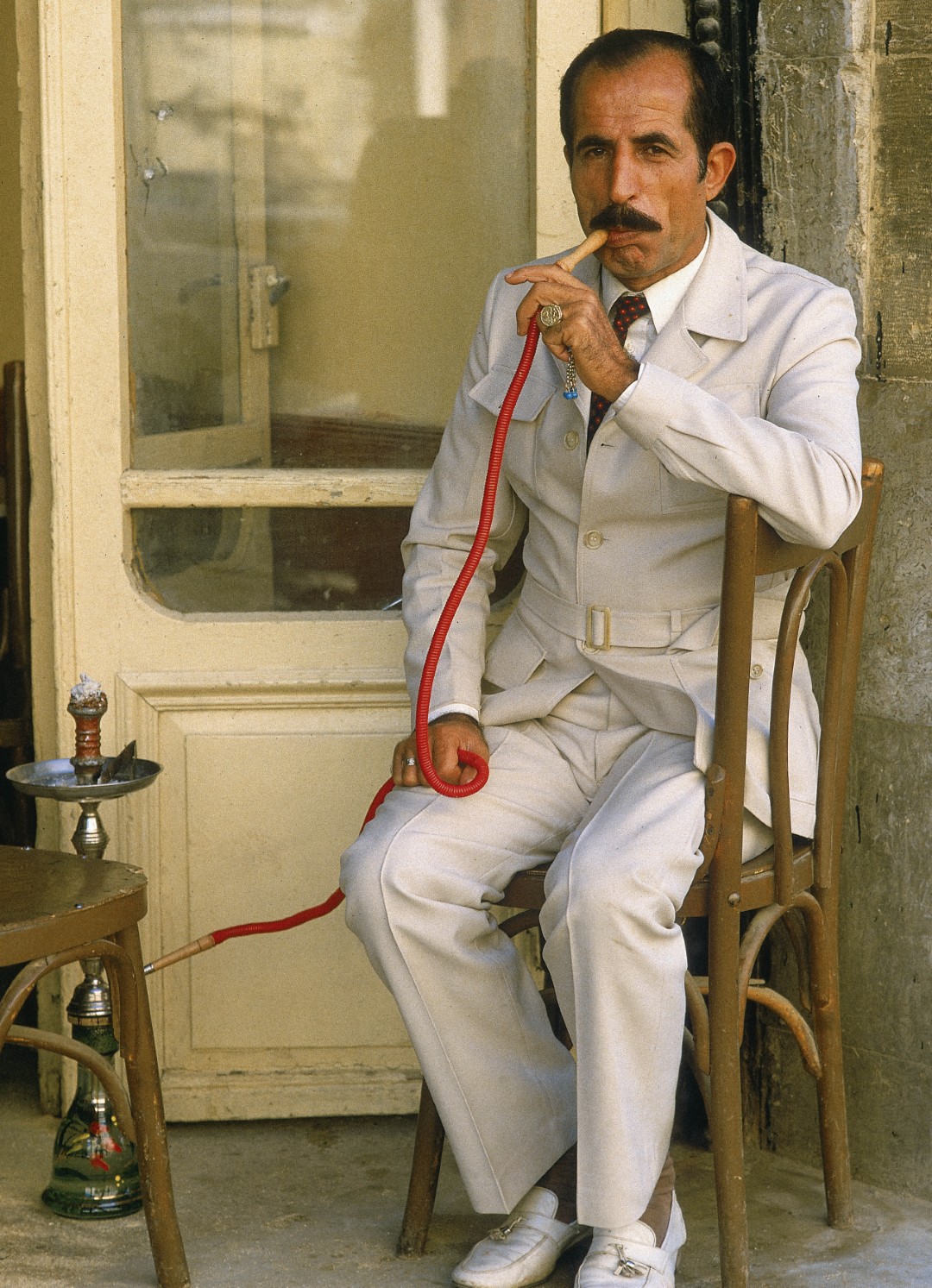
Archival photographs offer glimpses of another Beirut. There are elegantly dressed residents in 1939, afternoons spent smoking a water pipe in Riad Al Solh Square, traffic crossing Place des Canons during the 1950s and the cosmopolitan energy of the city’s seaside avenues before the civil war. These scenes carry the glamour associated with Beirut’s past, but also the rhythms of ordinary life that have always shaped it.
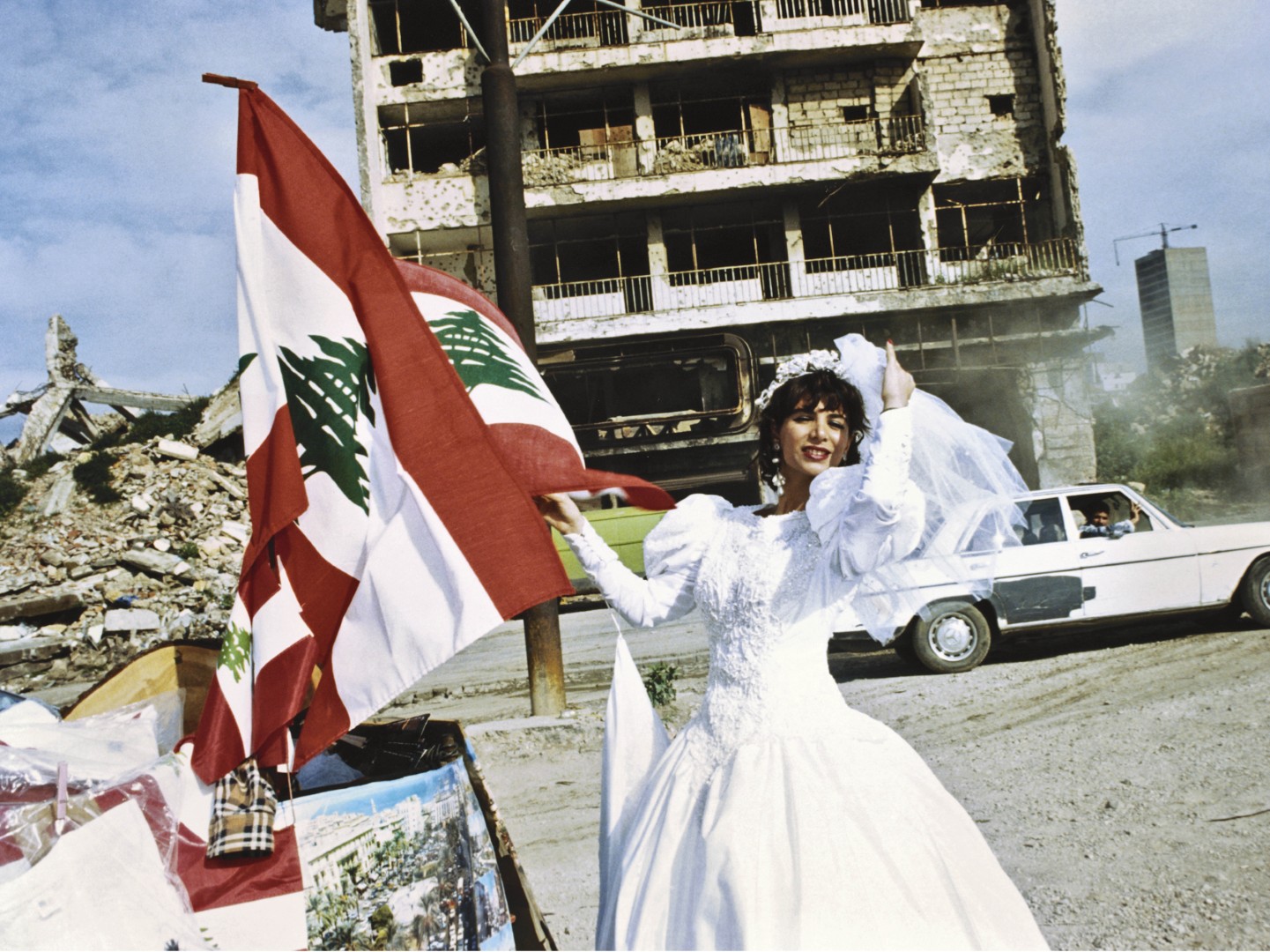
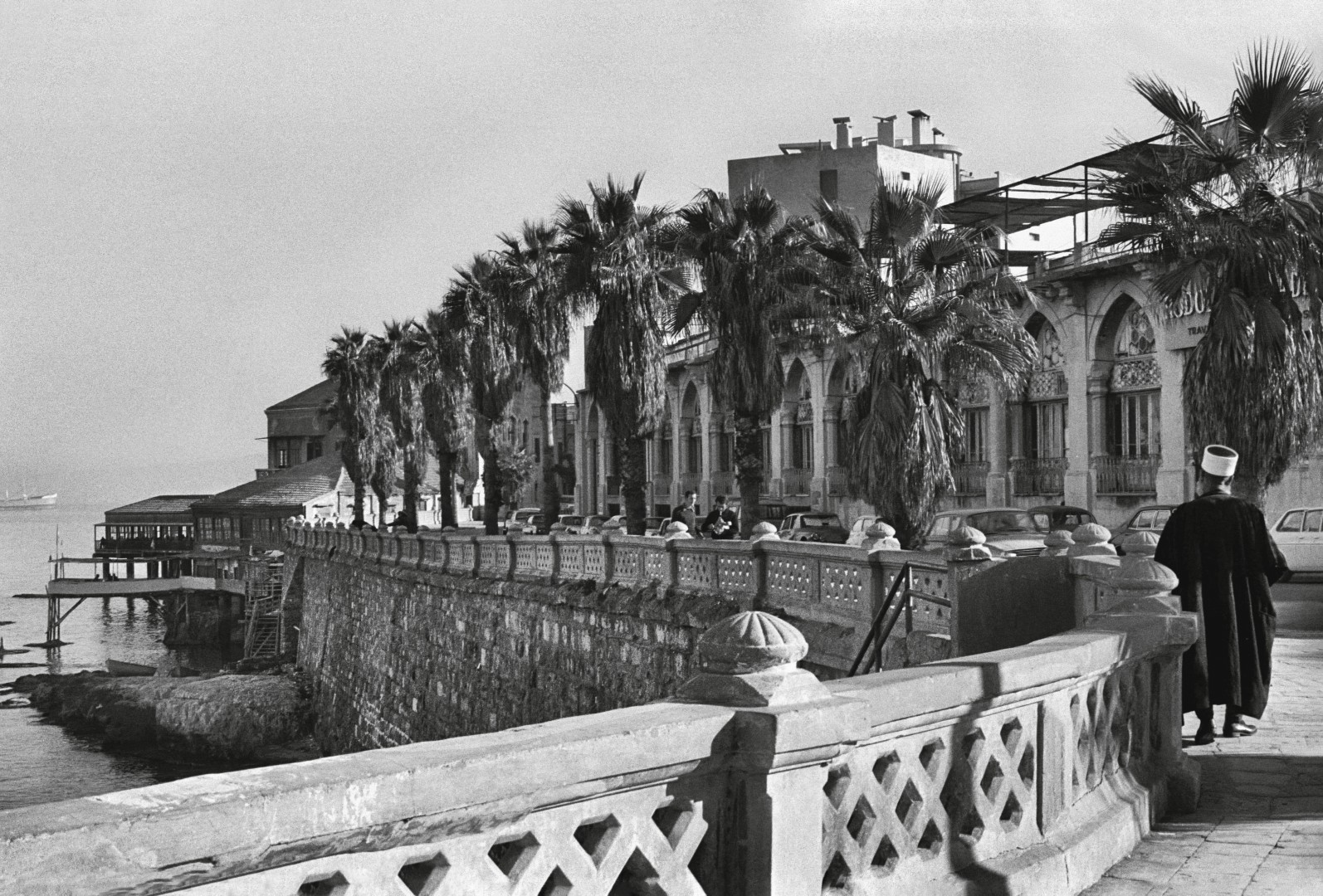
The book does not treat the city’s history as something preserved behind glass. Instead, Beirut’s past remains present in its buildings, rituals and social spaces. Traditional Lebanese architecture meets modern design, wedding celebrations fill the streets with flags, and familiar cafés continue to offer gathering places overlooking the sea.
Majdalani is particularly suited to telling this story. Born in Beirut in 1960, he has published ten novels and two essays in French. His debut novel, Histoire de la grande maison, was shortlisted for several major literary awards, while Caravansérail received both the Tropiques Prize and the French Academy’s François Mauriac Prize. His most recent novel, Le Nom des Rois, was shortlisted for the 2025 Goncourt Prize.
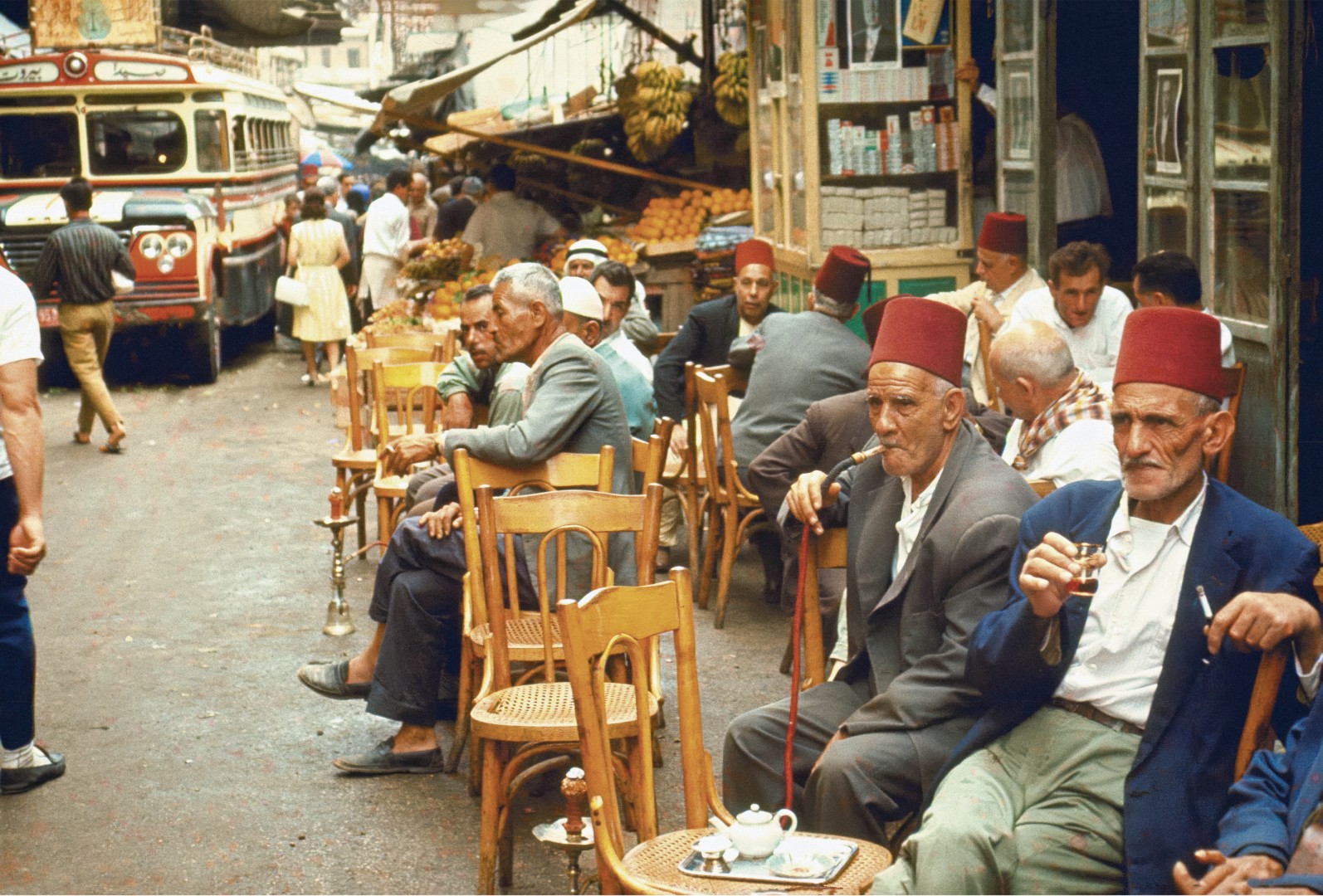
Through his text, Beirut emerges as a city that has endured upheaval without surrendering its appetite for culture, beauty and connection. From historic palaces and crowded souks to couture ateliers, restaurants and galleries, creativity becomes more than an industry. It is part of the city’s instinct for survival.
Beirut Habibi is ultimately a tribute to a place whose contradictions cannot be resolved, only embraced. Sophisticated and chaotic, wounded and magnetic, ancient and forever becoming, Beirut remains impossible to separate from the people who remember it, rebuild it and continue to call it home.
Beirut Habibi by Charif Majdalani is published by Assouline in August 2026.
For more stories of art and culture from across the region and the diaspora, visit our dedicated archives and follow us on Instagram.