Colour has never been incidental to Bvlgari. Across more than a century of jewellery making, it has become part of the house’s visual vocabulary: bold, unexpected and frequently liberated from the conventions of traditional fine jewellery.
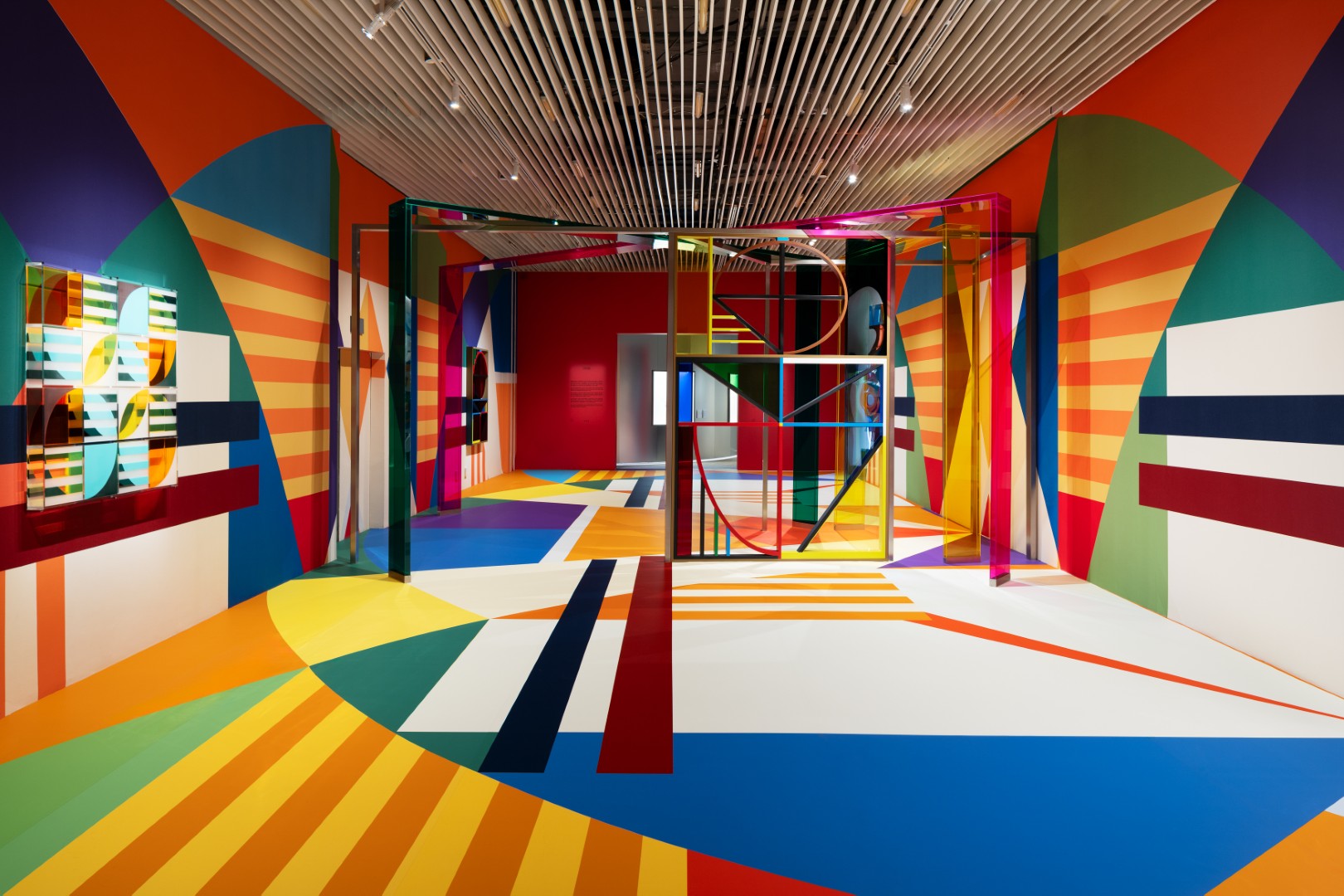
Now, Bvlgari Kaleidos: Colors, Cultures and Crafts takes that language to Shanghai, where the exhibition has opened at the Power Station of Art with a distinctly local perspective. Rather than simply transporting Bvlgari’s Roman world east, the exhibition places it in conversation with Chinese traditions, contemporary artistic practice and different ways of understanding colour itself.
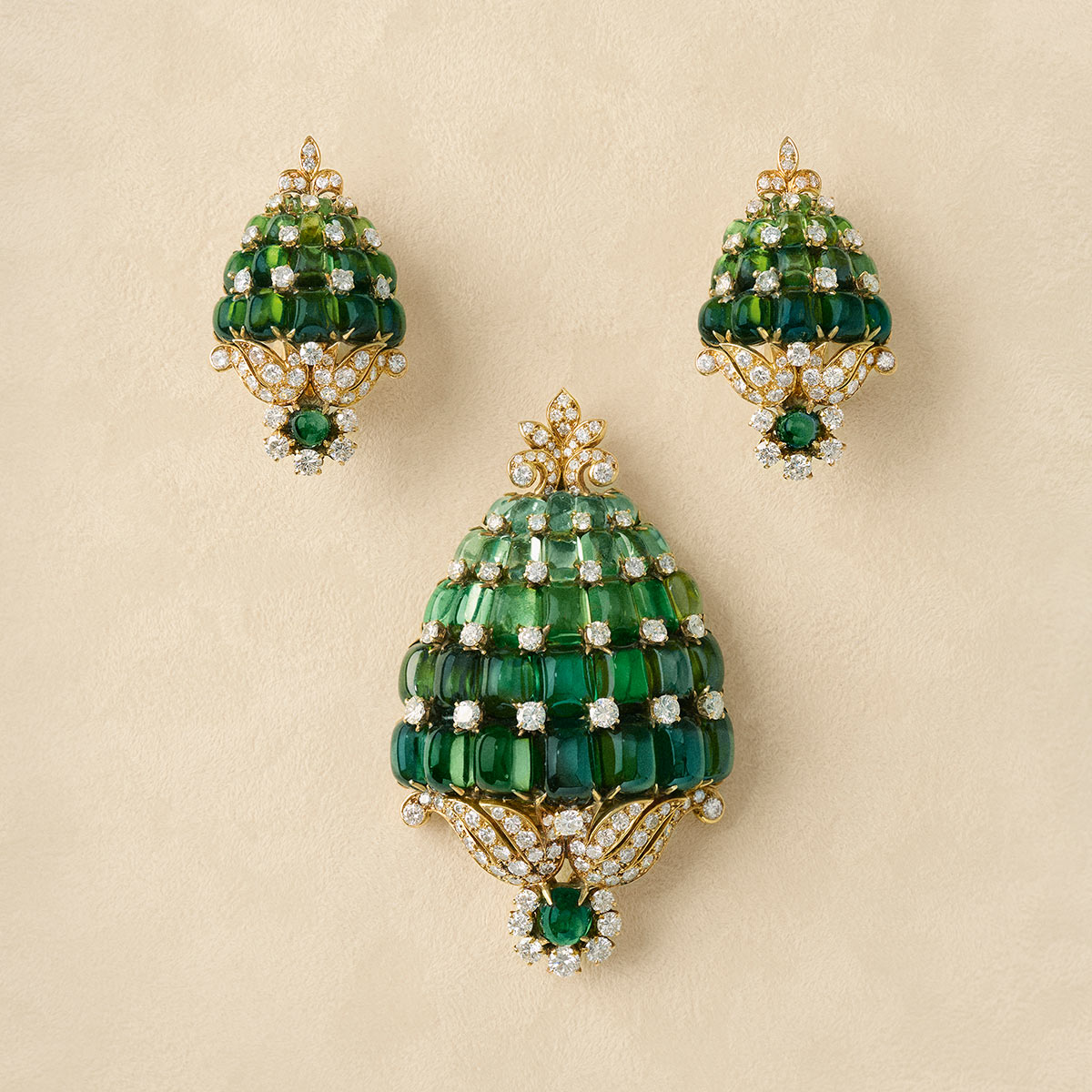
Bringing together more than 300 pieces, including High Jewellery creations, works from the Bvlgari Heritage Collection and pieces drawn from private collections, Kaleidos traces the evolution of the Maison’s aesthetic across different eras.
But this is no conventional jewellery retrospective.
“Colour is the thread that runs through the entire exhibition,” explains Gislain Aucremanne, Bvlgari’s Heritage Curator Director, describing a space designed to move between “reason and emotion, science, history, and culture. […] From the exhibition layout to the jewels themselves, every element invites visitors to immerse themselves in colour, discovering its many dimensions while appreciating the beauty of the jewellery,” she said.
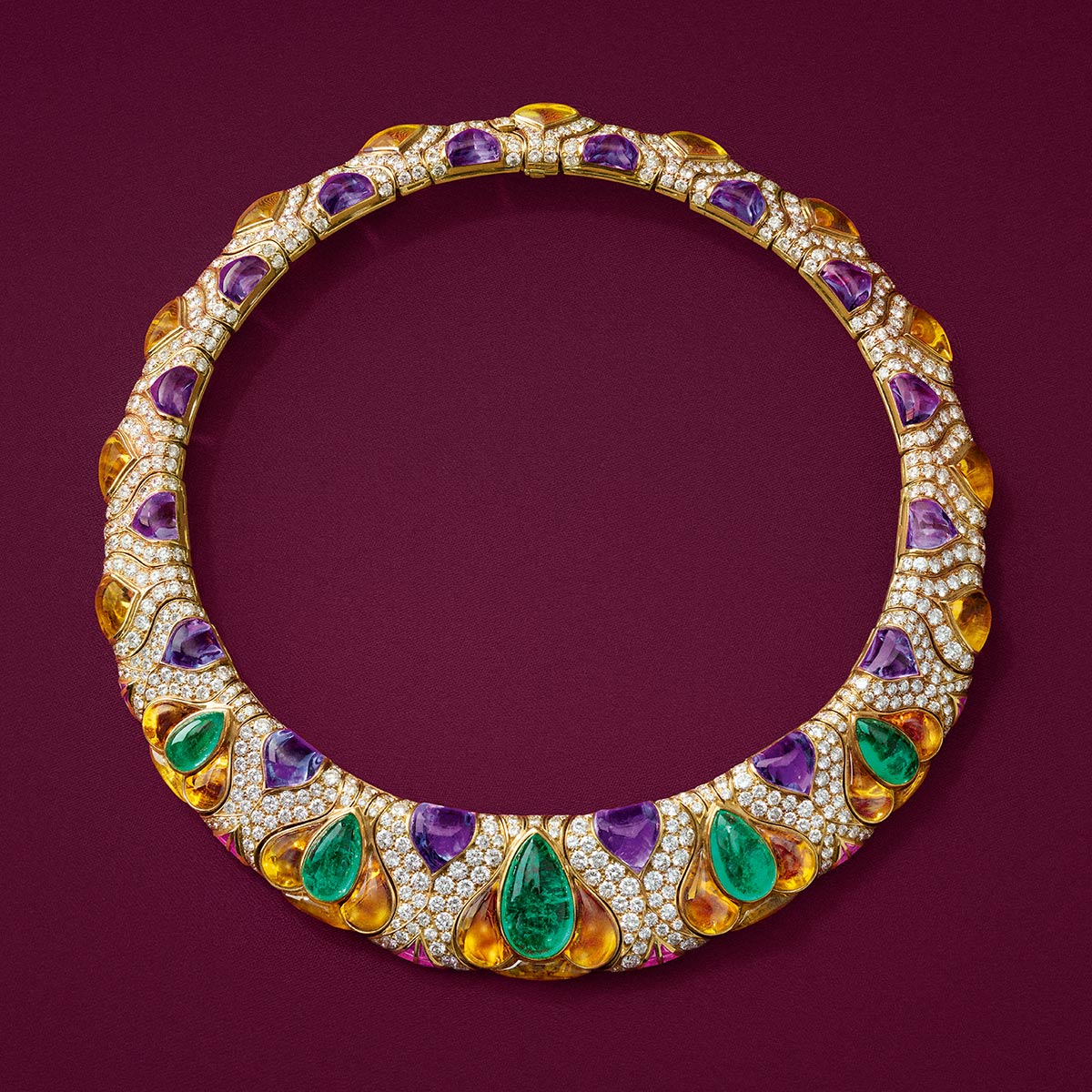
For Shanghai, that approach has been expanded through references to the traditional Chinese philosophy of the Five Elements and Five Colors, creating a framework through which Bvlgari’s Roman aesthetic can encounter a very different cultural language.
It is this exchange that gives the Shanghai edition its identity.
For Laura Burdese, CEO of Bvlgari, colour offers a particularly natural meeting point. “Color is a universal artistic language that transcends borders and civilizations,” she says. “Reflecting the beauty of nature and the richness of human creativity, it dissolves cultural barriers to inspire a shared appreciation of art.”
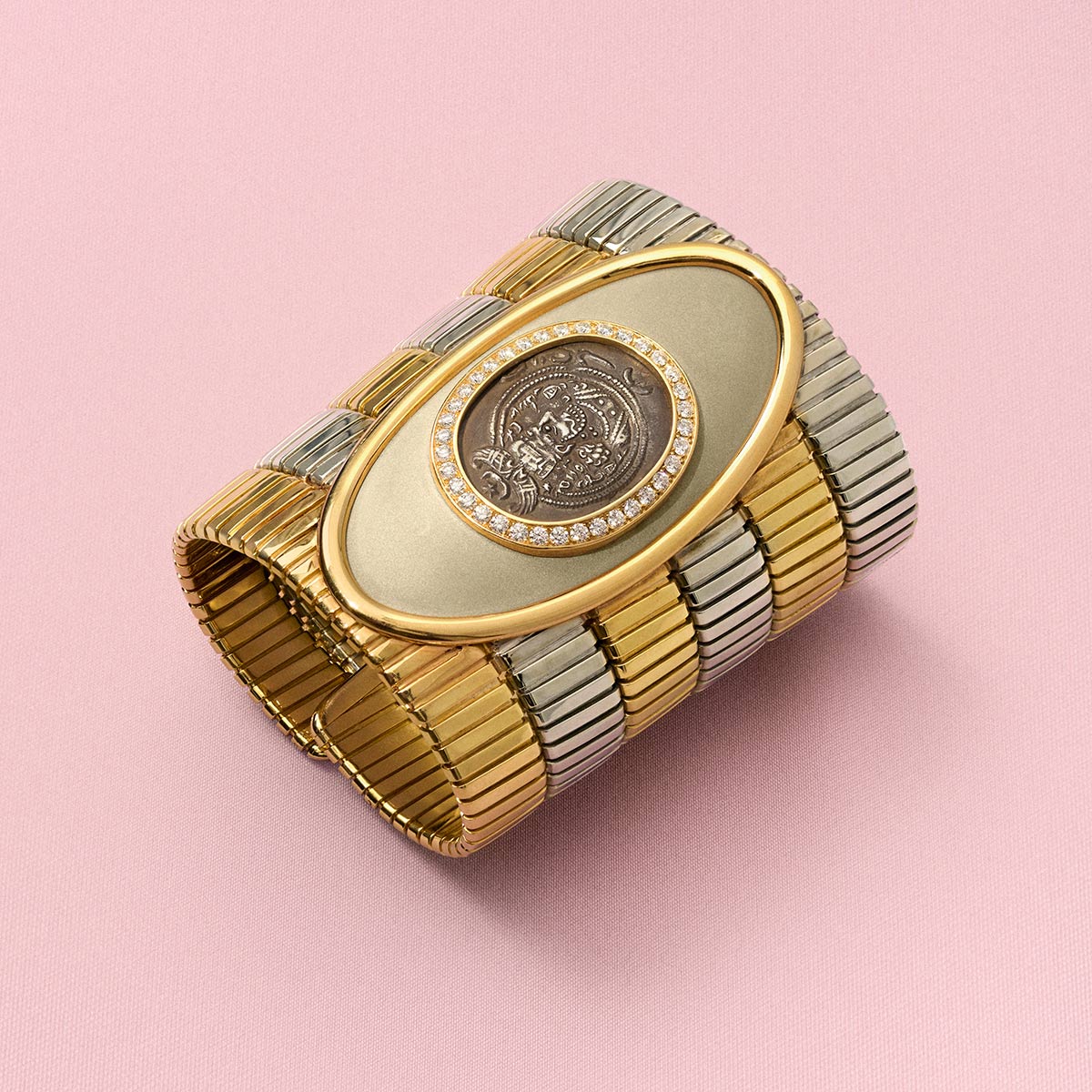
That idea runs throughout the exhibition. Jewellery becomes a starting point for considering how colour carries memory, symbolism and emotion across different places and periods.
The setting reinforces that ambition. Shanghai’s Power Station of Art has built its identity around contemporary culture and experimentation, while works by two contemporary Chinese artists extend Kaleidos beyond Bvlgari’s own archive. The result is a dialogue between jewellery, architecture and art rather than a straightforward presentation of house history.
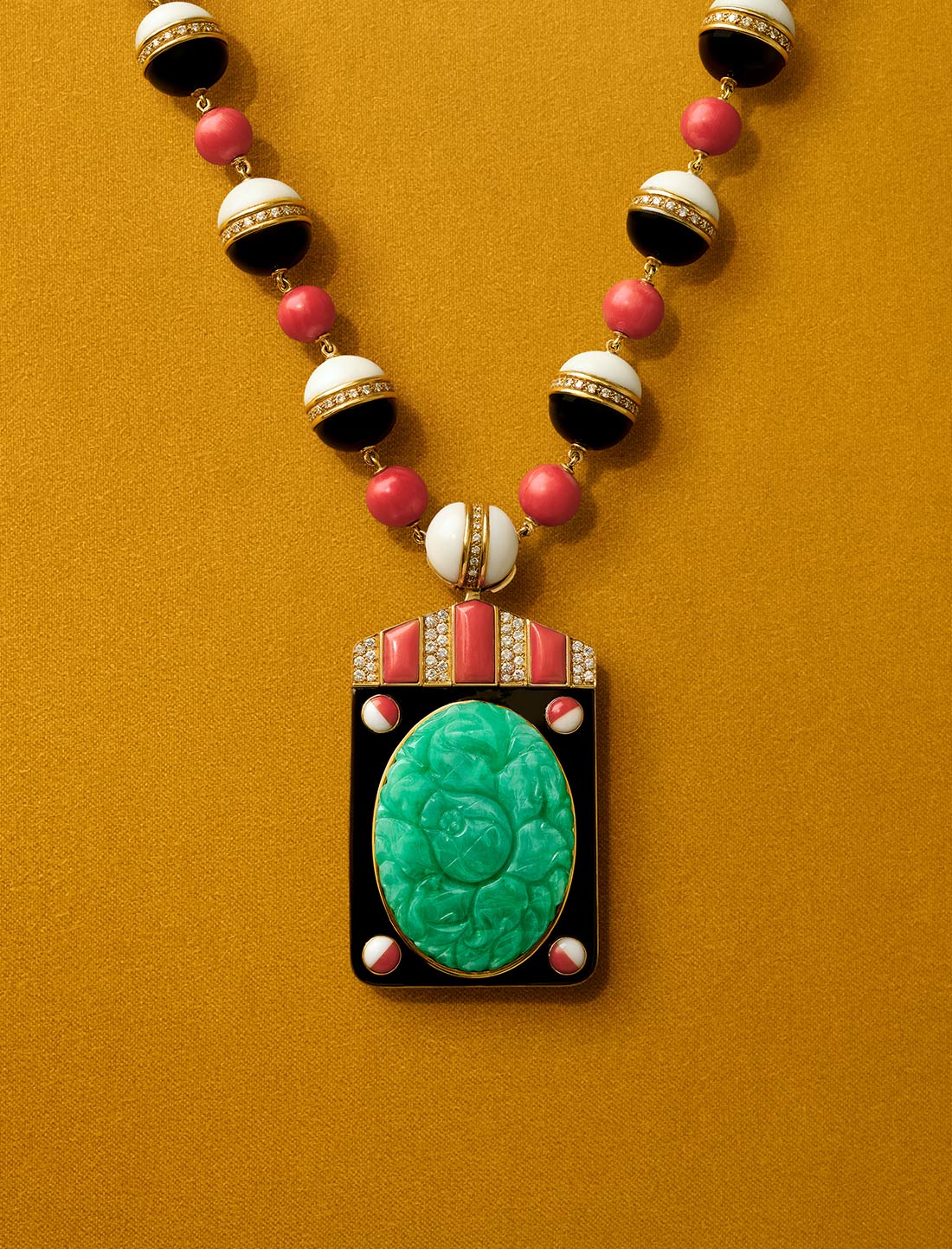
Gong Yan, Director and Artistic Director of Power Station of Art, describes colour as something experienced instinctively but also shaped by “layers of cultural memory and meaning.” Kaleidos uses precisely that tension: between immediate visual pleasure and everything a colour can come to represent.
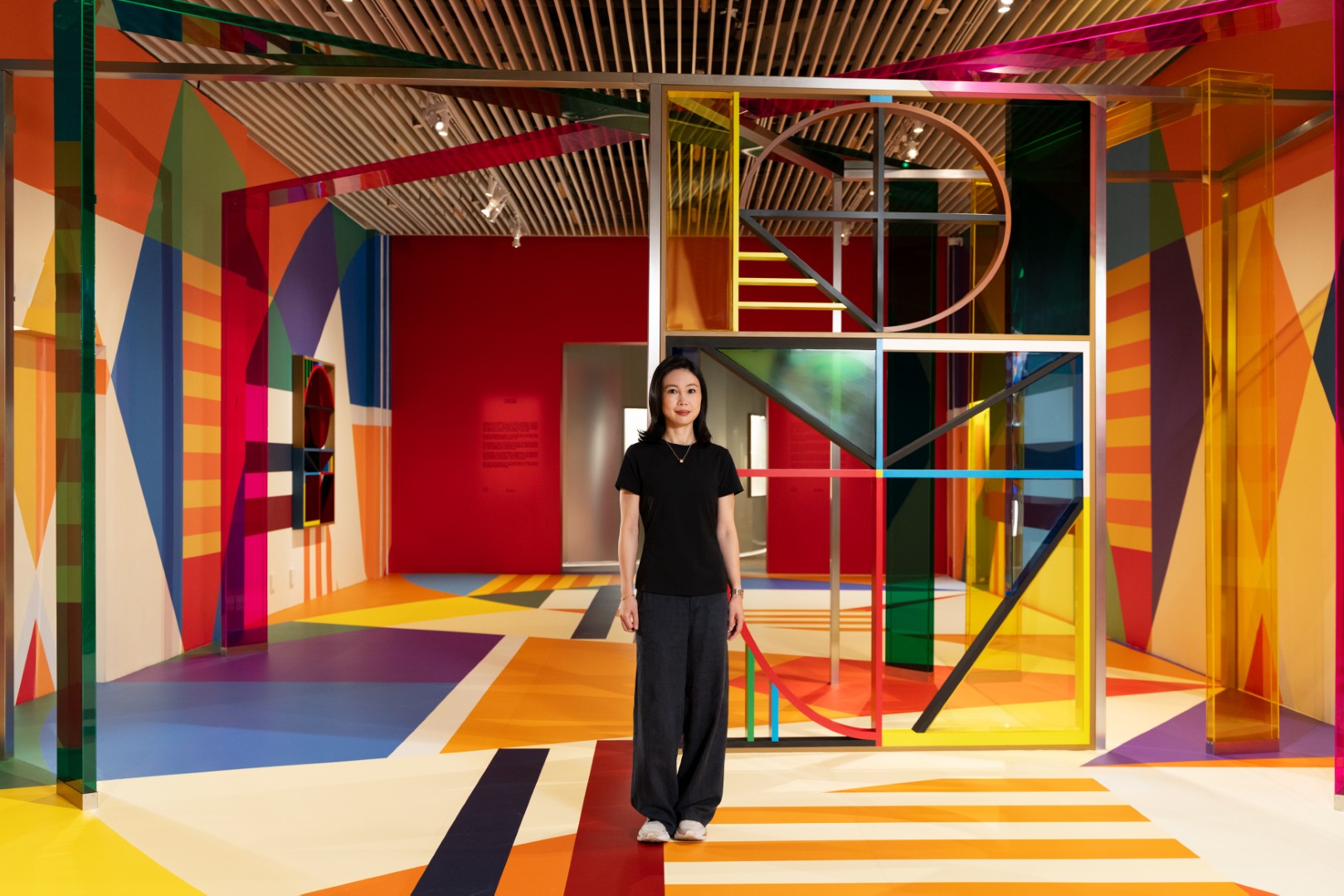
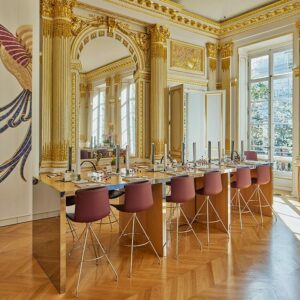
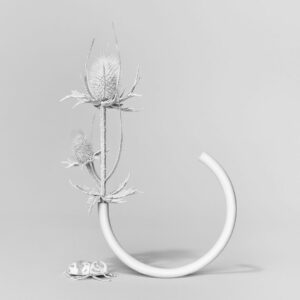
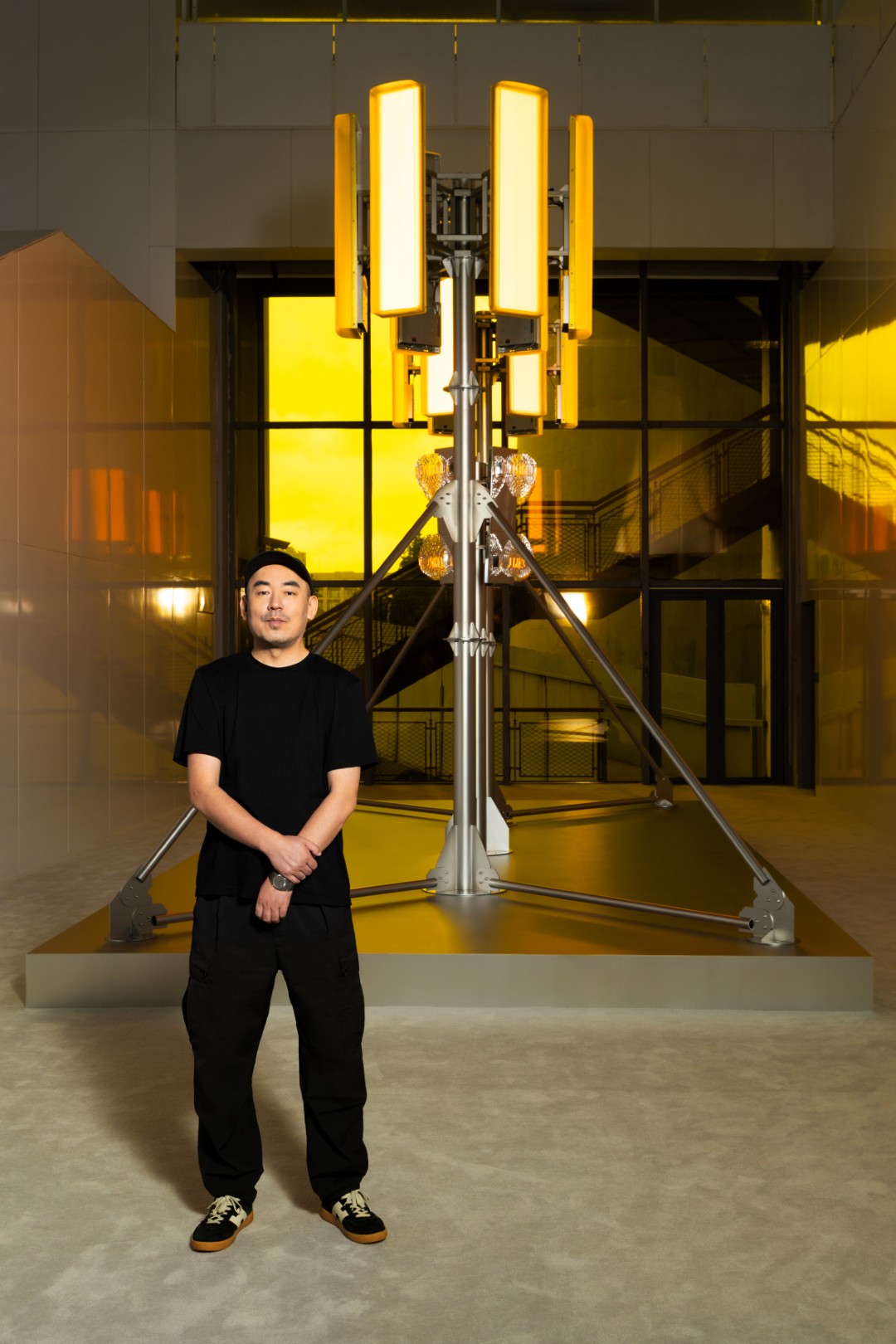
The experience also moves beyond the museum. At Bvlgari Hotel Shanghai, artist Liang Manqi’s Portal installation greets visitors at the entrance, while photographer Matthieu Lavanchy continues the visual narrative inside. Zhang Ding’s stunning creation of light and metal further explores local perceptions of colour and form. Bvlgari Dolci becomes part of the story, with a limited-edition chocolate collection by Gianluca Fusto extending the exhibition’s language into something edible.
What emerges is an exhibition that does not define, or categorise colour, but rather explores what happens when different understandings of it meet.
In Shanghai, Bvlgari Kaleidos becomes a prism through which Rome and China, heritage and contemporary culture, craftsmanship and art can momentarily occupy the same spectrum.
Bvlgari Kaleidos: Colors, Cultures and Crafts is open at the Power Station of Art, Shanghai, from September 5 to October 31, 2026.
For more stories of art, culture and fashion visit our dedicated archives and follow us on Instagram.