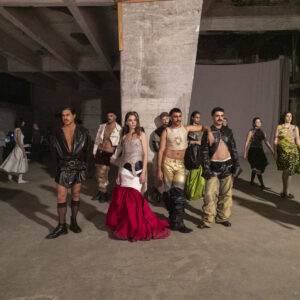
An evening gown that transforms with a zip, a handbag produced using 3D printing and jewellery inspired by centuries of Egyptian craftsmanship. Fashion Trust Arabia’s 2025 winners offered a particularly interesting glimpse into the different directions contemporary design is taking.
With the 2026 awards approaching on 28 November in Doha, attention is turning towards the next generation of designers preparing for their moment in the spotlight.
Before the new winners are announced, we’re revisiting the names that took home last year’s prizes, exploring the ideas behind their collections and what they’ve been doing since.
Youssef Drissi: Ready-to-Wear
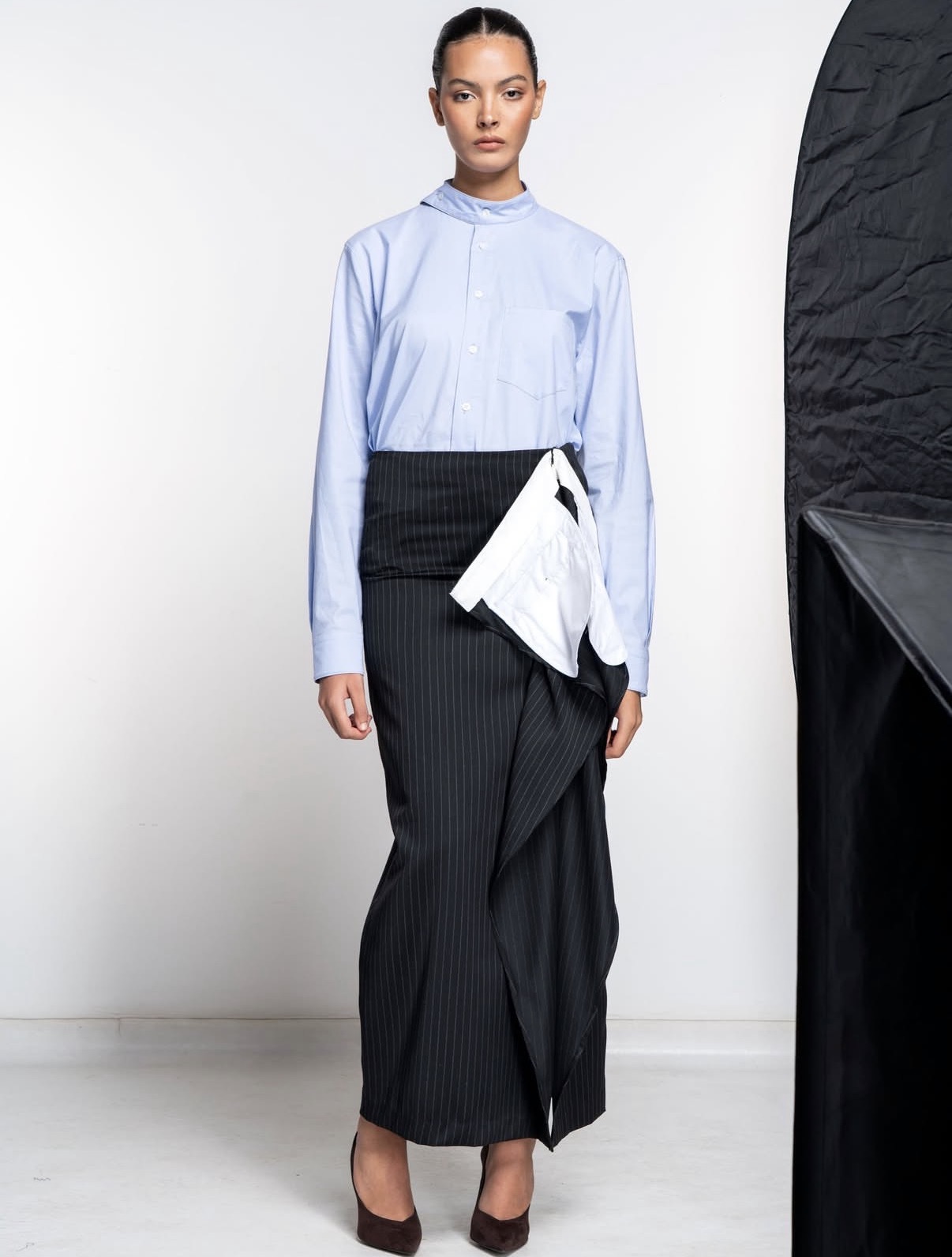
What happens when you take an ordinary wardrobe staple and completely rethink how it’s supposed to look?
That’s the approach behind LATE FOR WORK, the Moroccan label founded by Youssef Drissi.
Through deconstructed silhouettes, unexpected proportions and unconventional tailoring, Drissi takes familiar pieces and gives them an entirely different identity. His collections explore the relationship between clothing, identity and society, questioning the expectations we attach to everyday dressing.
It’s an approach that earned him recognition well before Fashion Trust Arabia. In 2018, Drissi received the Best Young Designer in Africa title at FIMA, establishing himself as a designer with a distinctive perspective on ready-to-wear.
Ziyad Albuainain: Evening Wear
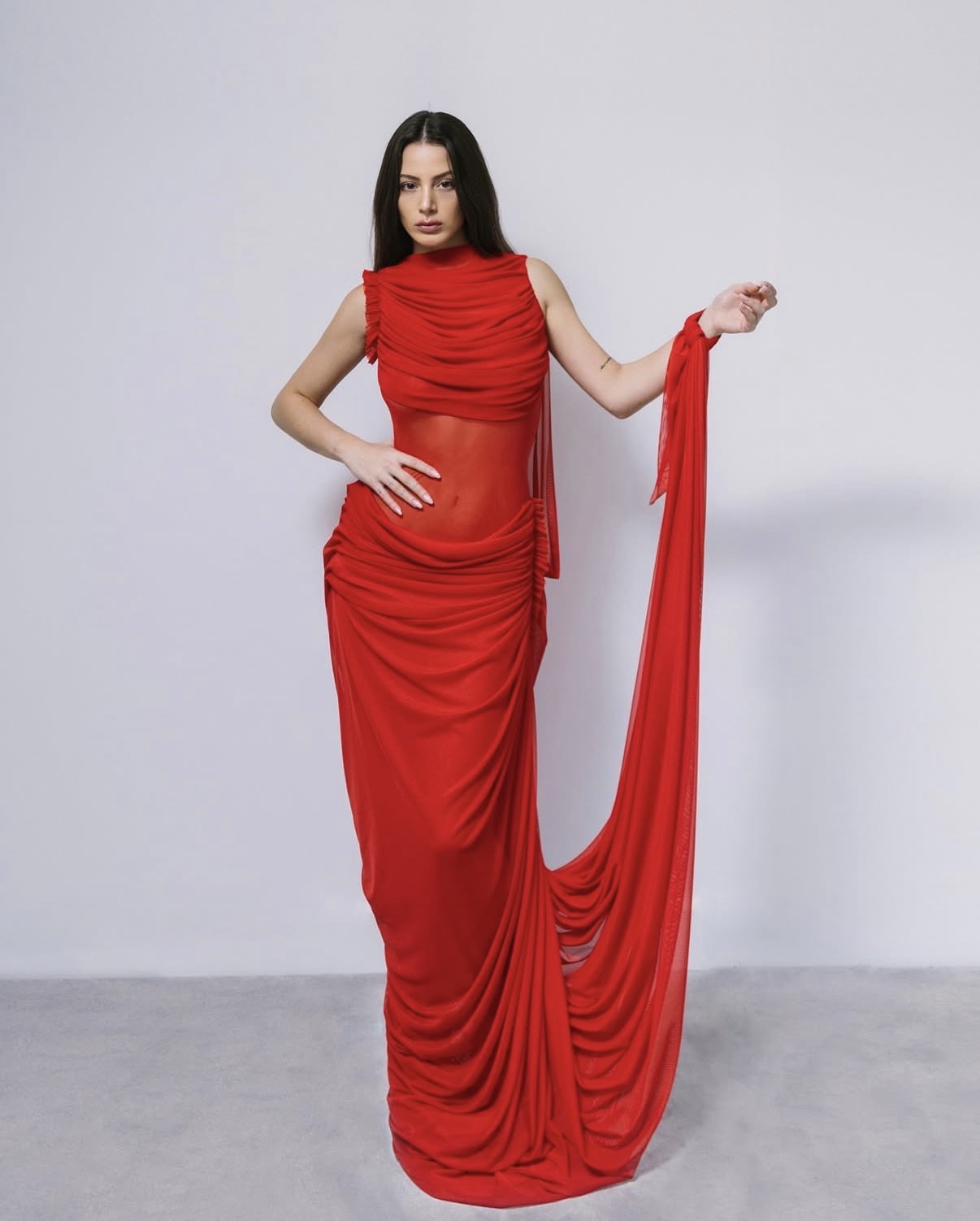
We’ve all experienced the dilemma of wanting to change outfits halfway through an evening. Saudi designer Ziyad Albuainain has an interesting solution.
Through his namesake label, founded in 2021, he creates sculptural evening wear with unexpected versatility. Certain designs feature adjustable zips, bows and fastenings, allowing the silhouette to transform throughout the night.
Yet the most interesting details aren’t necessarily the most visible.
Using deadstock, recycled and responsibly sourced fabrics, Albuainain incorporates sustainability into his design process without compromising the dramatic shapes and refined finishes associated with evening wear.
The result is an approach to occasion dressing that considers not only how a garment looks, but how it functions and what goes into making it.
Leila Roukni: Accessories
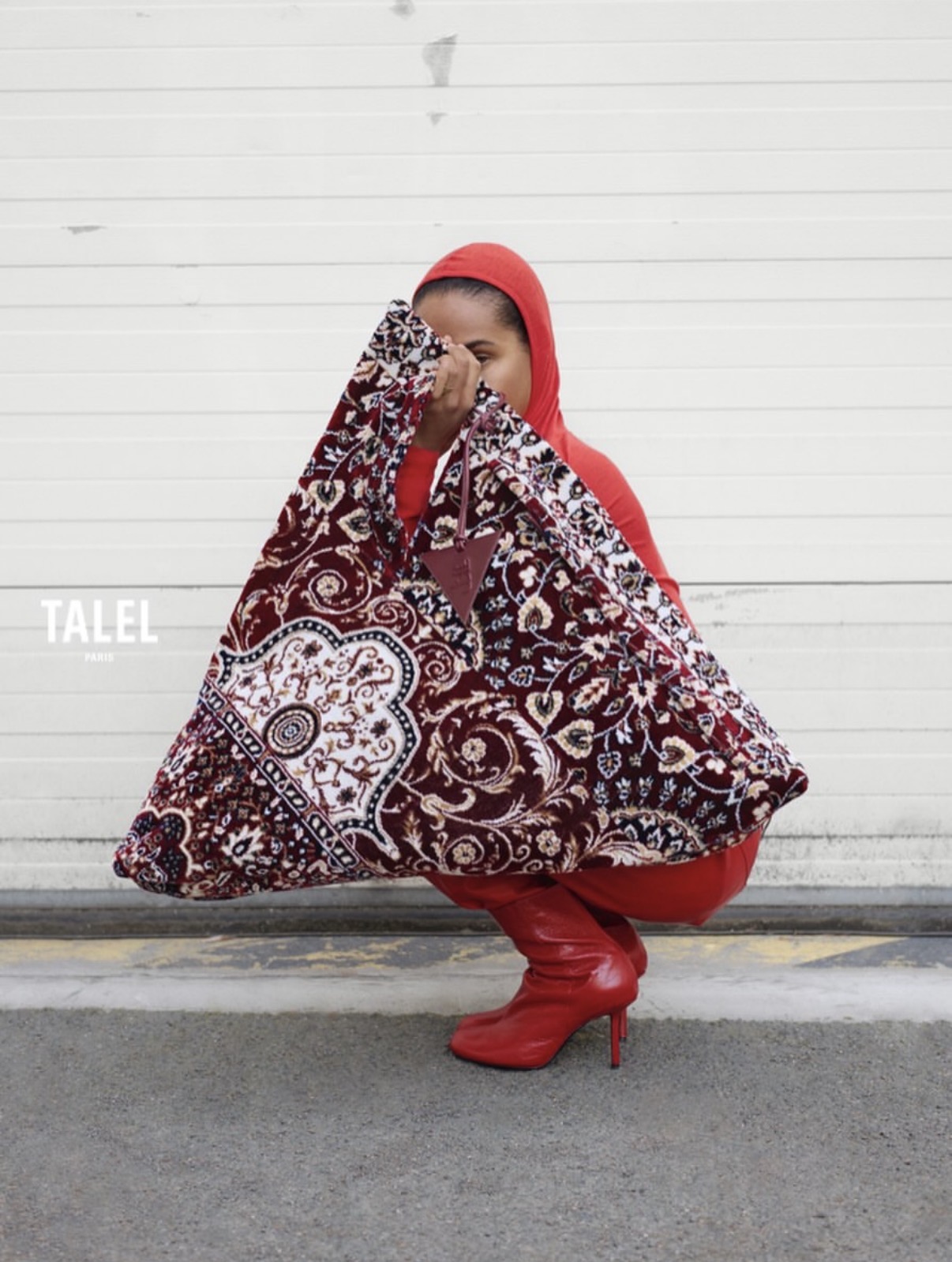
Some bags are designed to carry your essentials. Others are designed to make an entrance.
Moroccan designer Leila Roukni is particularly interested in the latter.
Her label TALEL, founded in 2019, approaches accessories with a playful sense of proportion, experimenting with architectural shapes, exaggerated volumes and unconventional structures.
Rather than treating the handbag as a finishing touch, Roukni gives it a leading role. Her designs explore how something as familiar as a bag can become an expression of individuality.
It’s a refreshing perspective in an accessories market where practicality and recognisable silhouettes so often dictate design.
Farah Radwan: Jewellery
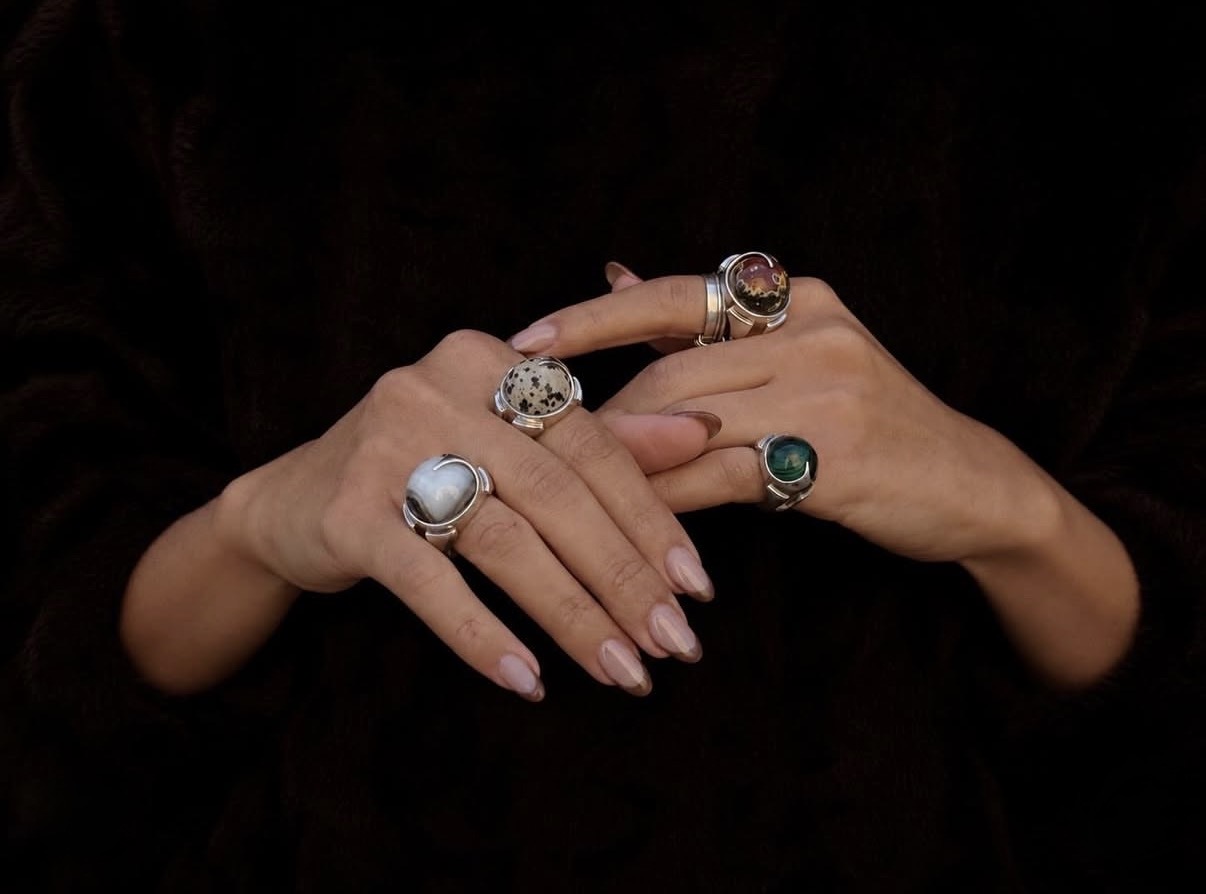
For Egyptian designer Farah Radwan, jewellery is as much about the stories it carries as the materials it’s made from.
Through her label FYR, she draws on Egypt’s centuries-old jewellery-making traditions, reinterpreting historical influences through contemporary forms.
Her pieces are developed in Paris before being handcrafted by artisans in Cairo, creating a connection between two cities and different approaches to design.
Working with sterling silver, 18-karat gold, leather and gemstones, Radwan creates pieces that balance traditional techniques with a distinctly modern aesthetic.
The idea of a modern heirloom is hardly new, but FYR gives it a personal perspective rooted in Egyptian craftsmanship and cultural heritage.
Alaa Alaradi: Franca Sozzani Debut Talent
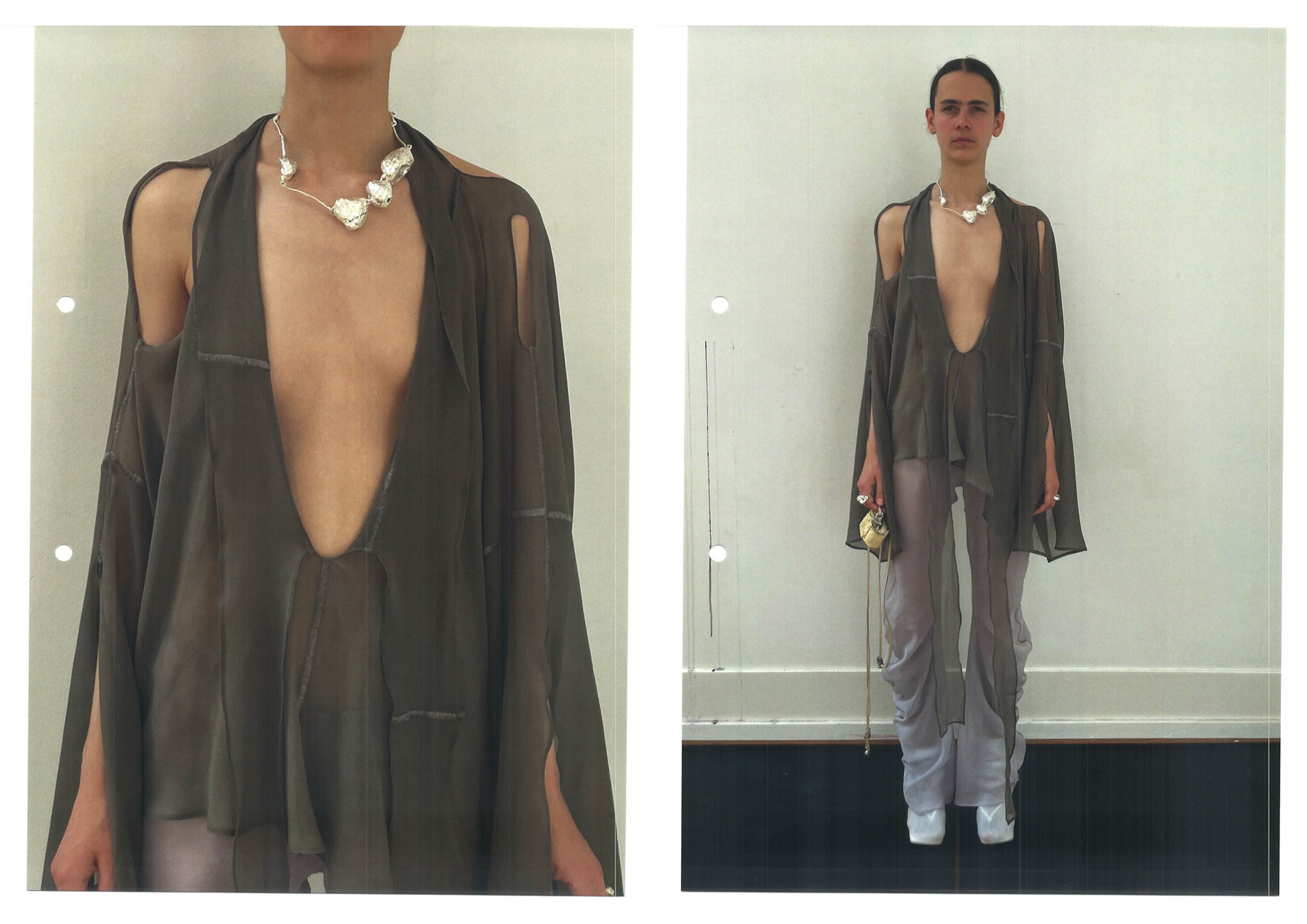
Bahraini designer Alaa Alaradi approaches clothing almost as an extension of sculpture.
A graduate of HEAD – Genève, Alaradi developed her distinctive design language through her collection Further Deeper Softer Closer, where fluid draping meets unexpected, sculptural forms.
Rather than simply designing garments to sit on the body, she explores how fabric moves around it, creating silhouettes that shift and change with movement.
But receiving industry recognition is only one part of establishing a fashion career.
In a recent conversation with YUNG, Alaradi reflected on navigating life after fashion school, the importance of mentorship and the realities of developing an emerging creative practice into a business.
Her experience offers an interesting look at what comes after the excitement of winning an industry award.
Fatema and Dalal Alkhaja: Fashion Tech
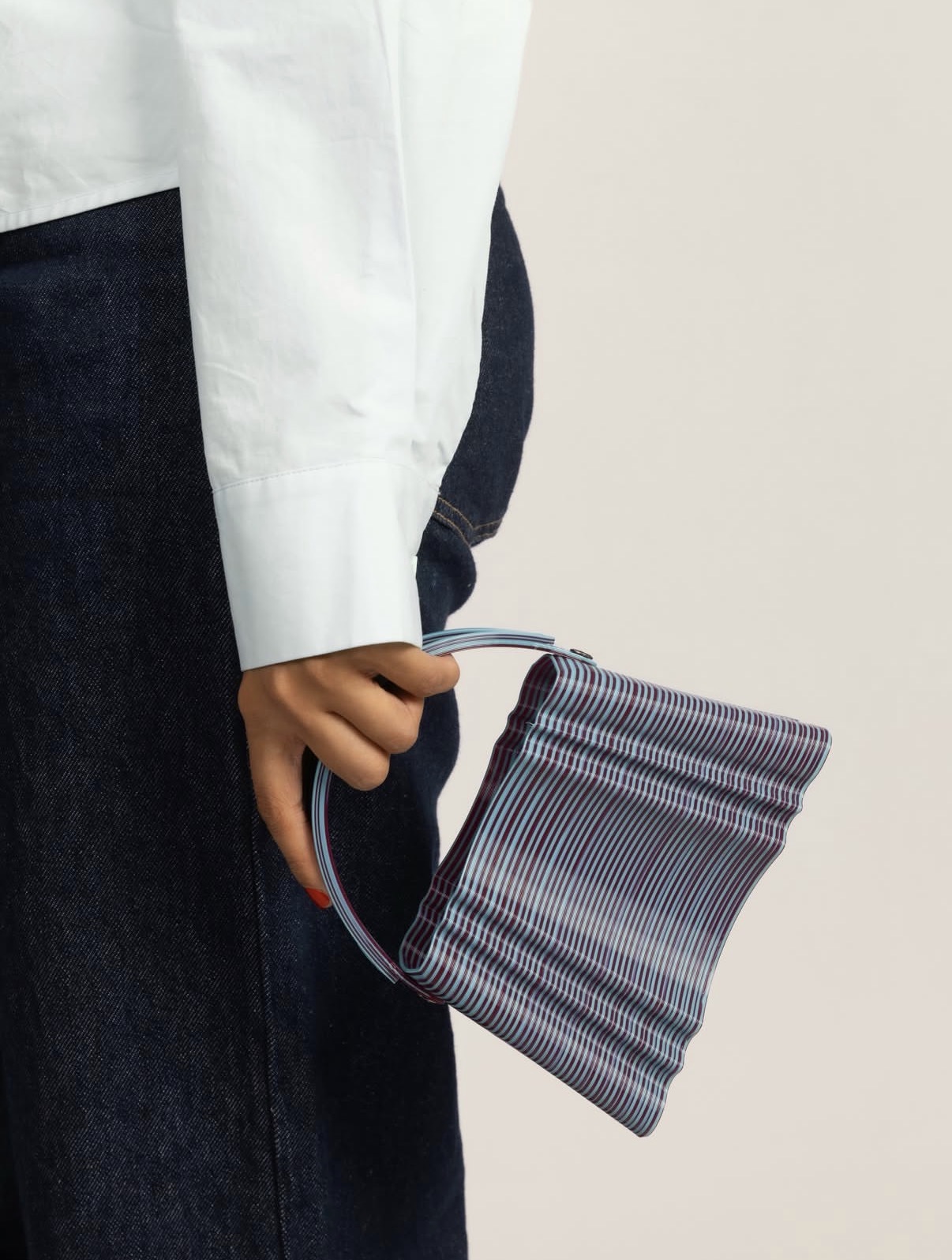
While much of the fashion industry is focused on what we’ll be wearing in the future, Bahraini sisters Fatema and Dalal Alkhaja are exploring how those pieces might be made.
Their accessories label, TOUCHLESS, uses 3D-printing technology to produce lightweight, sculptural handbags from flexible TPU material.
The process allows the sisters to experiment with shapes that would be difficult to achieve through conventional manufacturing methods, without relying on traditional moulds.
It also opens up possibilities for reducing production waste.
With backgrounds in architecture and business, the duo brings different perspectives to their design practice, combining technology, functionality and aesthetics in an approach that questions conventional accessory production.
Kartik Kumra: Guest Country – India
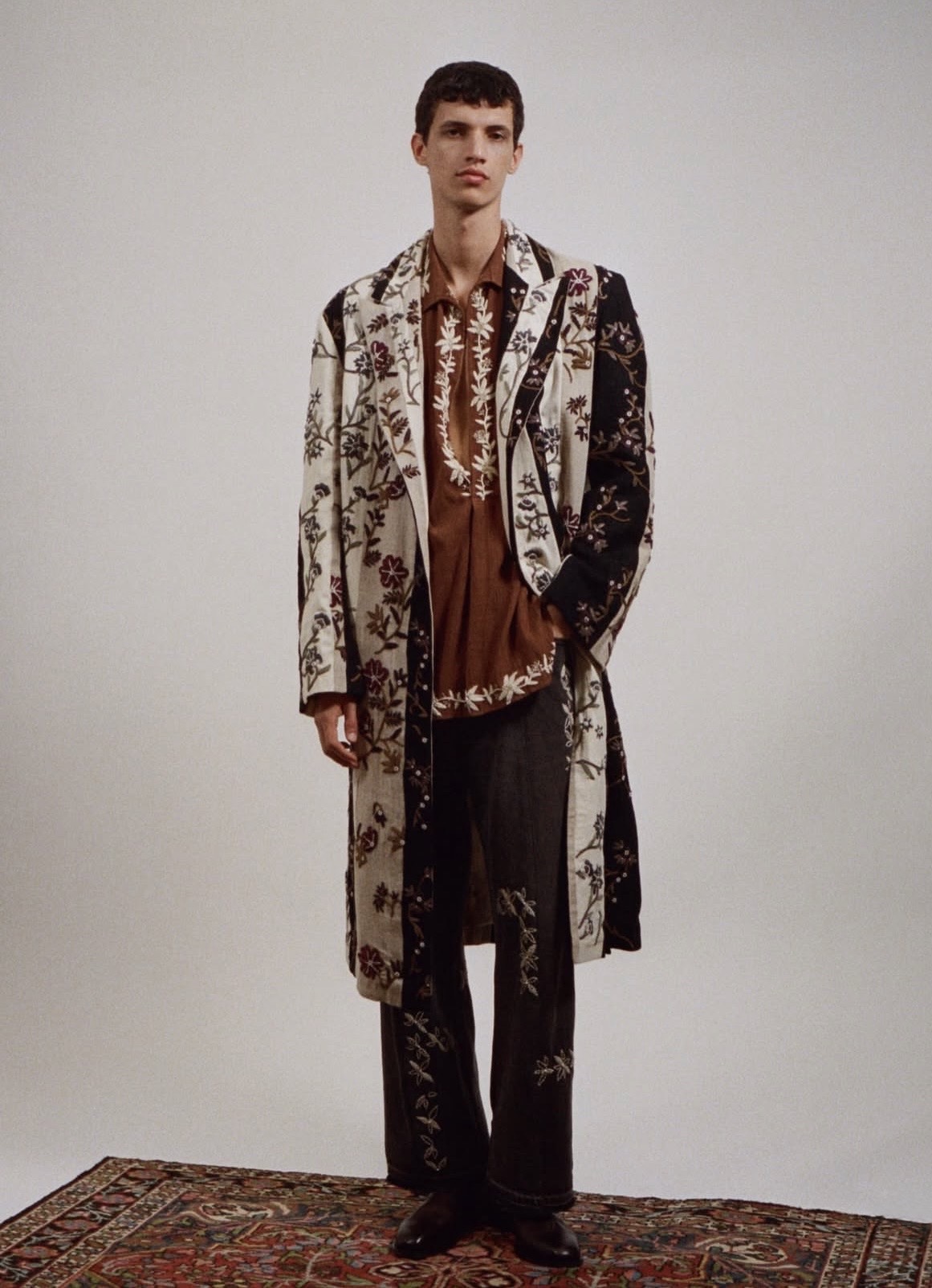
Traditional Indian craftsmanship and 1960s psychedelic rock might not seem like obvious companions, but both have found a place in Kartik Kumra’s creative universe.
The Indian designer founded Kartik Research in 2021, building a label that works closely with local artisans to incorporate techniques such as handloom weaving and embroidery into contemporary clothing.
His influences range from India’s cultural heritage to modernist art and music, bringing together references that might otherwise exist in entirely different worlds.
What makes Kumra’s approach particularly interesting is the way he treats craftsmanship as something living and evolving, rather than a tradition to be preserved unchanged.
His recognition in Fashion Trust Arabia’s 2025 Guest Country category, which celebrated India, brought further international attention to his work.
Beyond The Awards
The ceremony might bring the recognition, but what happens afterwards is often just as significant.
In June 2026, four of last year’s winners – Youssef Drissi, Ziyad Albuainain, Leila Roukni and Farah Radwan – had their collections featured at Harrods in London through Fashion Trust Arabia’s ongoing partnership with the luxury department store.
For emerging designers, opportunities like these offer something particularly valuable: access to international audiences and the commercial experience needed to develop their labels.
Alongside retail opportunities, Fashion Trust Arabia provides financial support, mentorship and industry connections, helping designers navigate the challenges of turning creative ideas into sustainable businesses.
Now, with 21 finalists preparing for the 2026 ceremony and Mexico joining as this year’s Guest Country, a new group of designers is approaching the same opportunity.
For last year’s winners, however, the story is already moving beyond the awards themselves. From international retail opportunities to developing their individual practices, the real measure of that recognition lies in what they’re able to build next.
For more stories of fashion from around the region, visit our dedicated archives and follow us on Instagram.