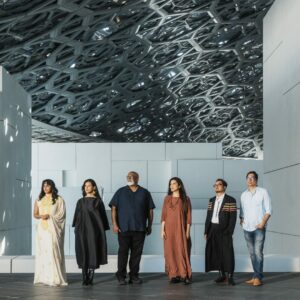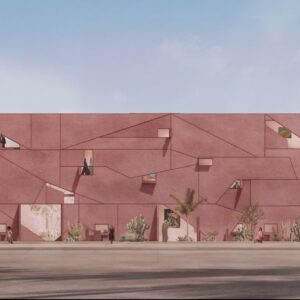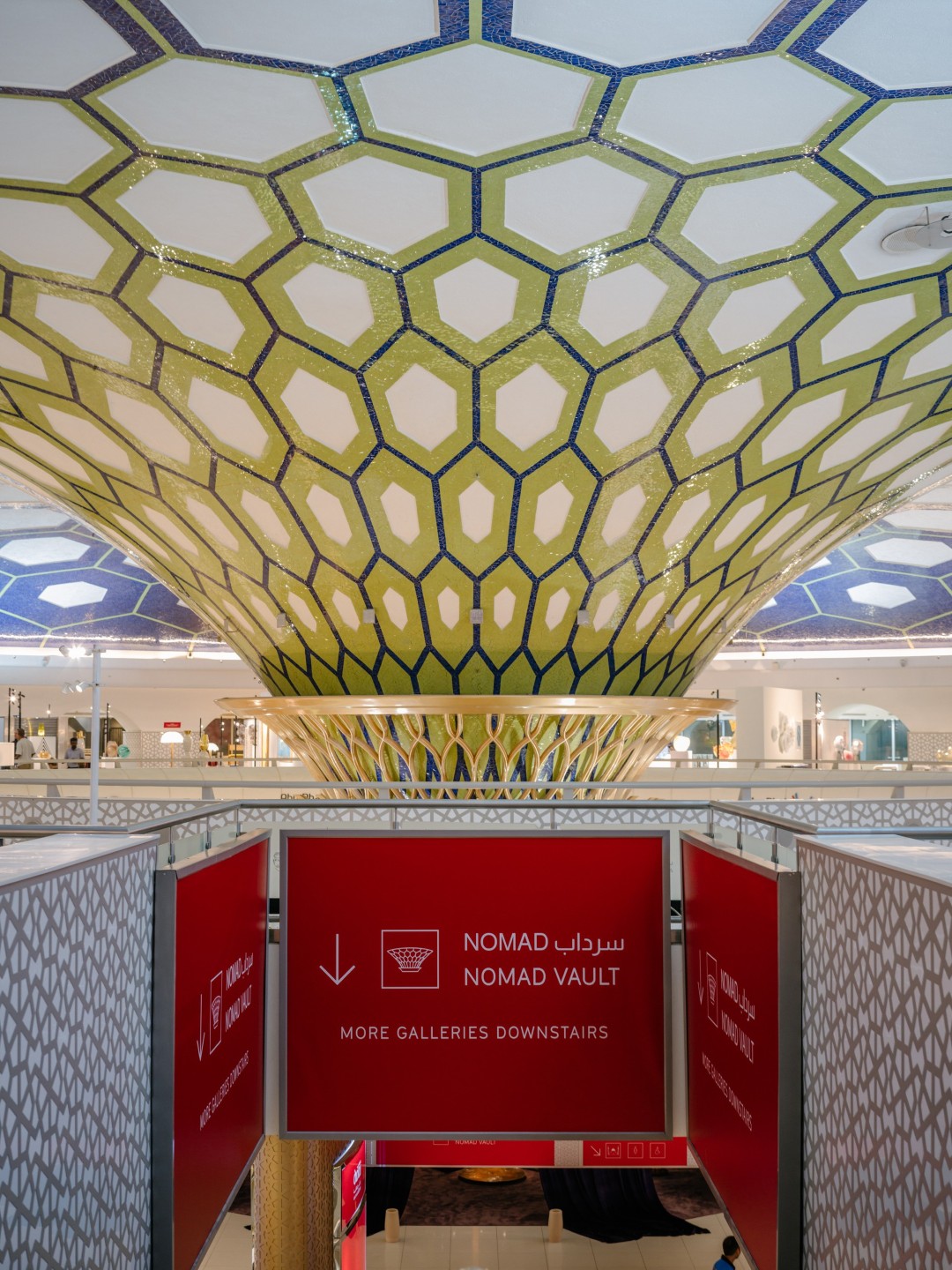
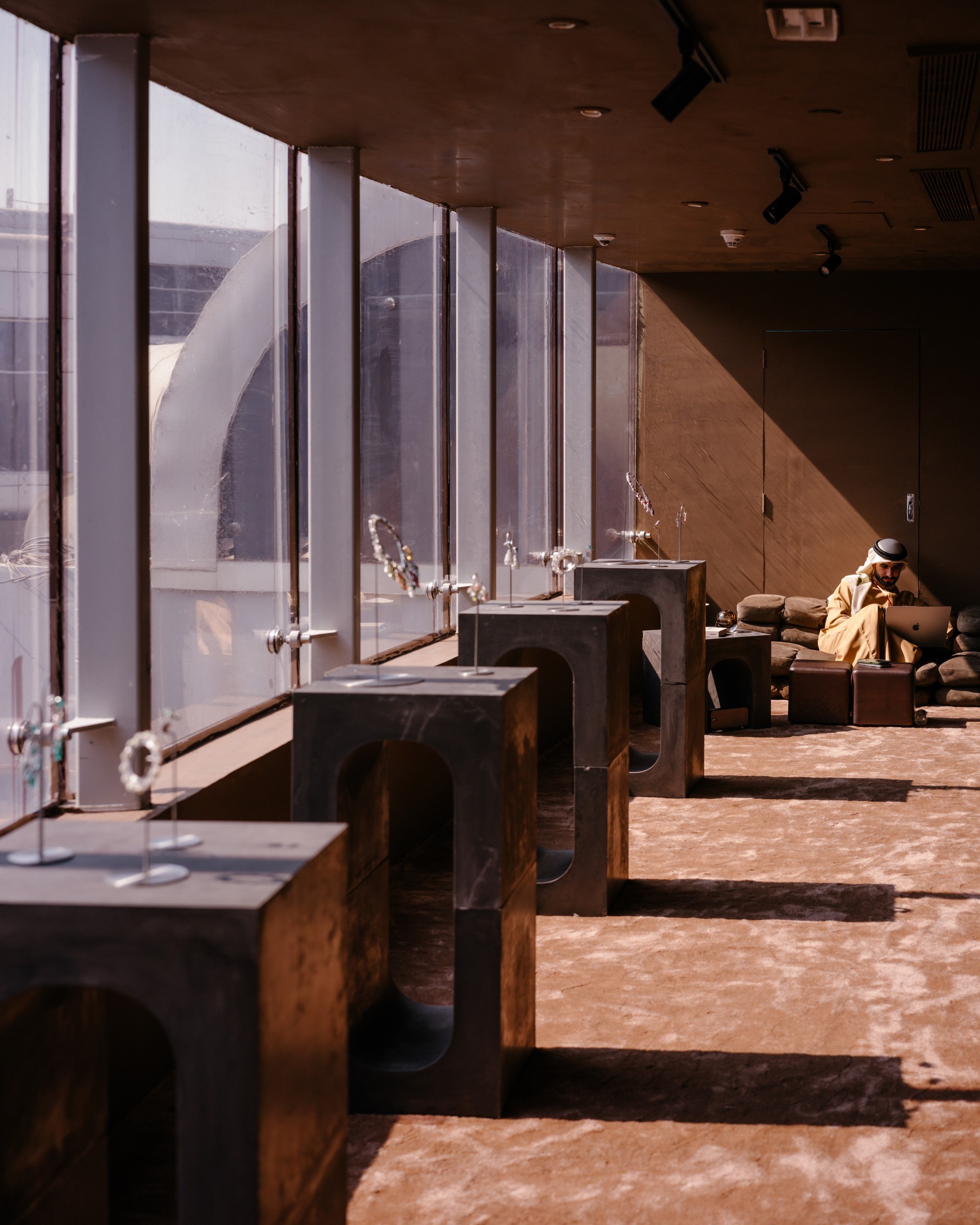
An airport is built around the promise of going somewhere. At Terminal 1 of the Old Abu Dhabi Airport this week, the departures lead somewhere less predictable, into rooms full of bronze, lacquer, silver and furniture that might eventually find a home far from the building. NOMAD Abu Dhabi returns for its second edition from 18-22 November, in a terminal that French architect Paul Andreu designed and that opened in 1982. The building changes how objects appear. A corridor encourages movement; a private gate asks people to stay.
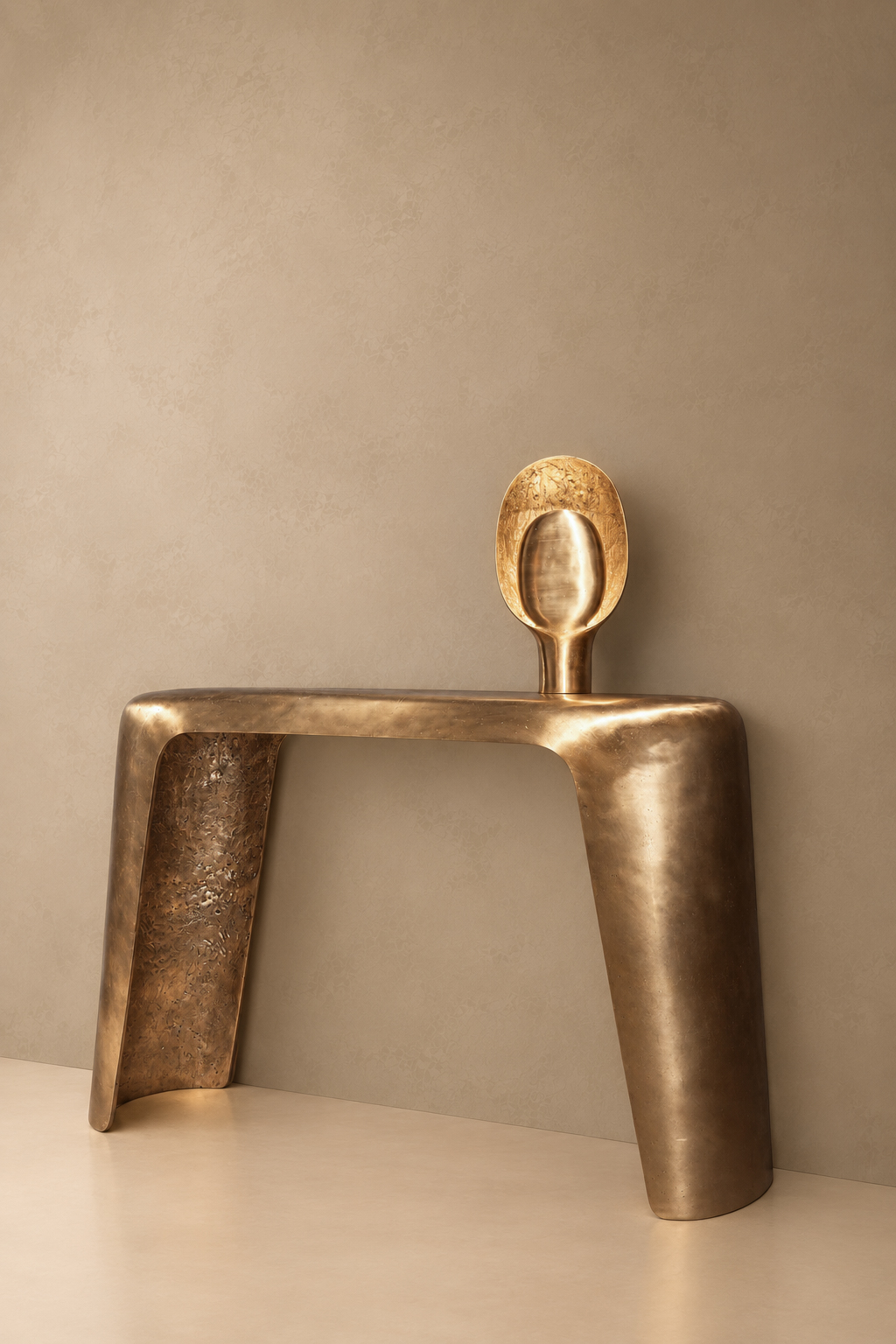
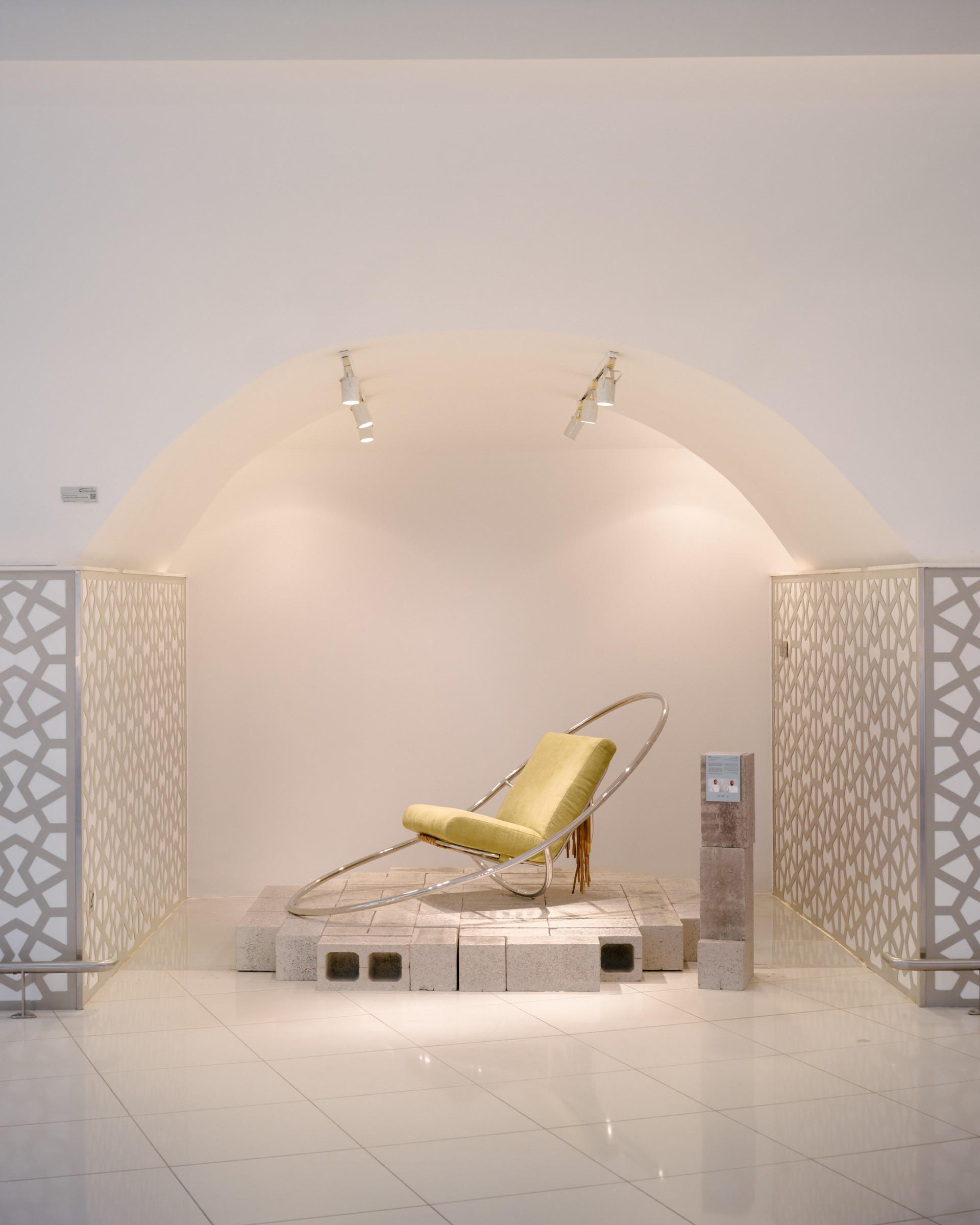
The fair brings more than 50 exhibitors across collectible design, contemporary art, jewellery and craft, and four of them, A2Z, Nilufar, Gallery FUMI and Galerie Gastou, each turn a private gate into a large-scale presentation. Scale matters here. A piece that commands a gate asks for a different kind of attention from an object small enough to live on a shelf, and neither requires specialist vocabulary. Notice what a thing does to the space around it.
“Last year was about discovering the airport,” says NOMAD co-founder and director Nicolas Bellavance-Lecompte. “This year, we have a better understanding of this remarkable building so we can be more ambitious with it.” NOMAD calls itself a boutique alternative to the conventional fair, and each edition responds to its location. Here, the airport pits passage against permanence.
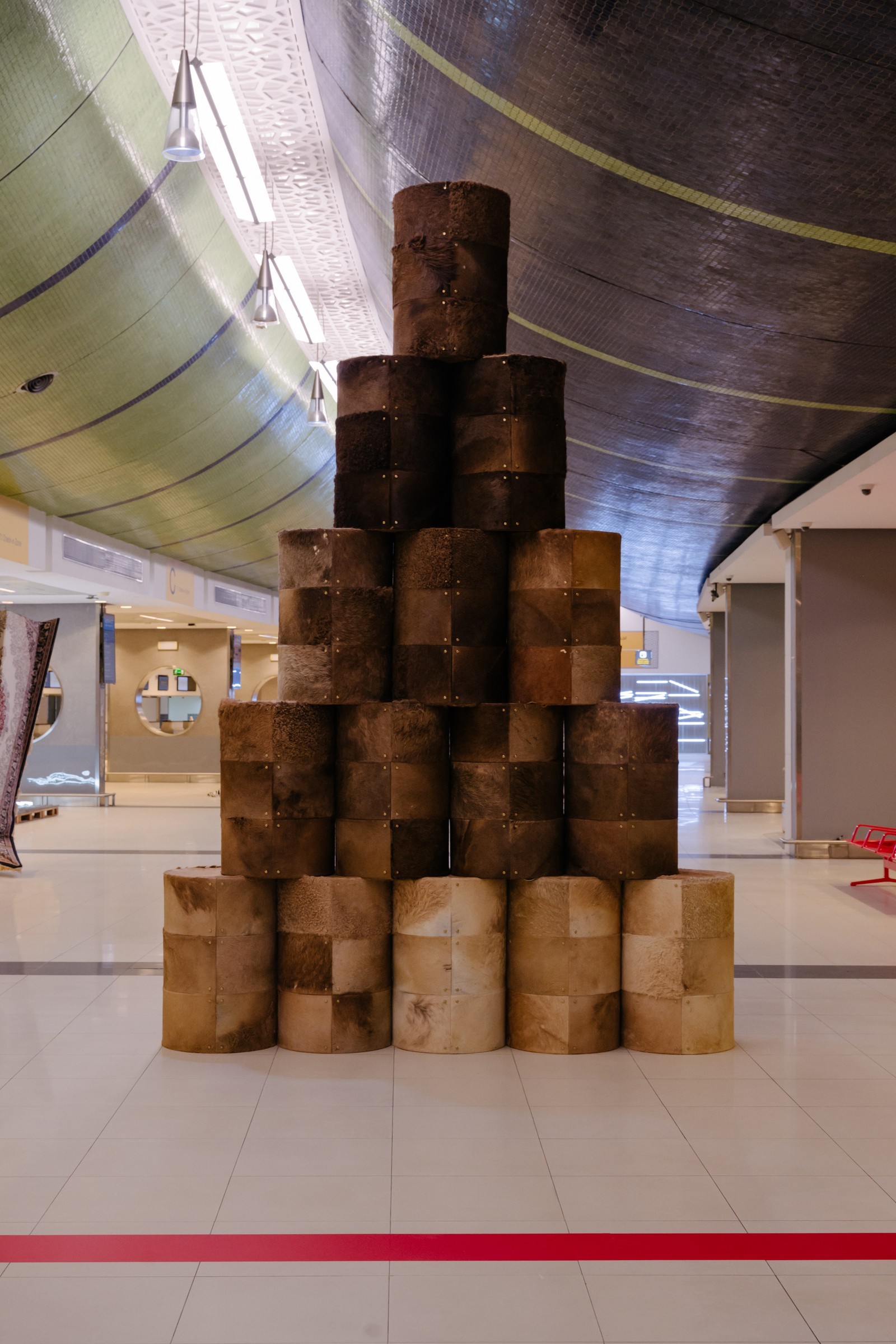
Maison Intègre arrives for the first time with bronze furniture and objects made in Ouagadougou, Burkina Faso, through lost-wax casting. Two monumental works from its Tree of Life series, woven and naturally dyed in Burkina Faso, set that bronze against fibre. Bronze holds its shape, while fibre moves and catches the light differently. The encounter makes technique visible, even to someone who has never heard the term lost-wax casting. Materials begin to tell a story before anyone explains their provenance.
That curiosity travels. Seoul’s Gallery Vein brings Korean bandaji furniture, ottchil lacquer and mother-of-pearl, including work by master artisan Kangyong Park. Mumbai’s ÆQUŌ draws on specialist workshops for repoussé metalwork, embroidery, shellac and lost-wax casting, with pieces by Linde Freya Tangelder, Frédéric Imbert, Santa Gaia Pilens and Inderjeet Sandhu. Warsaw’s Craftica Gallery works in wood, brass, clay, straw marquetry and silver. These details make a good starting point for conversation: how does a surface acquire its lustre, or how many hands does a single object pass through?
“Craft is a living practice,” says Bellavance-Lecompte. “Something new can emerge when makers from different places work together.” That idea takes a local form in Al Taif Collection – Al Thini Edition, a collaboration between Irthi Contemporary Crafts Council and SUPER LOOP. Its five pieces of furniture and functional design take inspiration from Emirati Talli weaving and add pearl inlay. Irthi’s work to preserve traditional crafts and create opportunities for women artisans gives those material decisions a human dimension. Elsewhere, Abu Dhabi’s House of Artisans and Paris’s Institut du Monde Arabe bring designer Abdel El Tayeb together with Emirati master artisans for a site-specific installation.
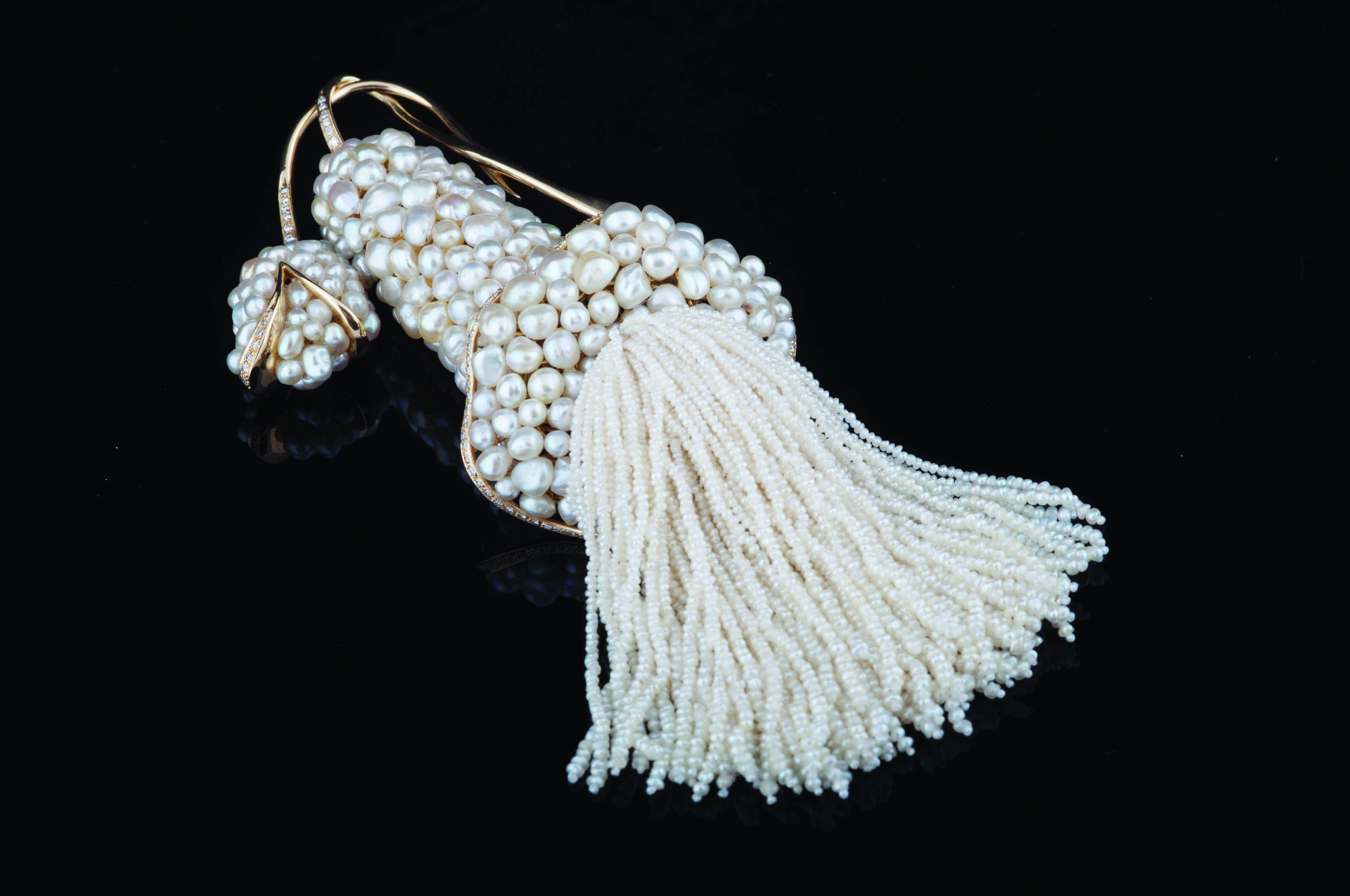
Pearl takes on another register in Woven in Us, the debut presentation by Bahrain’s MATTAR. Drawing on more than 180 years of family knowledge of natural pearls, MATTAR works with Bahraini weavers and designers to bring textile and inheritance together. Returning exhibitor Gem Alf turns to silver in The Chosen Material / Rituals II, with goblets, plates, trays and decanters that gather around acts of serving and sharing. The distance between an extraordinary object and an everyday gesture shrinks. A tray can be a work of craft and still remember the table.
There are interruptions to the familiar fair rhythm. In the departure hall, YANGWANG presents the electric U9 hypercar in a project with Dubai-based artist and designer Ibrahim Zaki, whose practice includes Arabic calligraphy and typography. South African artist Robin Rhode develops a wall drawing and performance as the week progresses, in collaboration with Public Art Abu Dhabi. One work changes with time, and another brings a machine into the picture.
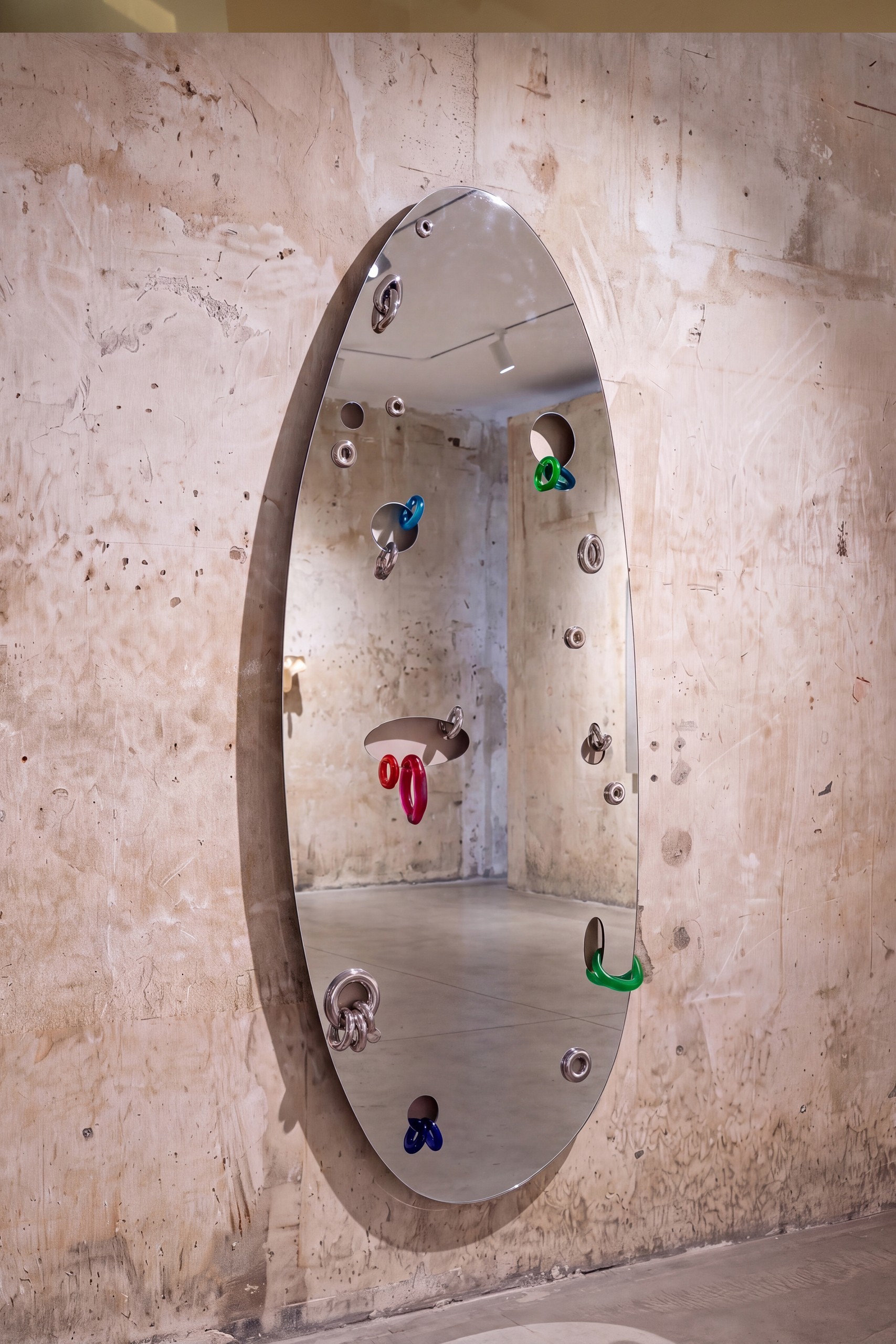
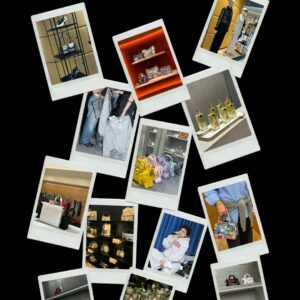
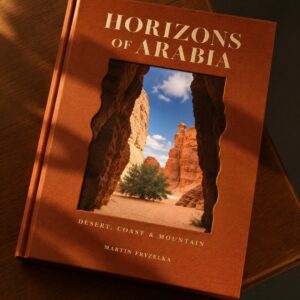
And there is room for the smaller beginning. FOUNT, the Abu Dhabi design store founded in 2023, curates a retail presentation at Terminal 1 with NOMAD merchandise, objects, open-edition works and books from participating galleries. An open edition or a book offers a way to bring an encounter home without first finding space for a monumental bronze. ERTH Abu Dhabi becomes the NOMAD Hub for the week, hosting breakfasts, dinners and conversations, and brings the official pop-up restaurant to the terminal. In an airport once organised around departures, perhaps the most interesting thing is what someone decides to keep.
For more stories of art and culture, visit our dedicated archives and follow us on Instagram.