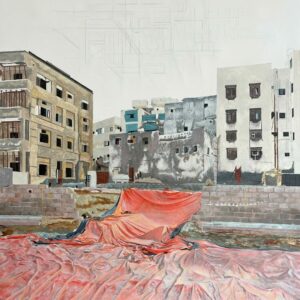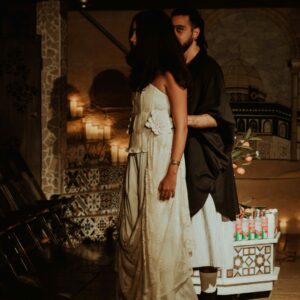
Kareen Arteen was only 14 when he first pointed his camera at a church that wouldn’t survive.
Why wasn’t anyone documenting this? That single question drove the Egyptian documentary photographer to keep his shutter clicking. Having started at age 14, he watched a 160-year-old Upper Egyptian church face demolition in 2023 and chronicled its collapse and resurrection.
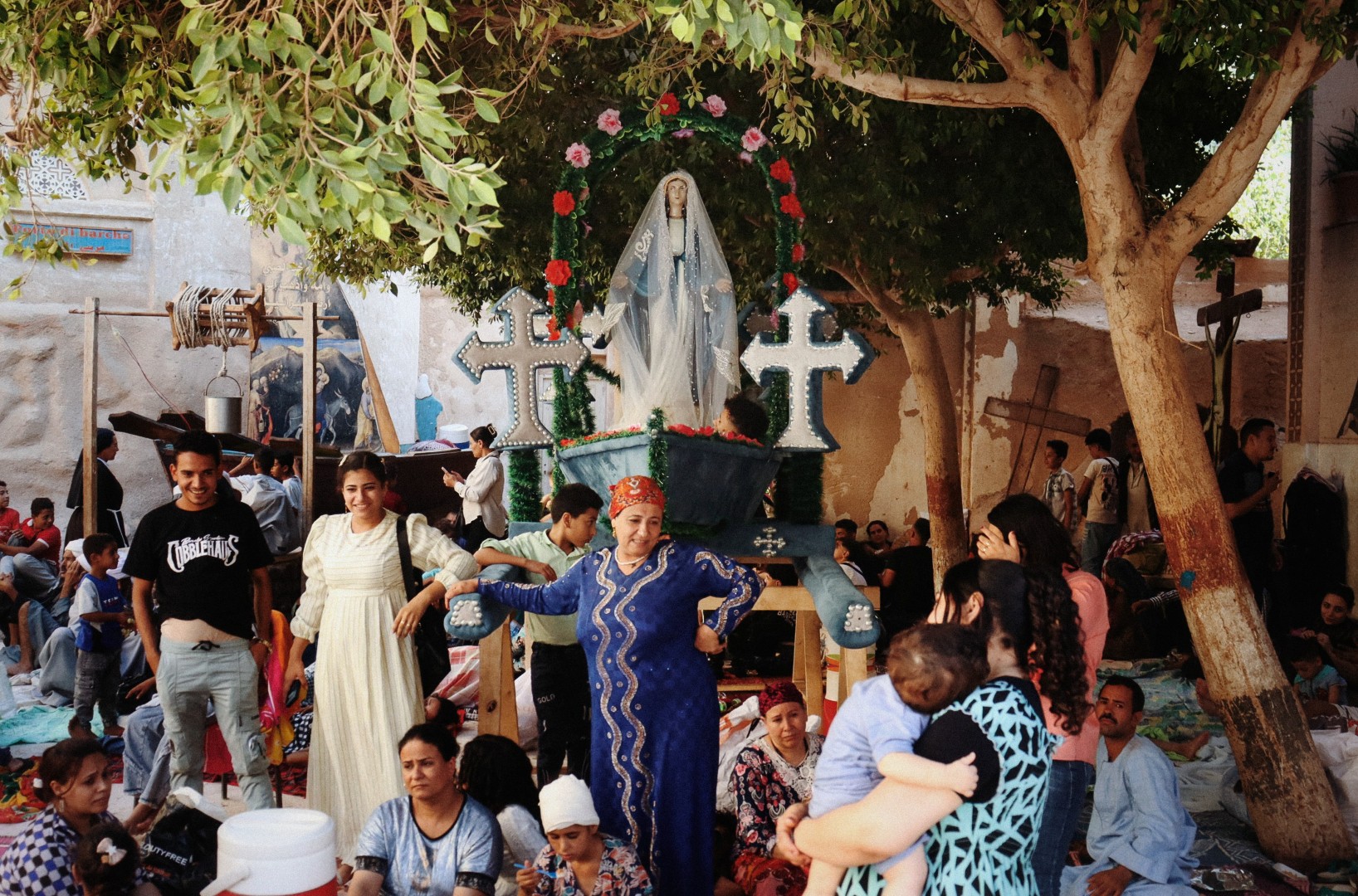
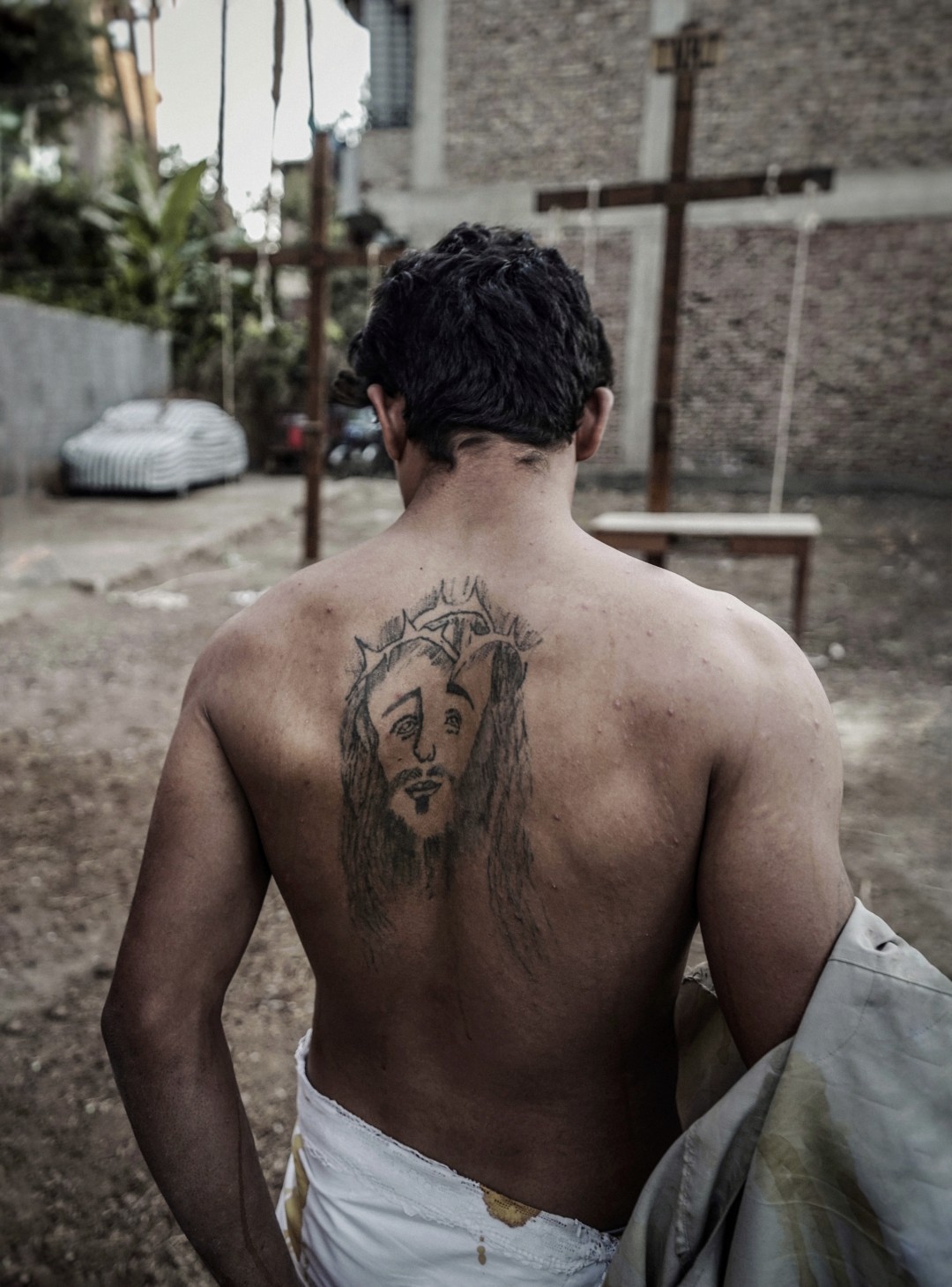
Four years later, Arteen is 18, and that question has outgrown a single church. His photographs move through the religious celebrations, streets and communities of Upper Egypt, lingering on the details in danger of disappearing because they seem too ordinary to preserve. At the annual celebrations surrounding the Virgin Mary Monastery in Drunka, Assiut, his camera finds families sleeping in the streets after travelling across the country, offerings carried in devotion, children beneath religious icons, processions, weapons, bodies pressed together in celebration and prayer.
There is very little distance in an Arteen photograph. He gets close — sometimes extremely close — but the people inside his frames hardly seem to be performing for him. As a counter, religion appears as he has always known it: not separated from everyday life, but tangled up in family, place, ritual, memory and identity. “Everything around us changes with time,” Arteen shares. “Places, people, and traditions can disappear or become something different.”
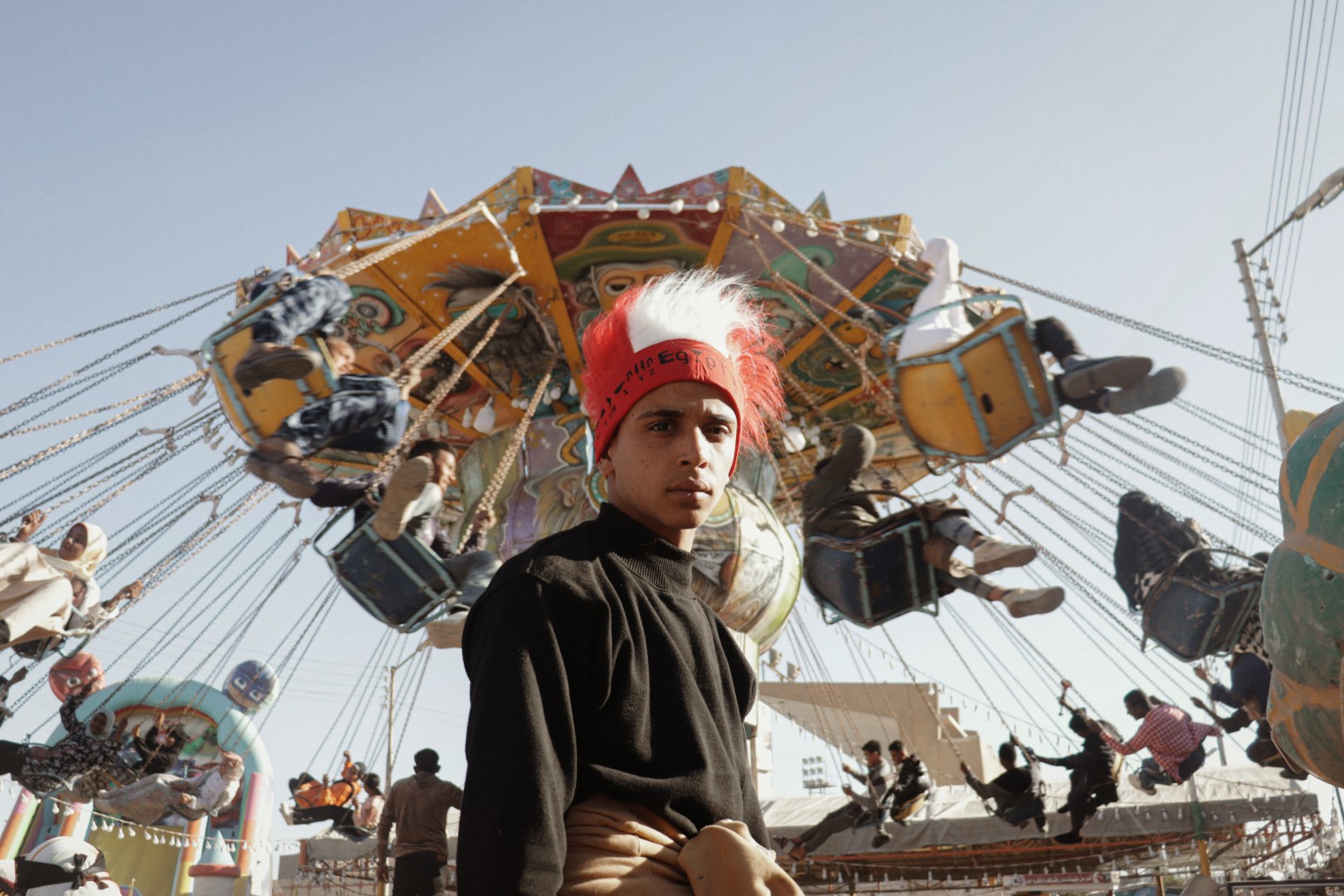
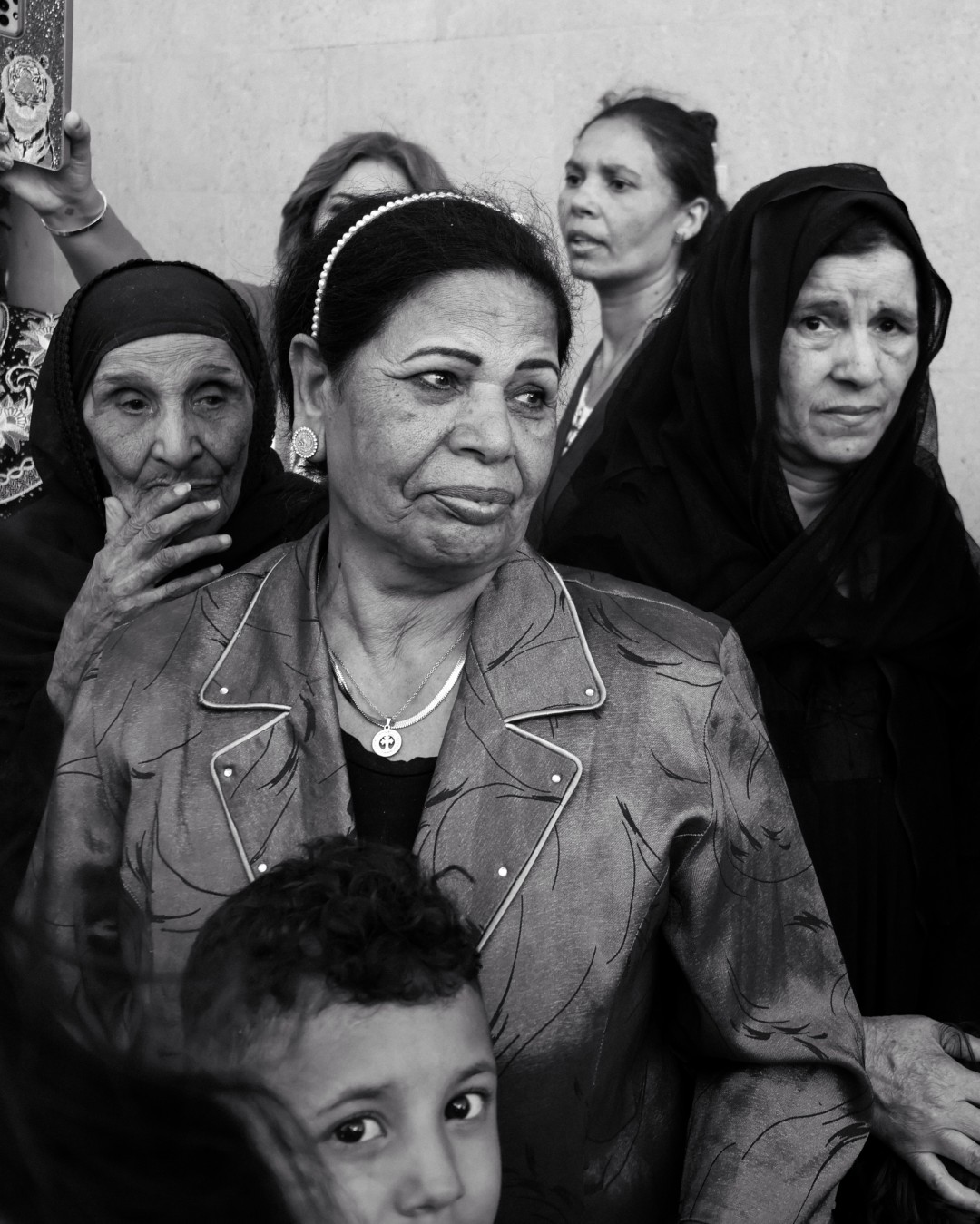
At such a young age, Arteen is already photographing with an awareness that what looks permanent seldom is. His camera fights to keep smaller, less-seen stories from fading out, never interested in archiving a sweeping national myth.
The instinct started close to home. In 2022, Arteen began photographing the church that would become the subject of those first, formative images. More than 160 years old, it was eventually demolished in 2023. Arteen stayed with it throughout, documenting the building before its demolition, as it was being torn down and through the rebuilding that followed. “I kept wondering why no one was documenting a place with so much history,” he explains. “That question pushed me toward documentary photography and made me want to document the things around me.”
It also explains why Arteen’s photographs are so often concerned with things that might otherwise be overlooked. His eye is, in fact, drawn to the ordinary. Much of his work begins with what is already around him — places, rituals and communities familiar enough to be taken for granted. Photography gives him a reason to look at them again.
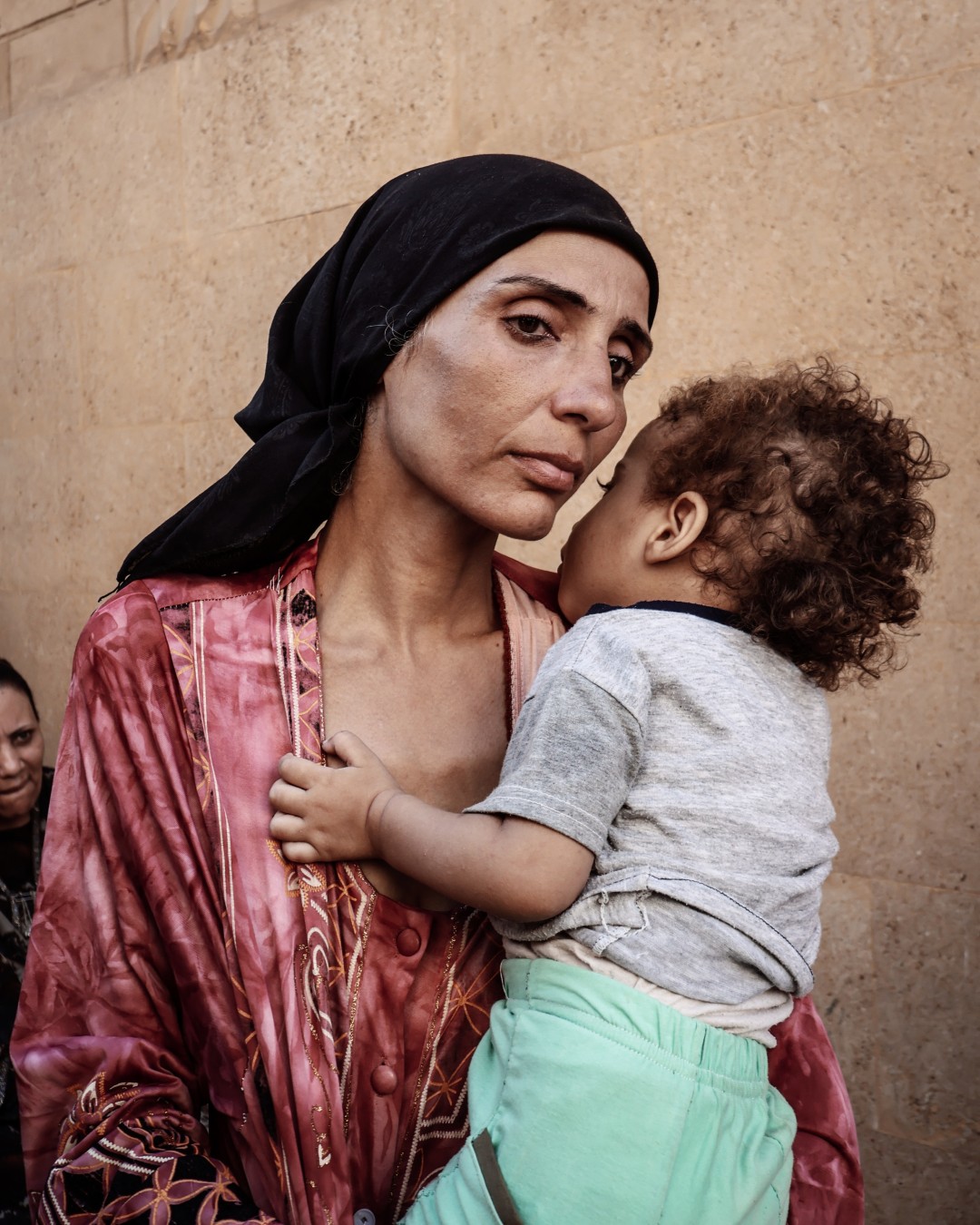
That attention has made him unusually observant even when the camera is gone. “I’m constantly noticing small things that most people might not notice,” Arteen tells YUNG. It shows in the density of his frames. Religious iconography competes with bodies and architecture; gestures happen at the edges; people move through one another, overlapping naturally within the frame. At certain moments, the frame allows for careful composition, but amid the rush of a crowded celebration, he lets intuition guide the frame.
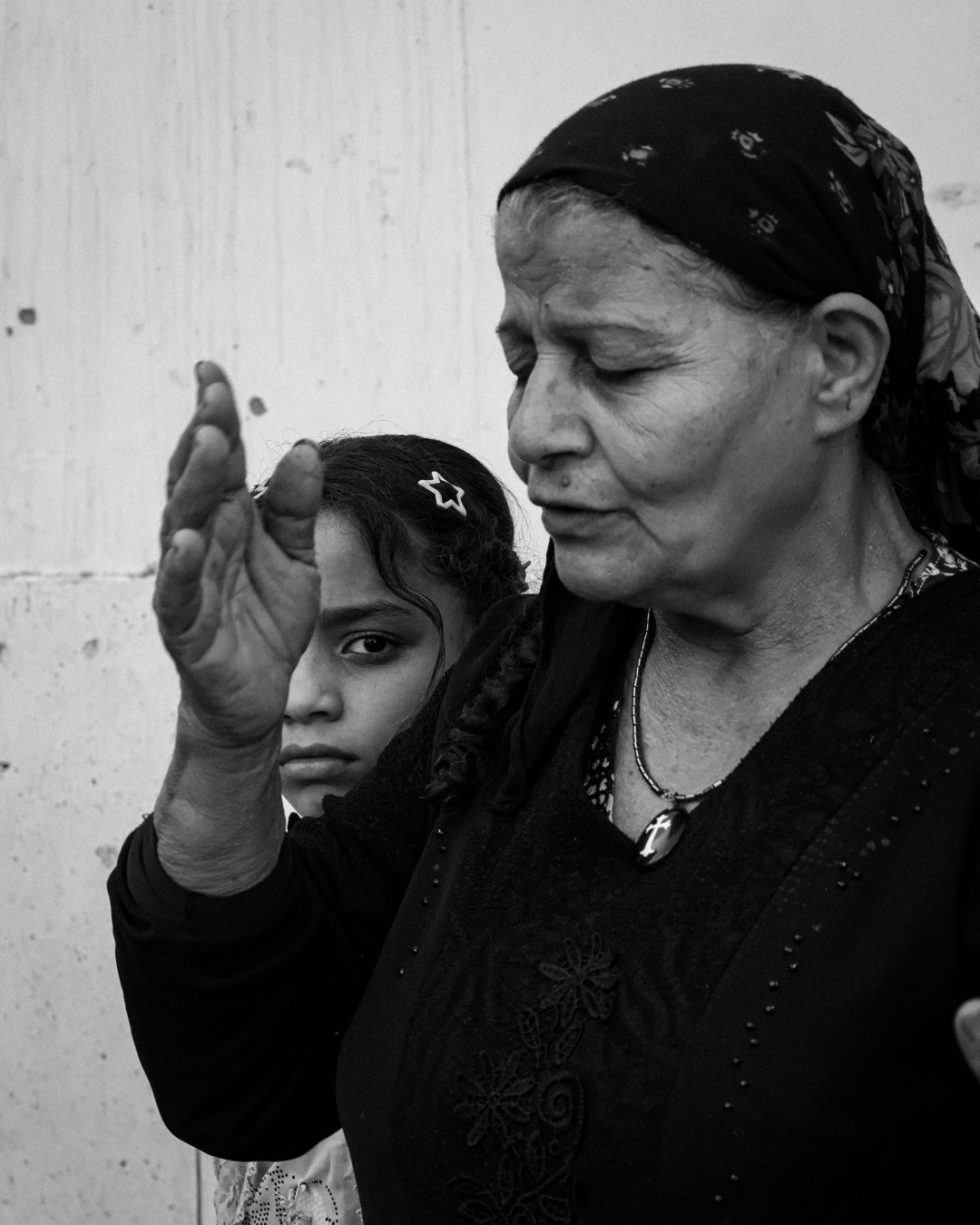
Getting close to his subjects matters: Arteen never wants to photograph people as distant figures inside a larger scene. “Sometimes you don’t need to hear someone’s story; you just need to observe,” he reveals. “By observing, you can understand a person’s emotions and story without hearing a word.”
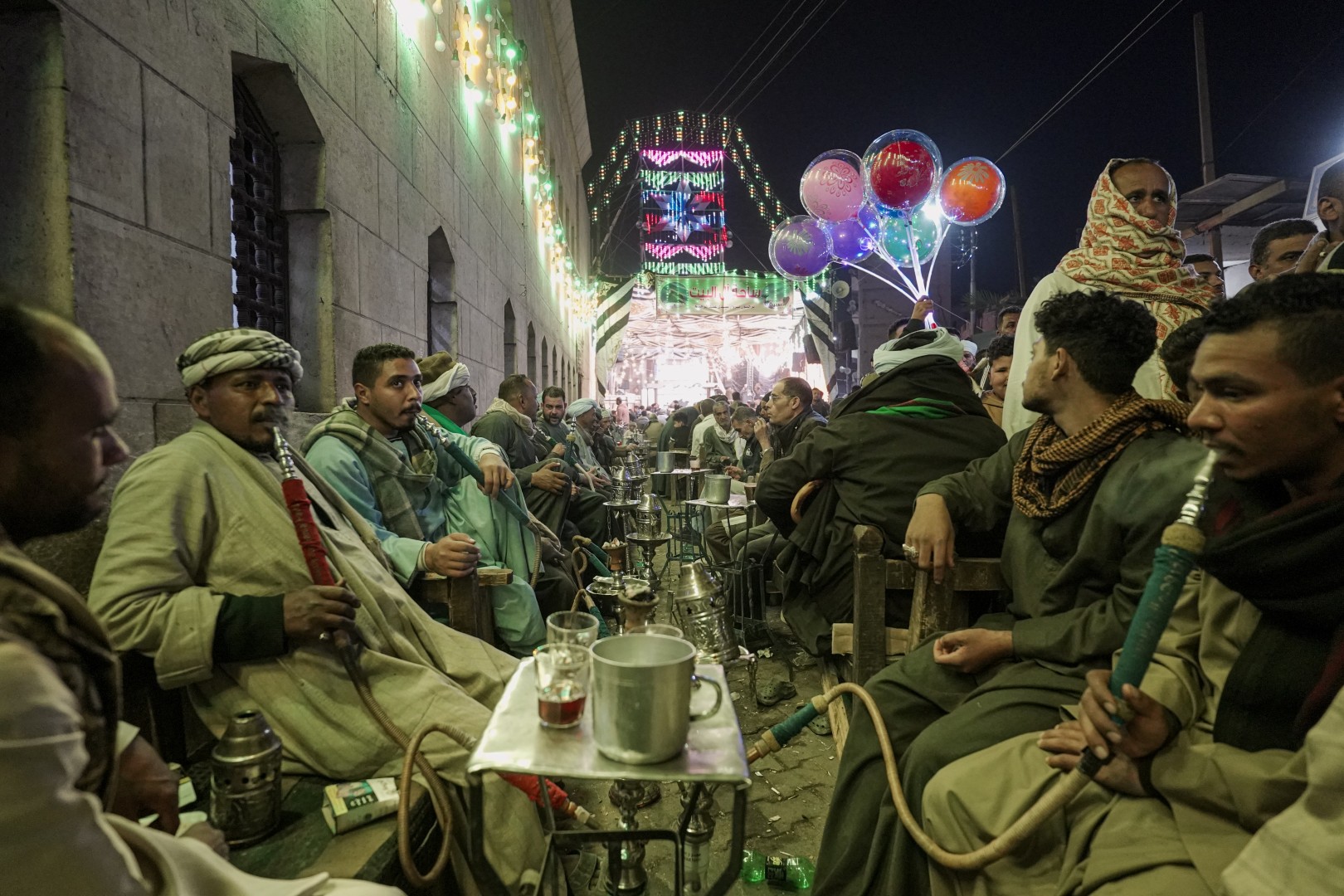
That approach would eventually take him from the church he grew up around to a much larger project: documenting Coptic Christian life across Upper Egypt. That project took Arteen to Drunka in Assiut, home to one of Egypt’s largest annual Coptic celebrations surrounding the Feast of the Assumption and the Virgin Mary Monastery. For a photographer already interested in the place religion occupies in Upper Egyptian life, Drunka offered something tricky to split up into neat categories. Faith was everywhere, but so were family reunions, food, children, processions, exhaustion and celebration.
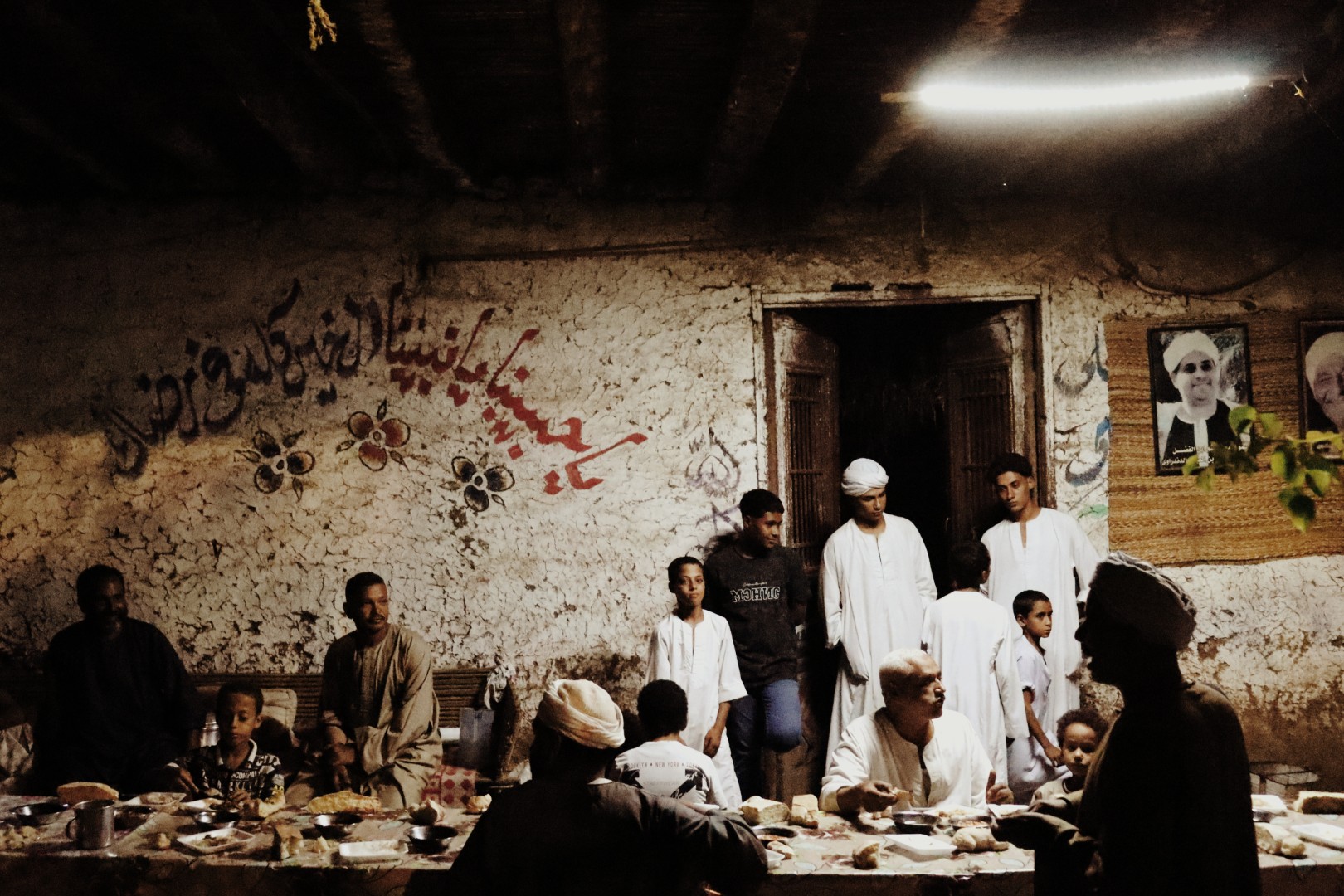
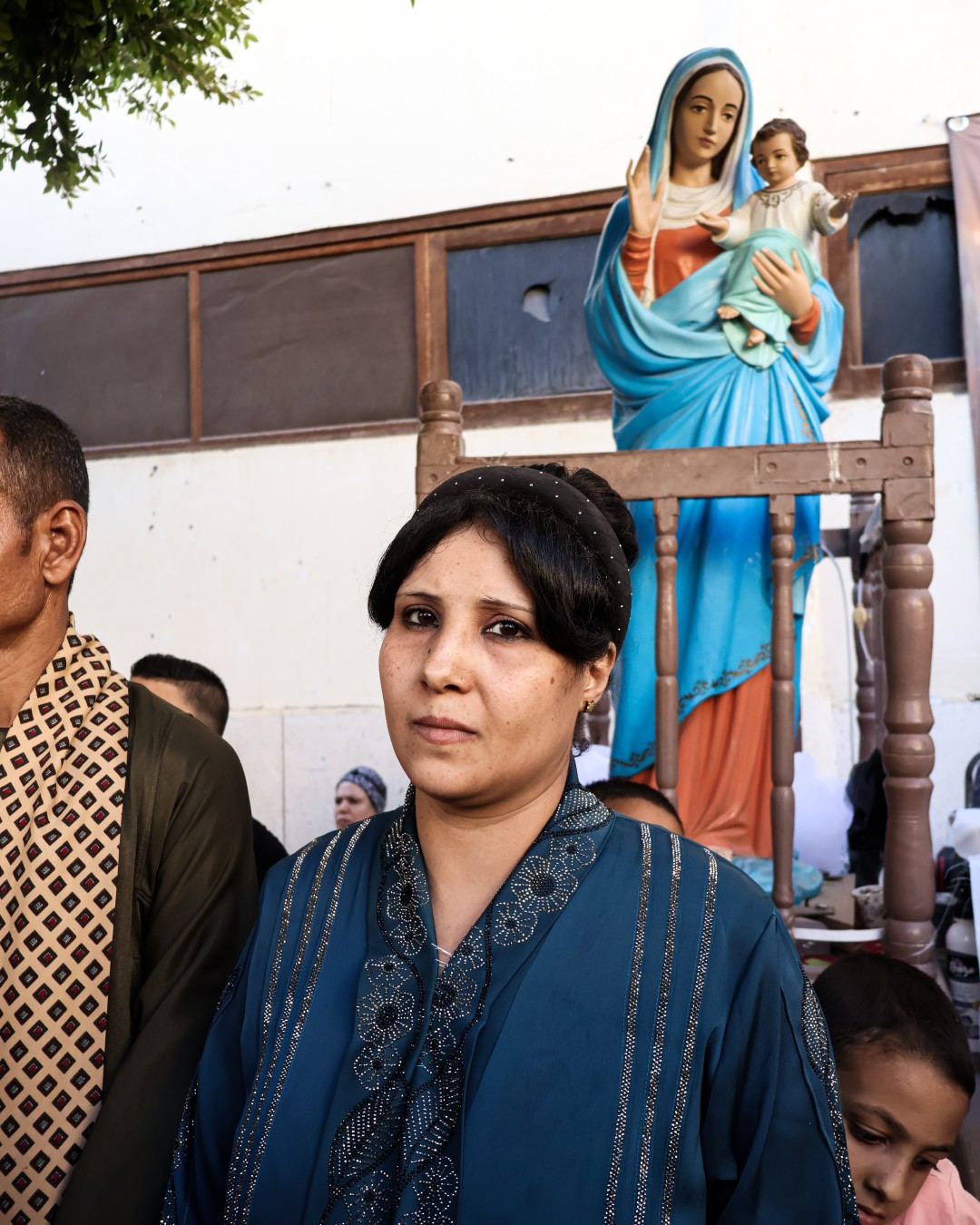
Arteen had gone expecting to photograph religious devotion, only to find himself equally drawn to everything happening around it. People arrive from across Egypt after long journeys, some carrying money or animals as offerings to the Virgin Mary: others bring their own statues to join the procession. Families stay for days, reconnecting with people they may not have seen for months. When accommodation runs out, some camp or sleep in the streets rather than leave.
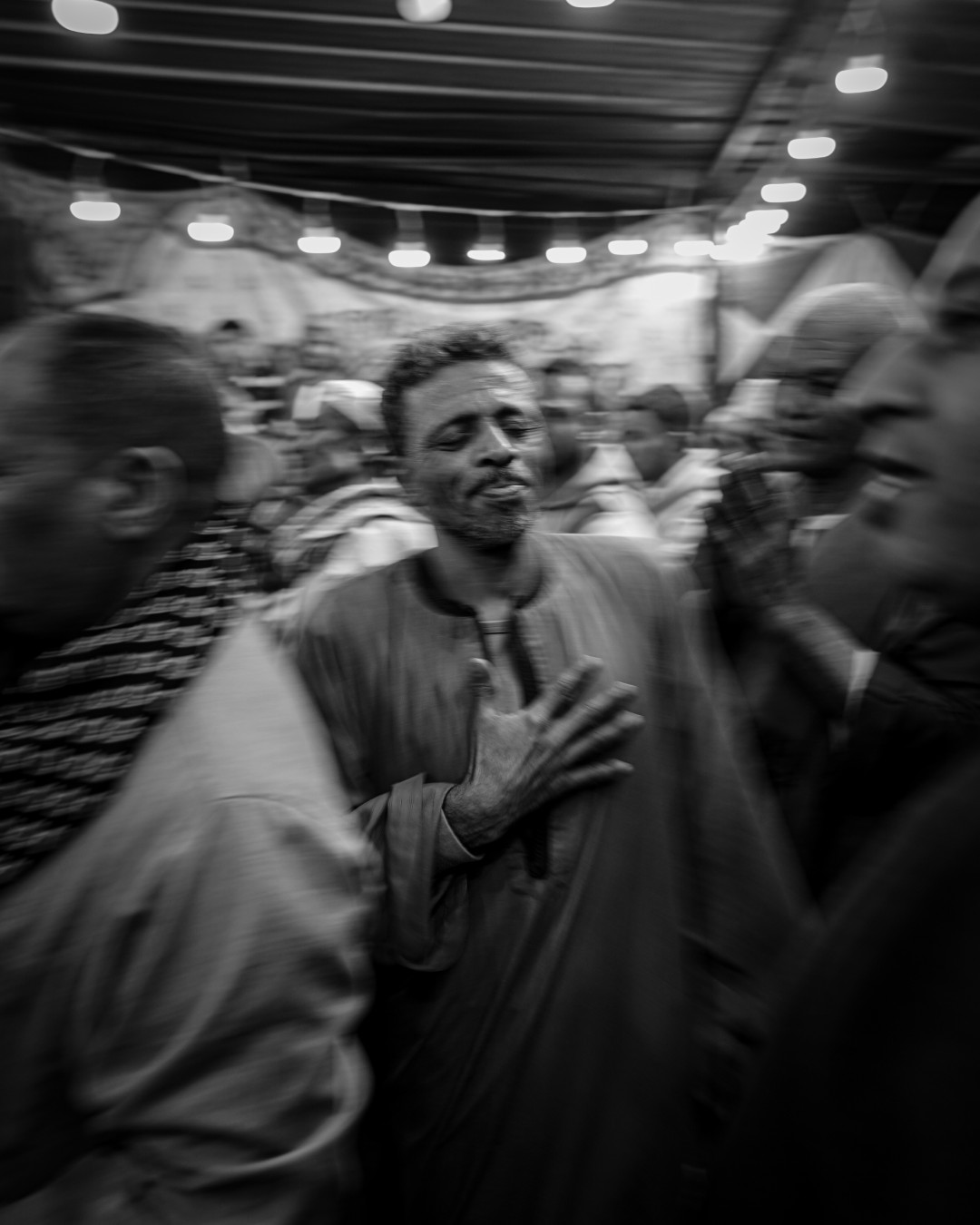
“Despite the long journeys, the heat, and the difficult living conditions, people keep coming,” he says. For Arteen, that persistence revealed something a photograph of a ceremony alone could not: Drunka is as social and personal as it is religious. That intimacy carries into his photographs, where religion rarely looks distant or ceremonial.
Arteen grew up surrounded by it — Christian icons and statues, Islamic art and mosques, and the run-of-the-mill rituals through which belief becomes part of ordinary life in Upper Egypt. “It made me fascinated by how faith can be expressed through the simplest things,” he says.
One of his most arresting photographs takes that collision of the sacred and the ordinary somewhere stranger. Two young boys sit beneath an image of the Virgin Mary, each holding what appears to be a large firearm. Youth, faith and weaponry occupy the same frame, producing an image that demands a second look.
Arteen had heard that younger generations were becoming less religious and less interested in celebrations like Drunka. The reality he found there was more layered. He wanted the photograph to represent a new generation still engaging with the traditions around them, but without making an image that felt predictable. “Weapons usually represent war,” he says, “but in this image, I wanted them to represent protection and the continuation of faith across generations.”
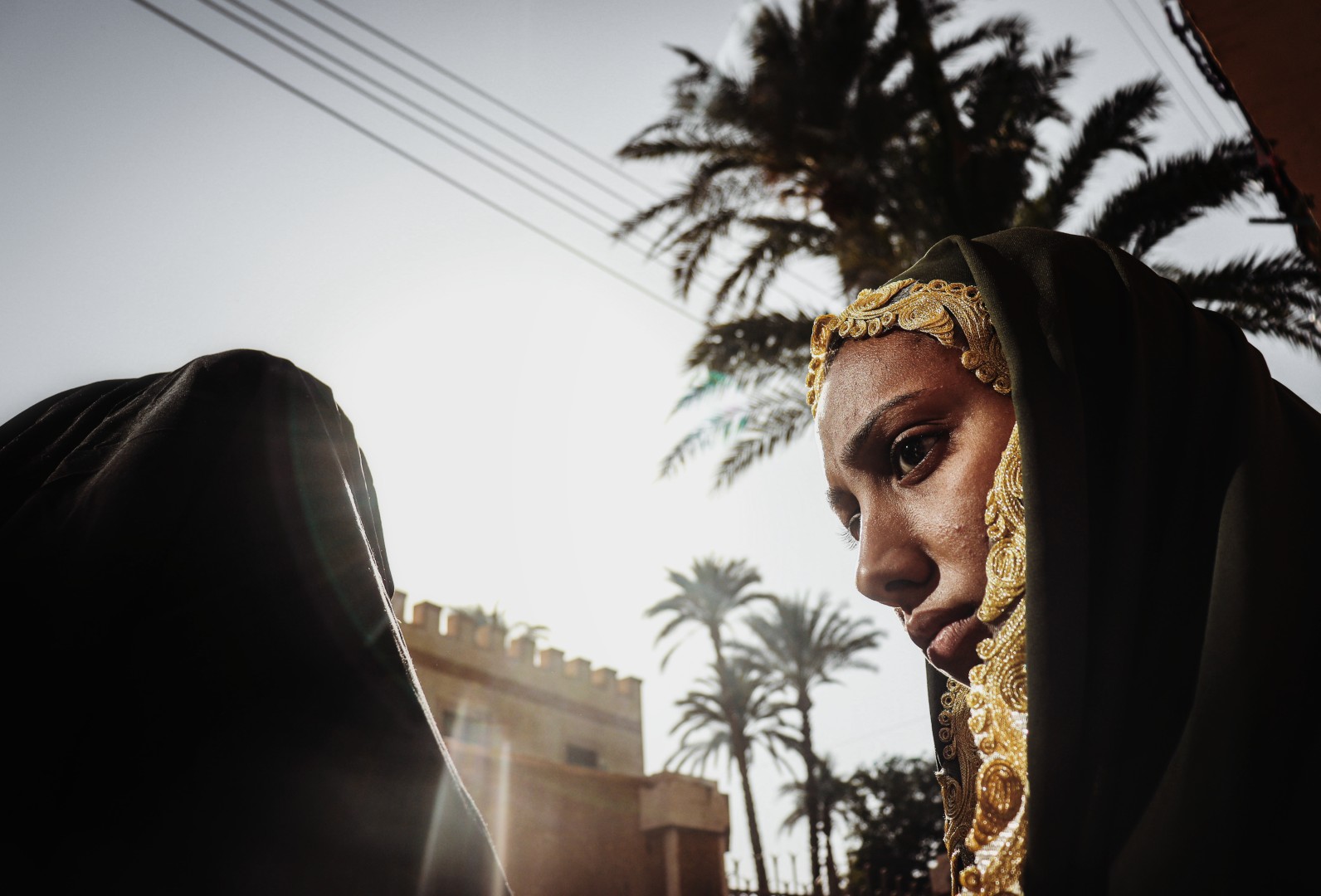
Getting close enough to make photographs like these inevitably raises another question: when is being present no longer an invitation to photograph? Arteen’s answer begins before he even lifts the camera. When possible, he visits a place without it first, giving himself time to understand its customs, people and rhythms. Crowded religious celebrations can offer a certain freedom — people are too absorbed in what they are doing to perform for the photographer — but he doesn’t interpret that absorption as unlimited access. “There are always limits and traditions that should be respected,” the photographer says. The moment a photograph begins to cross those customs or invade someone’s privacy, he stops.
It is a small distinction, but an important one in led by the eye. Getting close, for Arteen, doesn’t mean believing everything is his to photograph. For him, Upper Egypt is home. He was born there, still lives there, and much of what draws his camera comes from the feeling that the region he knows remains largely unrecorded than it deserves to be. “Upper Egypt isn’t documented as much as other places,” he clarifies, “even though it’s very different from anywhere else, with its own traditions, customs, and history.”
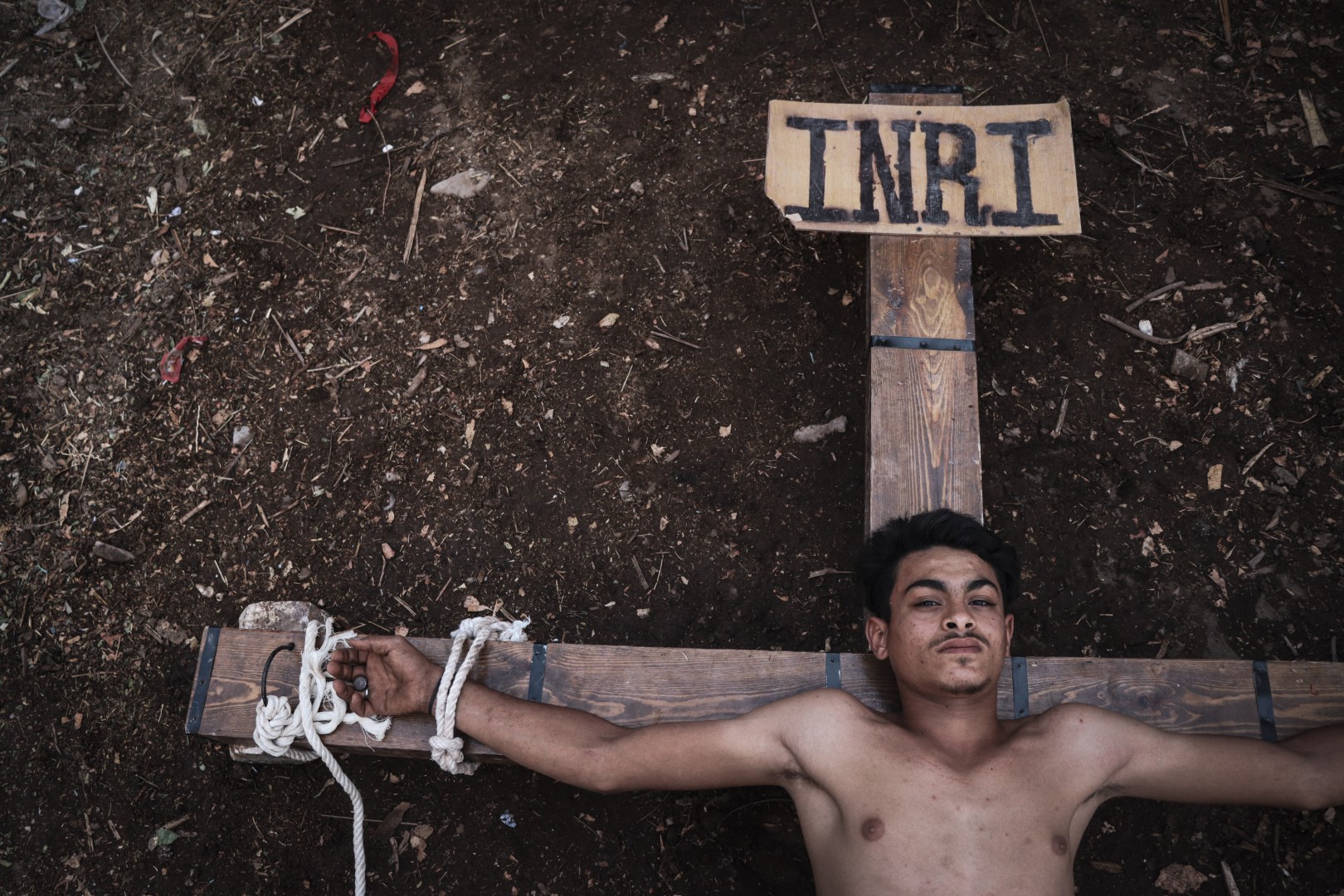
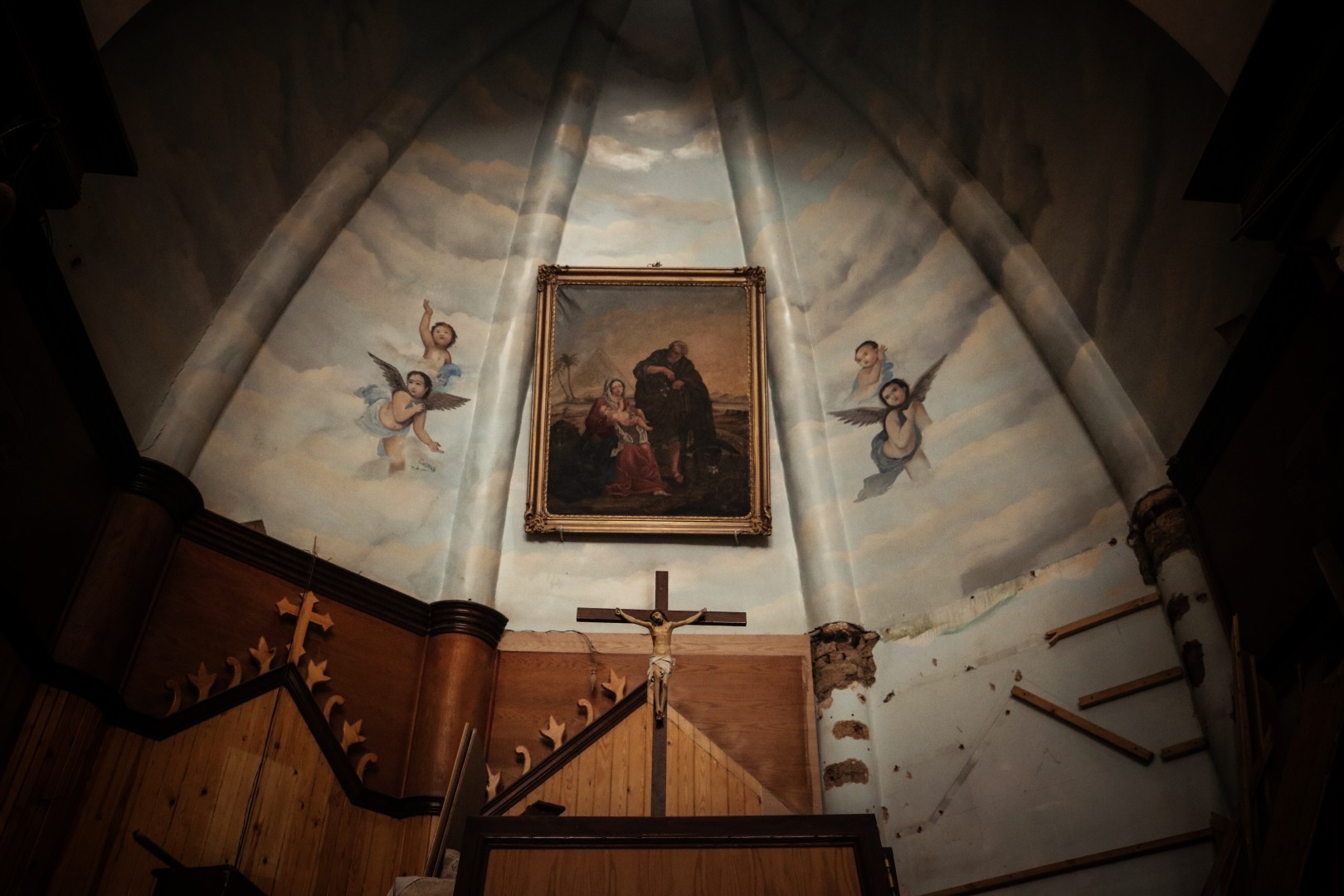
However, being under-documented creates its own problem. When cameras do turn towards Upper Egypt, the same images can dominate: poverty, rural life, tradition, an Egypt seemingly suspended somewhere outside the present. Arteen is conscious of that shorthand, and rather than trying to produce a definitive alternative portrait of the region, he looks for stories that have received less attention in the first place.
His ongoing documentation of Coptic Christian communities grew partly from that absence. It is also personal. As a Christian raised in Upper Egypt, Arteen is photographing traditions, customs and expressions of faith that formed part of his own upbringing. The camera might make him an observer, but he is not approaching these worlds from the outside.
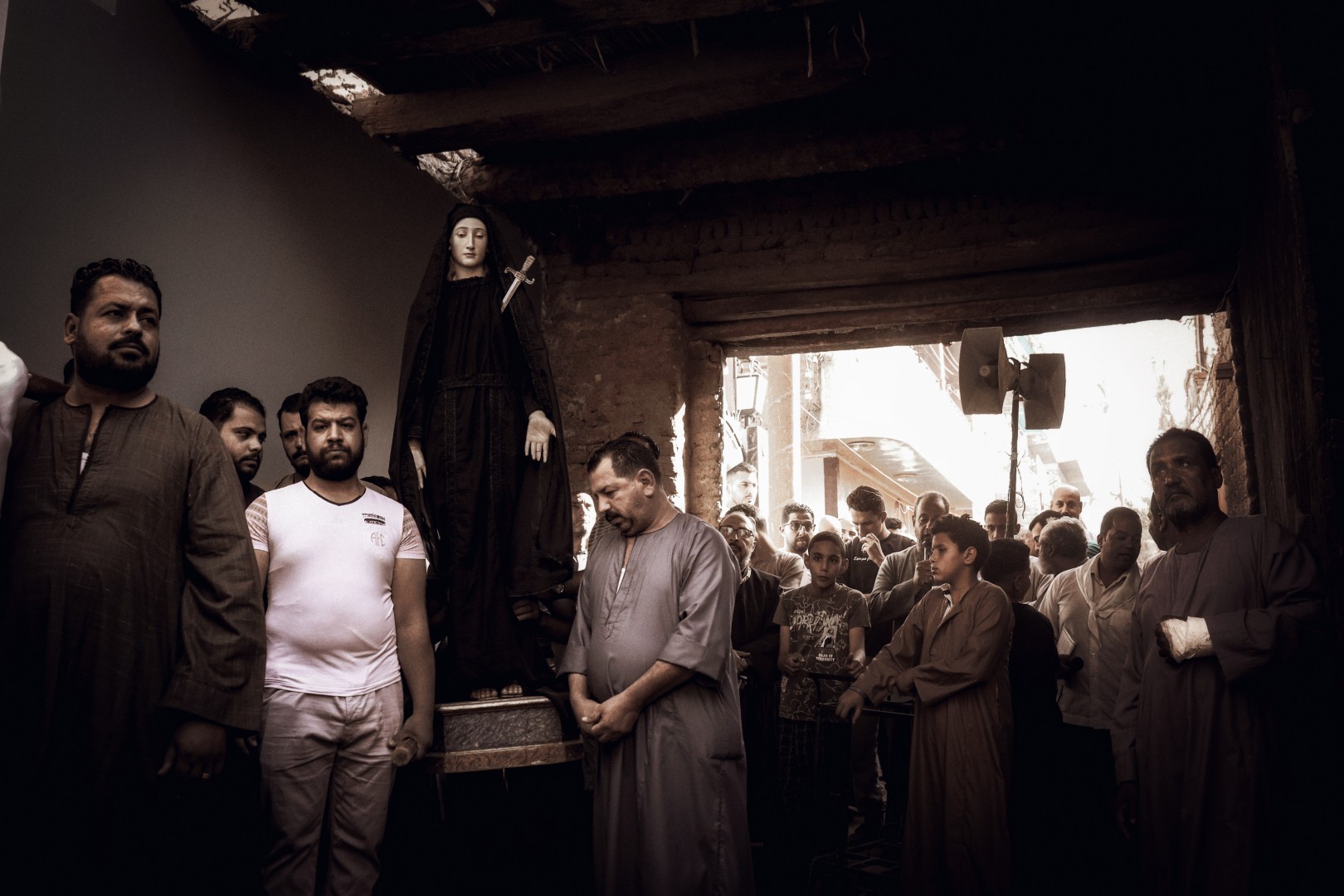
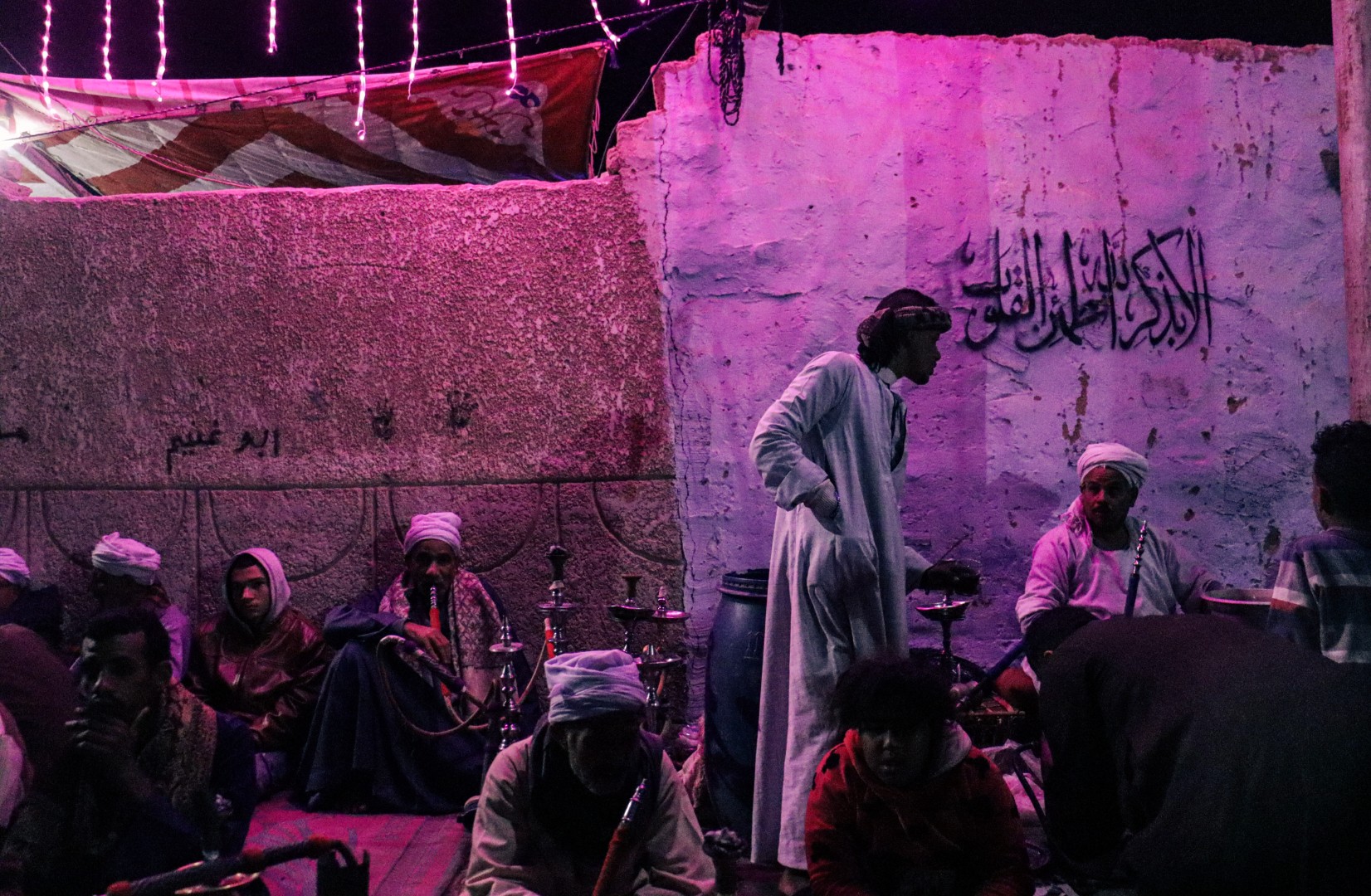
That proximity complicates the Egypt that emerges from his photographs. A procession can be sacred and social at once: a religious icon can sit comfortably beside the messiness of a crowded street: faith appears in grand celebrations, but also in clothing, gestures, objects and habits so ordinary they could easily escape attention. “What interests me is how people bring religion into the simplest parts of everyday life, through their daily habits and traditions,” he says. “This exists all over Egypt, but in Upper Egypt we have a different and unique way of expressing our faith.”
Ask Arteen what makes him stop while editing hundreds of photographs, and his answer isn’t simply technical. Good light and a strong frame matter, of course, but he is searching for something else too: an image that holds how it felt to be there.
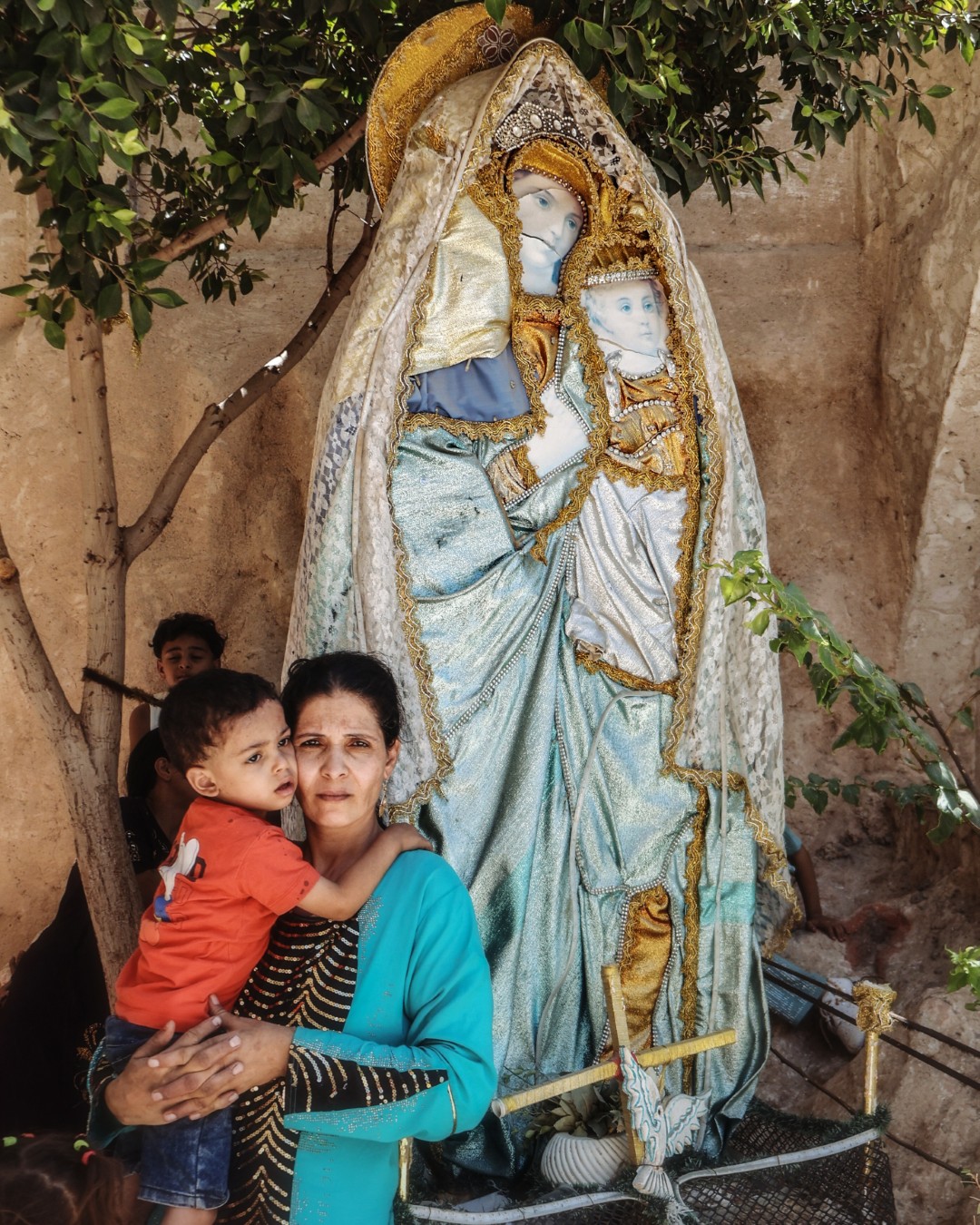
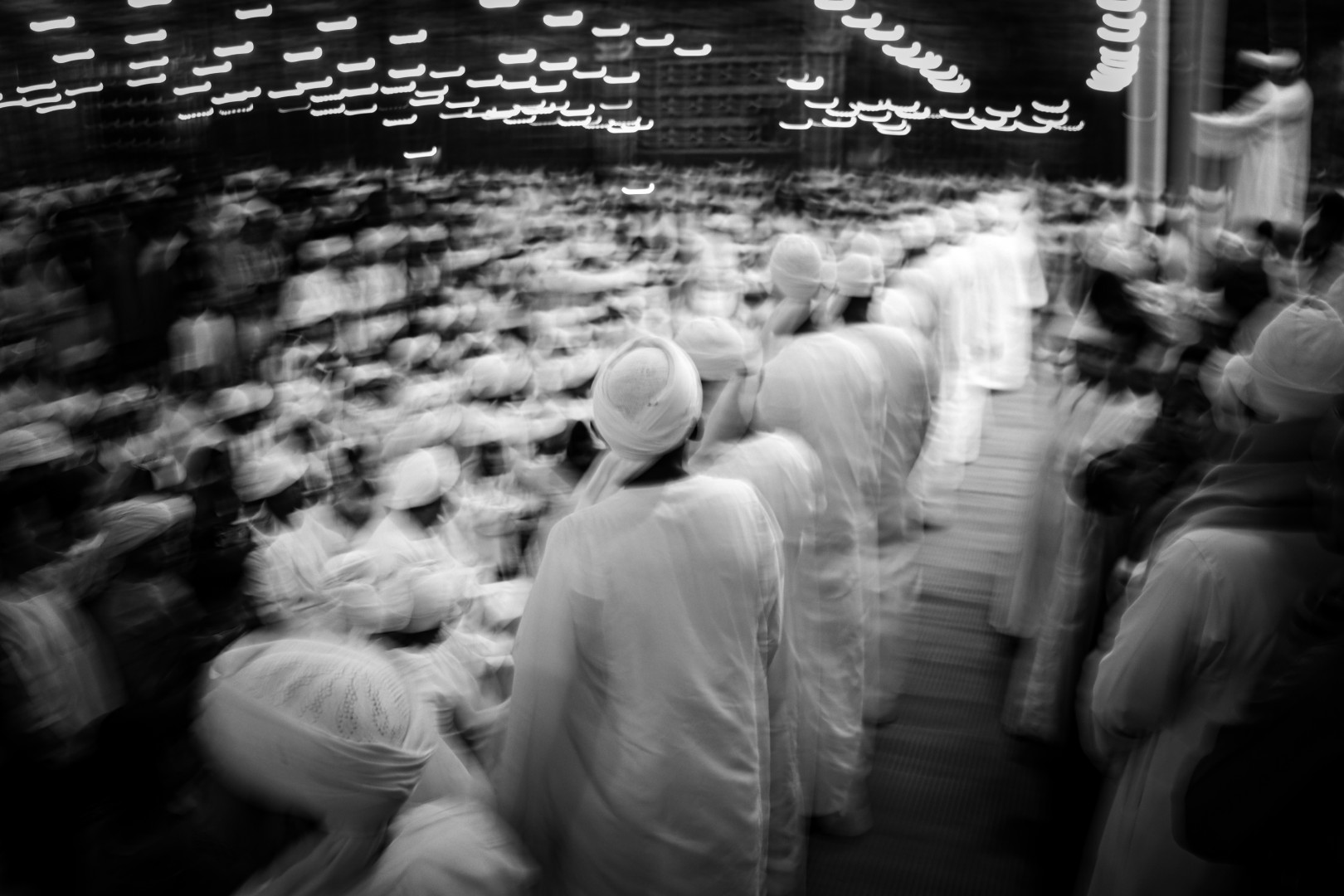
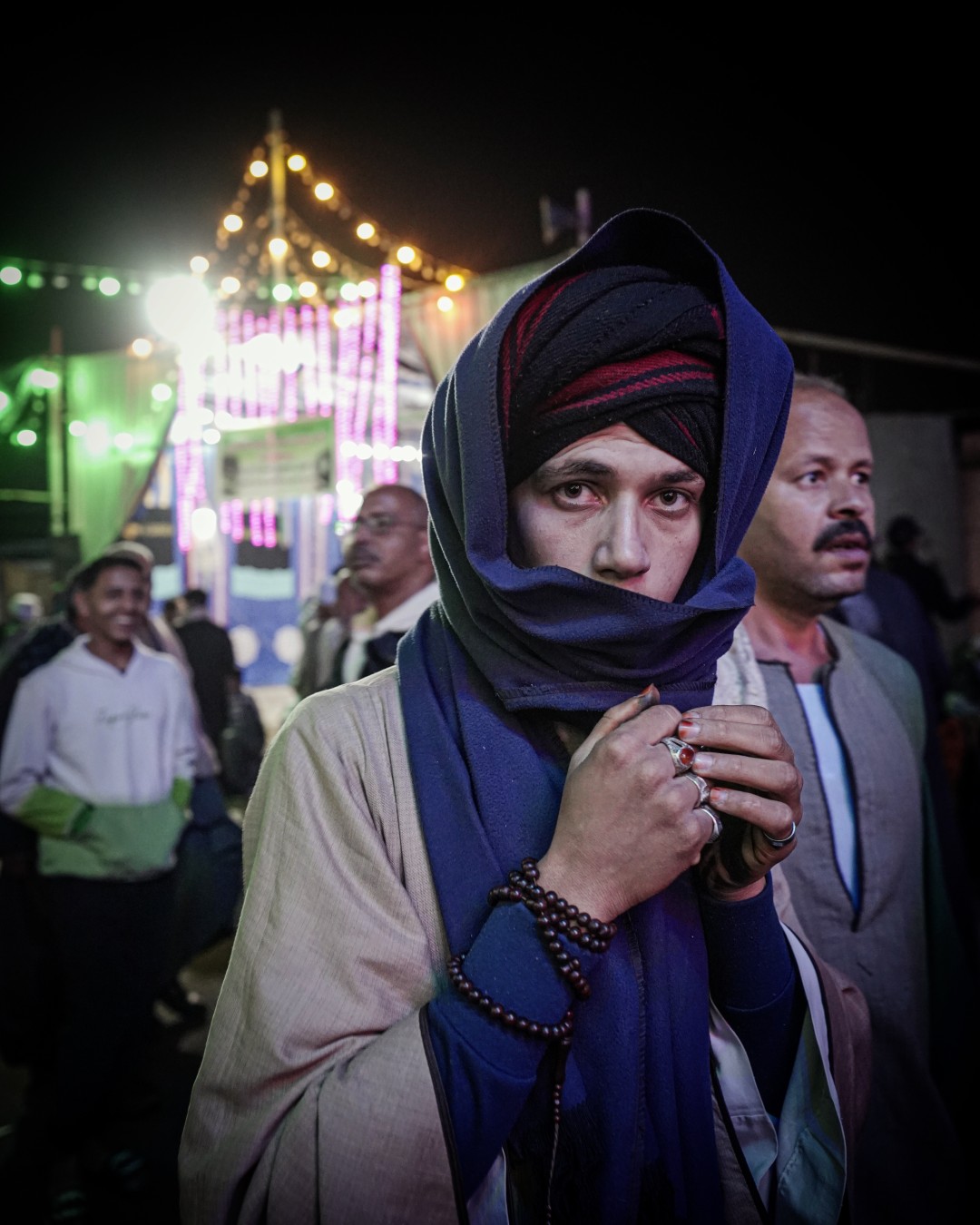
With portraits, he looks at faces, clothing and the smaller details capable of locating someone within a particular culture or place. It is another form of noticing; the same instinct that began with a 160-year-old church when he was 14, and the same one that now sends him into celebrations and communities across Upper Egypt.
At 18, it would be easy to frame Arteen’s age as the most remarkable thing about his work, but what’s more interesting is the timescale on which he already seems to be thinking. He photographs the present while imagining what it might mean once it becomes the past.
When asked what he would want someone discovering his archive 50 years from now to understand about Egypt, Arteen doesn’t describe one definitive version of the country. Quite the opposite. “It’s not just one place or one way of life,” he argues. “There are so many different cultures across the country and each one has something that makes it special.”
He hopes the photographs might make someone want to look further — towards the places, communities and stories that haven’t been seen or understood enough yet.
Four years ago, Arteen looked at the church around him and wondered why nobody was documenting it. Now, the question is no longer why nobody is documenting these stories. It’s which one he gets to next.
For more stories of art and culture from across the region, visit our dedicated archives and follow us on Instagram.