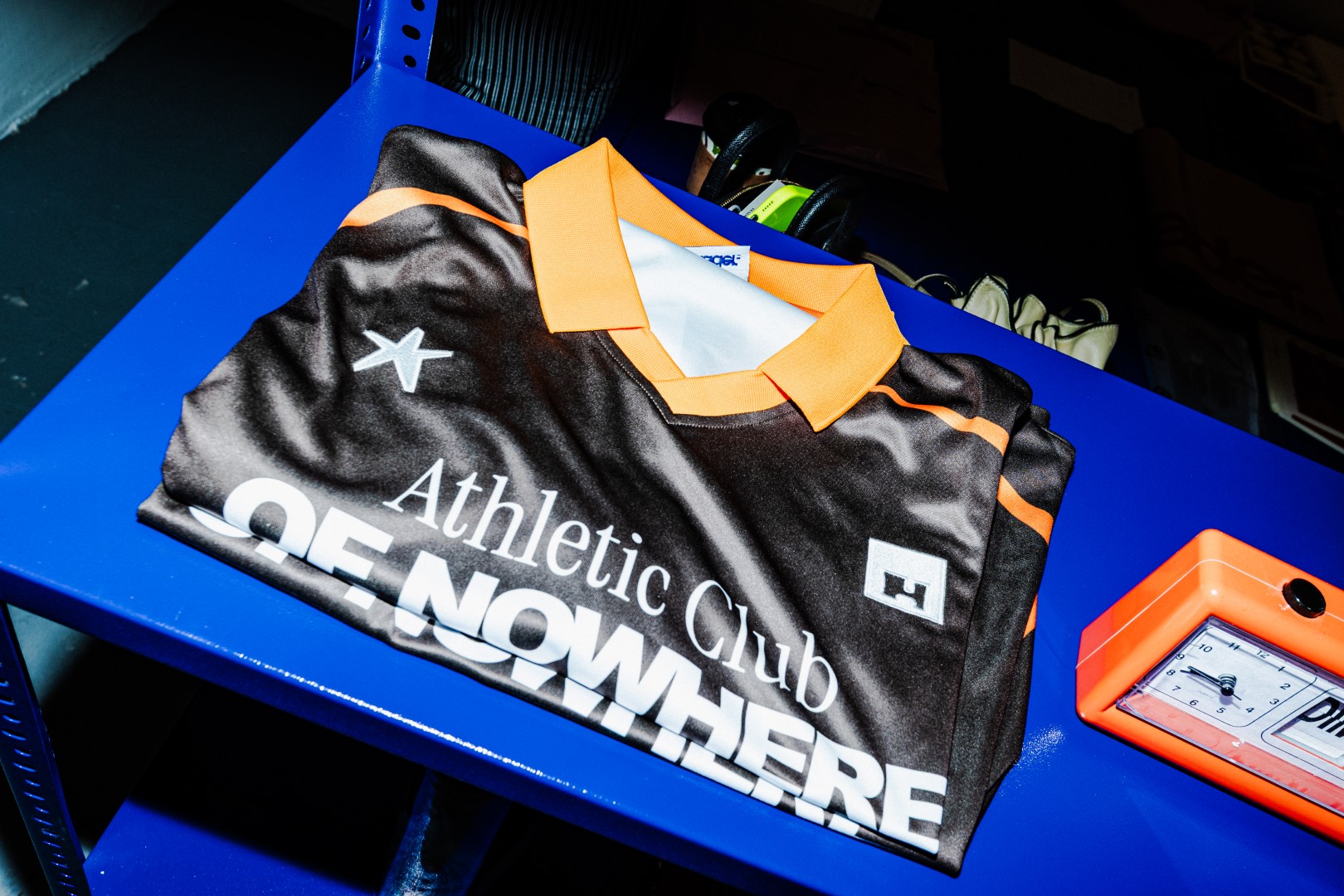
For most people, a brand is a product—a shirt to buy, a table to place in a room. For Lebanese creative Ghady Hader, though, a brand is an invitation into a private universe. The Beirut-based project thrives in the grey area between fashion label, emotional universe, installation art, and archive. Although clothing exists within Hader’s world, he repeatedly resists reducing the project to fashion alone. To him, the clothes are simply one language within a much larger psychological environment.
Looking back, Hader views the inception of House of Hader as a subconscious pursuit that has been his life’s work. Before the project physically existed, Hader believes the world itself had already been forming unconsciously through years of visual experimentation, online presence, interiors, photography, music, styling, and internet documentation. At some point, he realized people were already associating a very specific emotional atmosphere with him online. “That’s when it started feeling like a world I had already been living inside of privately for years.”
Hader turns his back on the standard, transactional model of retail. We’re bombarded by thousands of products daily, but he believes the ones that actually linger aren’t just the ‘best’. “I personally never really connected to brands that only sold products,” he adds. “I want you to look at a table and think, ‘this fits my world.’ I sell an atmosphere.”
The name ‘House’ functions as a literal translation of Hader’s own mind. It is a space intended to invite the audience to step into a perspective they didn’t know they were missing. This philosophy took physical form in his recent installation, a project that intentionally disrupted the viewer’s routine.
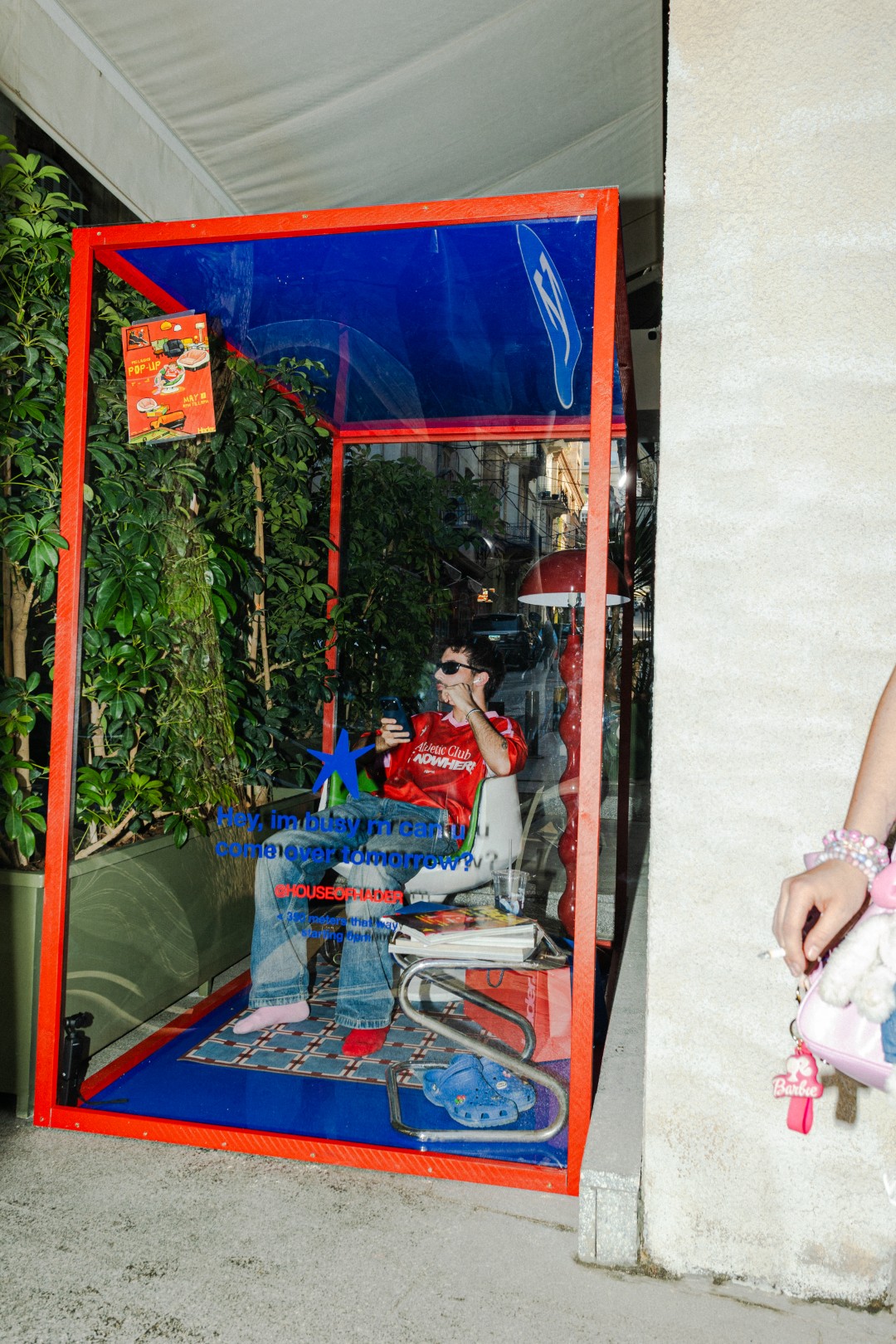
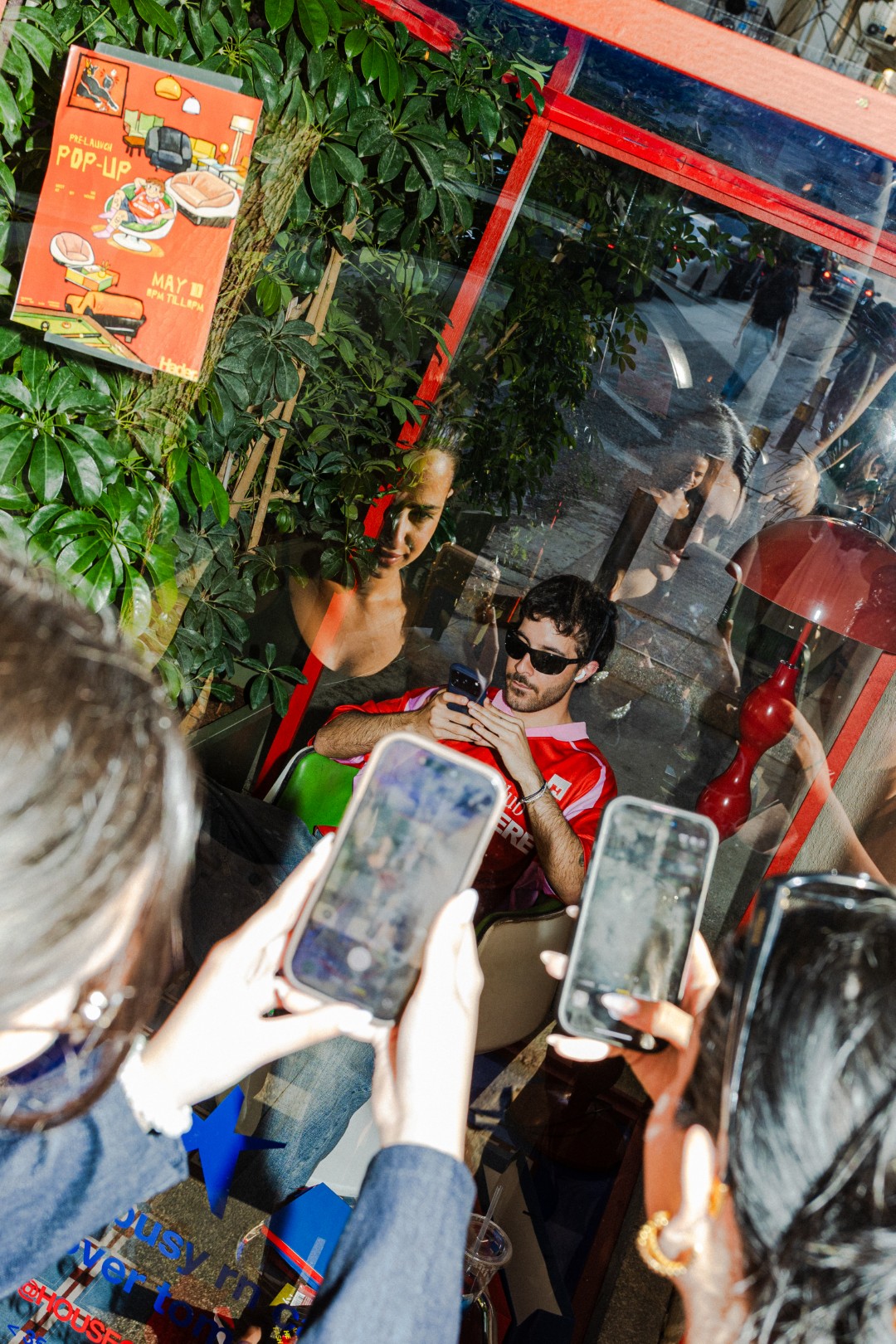
For the project, Hader threw away the idea of a traditional launch. The creative artist introduced House of Hader through a live installation in Beirut where he placed himself inside a fully furnished glass room on a public street for five hours. Passers-by watched him in real-time, pulling out their phones to search his name and try to make sense of what was happening. “Beirut is a huge part of what shaped me creatively and personally,” he says. “I don’t think the installation would’ve carried the same emotional weight elsewhere.”
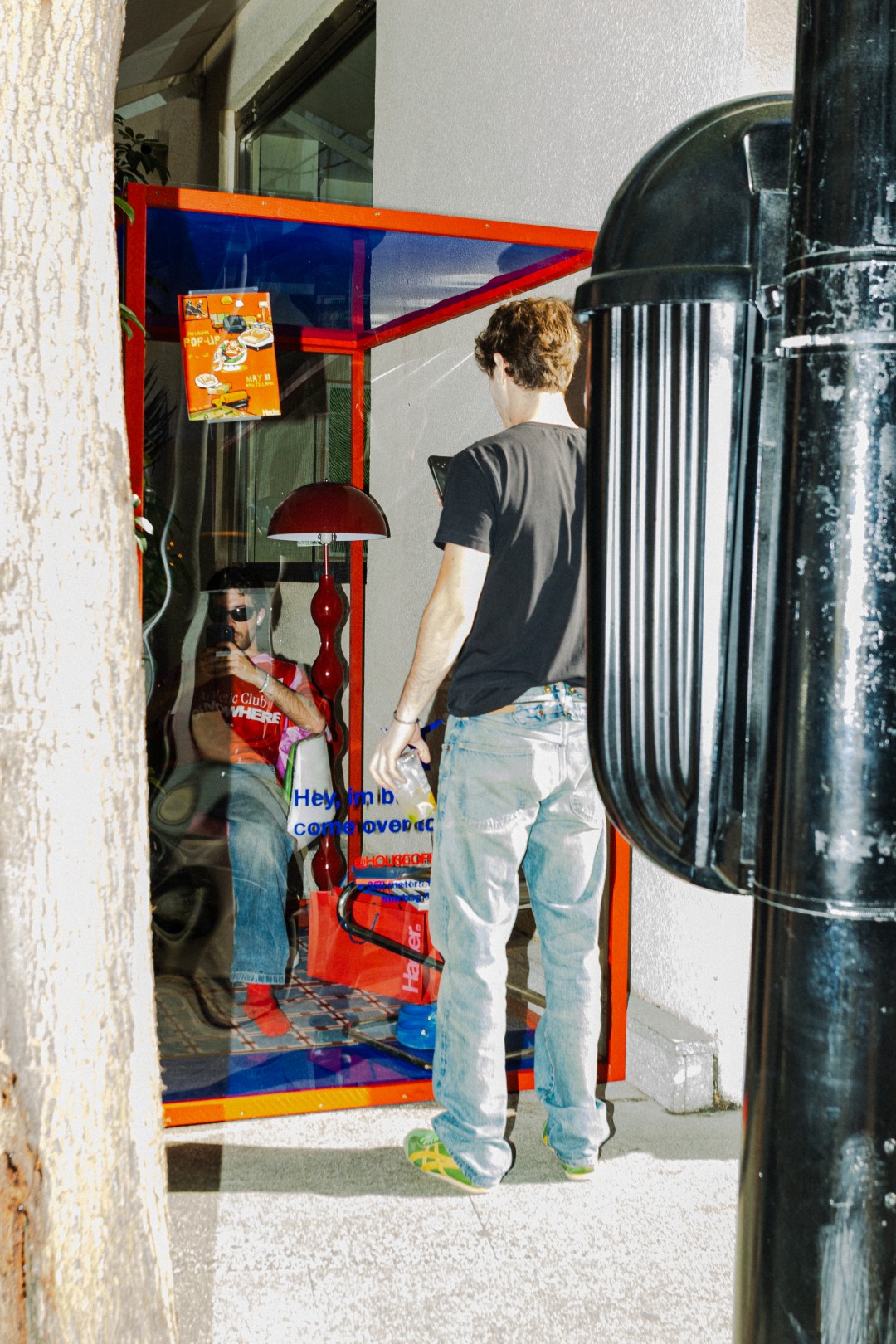
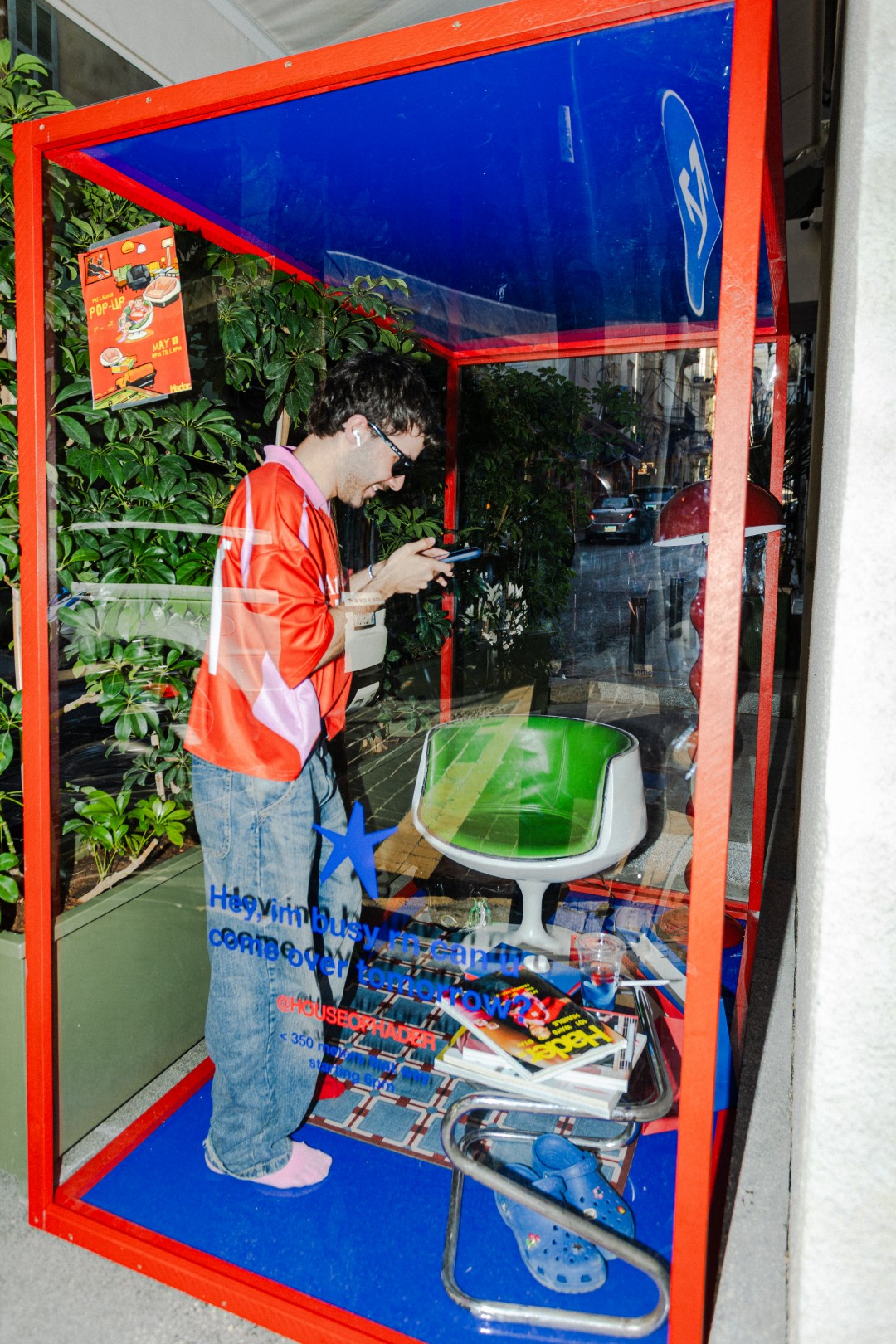
There was a point during the project’s first public installation where the audience itself became part of the artwork. Some stood silently observing. Others photographed every corner of the room. Some tried decoding the meaning behind specific objects, colours, or placements in real time, while others simply looked confused, unsure whether they were witnessing a fashion launch, a performance piece, or something far more personal. “That range of reactions was the work,” he says.
For Hader, that uncertainty was intentional. “I wanted people to feel slightly unsure of what they were witnessing,” he tells YUNG. “Not in a shocking way, but more in a ‘what in the world is going on?’ kind of way. A way that interrupts routine.”
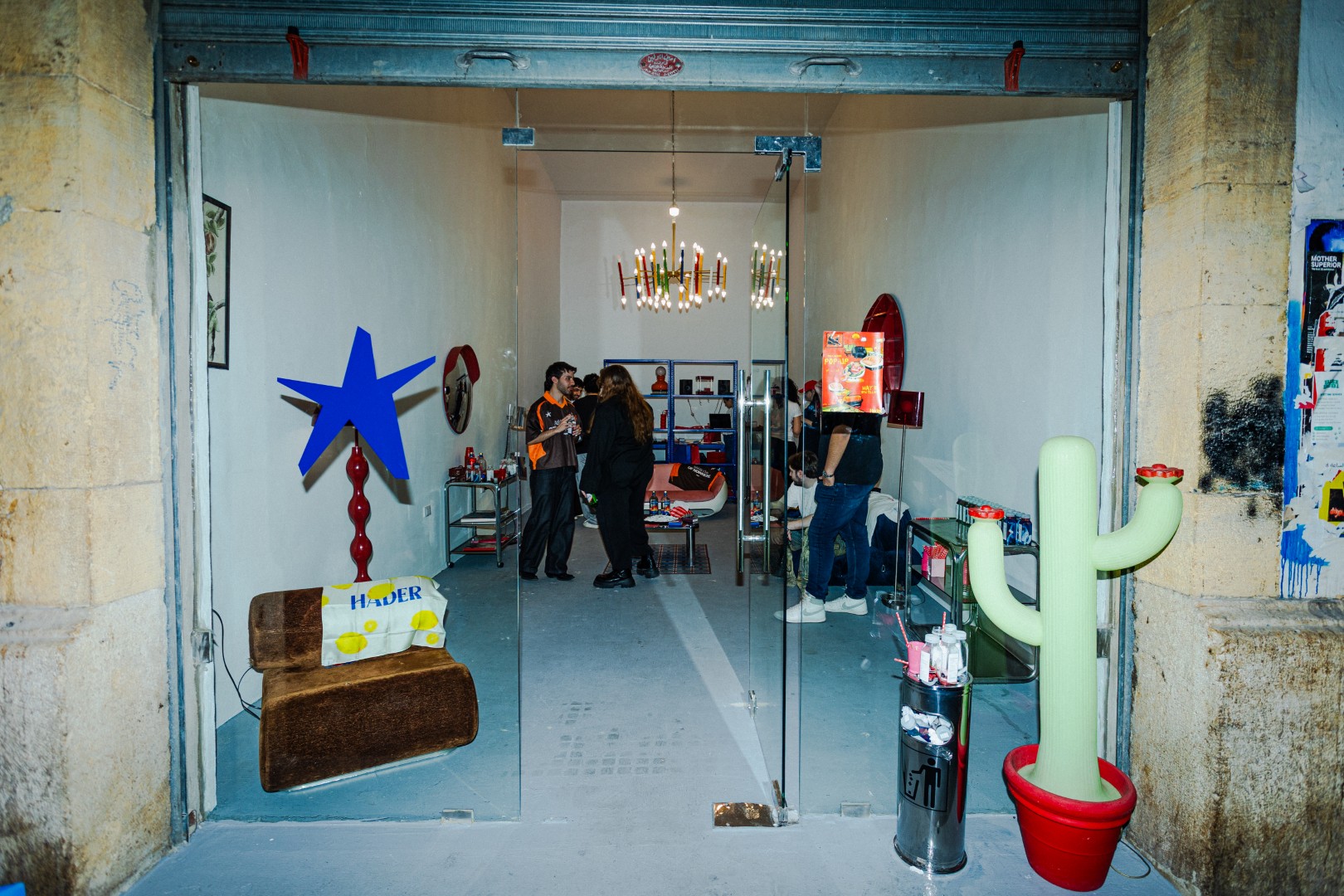
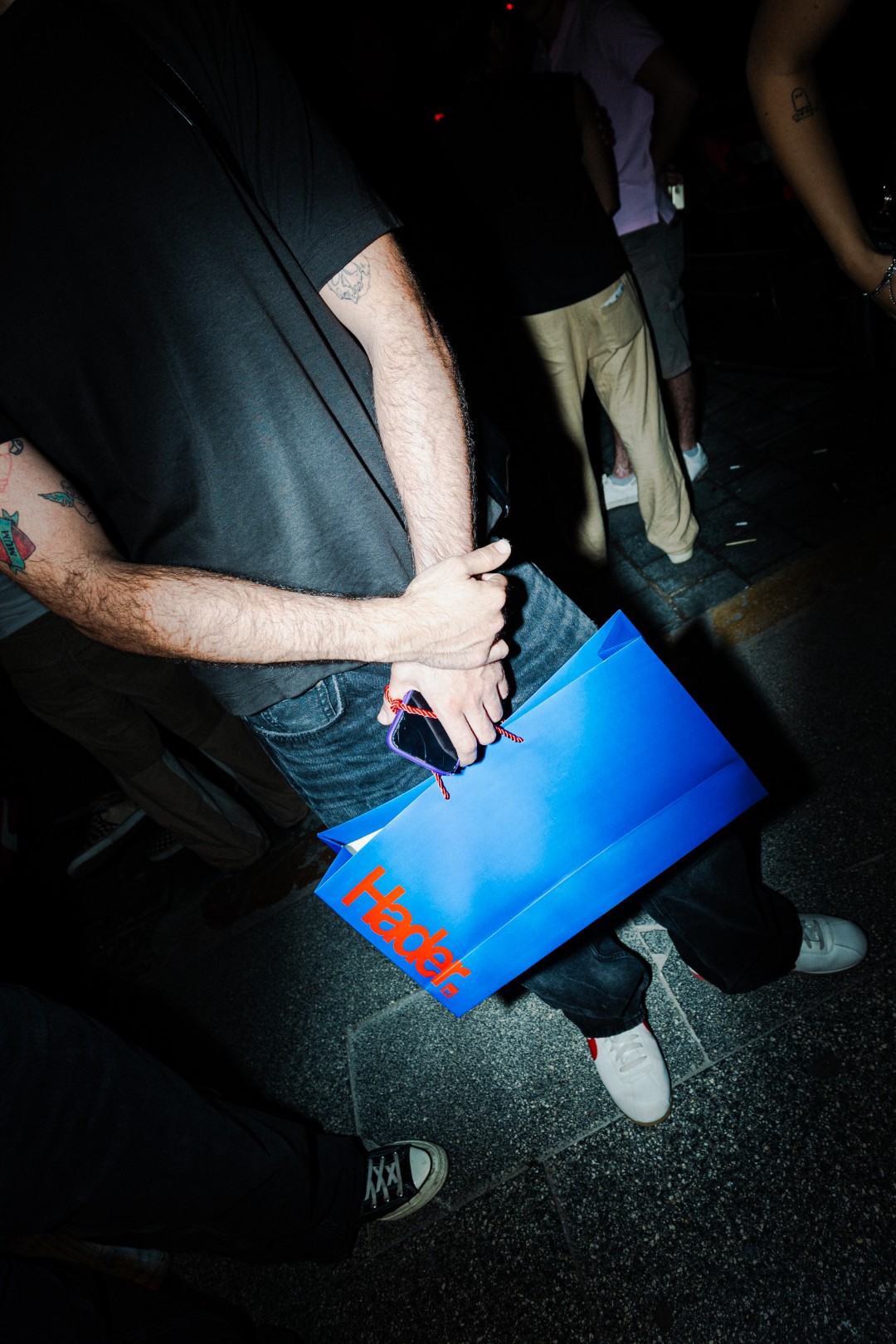
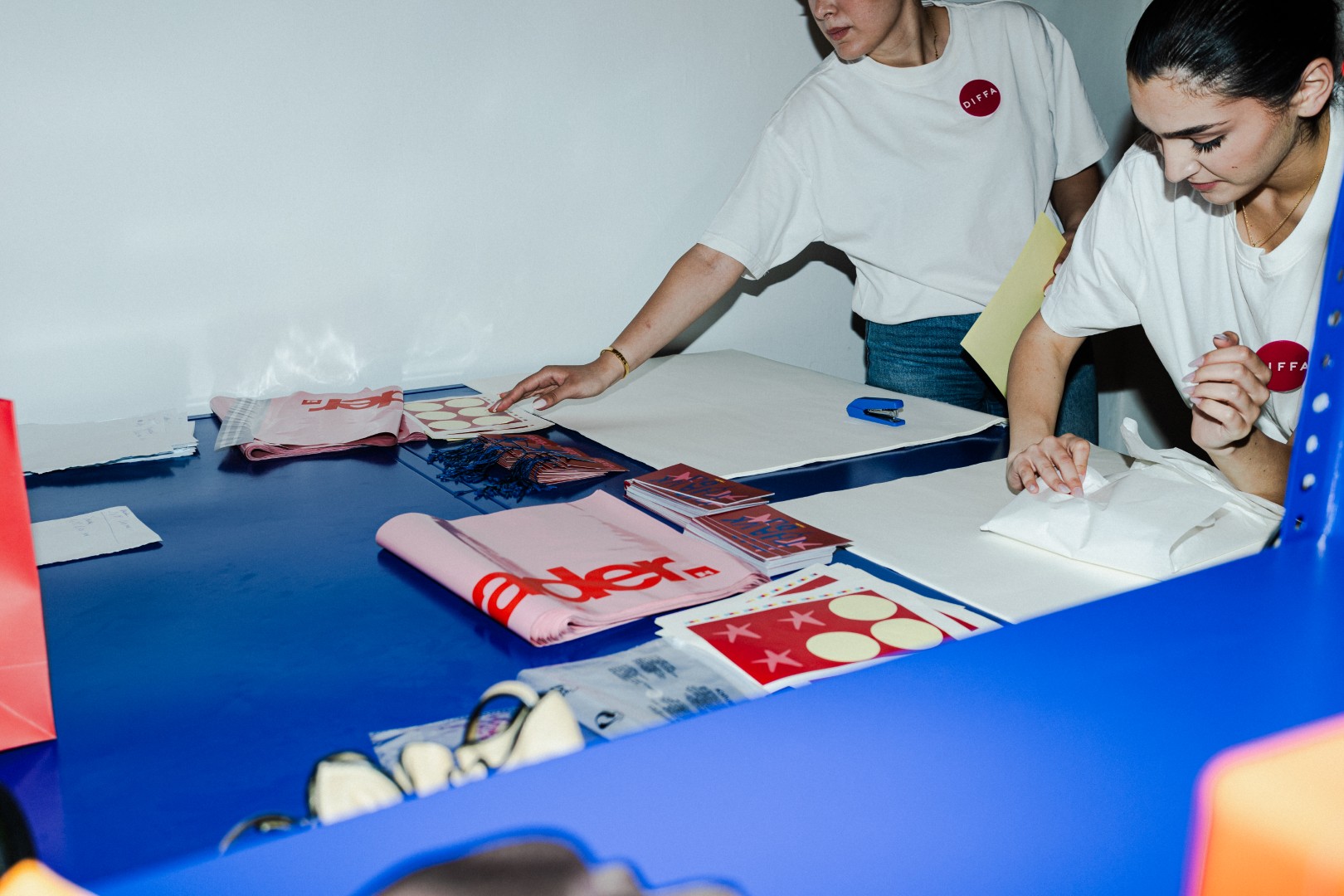
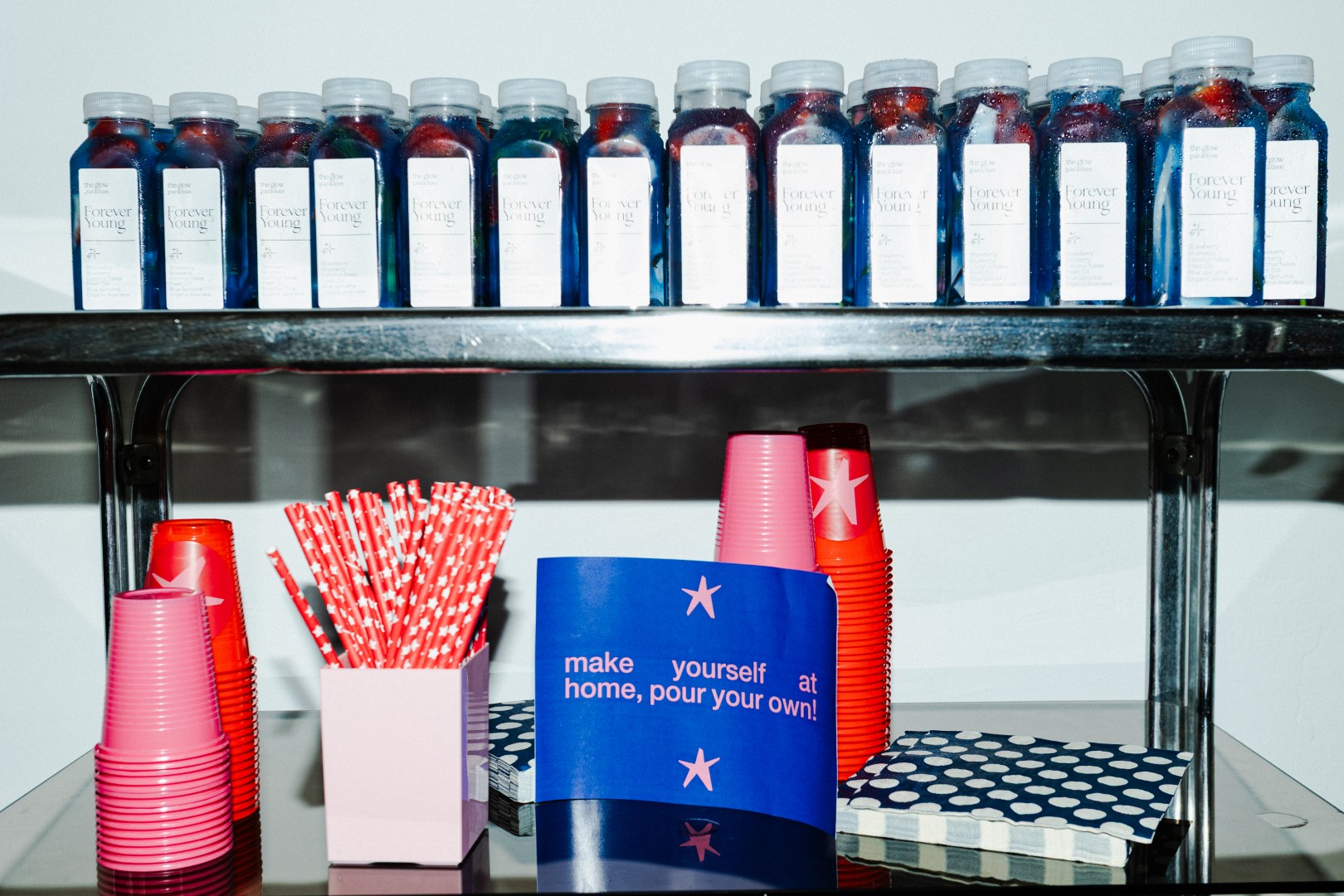
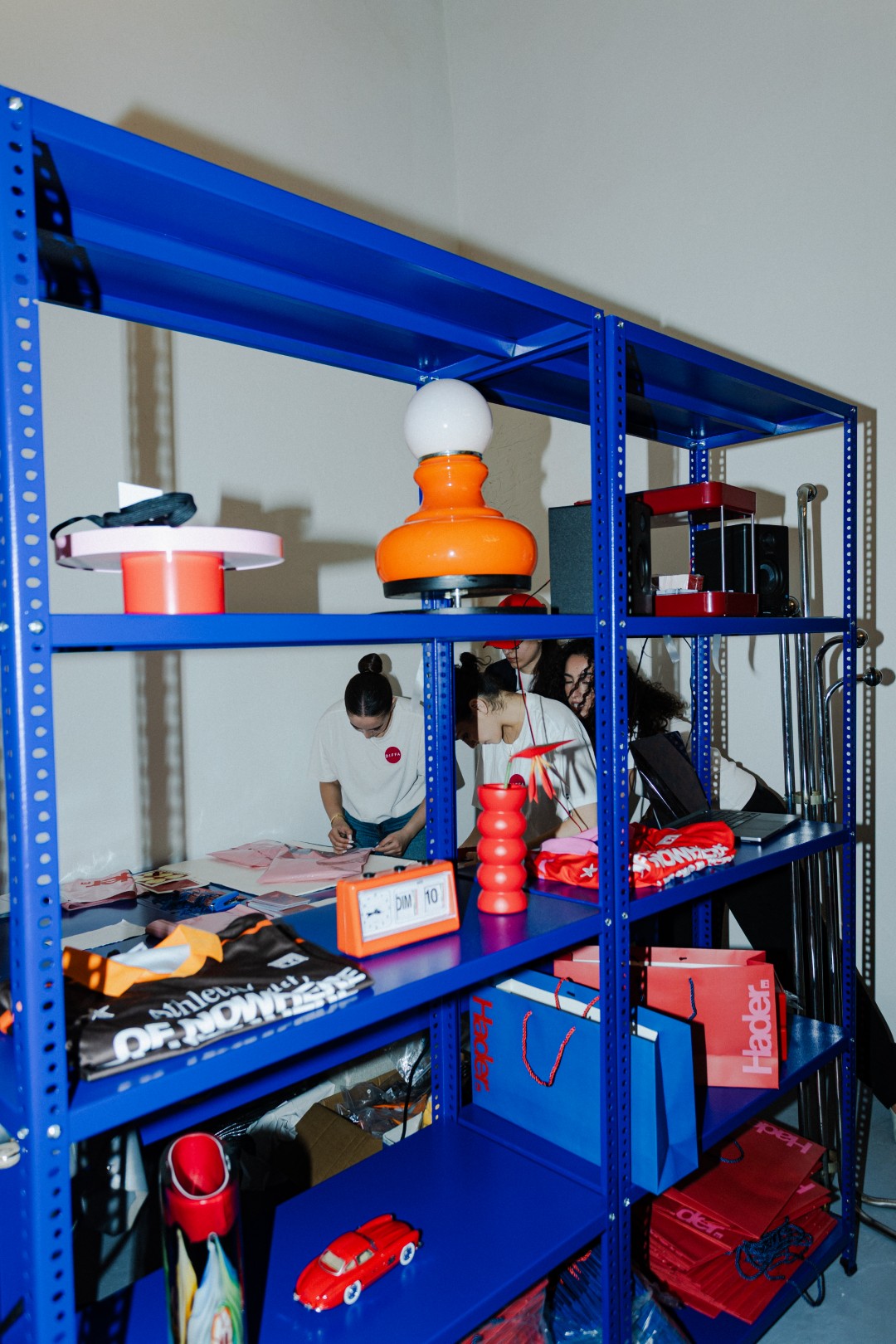
The next day, that tension gave way to an immersive pop-up. A recreation of his own bedroom, the pop-up sidestepped “buying products” toward experiencing a world, an invitation to step inside his mind. “Bedrooms are intimate spaces,” he says. “They hold versions of you no one has ever seen.”
By placing that intimacy into a public setting, the project created a strange collision between comfort and exposure, one that echoes the way digital culture already operates. Followers observe fragments of people’s rooms, routines, aesthetics, thoughts, playlists, and identities through curated screens every day. House of Hader simply translated that online behaviour into physical space. “The audience behaviour became the second half of the installation,” Hader says. “I basically brought that entire digital behaviour into a physical space.”
For the audience, the experience became a puzzle to be decoded in real-time, a physical manifestation of the digital behaviour we all engage in when we stalk a profile or analyse a creator’s life. That intention feels central to understanding why the project resonates so deeply with younger audiences. “It made the act of observation feel much more real,” he says. “Almost invasive at times, but also more honest.”
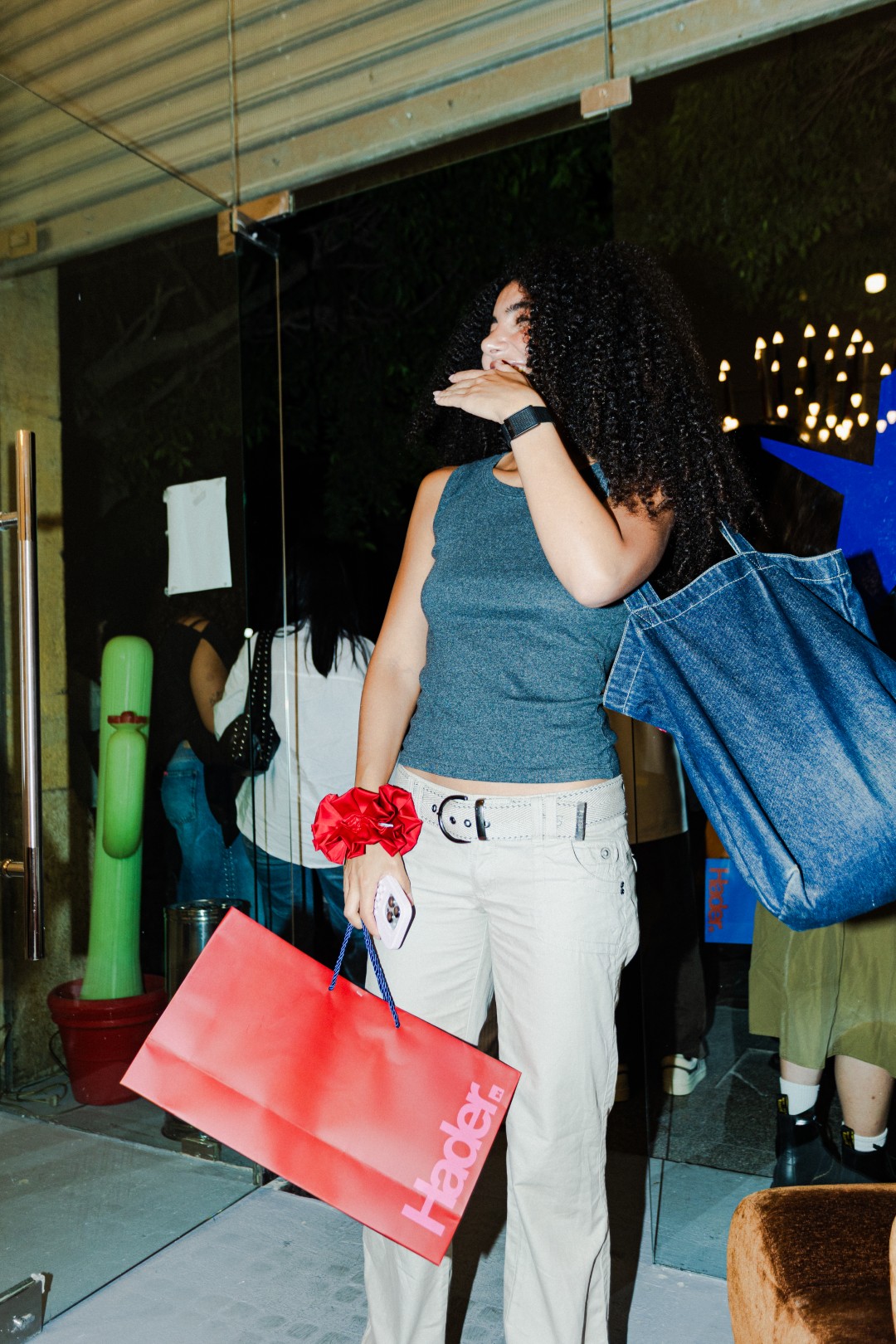
House of Hader repeatedly forces people to confront the strange dynamics modern internet culture has normalized: watching strangers build themselves publicly, emotionally attaching to curated fragments of identity, and attempting to decode people through aesthetics alone. The installation simply externalized a behaviour that already exists online every day. “We live in a time where being seen is almost its own form of existence,” he says.
Hader understands modern branding not as advertising, but as long-term atmosphere building. The recurring palettes, recurring textures, recurring emotional atmospheres — all of it operates almost subconsciously. Hader speaks repeatedly about aesthetics as psychological conditioning, slowly immersing audiences into a recognizable emotional environment over time. “I like the idea that by the time people encounter the brand physically, they’ve already emotionally entered its world.” Months before officially announcing the brand, people were already sending him specific shades of blue and red saying they “felt like him.”
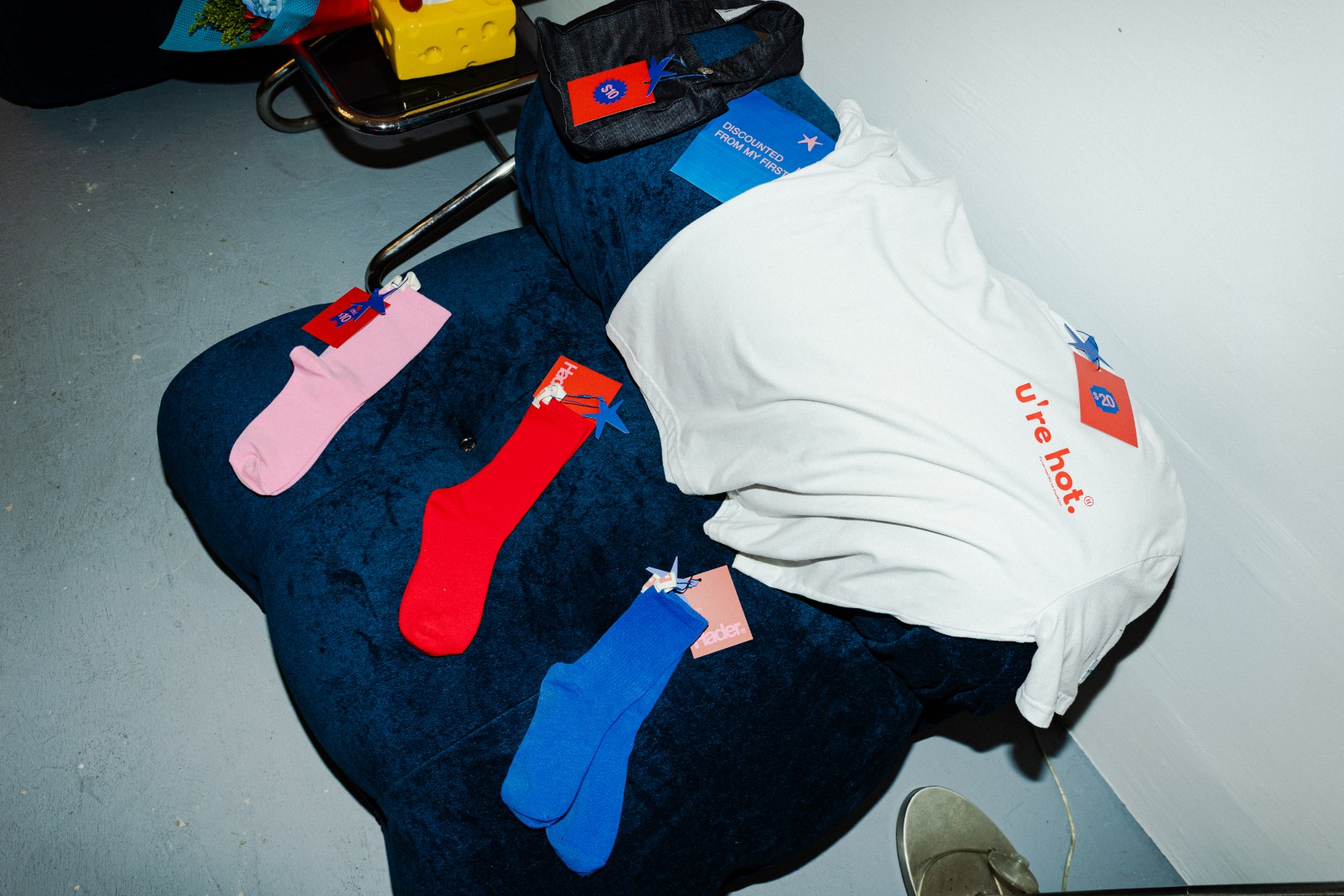
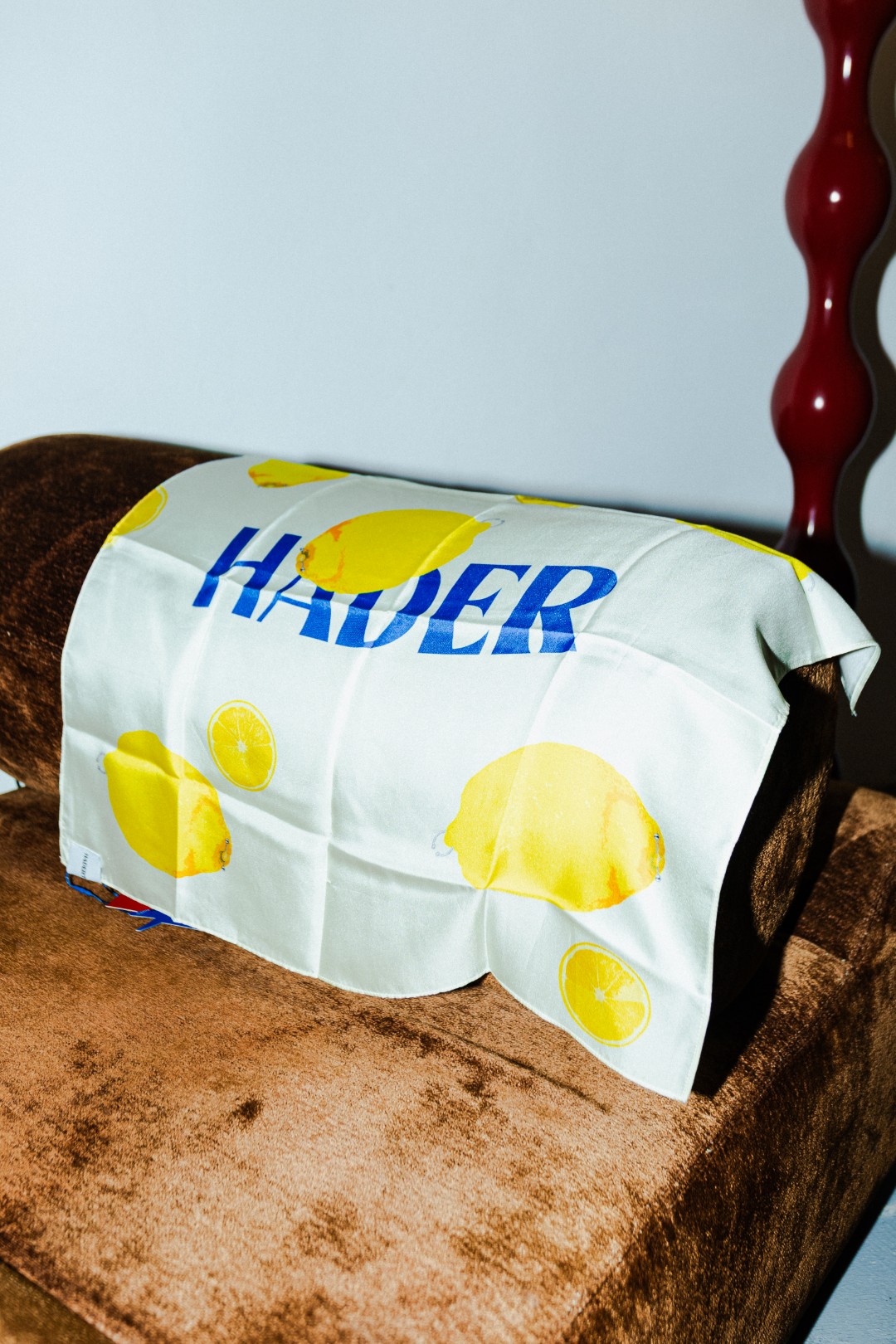
In many ways, House of Hader reflects a cultural shift happening across fashion and creative industries globally. Audiences no longer connect solely to products; they connect to people, emotional worlds, contradictions, and identities that feel lived-in. “I’m obsessed with making things feel intentional,” he says. “By the time people encounter the brand physically, they’ve already emotionally entered its world without fully realizing it.”
Looking at the broader creative scene, Hader sees both a wealth of talent in the Middle East and a significant gap. Too many projects, he observes, operate within safe visual formulas. He advocates for a shift toward the conceptual. “The global creative scene has become less about perfection and more about perspective,” Hader explains. “I want to see more conceptual thinking, more world-building, more commitment to ideas that might initially confuse people.”
When asked how he defines the brand, Hader offers no rigid answer—and that is by design. “I’ve personally never fit into one lane creatively, so I wouldn’t want my brand to, either,” he says. “I’ve tapped into acting, music, podcasting, jewellery, graphic design, photography—all of it. As long as it’s engaging and people are connecting to it, that’s exactly where I want it to exist.”
That commitment to ambiguity is what makes House of Hader feel like an ongoing emotional experiment. Hader himself resists clearly labelling what the project actually is, largely because he sees that categorization as limiting. “The point is that it doesn’t need to be defined,” he says.
As the project grows from a personal creative outlet into a business, Hader is careful to maintain the intimacy that birthed it. He acknowledges the irony: the brand was born in the solitude of his bedroom, yet it now relies on a public, shared experience. “I never wanted House of Hader to feel like, ‘here’s a shirt, buy it,’” he explains. “I wanted it to feel like entering my mind.”
In the end, House of Hader is a testament to the idea that if you build your own world with enough conviction, others will eventually want to walk through the door. While House of Hader appears visually meticulous, it is a world still actively becoming itself. Again and again, he returns to the idea that understanding is less important than feeling. “Some of the most impactful art pieces still can’t be fully explained,” Hader adds. “But they make people feel something specific that stays with them.”
It’s perhaps why House of Hader feels unusually personal even when it remains abstract. The project never fully explains itself, yet still manages to feel intimate. That contradiction — being both revealing and withholding at once — mirrors the internet identities many people construct for themselves now. “The brands that stay with us emotionally always felt like worlds you could step into,” he reveals. “People want meaning, tension, identity, community, and perspective.”
Because ultimately, the project isn’t really interested in clothing alone. It’s interested in what visibility does to people psychologically. What happens when personal identity becomes public consumption? What happens when audiences emotionally invest themselves into worlds they only partially understand? And how much intimacy can still exist once observation becomes constant?
Rather than answering those questions directly, House of Hader seems to intentionally live inside them. “As long as it’s fun, engaging, and people are connecting to it emotionally,” Hader reveals, “that’s exactly where I want it to exist.” He asks audiences to sit inside ambiguity, discomfort, curiosity, and tension without immediately resolving them. Not because they fully understand the world Ghady Hader is building — but because somewhere inside it, they recognize pieces of the way they already experience visibility, identity, and longing themselves.
For more stories of fashion, visit our dedicated archives and follow us on Instagram.