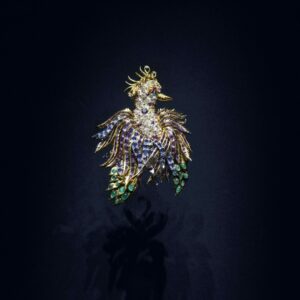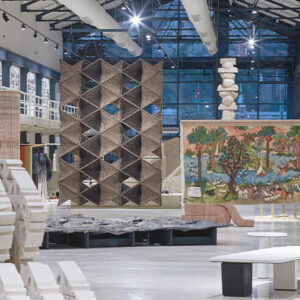
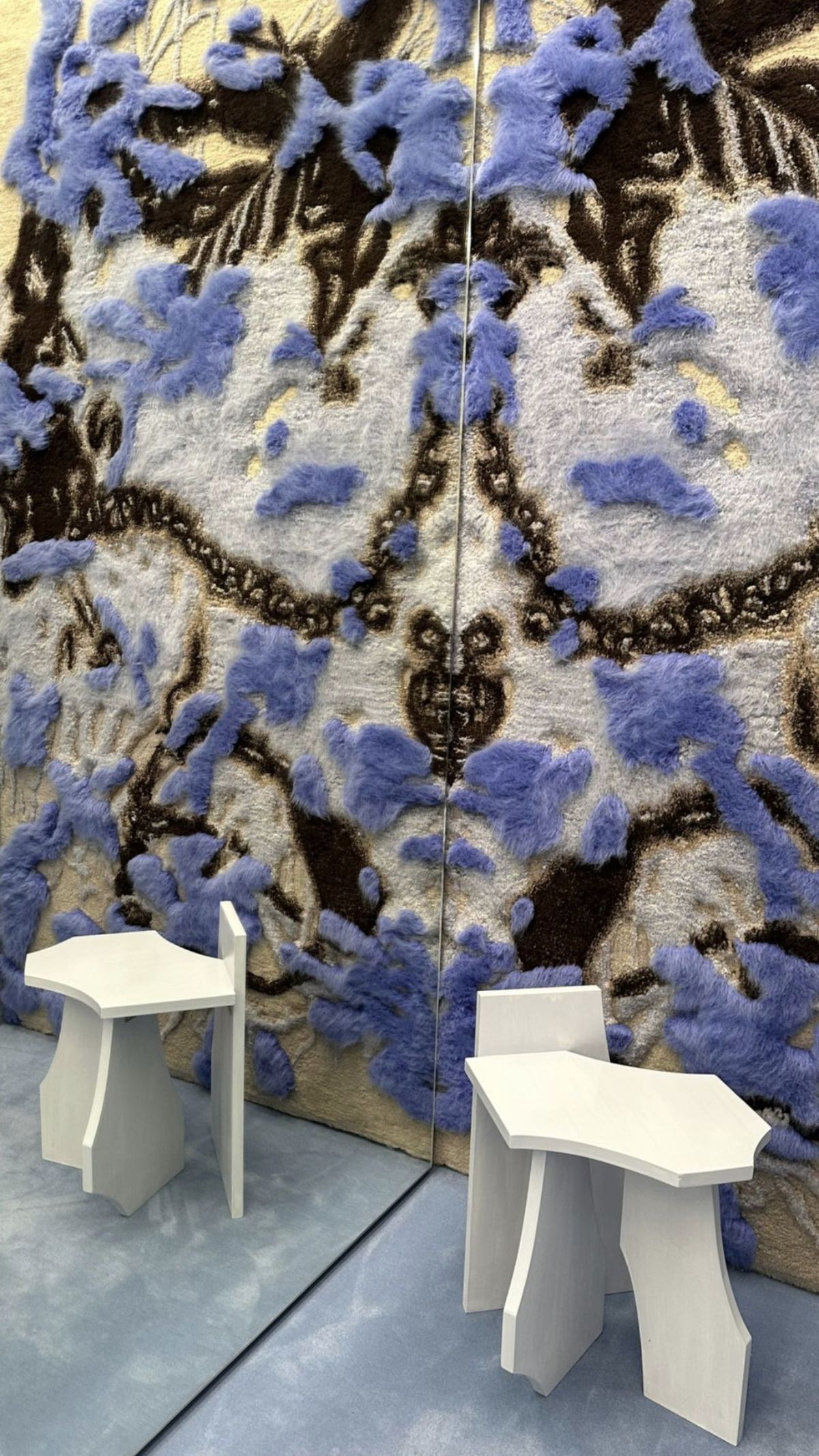
There is a moment when you recognise it. A surface that holds irregularity. A line that shifts slightly under pressure. A texture that refuses to flatten into perfection. The object carries evidence. Someone was there.
That recognition is becoming more important.
AI has changed the conditions around how images, objects, and ideas are produced. Generation is faster, cheaper, and increasingly indistinguishable at first glance. The volume continues to grow. Fashion imagery, product design, even written language move through systems that prioritise speed and scale.
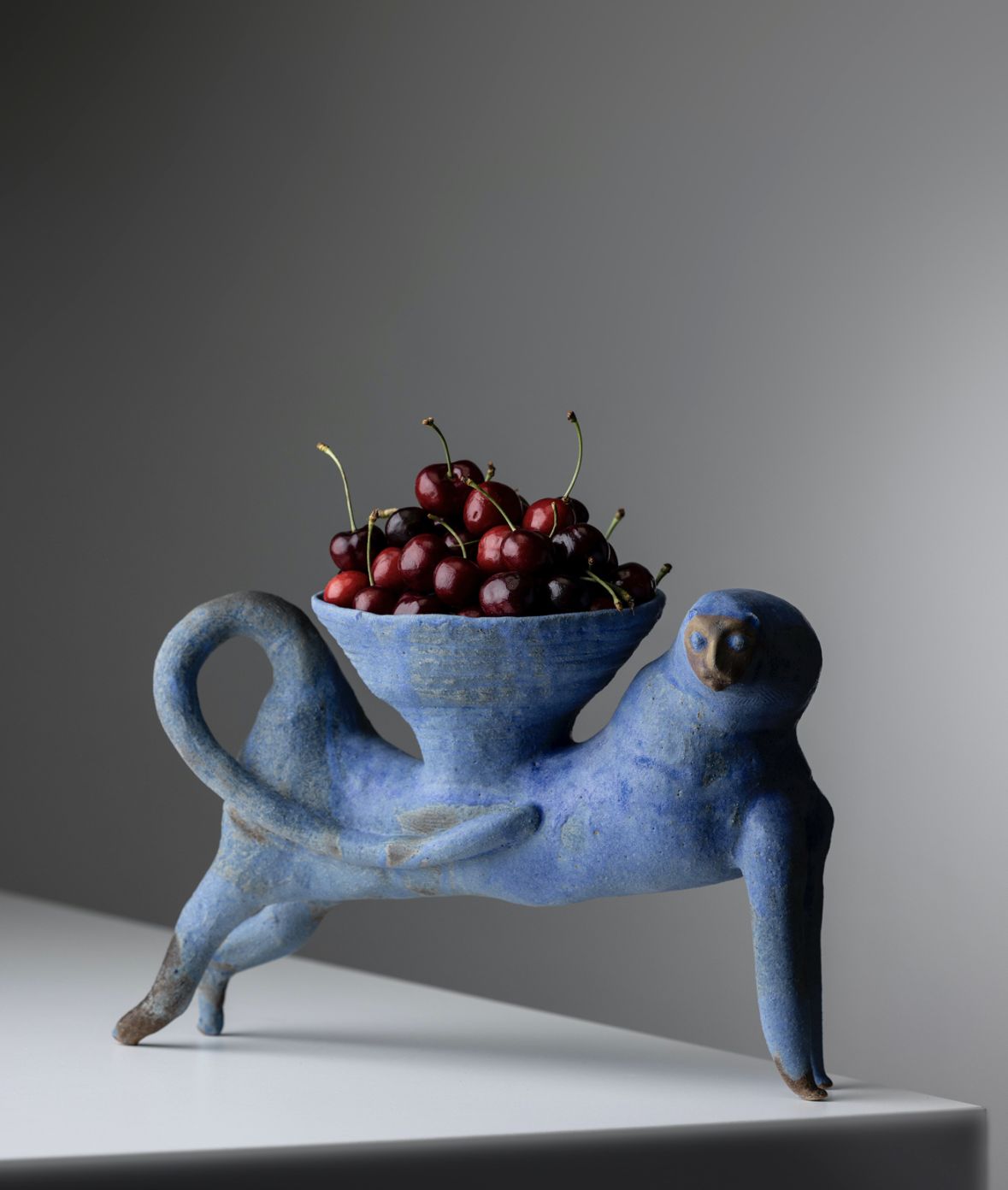
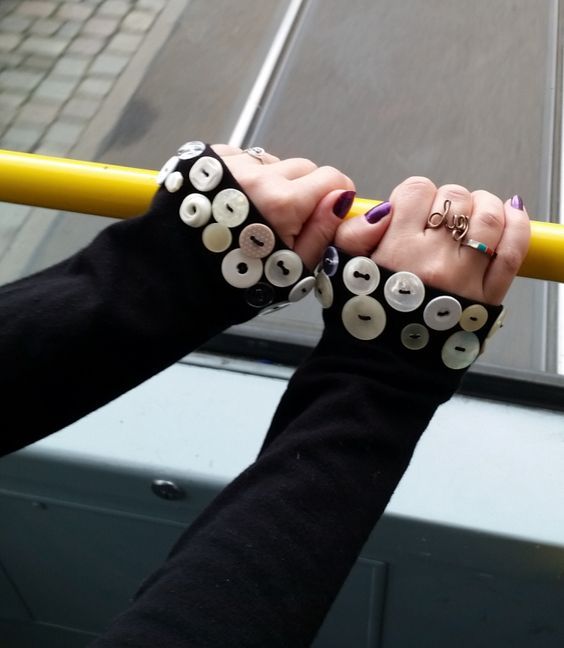
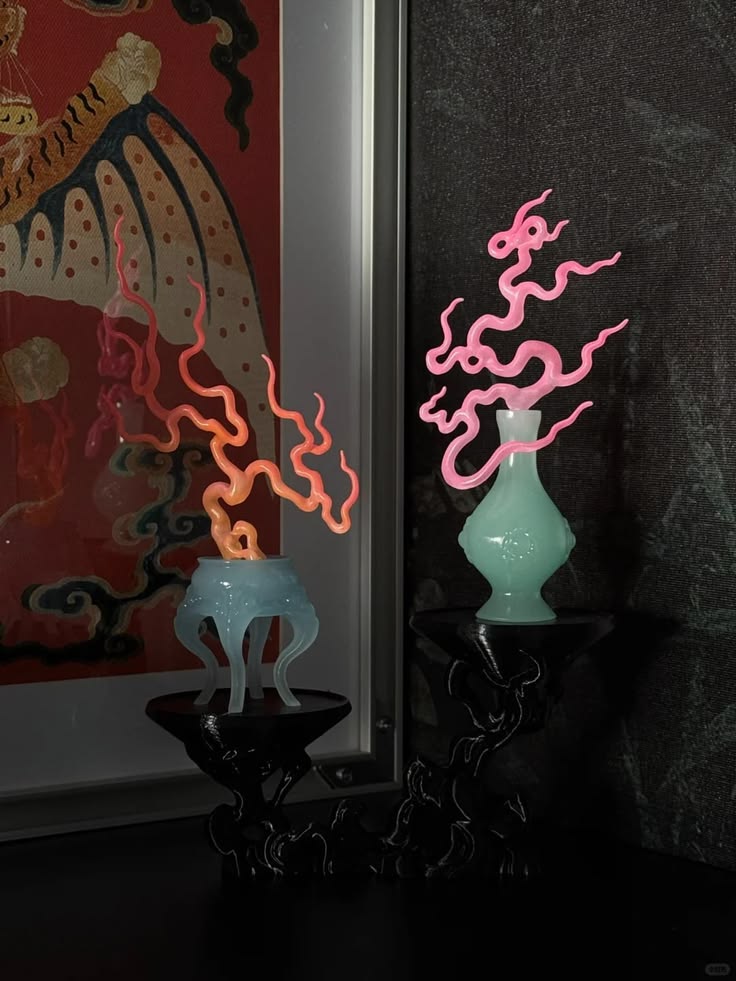
The value of an object starts to sit in what can still be traced back to a person. Not as a concept, but as presence. The mark of a hand. The time required to make something properly. The decisions that remain visible in the final form. Proof of touch.
Luxury has always been tied to craft, though the emphasis has shifted over time. Recent data suggests that it is moving back into focus with more clarity. According to Boston Consulting Group, 89% of luxury consumers rank craftsmanship and product quality among the most important drivers of value. The priority is not abstract. It is specific to how something is made.
That shift becomes easier to understand when placed next to the current scale of digital production.
AI expands supply without increasing effort in the same way. The output can be convincing, even refined, but it carries very little resistance. It arrives quickly. It can be repeated endlessly. Over time, that consistency begins to flatten difference. Craft operates differently. It introduces variation. It requires time. It resists exact replication. These qualities begin to signal something rare.
The question of trust sits close to this. Consumers are already responding to the presence, or absence, of a human voice. A 2026 survey by Adobe found that 37% of people trust brands more when communication feels human, even when it is less polished. At the same time, 46% said they would be more likely to disengage if they knew content had been generated by AI.
In commerce, the appeal of human-made work is visible in behaviour. Etsy reported that around 30% of its 2024 gross merchandise sales came from custom or made-to-order products. These are objects that require direct input, adjustment, and time. They carry a relationship between maker and buyer that cannot be scaled in the same way as mass production. That relationship is becoming more legible.
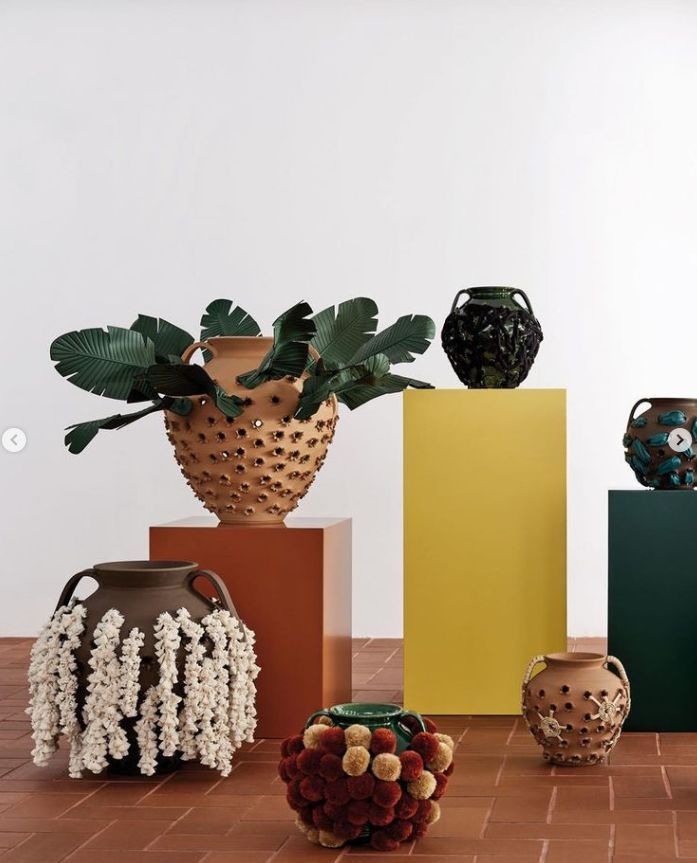
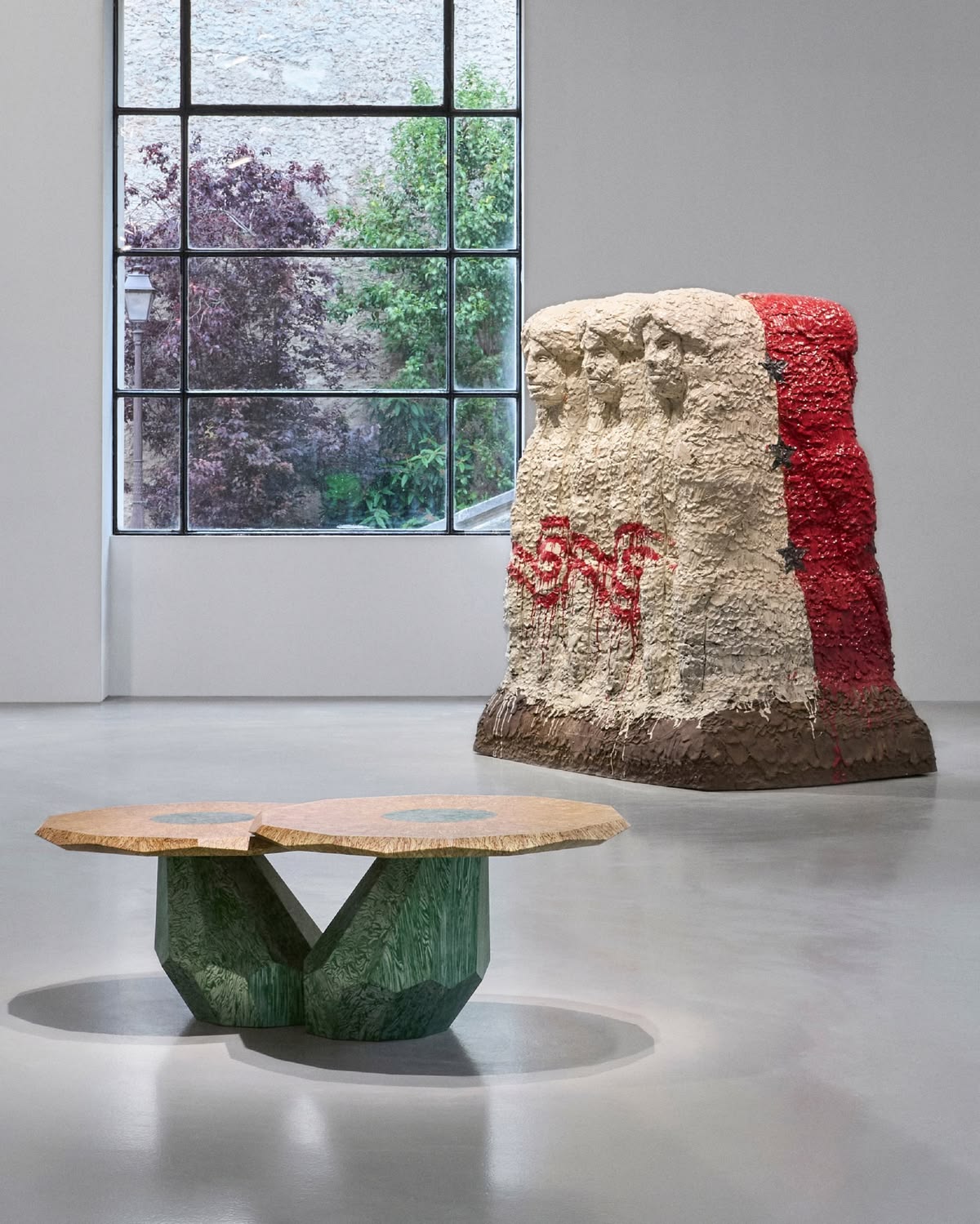
In fashion, this appears through renewed attention to ateliers, to material processes, to the visibility of making. In design, it sits in the irregularities that remain intact rather than corrected. In art, it exists in gesture, in surface, in the refusal to smooth everything into resolution.
This is not limited to traditional craft. It also shapes how brands position themselves. In 2025, Aerie publicly committed to avoiding AI-generated bodies in its campaigns, emphasising the presence of real people. The response was immediate. According to reporting from Vogue, the brand saw a 23% increase in sales in the fourth quarter following the announcement, alongside a measurable rise in awareness. The message was understood quickly.
There is a growing sensitivity to what feels constructed. Craft holds a particular position within this shift because it carries more than technique. It holds continuity. Skills passed across time. Methods that resist acceleration. Materials that require handling rather than simulation.
Organisations such as UNESCO have increasingly framed craftsmanship as living cultural infrastructure, placing artisans within active economic and social systems rather than outside them. The language reflects a broader movement. Craft is being positioned as relevant, not residual.
That relevance aligns with a wider recalibration in luxury. Recent analysis from McKinsey & Company suggests that the sector is under pressure to reinforce its core promise, particularly around quality and craftsmanship. Expansion over the past decade has stretched that perception. Attention is returning to how value is constructed in the first place.
Proof of touch functions here as a kind of signal. It communicates effort, time, and decision without needing explanation. It allows an object to hold attention for longer. It invites a different pace of looking.
This has implications for how work is produced and how it is received.
The future of luxury may depend less on increasing output and more on sustaining meaning. The conditions created by AI push in that direction. As generation becomes easier, selection becomes more important. As surfaces become smoother, texture becomes more noticeable.
The presence of the hand remains difficult to replace.
For more stories of art and culture, visit our dedicated archives and follow us on Instagram.