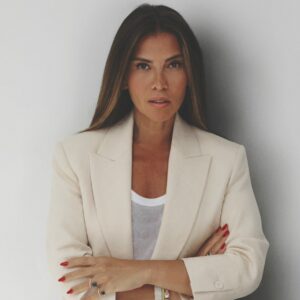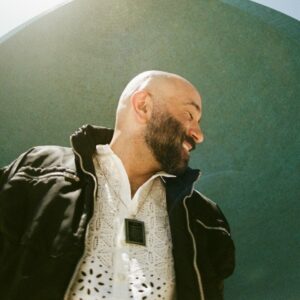
When electronic producer Misty and rap heavyweight Marwan Moussa first announced they were teaming up, it immediately registered as one of those studio pairings that either redefines a seasonal sound or stays an interesting experiment on paper. ‘3ady Sahla’ then instantly cemented itself as the inescapable soundtrack of the summer.
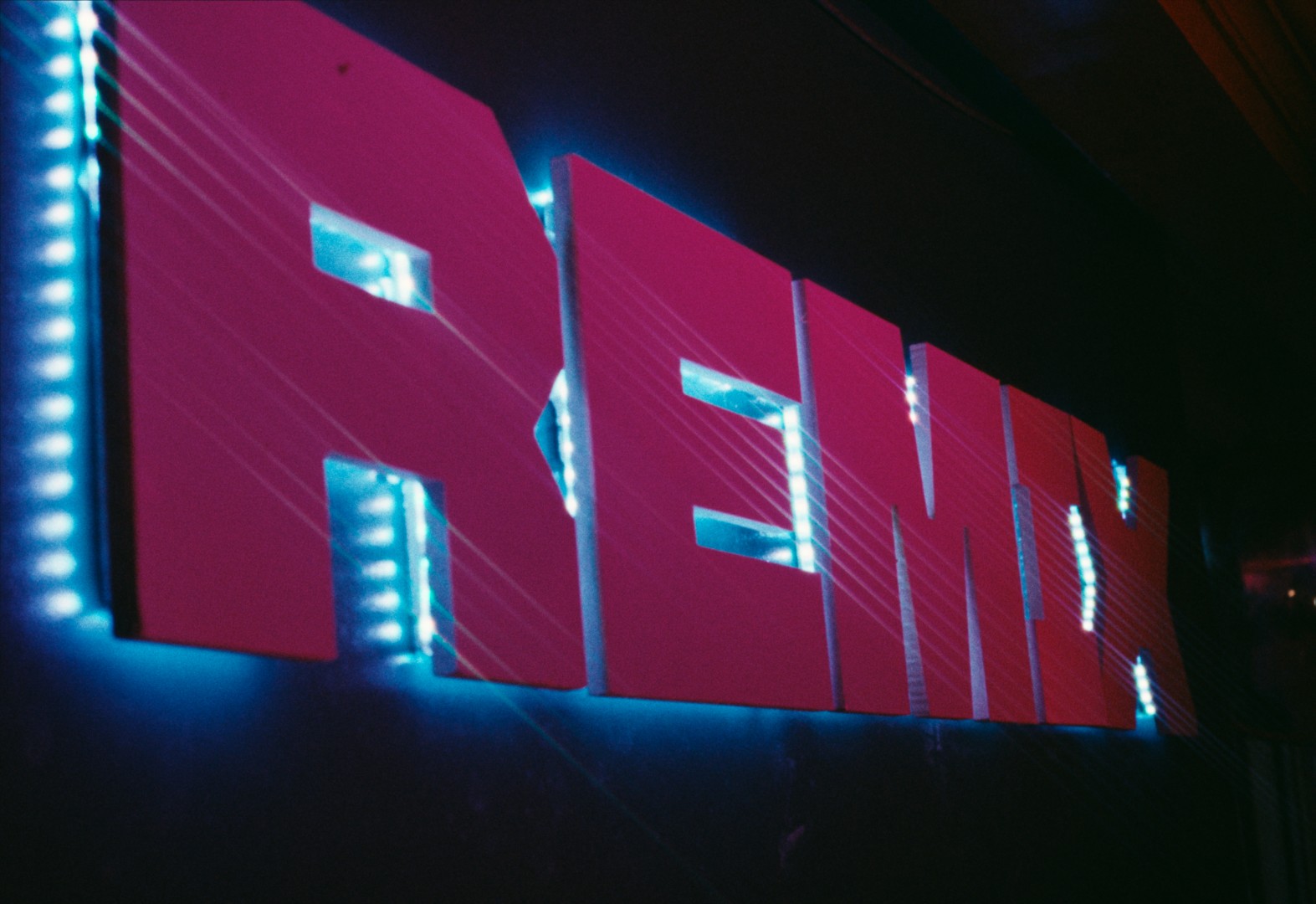
Misty and Marwan bypassed traditional electronic-rap tropes, choosing to bridge two sonic worlds and forge a track that feels fun, groovy and infectious. We sat down with Misty to talk about how the collaboration came together under the IQOS REMIX umbrella, the reality of breaking down genre walls in Egypt, and why stepping completely out of your comfort zone is the only way to make art that lasts.

How did this collaboration with Marwan Moussa first come about? Was it something IQOS brought to you both, or had the idea of working together existed before?
Misty: I’ve been a fan of Marwan’s work for a long time, and I’d always wanted to explore what would happen if we brought his world into mine. The idea had been in the back of my mind for a while, but the IQOS REMIX campaign gave us the perfect opportunity to finally make it happen. It created the space for us to sit down together with a clear purpose and see where our different musical backgrounds could meet.
What was the first conversation between you and Marwan like? Did you immediately agree on the direction, or did the sound reveal itself as you worked together?
Misty: Even before we met in the studio, we both knew we wanted to create something that pushed both of our sounds into new territory. There are already a lot of electronic and rap crossovers out there, but we wanted to avoid making something that felt predictable or followed an existing formula. That understanding was almost unspoken.
When Marwan came to my studio, we spent some time listening to music and exchanging ideas before I started writing a beat. As soon as he connected with it, everything happened naturally. Within the first hour, he had already written his verses and was recording vocals. The track evolved very organically from there.
Was there a moment in the studio where one of you challenged the other’s instincts in a way that made the track stronger?
Misty: Marwan is a producer himself, so he was very involved in the production process, not just the vocals. My music is usually built around driving percussion and drums, and they’re often the main foundation of my tracks, but having Marwan on the record completely shifted that perspective. We both felt that the vocals needed to become the focal point, with the production supporting the story rather than competing with it. That meant stripping certain elements back, creating more space. In the end, I think that balance is what made the track much stronger.
‘3ady Sahla’ came to life visually as well as sonically. Is there a particular scene or moment in the music video that you’re especially proud of or feel best captures the spirit of the track?
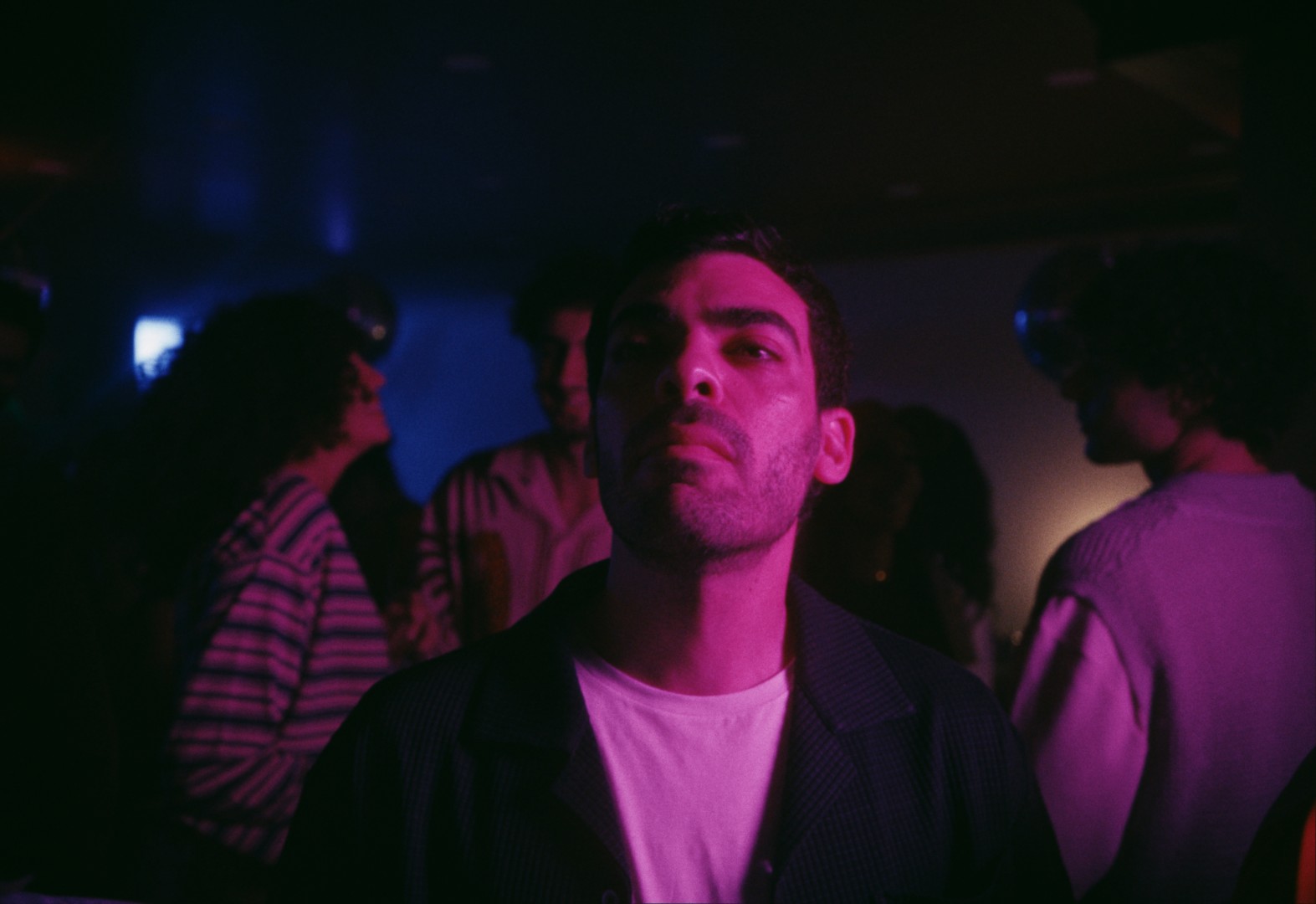
Misty: The second half of the video really captures what the whole project is about. The idea behind the IQOS REMIX campaign was bringing two worlds together that normally wouldn’t exist in the same space, like rap and house music, or different environments and characters that feel completely unrelated but somehow find themselves together in a paradox. Marwan suddenly finding himself in a talent show is one of those moments with one of his look-a-likes.
Music videos always look effortless on screen, but they’re usually anything but. Was there a moment during filming where everyone just couldn’t stop laughing or something completely unexpected happened?
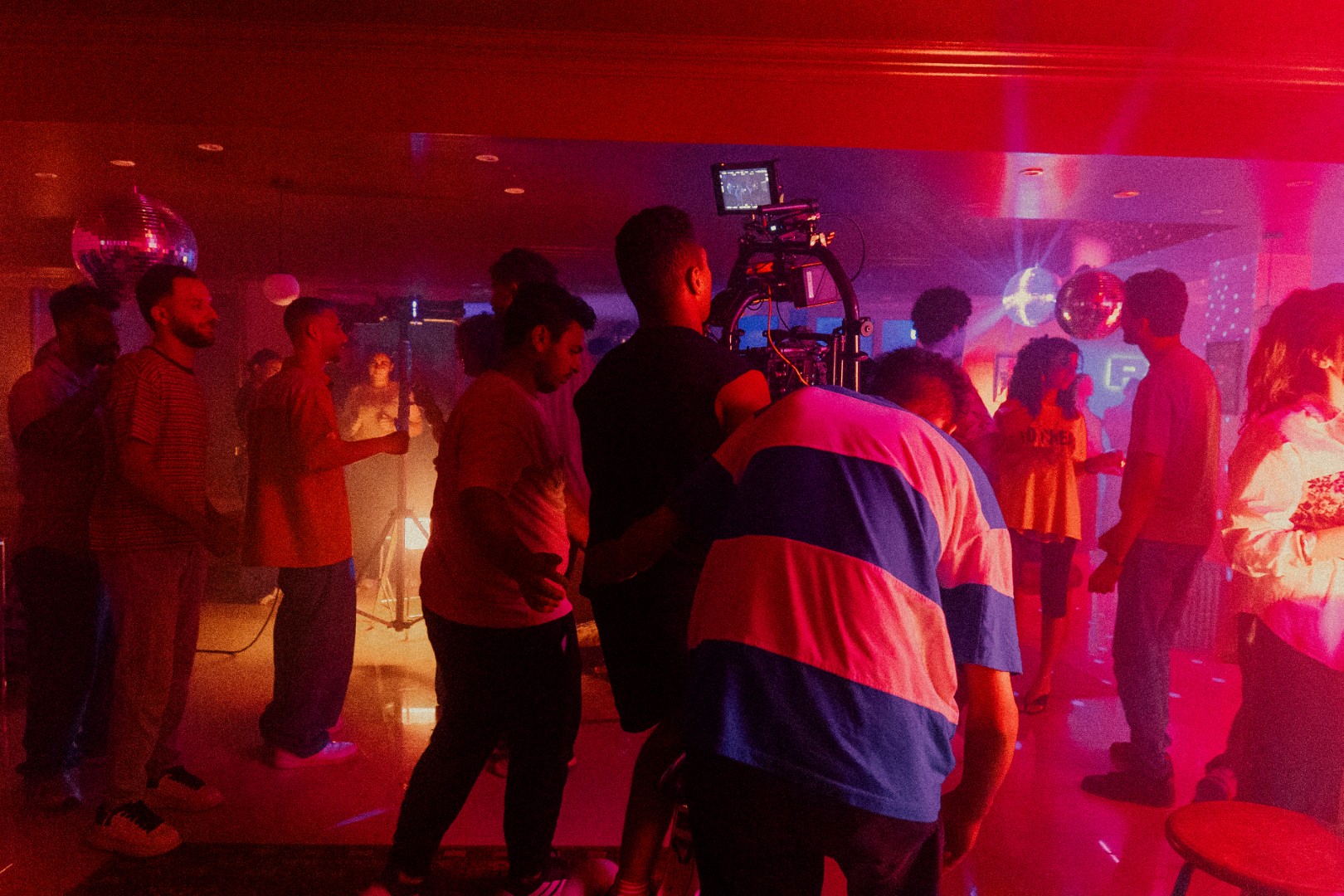
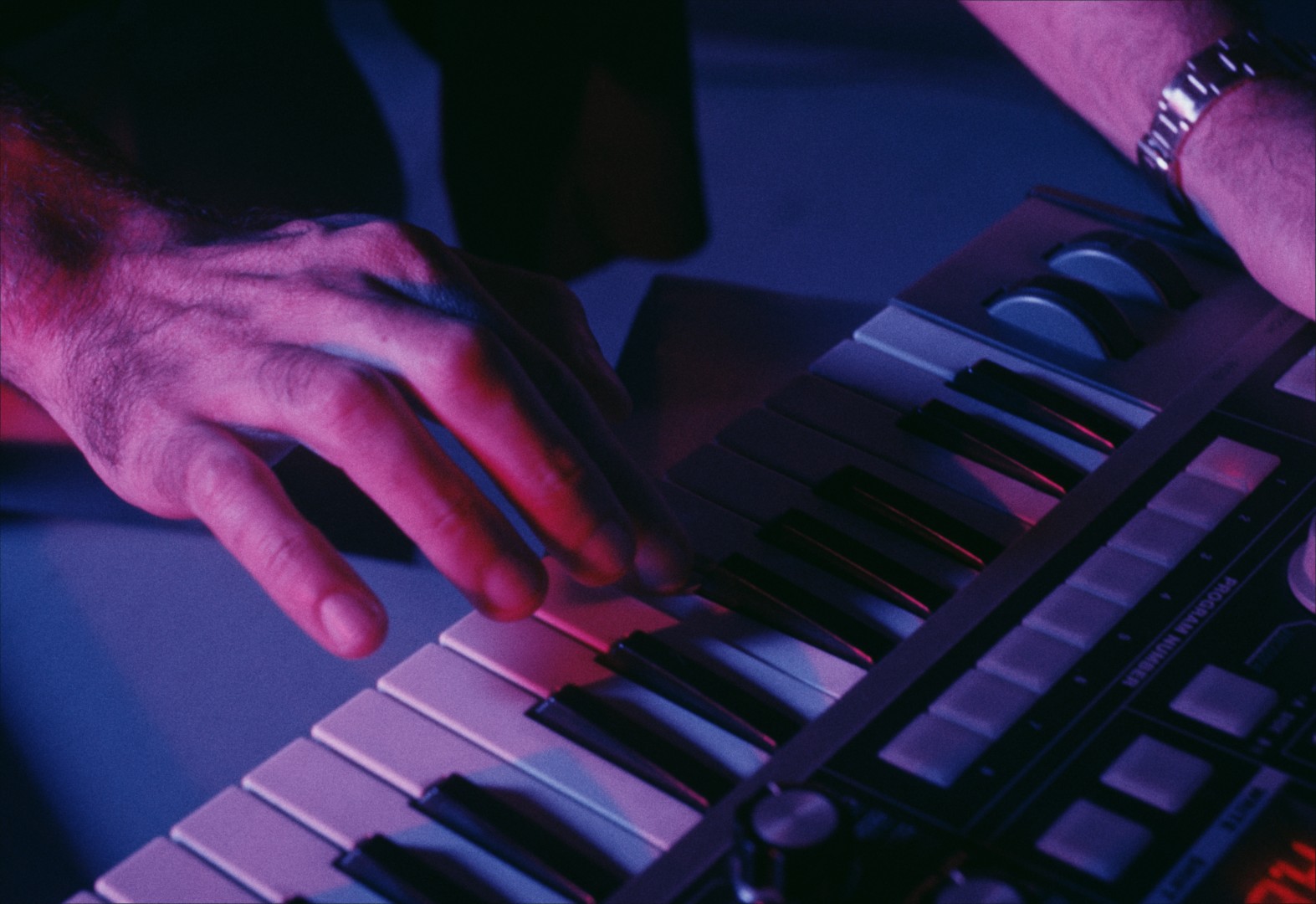
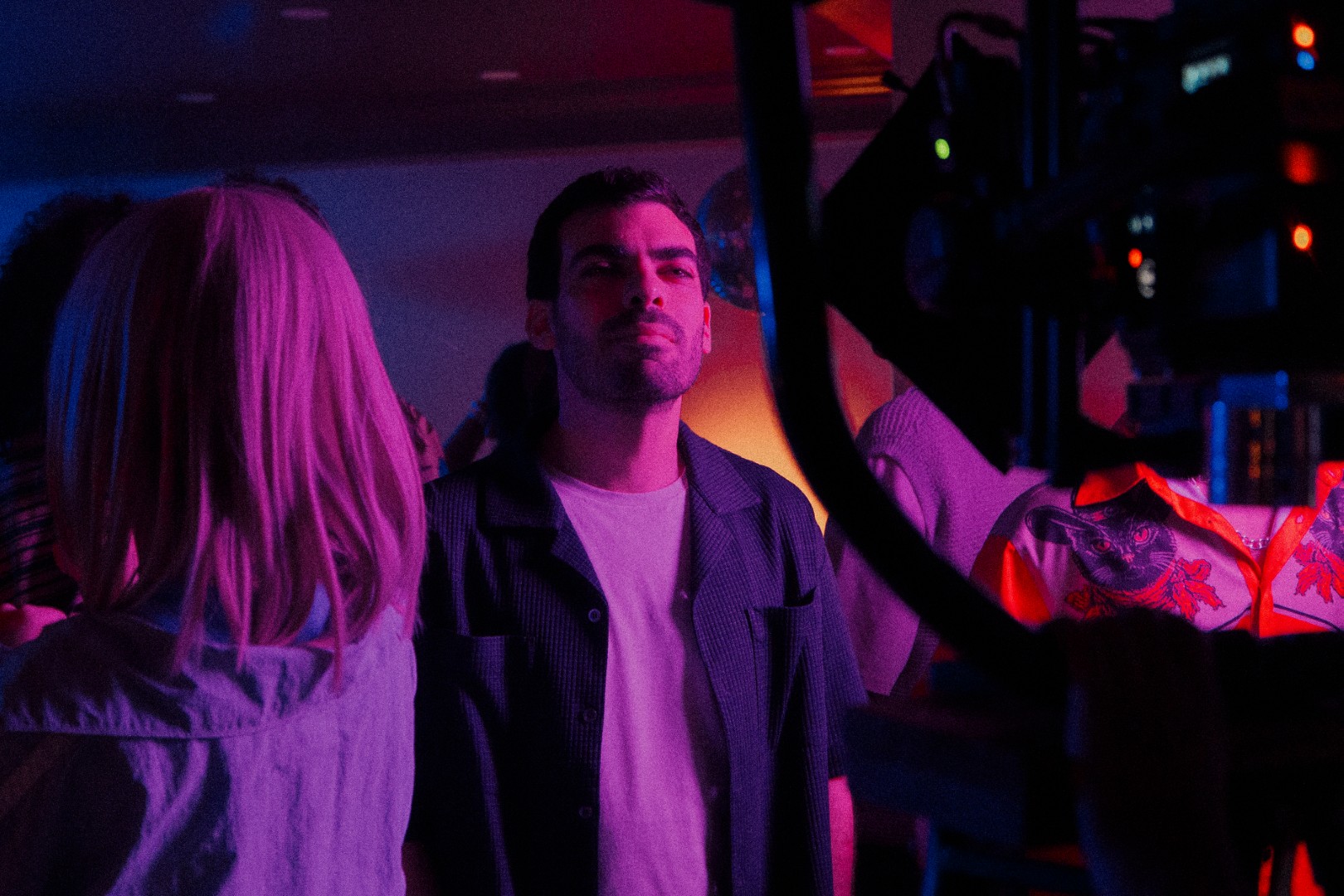
Misty: It was a long shoot. We had to build an entire house party from scratch with a full cast and make it feel completely authentic on camera. I even went as far as actually perform 3ady Sahla live on my samplers and synths instead of pretending to play. The funniest part was probably trying to convince everyone that it wasn’t actually a party.
Electronic music has always borrowed, sampled, and reinvented. Do you think audiences today appreciate the art of remixing more than they did a decade ago?
Misty: That’s a difficult one. I actually think the late ’90s and 2000s were the golden era of sampling. French house, big beat, hip-hop… so much incredible music came from artists taking existing sounds and flipping them into something completely new. Back then, producers were also much more limited technically, and I think those limitations forced people to be more creative. That’s why so many of those records still sound timeless today.
I think we’ve lost a bit of that in modern music. We have endless tools now, but sometimes less imagination. The best sampling isn’t about borrowing something, it’s about making people forget where it came from because you’ve turned it into something that feels completely original. That’s still one of my favourite things about making music
It feels like collaborations between DJs, producers, and rappers are becoming more common in Egypt. Do you think the industry is becoming more open to artists stepping outside their own genres?
Misty: I think it’s happening because we’ve reached a point where a lot of different scenes in Egypt have artists who are really leading the way and building their own audiences. That naturally creates curiosity. People want to sit together, exchange ideas and see what happens when two different worlds collide.
I also think artists today are much more willing to step outside their comfort zones. Everyone is trying to push their own musical boundaries instead of staying in one lane, and that’s usually when the most interesting art happens.
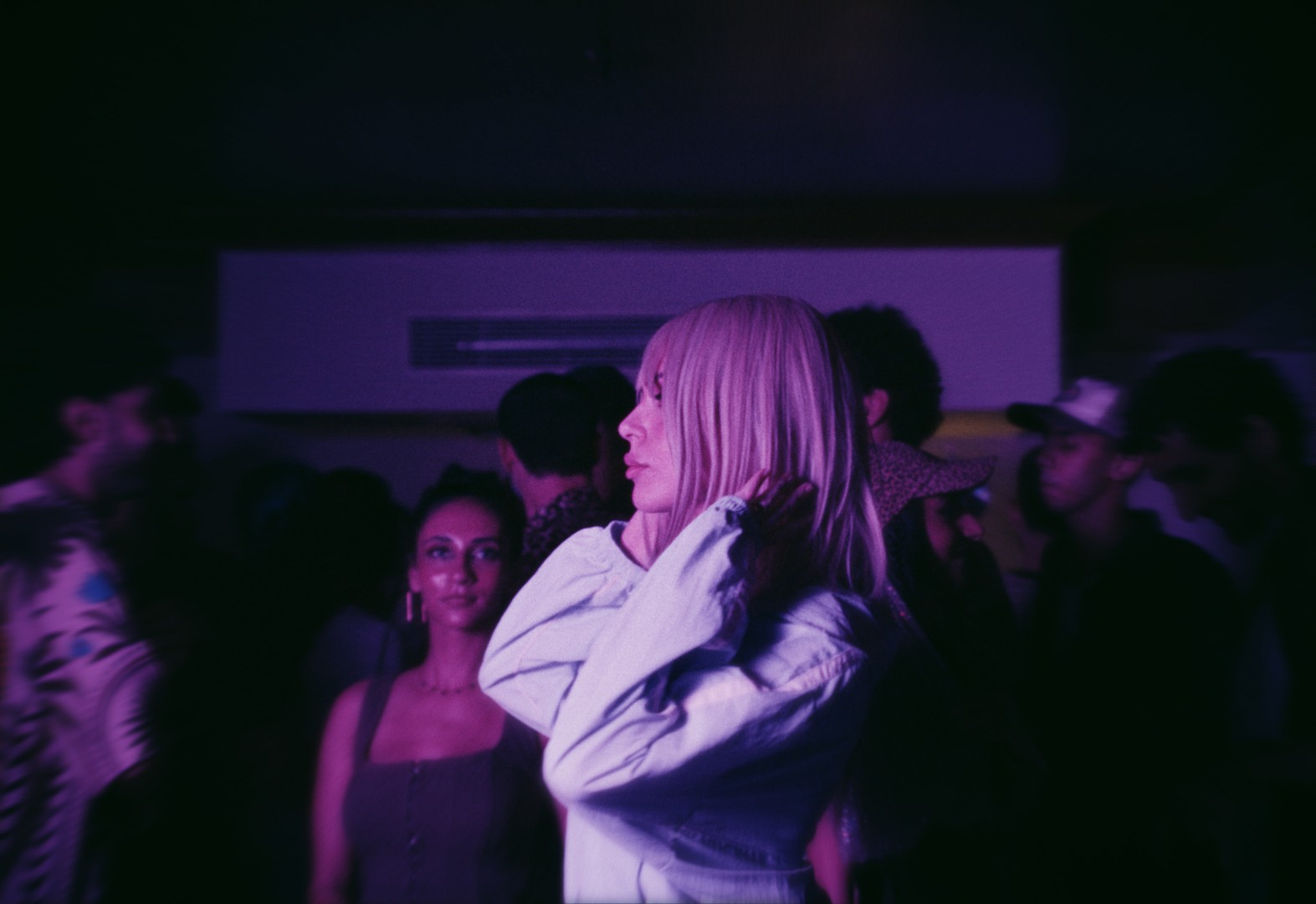
Do you think Egyptian audiences are listening to genres less rigidly now than they used to?
Misty: I think there’s always going to be some resistance whenever you introduce something new. Most people naturally gravitate towards what they’re already familiar with rather than actively looking for something outside the norm. The more music-focused audiences tend to be much more open to experimentation and discovering new sounds.
That said, I do think it’s getting better. Every collaboration between artists from different genres helps break those barriers a little more. The more people hear those crossovers done well, the more open they become to music that doesn’t fit neatly into one category.
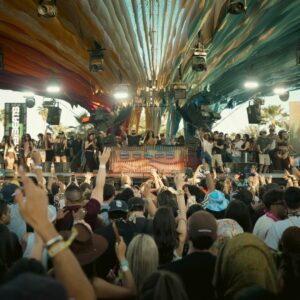
This song is tied to a series of live summer experiences. When you’re producing a track like this, are you already imagining how thousands of people might hear it live?
Misty: Sometimes, when I’m making music, I’m not thinking about creating something overly serious or complicated. Especially in the summer, I just want to make music that’s fun, feels good, and is easy to connect with. Club music should make people smile as much as it makes them dance.
With 3ady Sahla, Marwan’s lyrics really shaped the production. There are little sound effects that play off what he’s saying, which makes the track fun. It’s light-hearted, groovy and a bit unexpected.
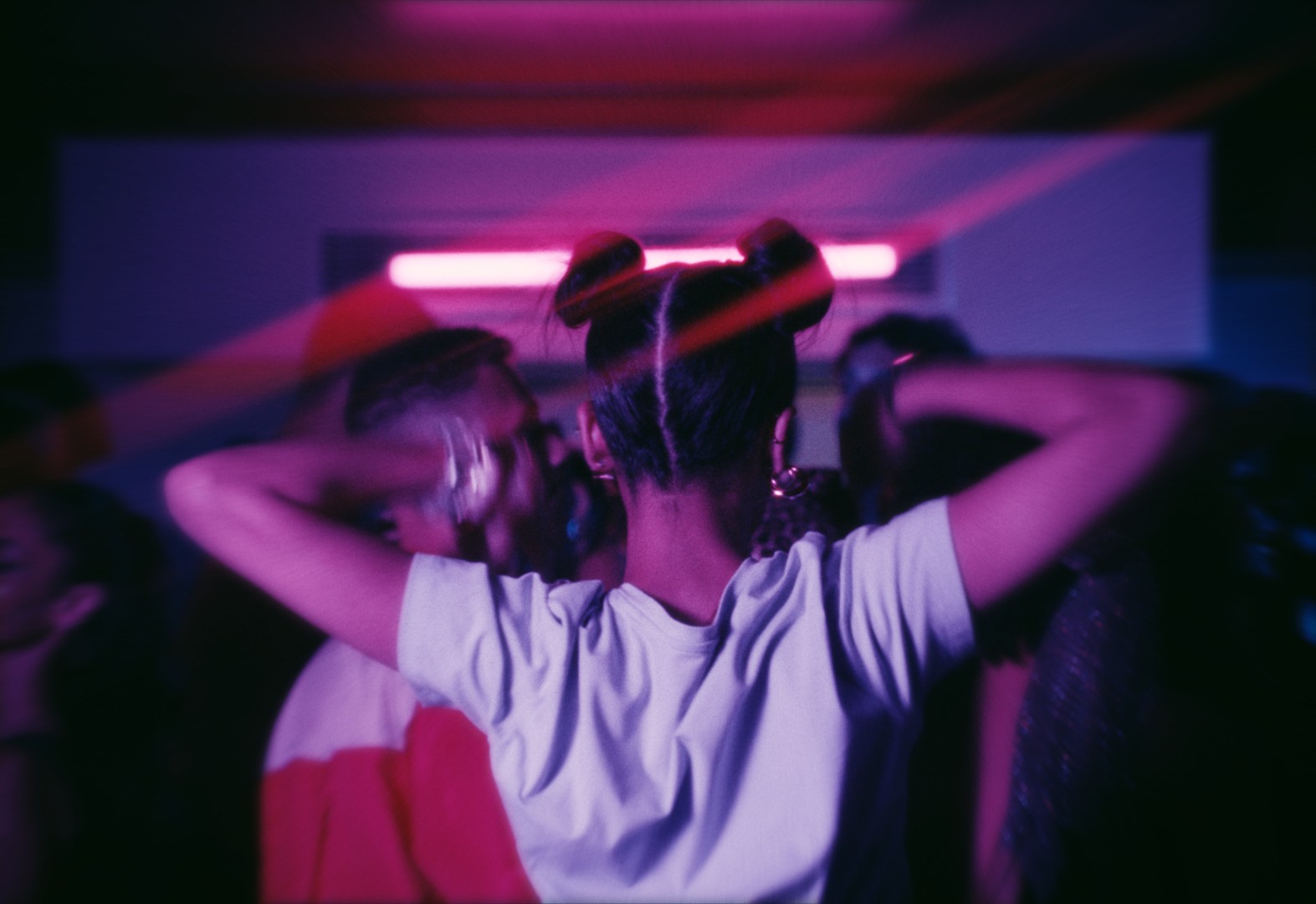
You’ve collaborated with countless artists over the years. What still surprises you about working with someone whose creative process is completely different from yours?
Misty: What always surprises me is how much it makes me question my own instincts. You get so used to your own way of working that you start believing it’s the right way. Then you collaborate with someone who approaches music completely differently, and it forces you to rethink what you thought was good. Every musician needs to challenge their workflow every while or else you lose the spark and you become too comfortable. Comfort and lack of curiosity isn’t a healthy formula for art.
What’s one production choice in ‘3ady Sahla’ that listeners probably won’t notice, but you’re particularly proud of?
Misty: I think it’s less about one specific production trick and more about the overall feel of the record. I’m really proud that, even though it’s a collaboration, it still sounds like me. It has that fun, groovy house identity that’s become part of my sound, while capturing the swing and textures of ’90s dance music that I grew up listening to. Most people won’t consciously notice those details, but they’re what give the track its character.
For more stories of music from across the region, visit our dedicated archives and follow us on Instagram.