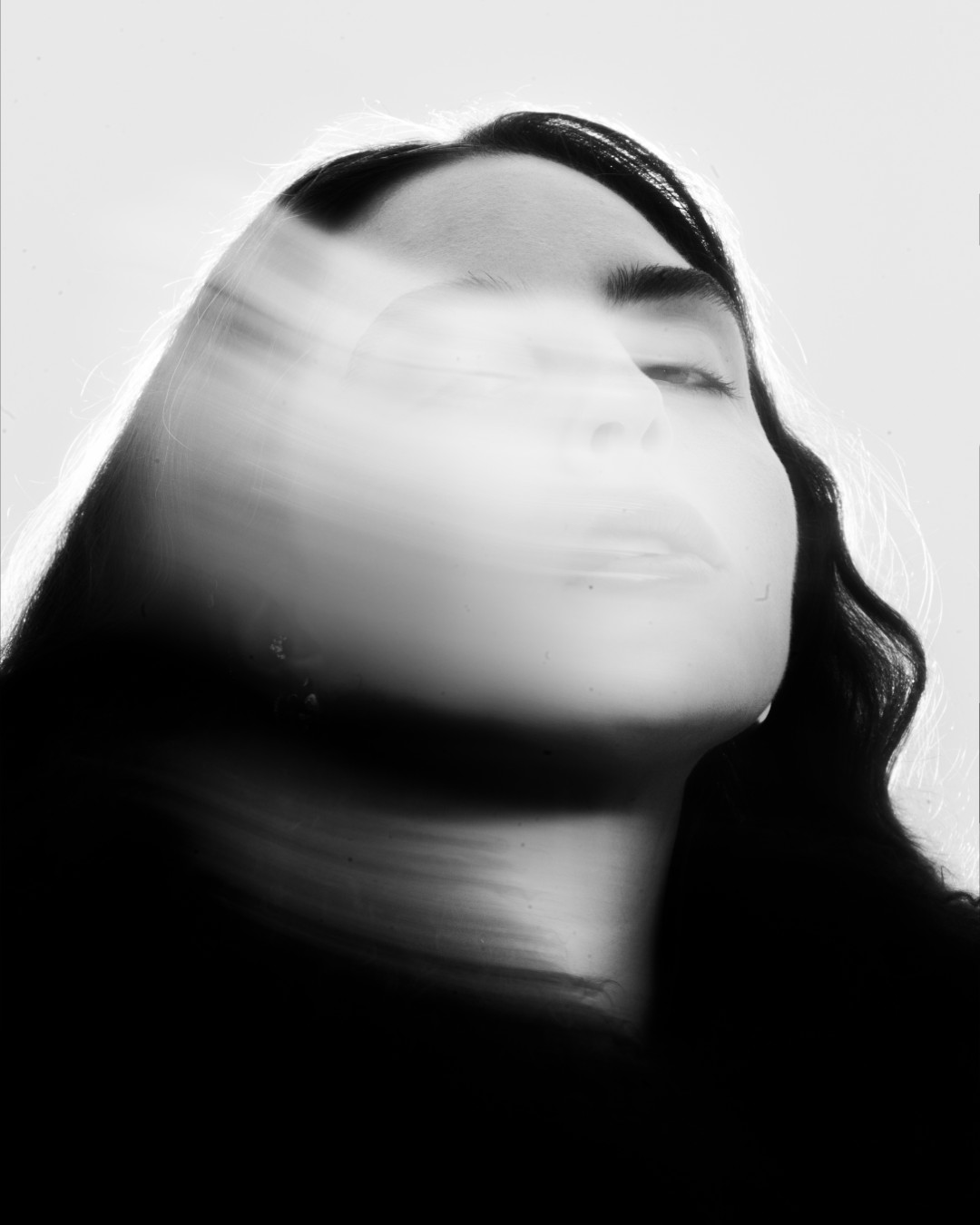
Raya Kassisieh approaches making as a way of staying with what is unresolved. Working between Amman and London, the multidisciplinary artist builds sculptures, installations, and material environments that move through grief, care, and endurance as lived conditions rather than themes. Her practice is shaped by Palestinian lineage, bodily knowledge, and a deep attention to labour, scale, and pressure. Moving between materials, Kassisieh’s works hold vulnerability and resistance side by side.
How does your Palestinian heritage influence your work?
My Palestinian heritage is not something I step into for the work. It is fact and lineage, and it is a complex position to live within. I believe its shaped the lens of grief through which I move and perceive the world. I live with the dissonance of being safe and resourced while witnessing ongoing violence enacted on people and land tied to my forefathers, tied to my flesh. That tension sits in my body and informs how I pay attention, where my curiosity begins, and why the work refuses easy resolution.
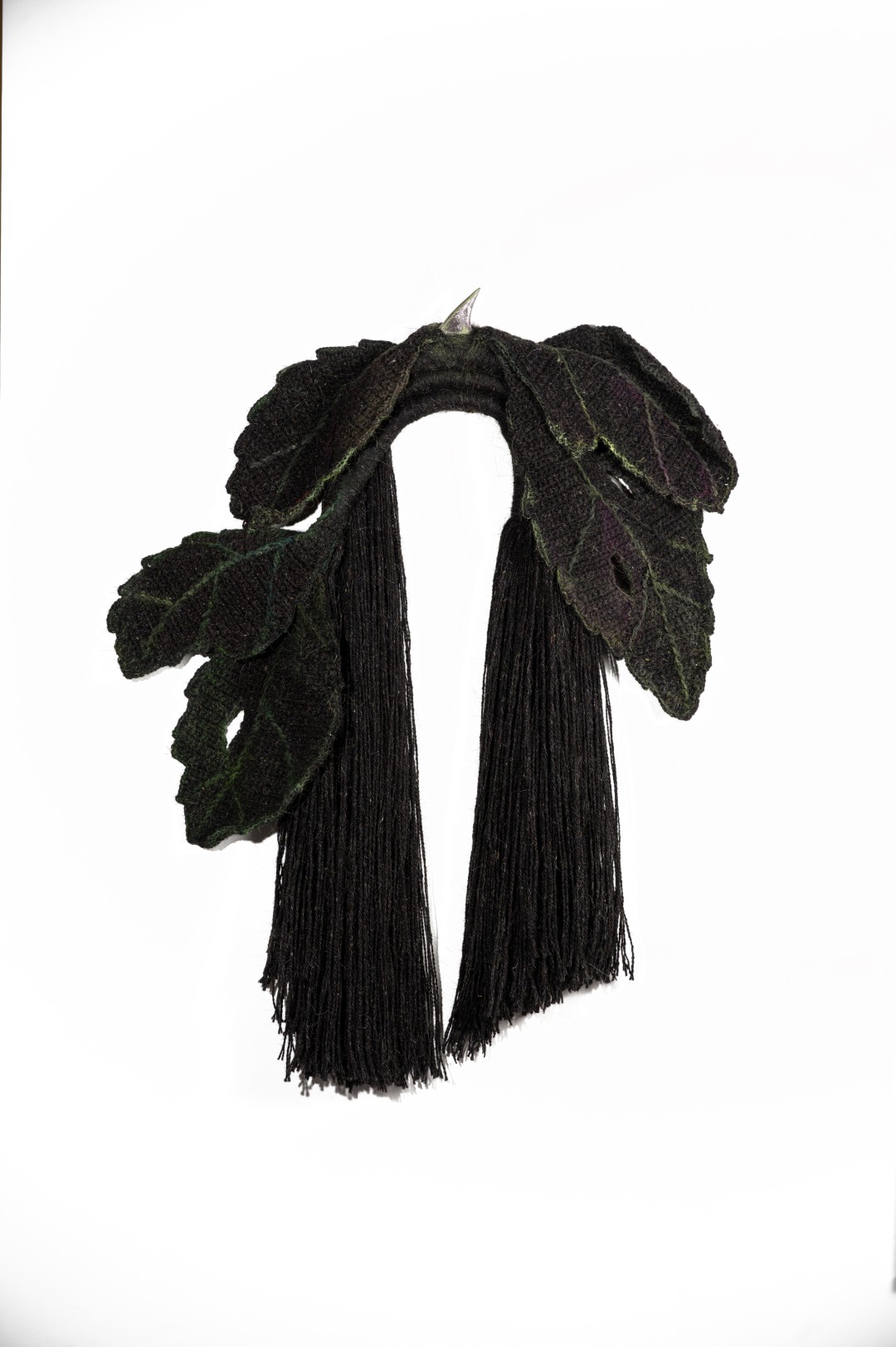
Your grandmother, Claudette, plays a meaningful role in a lot of your work. How does she inspire you?
My grandmother has become not only a sentimental figure for me. She now represents a kind of attachment that is unfinished, a sense of home that cannot be returned to. Her absence brought anger as much as grief. Losing her exposed how fragile continuity is to me, and how quickly care, routine, and safety can disappear.
Her death shifted the scale and urgency of my work. It pushed me toward working with hard materials and making as a way of staying with loss rather than softening it. What emerged was a need to transmute anger and fear into endurance, to work through what cannot be repaired. She taught me, indirectly, that what we fear will arrive regardless, and that there is a responsibility to continue making without consolation.
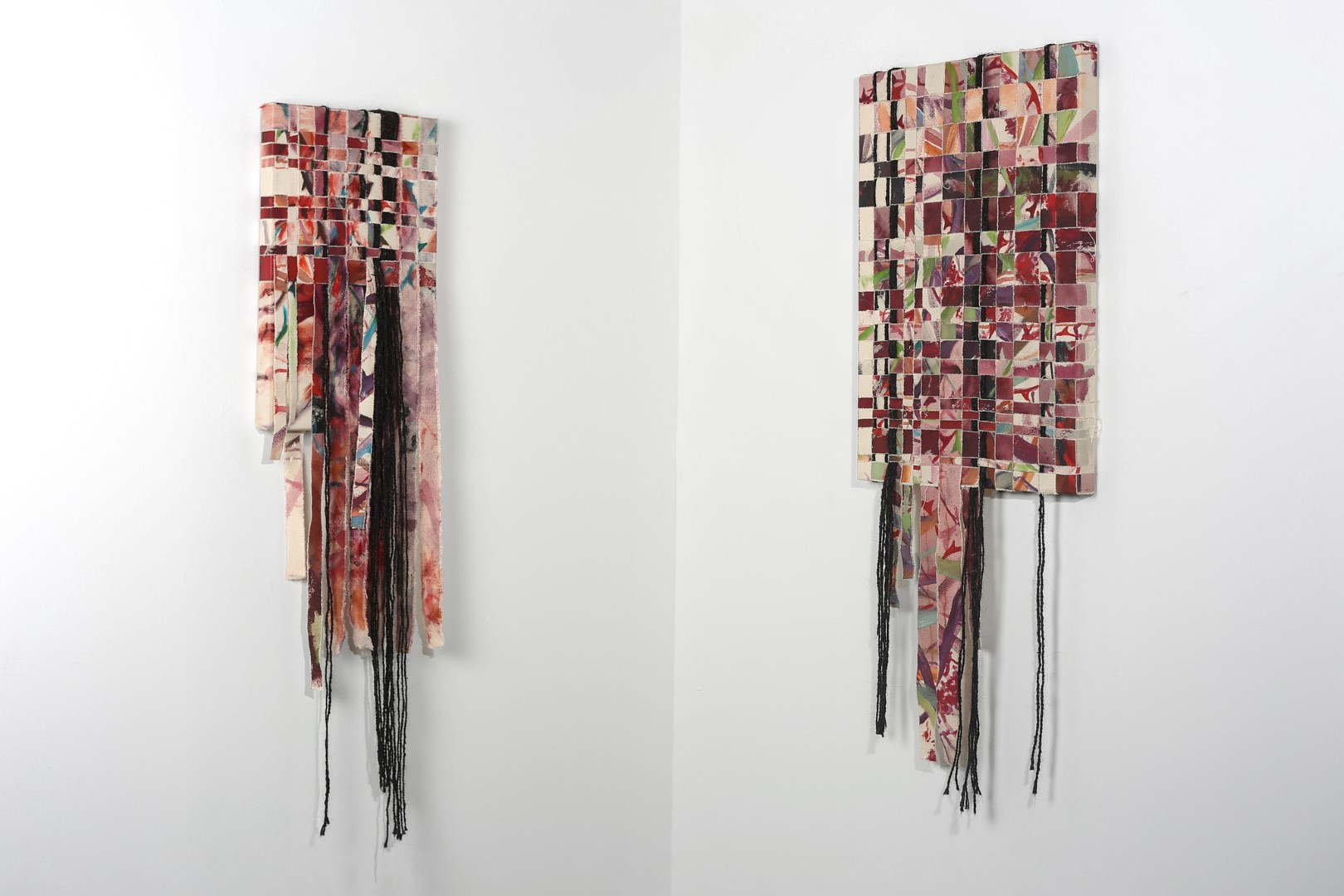
You work across soft and hard materials. How does this shift the register of a piece?
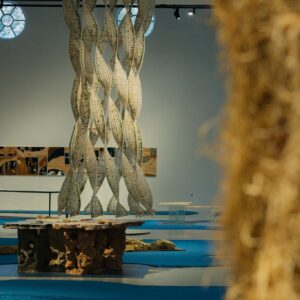
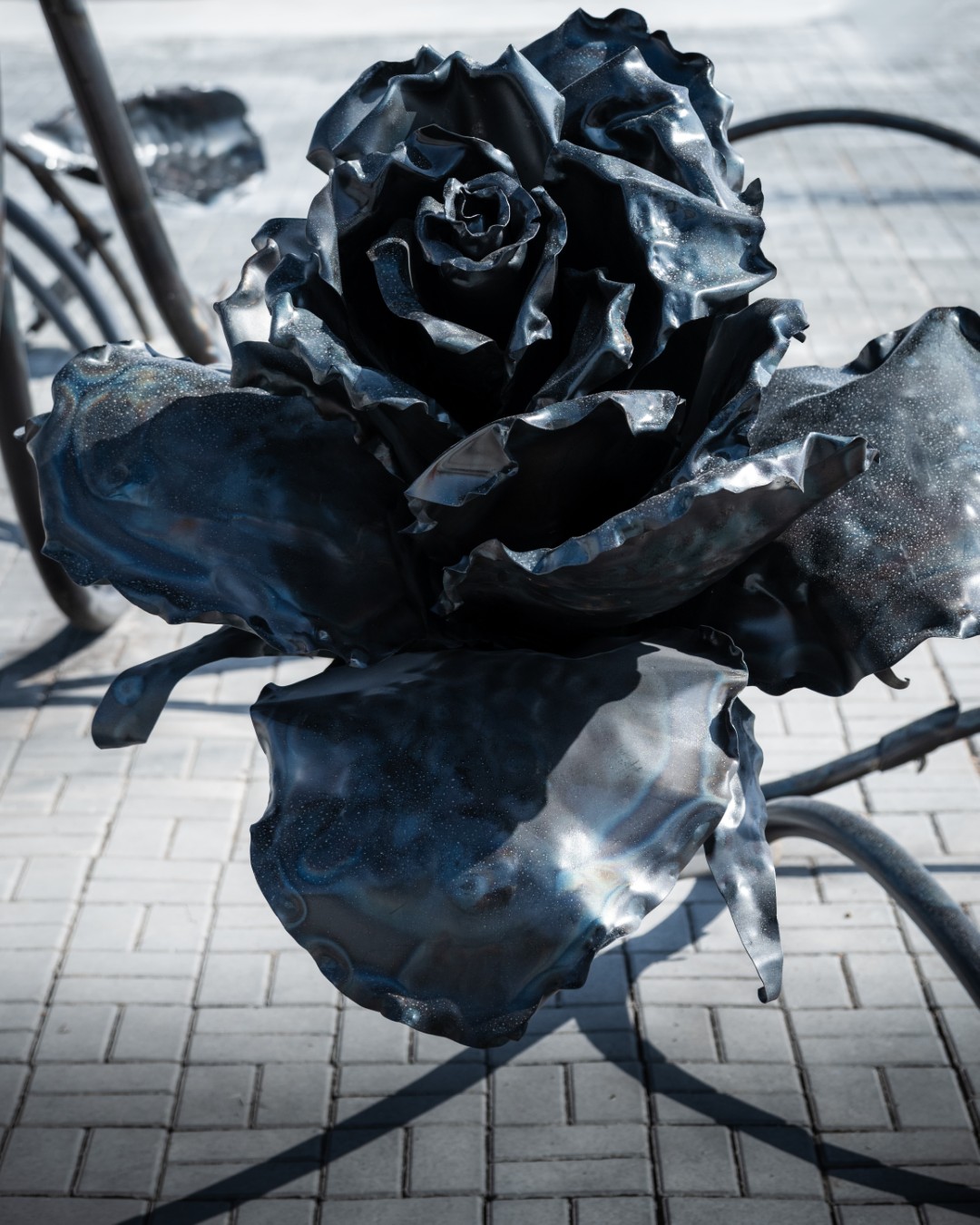
I choose materials for how they ask the body to behave. Steel demands endurance, repetition. It removes performance and leaves only effort. Soft materials invite proximity, touch. They bring in the interior and domesticity. Moving between them allows me to play with how vulnerability and resistance are not opposites but companions. Material shifts the emotional register by altering pace and labour, and the political register by foregrounding whose bodies are allowed to work, endure, or soften.
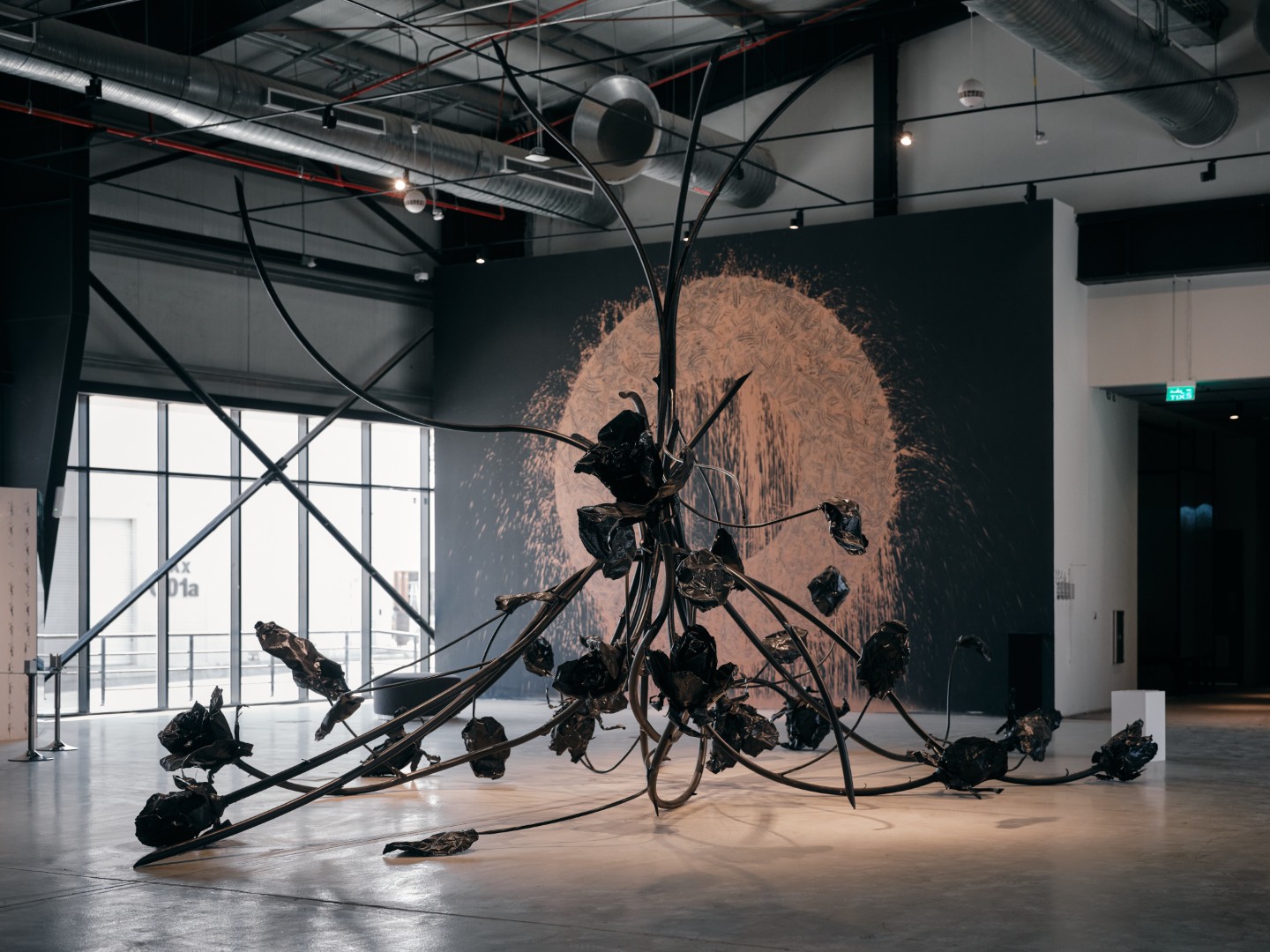
Grief, care, and vulnerability often appear in your practice as spatial or ecological conditions. How do you translate these experiences into the physical?
I think of grief as something atmospheric, I think grief shapes the rhythm of daily life, whether we name it or not. It circulates rather than sits. I think translating it into form means working with the state of the world. I am interested in making works that ask viewers to slow down, to feel pressure or tenderness through proximity and make. I believe vulnerability is present when the work does not seek resolution, when it remains open to erosion, change, and reactivation over time.
Your work frequently exists between softness and resistance, structure and collapse. Do you see these thresholds as fragile moments, or as sites of possibility and transformation?
I do not see these thresholds as fragile, I see them as charged. They are moments where form has not settled, where tension is still active and alive. I am interested in that point just before something resolves, when steel is under heat or fibre is under pull and neither has fully given in. Collapse for me is not failure. It is part of structure. Living between geographies and inheritances has taught me that stability is often temporary, so I work within that awareness. I try to hold contradiction rather than smooth it out. Those in between states feel honest.
For more stories of art and culture from across the MENA region, visit our dedicated archives and follow us on Instagram.