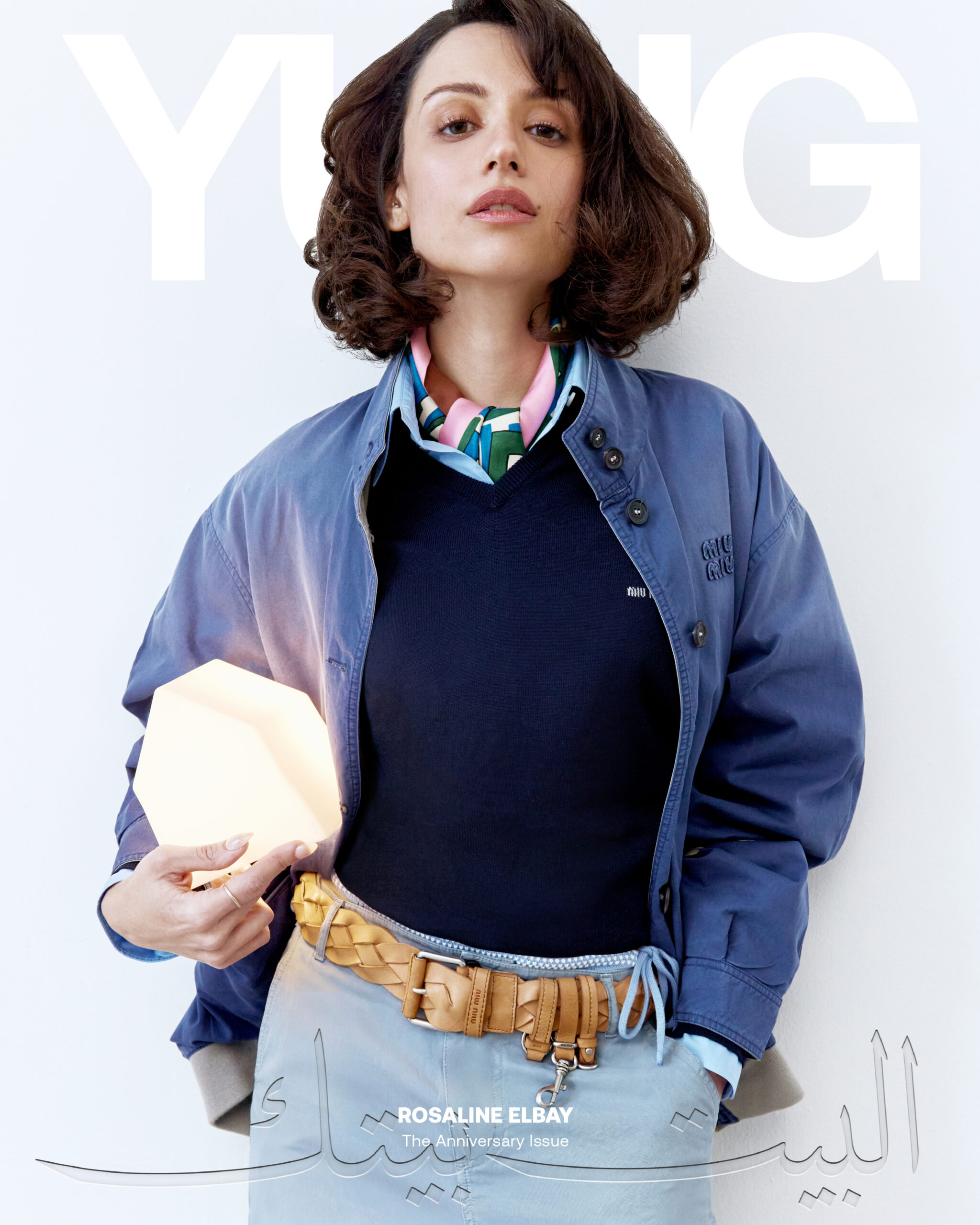
YUNG sits down with Rosaline Elbay, known for her work in The Diplomat, Kaleidoscope and Ramy. Working across London, New York and Cairo, her career spans television, film and writing, with an approach shaped by her academic training in classics and a sustained interest in how stories are constructed, interpreted and performed.
“I’m like, I’m so mad. I’m mad at the ice. I’m mad at the snow.” Rosaline Elbay arrives in London mid-displacement: between time zones, between sets, between versions of herself. She has come straight from New York, where winter has turned her – proudly, she says – into a complaining New Yorker, before being pulled into a filming schedule that has her traversing the UK, from Peterborough to the edges of London, with the possibility of Cairo in between. Today, though, the weather has unexpectedly softened. “This is balmy to me,” she laughs, shrugging off layers.
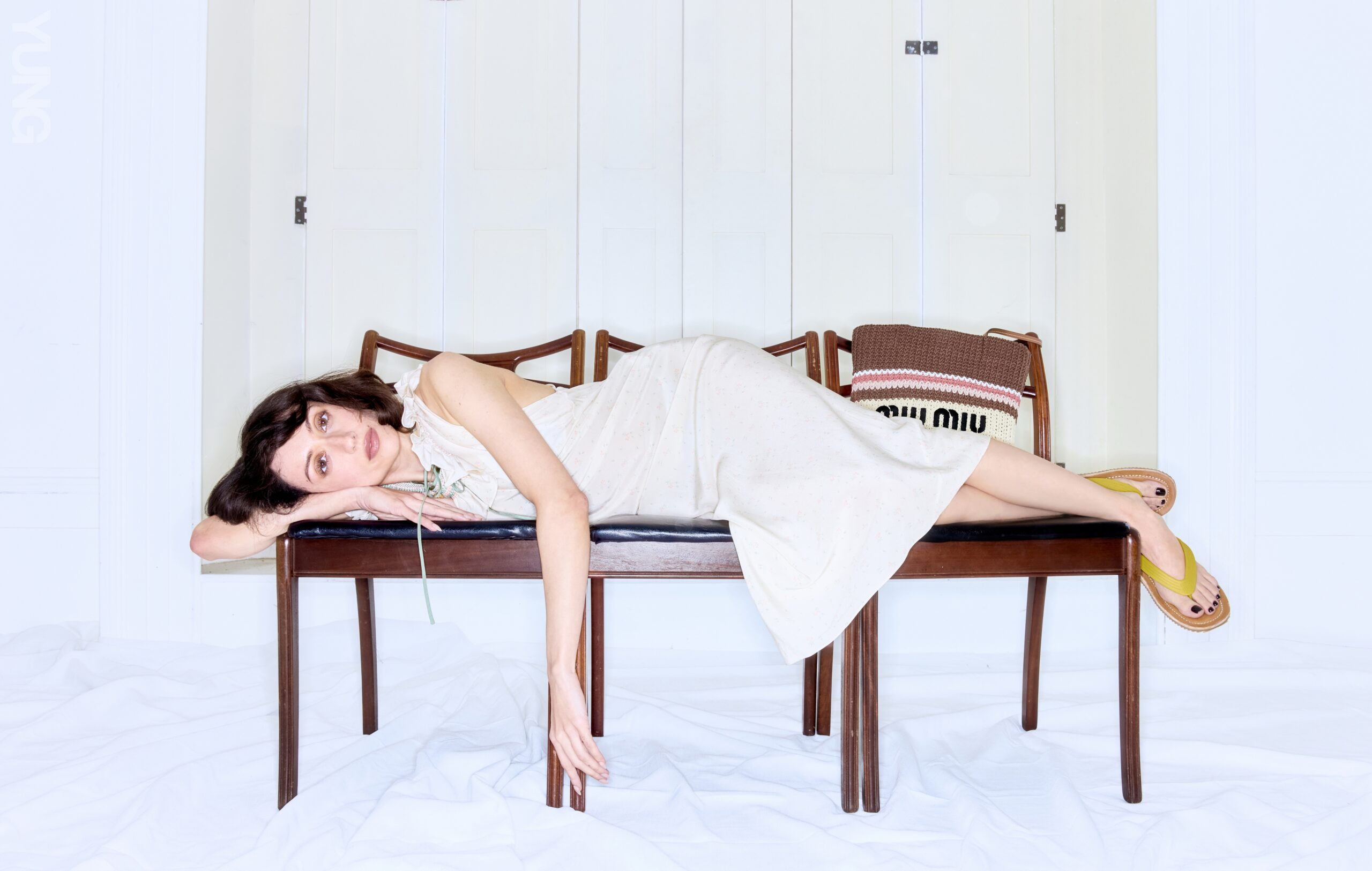
It’s a fitting kind of in between. Elbay speaks in a way that rarely settles – thoughts branching, doubling back, gathering references as they go – but everything she says seems to orbit the same idea: stories. Not in the vague, industry-approved sense, but something closer to inheritance. Something unearthed, carried, translated. She talks about acting the way someone might talk about excavation. About mythology as something that never quite leaves your system. About characters not as roles to inhabit, but problems to solve.
She didn’t set out to do this. At Oxford, where she studied classics, classical archaeology and ancient history, she imagined a life that stayed within institutions, a Master’s, a PhD, a future in museums or academia. Acting, at least at first, was something she resisted. “This is a hobby. Leave me alone,” she remembers insisting, even as it quietly took over her life.
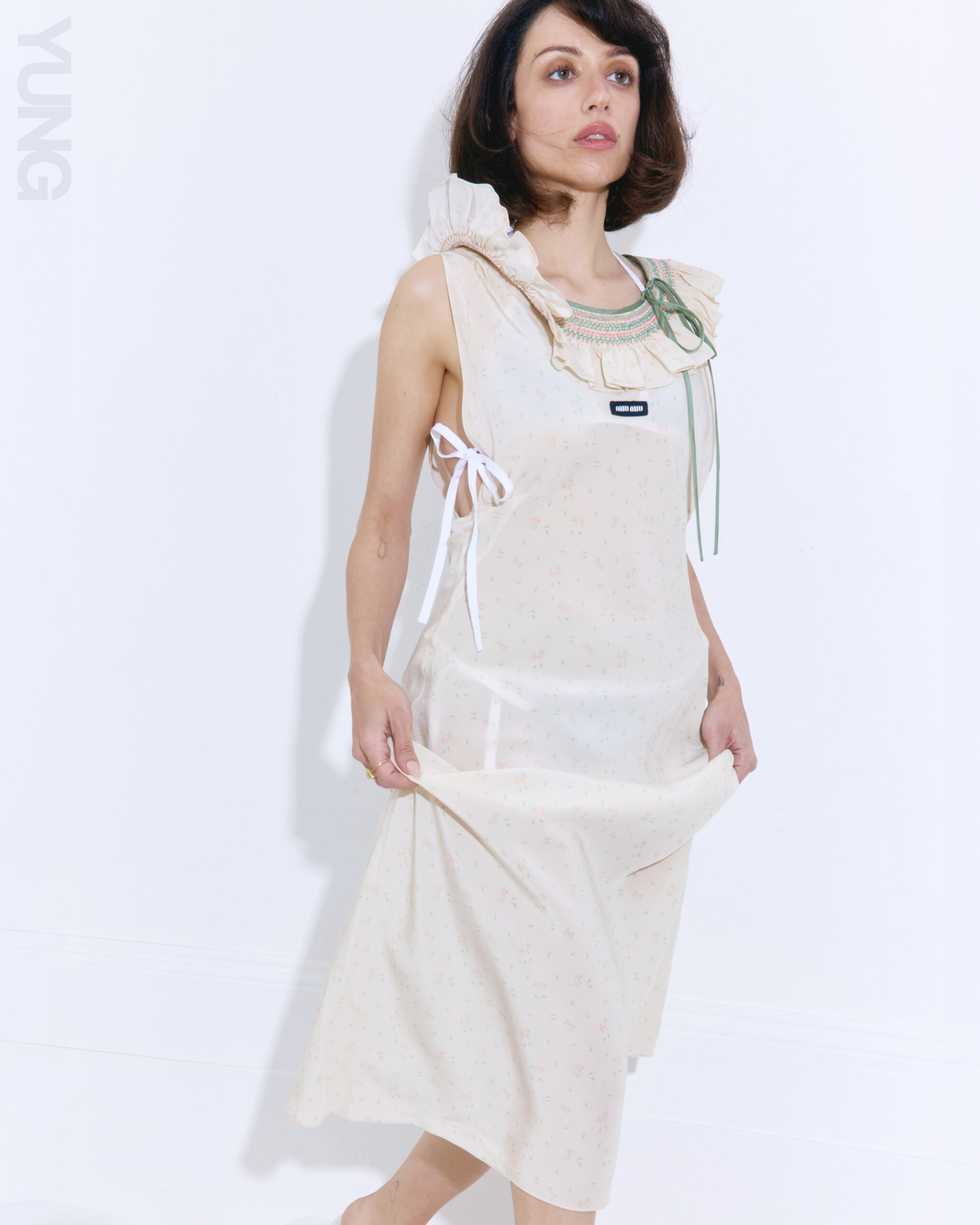
What she kept, though, is the way she learned to look at the world. For Elbay, history, performance and writing collapse into the same instinct: you find something, you interpret it, you tell it again. The tools change – a text, a body, a script – but the impulse doesn’t. She still thinks in mythological patterns, still catches herself tracing a character back to Eurydice, or to something older, less easily named. “It’s just stamped in my brain,” she says, almost apologetically.
What interests her most are the moments that resist easy judgement. Characters who make choices that, on the page, feel indefensible. The ones that make her hesitate. “If I’m scared of it, then I know there’s something there,” she says. It’s that fear, the sense that something isn’t immediately clear, that draws her in. The work, then, becomes figuring out why. Not to excuse, but to understand. “No one thinks they’re the bad guy,” she says. “So you have to know why they did it.”
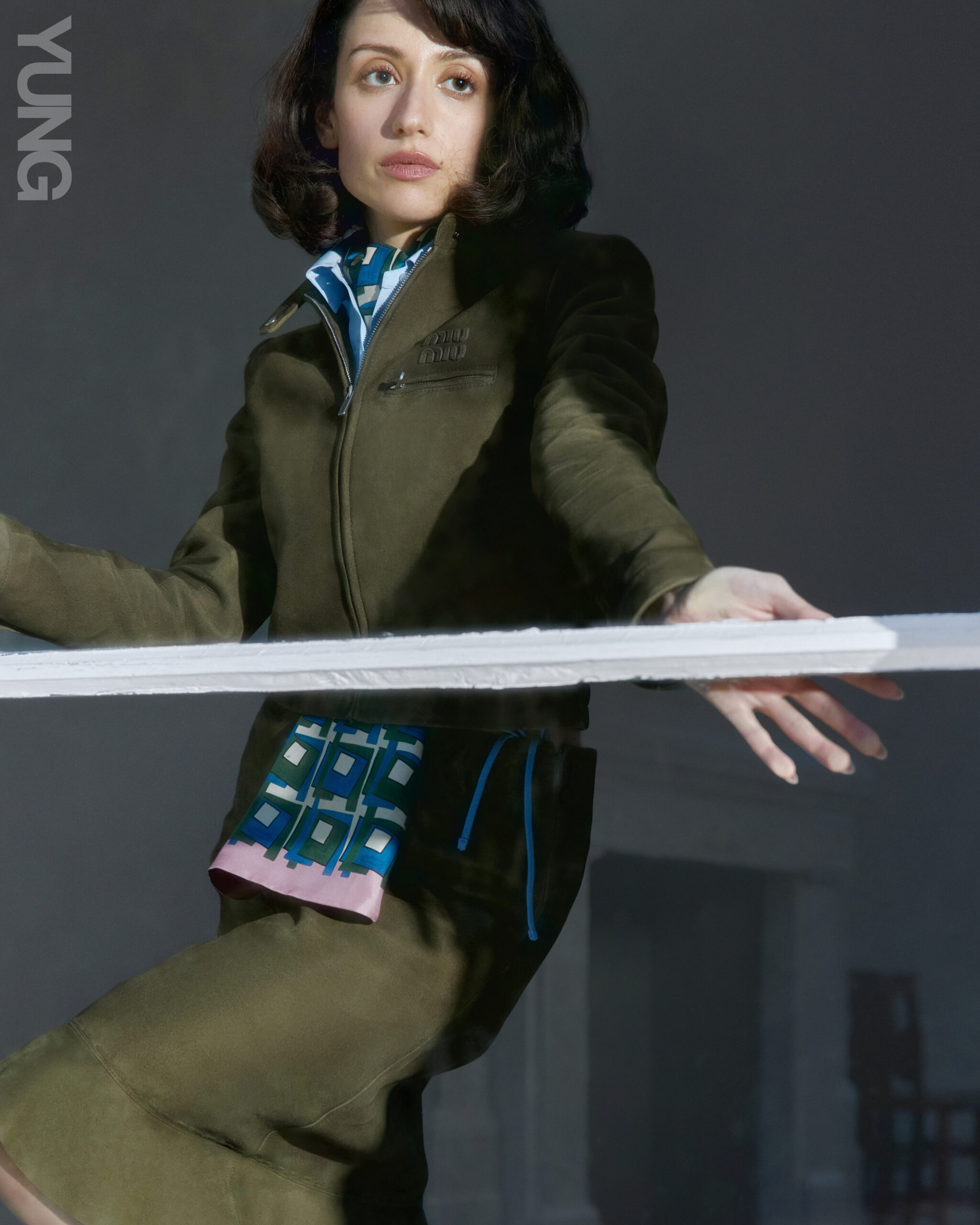
That instinct, she admits, has led her into roles that feel almost unmanageable at first. She describes one early theatre part – a relentless, nine-scene arc in which her character never leaves the stage – with a kind of disbelief, as if still trying to account for how she agreed to it. A nervous breakdown, an assault, a forced marriage, postpartum depression, a lover, a murder, a trial, an execution. “It was a lot,” she says, smiling. She was 21. She did it every night.
At the time, she thought it might be her way out. A final test before returning to the path she had mapped out for herself: academia, research, a quieter kind of intellectual life. Instead, it did the opposite. She loved it. Not the comfort of it, but the scale, the endurance, the sheer act of doing something that demanded everything at once. She finished her exams, celebrated for a night, and went straight back into rehearsal. Looking back, she calls it a wild decision. At the time, it felt inevitable.
There is nothing distant about the way she works. Text matters to her. More than anything, she starts there. Reading closely, looking for what is already embedded in the writing, before anything else is added. It’s a discipline she credits to theatre, the necessity of understanding not just what a character feels, but what the structure of the story is asking of them. On set, where lines can shift and scenes can be reworked, that grounding becomes a kind of anchor. “You need to know the full scope of it,” she says. “Otherwise you’re just reacting.”
The difference, according to Elbay, is something she has had to learn how to move between. In theatre, there is no hiding, the body has to be fully engaged, not just the face or the voice, but everything at once, scaled to a room that extends far beyond you. On screen, it can shrink without you noticing. Early on, she found herself caught in that contraction, thinking only about what the camera could see. Theatre pulled her back out of it. “You have to be in your whole body,” she says. It’s about not disappearing.
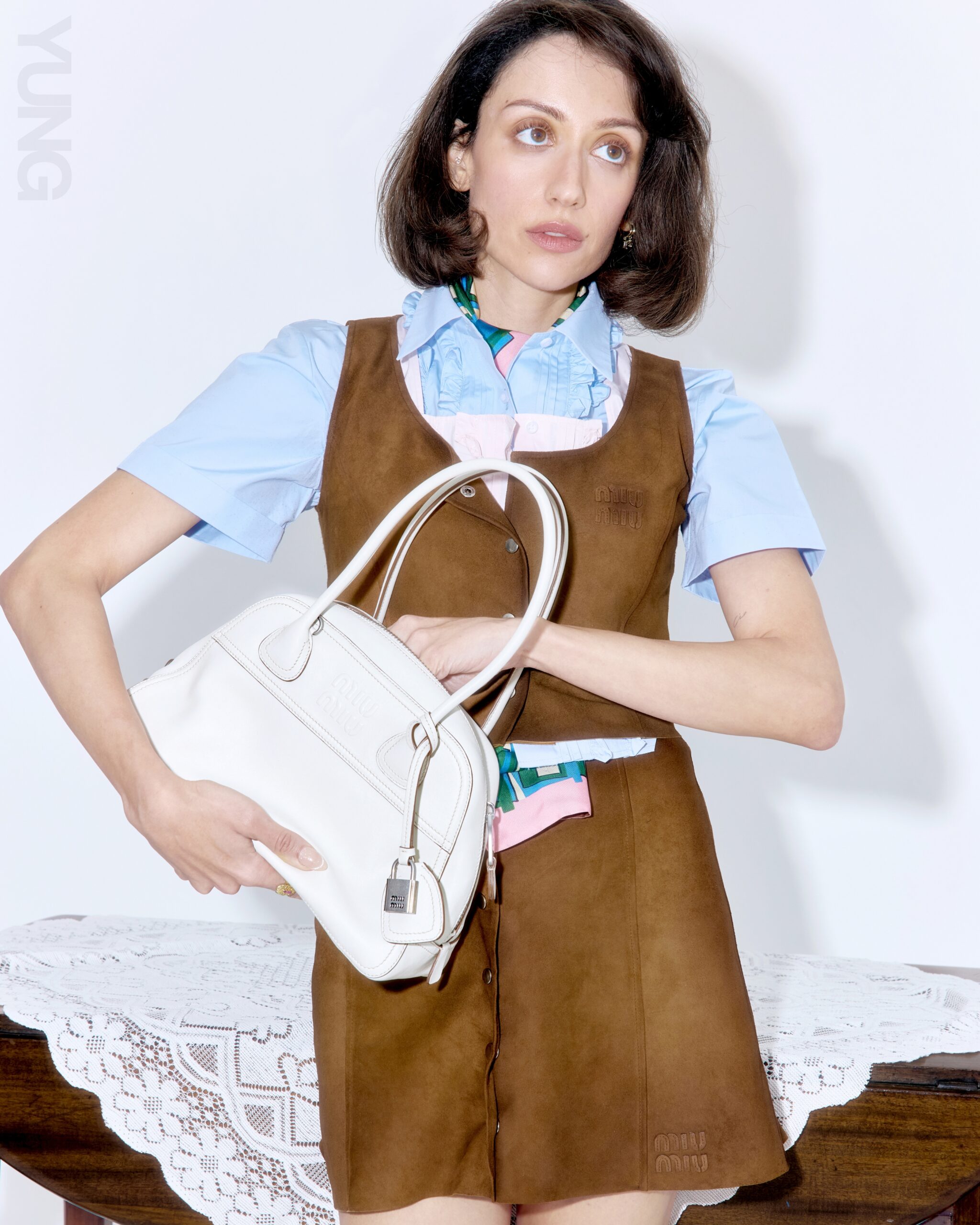
That same attention carries into the way she approaches a role before she ever steps into it. She researches extensively, building a sense of the world a character moves through so that nothing feels assumed or superficial. It’s always about understanding, enough to recognise when something doesn’t quite ring true. “So I could suggest changes, if I felt like they were necessary,” she says, lightly. It’s a quiet instinct, but a consistent one: to treat the work with a kind of care that extends beyond performance itself.
That same restlessness is what has drawn her, increasingly, towards writing. It isn’t new, she has been writing, in one form or another, for most of her life, but it has taken time for her to feel able to share it. Partly, she says, because she is deeply self-critical. Partly because she needed to reach a point where what she was making felt ready to exist outside of herself. “There was stuff I was doing just for me,” she says. “And then at some point, you realise: okay, this can be something else.”
Some of it arrives all at once. She describes writing six episodes of a series in ten days, in a borrowed house in Santa Monica, between auditions and meetings. “It just came out,” she says, shrugging, as if slightly suspicious of the ease of it. Other projects move more slowly, taking shape through collaboration, conversation, time. She is clear that she prefers it that way, the exchange, the back and forth, the sense of building something with other people rather than in isolation.
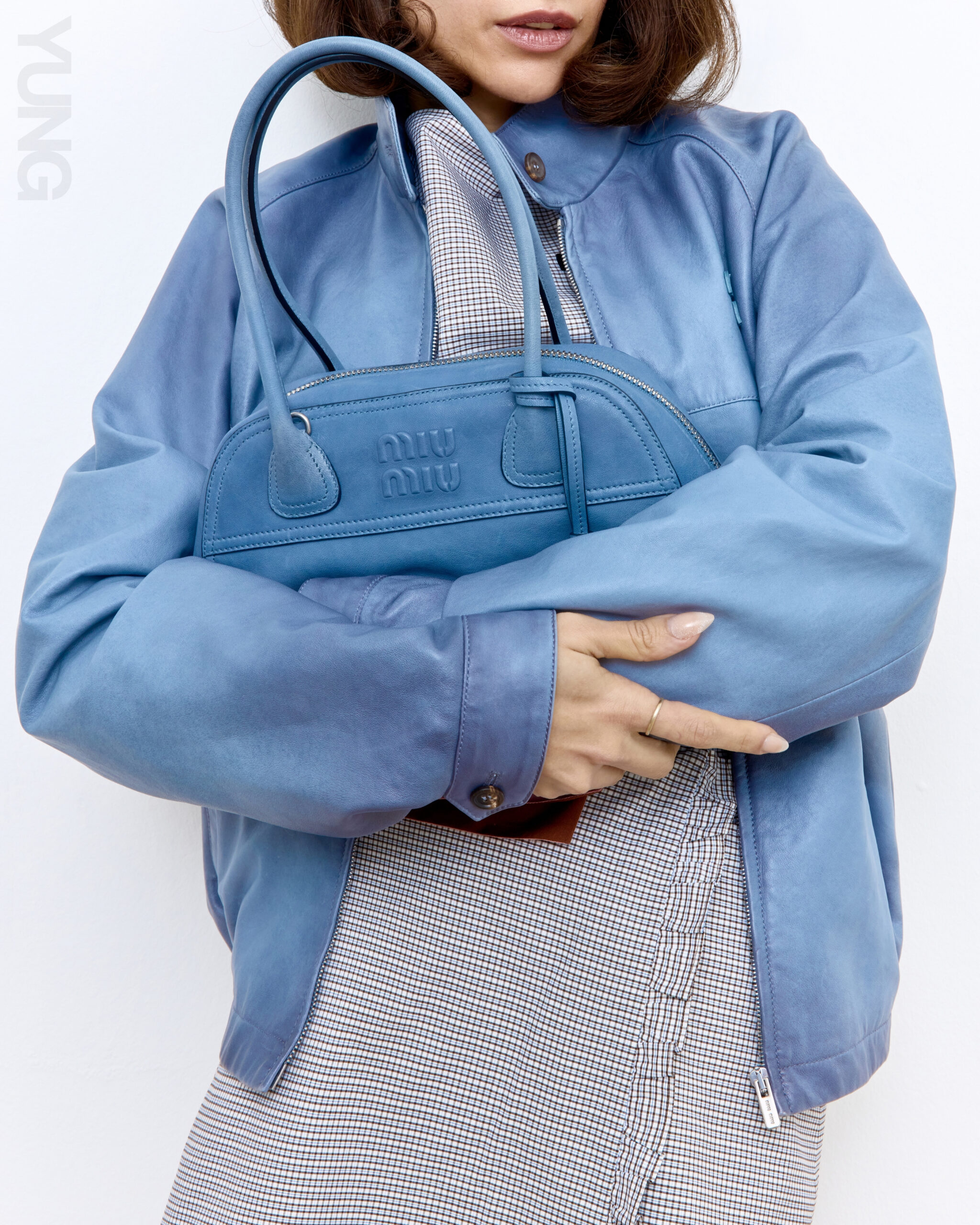
If there is a common thread, it is a certain absence. The stories she wants, particularly those rooted in her own experience, in Egypt, in the lives she recognises, are not always being made. “You can fantasise about it forever,” she says. “But the script’s not going to land on your desk.” Writing becomes, then, a necessity. A way of closing that gap.
And then there are the stories that feel closer, harder to fix into form. She speaks about her mother often, not just as an influence, but as a kind of origin point. A writer, a storyteller, someone who moved easily between myth, religion and personal history, telling stories from the Arabian Nights alongside those of her own family, with no real distinction between them. It was, she says, the way they communicated. The way they knew each other.
What she is trying to work out now is how to carry that forward. To find a way of telling her mother’s story, and, through it, the stories of the women in her family, without fixing them too rigidly. “They only really exist in those stories,” she says, thinking of how much of that lineage is informal, passed down rather than recorded. In a world that still traces inheritance through fathers, she is drawn to what moves in the other direction: something less official, but not one bit less real.
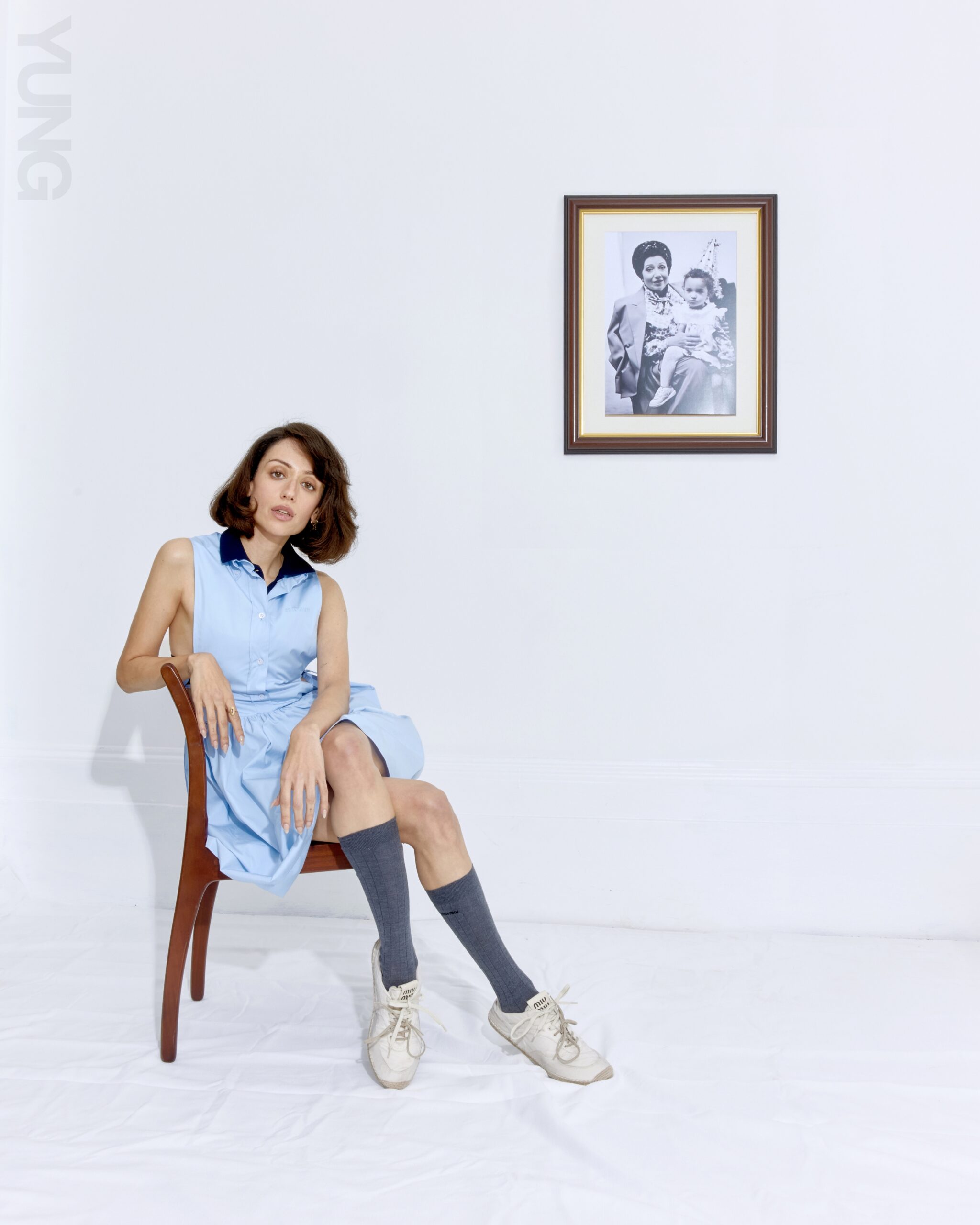
It’s not something she has resolved. She speaks about it carefully, as if aware that putting it into words might close something off. For now, it remains an open question, one that sits alongside everything else she is doing, shaping it quietly from the edges.
Outside of work, the references continue to accumulate. Music, constantly. Theatre, always. She talks about seeing Helen McCrory in The Deep Blue Sea at the National Theatre with a kind of reverence that borders on disbelief. “I could just watch her cook eggs forever,” she says, still slightly awed. There are musicals – she is currently deep into a Hadestown fixation – painting, reading, stand-up comedy, long hours spent in cafés, working not in silence but in proximity to other people.
For all the detail she puts into her work, she’s completely unwilling to try to make herself sound impressive. The moment anything starts to feel too polished, she swerves. Asked about the performers she admires, she shrugs: “I’m a loaf of bread” she says, self-deprecatingly saying she could never reach that level of acting, but all we hear is that she’s still rising. Later, when the conversation drifts to photoshoots, she laughs again, already anticipating the awkwardness. “I’m a gremlin.” You believe her immediately, not because it’s true, but because it’s so candid.
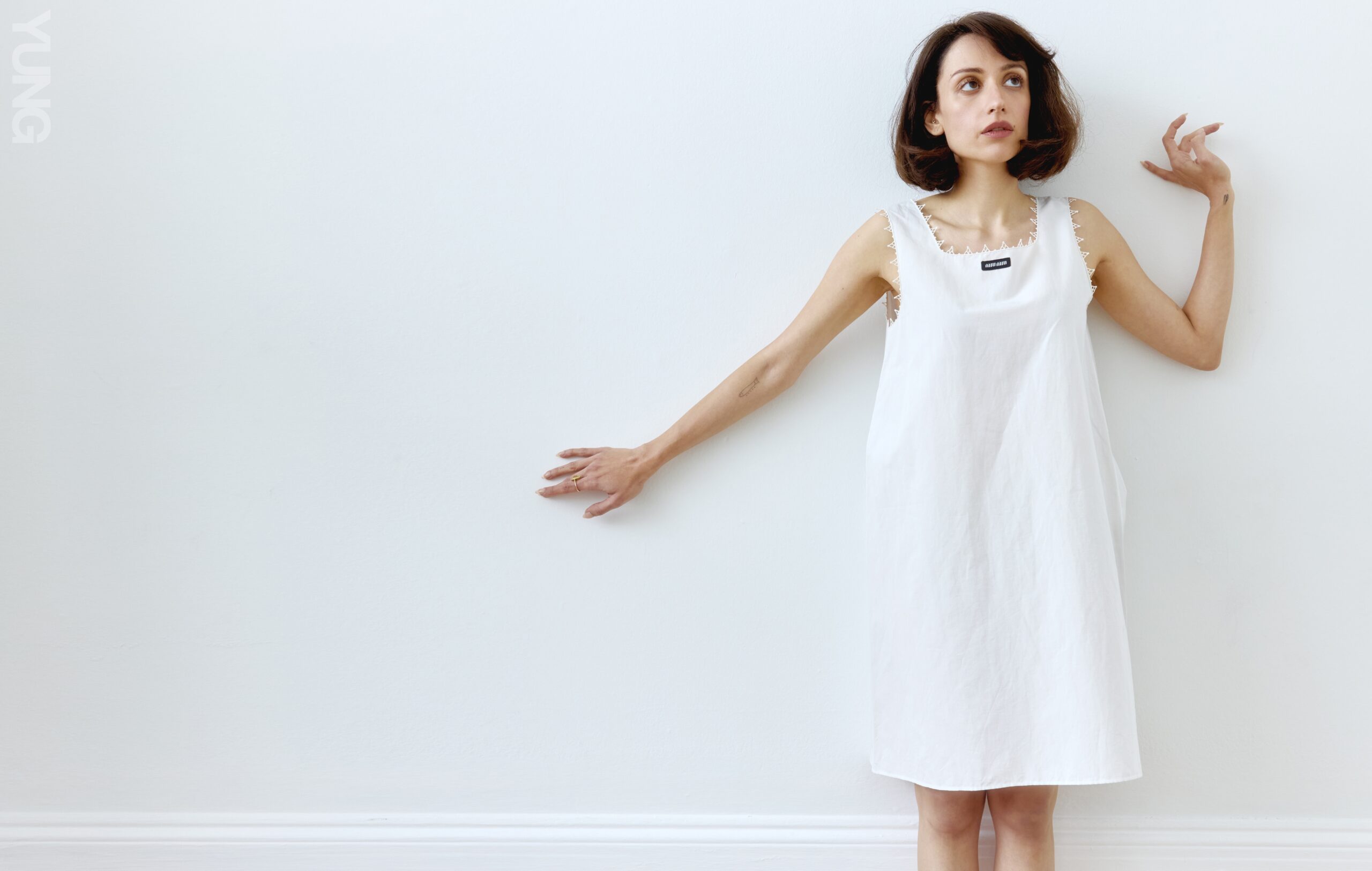
It tracks. The same person who will build a whole world around a character will also spend hours replaying the same song, or sit in a café just to be around other people, or derail a question entirely to talk about a musical she’s currently obsessed with. But nothing about it feels accidental. There’s a speed to the way she thinks, references stacking, shifting, reappearing in unexpected places. She moves easily between mythology, theatre, music, memory, pulling threads together without ever making a performance of it, while often tangling them to a point of no return. You get the sense that she’s always working something out, even mid-conversation. For now, she stays there, somewhere between places, between projects, between one thought and the next, where everything is still in motion.
For more stories of art and culture from around the region, visit our dedicated archives and follow us on Instagram.