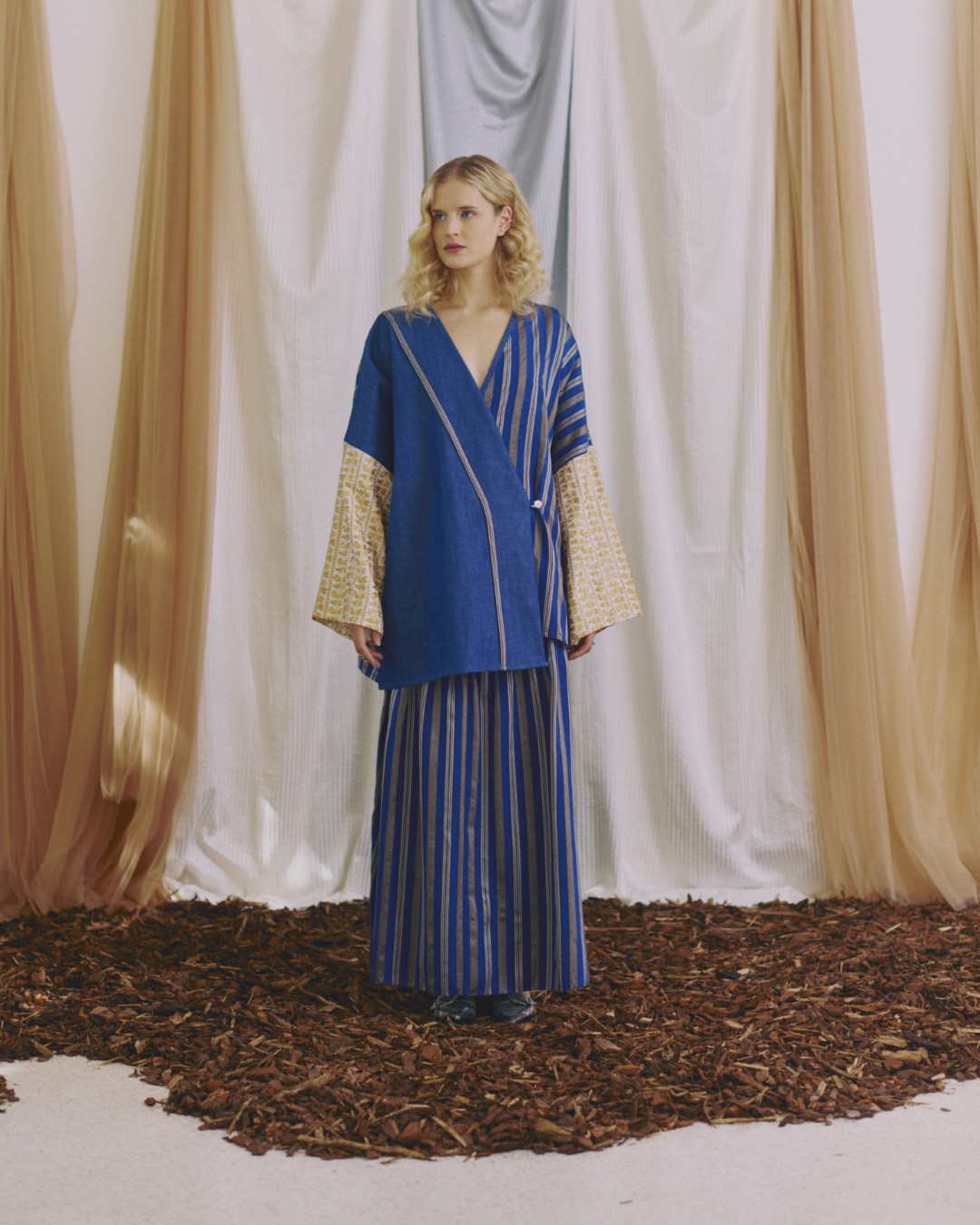
For Tala Barbotin Khalidy, craft is not a reference point; it is the foundation. The Lebanese–French designer works between Paris and Beirut, building a practice that places Middle Eastern embroidery and textile techniques at the core of contemporary fashion. Collaborating closely with local Lebanese and Syrian artisans, she creates garments that are structurally informed by heritage rather than simply decorated by it. A Parsons graduate, Barbotin Khalidy approaches clothing with conceptual clarity and technical precision. She treats embroidery as architecture, understanding where textile meets symbolism, and where tradition meets modern ready to wear pieces.

Your first inspiration came from wandering around your grandmother’s Beirut shop as a child. Can you share a memory from that space that still resonates with you today?
Hiding in baskets and draping myself in silk scarves. I was always drawn to materiality, to feeling different textures and weights of fabrics. My grandmother’s shop was this sensory world made of textiles: clothing, upholstery, accessories, vintage fabrics. That feeling of being wrapped in something precious still guides what I make.
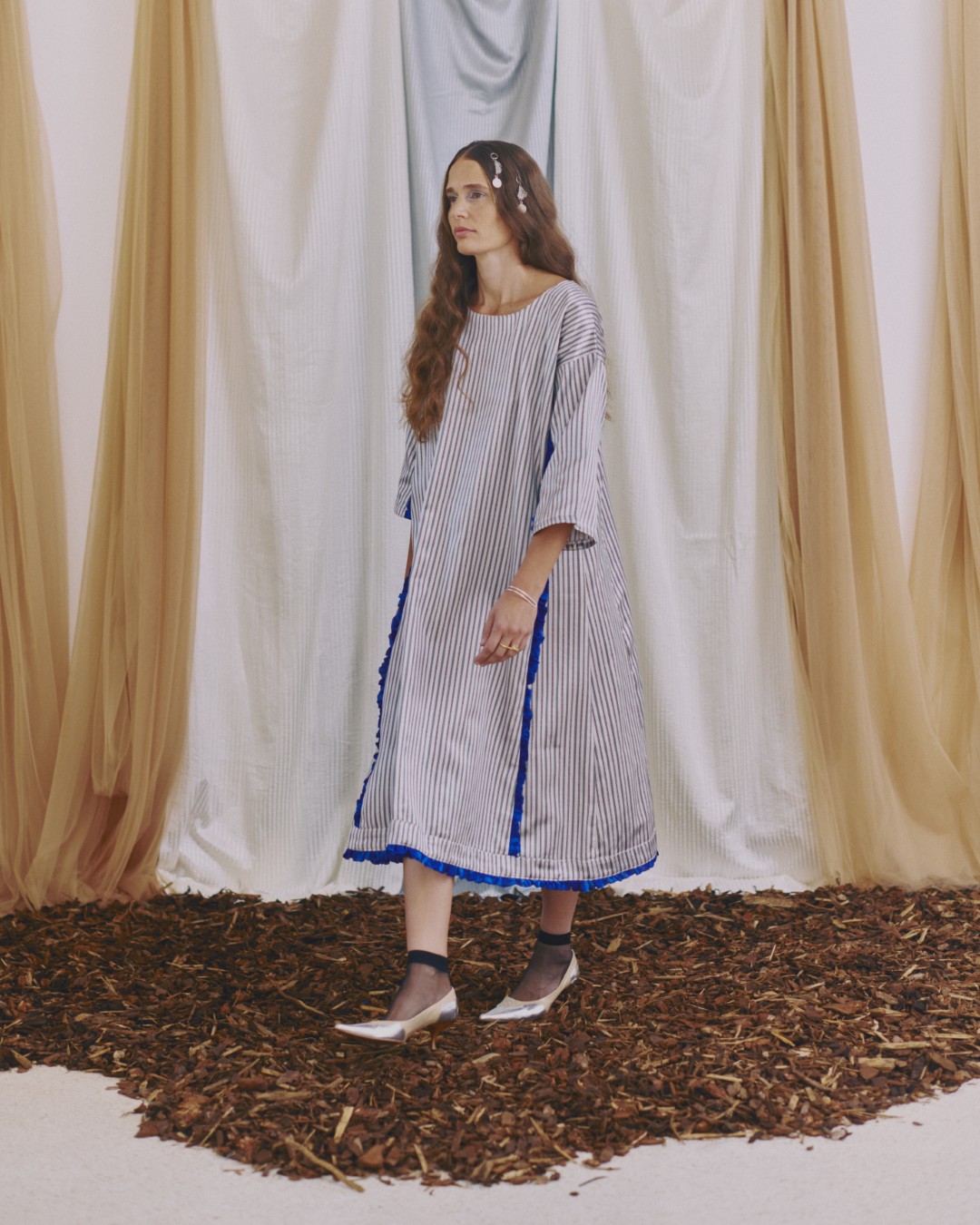
How did your grandmother’s passing influence your return to Levantine crafts and textiles during your time at Parsons?
It created urgency. Grief makes you reach for what’s tangible, and for me that meant returning to the textures and techniques I was introduced to as a child, that she was championing, and designing with. It was a way to reconnect to her, and to a creative world that partially shaped me and that she was a central figure in!
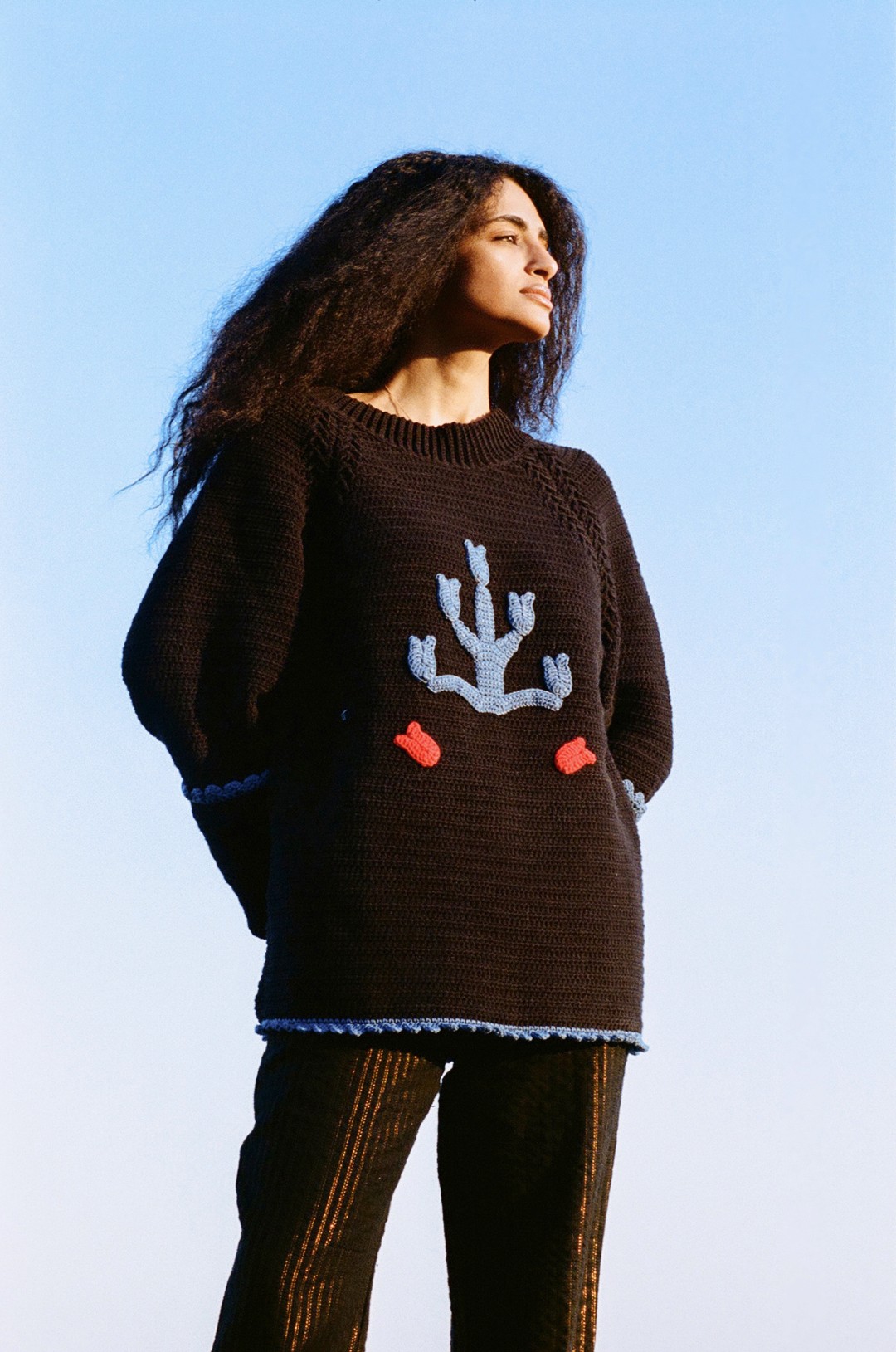
What drew you specifically to Middle Eastern embroidery techniques, and what about them spoke to you creatively?
I’d always been surrounded by them, but working in the fashion industry made me realize what was missing in the hamster wheel of constantly making new collections: intention. These techniques carry centuries of meaning in every stitch, and they demand slowness. I worked in smart textiles too, which is a convergence of textile technology, materials science, and electronics for health and wellness applications. I was interested in materiality, sustainability and all aspects of textiles, but I think we seldom look at traditional craftsmanship as a means of innovation. In a fashion system obsessed with speed and novelty, taking a closer look at an undermined wealth of cultural knowledge felt radical and honest.
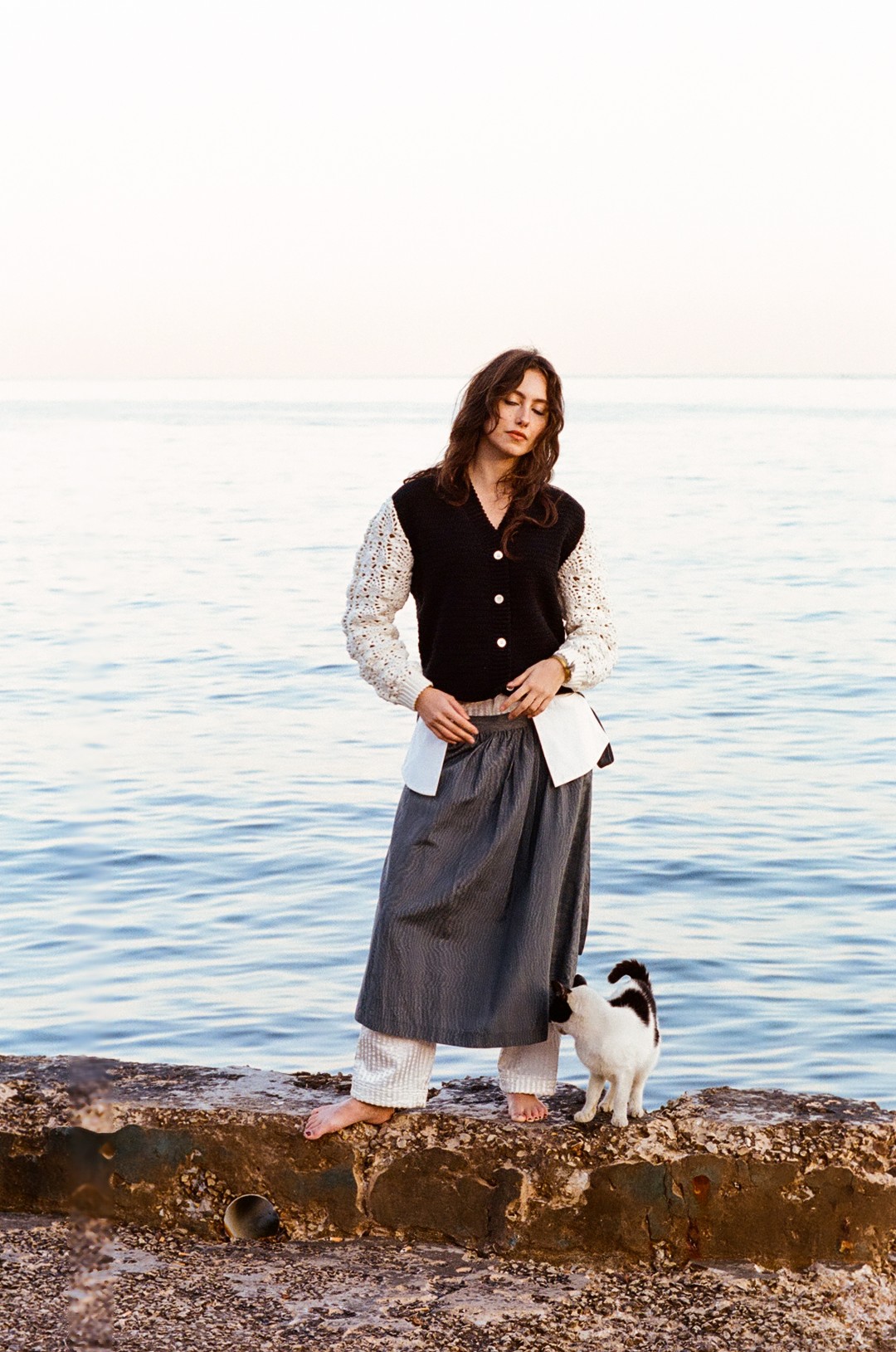
Your brand merges contemporary clothing with traditional craft. How do you balance modern design with heritage techniques?
There is a world of wisdom in how things are traditionally made. Is a craft decorative or practical? For instance, in a shirt, when the chest stretches against fabric, it creates a point of tension, so stitching an embroidery motif there reinforces the fabric. This is why we have many decorative chest panels with tatreez, on both dresses and shirts. Sometimes subversion has its place in a design, but understanding true craftsmanship allows you to make informed decisions about what to reinterpret and what to preserve.
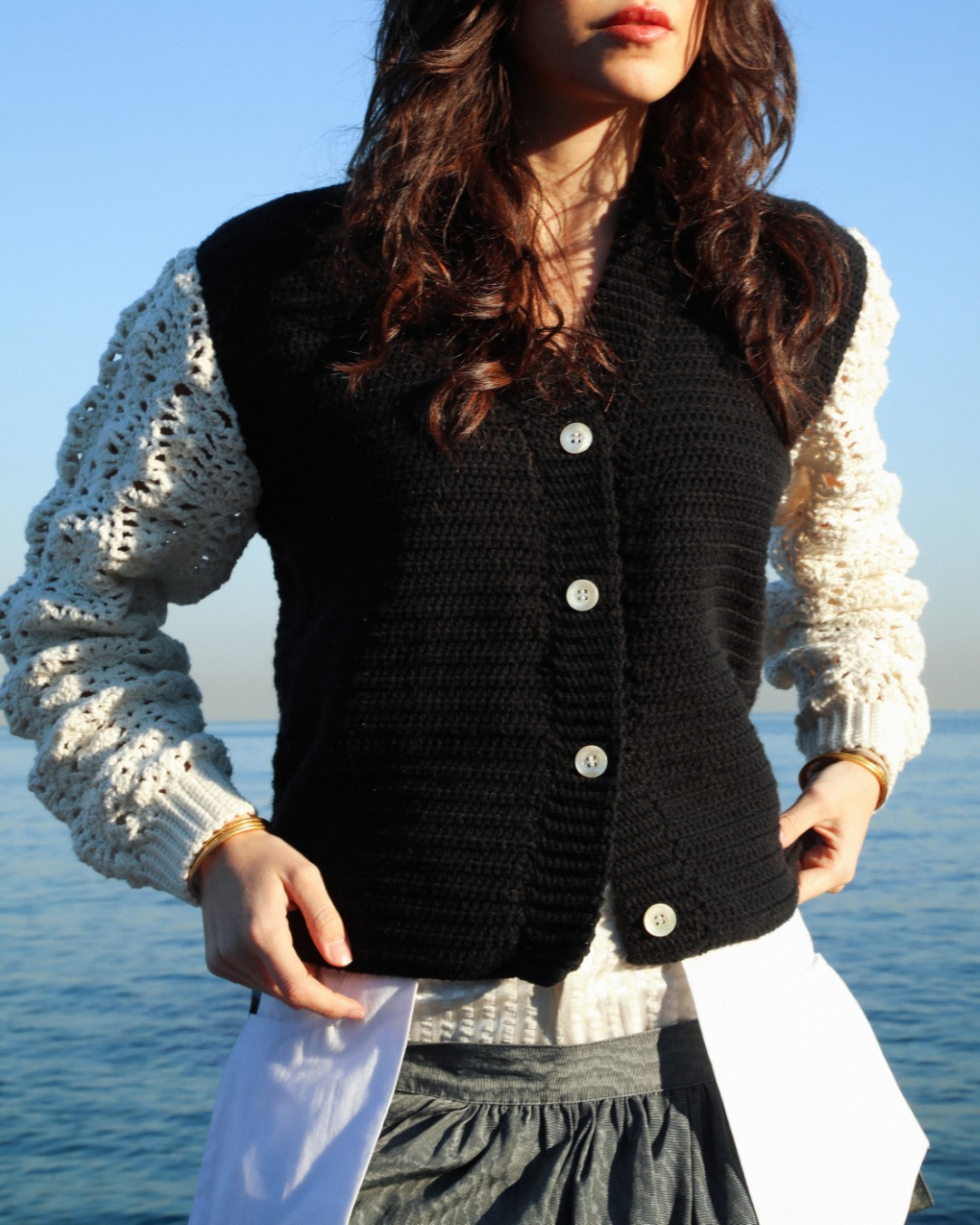
You work closely with local artisans in Lebanon. How do these collaborations shape your collections and your perspective on cultural preservation?
The artisans shape my work as much as I shape theirs. Preservation isn’t about freezing traditions. It’s about creating a context where these textile techniques can thrive, and simultaneously resonate with others. I bring designs to my artisans and they weigh in based on their technical expertise, so it’s not just an individual endeavour. The process involved in creating a contemporary ready to wear piece is informed by many aspects: concept, technicality, stitching, silhouette, and in my case, specialised textiles. When you pay someone fairly for mastery that took decades to develop, you’re not “saving” a craft. You’re participating in its future.
For more stories of art and culture, visit our dedicated archives and follow us on Instagram.