
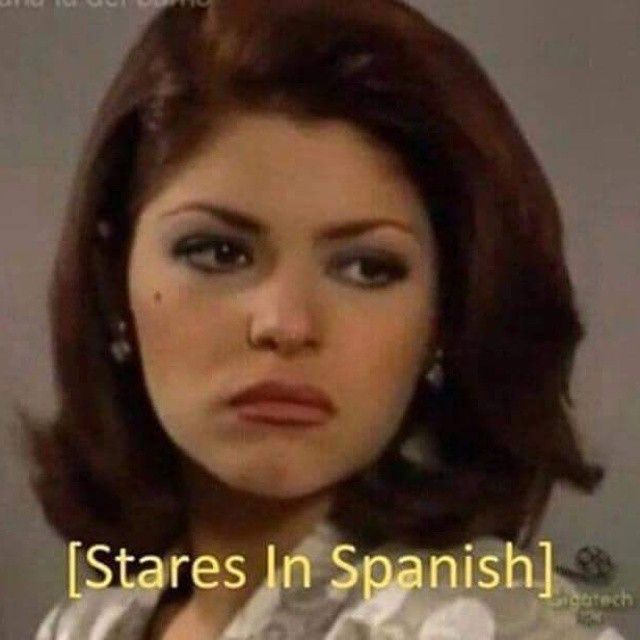
There’s a moment that has become strangely familiar. You say something simple, almost automatic, like “hi” or “thank you,” and instead of the expected reply, you’re met with a face that gives nothing back.
I’m technically part of the generation accused of this, and yet my instinct in these situations is to do the opposite. If anything, I start talking more, as if I can fill the silence before it has time to settle.
No nod, no smile, no polite echo. Just a steady, neutral look. It lasts a second too long to ignore, but not long enough to call out. For a brief moment, you wonder if you’ve said something wrong. Or worse, something deeply uninteresting.
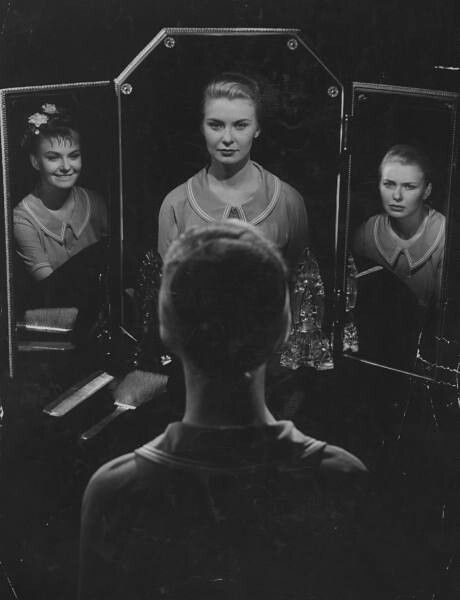
It now has a name. The “Gen Z stare” has been circulating online for months, a shorthand for this particular kind of non-response that seems to appear in cafés, shops, offices, and increasingly, everywhere else. The term is slightly dramatic, but the feeling it describes is precise. You expect a small exchange. You get what feels like a very quiet evaluation.
Part of what makes it so noticeable is how minor the interaction is supposed to be. These are not big moments. No one is asking for a speech. Just a soft acknowledgement, the social equivalent of a nod in passing. When that disappears, the absence feels oddly loud.
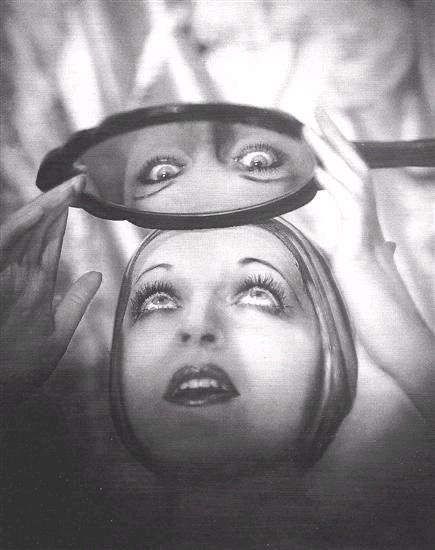
Online, the interpretations vary. Some read it as a social slip, evidence of a generation less interested in the rituals of politeness. Others see something more intentional, a quiet refusal to engage in exchanges that feel automatic. The stare becomes a kind of filter. If the interaction doesn’t pass a certain threshold, it simply doesn’t get a response. A conversational quality control system, if you will.
There is also the question of timing. A pause that might once have gone unnoticed now feels like a decision. In a culture that runs on instant replies, even a second of silence carries weight. It can feel like distance, or indifference, or someone taking a moment to decide how much energy you’re worth. Not in a cruel way, just in a very efficient one.
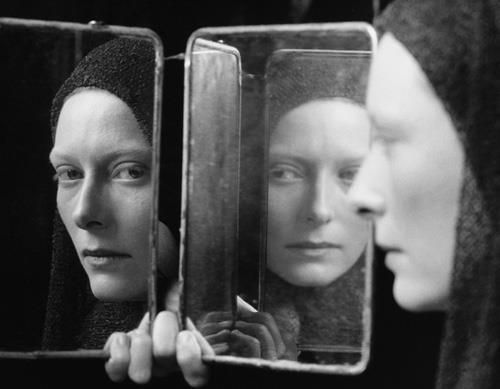
What’s interesting is how closely this aligns with a broader shift in how people present themselves. The pressure to be visibly engaged all the time has softened. Across fashion and culture, there’s a preference for a cooler, flatter kind of expression. Faces that reveal less. Reactions that aren’t immediately offered. A general sense that not everything requires a response.
Seen through that lens, the blank stare starts to read differently. It isn’t always awkwardness. Sometimes it’s selectivity. A way of deciding, in real time, what deserves a reaction and what can quietly pass. The interaction still happens, just with slightly stricter terms.
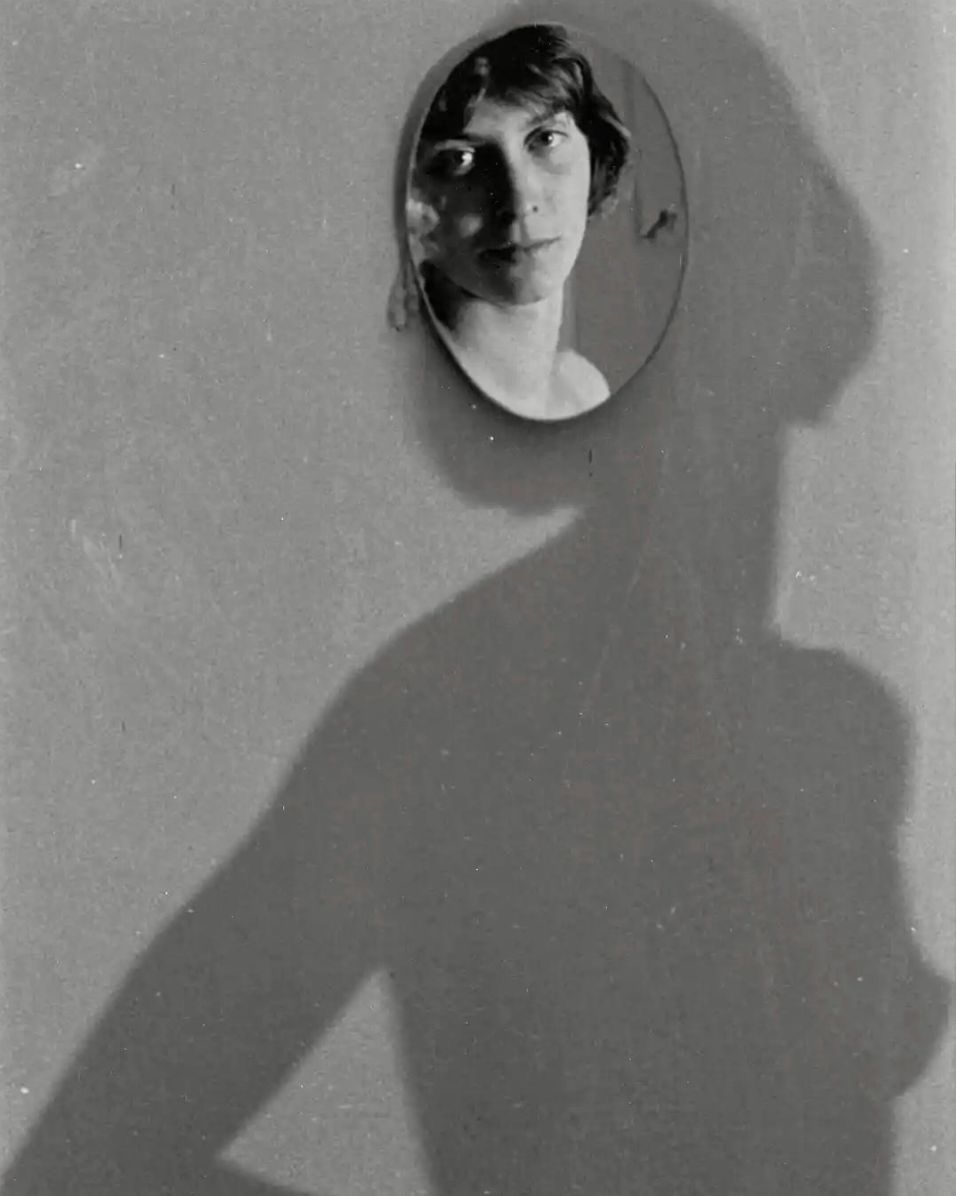
Of course, it remains a little disarming. The scripts we rely on tend to be invisible until they stop working. When they do, even briefly, it throws everything off. You’re left holding your “thank you” in mid-air, waiting for it to land somewhere.
And then, eventually, it does. Just not always where you expected.
For more stories of culture from across the region and further afield, visit our dedicated archives.