Milan Design Week just closed, and across the city, Arab and Middle Eastern creatives shaped the programme in ways that registered structurally. The shift was visible in where the work was placed, how it was framed, and who was doing the framing.
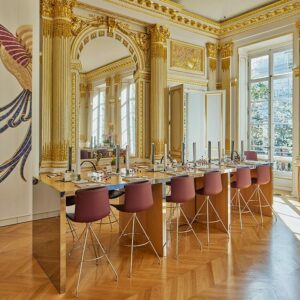
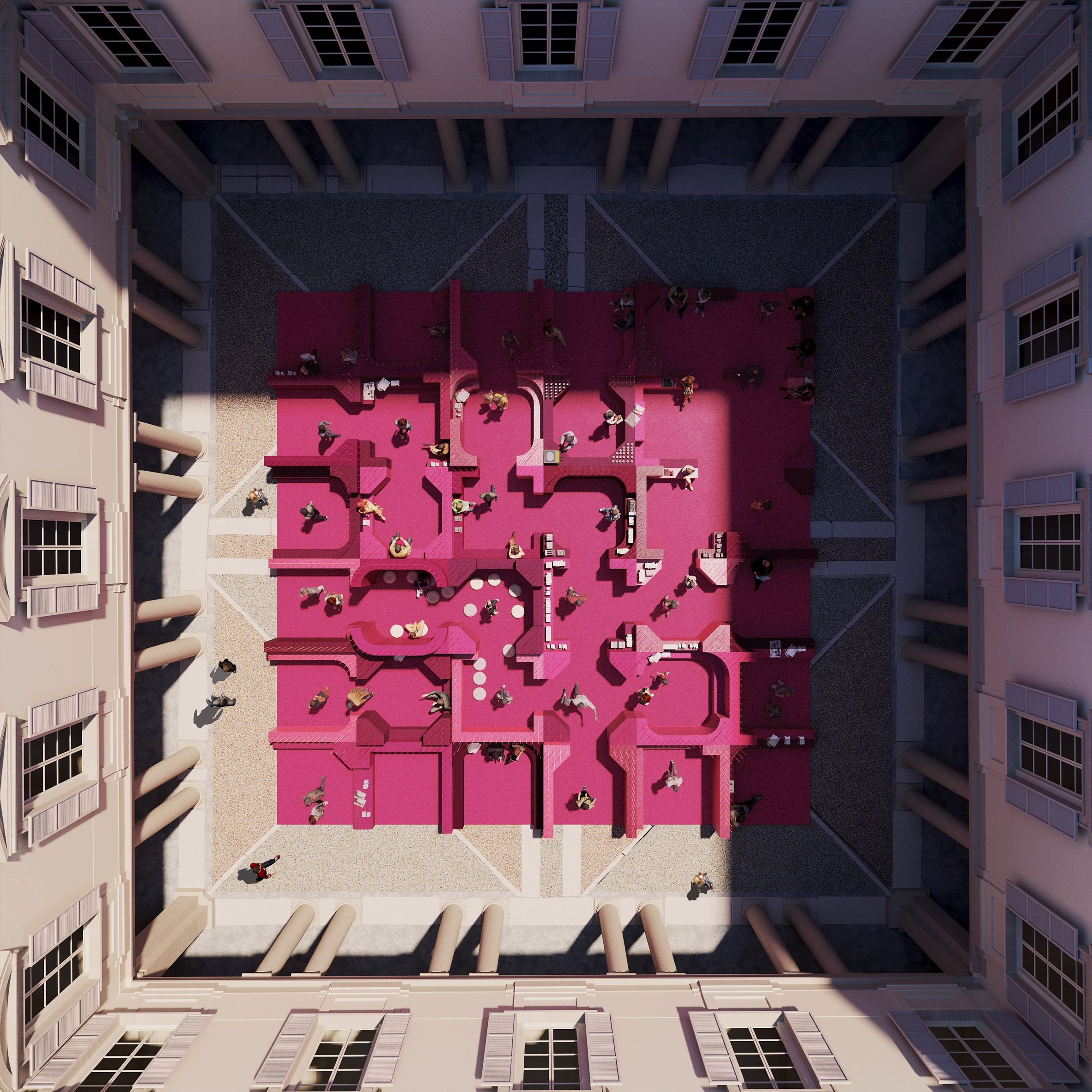
At the Pinacoteca di Brera, Jusoor Design Collections brought together designers from across the Arab world under a single platform. The name translates to “bridges,” and the concept focused on connecting regional practices with the global design circuit on their own terms. The project was supported by partners including Iwan Maktabi, whose work with Levantine textile traditions anchors the presentation in material history.
Jusoor sat inside one of Milan’s most visited districts. The placement matters. It signals a move away from one-off participation toward a more deliberate presence organised from within the region itself.
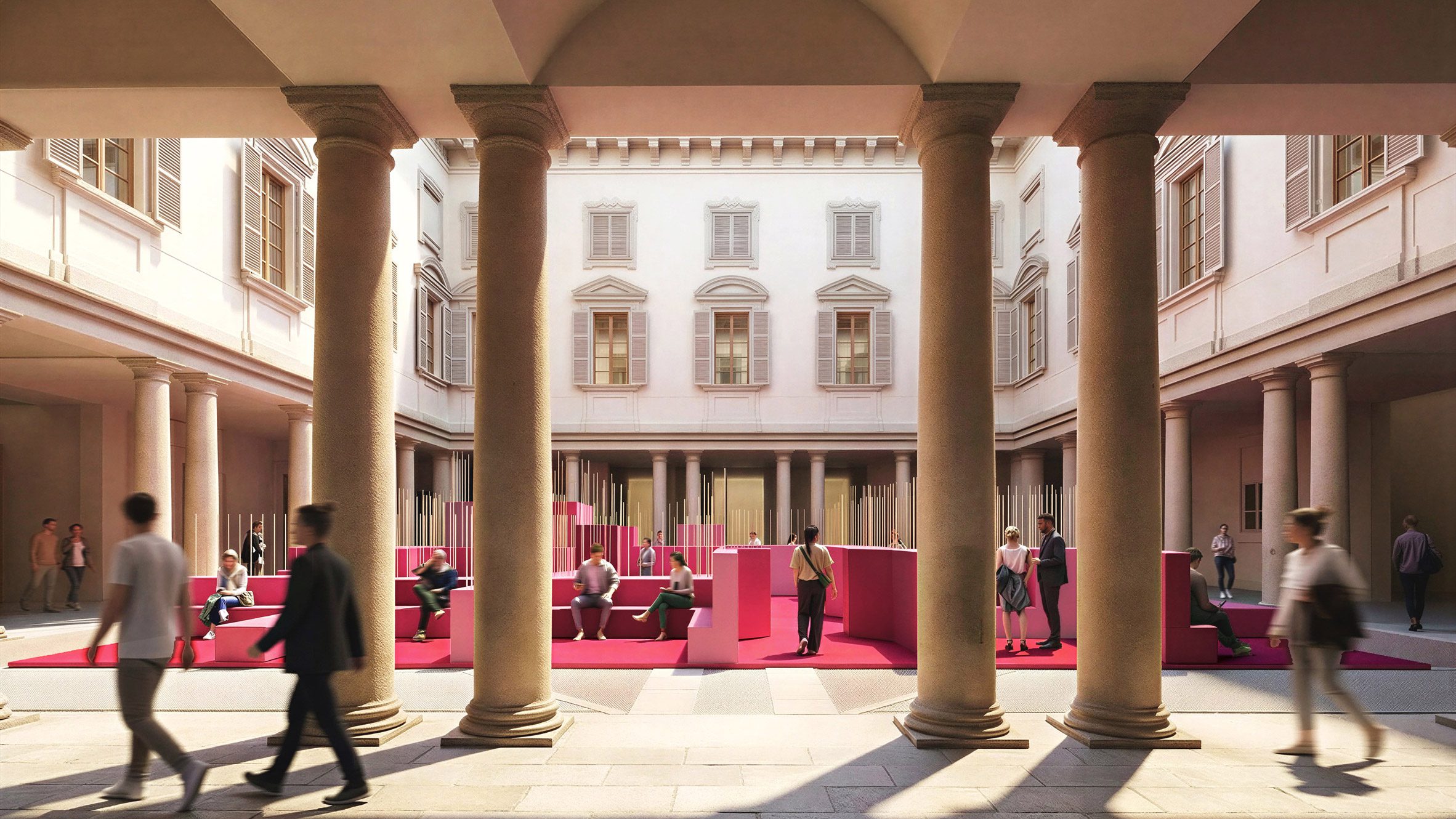
Elsewhere in the city, Lebanese architect Lina Ghotmeh presented an installation at Palazzo Litta, as part of the MoscaPartners programme. The space is known for large-scale architectural interventions, and Ghotmeh’s contribution placed her work within a central stream of the week’s exhibitions.
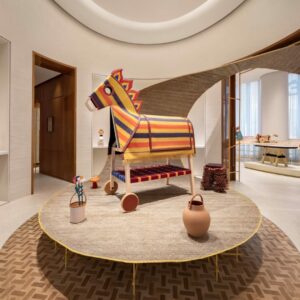
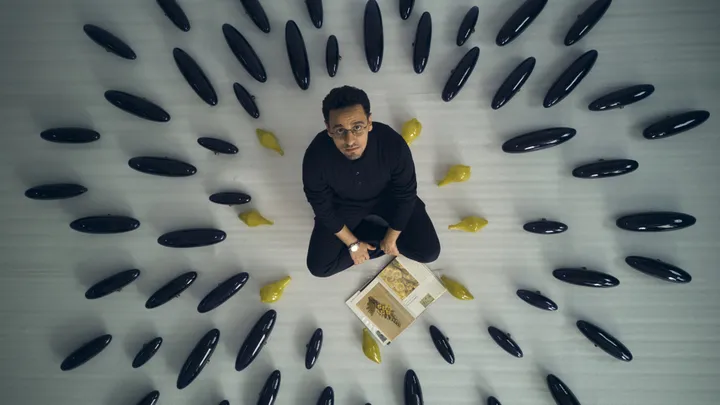
At 5VIE, Lebanese designer Richard Yasmine presented a collection of sculptural lighting pieces built around fragments of the body. The project translated sensory elements into objects through a combination of wood marquetry, leather, embroidery, glass, metal, and rattan, each piece functioning as a light source.
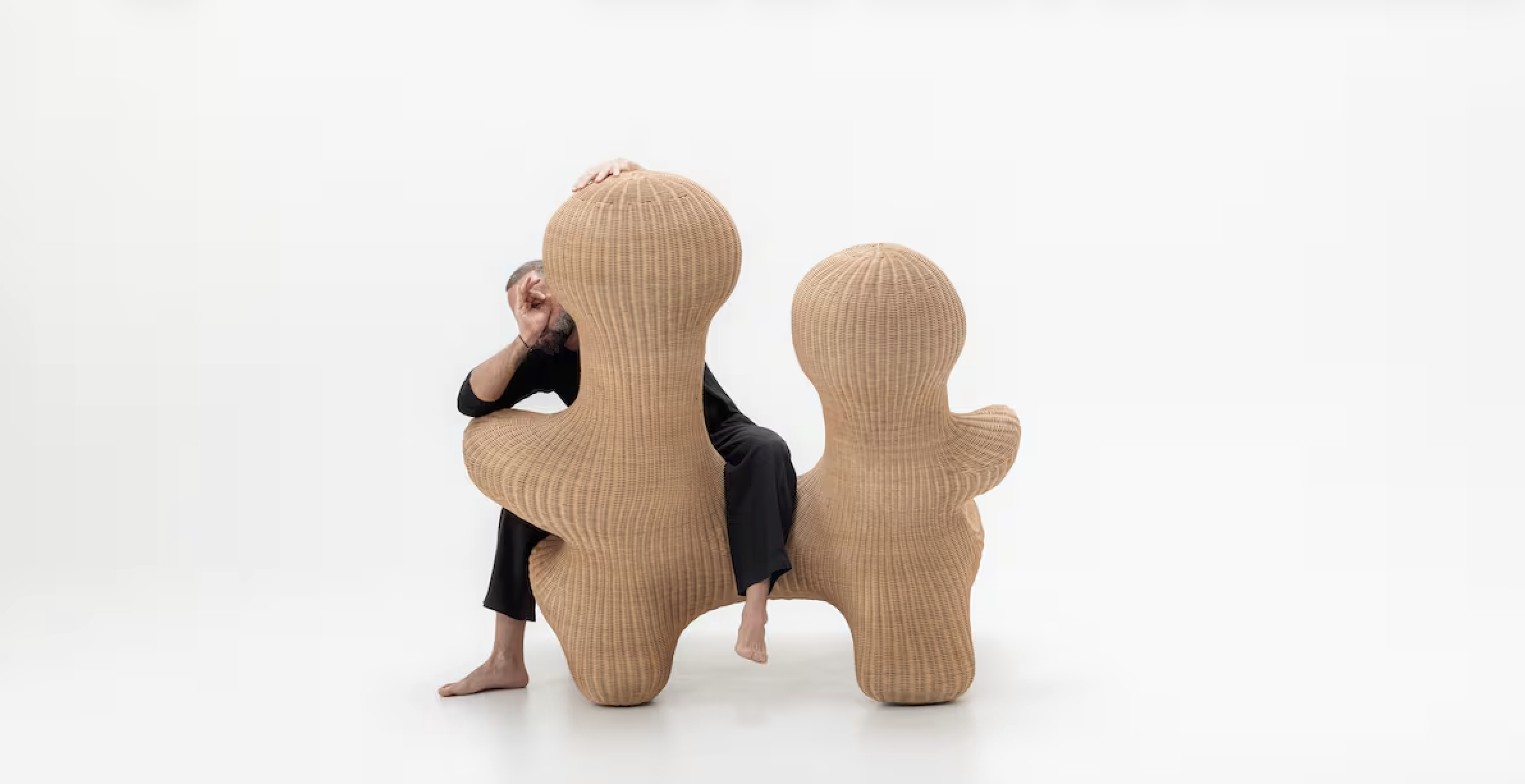
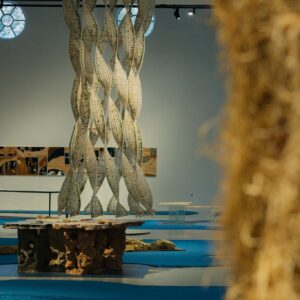
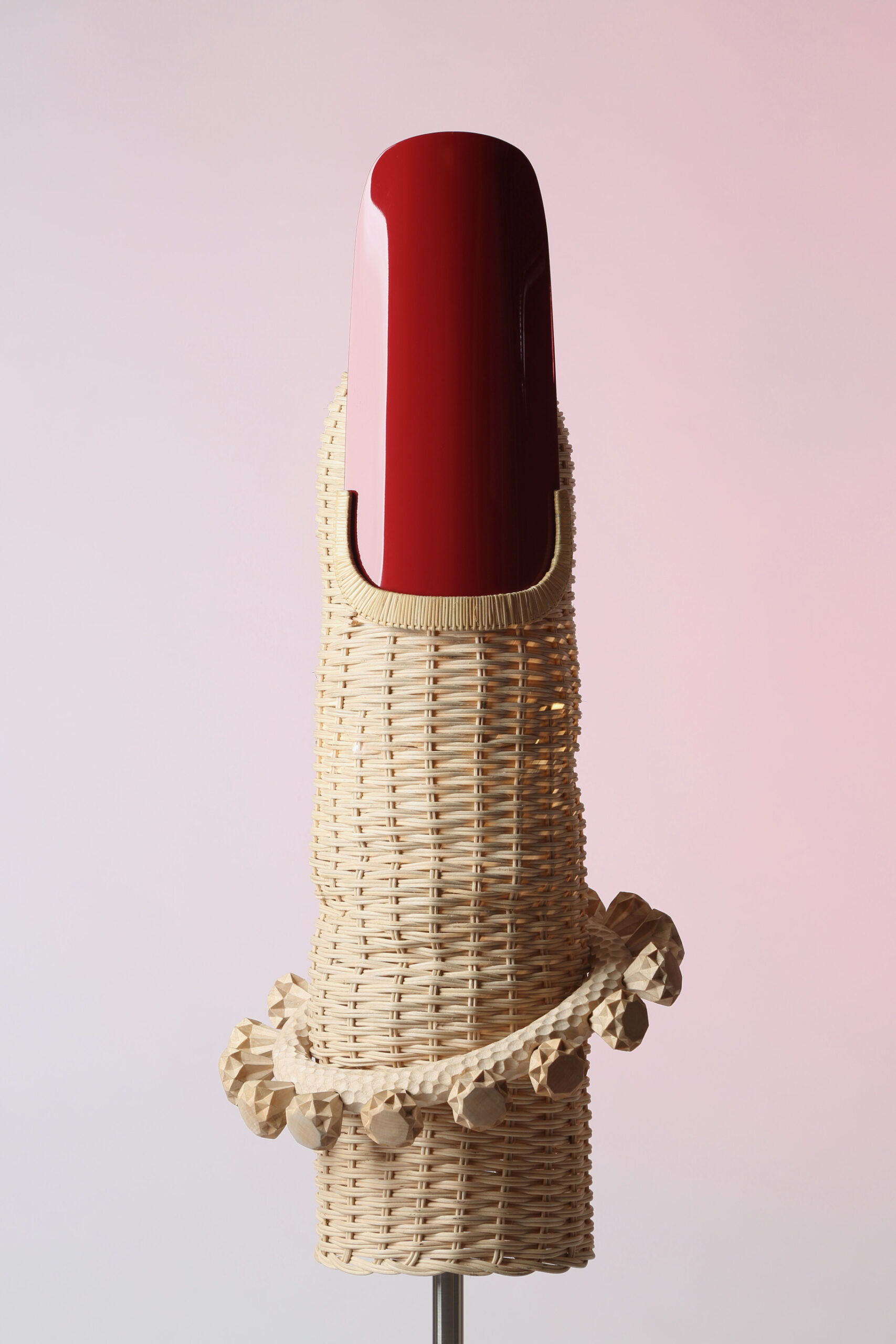
At Galleria Rossana Orlandi, Atelier L’inconnu, founded by Lebanese designer Fadi Yachoui, the first Lebanese studio to win the Créateurs Design Award, presented La Volupté: Unfolding as part of RoCollectible. The collection developed from an earlier body of work first shown in Beirut, where it was symbolically “cut” into fragments, and it appeared in Milan as a series of limited-edition pieces. Working with resin and hand-woven rattan, the studio draws on Lebanese wicker weaving, a craft that continues through these forms. The five works move through ideas of the body, tension, and transformation, extending a trajectory that began in Beirut and took shape within one of Milan’s most established design spaces.
Beyond these anchor moments, designers from Lebanon, Palestine, Egypt, Saudi Arabia, and Iran were included across group exhibitions and independent presentations. Many of the practices shown this year move between cities, carrying references that sit between craft traditions and contemporary production. Their work engages with inherited techniques, domestic objects, and materials that carry specific cultural weight.
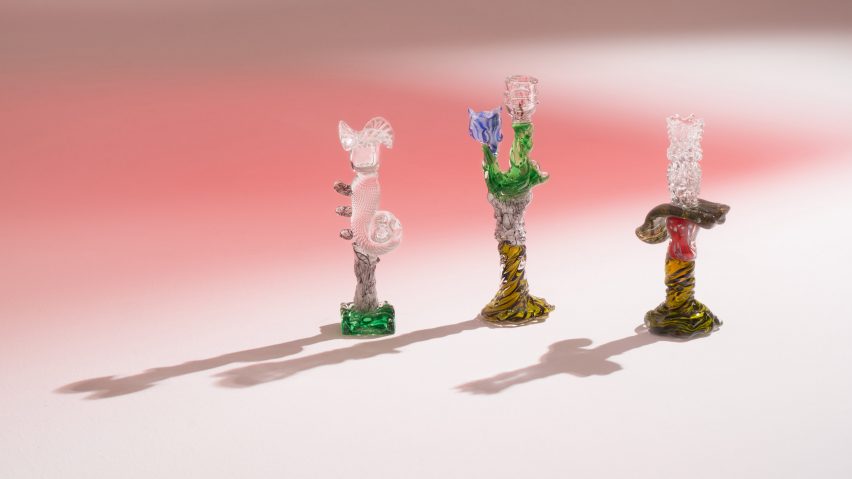
What became apparent when moving through the programme is how frequently these designers appeared within broader thematic exhibitions. Material-focused shows, collectible design platforms, and experimental installations included voices from the region as part of a wider conversation. Their work sat within these exhibitions without being isolated or framed through geography alone.
Milan Design Week’s 2026 theme, “Be the Project,” centred on process, authorship, and the relationship between maker and material. Many of the designers working between the Middle East and Europe already operate through these questions. Their work holds together multiple contexts at once, shaped by movement between places and by a close relationship to material knowledge.
The presence came from inside the programme. Platforms like Jusoor provided structure. Institutional venues such as Palazzo Litta offered visibility. Group exhibitions brought these practices into shared themes.
Walking through Milan, the question shifts slightly. It became less about who is being included, and more about who is building the frameworks through which design is seen.
For more stories of art and culture, visit our dedicated archives and follow us on Instagram.