Luxury campaigns have spent years making the image look impossible to touch: polished skin, polished rooms, polished objects, everything lit to a finish. Recently, some of the most interesting campaigns have gone in the opposite direction. A painted line appears where a render could have been. A city is introduced through animation before the clothes arrive. A heritage film is built from thousands of hand-painted frames. A Prada photograph is held inside another photograph, as if the campaign itself has become an object. For a category obsessed with touch, this makes sense.
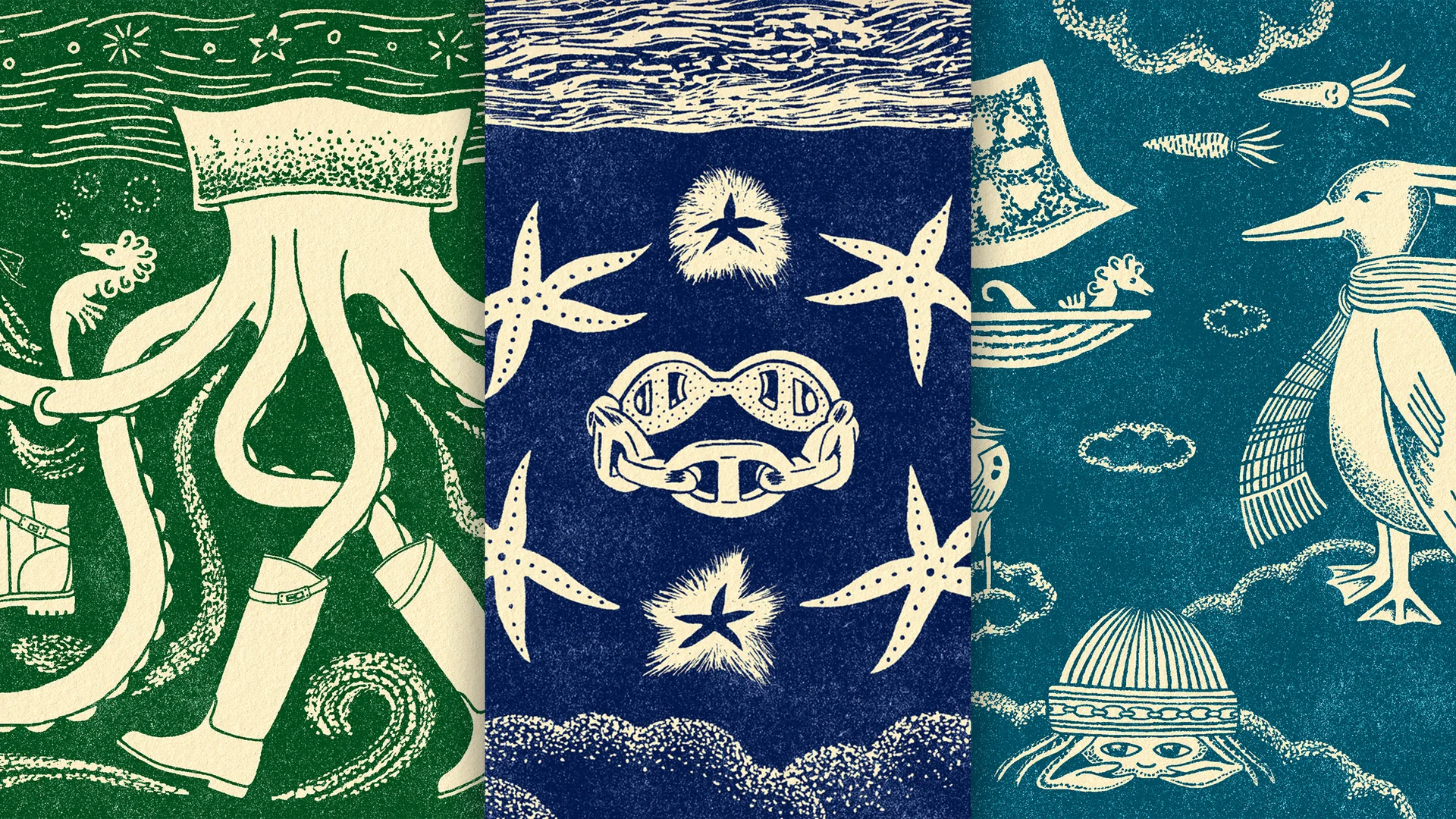
When it comes to luxury campaigns, Hermès is the obvious house to start with because Linda Merad is not an anomaly. Illustration already sits deep inside the maison’s language, from silk scarves to windows and printed ephemera. Merad first worked with Hermès in 2025 on illustrated Instagram stories; in January 2026, that collaboration grew into “Venture Beyond”, with hand-drawn banners and twelve illustrated homepage icons appearing across the Hermès website. Sea creatures drift around jewellery, bags and tableware. Paper texture remains visible. The product pages keep their commercial function, but the entrance feels closer to an artist’s folio than a luxury homepage.
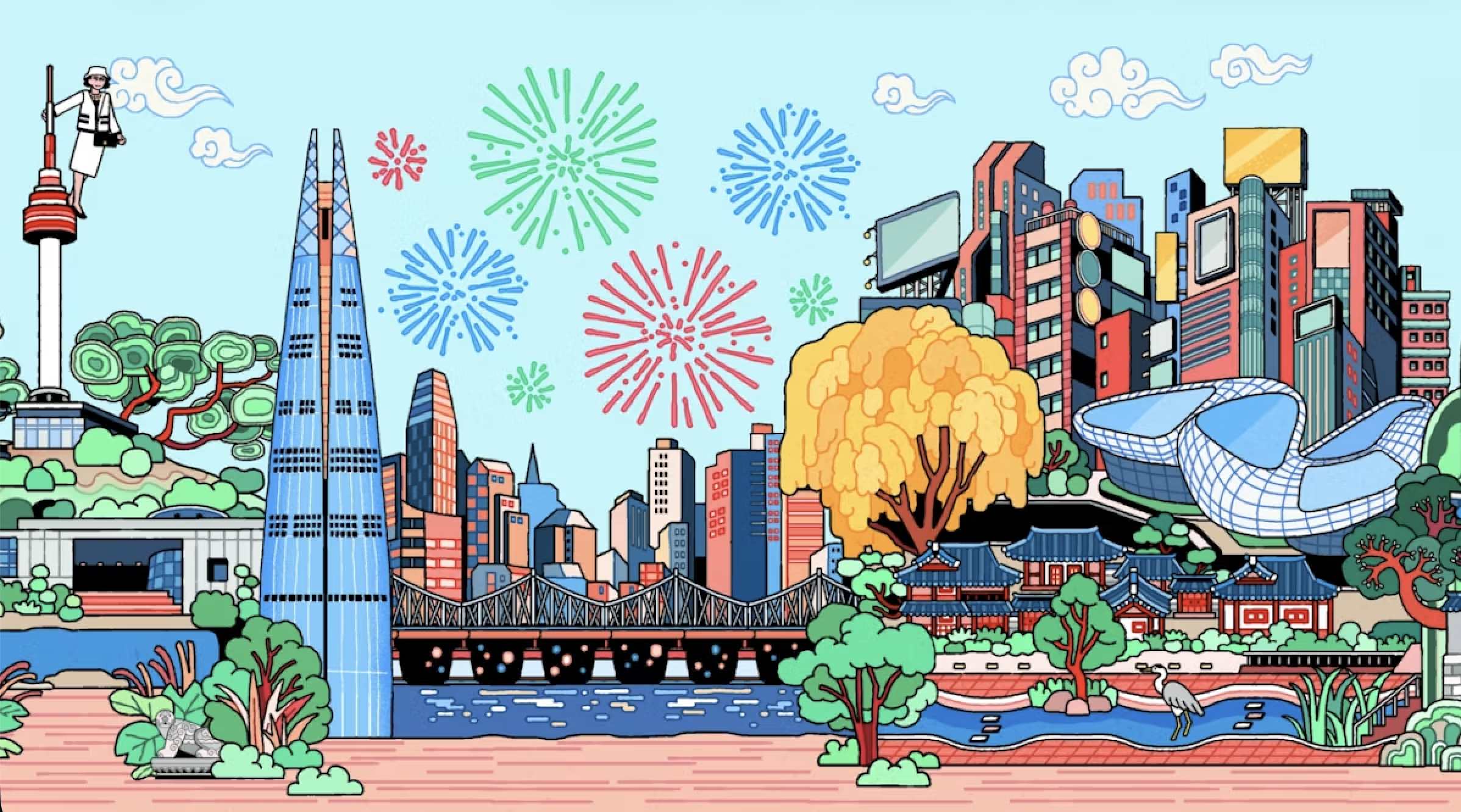
Chanel’s Métiers d’art 2026 Seoul teaser, illustrated by Jisu Choi, uses drawing in a different way. The animation introduced the collection’s Seoul presentation at Centre Pompidou Hanwha through a panoramic portrait of the city. The clothes are almost secondary to the weather of the image: buildings, movement, density, anticipation. For a Métiers d’art collection, that choice is clever without announcing itself as clever. The show is built around specialised craft; the campaign begins with another kind of craft, one that prepares the eye before the first look appears.
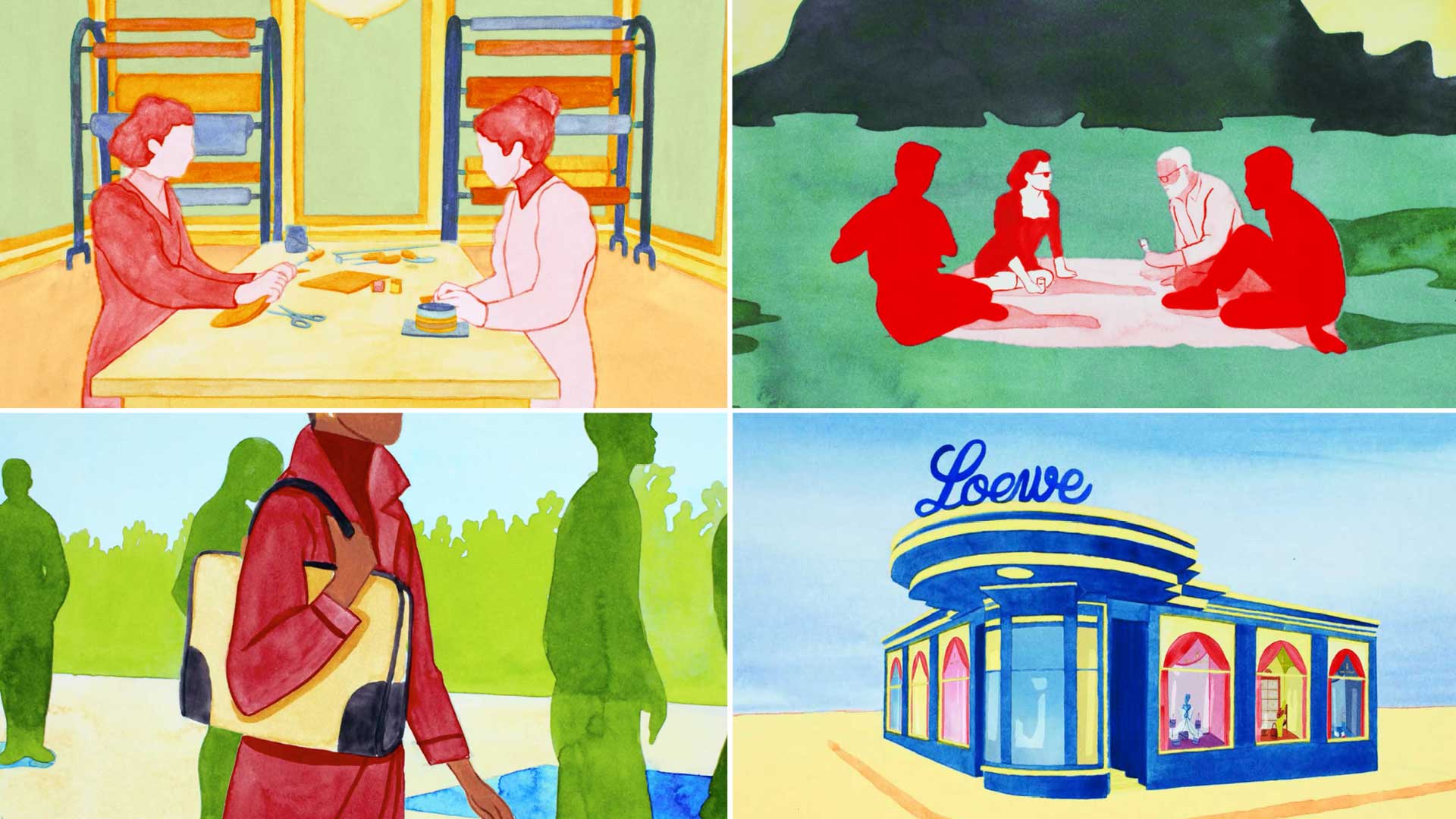
Loewe’s 180th anniversary film is the most literal celebration of labour. Working with artist Joanna Blémont, director Isabel Garrett and Blinkink created a hand-painted animation made from around 2,000 frames. The film traces the house from its Madrid leather workshop through almost two centuries of making, with Antonio Banderas narrating the story. The risk with any anniversary campaign is that it becomes a museum caption with a media budget. Here, the technique keeps the history from going stiff. Acrylic, oil stick, watercolour paper: the materials matter because Loewe’s own story is a materials story.
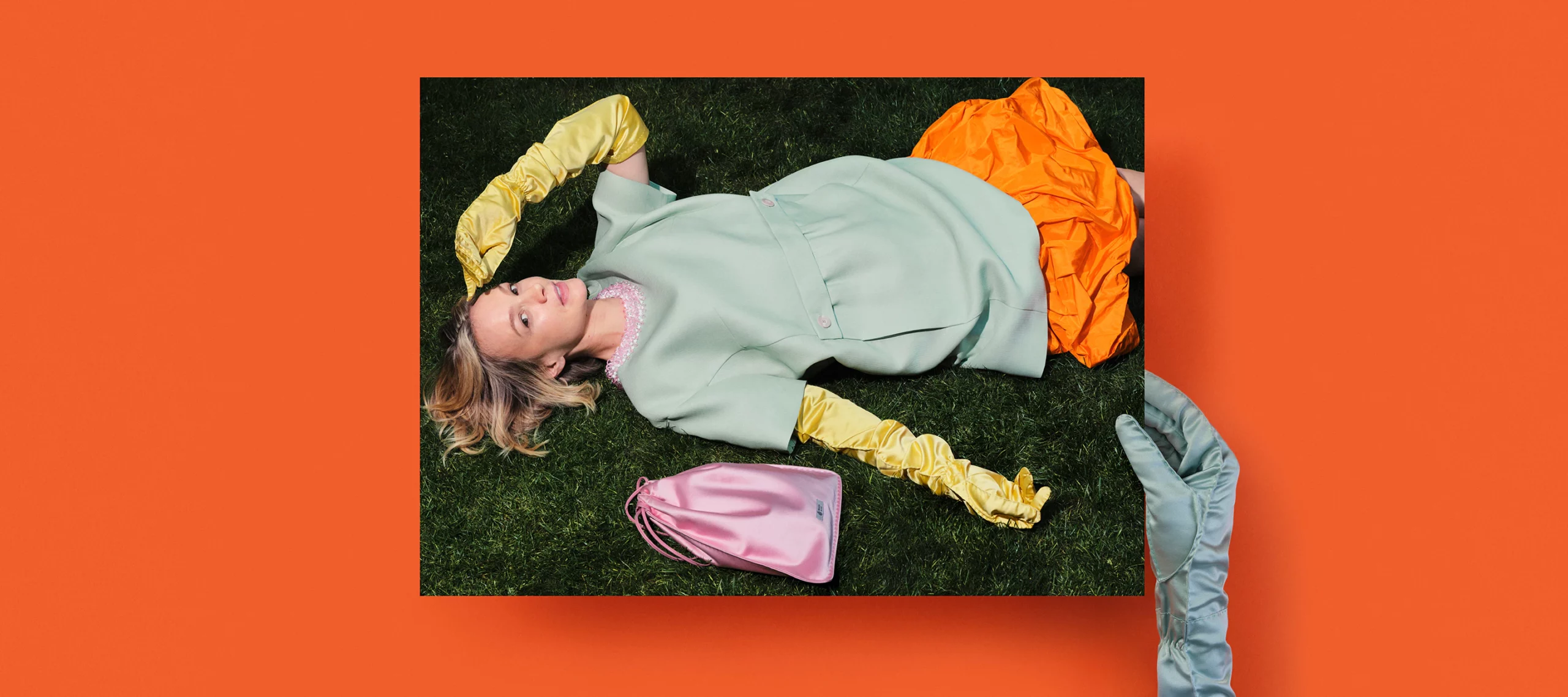
Prada’s Spring/Summer 2026 campaign, made with an intervention by American artist Anne Collier and images by Oliver Hadlee Pearch, is cooler and more analytical. In the campaign, printed photographs of the collection are held within the frame, turning the ad into an object being presented, touched and examined. Prada has always enjoyed making fashion look slightly suspicious of itself. Here, the image refuses to stay flat. It becomes a thing passed between hands, which is a useful provocation when most campaign images arrive already cropped for the feed.
Each of these luxury campaigns uses the artist differently. Hermès builds a product world. Chanel draws a city before a show. Loewe paints its own history. Prada makes the photograph physical again. The link between them is luxury is trying to make the image feel made.
AI has made polish easy. It can produce the imaginary room, the expensive light, the flawless surface, the fantasy campaign before a set has been built or a model has arrived. That may suit brands whose value depends on speed. Luxury has a different problem. It still needs the customer to believe that time leaves a mark.
The best of these luxury campaigns allow the artist to alter the brand’s temperature. In a visual culture filling up with frictionless images, the mark of a hand has started to look newly expensive.
For more stories of fashion, visit our dedicated archives and follow us on Instagram.