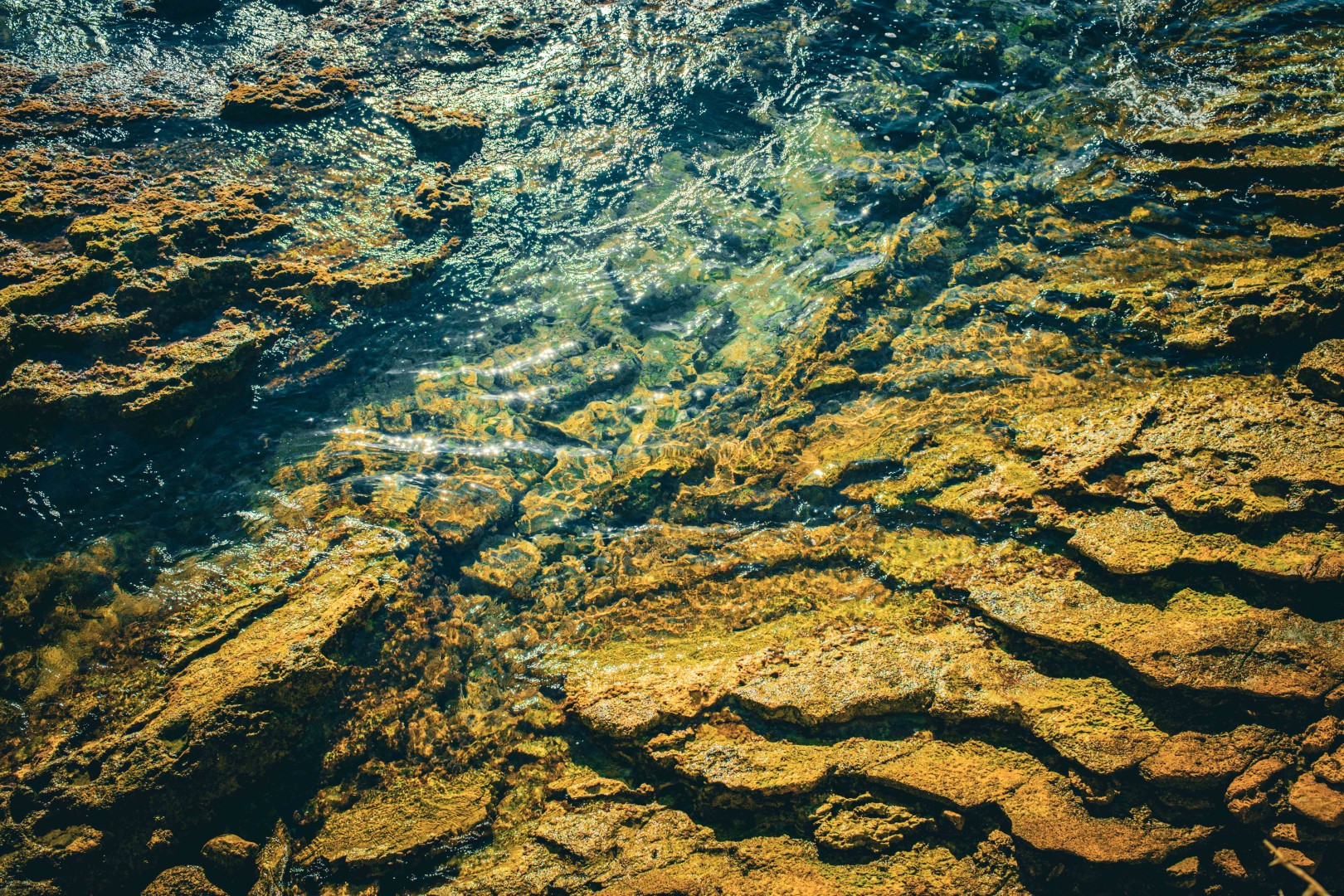
In a culture shaped by constant movement, endless scrolling and fleeting attention spans, Nadim Nassar’s latest exhibition asks something increasingly rare of its audience: to slow down.
Opening at Blue Rose Gallery in Beirut from July 2 to July 6, In Absentia unfolds as a meditation on memory, perception and the traces left behind after a moment has passed. Through a series of atmospheric photographic works, Nassar explores the delicate territory between presence and disappearance, inviting viewers to look beyond what is immediately visible.
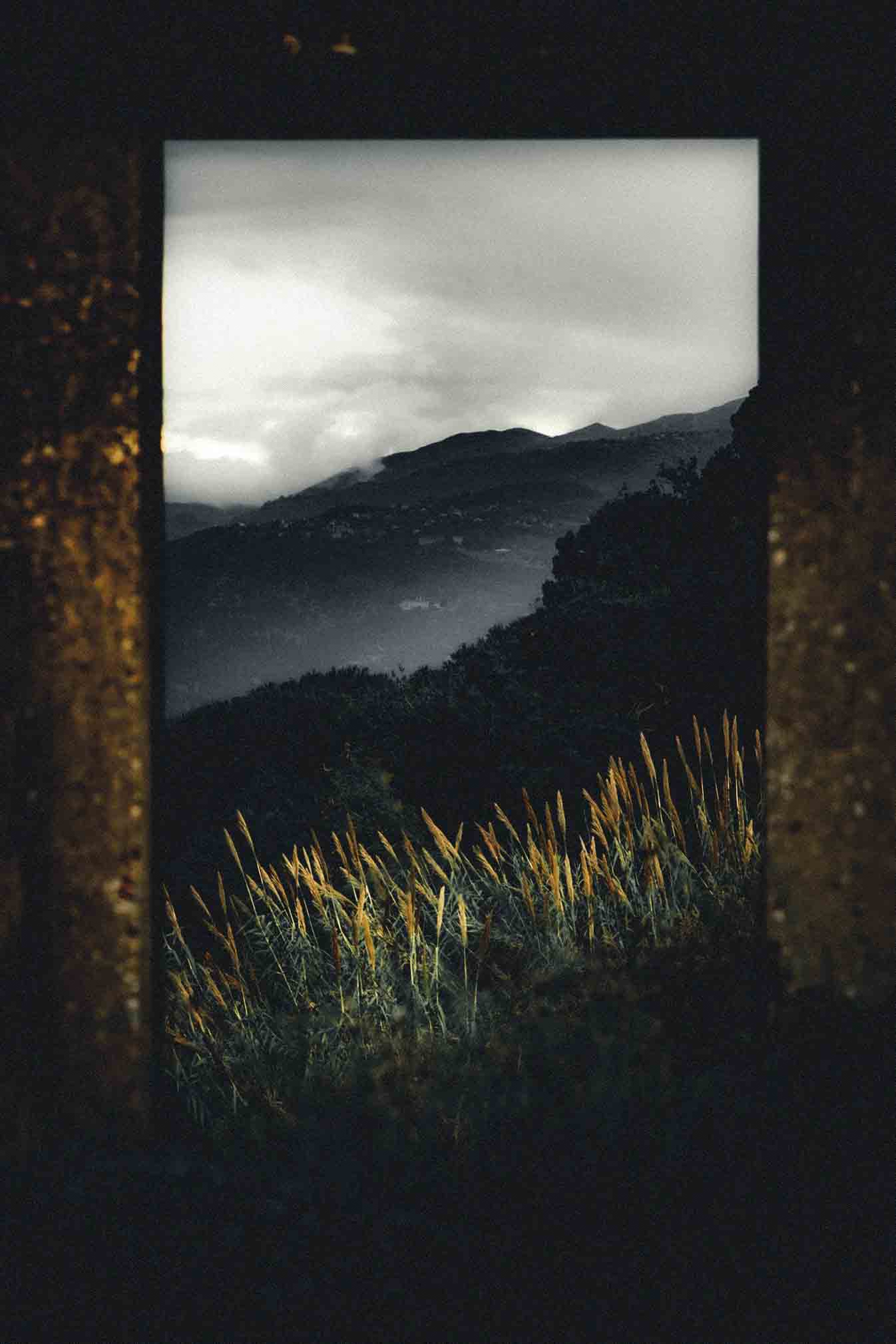
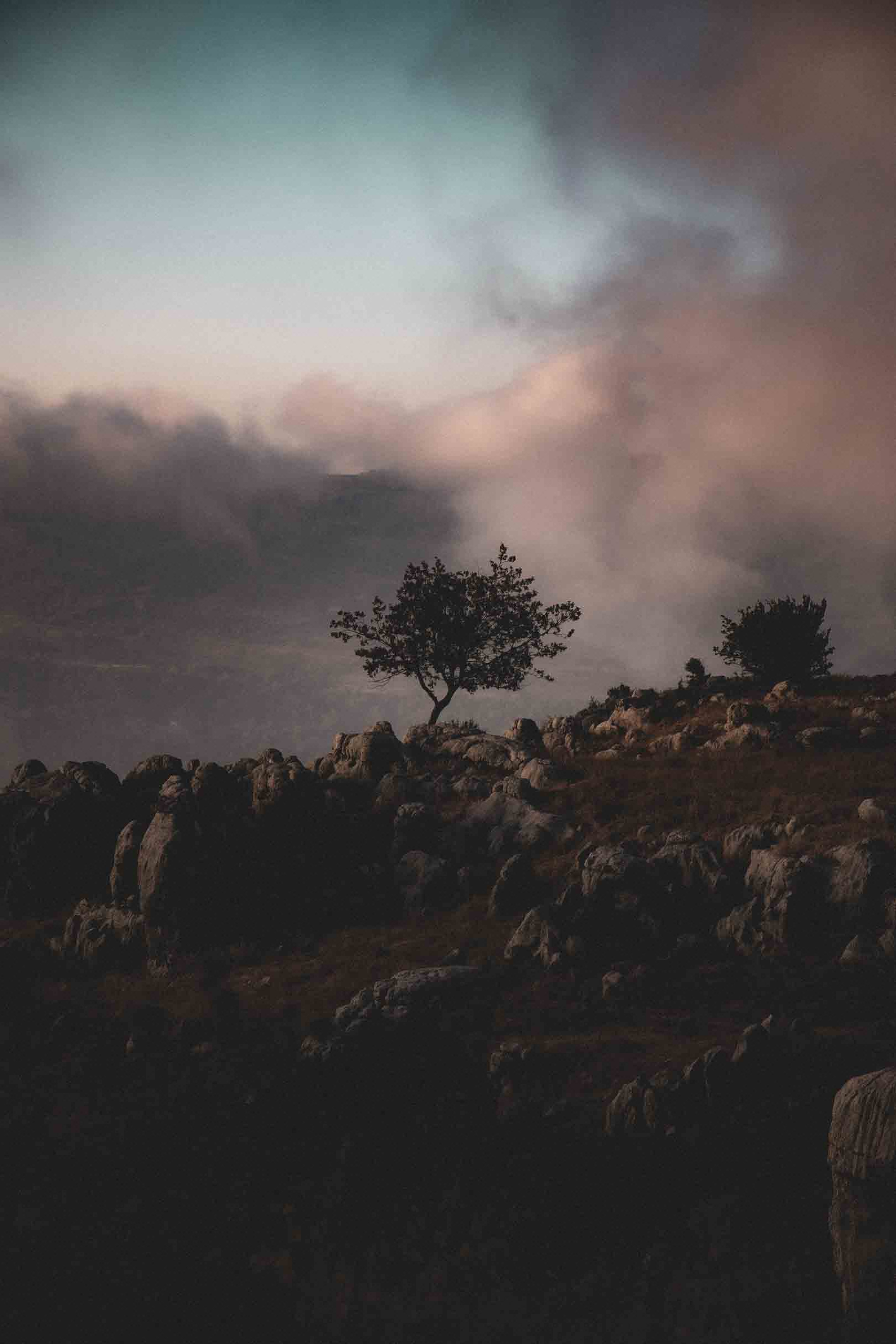
The exhibition’s title hints at its central tension. Absence, here, is not presented as emptiness or loss. Instead, it becomes something tangible: a lingering impression, a fragment of memory, or the emotional residue of an experience that refuses to disappear entirely.
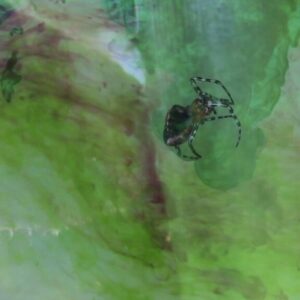
Across the exhibition, landscapes, coastlines, forests and bodies of water emerge through shifting light, blurred movement and dreamlike compositions. Works such as The Grass Was Greener, The Light Was Brighter and The Taste Was Sweeter evoke the way memory reshapes reality, transforming ordinary moments into something heightened, distant and almost impossible to grasp.
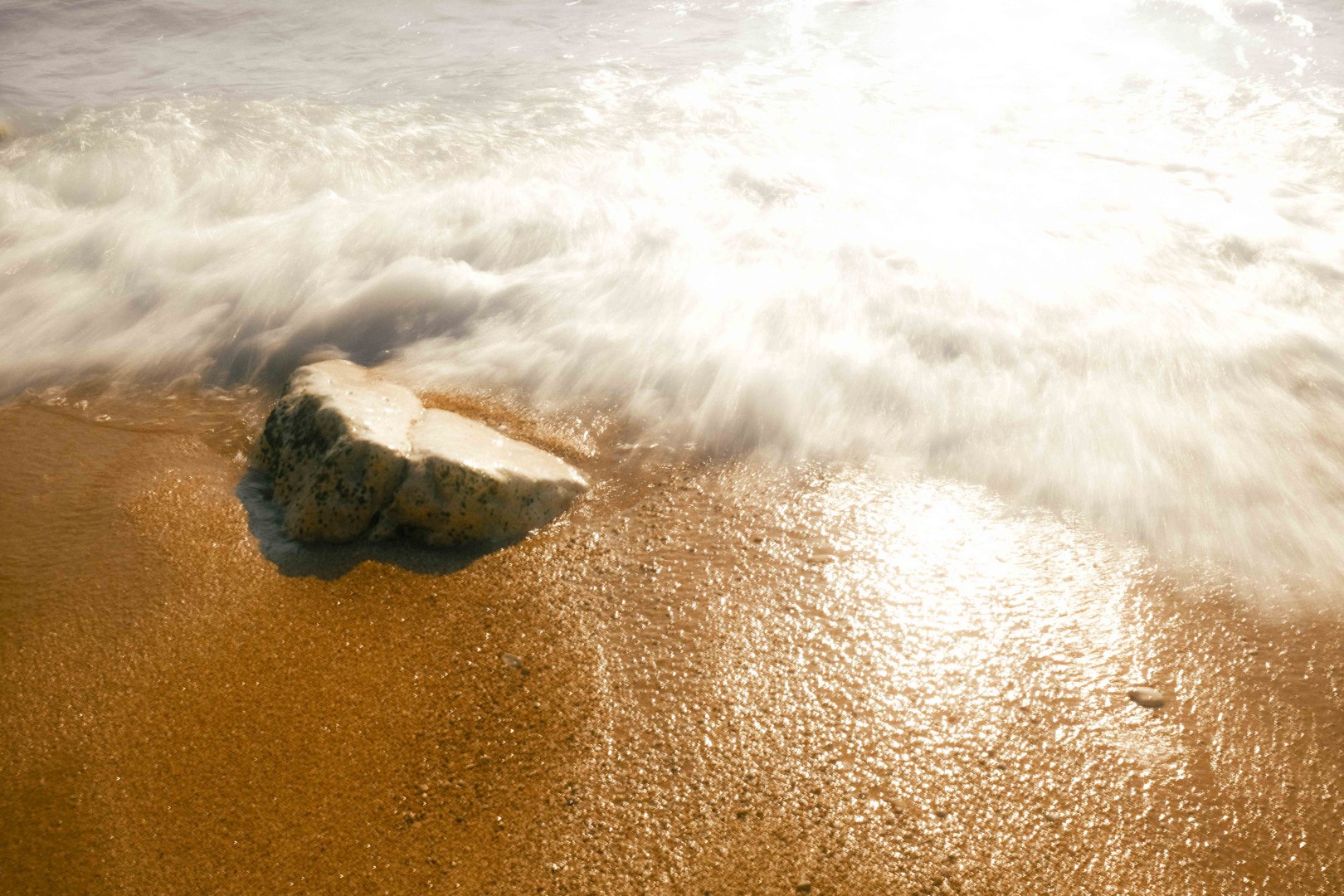
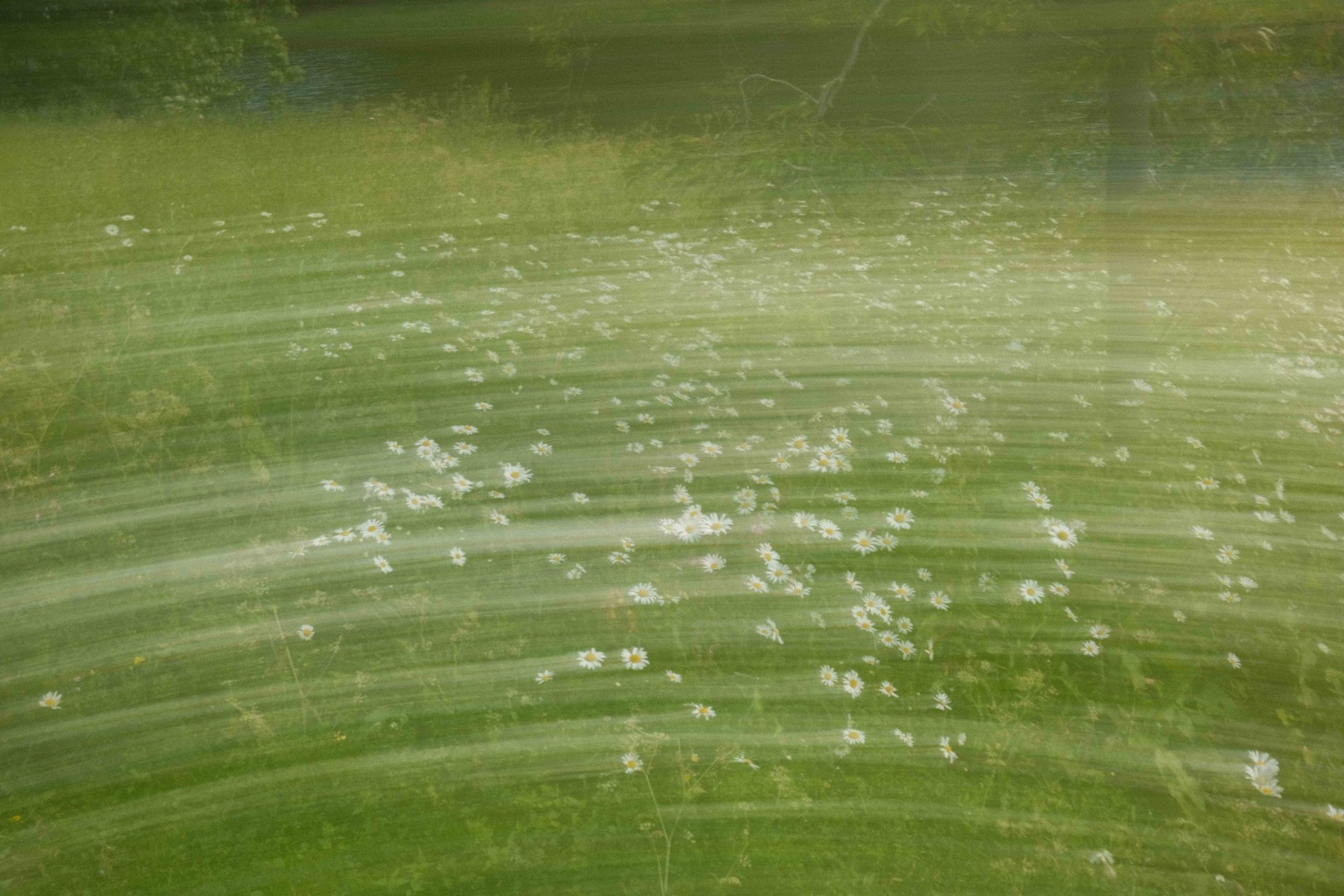
Elsewhere, Pariah, No Man’s Land and In Exile suggest themes of displacement, isolation and belonging. Yet Nassar avoids literal narratives. Instead, his photographs remain intentionally open, allowing viewers to project their own experiences and interpretations onto the work.
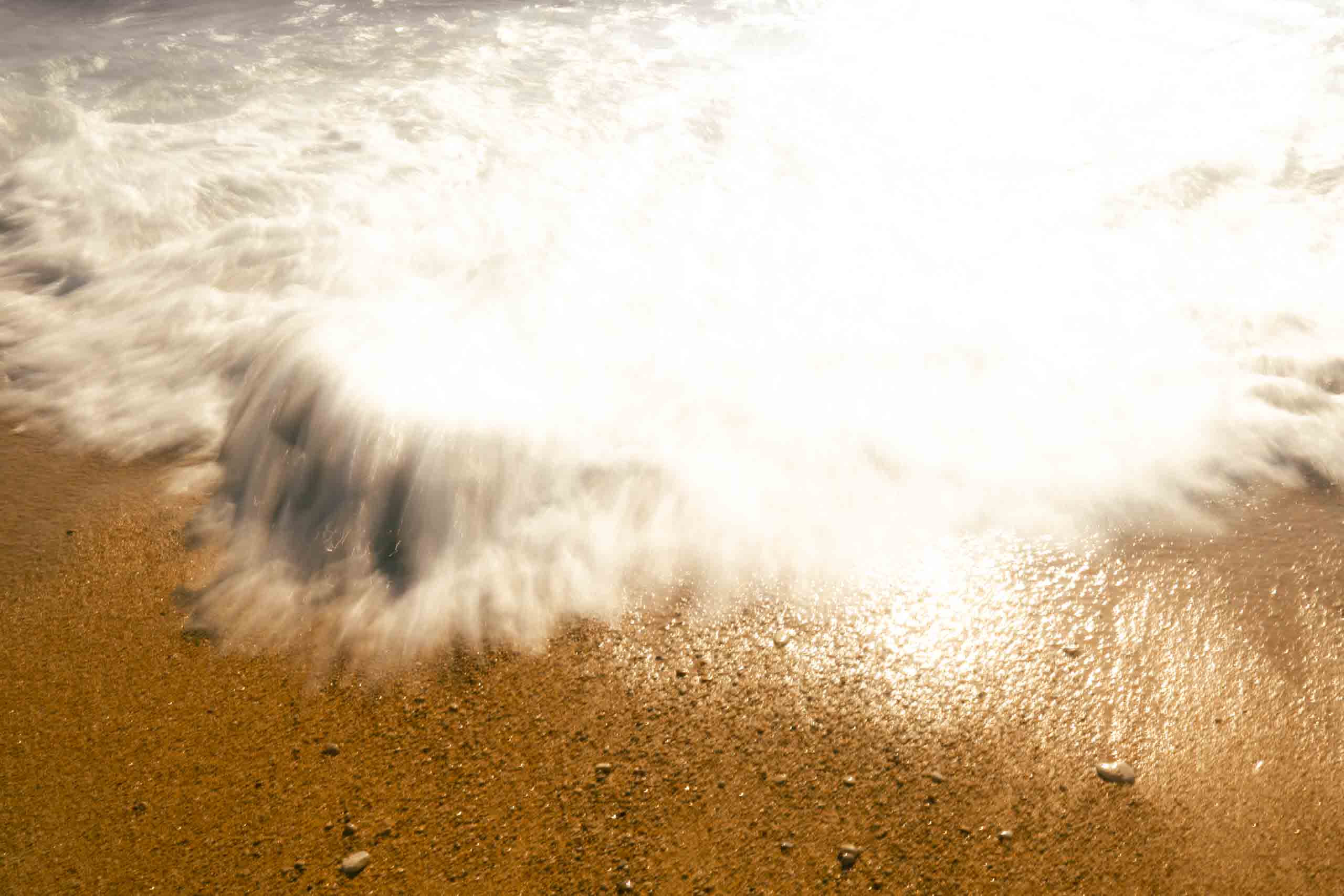

Water appears repeatedly throughout the exhibition, serving as both subject and metaphor. In works such as Precious, That Shore and Swimming After Dark, reflections dissolve certainty and create images that exist somewhere between documentation and abstraction. Light, meanwhile, becomes a language of its own. Pieces such as Afterlife, Collapse the Light into Earth and Of the New Day explore illumination as a symbol of transformation, transition and renewal.
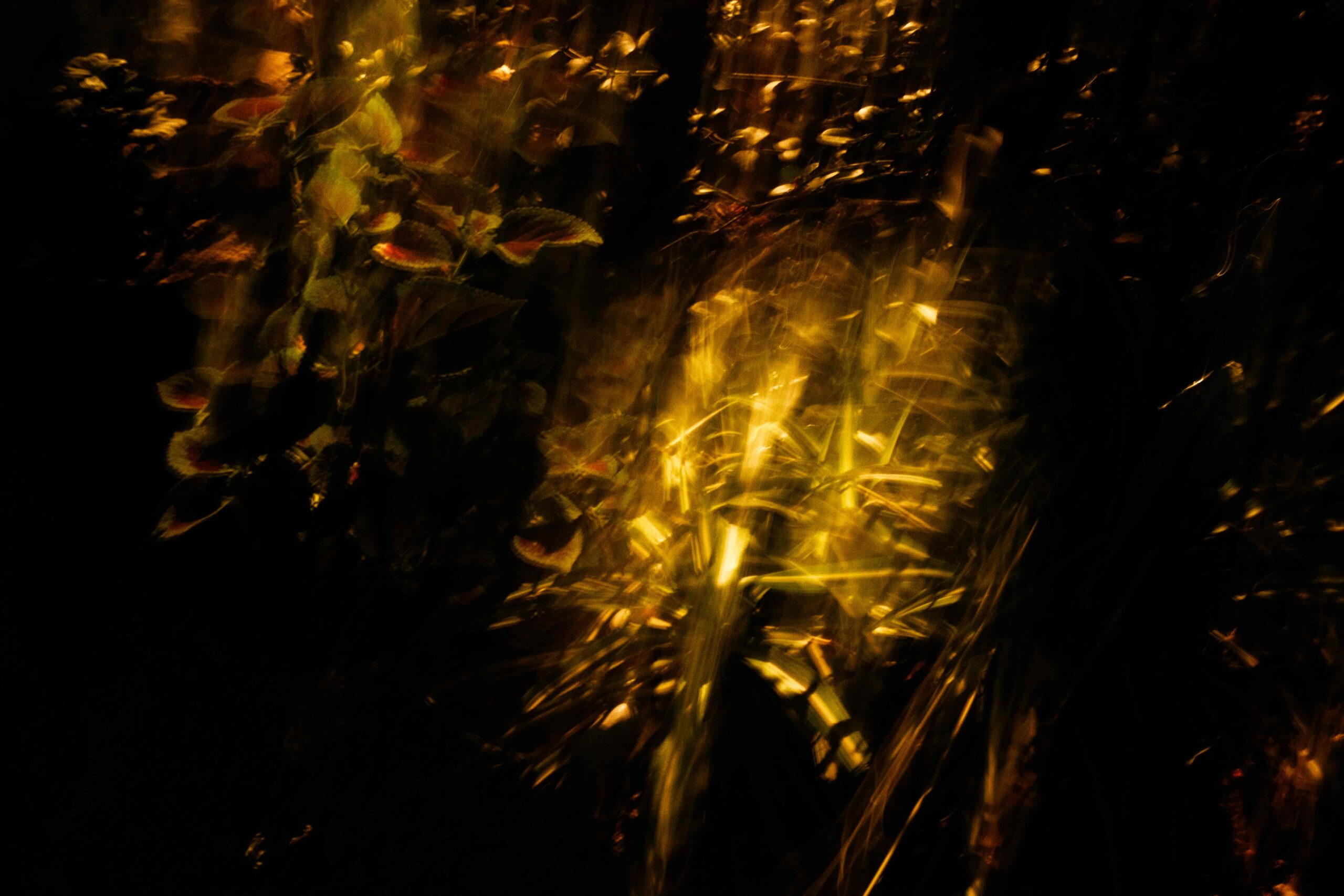
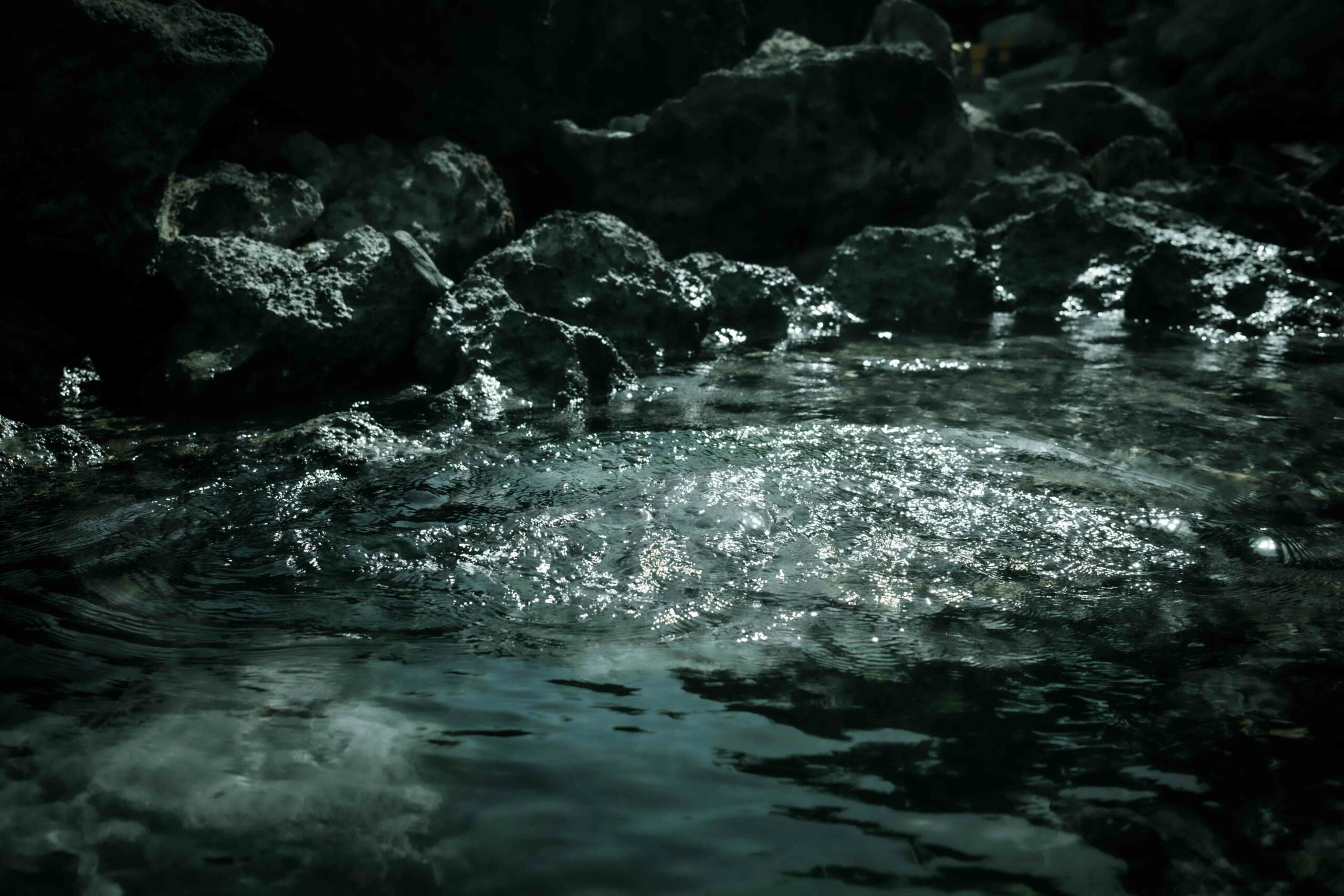
There is a cinematic quality running throughout In Absentia. Images feel suspended between reality and dream, between recognition and uncertainty. Familiar landscapes become elusive. Time appears stretched. The viewer is encouraged not simply to look, but to remain.
That invitation to linger lies at the heart of the exhibition. Rather than demanding attention through spectacle, Nassar rewards patience. His work proposes another rhythm of seeing, one rooted in stillness, contemplation and curiosity.
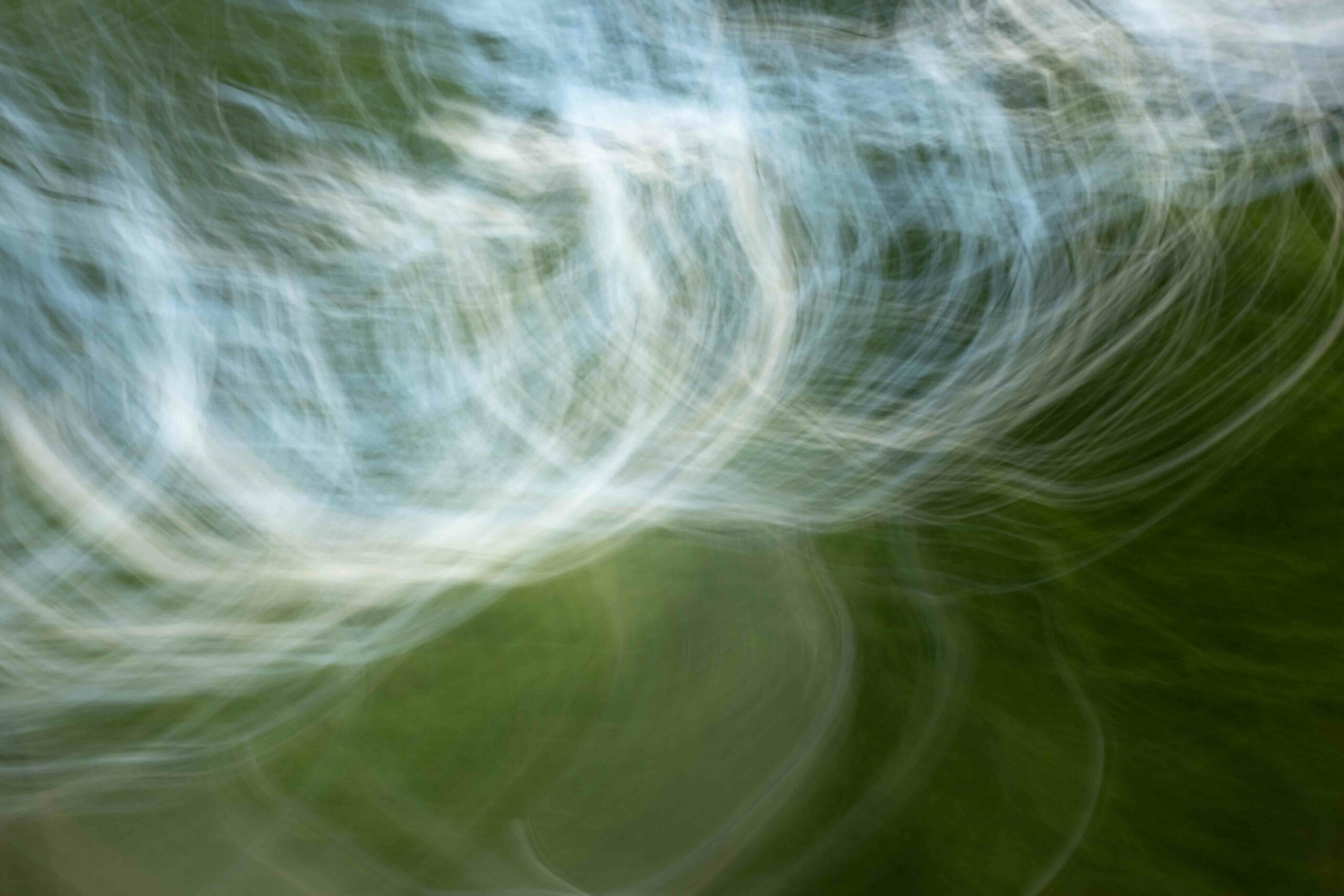
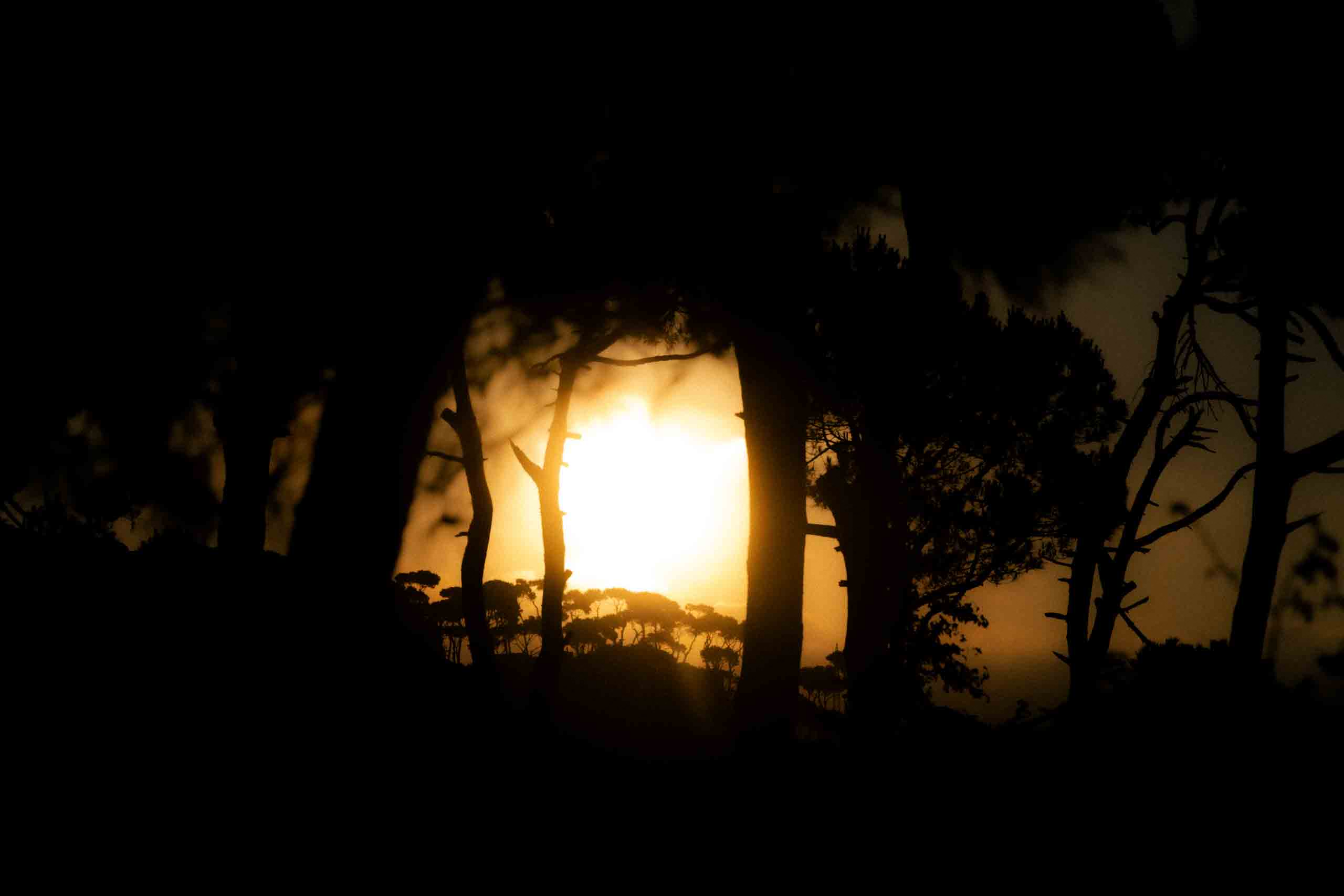
Ultimately, In Absentia is an exhibition about what remains. It reminds us that some of life’s most meaningful experiences exist at the edge of perception, waiting quietly for our attention to settle long enough to meet them.
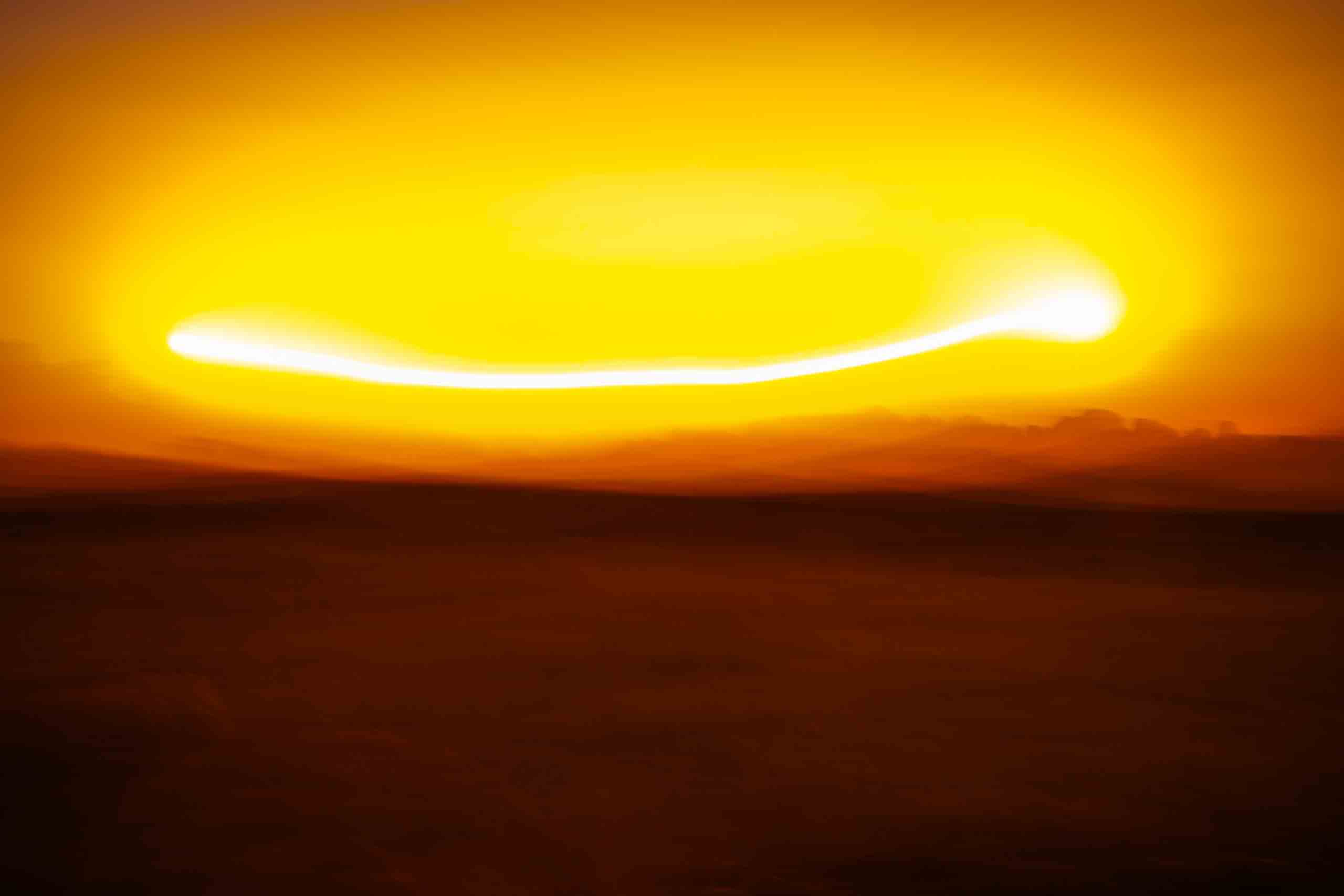
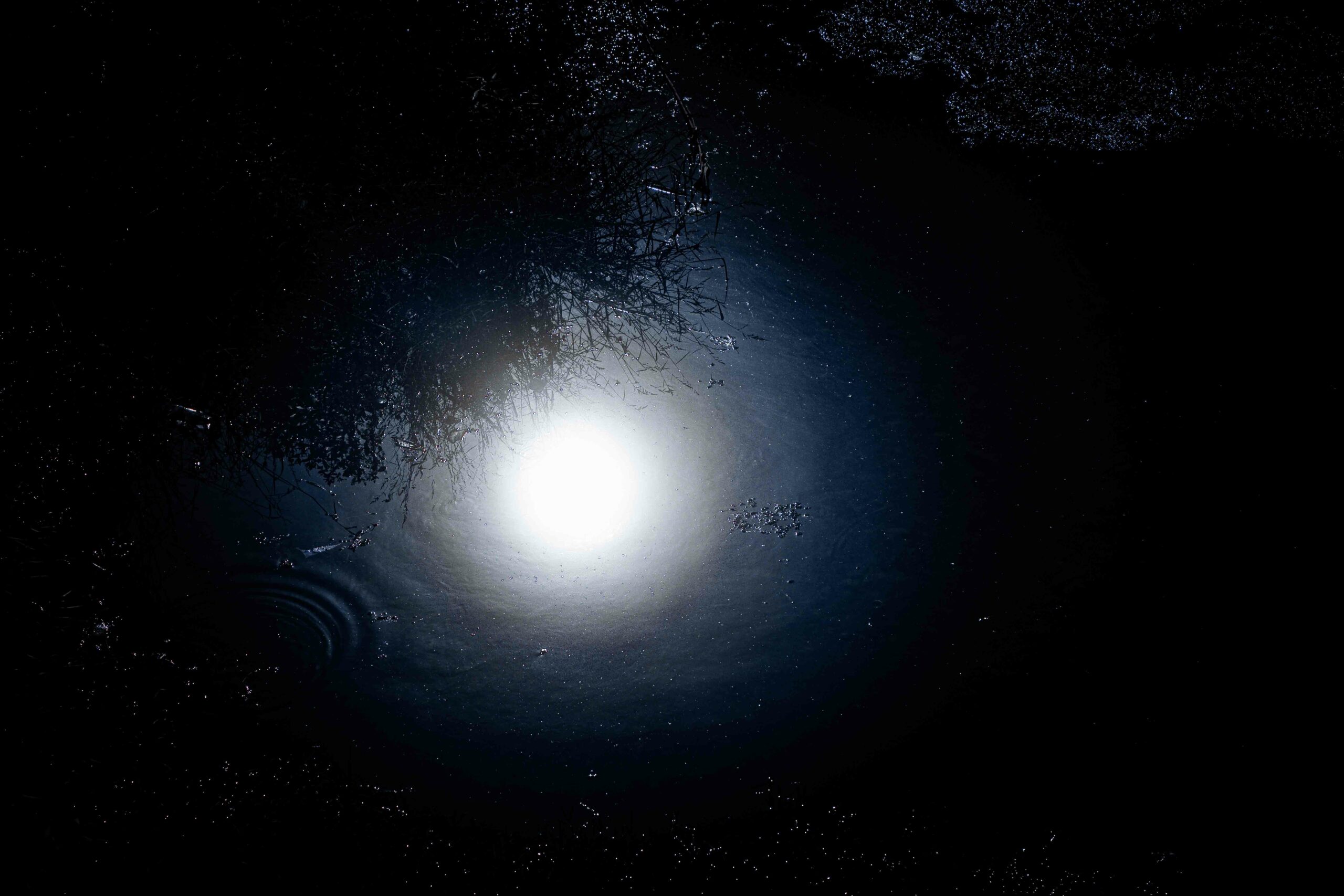
For more stories of art and culture from across the region, visit our dedicated archives and follow us on Instagram.