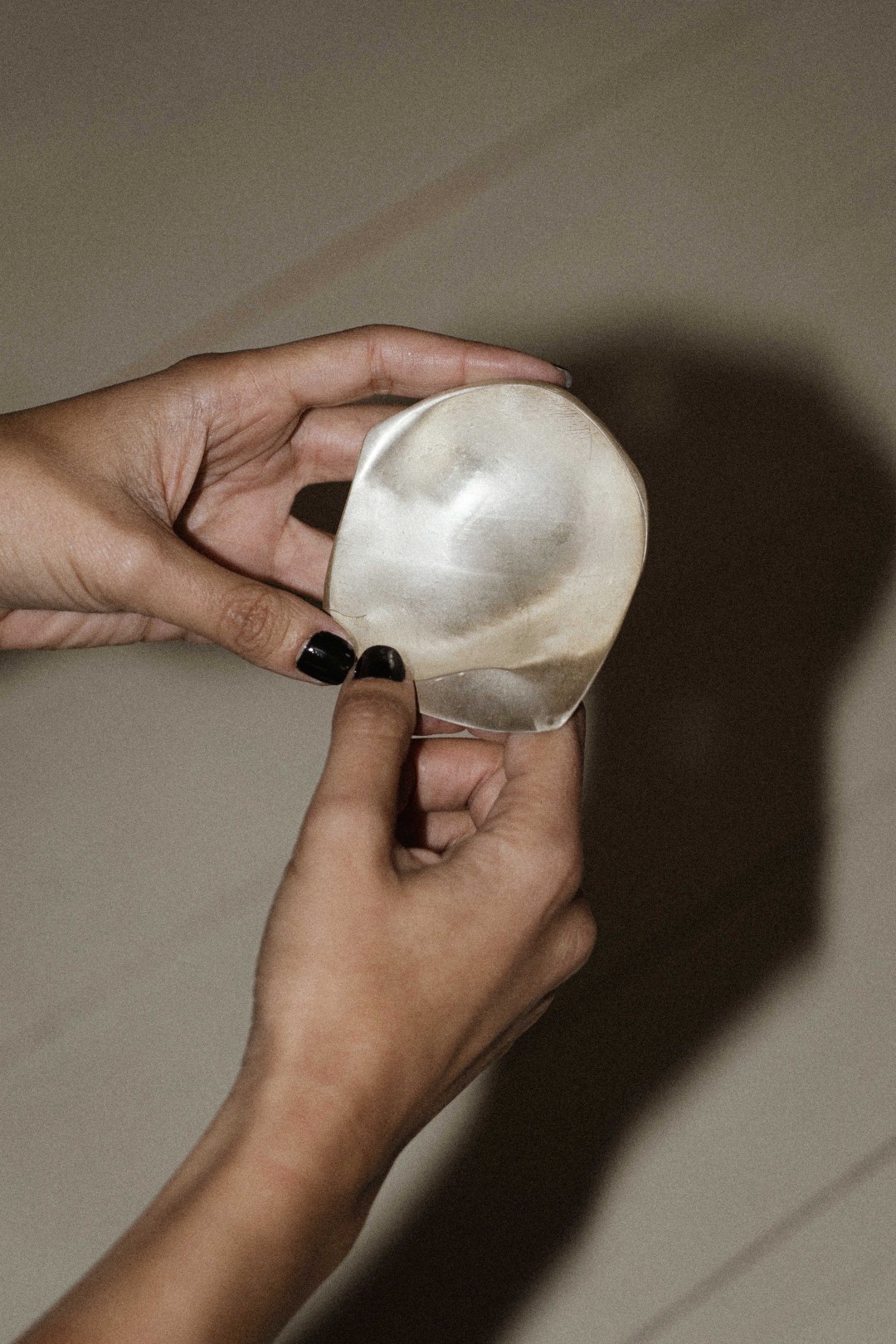
Lebanese creative Shaha Raphael approaches design as a tactile form of thinking. Trained as an architect, her practice moves fluidly between objects, furniture, jewellery, and space, guided by an ongoing dialogue between material, process, and use. Rather than starting with typology or scale, she begins with action; carving, bending, cutting, shaping, allowing form to emerge through the hand. Working between digital tools and artisanal techniques, Raphael treats technology and craft as complementary modes of expression. Her work draws from geological processes, material transformation, and quiet natural forces, creating pieces that feel both precise and elemental.
How did you first start as an architect and maker, and what drew you to blending architecture with craft?
I studied architecture at the Architectural Association, where architecture was understood as fluid and intuitive, learned through the body and through making. Workshops played a central role, allowing ideas to be tested directly through materials and tools. This shifted my understanding of architecture from a fixed discipline to a way of thinking and feeling. Craft became a natural extension of that mindset, offering a slower and more direct engagement with structure, resistance, and form.
How do natural forces inspire your designs and choices of materials?
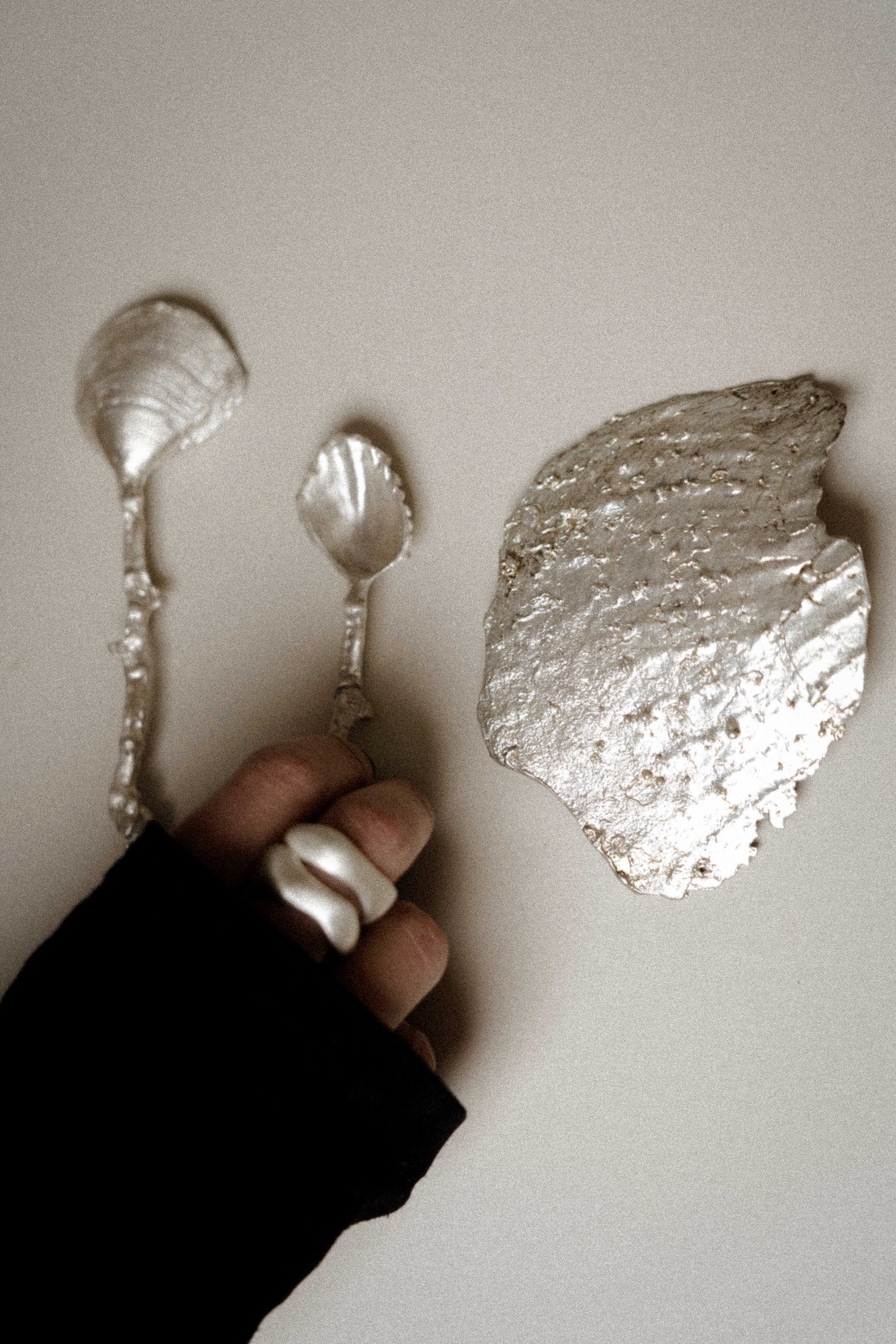
I’m interested in natural forces as long-term processes rather than visual references. Moving between wood, stone, and metal allows me to learn from transformations such as fossilisation, petrification, and material replacement. Casting and translating forms between materials becomes a way of thinking through these shifts. Nature moves across scales and states, and my practice mirrors this, allowing ideas to evolve rather than remain fixed.
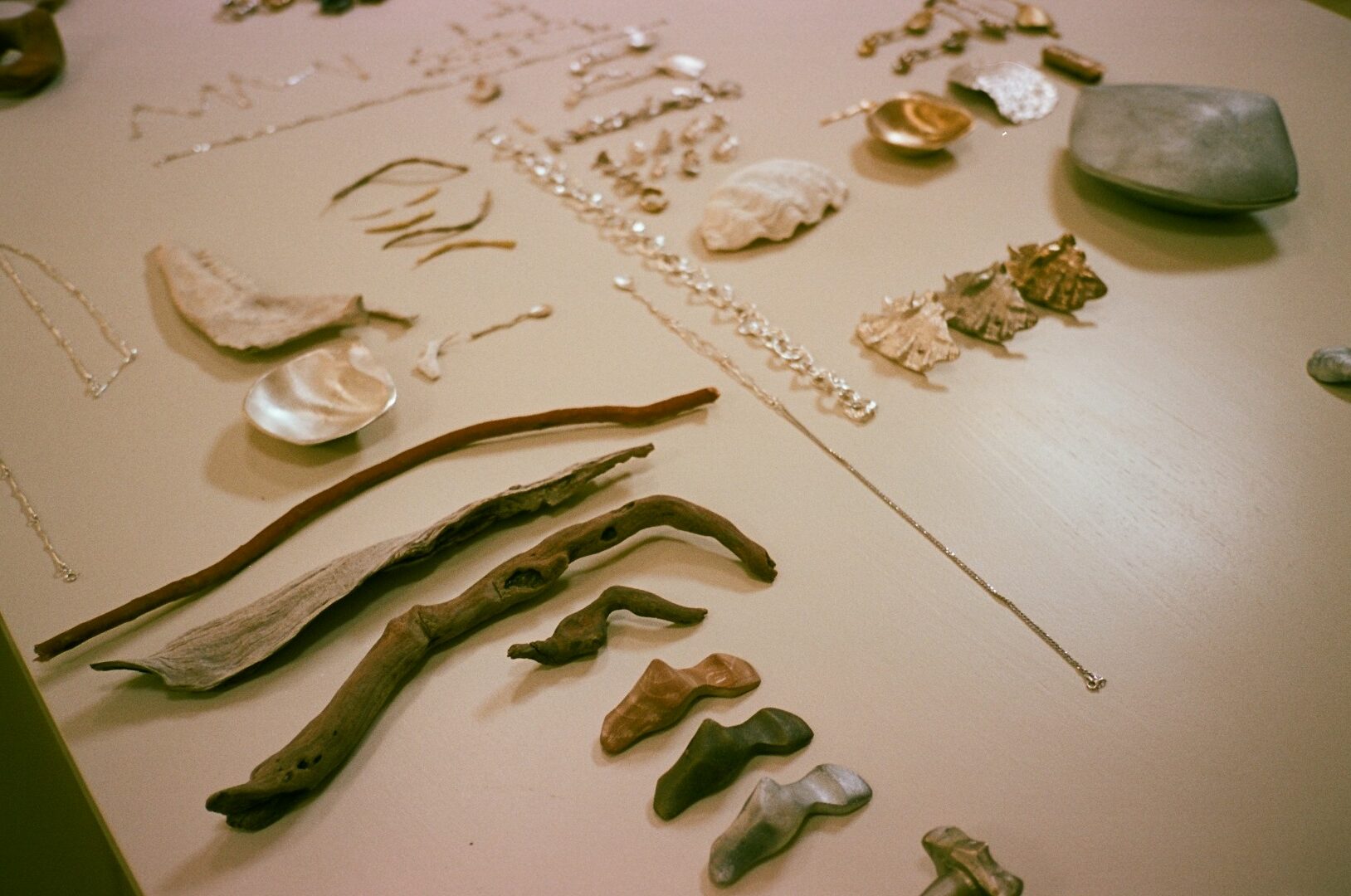
Your pieces combine digital precision with artisanal expertise. How do you navigate this balance between technology and handcraft?
I see digital tools and handcraft as different modes of expression rather than opposing approaches. They operate as a feedback loop, where one informs the other continuously. Looking back at craft, using technology, and moving forward are part of the same process. Whether physical or digital, these tools allow forms to circulate, be tested, and be released into the world, which I find deeply generative.
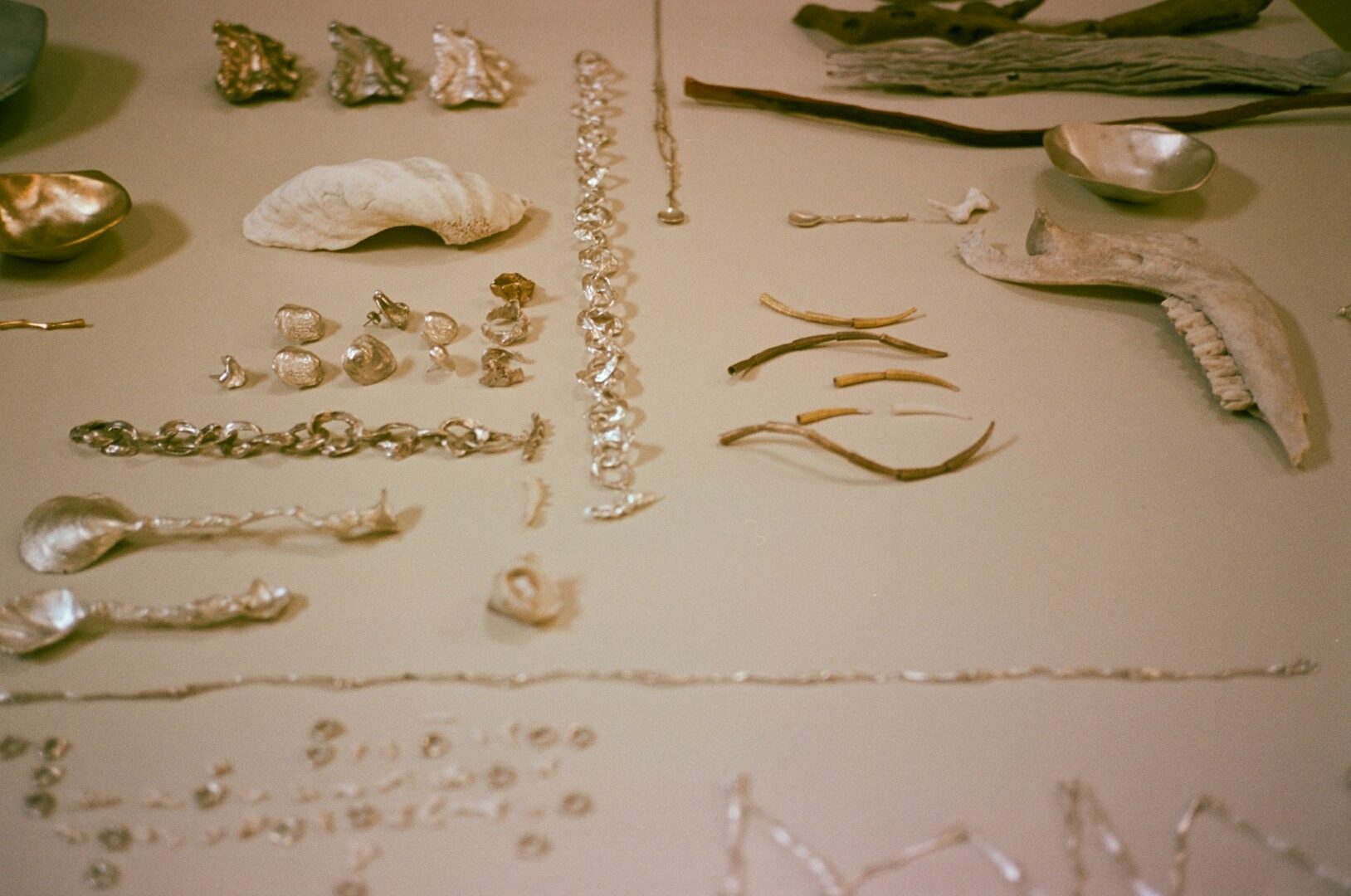
Many of your works are designed to provoke ritual. What role does ritual play in your creative process and in the way people interact with your work?
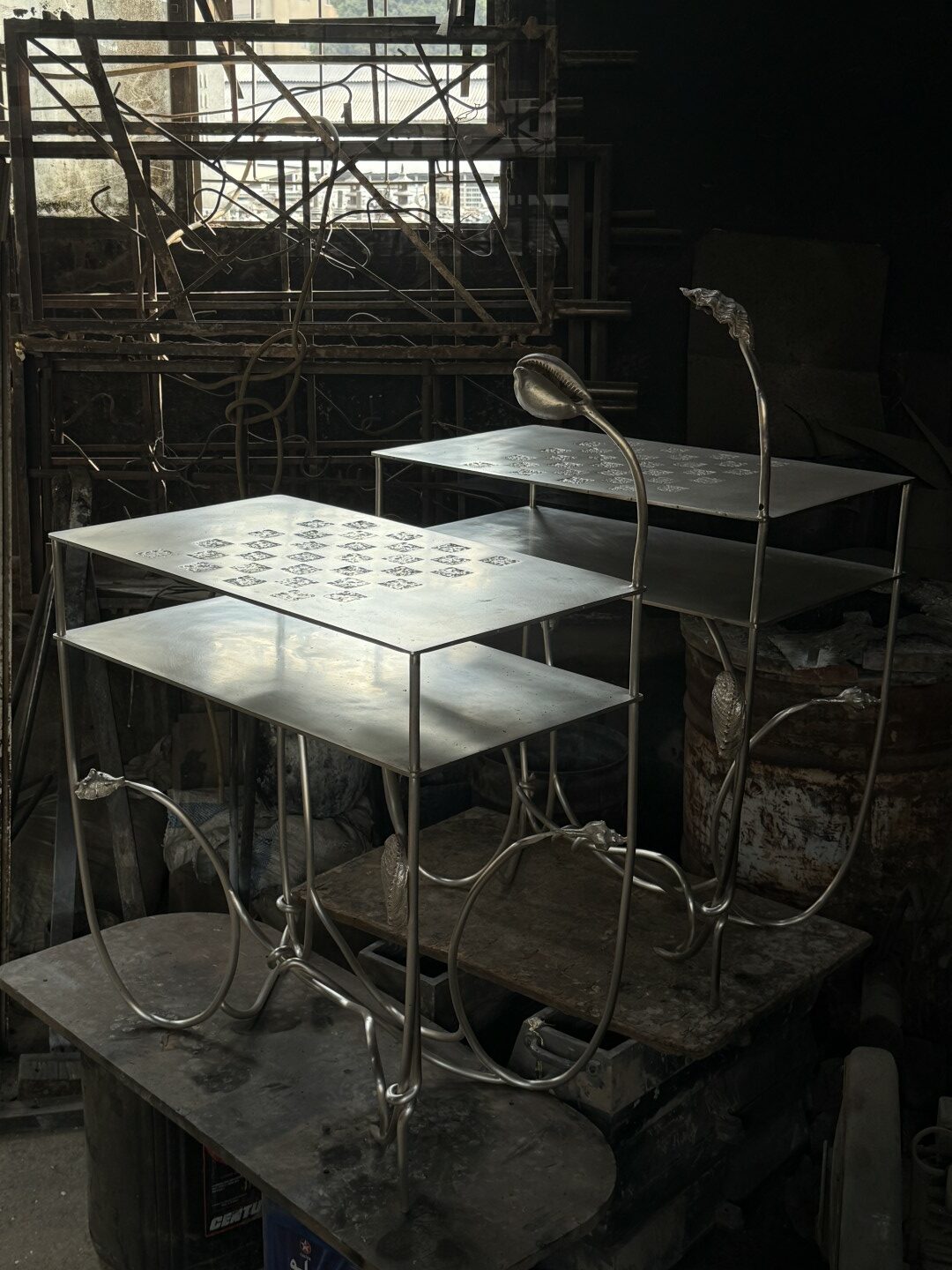
Ritual, for me, is about making everyday gestures more intentional. I think about how an object is approached or activated and how this can slow the body down. In my metal candelabras, weight and balance require a deliberate movement, turning the act of lighting a candle into a focused moment. Ritual emerges through use rather than symbolism.
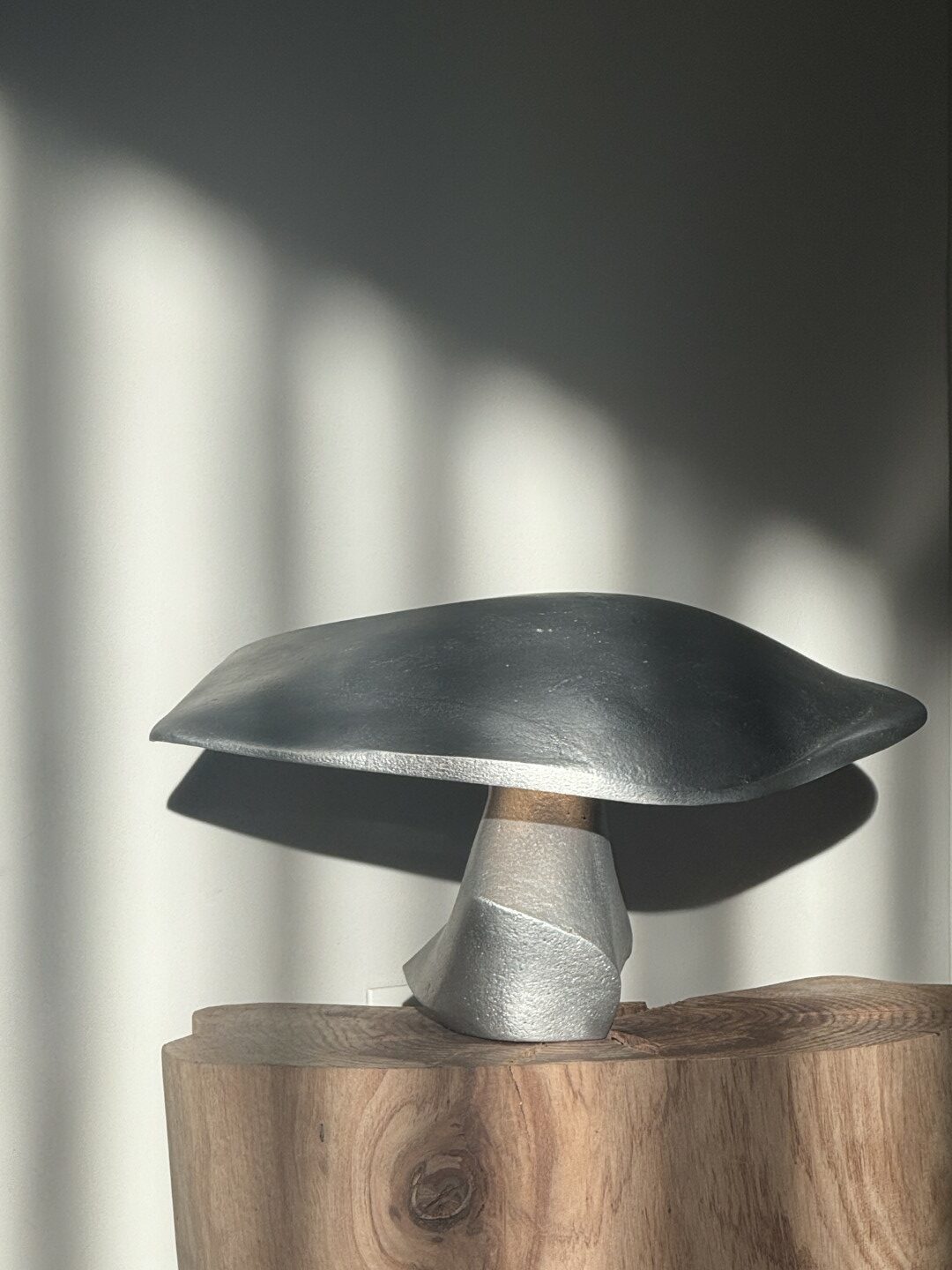
Texture, density, and flow are recurring elements in your designs. How do you approach these qualities during conception and making?
These qualities emerge through direct engagement with material. Density is felt through weight, texture through tooling, and flow through how surfaces guide movement. This is visible in the carpets developed with Iwan Maktabi, where patterns derive from sedimentation processes. Variations in thickness and weave allow the surface to register movement rather than decorate it.
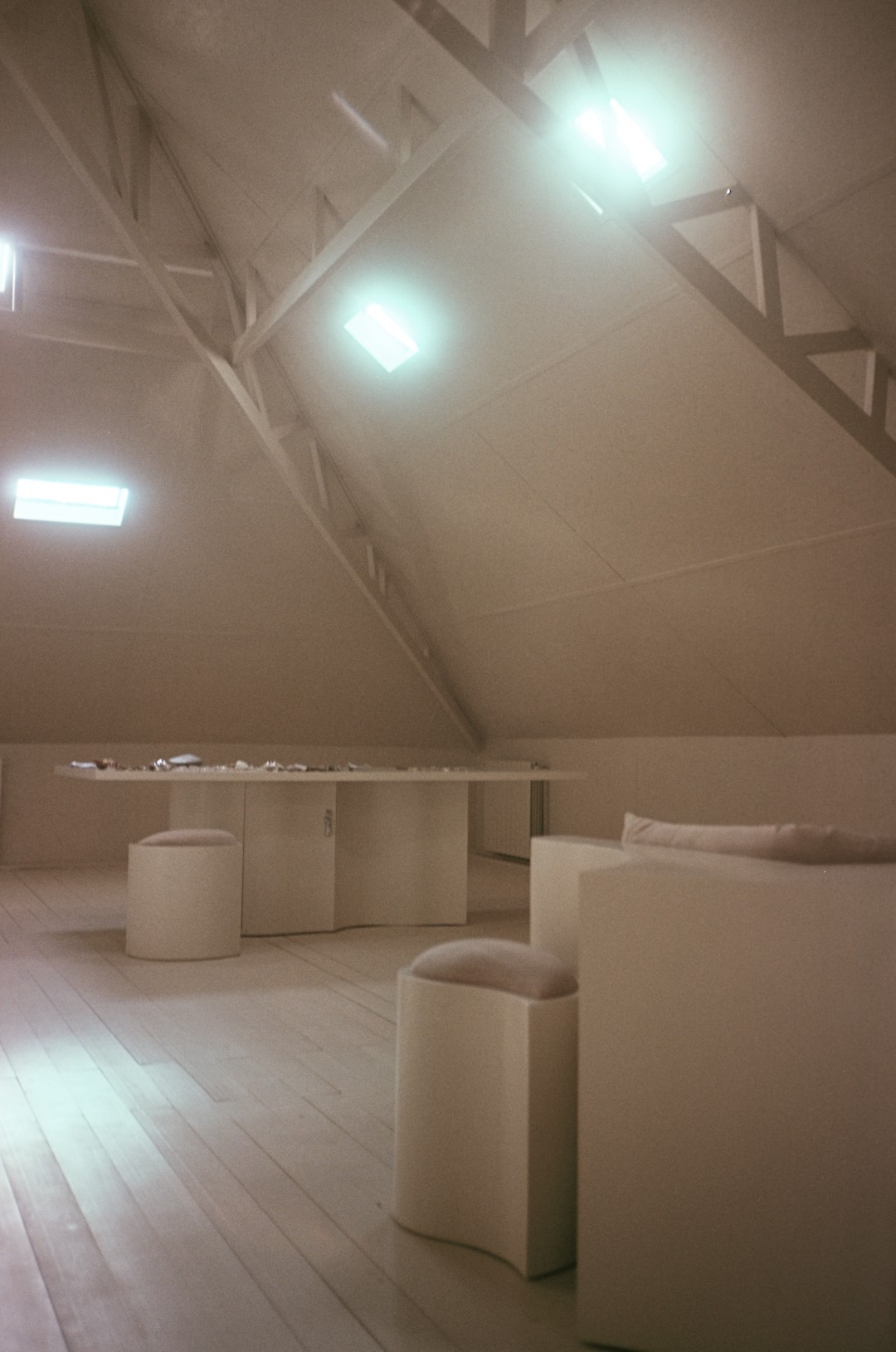
Your work often reflects a harmony between the crafted and the geological. Can you describe how this tension shapes your pieces?
I allow crafted gestures to sit alongside material histories rather than erase them. In stone, this often means carving in response to existing veins, fossils, or fractures. The geological is not something I imitate, but something I work with. Craft becomes a way of adding a layer while acknowledging what is already present.
For more stories of art and culture from around the region and the diaspora, visit our dedicated archives and follow us on Instagram.