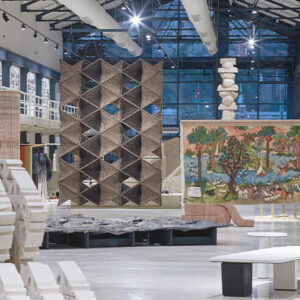
What does architecture offer when the building has already gone? Sharjah’s third Architecture Triennial begins with that question, then widens it. Opening on 14 November, Architecture Otherwise: Building Civic Infrastructure for Collective Futures gathers 32 participants around the structures that allow people to live together when war, displacement and climate pressure have damaged the usual ones.
Its curator, anthropologist Vyjayanthi Rao, wants to prise architecture away from its obsession with the standalone object. “We chose Architecture Otherwise to challenge the idea that architecture is just about iconic buildings or standardised solutions,” she says. Here, a shelter, a shared meal, an archive or a way of passing on knowledge can carry as much civic force as concrete.
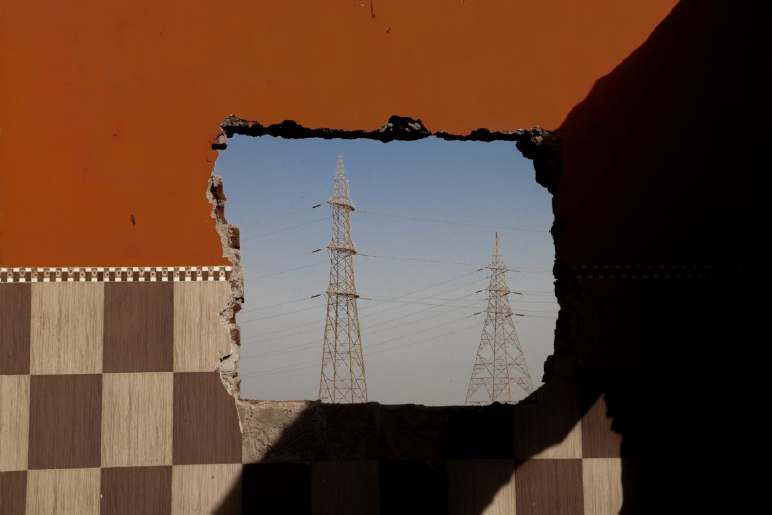
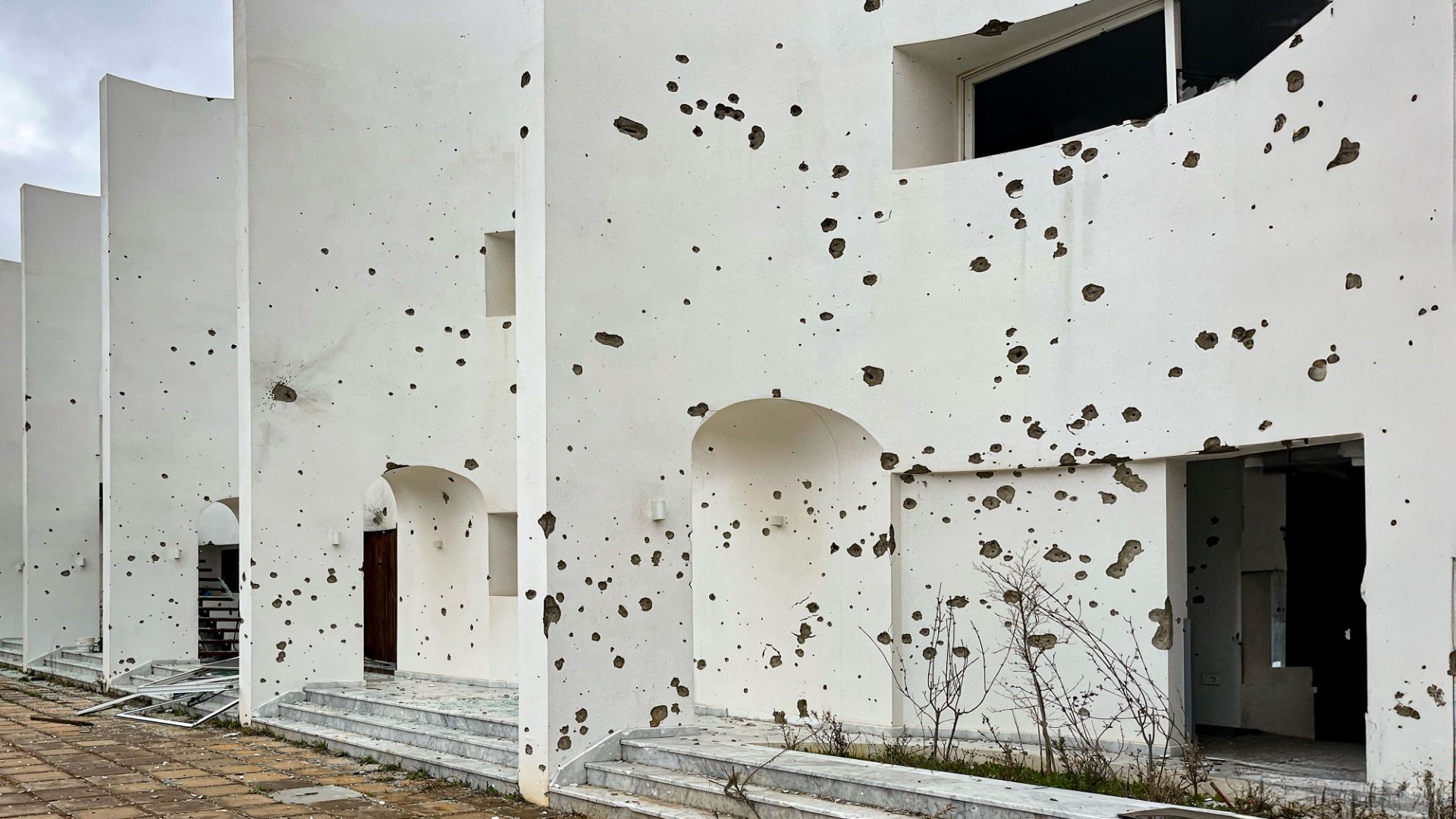
That shift matters because losing a building rarely means losing walls alone. It can erase routes, habits, neighbours, records and the places where daily life becomes collective. Rao’s answer is interdependence. She argues that cities built around care and hospitality can shape space while repairing the social bonds that make shared collective life possible.
The participant list makes that thesis tangible. Hiba Bou Akar, Mohamad Hafeda and Nathalie Harb are developing shelter-like structures shaped by histories of displacement in Lebanon, using materials drawn from refugee settlements and wartime infrastructure. Bou Akar has spent years studying how Beirut’s post-civil-war outskirts are planned as future frontiers of conflict. Her 2018 book, For the War Yet to Come, tracks the ways planning can prepare the ground for violence long before it arrives. In Sharjah, that research moves from the page into space.
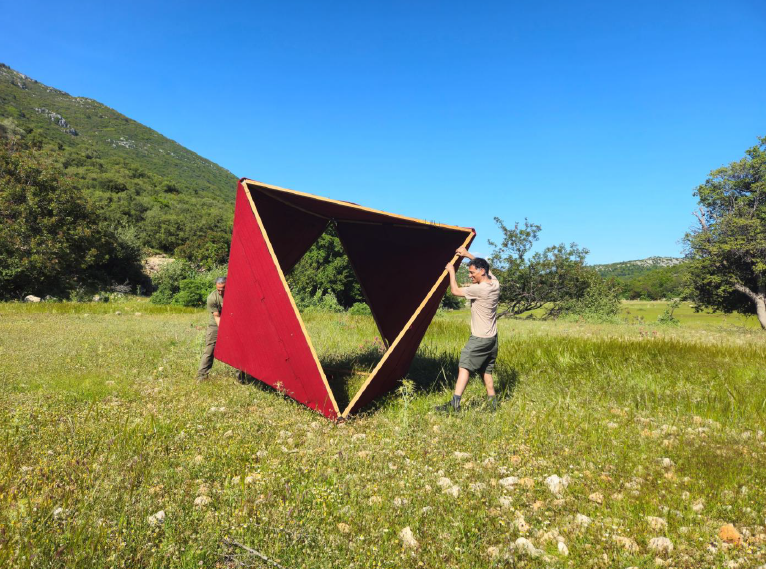
Megawra Built Environment Collective appears in collaboration with Palestinian conservation organisation RIWAQ. Led by May al-Ibrashy, the Cairo collective has worked since 2011 through Athar Lina, treating heritage conservation as part of neighbourhood life rather than an exercise in preserving isolated monuments. The pairing joins two practices shaped by places where care for buildings cannot be separated from care for the people around them. Details of RIWAQ’s precise contribution have yet to be announced.
Elsewhere, Sa’dia Rehman turns to communities displaced by Pakistan’s Tarbela Dam. Her film and artist’s book examine the civic systems that emerged after a vast infrastructure project forced people from their homes. The choice sharpens the triennial’s argument: infrastructure can sustain collective life, yet it can also be the force that breaks it apart.
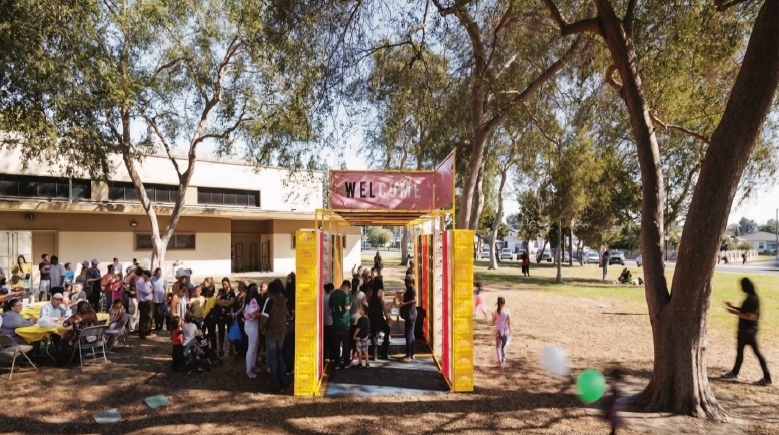
Rao calls the title “deliberately open-ended”. That openness could become vague, but these projects give it a tangible direction. They ask who architecture serves after the masterplan fails, who keeps knowledge alive after departure, and which modest structures help a community remain a community.
For a field drawn to permanence, that is a bracing brief. Running until 14 April 2027, the triennial will spread installations, films, archives, workshops and performances across Sharjah. Its exact sites and ticketing remain unannounced. The premise is already firm: architecture begins wherever people find ways to hold life together.
For more stories of art and culture from across the region and the diaspora, visit our dedicated arts and culture archives and follow us on Instagram.