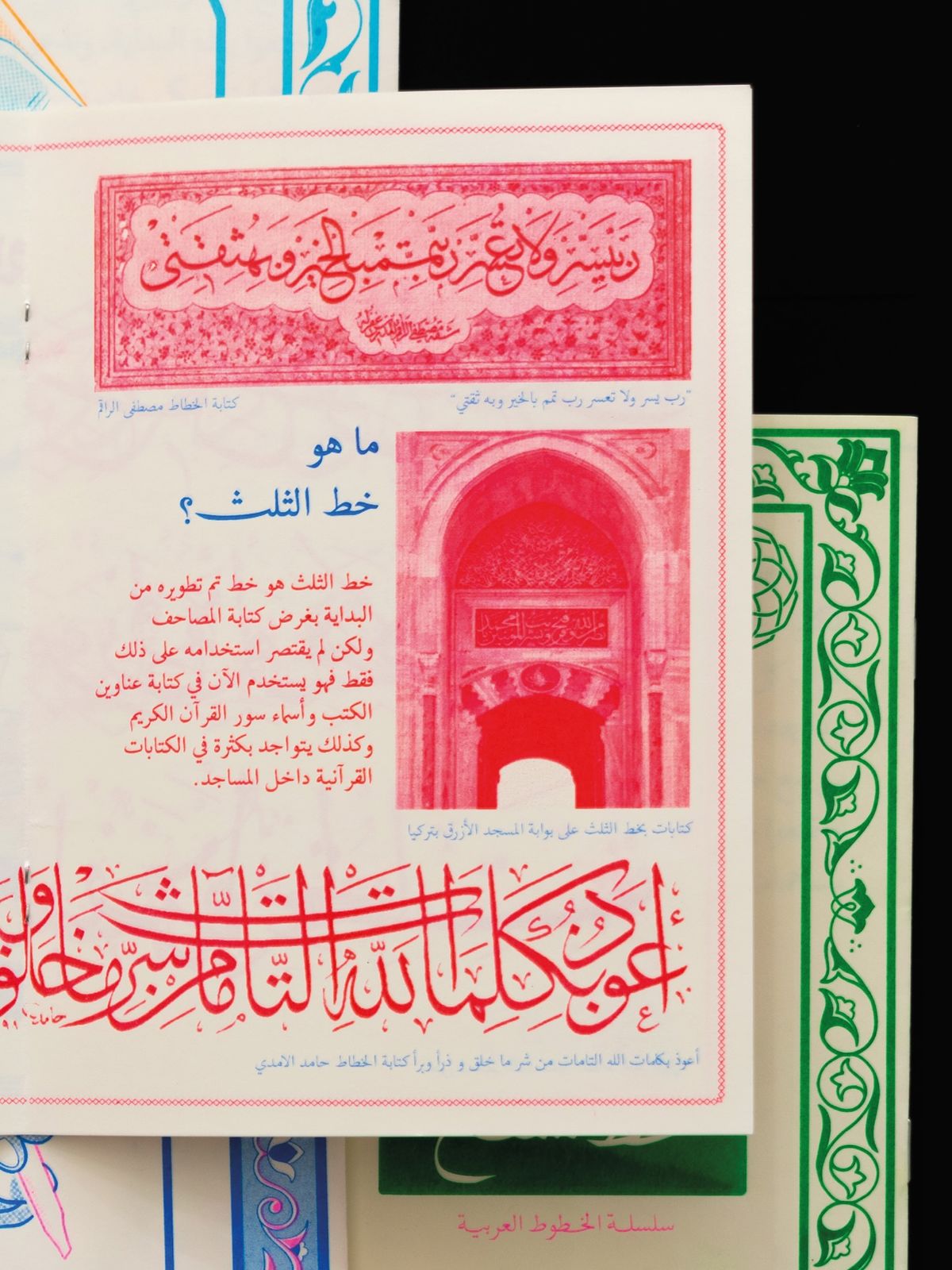
The zine is moving back into circulation across the region. Small subscription projects are appearing in which artists and writers design, print and physically mail their work to a few hundred readers each month: no platform, no algorithm, just an envelope arriving through the door.
The format has always offered a way to speak to a small room on your own terms, without an editor or an algorithm deciding who gets to hear you. Riot grrrl used it in the 1990s; fan communities had been doing it for decades before that. For a generation raised inside platforms, its appeal has become newly urgent. A zine can be specific, imperfect and made for thirty people without having to justify why it should reach three million.
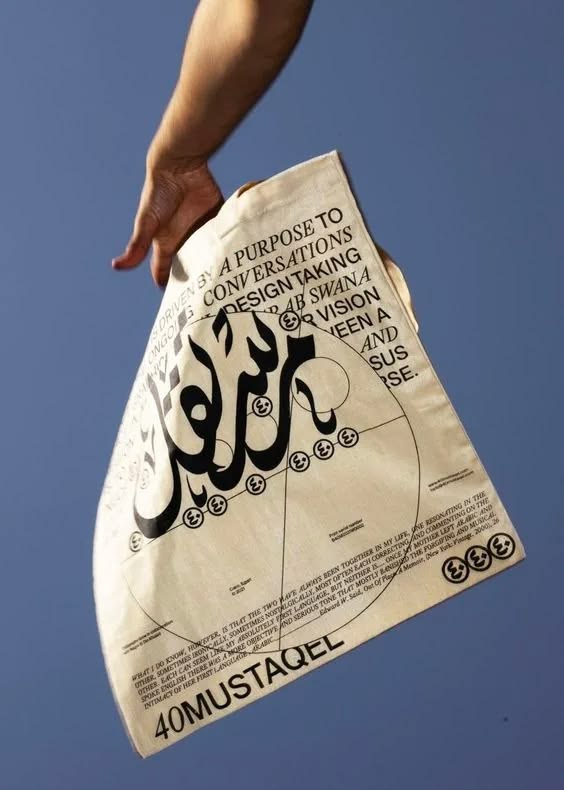
Much of this activity is taking place away from the feed: at fairs, in printshops and across swap tables where people exchange things that cannot be endlessly reposted or reduced to engagement figures. When an algorithm has always decided your reach, a print run of thirty and no comments section can feel unusually liberating.
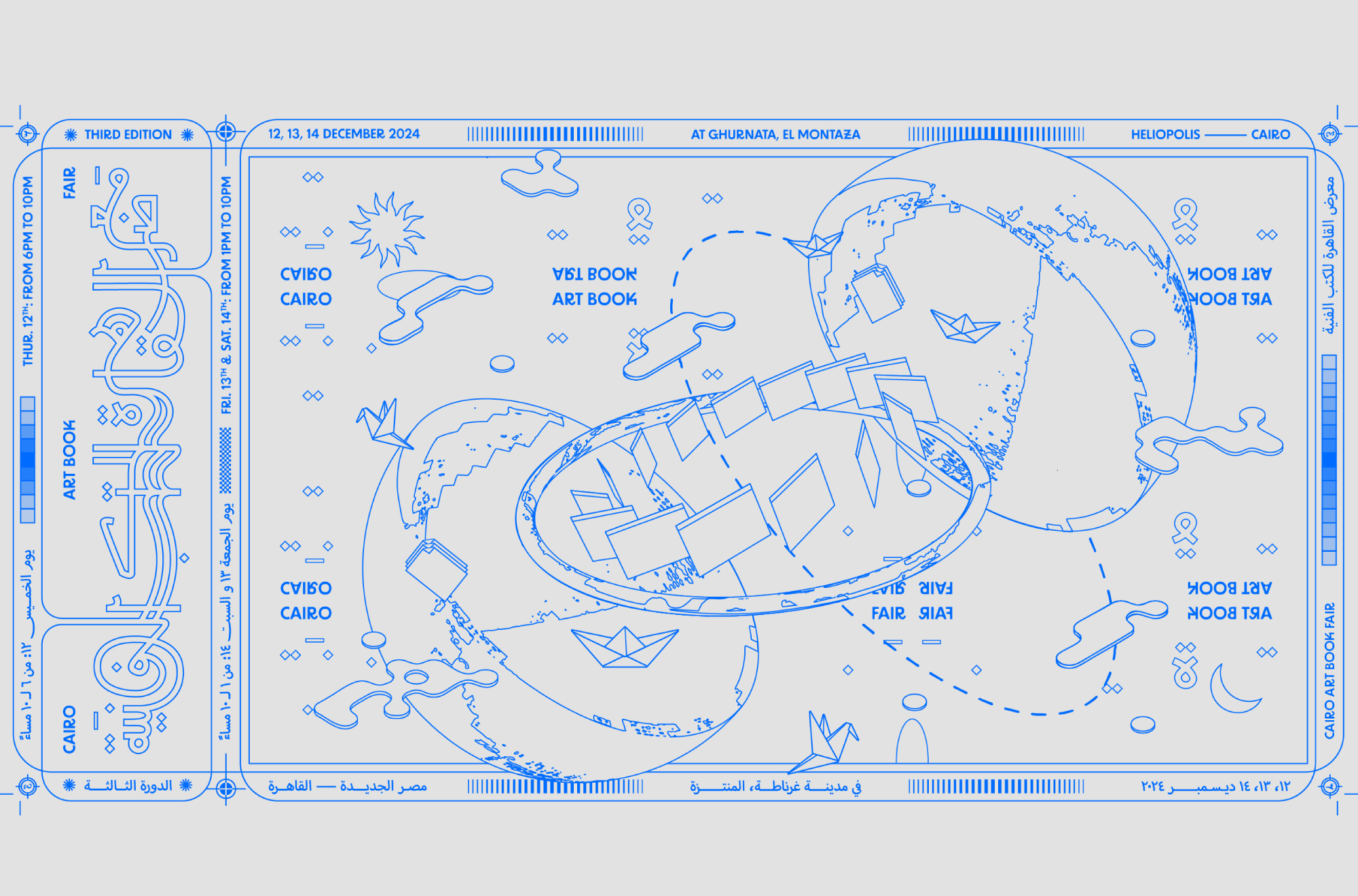
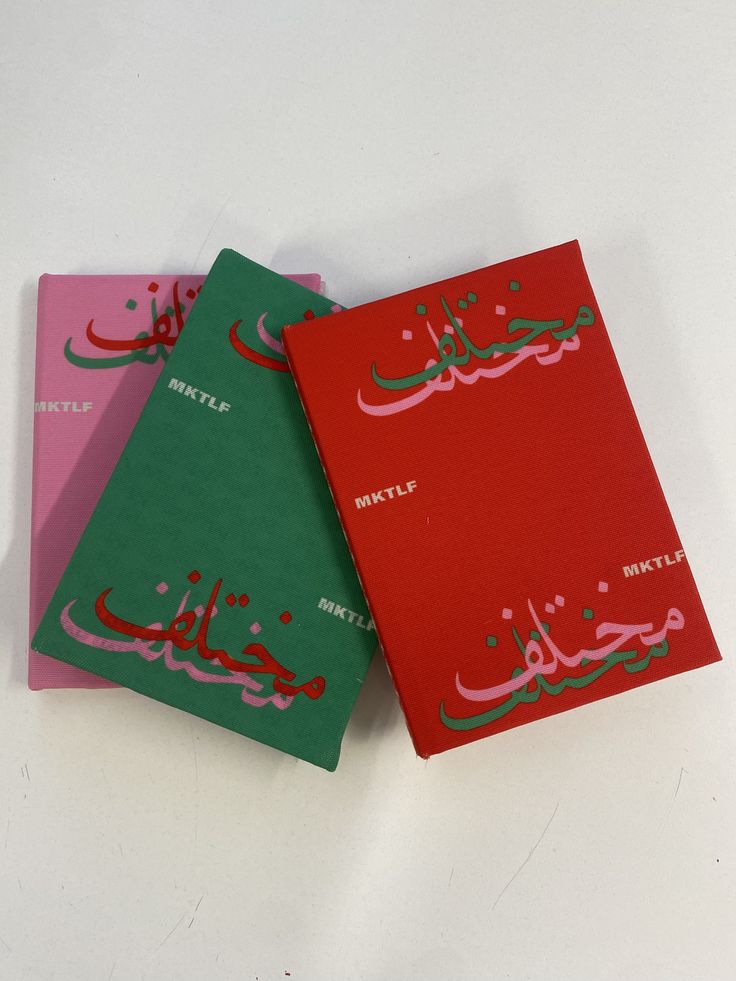
Cairo has become the place to watch. The city’s art book fair began in 2022, drawing around 1,500 people over three days. By its next edition, attendance had tripled without advertising or a push from a platform; people simply told other people. It now brings independent publishers from Egypt, Lebanon, Libya, Morocco, Tunisia and Sudan into the same room, before travelling as an exhibition through Athens, London, Istanbul, Milan and Sharjah. Its 2026 edition will run from 16 to 19 December.
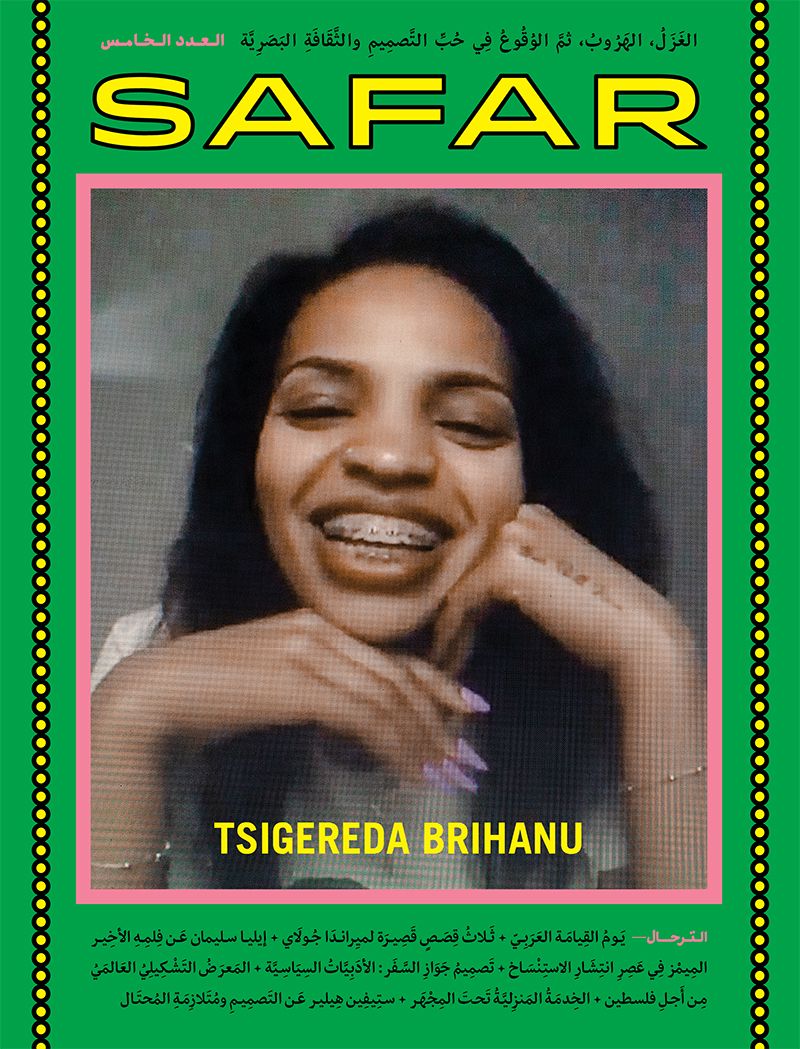
Beirut has its own anchor in Journal Safar, a bilingual publication that uses graphic design as a lens through which to examine Arab visual culture. It has placed Pride coverage beside essays on typography within the same issue, an uncomplicated editorial decision in many cities and a far more consequential one here.
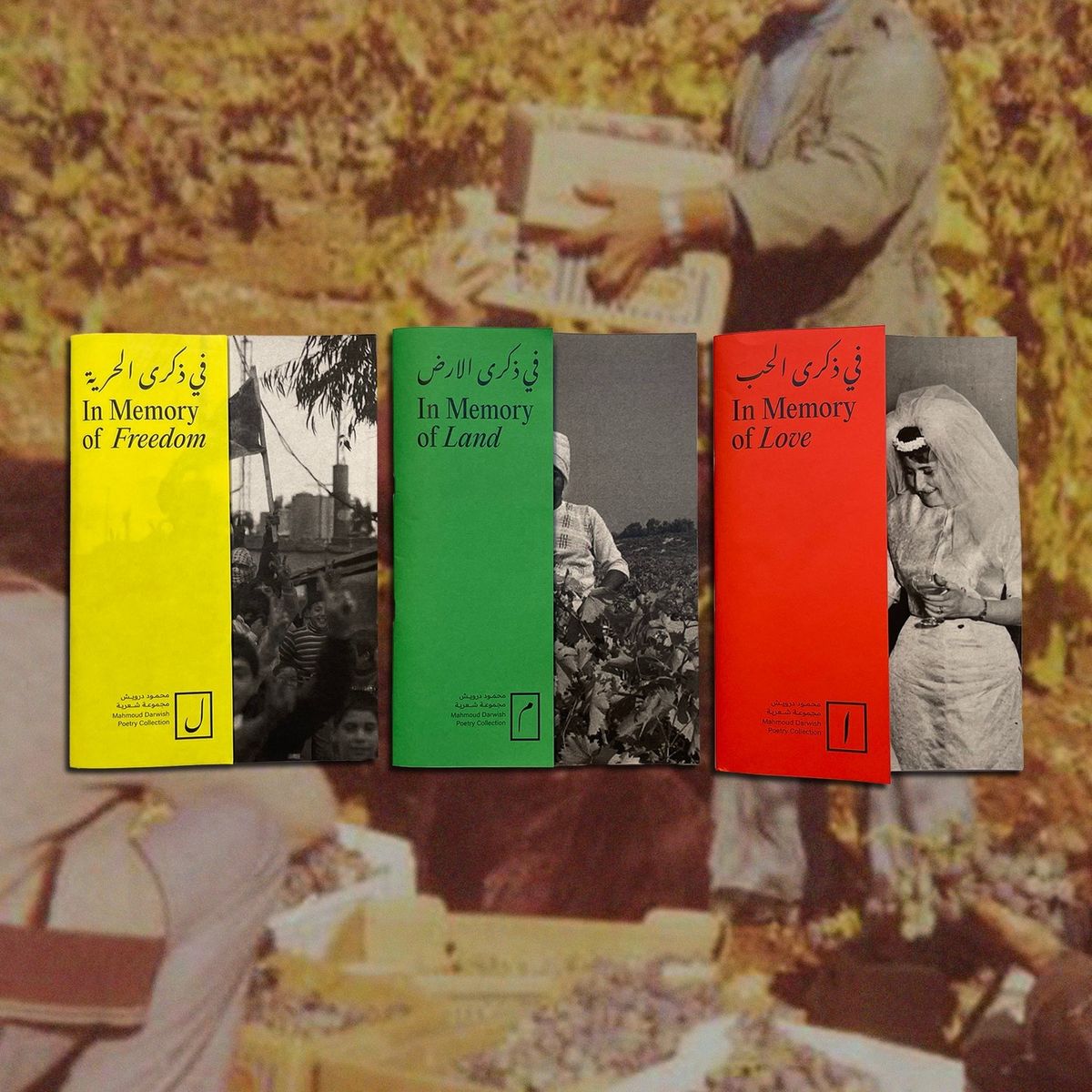
This is a print-native infrastructure being built within the region, largely through word of mouth and physical exchange. The publications may borrow from the long history of independent print, but they respond directly to the conditions of publishing now.
The easy explanation is digital burnout: everyone is tired of the internet, so they are turning to paper. That is part of it, though it misses the terms being rejected. Publishing online now means being permanent, public, measured and optimised for people who may never care about the work. A zine sidesteps those expectations by design. There is a print run of fifty and no metric attached. Either the object reaches you or it does not.
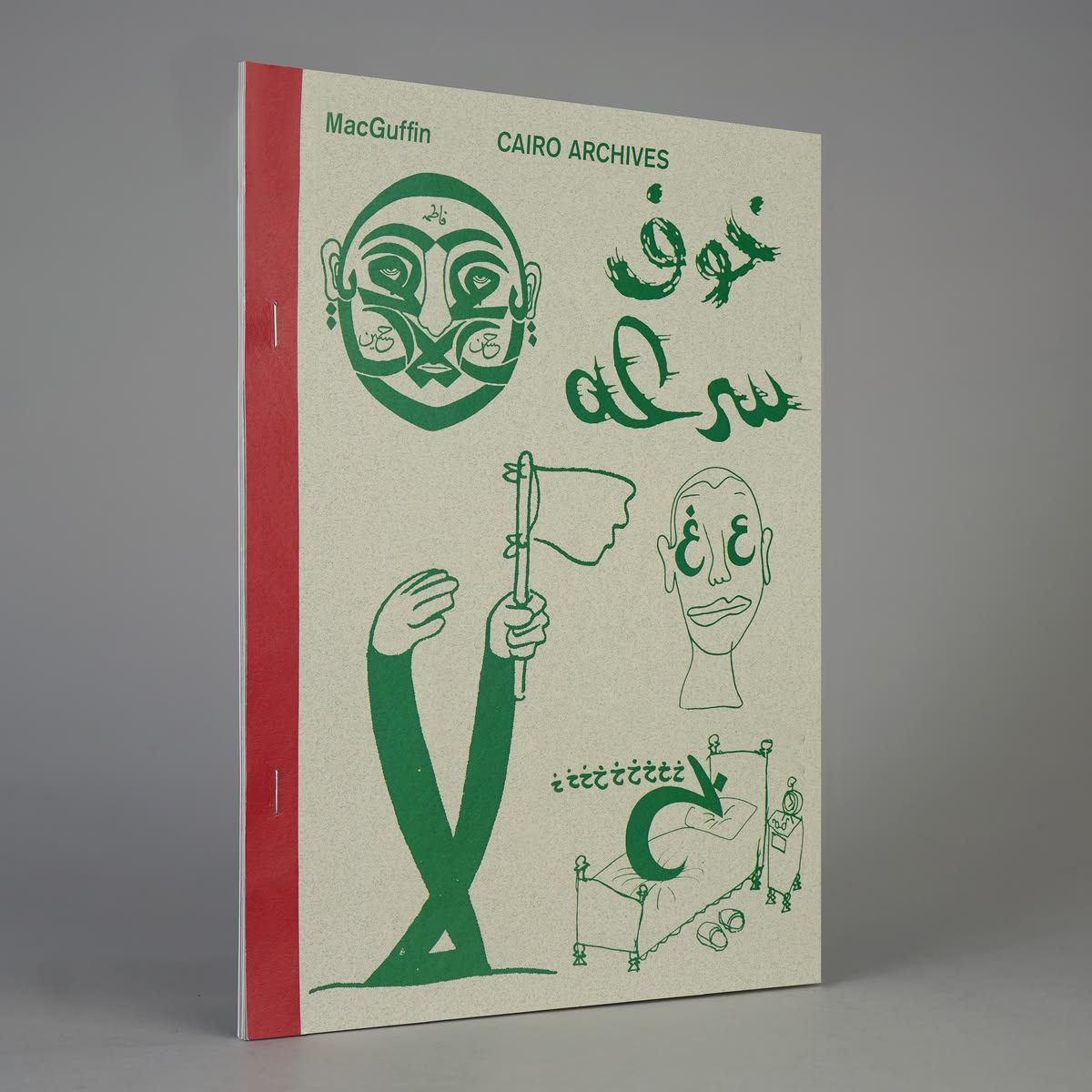
The renewed appetite for zines says less about nostalgia than it does about scale. These publications do not need universal visibility to matter. Their value lies in reaching the right few people, whether across a table at a Cairo book fair or through a monthly mail-out landing in a few hundred homes.
Every generation creates its own forms of independent circulation. What is worth watching is where that energy is strongest now. Across Cairo, Beirut and a growing number of SWANA cities, artists, writers and publishers are building networks that move through friendship, recommendation and physical presence. Word of mouth suits a format built around intimacy: it travels only as far as somebody cares enough to pass it on.
For more stories of art and culture from across the region and the diaspora, visit our dedicated arts and culture archives and follow us on Instagram.