The promise of summer has always been remarkably democratic. Three months stretched endlessly ahead, the permission to do absolutely nothing, and the simple thrill of longer evenings that seemed to belong to everyone. There were no reservations needed to enjoy a sunset, nor a membership to spend an afternoon outdoors basking in the sun. Summer wasn’t about where you were and more about the feeling that time had slowed down.
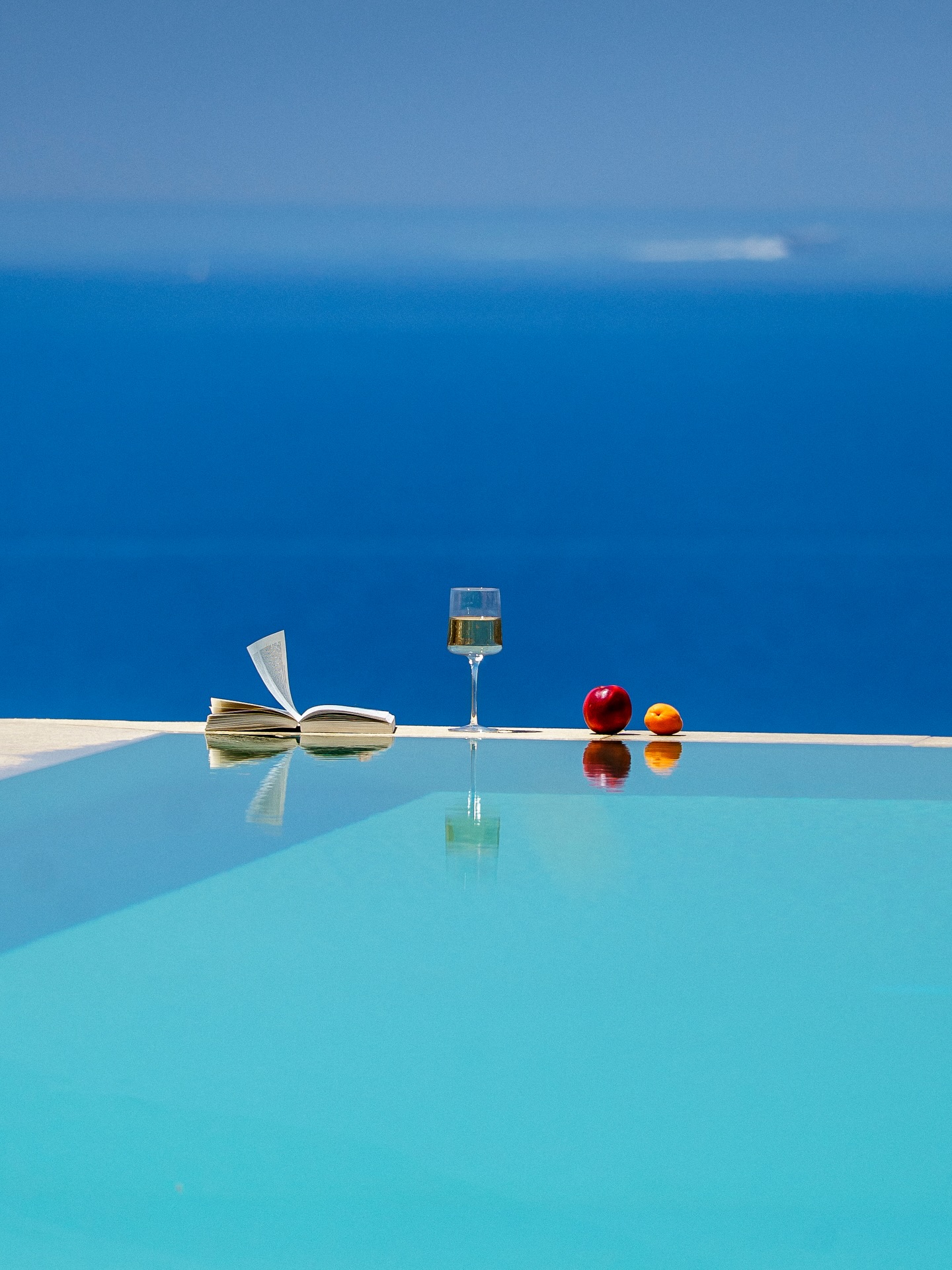
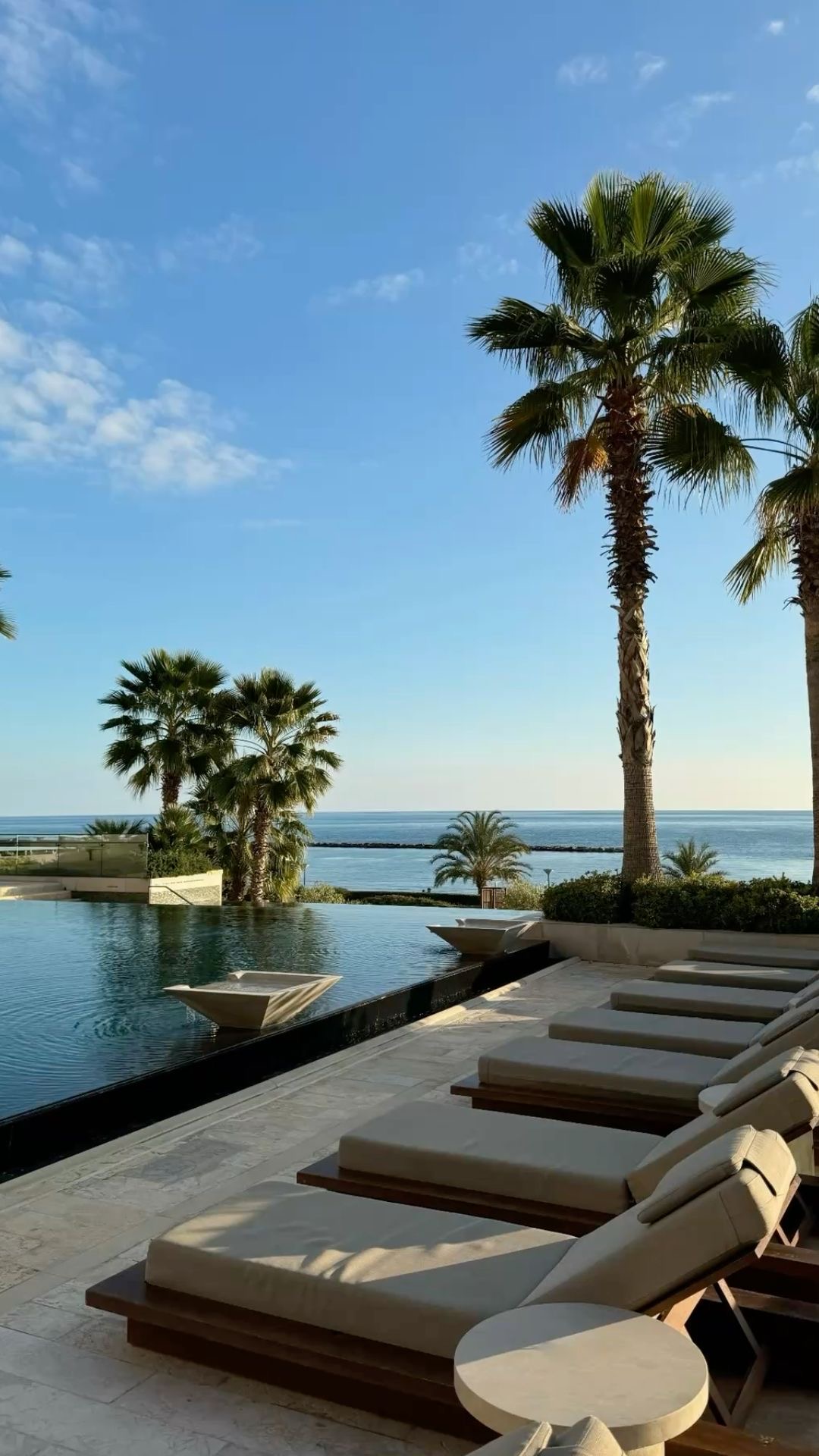
Today, that feeling started carrying a price tag, with modern summer feeling paywalled. Flip through Instagram or TikTok and it can seem as though everyone has migrated to Mykonos, Ibiza, Saint-Tropez, or Ras El Hekma. Beach clubs have become destinations in their own right, sunset dinners require weeks of planning, and wellness retreats, cabanas, yacht days, and curated experiences have become the new language of the season. Even the most ordinary forms of leisure now arrive wrapped in an entry fee.
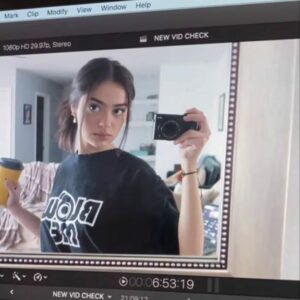
Leisure has become something to perform, packaged into photo dumps, golden-hour reels, and location tags that subtly suggest there’s a right way to spend the season. The more we’re shown, the easier it becomes to confuse someone else’s most-liked post with the standard we’re somehow expected to meet.
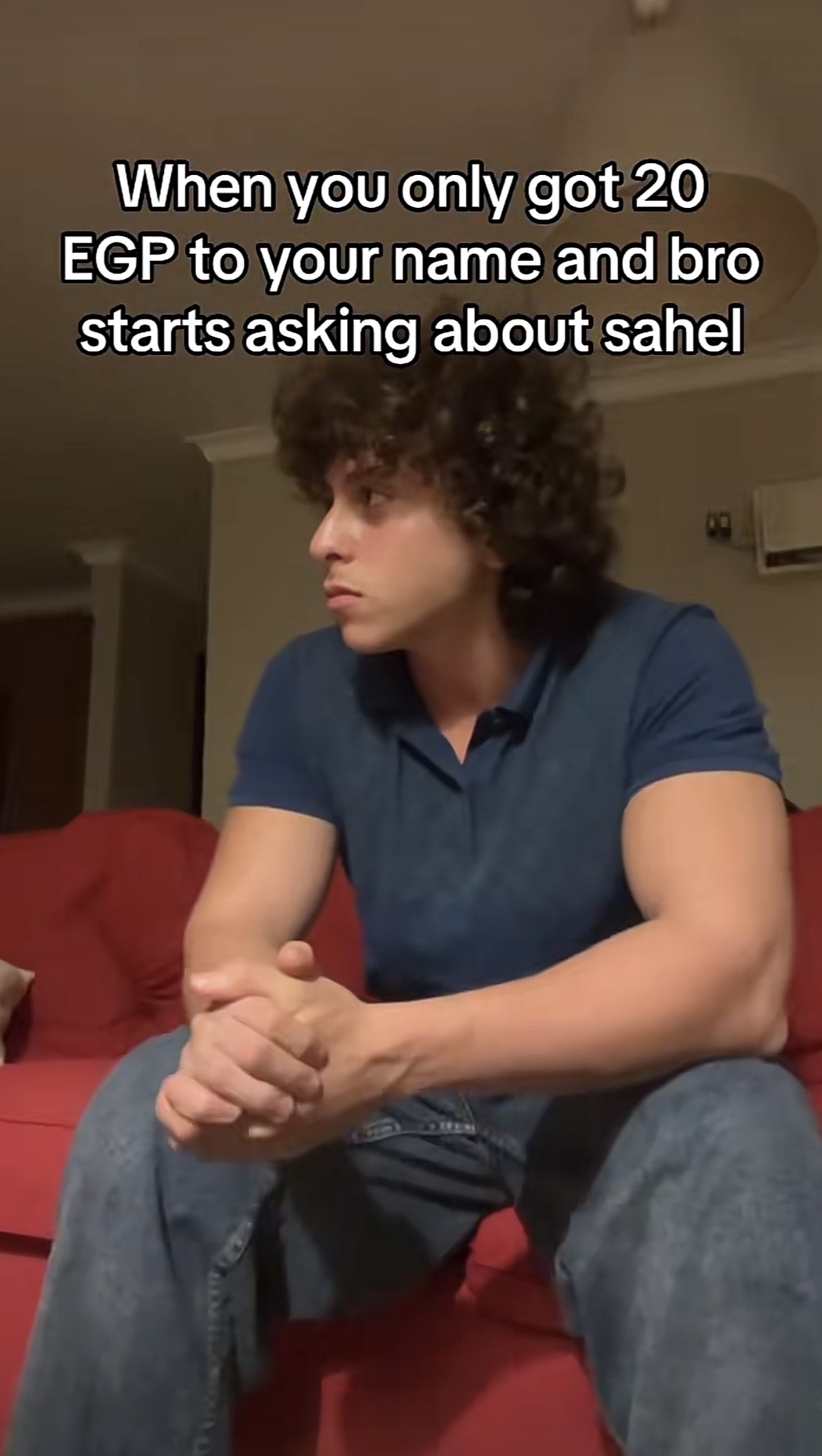
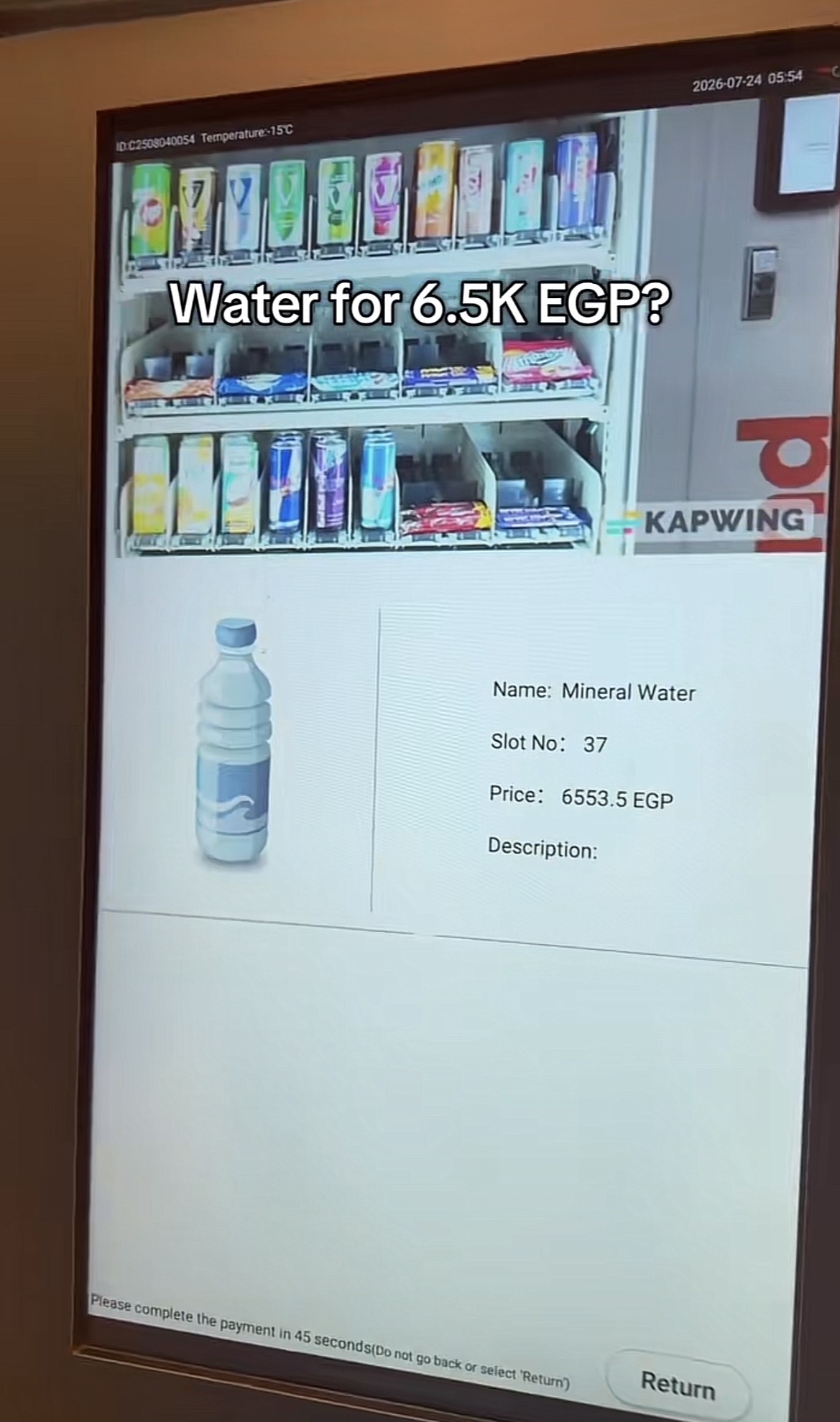
Even “touching grass” has become expensive. Once the simplest antidote to burnout, it now comes with a booking confirmation, a minimum spend, or an access wristband. A beach day isn’t just a beach day anymore. It’s parking fees, beach passes, cocktails, reservations, a minimum charge, and the creeping feeling that if you’re staying home, you’re doing summer wrong.
Summer hasn’t just become more expensive; it’s become more and more curated. The restaurants everyone talks about only exist for a season. Beach clubs charge entrance fees that would once have covered a night’s stay. Even slowing down now seems to require an itinerary: sunrise workouts, sunset dinners, wellness retreats, and endless reservations. Leisure, once spontaneous, has become another thing to plan—and pay for.
More than anything, though, the real pivot isn’t hitting your wallet. It’s messing with your head. Every Thursday, the same questions begin to circulate. Where are you this weekend? Which beach? Who’s hosting? Summer has become something to account for, almost as if staying home requires an explanation. “I’m reading,” or “I’m spending the weekend at home,” don’t like acceptable answers anymore—not because they aren’t enough, but because we’ve been taught they don’t look like summer.
Part of that comes from the stream of VSCO-edited photo dumps and holiday reels filling our feeds. Weekends are measured in who-went-where, creating the illusion that everyone else is constantly somewhere better. Whether it’s true or not becomes almost irrelevant. What matters is the feeling it leaves behind: that if your summer isn’t visible, exciting, or shareable, you’re not doing it right.
In Egypt, nowhere is that transformation more visible than along the North Coast. For many, Sahel used to mean rented chalets shared between families, mangos cut up after a day at the beach, card games that stretched out to 3AM, kids racing around on bicycles, and barbecues that fed half the neighbourhood. Luxury certainly existed, but it wasn’t the defining feature of the season.
Today, the language of summer sounds different. Even before you’ve dipped a toe in the water, you’ve already navigated a series of rules, bookings, and expenses. The North Coast hasn’t lost its magic, but it has undeniably changed. As each summer passes, the simple rituals that used to define the season are now sharing space with a culture of exclusivity, one where access itself has become part of what’s being sold.
The irony, of course, is that summer was never meant to be a competition. It was supposed to be the season that invited us to slow down. Now, it feels like another deadline; another few months in which we’re expected to book experiences and prove that we’re making the most of every weekend before September arrives.
It forces a bigger question: when did summer stop being about actually resting and start becoming another exercise in consumption? Almost every part of the season now seems to come with a booking link. The restaurant. The beach. The workout class. The festival. The pop-up. The staycation. Even spontaneity is now scheduled weeks in advance. Between the reservations, waiting lists, and curated itineraries, summer has become another thing to optimize.
It might be one reason so many people finish the season feeling exhausted instead of restored. We’ve turned leisure into another project to complete, another calendar to fill, another opportunity that feels too expensive—or too fleeting—to miss. If summer is supposed to be the season that reminds us how to slow down, perhaps we’ve become a little too busy trying to show that we’re doing exactly that.
For more stories around regional culture, visit our dedicated archives and follow us on Instagram.