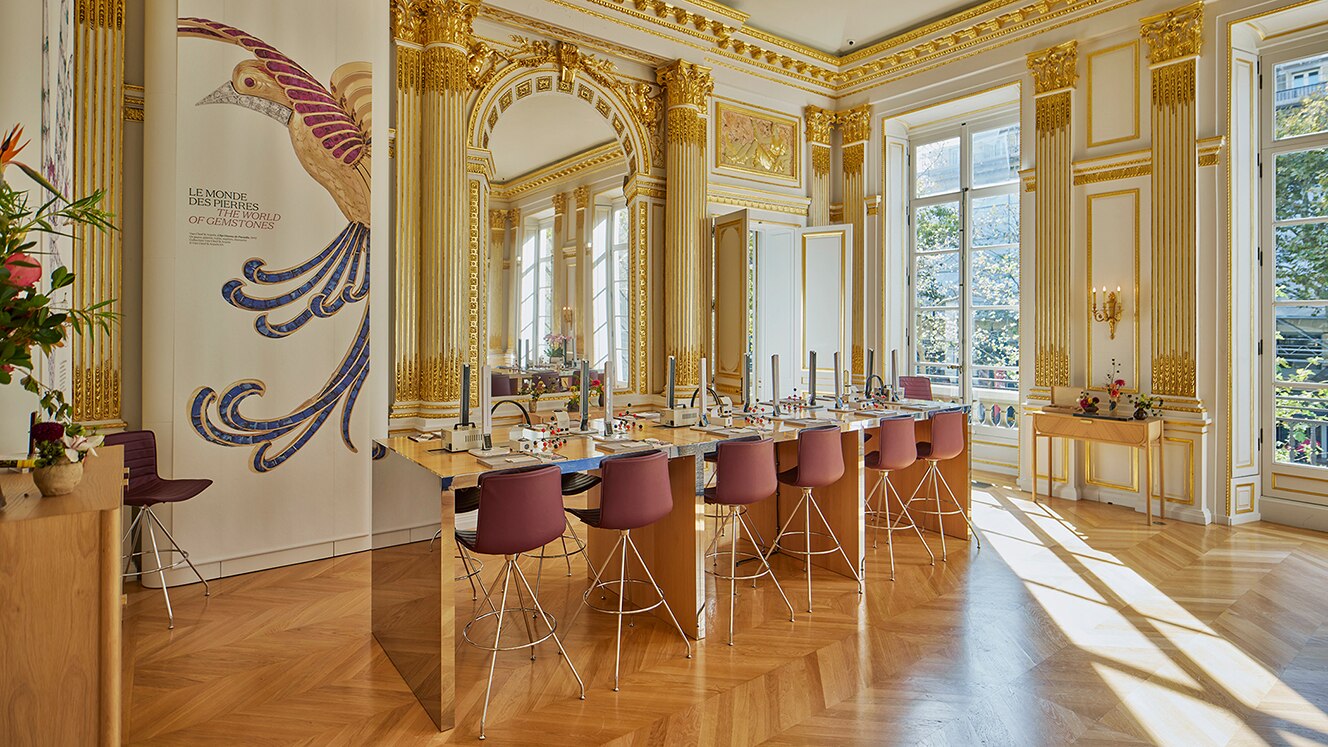
On 16 September, L’ÉCOLE, School of Jewelry Arts, supported by Van Cleef & Arpels, held its first Arabic-language public talk in Dubai. The Art of Enamelling brought jeweller Noural Al Serkal and art historian May El Hage together to examine enamelling and its place in jewellery history, from transparent and translucent applications to opaque ones.
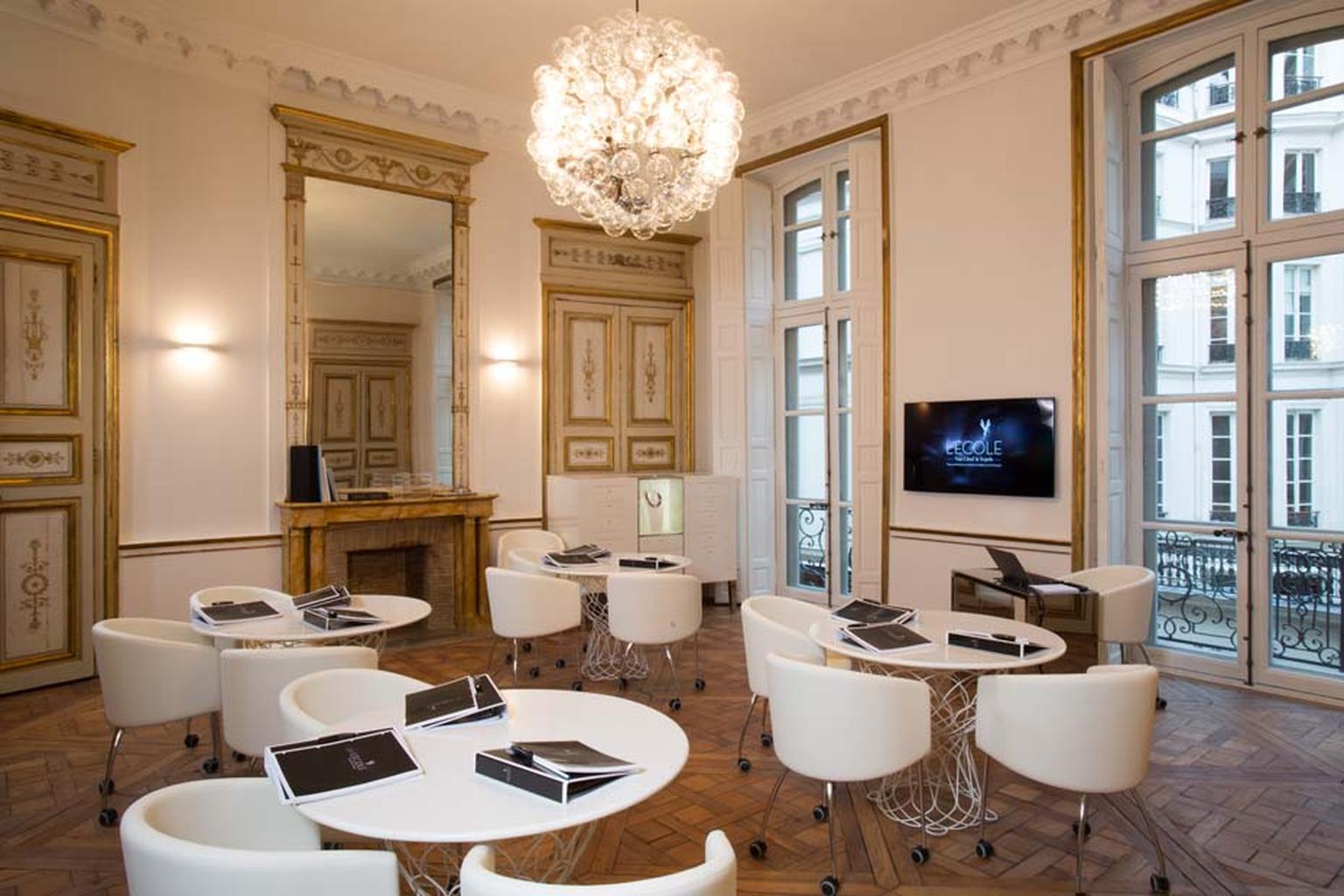
The talk arrived as part of a larger change at L’ÉCOLE’s Dubai campus. The school began teaching in English and French when it established its permanent Middle East campus at Dubai Design District in late 2023. From 10 September 2026, it has started offering courses in Arabic, including From Design to Mockup, The Making of a Jewel and The Engagement Ring: A Love Story.
For a school whose stated mission is to spread knowledge of jewellery around the world, the shift raises a straightforward question: what happens when that knowledge is taught in the language of the people it hopes to reach?
Sophie Claudel, Director of L’ÉCOLE Middle East, describes the move as “a crucial step in deepening our exchange with local audiences” around gemstones, jewellery history and savoir-faire, adding that it reflects the school’s embrace of regional cultural identity. The wording matters, Arabic arrives almost three years after the Dubai campus first appeared.
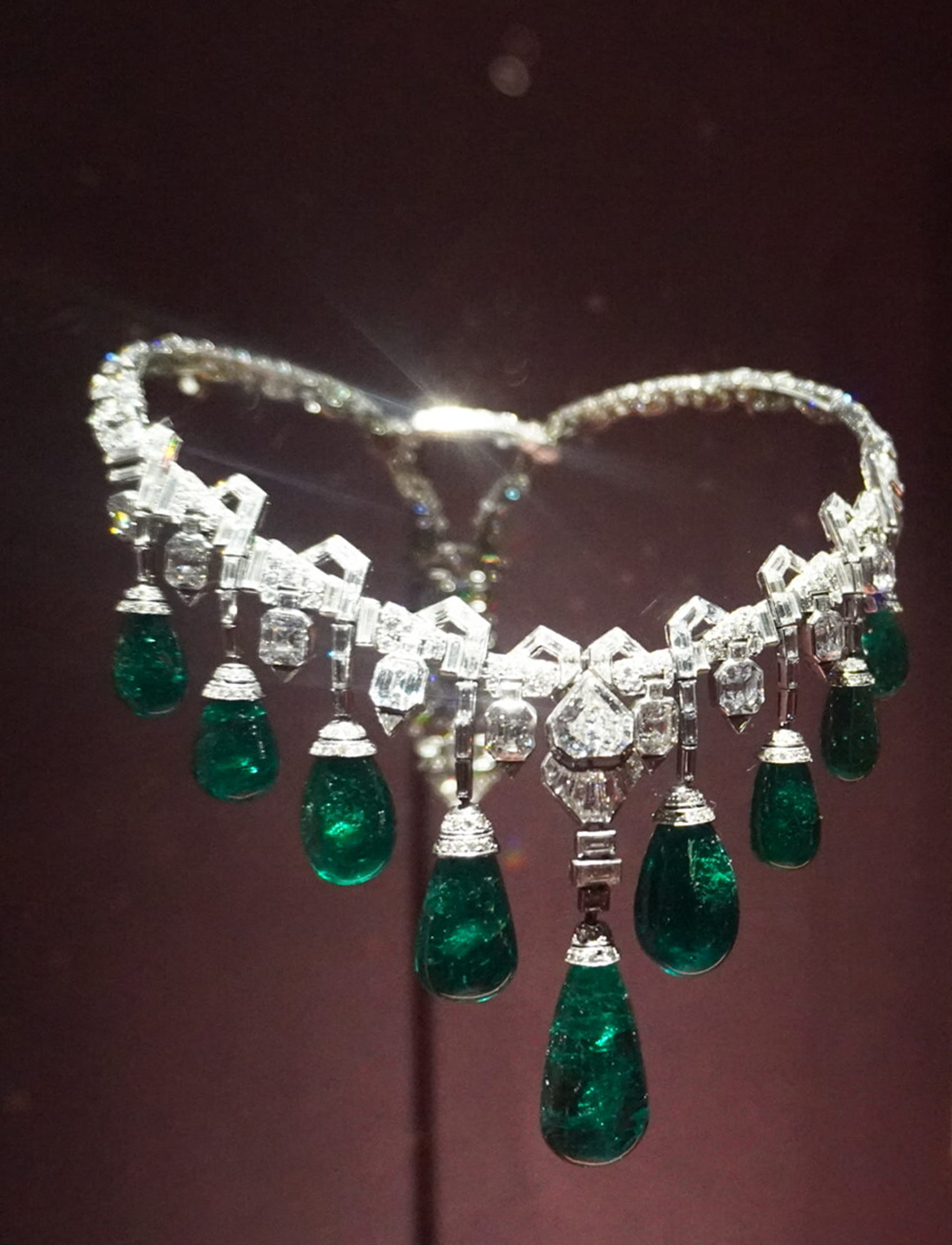
That gap says something about how luxury education has approached the Gulf. English and French have long been treated as workable defaults for institutions carrying European histories and expertise into the region. Arabic asks the institution to do some of the adapting itself.
The distinction also matters for a subject such as jewellery history, translation can carry information from one language into another, yet teaching in Arabic can change the terms of the exchange: which references feel immediate, how specialist ideas are explained, and whether students encounter jewellery history as imported knowledge or as knowledge they can claim in their own language.
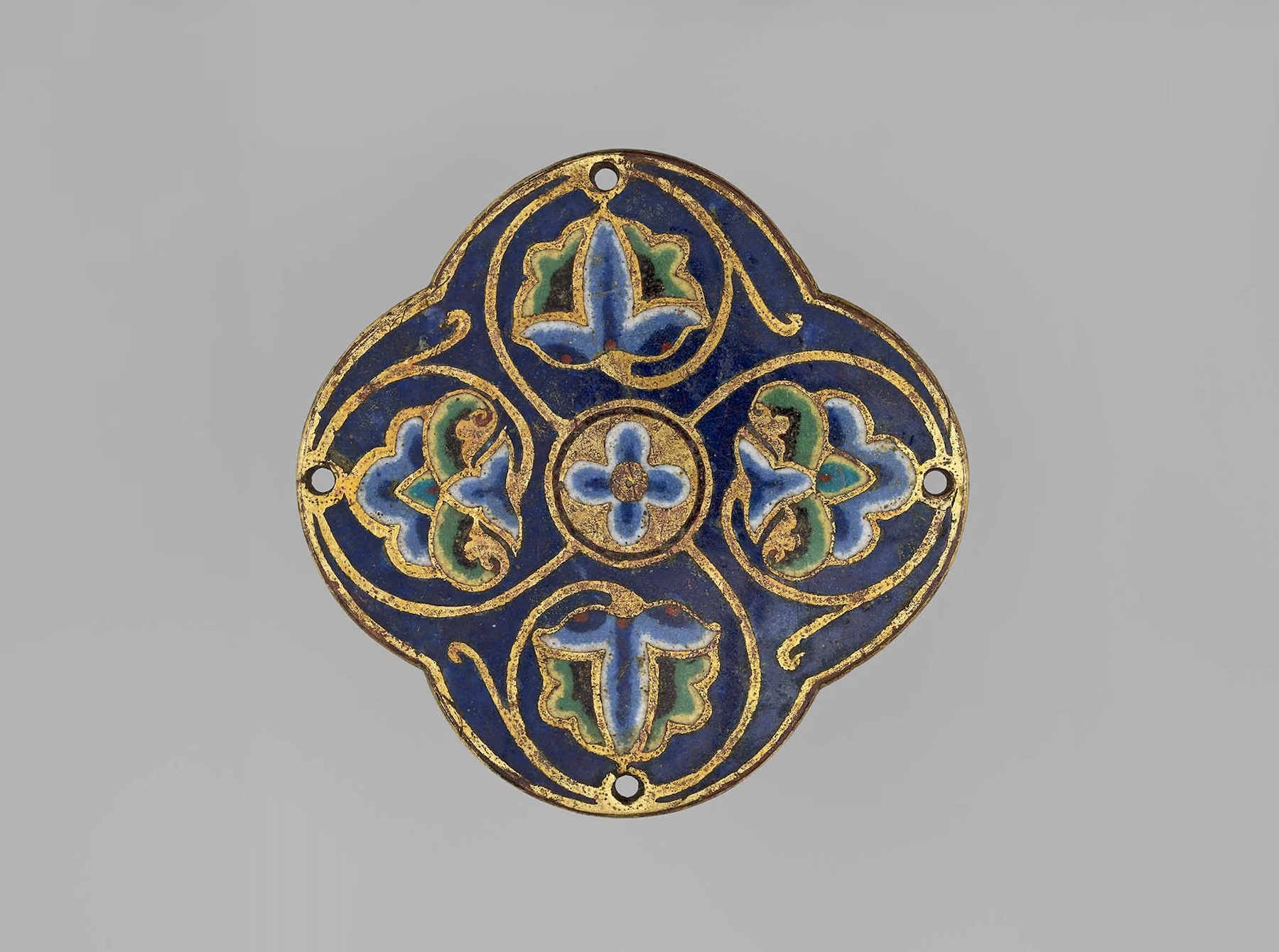
That was the question at the centre of Al Serkal and El Hage’s September talk. Their discussion of enamelling gave the new programme a specific subject through which to test the broader shift. L’ÉCOLE is beginning to use Arabic as a language for teaching the history and making of jewellery itself, rather than treating it as an extra service around an established curriculum.
The programme also includes Voice of Jewels, a new three-episode podcast of roughly ten minutes per episode, tracing the history of gold across centuries and cultures.
For L’ÉCOLE, the Arabic programme is a change in access. For its audience, it may become a test of whether luxury education can adapt its language as readily as it exports its expertise. The 16 September talk was the first public measure of that change.
For more stories of art and culture from across the region and the diaspora, visit our dedicated arts and culture archives and follow us on Instagram.