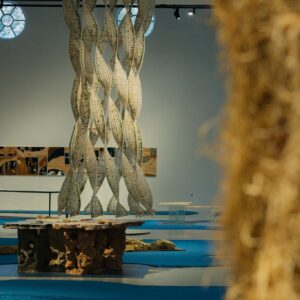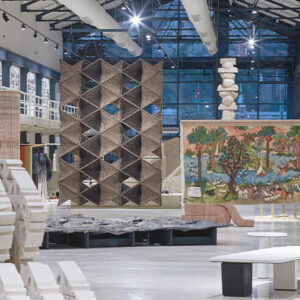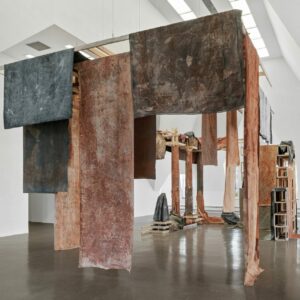
This week, Beirut appeared in YUNG through the objects that have survived it. “Beirut Habibi – A City of Layers” traced the city through heritage and memory, while “When Mzaar’s Chairlifts Became Art” followed disused ski-lift parts into the hands of Lebanese artists. Both found resilience in what could be kept, recalled or remade. Then Venice announced a Lebanese film in which two sisters plan to rob a bank.
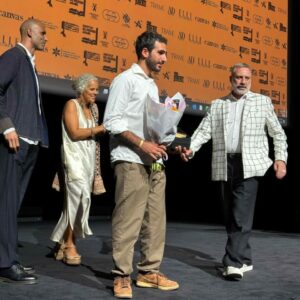
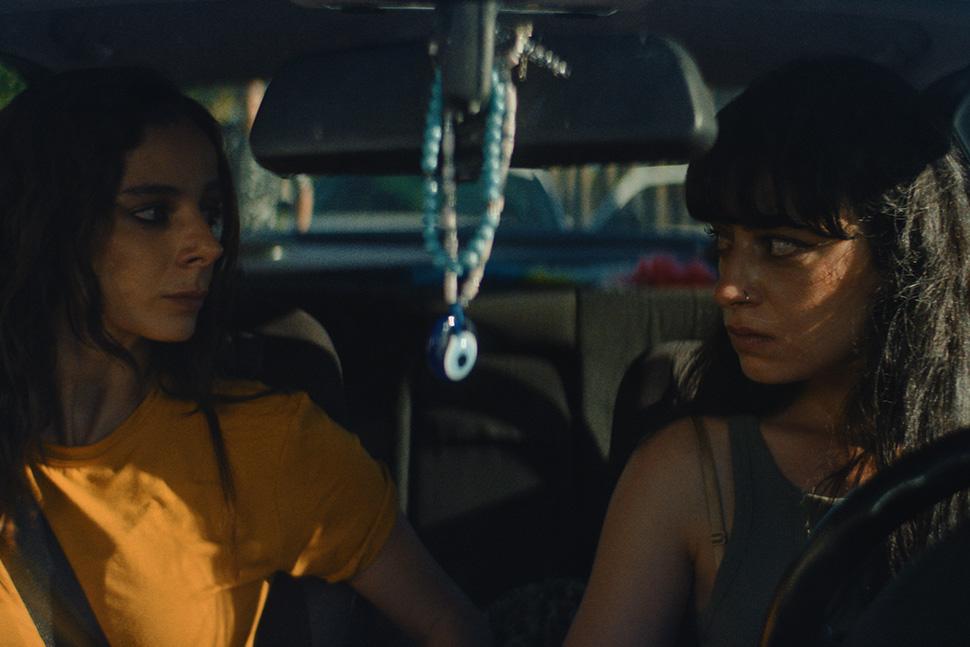
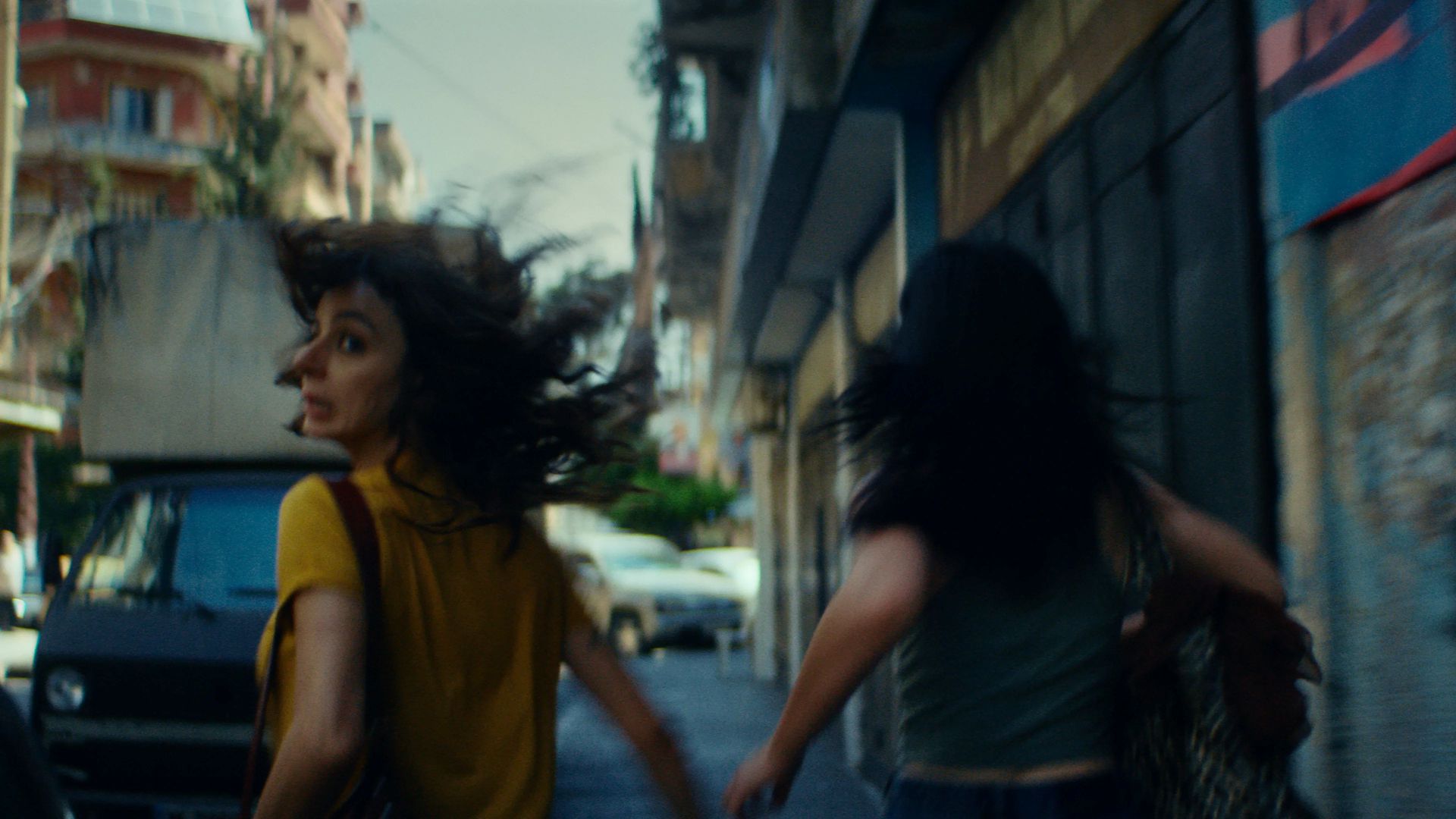
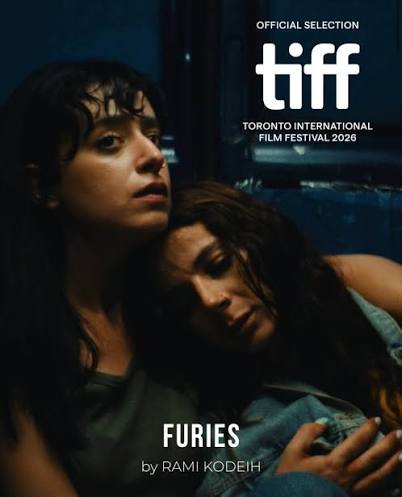
Rami Kodeih’s Furies, a 133-minute Lebanese-Brazilian production, will premiere in the Venezia Spotlight section of the 83rd Venice Film Festival. Maria Nakouzi and Rym Mroue lead the cast as Maro and Dalia, sisters living through the country’s banking collapse. Maro is a single mother; Dalia, in the festival programme’s words, is “wild-hearted”. Together, they plot an all-night heist to retrieve money that already belongs to them.
That distinction supplies the film with its sharpest premise. Since 2019, Lebanese banks have restricted access to foreign-currency accounts through controls imposed without a formal capital-control law. Savings remained visible on statements and unavailable at the counter. By July 2026, an estimated $93 billion was still frozen in the banking system, according to reporting by The National. Inflation was running at 19 per cent year on year, while forecasts placed the year’s possible GDP contraction between seven and 16 per cent.
In 2022, some depositors stopped asking. They entered banks, occasionally carrying real or fake weapons, and demanded withdrawals from their own accounts. Five banks were held up in a single day that September, followed by a nationwide closure. In one earlier case, Bassam al-Sheikh Hussein took bank staff and customers hostage at a Beirut branch while demanding access to $210,000 in trapped savings. The stand-off ended after the bank agreed to release $35,000. He freed the hostages and was later released without charge.
The incidents had the structure of a true crime story, though the usual parts had been rearranged. The supposed robbers were account holders. The cash they demanded was theirs. Crowds gathered outside branches to cheer them on, while the Depositors’ Union called the September spree “the depositors’ uprising”. A bank had become a place where a person could see their money and still need a gun to reach it.
Furies takes that contradiction and makes it cinematic. Its choice of genre is significant because Lebanese crisis stories are often expected to arrive as testimony: the family archive, the damaged building, the remembered city, the documentary image sent from elsewhere. Those forms remain vital, especially in a country where loss keeps producing fresh layers. A heist thriller permits a different emotional register. It offers planning, speed, danger and the prospect – however provisional – that someone might seize control.
There is an obvious risk in turning a real financial disaster into entertainment. A slick robbery can reduce years of financial turmoil, medical emergencies and erased futures to plot mechanics. Kodeih’s film has yet to screen, so it is too early to know how closely it stays with the people whose experiences give its premise force. Yet the chosen genre does not have to make the crisis less serious. It can expose how absurd its rules already are. Lebanon’s depositors did not need filmmakers to turn them into bank robbers. The banking system had assigned them the role.
The film joins four other works by Arab directors in Venice’s official selection. May el-Toukhy’s Woman Unknown enters the main competition; Ahmed Hassouna’s Gaza documentary Citizen Osama screens out of competition; Muayad Alayan’s Conversation With the Sea appears alongside Furies in Venezia Spotlight; and Shaden Safieddine Tazi’s short A Few Moments of Happiness enters Orizzonti. Across this small group, war, debt, disappearance and displacement are handled through documentary, period drama, mystery and thriller. It is too narrow a sample to declare a movement, though the range shows filmmakers refusing the idea that Arab crisis stories require a single form.
Meanwhile, the crisis that drives Furies remains open. On 28 July, protesters lit fires and smashed glass doors outside three Beirut banks before targeting the home of the Association of Banks chairman. Lebanese depositors’ groups issued a blunt message: “Seven years of frozen deposits is more than enough.”
Countless stories tell one truth about Beirut: what a city retains after repeated trauma, and how its people build a public memory from the remains. Furies deals with another truth, unfolding at cash machines, bank counters and locked glass doors. Its Beirut has no distance from the crisis and no reason to make it beautiful. The sisters want their money back. One night, they decide to take it.
Follow us on Instagram for more stories of art and culture from across the MENA region.