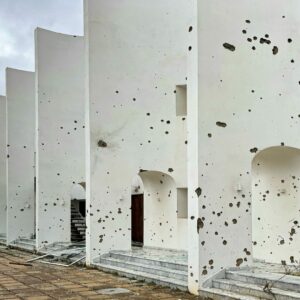
Lebanese potter Christopher Ghoussoub is carrying forward a craft that once defined the village of Beit Chabeb, home to more than 200 potters and today left with Ghoussoub as its last active practitioner. Through Foukhar Studio, he is not simply preserving this heritage, but imagining how it can survive, evolve and create opportunities for a new generation.
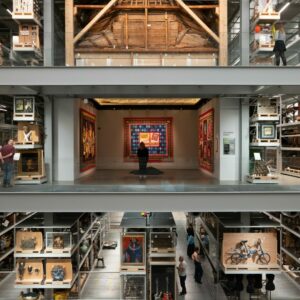
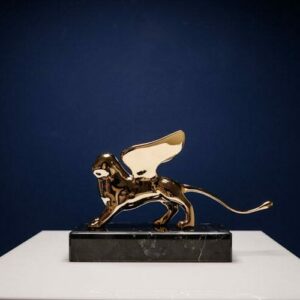
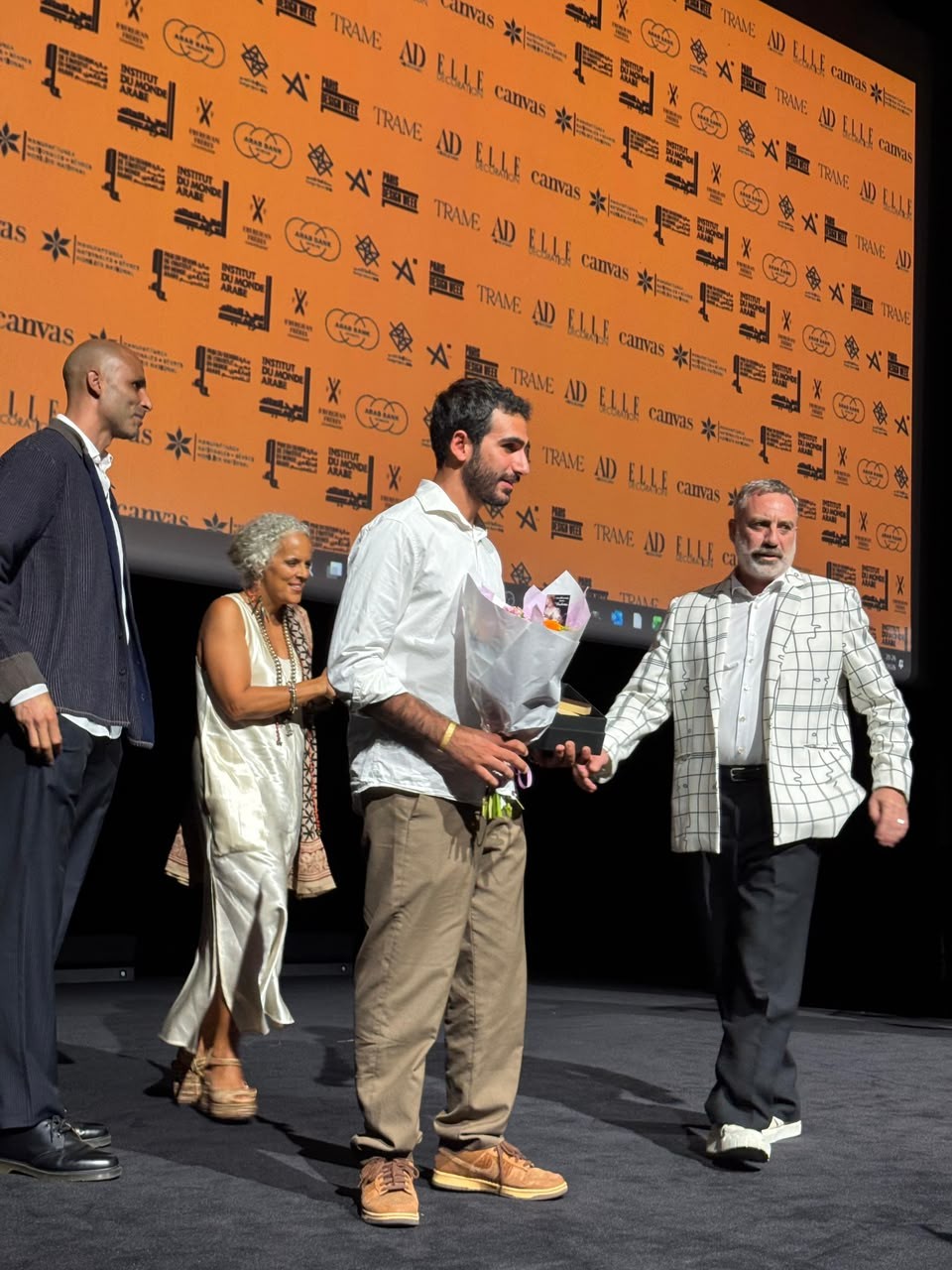
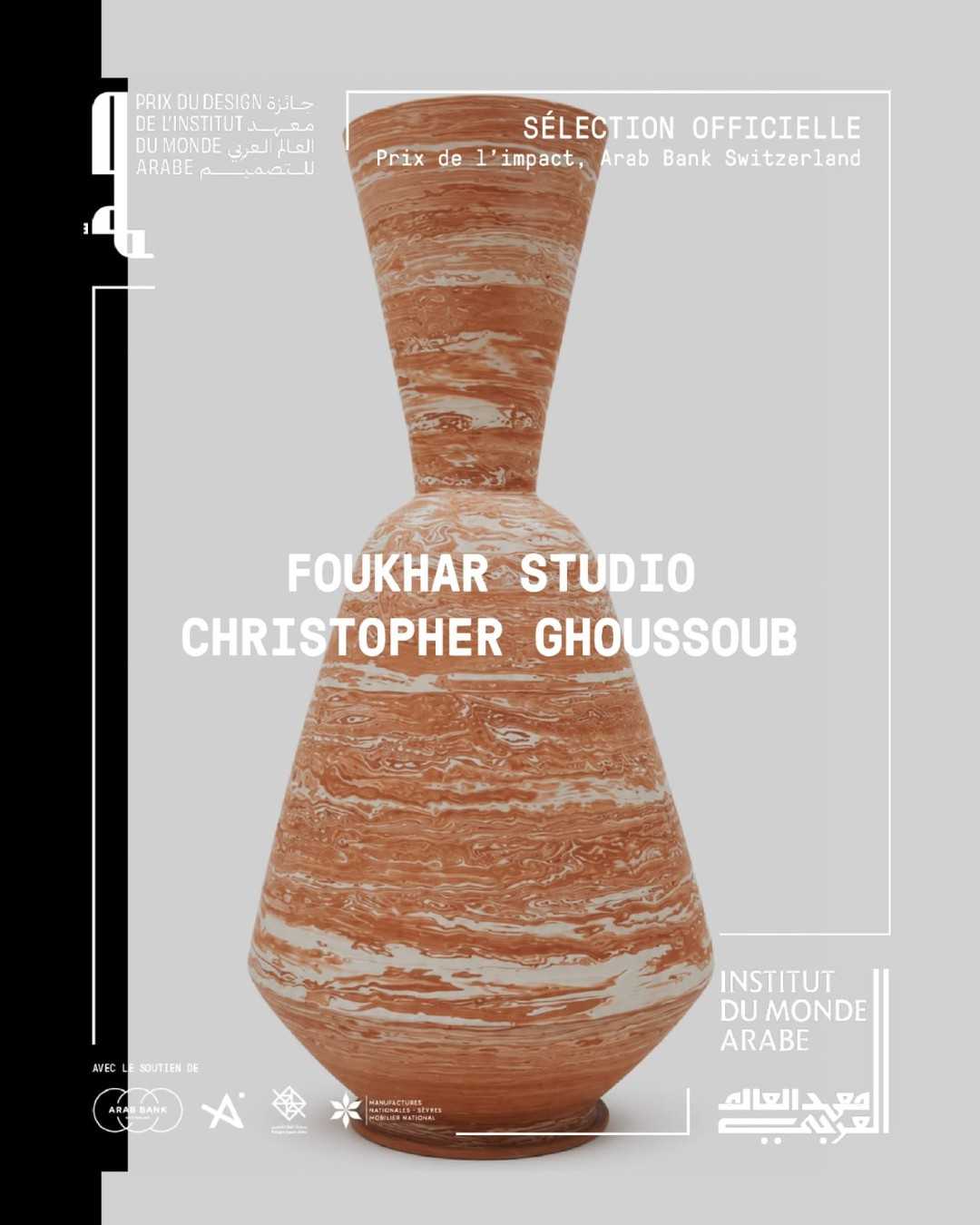
That mission has now earned international recognition. Ghoussoub and Foukhar Beit Chabeb: Reactivating a Village Craft Economy have won the Impact Award, supported by Arab Bank Switzerland, at the 2026 Institut du monde arabe Design Prize in Paris. The fourth edition of the prize celebrates design excellence from across the Arab world and its diaspora, with the winning projects exhibited at the Institut du monde arabe during Paris Design Week.
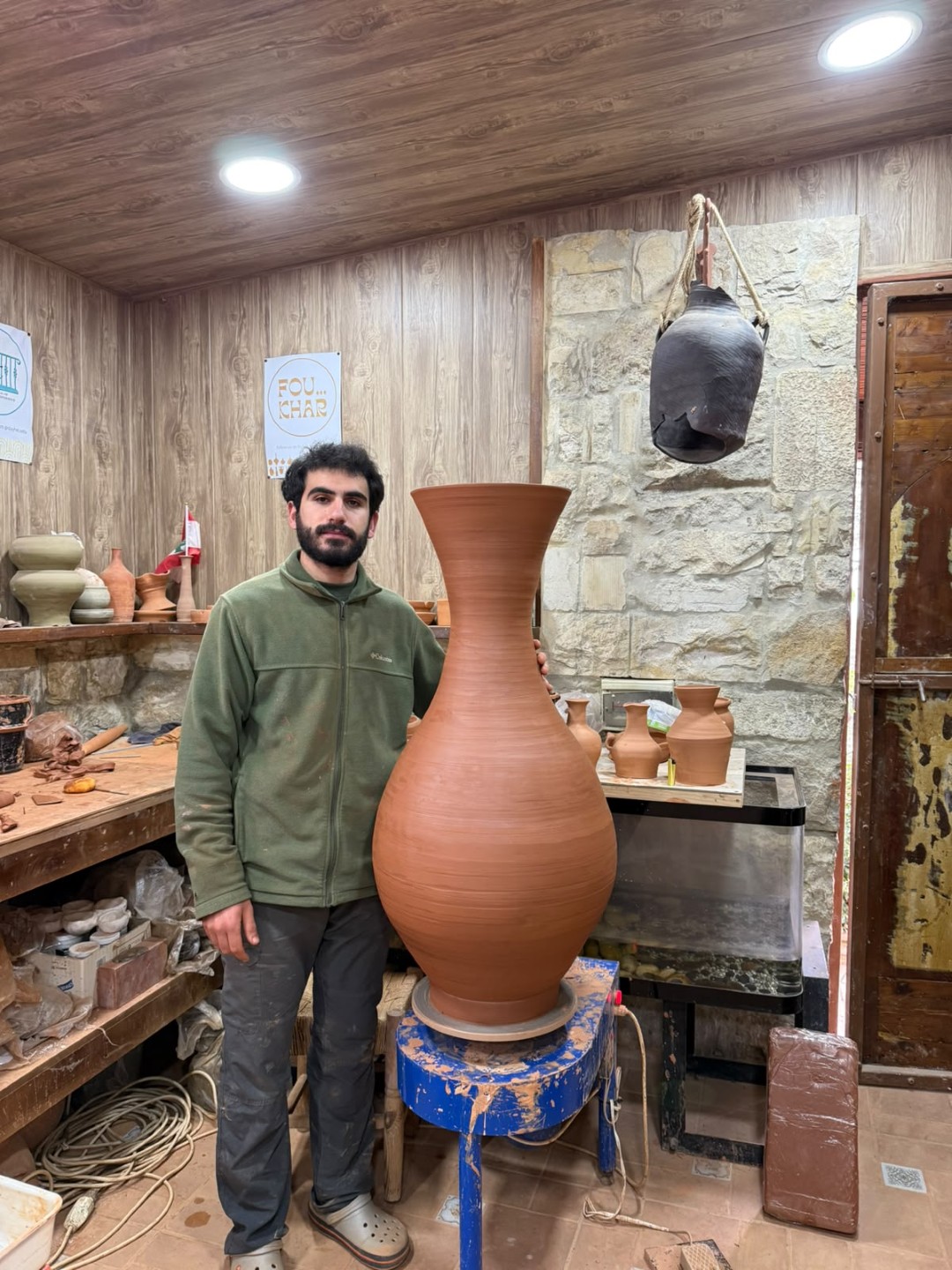
Working with handmade terracotta, from traditional vessels once used for wine and oil to contemporary objects, Ghoussoub sees pottery as both cultural memory and a possible future economy. His ambition is to create a workshop that can train young makers, revive production and ensure that Beit Chabeb’s centuries-old relationship with clay does not disappear with his generation.
You are only 22, yet you are described as the last active potter in Beit Chabeb. How did a craft that belongs to generations before you become your own calling?
I think it became my calling because I never really saw pottery as something separate from my life. I grew up surrounded by the stories, objects and traces of this craft. It was part of my family and part of Beit Chabeb long before I was born.
As I grew older, I began to understand that this heritage was disappearing. I realised that being part of a new generation also gave me a choice: I could simply be proud of what my family had done, or I could take responsibility for continuing it.
That is when pottery became more than something I inherited. It became something I chose.
Beit Chabeb was once home to more than 200 potters. What does it feel like to work knowing that you are carrying something that has almost disappeared?
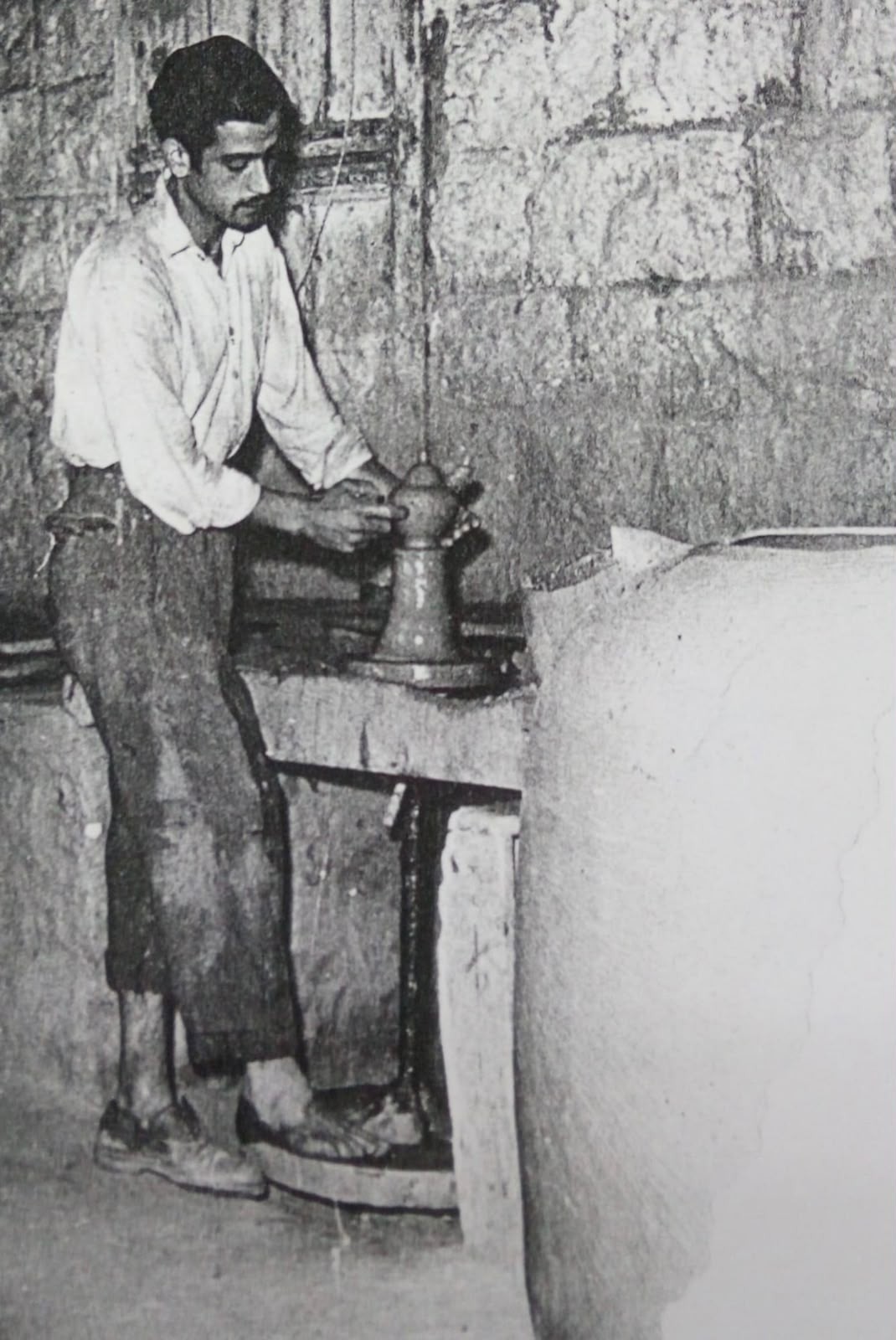
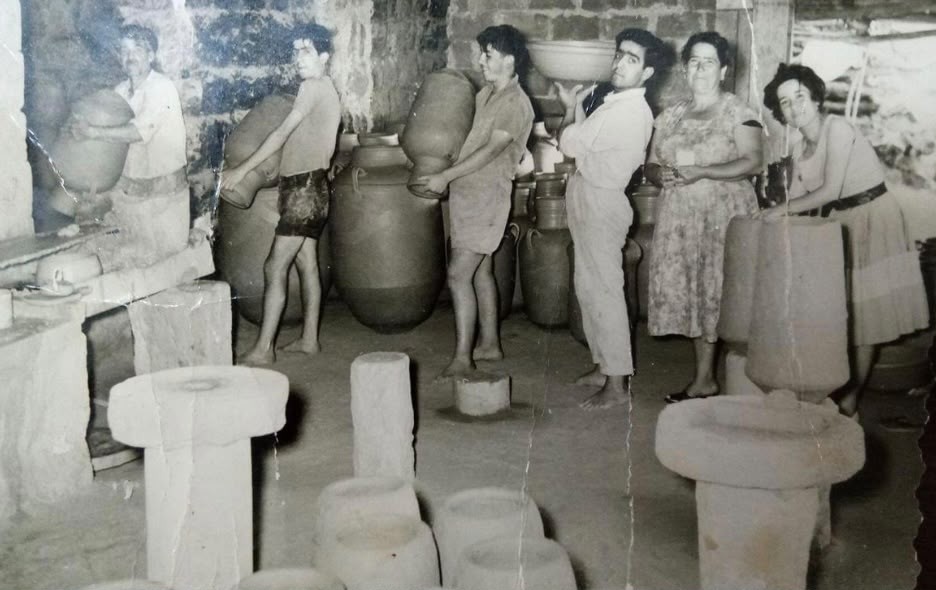
It is both beautiful and heavy. When you know that more than 200 potters once worked in the village, you realise that pottery was not just a craft here. It was an entire community, an economy and a way of life.
Today, when I work with clay, I sometimes think about all the workshops that once existed around me and all the hands that worked with the same material before mine.
Being one of the last people still practising it gives me a strong sense of responsibility. But I do not want that responsibility to be about being “the last potter.” My goal is the opposite. I want to reach a point where nobody can call me the last potter of Beit Chabeb anymore because there will be a new generation working beside me.
Your family has its own history with pottery. What is your earliest memory of clay, the workshop or seeing your family’s connection to the craft?
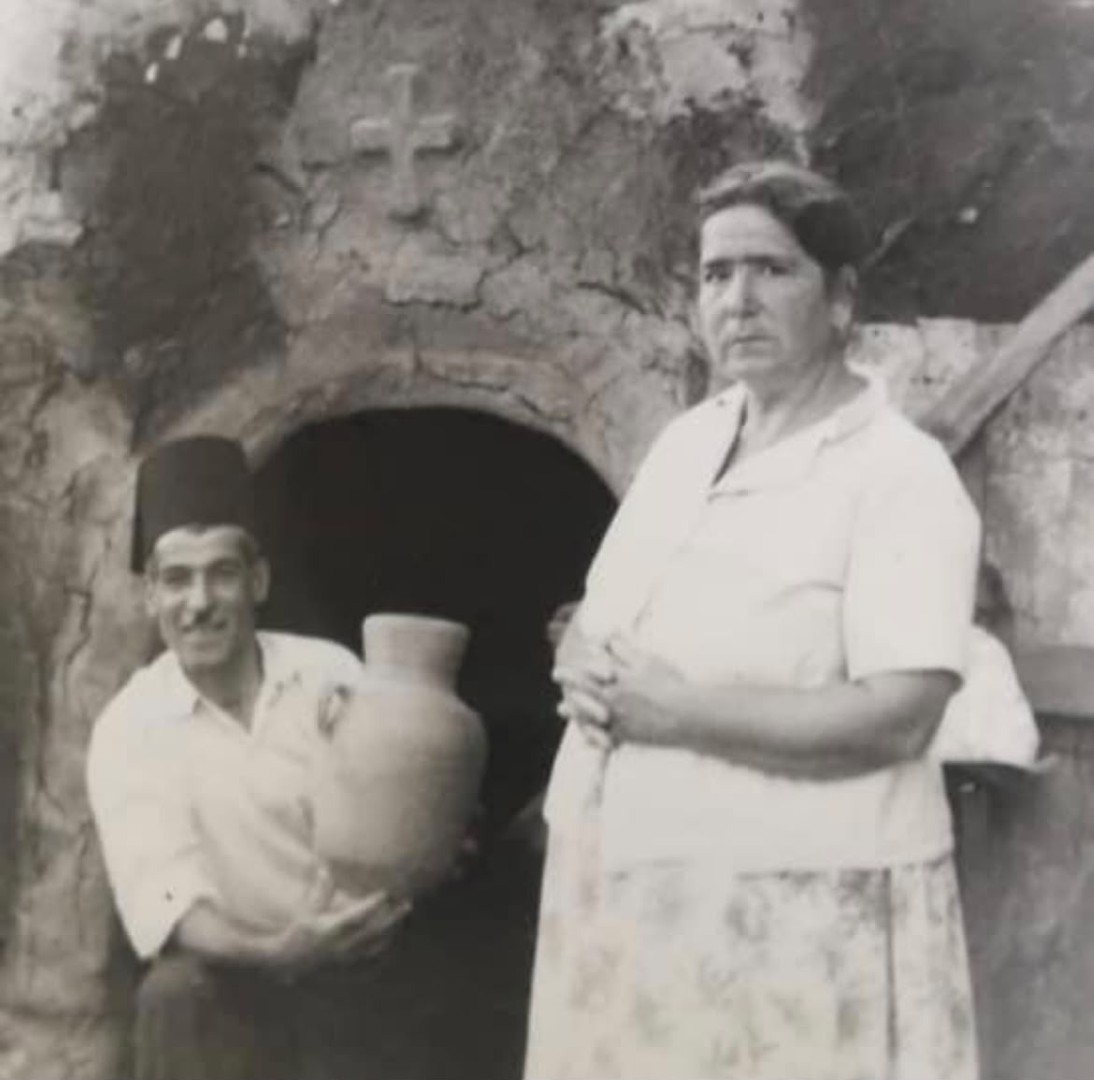
My earliest relationship with pottery was actually through the objects that surrounded me. Some pieces made by my great-grandfather were still there, so even before I fully understood the history behind them, I could physically touch something made by the hands of someone from generations before me.
That is very powerful to me. Clay can preserve the gesture of a person for decades, even centuries.
Later, when I began working with clay myself, those objects stopped being simply old family pieces. I started to understand the difficulty behind their forms, their proportions and the knowledge required to make them.
Was there a particular moment when you realised pottery was no longer simply part of your family history, but something you personally had to protect?
It was not really one dramatic moment. It happened gradually.
The more I learned about the history of pottery in Beit Chabeb, the more I understood how much had already disappeared. Workshops had closed, potters had passed away and knowledge that had once been passed naturally from one generation to another was being lost.
At some point, I understood that if people of my generation did not become involved, the tradition could end with us.
That realisation changed my relationship with pottery. I was no longer practising it only because I loved making things. I was practising because I wanted this knowledge to still exist after me.
Traditional pottery is incredibly physical. What does working with clay teach you about patience, failure and the value of making something slowly?
Clay teaches you very quickly that you cannot control everything.
You can spend hours making something and lose it while drying, glazing or firing. Sometimes a piece collapses in your hands after you have worked on it for hours. At first, failure is frustrating, but eventually you understand that it is part of the process.
Pottery taught me patience because there are no shortcuts. You have to respect the material and its timing.
In a world where almost everything is becoming faster and more automated, I think there is something increasingly valuable about an object that still requires time, human hands and uncertainty to exist.
How much of what you make today follows the techniques and forms of the potters who came before you, and where do you allow yourself to experiment?
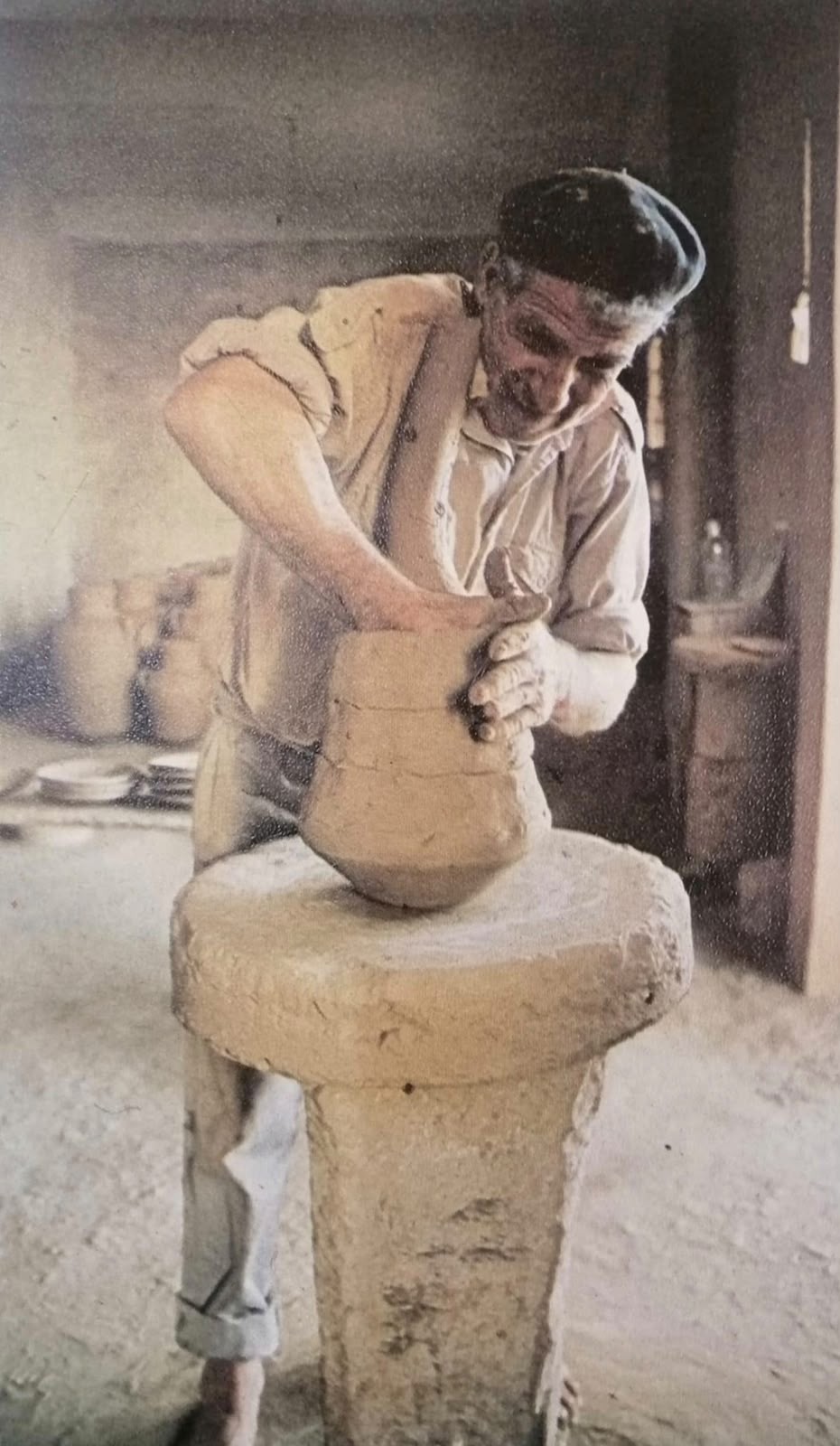
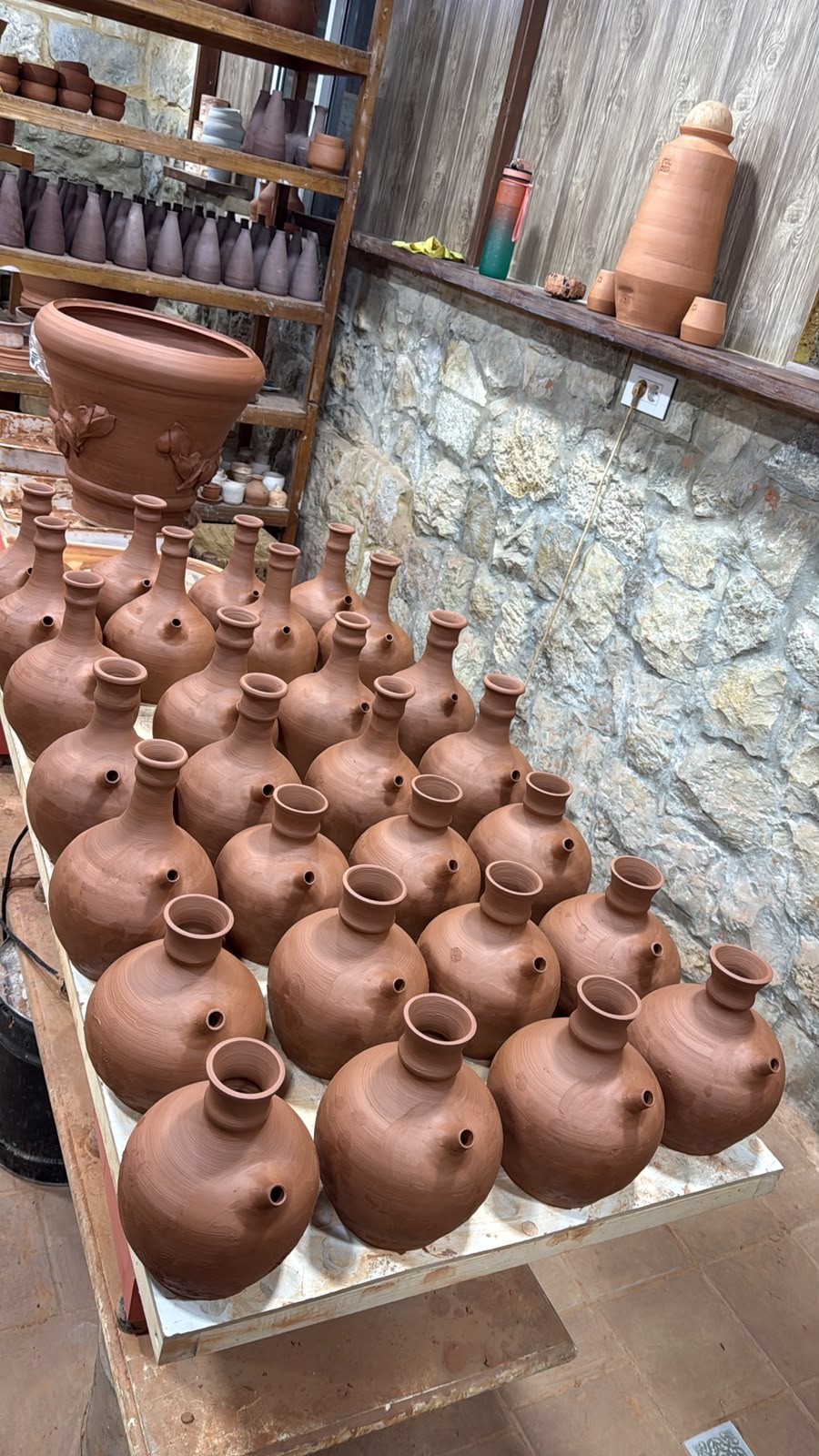
The foundation of my work is traditional. I still work with the wheel and with forms connected to the history of Beit Chabeb, especially the large jars and vessels traditionally used for wine, olive oil, water and food.
I do not want to change these forms simply for the sake of making them look contemporary. I think you first have to understand and respect them.
But I am also a designer and architect, so naturally I experiment with scale, proportion, texture and function. I create contemporary objects and explore how terracotta can enter architecture, furniture and modern interiors.
For me, tradition and experimentation are not opposites. Tradition gives me a language. Design allows me to continue speaking it.
Through Foukhar Studio, you are not only producing objects, but trying to revive an entire craft economy. What would a real revival of pottery in Beit Chabeb look like to you?
For me, revival does not mean having one successful studio. If Foukhar grows but I remain the only young potter working in Beit Chabeb, then I do not think I have really succeeded in my mission.
A real revival would mean seeing workshops reopen, young people learning the craft, designers collaborating with artisans, local clay being used again and pottery becoming a viable profession.
I want people to be able to learn pottery in Beit Chabeb and actually imagine building a future from it.
The dream is not to remain the last potter. The dream is to become one of many again.
You work with traditional jars once used for wine, oil and food, while also creating contemporary objects. How do you keep the work relevant without turning heritage into something decorative or nostalgic?
I think heritage becomes nostalgic when we treat it as something that belongs only to the past.
The traditional jars of Beit Chabeb were never originally created as decorative objects. They existed because people needed them. They stored wine, olive oil, water and food. They were part of everyday life.
So when I work with those forms today, I try to preserve their identity while asking what role they can have in contemporary life.
Sometimes the answer is an object, sometimes furniture, sometimes architecture or an installation. The function may evolve, but the relationship with the material, the technique and the place remains.
For me, preserving heritage does not mean freezing it. It means allowing it to evolve without losing its identity.
You have spoken about bringing schools and younger people into the workshop. Does a craft survive by preserving old objects, or only when another generation learns how to make them?
Preserving objects is important because they are evidence of our history, but objects alone cannot keep a craft alive.
A museum can preserve a pot for hundreds of years, but it cannot preserve the hands that knew how to make it.
For a craft to survive, the knowledge has to move from one person to another. Someone has to learn how to prepare the clay, centre it on the wheel, understand the thickness, recognise when it is dry enough and know how to fire it.
That is why education is extremely important to me. I want children and young people to enter the workshop, touch the clay and understand that this is not only something their grandparents used to do. It can also belong to their future.
You have just won the Institut du monde arabe’s 2026 Impact Award. What does that recognition mean when the project began with such a local and personal mission?
It is difficult to describe because Foukhar started from something extremely personal and local: my family, my village and a tradition that was disappearing.
I never started out thinking that one day it would take me from Beit Chabeb to Paris or that the work would receive this kind of international recognition.
Winning the Impact Award at the Institut du monde arabe gives me confidence that a very local story can have a much wider meaning.
For me, the award is not only recognition of my work. It is recognition of Beit Chabeb, of the potters who came before me and of the idea that traditional craftsmanship still has an important place in contemporary design.
It proves that you do not necessarily have to leave your roots behind to move forward. Sometimes your roots are exactly what allow you to create something meaningful.
Does winning an international award create a new responsibility for you, particularly when you are one of the few people still carrying this tradition forward?
Definitely. The award gives the project visibility, but visibility also creates responsibility.
Before, I felt responsible mainly towards my family and my village. Now I feel that responsibility on a larger scale because more people know the story and are watching what happens next.
For me, winning cannot be the end of the story. It has to become a tool to create opportunities, develop Foukhar, teach younger generations, build collaborations and bring attention back to Beit Chabeb and its pottery tradition.
The most meaningful result of this award would not simply be putting a trophy in my studio. It would be looking back years from now and seeing that this recognition helped something grow.
If you could look at Beit Chabeb 20 years from now, what would you hope to see: your own workshop still standing, dozens of new potters working again, or something entirely different?
I would love to see my workshop still there, of course, but I would be disappointed if it were still the only one.
Twenty years from now, I hope to walk through Beit Chabeb and hear pottery wheels turning in different workshops again.
I would like to see young potters, craftspeople, designers and students working there. I would like people to come to Beit Chabeb not only to learn about what the village used to be, but to experience what it has become.
My dream is not to recreate the past exactly as it was. It is to take the knowledge we inherited and build something new from it.
If, 20 years from now, people no longer introduce me as “the last potter of Beit Chabeb,” I think that would be one of the greatest successes I could achieve.
For more stories of art and culture from across the Arab world, visit our dedicated archives and follow us on Instagram.