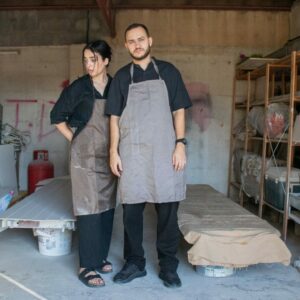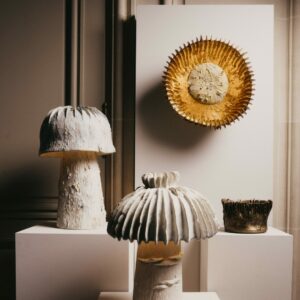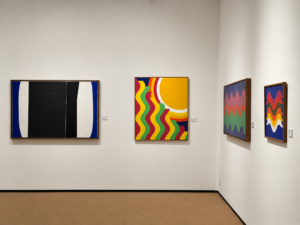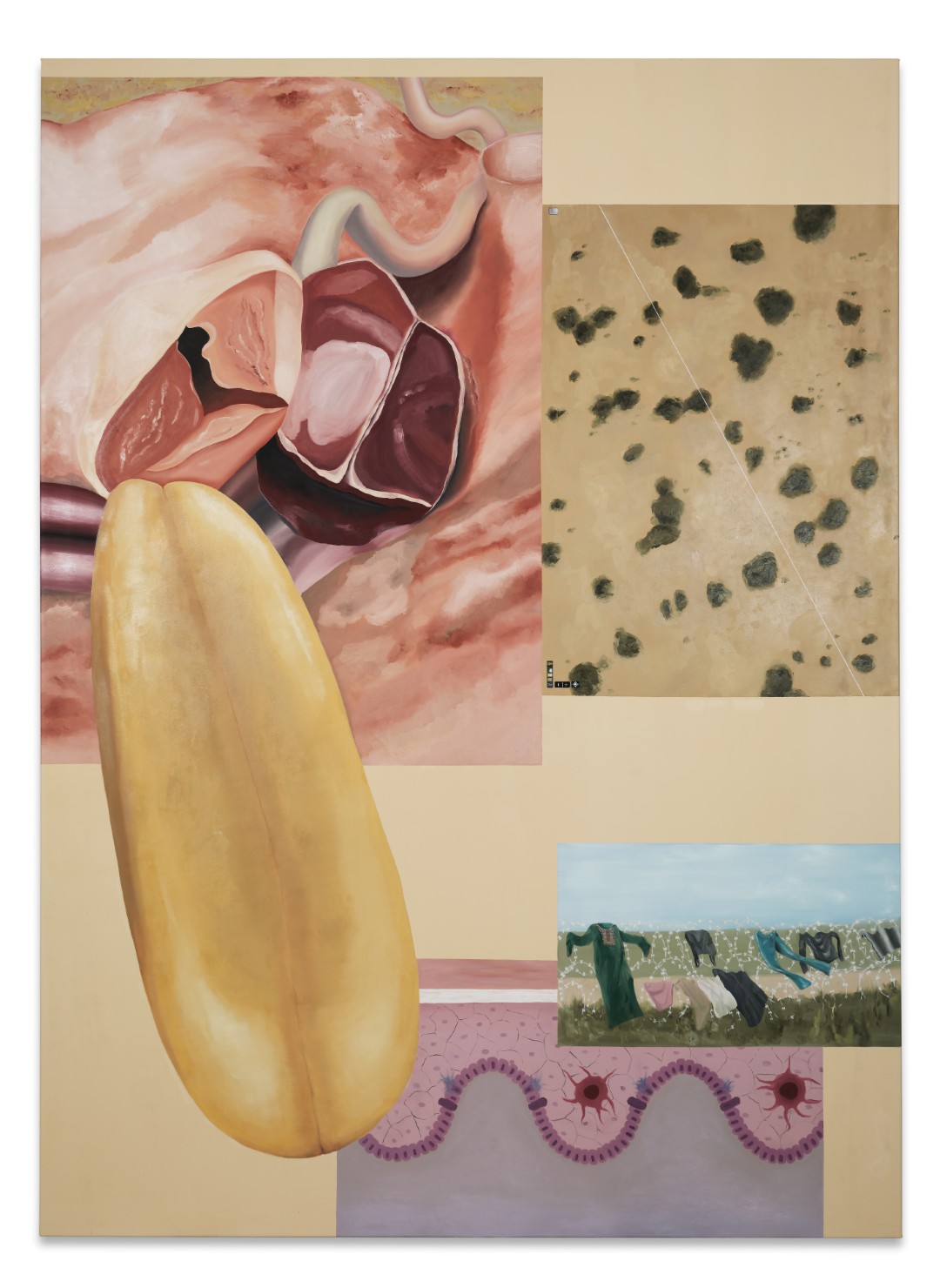
Based between London and Dubai, Syrian artist Sara Naim moves through photography, sculpture, painting, and video like someone refusing to be confined; confined by medium, geography, or meaning itself. Her work exists in the space between intimacy and distortion, where memory becomes fragmented and identity starts to blur. Drawing from years of distance from Syria, Naim transforms glitches, pixilation, and magnified imagery into emotional landscapes; images that feel both hyper-personal and strangely detached.
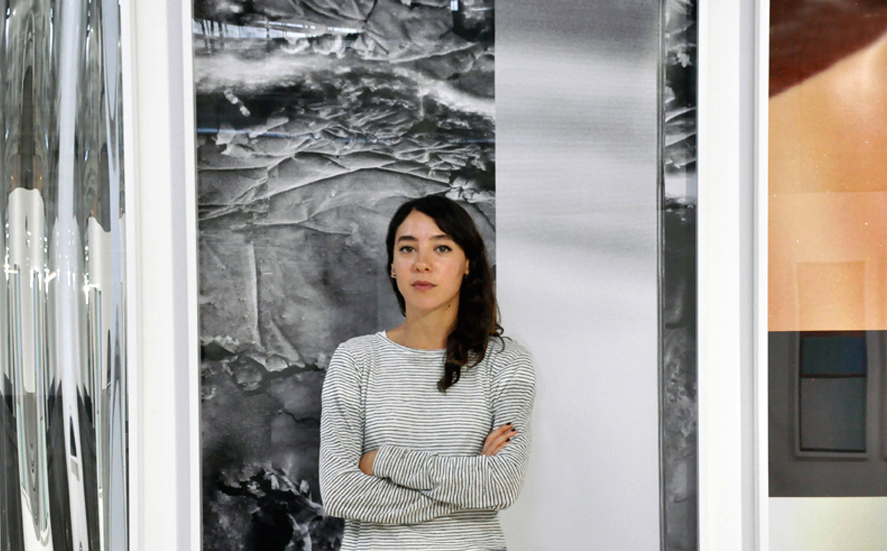
Your work constantly shifts between photography, painting, sculpture, and video, almost refusing to stay in one form. Have you always been interested in breaking boundaries creatively?
I’m a bit of a medium monkey. I don’t feel restrained by using one particular medium to say something. They all have their own language, and I enjoy adapting them to mine.
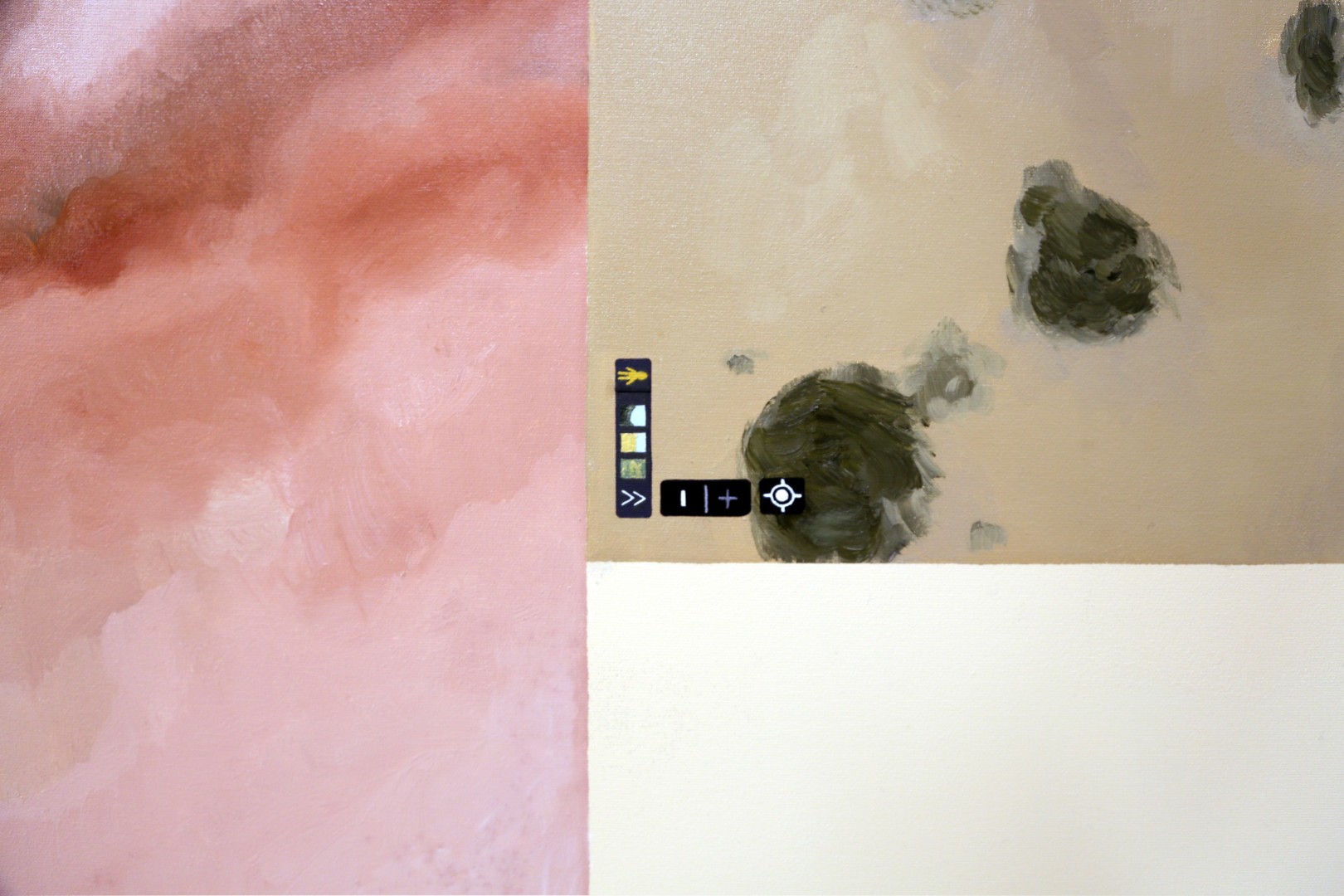
A lot of your work explores the idea that the closer we get to something, the less clearly we actually see it. What first drew you to that tension between intimacy and abstraction?
I wasn’t able to go back to Syria for the last 15 years, so during that absence I romanticised Damascus – the smell of jasmine in the streets, its dry summer heat, the flavour of watermelon and peach. I realised these idealised memories were probably far from reality, in the same way images and thoughts can slowly replace lived experience until we get lost in their abstraction.
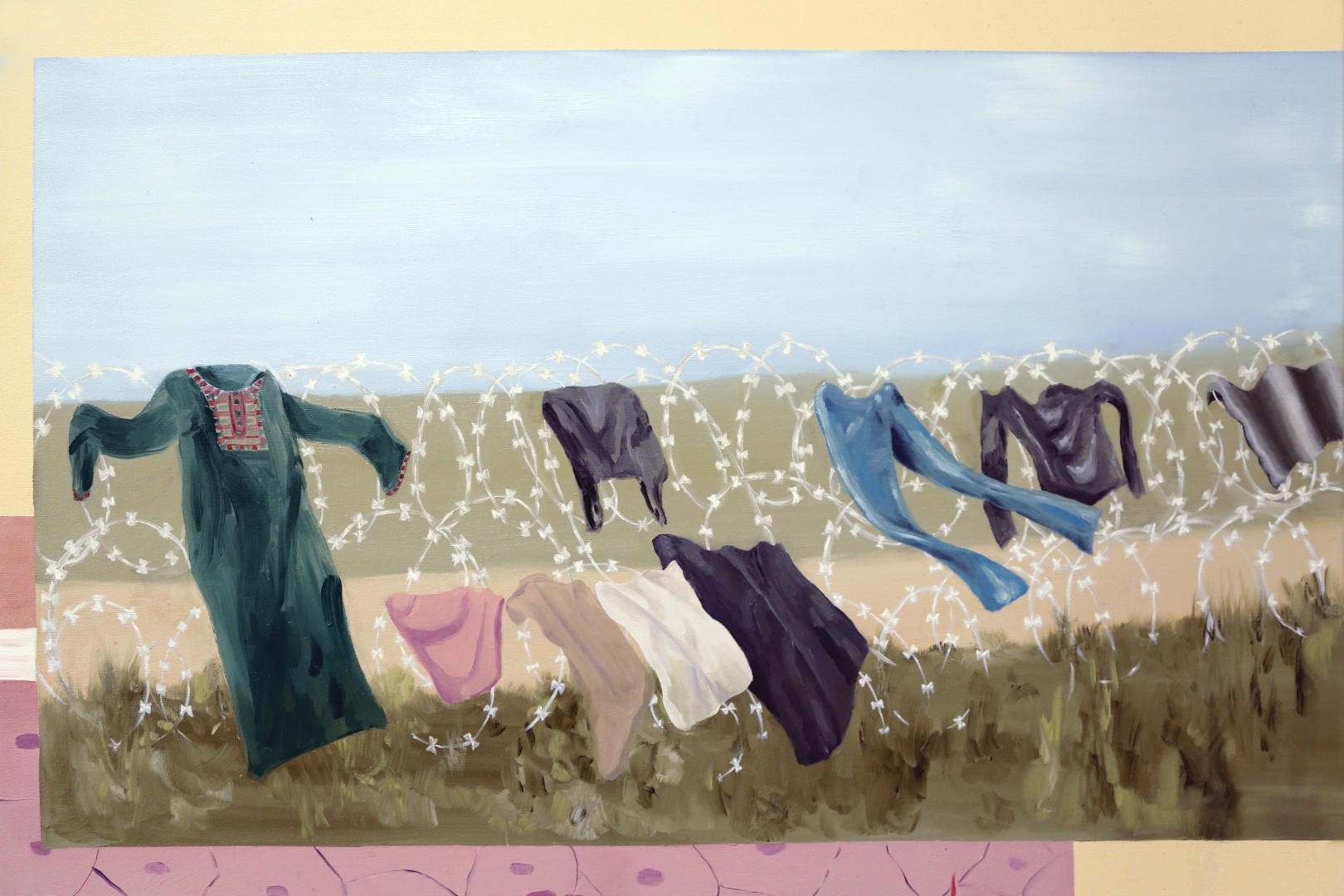
How has this distance shaped the emotional language of your work?
I’m a bit contradictory because although I’m very sentimental about Syria, I also try to describe division as a construct. The exclusivity that comes from belonging is the same mechanism that excludes others from entering it. As the distance from Syria increases, so does its sentimental value. Sentimentality, culture, and identity are all wrapped up in division – I’m still trying to understand that negotiation.
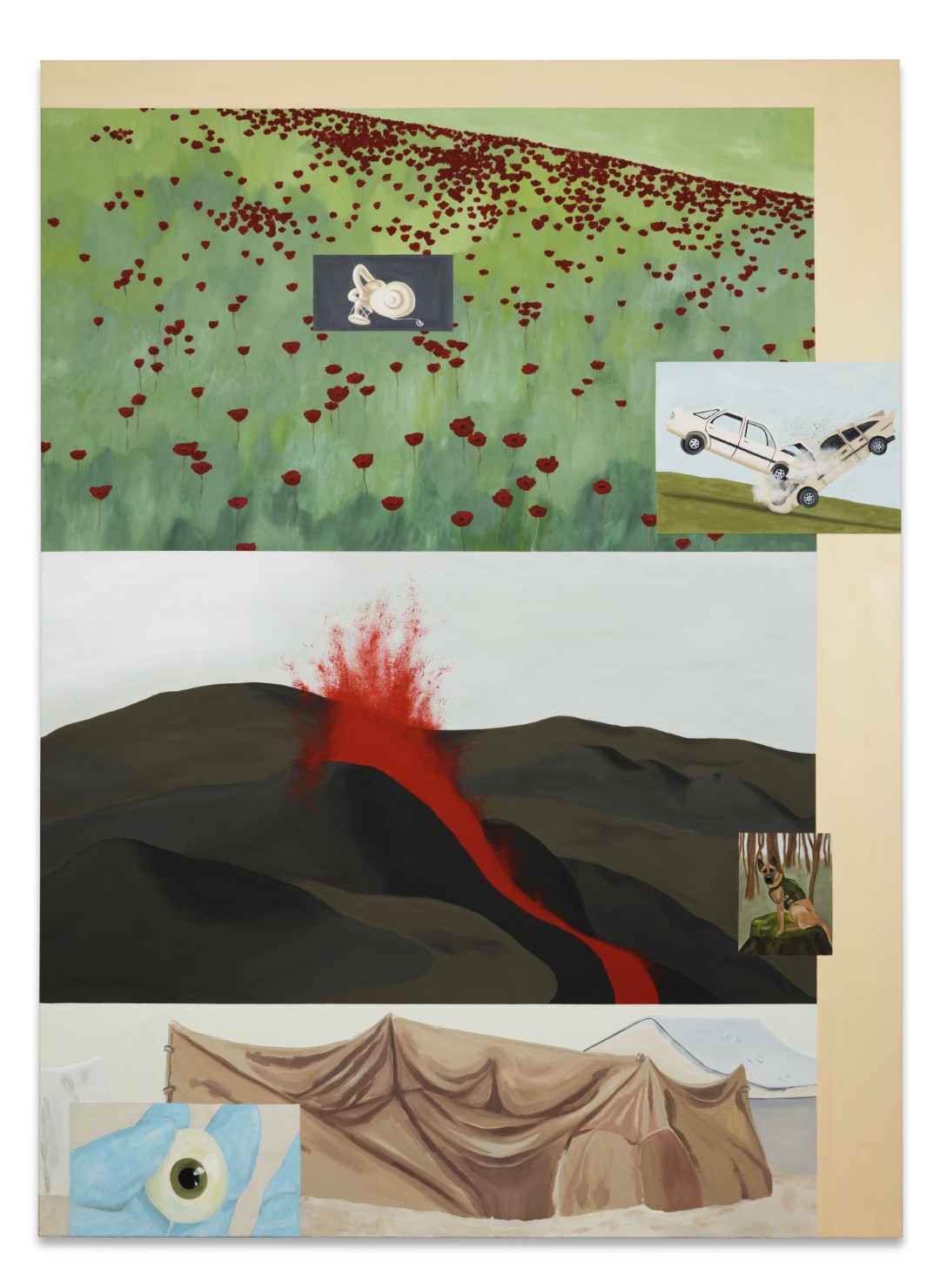
Glitches, distortion, pixilation; things normally seen as flaws, become strangely emotional in your practice. What attracts you to visual “errors” as a form of communication?
Initially, I wanted to talk about our relationship to the body as something strangely foreign, despite carrying it with us everywhere. The glitch began as a technical error while photographing my skin through a scanning electron microscope, but it soon became an analogy for the fractured communication between the internal and external world. I’m interested in emotional manifestations penetrating the skin – blushing when embarrassed or sweating when nervous. These feel like brief slips where the body involuntarily reveals something internal, which I explored in earlier works.
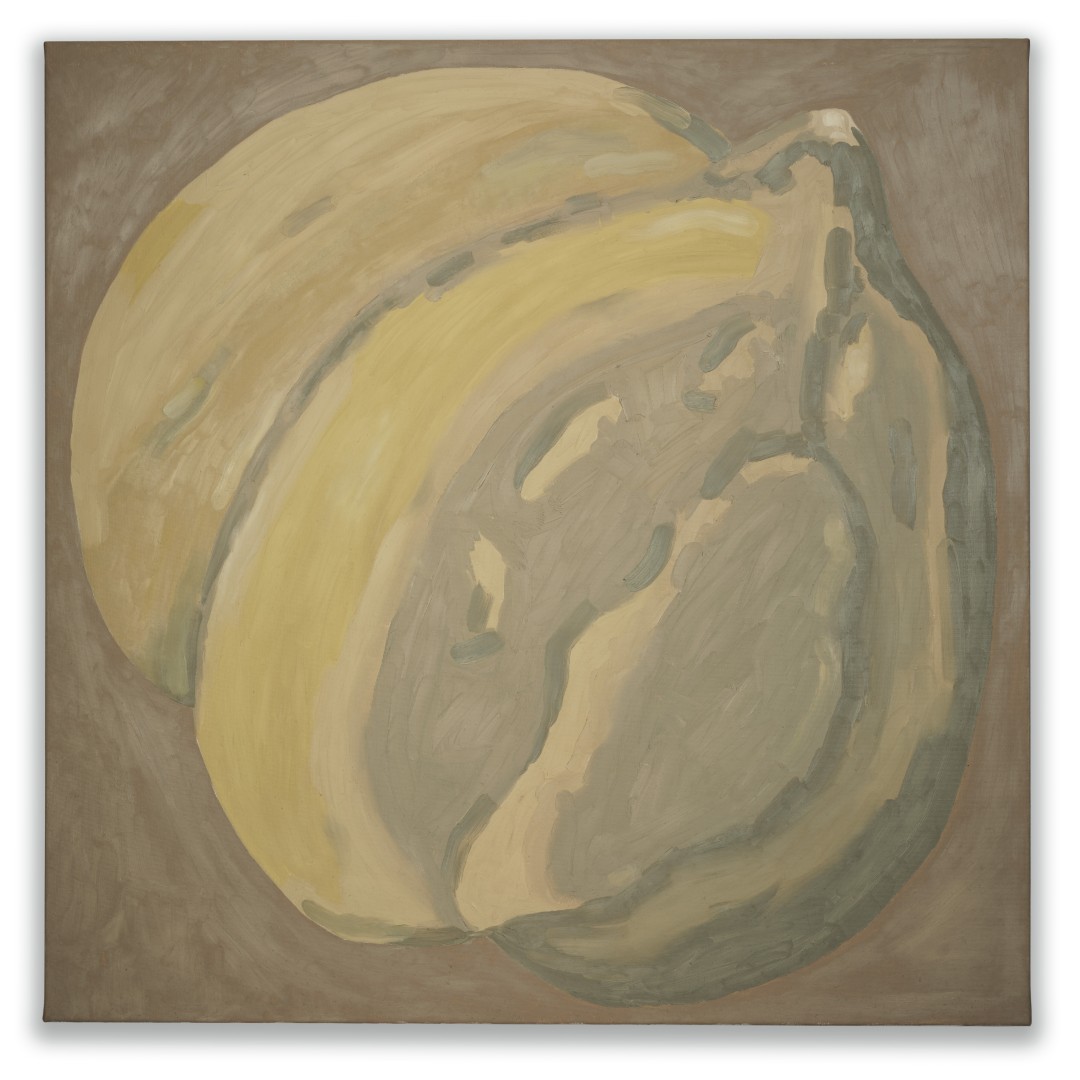
Flowers and organic forms appear repeatedly throughout your work, but they never feel decorative. What do those natural motifs represent for you?
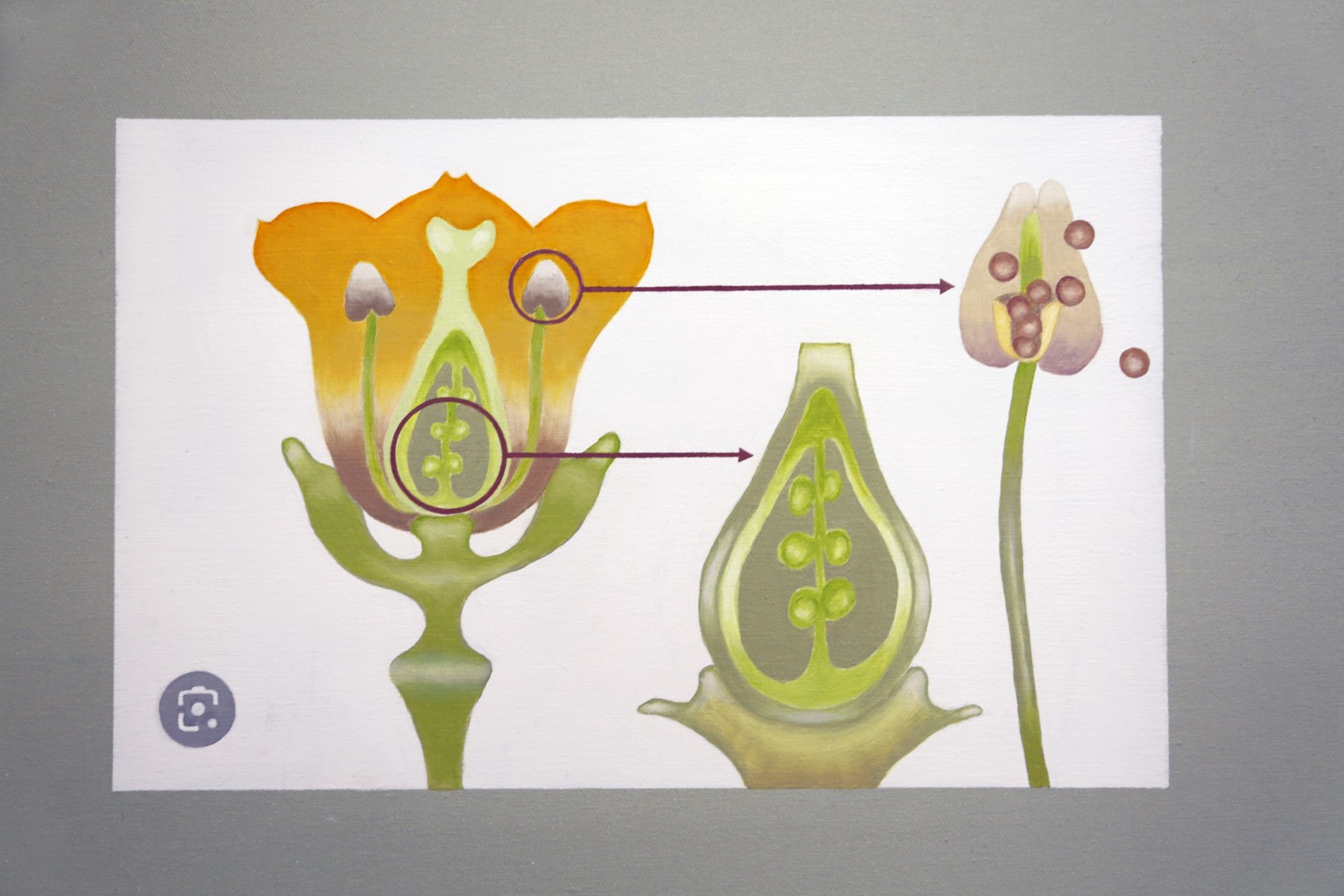
Biological forms like flora and skin constantly transgress borders through pollination and shedding. I use plants to imagine a more collective way of existing, where movement across borders is natural rather than controlled. They shift the perspective away from individuality and toward cohabitation. We’re born into inherited frameworks for understanding ourselves and the world, and my work tries to deconstruct them. Different ways of seeing are always available to us, but we often solidify the structures around ourselves and forget that we were the ones who built them in the first place.
For more stories of art and culture from across the MENA region, visit our dedicated archives and follow us on Instagram.