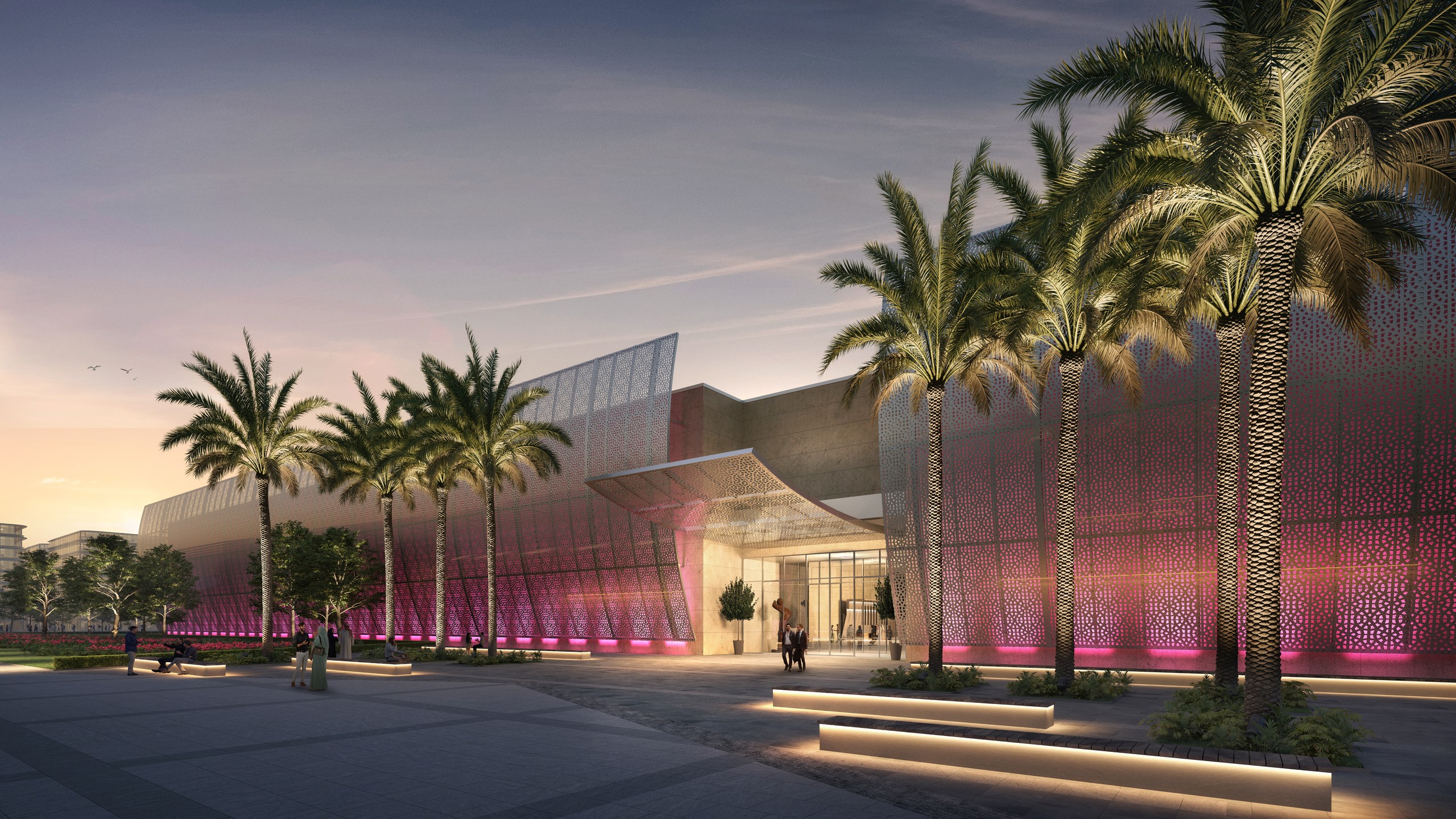
In the Gulf this November, two capitals are spending on art, and asking very different things of it. Frieze opens in Abu Dhabi with more than 80 galleries from 36 countries. Two days later, Doha launches Rubaiya Qatar, a new visual-arts quadrennial that runs until 30 April 2027. One city has brought in a fair with an international sales network. The other has built a programme of research, exhibitions and new commissions. Which approach gives a capital cultural power that lasts?
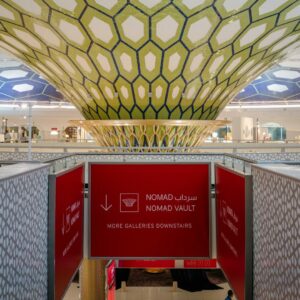
Abu Dhabi already had an art fair. Abu Dhabi Art ran for 17 editions and reached 142 exhibitors in its final year, its biggest yet. Frieze takes its place with a smaller roster and a far bigger name. The line-up includes Gagosian, Pace, Perrotin, Thaddaeus Ropac and Victoria Miro, alongside UAE galleries Carbon 12 and Lawrie Shabibi, plus Athr from Saudi Arabia. The exchange is clear: fewer exhibitors, more access to the brand’s international reach.
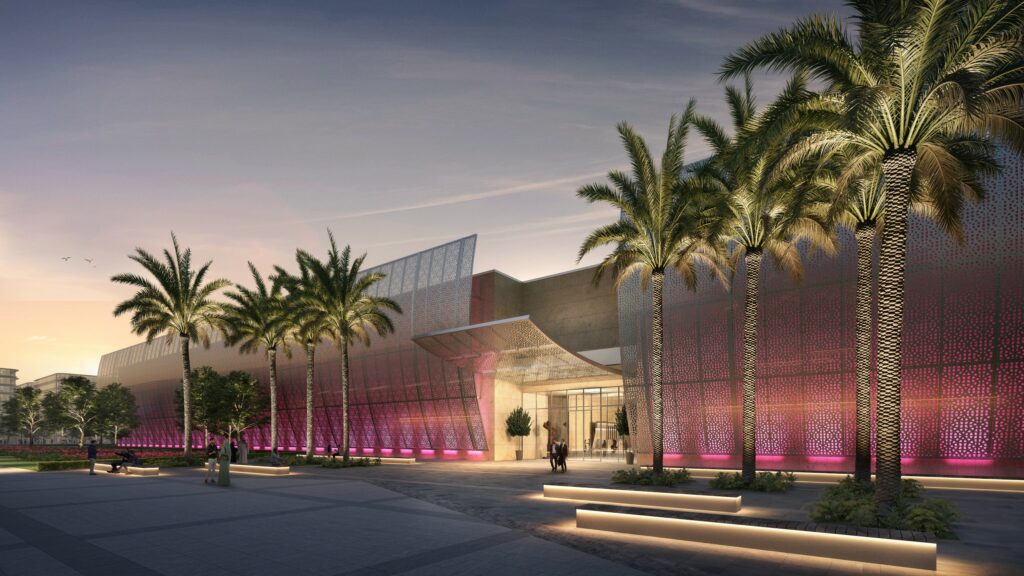
There is a question hiding in that exchange. A fair that brings the region closer to the global market also brings global galleries closer to the region’s buyers. Who gets to travel in the other direction? The test for local galleries is whether Frieze’s reach carries them out into the world as readily as it carries international names in.
Frieze CEO Simon Fox calls Abu Dhabi “the most interesting market in the region” and insists, “We don’t need any more buying power than what is already in place”. He also says, “We’re in it for the long term.” Taking over an existing event avoids adding another date to an already crowded fair calendar. The plan has a commercial logic, and Fox makes no secret of it.
There is another reading. Gulf expansion also suits Western galleries looking for wealthy buyers beyond slower home markets, while Frieze’s leadership talks of regional growth. Both explanations deserve scrutiny. It matters whether a fair arrives because a market needs it, or because its exhibitors need a new market. Those interests can overlap, though they are not identical.
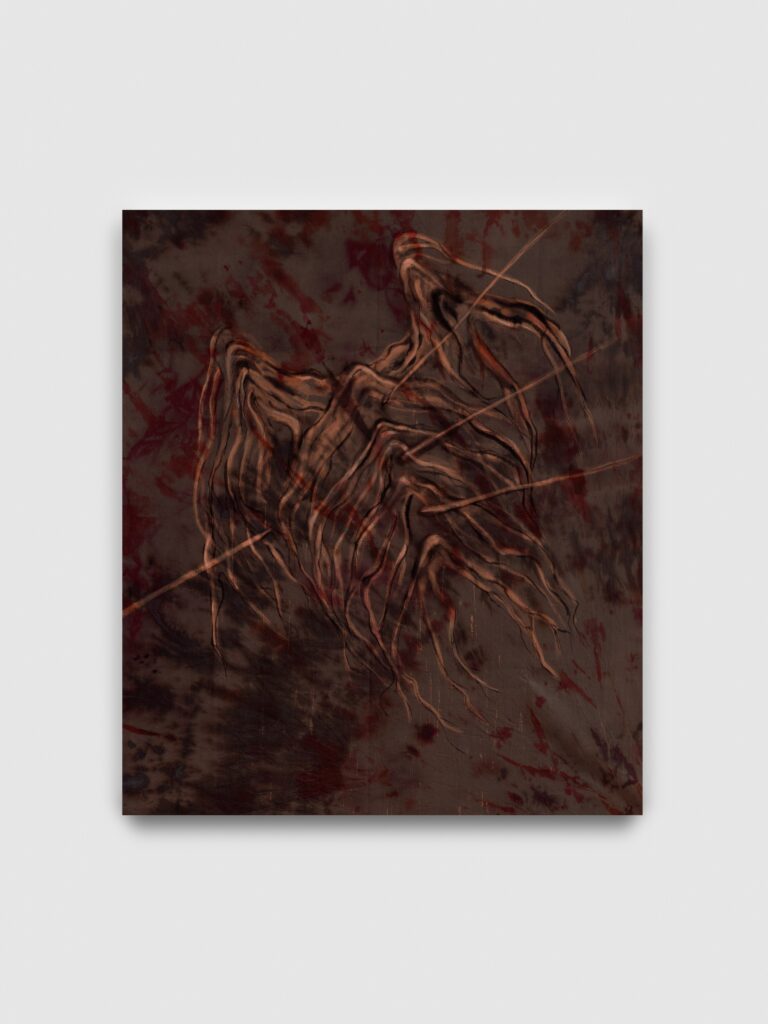
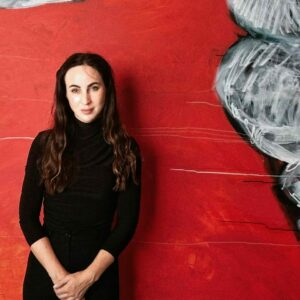
Dyala Nusseibeh, who led Abu Dhabi Art and now directs Frieze Abu Dhabi, recalls Frieze’s London beginnings: “it was about the community getting together and thinking about what that fair could be”. She sees the potential for a similar transformation here. Regional solo presentations by Ibrahim El-Salahi, Farideh Lashai, Mounirah Mosly and Samir Rafi give that claim something concrete to stand on. The test is what happens to the local gallery ecosystem once the opening-week attention moves on.
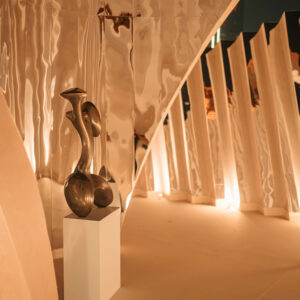
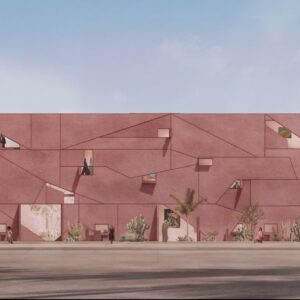
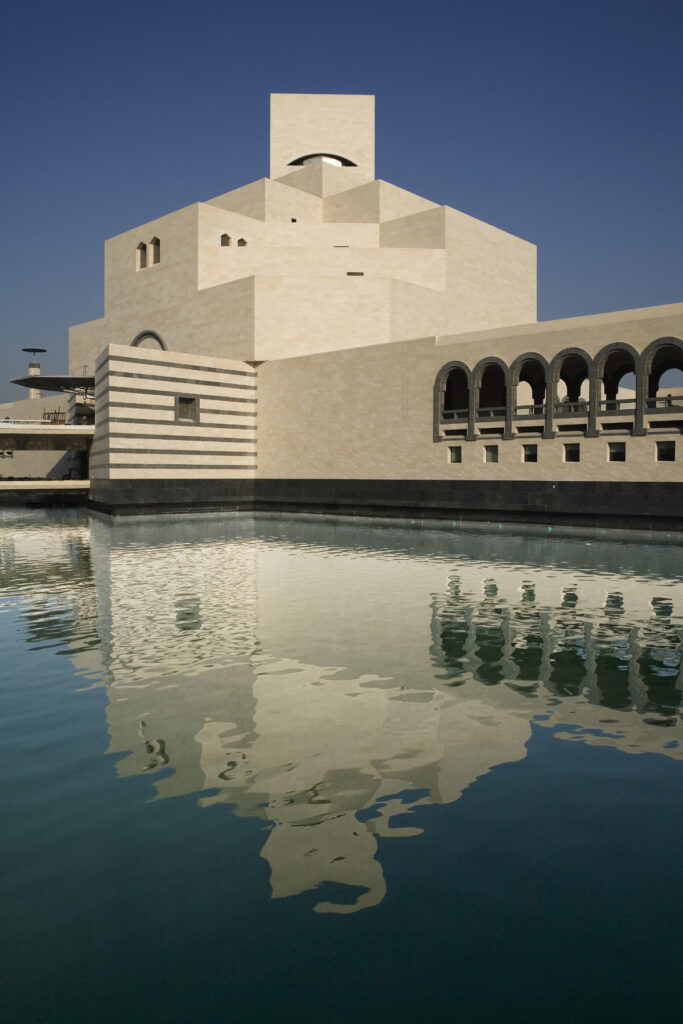
Doha is making a different wager. Qatar Museums announced Rubaiya in February, and its chairperson, Sheikha Al Mayassa bint Hamad bin Khalifa Al Thani, leads the institution behind it. ALRIWAQ Arts + Architecture hosts the flagship exhibition, Unruly Waters, which opens on 21 November with presentations at the Museum of Islamic Art and MIA Park. Our Common Currents opens at Katara QM Gallery and Seething Sea at Mathaf the following day.
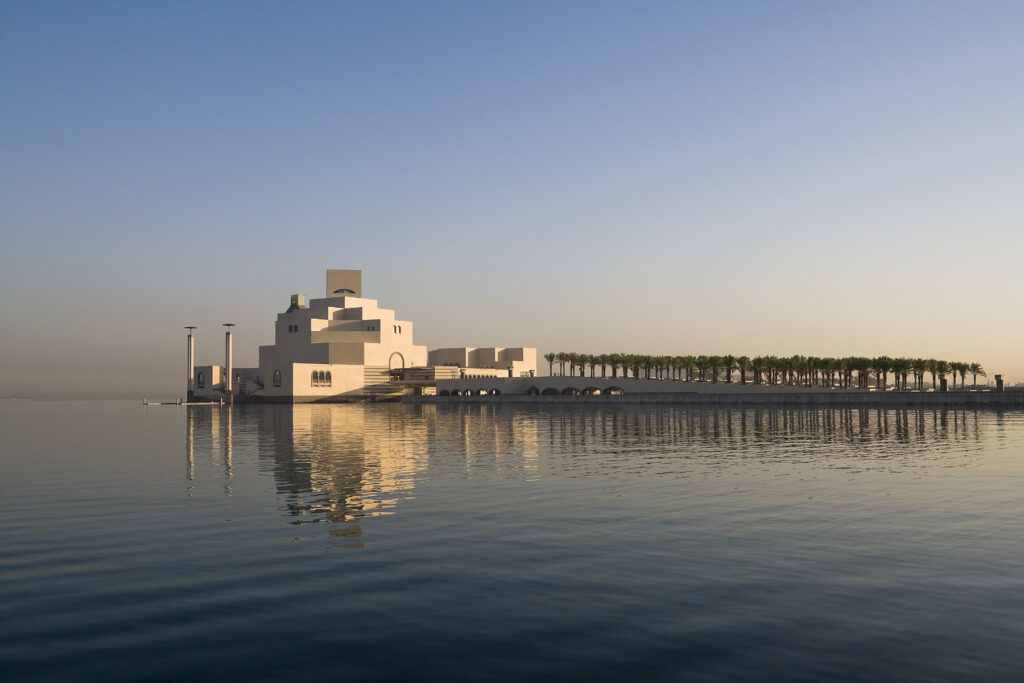
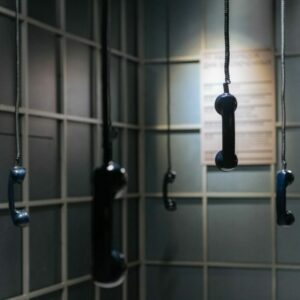
The numbers are substantial. Across the programme, more than 120 artists from more than 45 countries take part, with more than 30 new commissions. Unruly Waters alone brings together more than 50 artists, among them Lawrence Abu Hamdan, Sophia Al Maria and Alia Farid. Curators Tom Eccles, Ruba Katrib, Shabbir Hussain Mustafa and Mark Rappolt connect water, migration and maritime histories, and the show includes objects from the Cirebon shipwreck. Seething Sea adds more than 50 artists and more than 80 works at Mathaf.
These are different measures of success. A fair can count galleries, collectors and sales; a quadrennial can commission work, build archives of ideas and keep people engaged across months. Neither format guarantees cultural influence. State funding can sustain ambitious research, yet institutions still have to earn an audience and allow artists room to challenge the stories they tell. An international fair can bring access, though its brand alone cannot create a local scene.
The comparison has one neat complication. Sophia Al Maria, among Rubaiya’s artists, won the 2025 Frieze Artist Award. The art world already moves between these models, even when their funding structures pull in different directions. By April, Doha will have had months to make its case. Abu Dhabi will have had four days to show what a global fair can do. The real question is what each city will still have when the visitors leave.
For more stories of arts and culture from across the region and the diaspora, visit our dedicated arts and culture archives and follow us on Instagram.