February in London. Grey sky, grey pavement, grey psychic weather. You’re on the Northern Line with wired headphones and a SoundCloud link acquired through someone’s cousin’s DJ boyfriend when an edit of “Nour El Ein,” stretched over a 4/4 beat, turns the commute into something embarrassingly close to longing.
Suddenly you’re sunburnt in Saint-Tropez. Then a Beirut basement: low ceiling, condensation on the walls, bass vibrating beneath the sternum. The DJ drops a warped Arabic sample and every Arab in the room starts shouting the lyrics while everyone else realises — a beat too late — that this was never their cue. Salt air, linen shirts still damp from the sea, the sacred annual migration south that your bank account has already declined on your behalf. You’ve missed your stop by three stations.
Arab house excels at one thing above all else: turning summer into a shared hallucination long before London does.
House music is often framed as the gateway, the thing that made Arabic sound newly legible to Western audiences. Suddenly, Berlin DJs were layering dabke percussion over techno; Amr Diab edits were landing on dance floors that had never knowingly encountered a maqam scale. That’s the accepted chronology. Mine happened in reverse. Arabic pop led me to house.
At twelve, I used to make my mother turn off Amr Diab a block before school, petrified that someone might hear. I wanted Bruce Springsteen. The Beatles. Cultural anonymity, ideally. A single chorus could reveal more about me than I had intended to share.
Now I cross continents to stand in crowded rooms watching strangers lose their minds to the same songs I once tried to hide. A man in a linen shirt — the sort who, ten years ago, might have made his Arab classmate’s life hell over the smell of baba ghanoush in a lunchbox — is beside me yelling “Ahla Leila Ahla Nas” in deeply unwell Arabic. He is euphoric. So am I.
Arab electronic music is everywhere now, though nobody involved seems especially eager to define it. The arguments are aesthetic, generational, occasionally territorial. How much of the original survives the translation? A scene calcifies the moment everyone agrees on what it should sound like. This one is alive because nobody does.
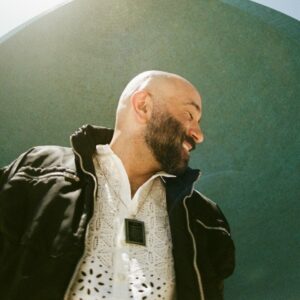
DJ Habibeats grew up watching his uncle DJ Arab weddings. Palestinian-American, Bay Area-raised, wiry and kinetic behind the decks, he never saw why Arabic pop should remain separate from the sounds that raised him: house, hip hop, funk, rap. One of his earliest remixes took Nancy Ajram’s “Ya Tab Tab” and spliced it with Brazilian funk. “I thought nobody would get it,” he says. “I made it anyway because I thought it sounded dope.”
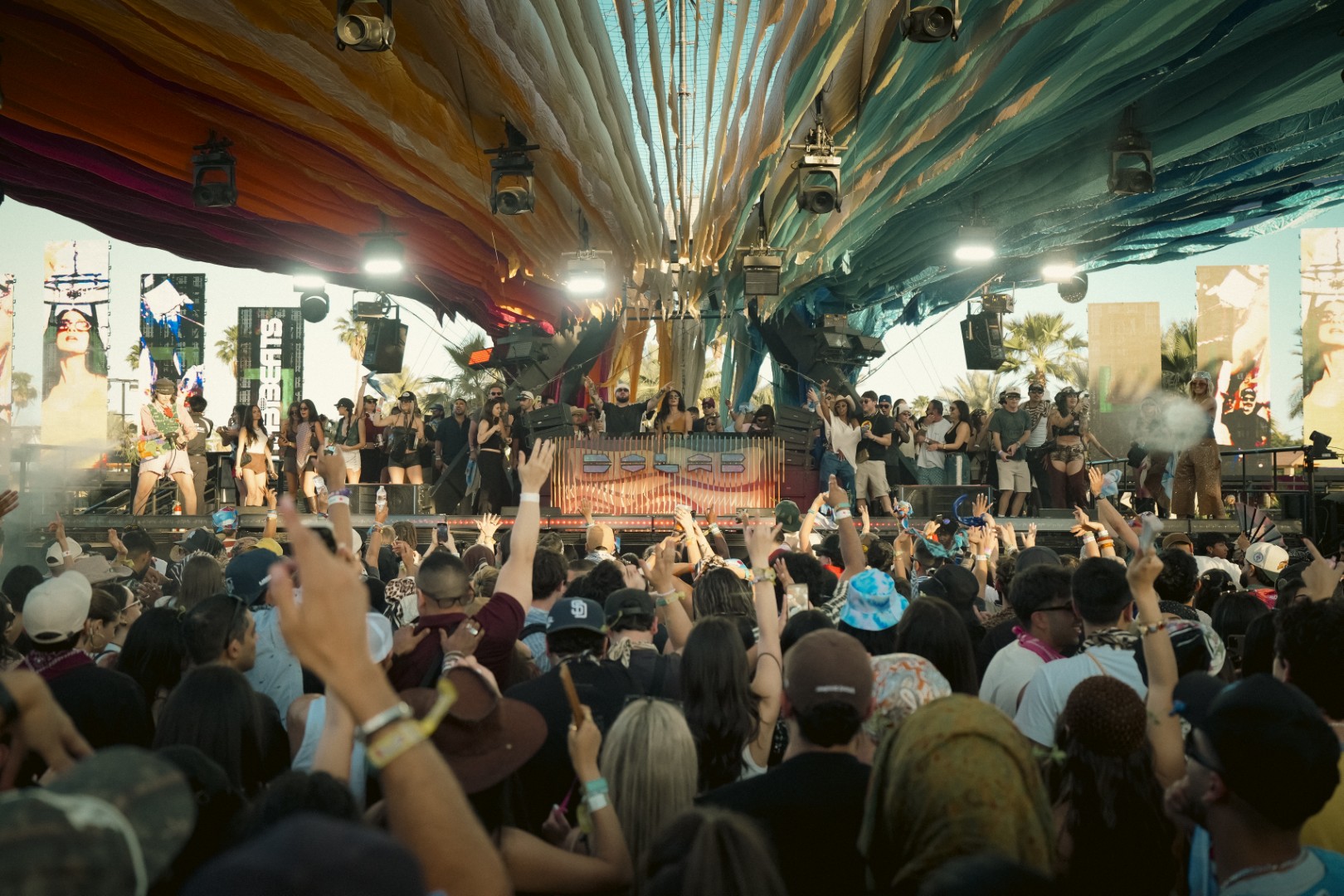
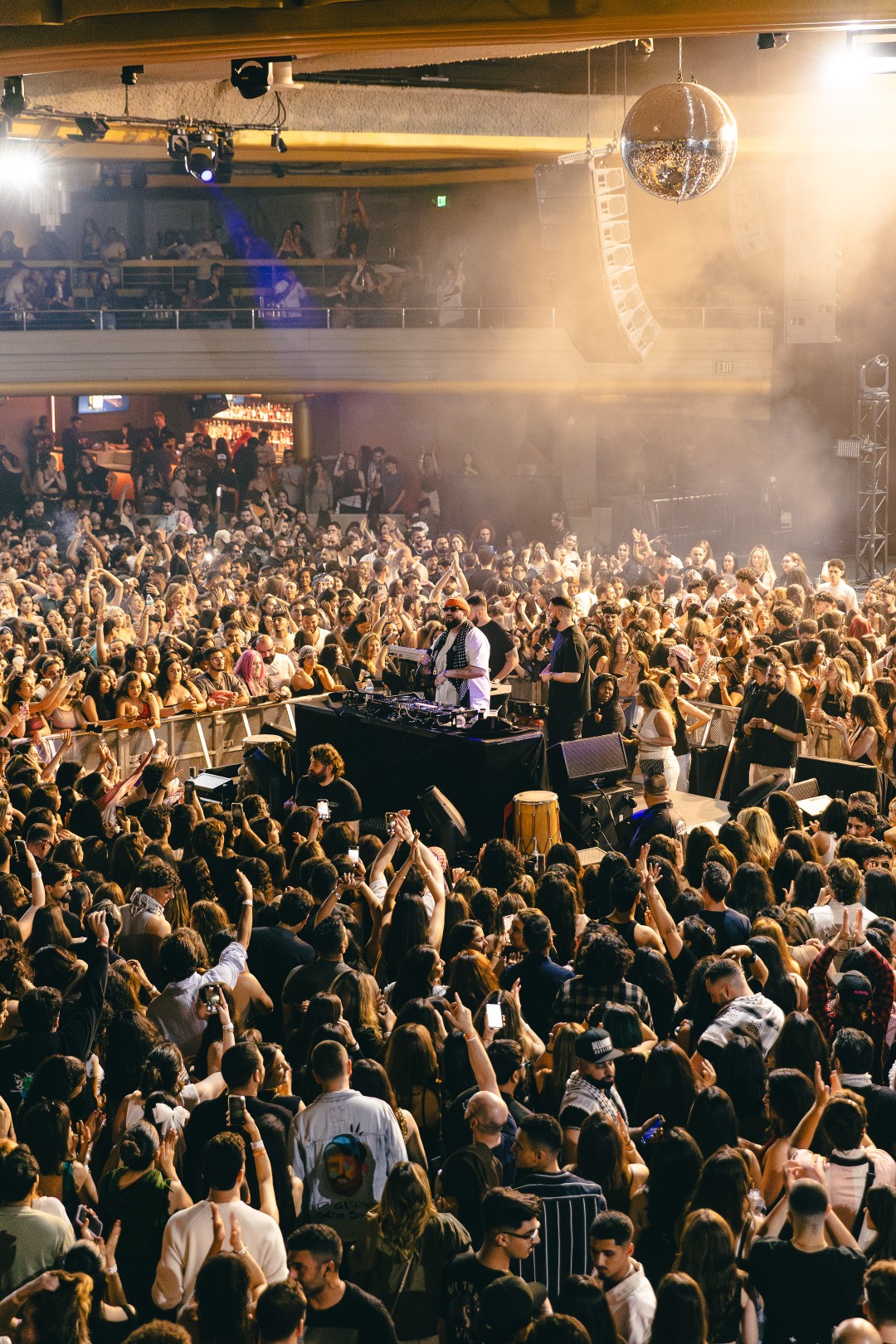
At a sold-out London show, he played Elissa’s “Aayshalak.” The original. No remix. No edit. The violins arrived and two thousand people disappeared at once. Beside me, a girl mouthed every lyric with her eyes closed, as though retrieving a memory rather than listening to a song. The guy next to her was Googling the words in real time. One remembering, one discovering — the song generous enough to hold both.
On his last European tour, DJ Habibeats noticed more non-Arabs than ever before. More people arriving without the language. They dance anyway.
Ahmed Spins, the Moroccan DJ and artistic director of Deep House Bible, smiling almost constantly, approaches the sound from a different direction. His ear was shaped by his sister’s disco records, his cousin’s house crates, and a Moroccan childhood saturated in Nass El Ghiwane and Hoba Hoba Spirit. By the time he started producing, the influences were too varied to let any single one dominate.
He is wary of turning cultural identity into genre obligation. He admires Black Coffee, the South African house titan, for resisting the expectation that African artists should be culturally legible in only one way. “You can’t just come to Brazil and play Brazilian music,” Ahmed says. “They already have it. They want something new.”

Ask him about remixing Nass El Ghiwane and he pauses. “The rule of thumb is you have to make it better. And I don’t know how I can make the record better, because it’s so good.” The Moroccan references remain in the DNA of the set rather than its entire premise.
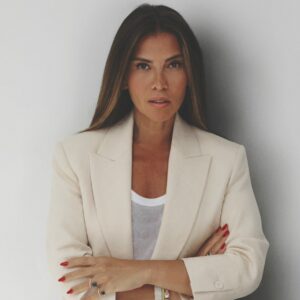
Palestinian-Jordanian artist Keena has no interest in becoming ambience for somebody else’s set. In a scene hungry for Arabic vocals, that is a political position as much as an aesthetic one. Producers want the feeling of Arabic vocals, sometimes more than the meaning. She built her own production team accordingly. “I don’t want to just exist as a feature,” she says. “I want my voice to sit at the centre.”
Three different relationships to the same inheritance, and three different answers to what translation should cost.
A sound can carry almost any amount of meaning. What it cannot do, on its own, is sustain a scene. That requires rooms, repetition, infrastructure: people willing to care excessively about things most audiences will never notice.
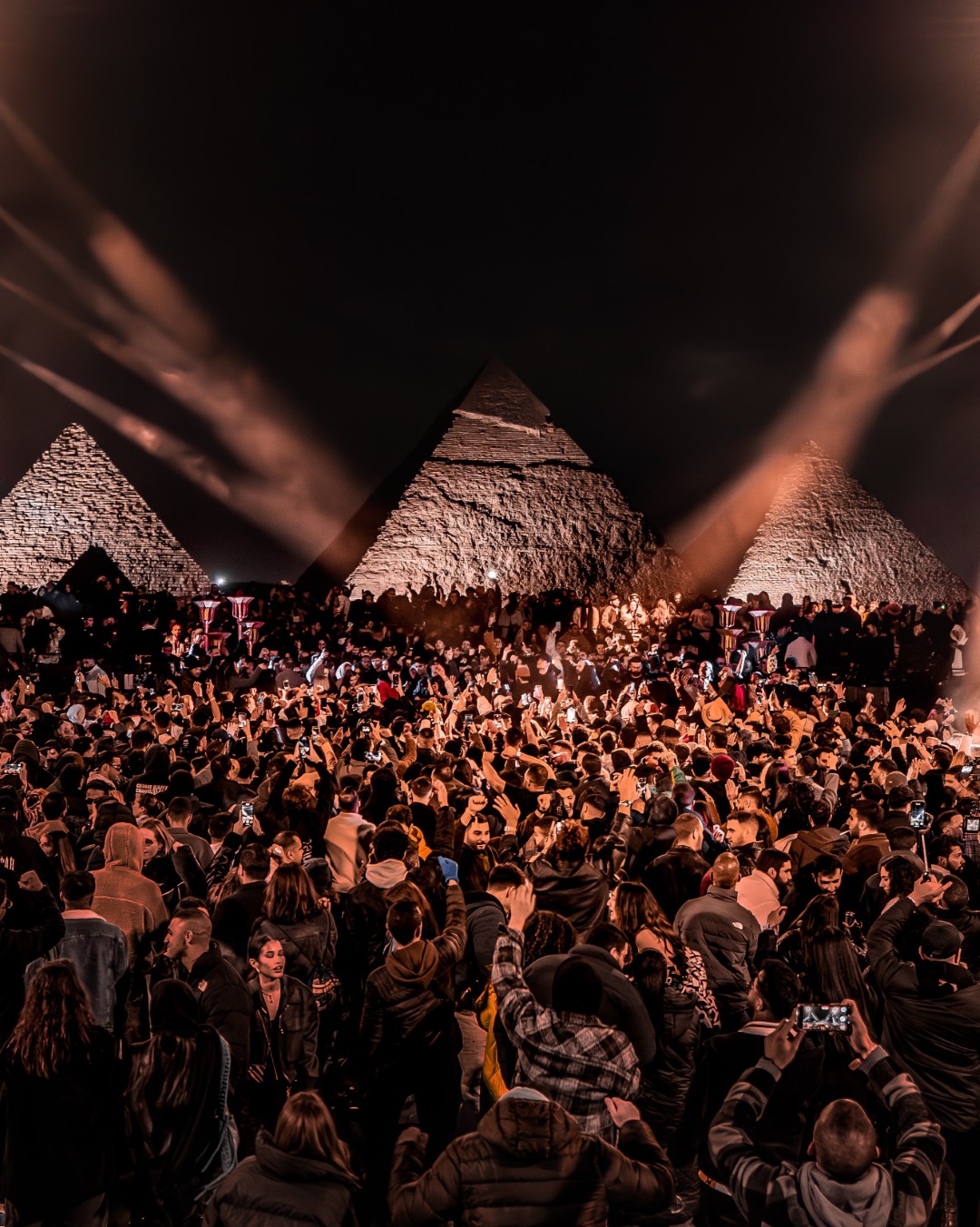
Deep House Bible, the events platform Ahmed helped build from Boston college parties to stages at the Pyramids of Giza and Morocco’s Agafay Desert, began the way most enduring scenes do: as kids trying to impress their friends. Before hosting a single event in Morocco, his two non-Arab co-founders visited “like ten times,” travelling the country north to south, collecting friendships before they collected audiences. “They fell in love with the place first,” he says. “It’s not just a balance-sheet event. We feel extra pressure to get it right — even if we’re barely breaking even.” Crowds know when they’re being courted and when they’re being mined.
DJ Habibeats’ Habibi’s House nights are the diasporic version: temporary cities built from recognition. “Kids of immigrants just like me,” he says, “people who grew up with one foot in the culture and the other in whatever country their parents migrated to.”
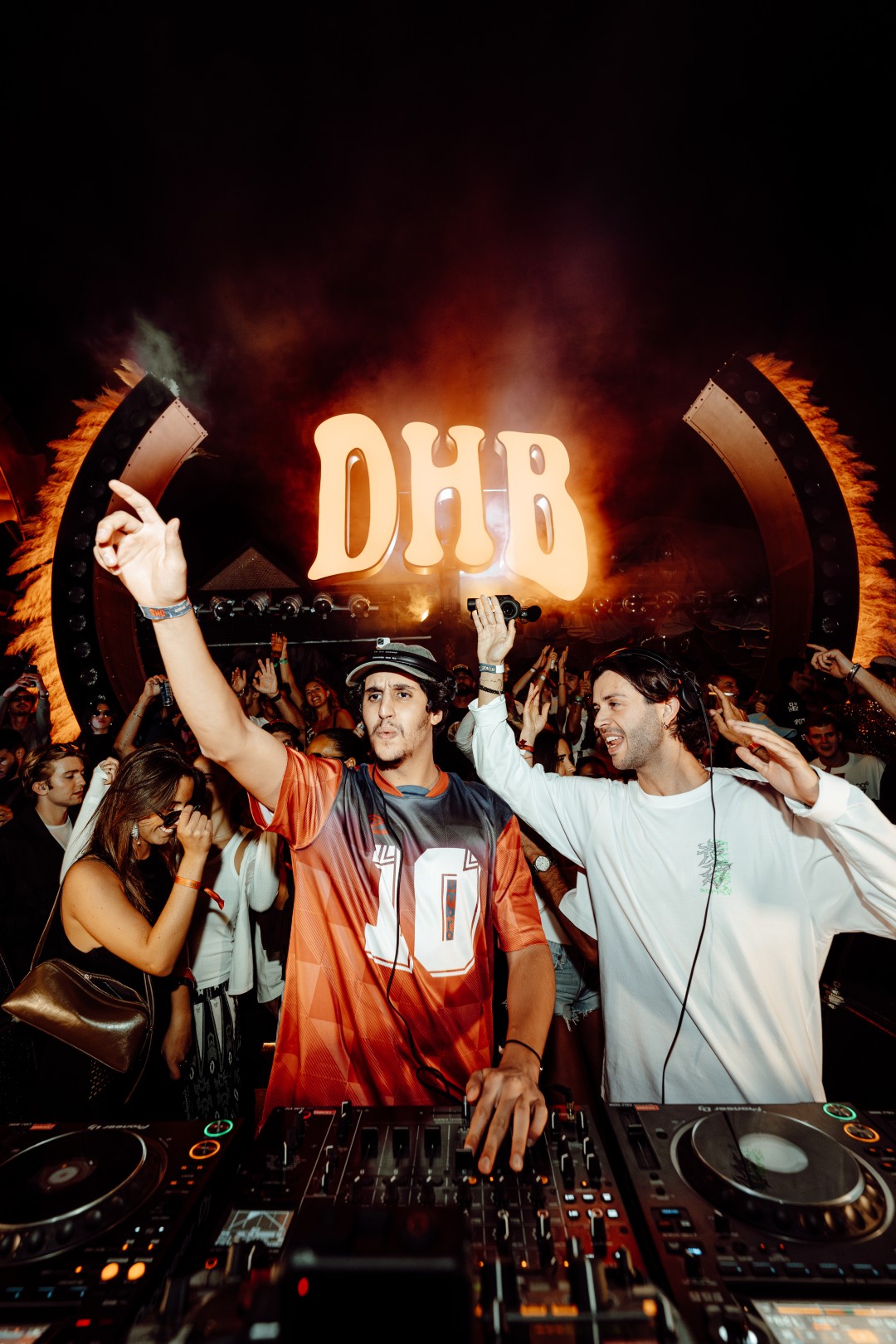
Part of why this circuit keeps expanding is Arab hospitality, a competitive advantage nobody talks about. DJs come back to the region because the welcome lingers in the body. After a sunrise set in Beirut, Ahmed walked into Zaatar w Zeit the next morning, the designated afters spot, and the entire café erupted. Clapping. Shouting. Strangers replaying the night back to him over breakfast as though it belonged to all of them. “They’re just happy to be there,” he says. Then, more quietly: “You’re like, wow… this is why I’m doing this.”
Artists spend most of their lives in transit: airports, green rooms, hotel lobbies designed to feel interchangeable. Then a city like Beirut interrupts the anonymity. Arab nightlife operates on the assumption that if you shared the dance floor, you should probably stay for breakfast too.
Cities like Beirut, Cairo, and Casablanca function as testing grounds. Ahmed describes them as early-adopter markets: crowds raised around music, curious about where it can still go. “You can try things,” he says. “Go out of your comfort zone, test new music, see what works.” A track gets refined in Morocco, tested again in Beirut, then played in a warehouse in Brooklyn. The circuit operates like an R&D pipeline disguised as a party calendar.
In Amman, the scene still feels socially close enough for individuals to change its direction. The same people DJing the parties are designing the flyers, organising the lineups. London and Berlin inherited decades of nightlife infrastructure. In Amman, much of it still exists in provisional form, held together by favours, instinct, and whoever answers the phone at 2AM.
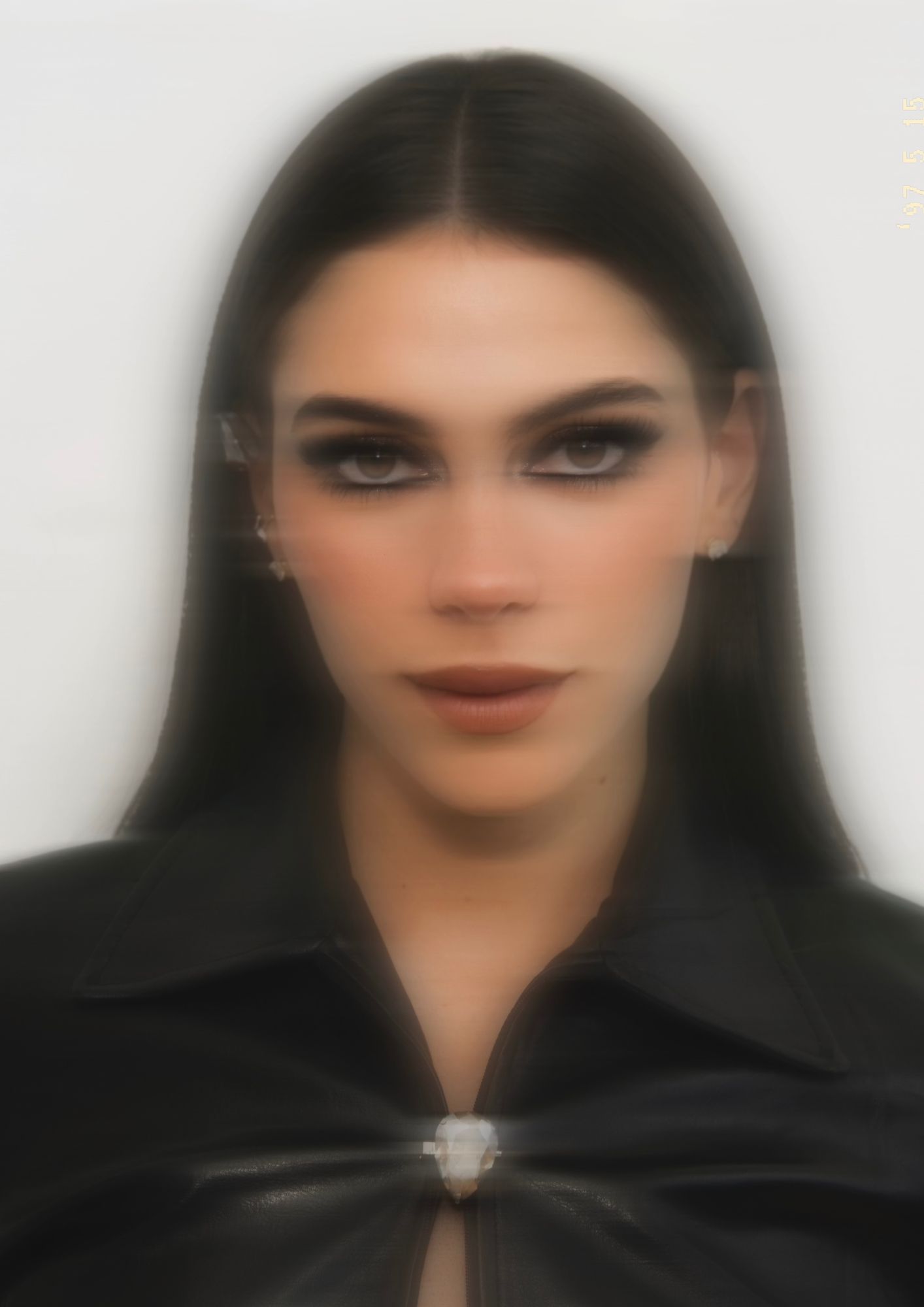
The rooms are smaller, the crowds more literate. Someone near the booth identifies a track before the drop lands, quietly, almost absentmindedly, like muscle memory. “We’re all figuring it out together,” Keena says, “rather than trying to fit into something that already exists.”
She opened for Keinemusik in an Umayyad-era winter palace outside Amman, electronic music ricocheting off eighth-century stone. The setting never tipped into gimmickry. The history altered the emotional temperature of the night itself. “Whether I like it or not, my sound is coming out of Amman because I am in Amman,” Keena says.
Spend long enough in Berlin, and eventually the city enters the drums. The same is true of Amman. The difference is that Amman still feels unresolved — creatively porous, unfinished in a way that lets artists leave fingerprints on it before the edges harden. For Keena, that unfinishedness is the reason to stay.
In scenes like this, questions of sound quickly become questions of representation. When I ask Keena about her influences, she cites Johannes Fabian, the anthropologist who argued that the further a culture sits from the West, the further back in time it tends to be placed. Denied contemporaneity, stripped of the present tense.
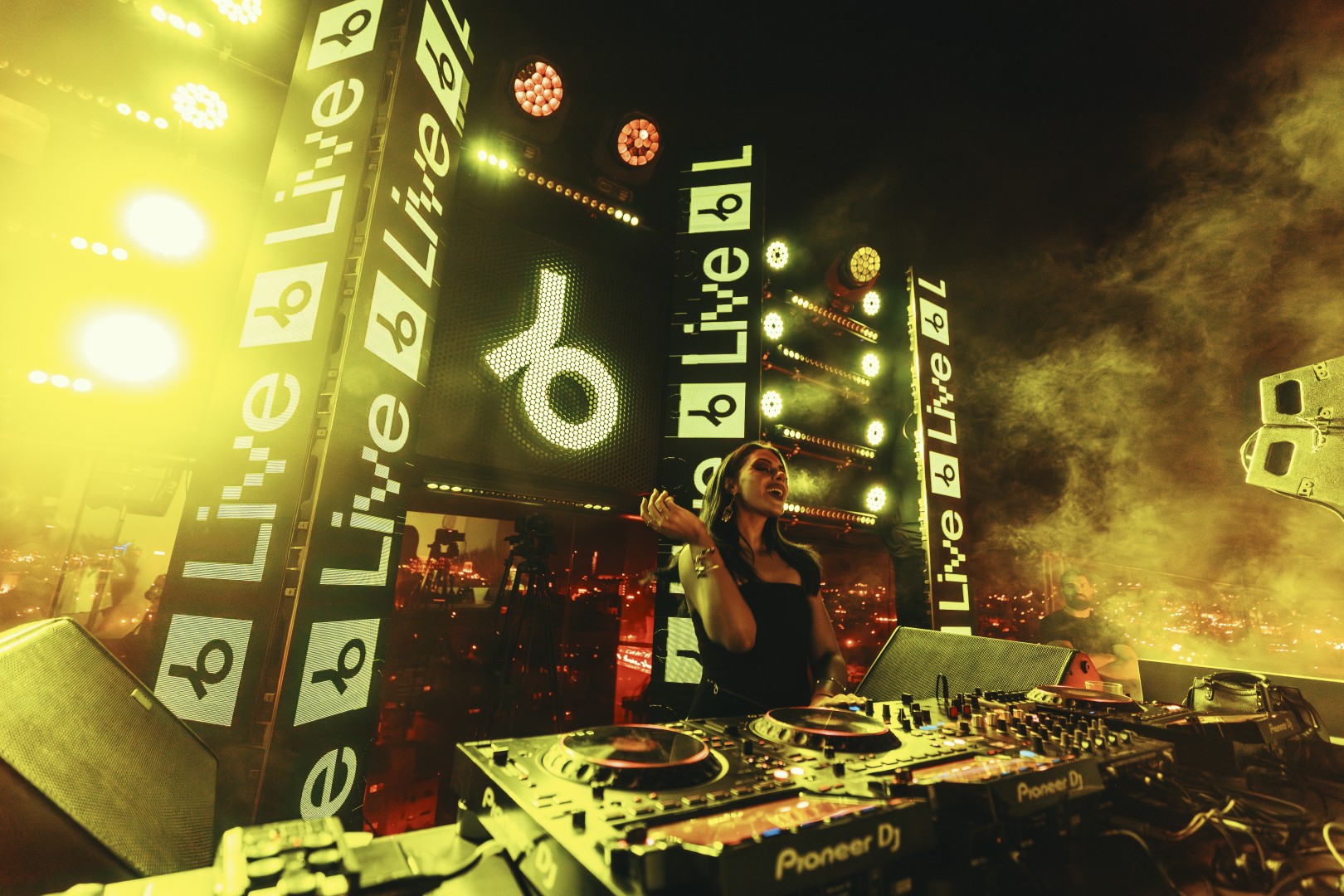
A DJ in Amman citing critical theory is a left turn in a list of influences. But if you grew up on Al Jazeera and your grandfather had Edward Said on his bookshelves, the logic feels immediate. Some people hear a beat and leave it there. Others hear the entire political architecture surrounding it.
Her debut track, “Aman,” made with Nandu & Radeckt, carries that conviction quietly inside it. The track has travelled through clubs and festivals whose audiences will likely never parse the lyrics, which describe the experience of trying to reach Palestine and being unable to. The vocals are processed, the language is Arabic, and the dance floor never pauses to translate. “People might be dancing without thinking about the meaning at all,” she says, “but the message still exists within the track.”
It moves through bodies, through rooms, through recommendation algorithms that have no idea what they’re carrying.
It’s May now. The headphones are the same but summer is no longer a hallucination. Somewhere, a man is ironing his linen shirt and warming up his pronunciation. The sound that found me in February on the Northern Line is transmitting now from Amman, Los Angeles, and a stage on the Egyptian coast, carrying different memories in every direction. It finally has enough coordinates to call it home.
For more stories of music from across the region, visit our dedicated archives and follow us on Instagram.