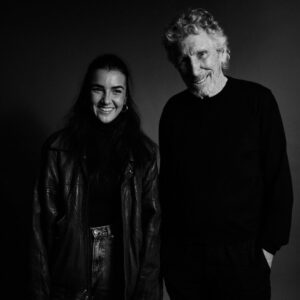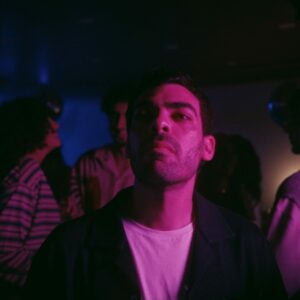
I have known Taz for many years now. We were internet friends for a while, until we finally met in Cairo on a sticky night in the summer of 2025. He was somewhere in the middle of his journey then, hopping around the region, landing in Egypt for a while, playing gigs with some of Cairo’s underground party organizers, connecting with people like me, people he knows from the online music world, before eventually moving on to his next destination.
You got the feeling that he always knew where he was going. Maybe not geographically, not all the time, but there was something he was trying to arrive at. There was a desire he needed to express, and he would quite literally cross borders to give birth to it in a place he already seemed to know. He knew where he had to head. And since he had to do it, eventually, it happened.
And so, he finally makes it back to Port Sudan. Slowly, things begin to settle and connect.
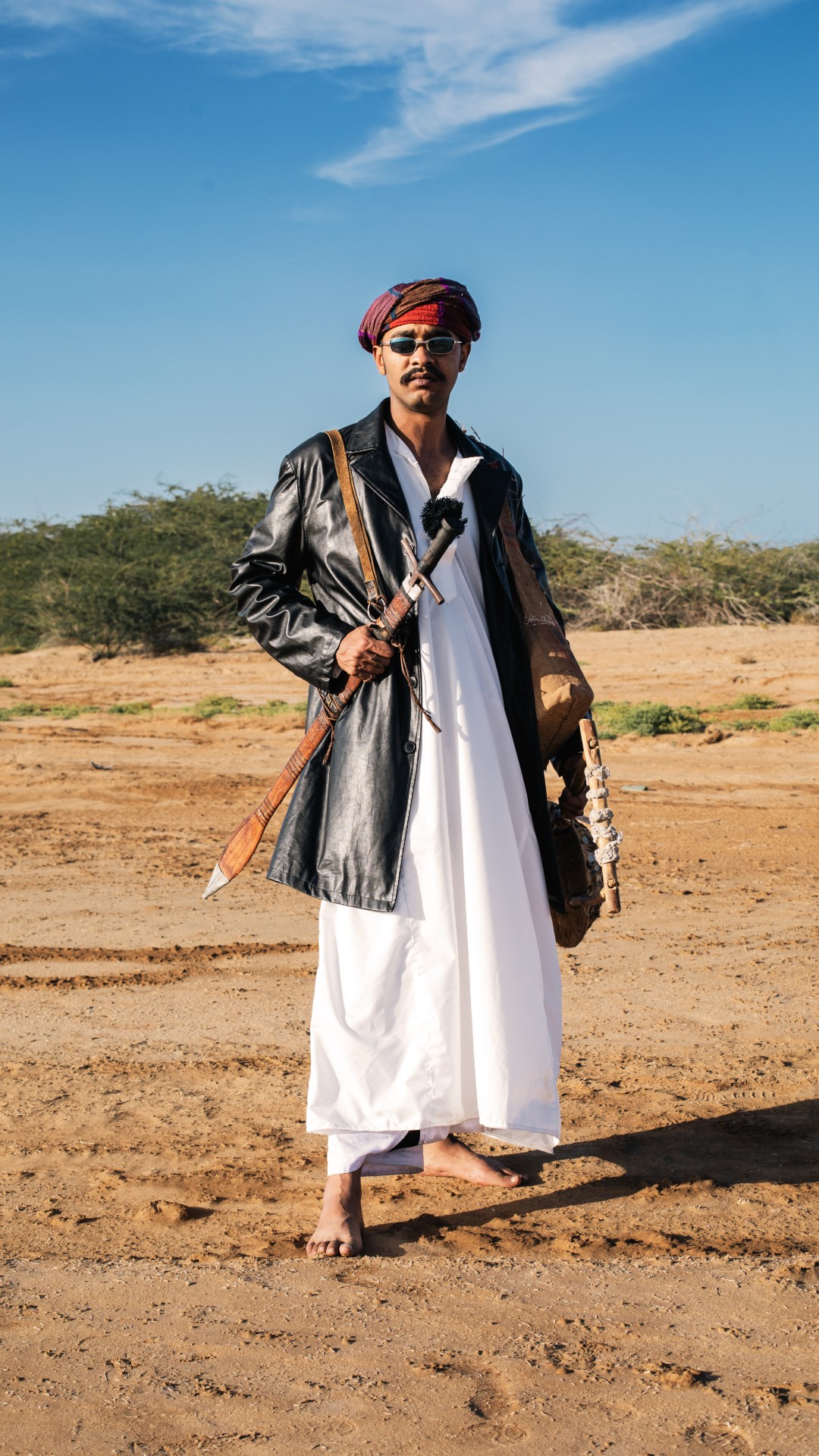
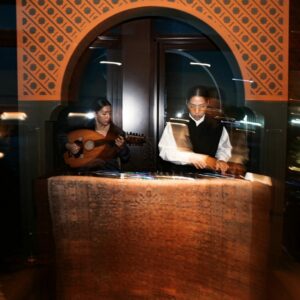
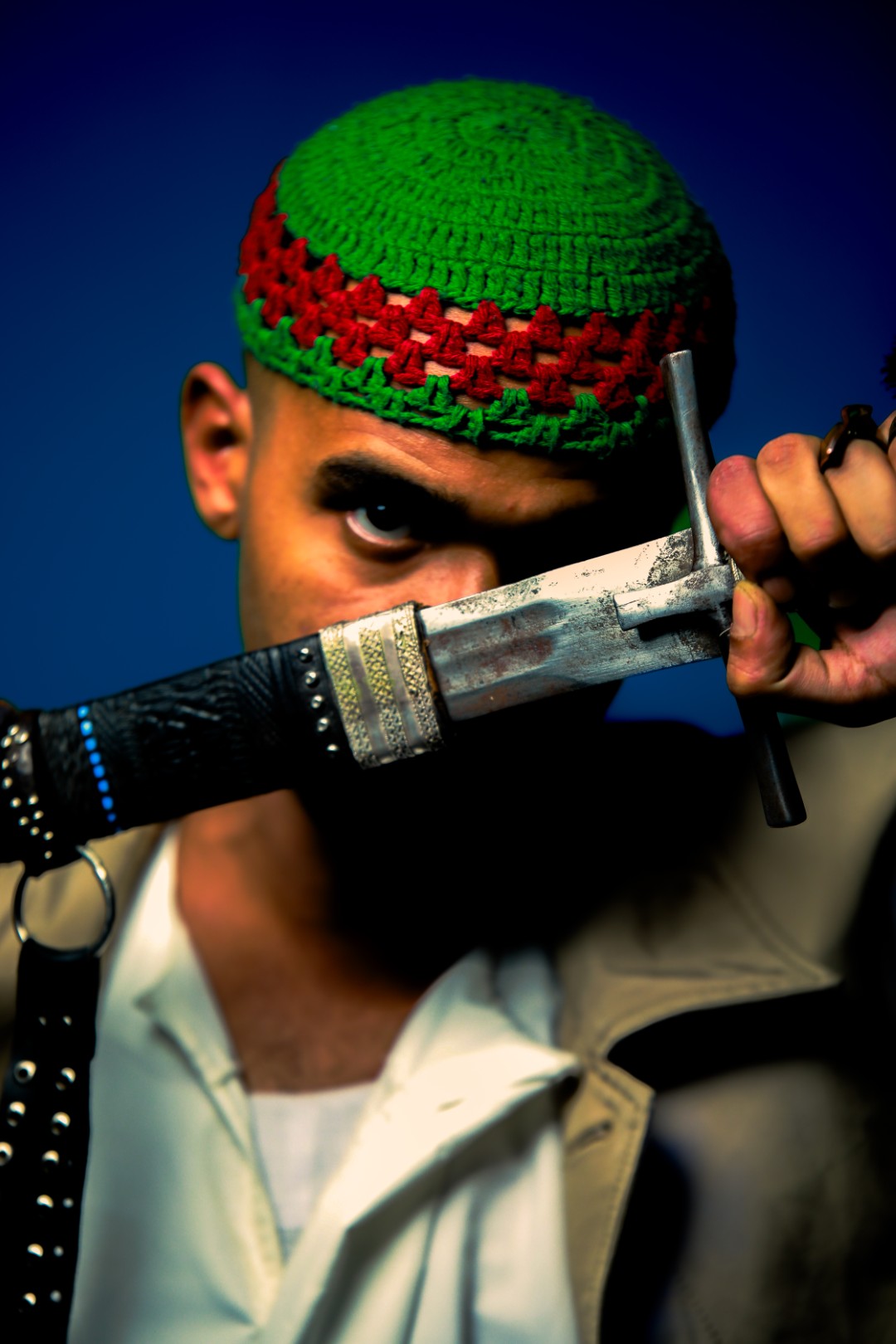
Taz Waves, also known as Zaher Nasr, is a producer, yes, but that designation has always felt insufficient for his relationship with music. When we met in Cairo, he told me he was making instruments by hand, working with different natural leathers, obsessing over their construction. Some of those instruments would later appear in the first music video from his latest project.
And he can’t stop talking about music. There is always another tangent or another piece of history. He will fixate on some technical detail about an instrument, or recording, or sound. Underlying all of it is a seriousness that draws you in and keeps your attention.
Naturally, that obsession started producing physical things around him. There is Basinkob, the record label and studio he built in Port Sudan. “The first reason is that it is a very famous instrument in Sudan,” he tells me of the name. “The second reason is that it is the first instrument I decided to learn. The third reason is that I started Basinkob as a musical instrument factory. Before it turned into a record label.”
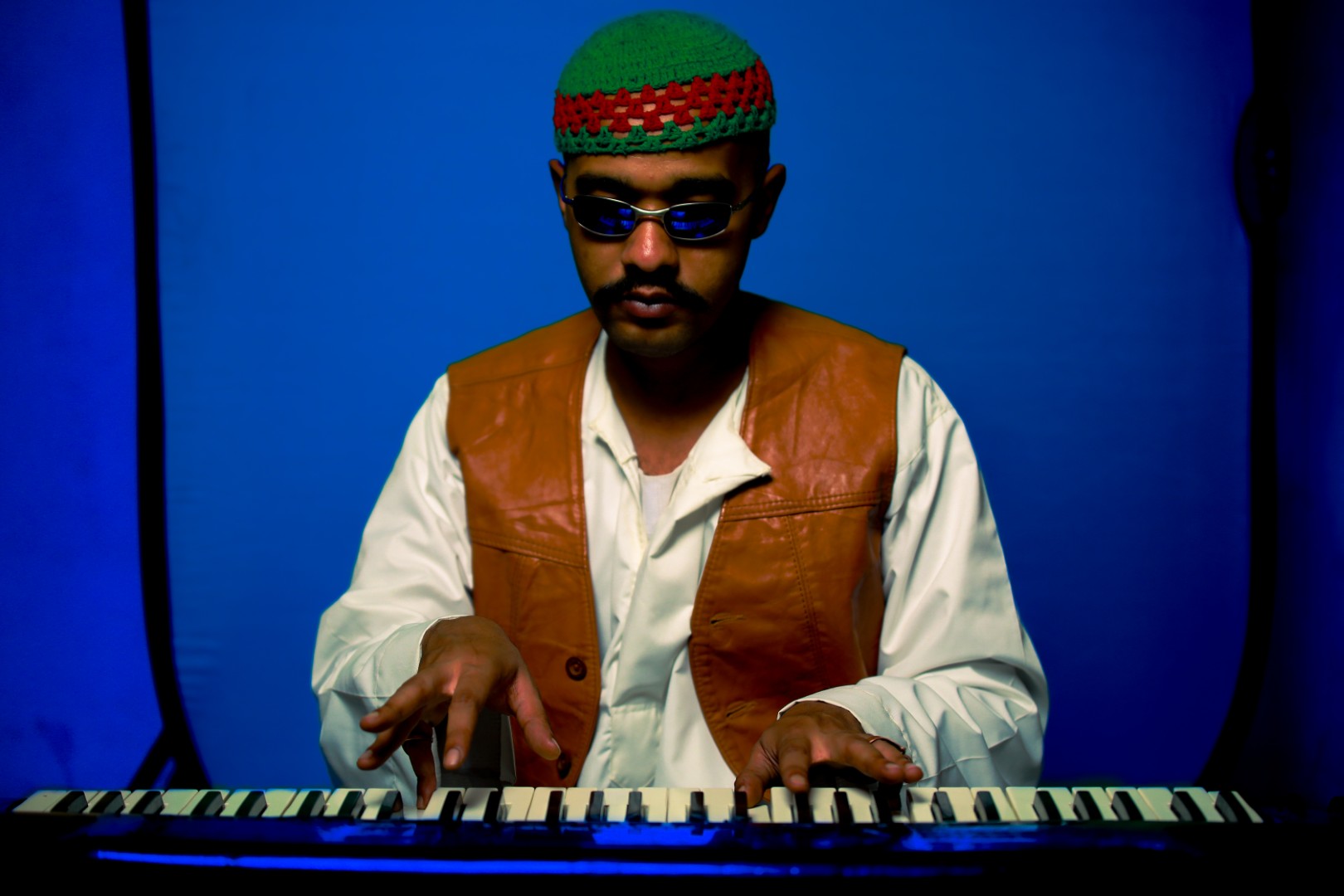
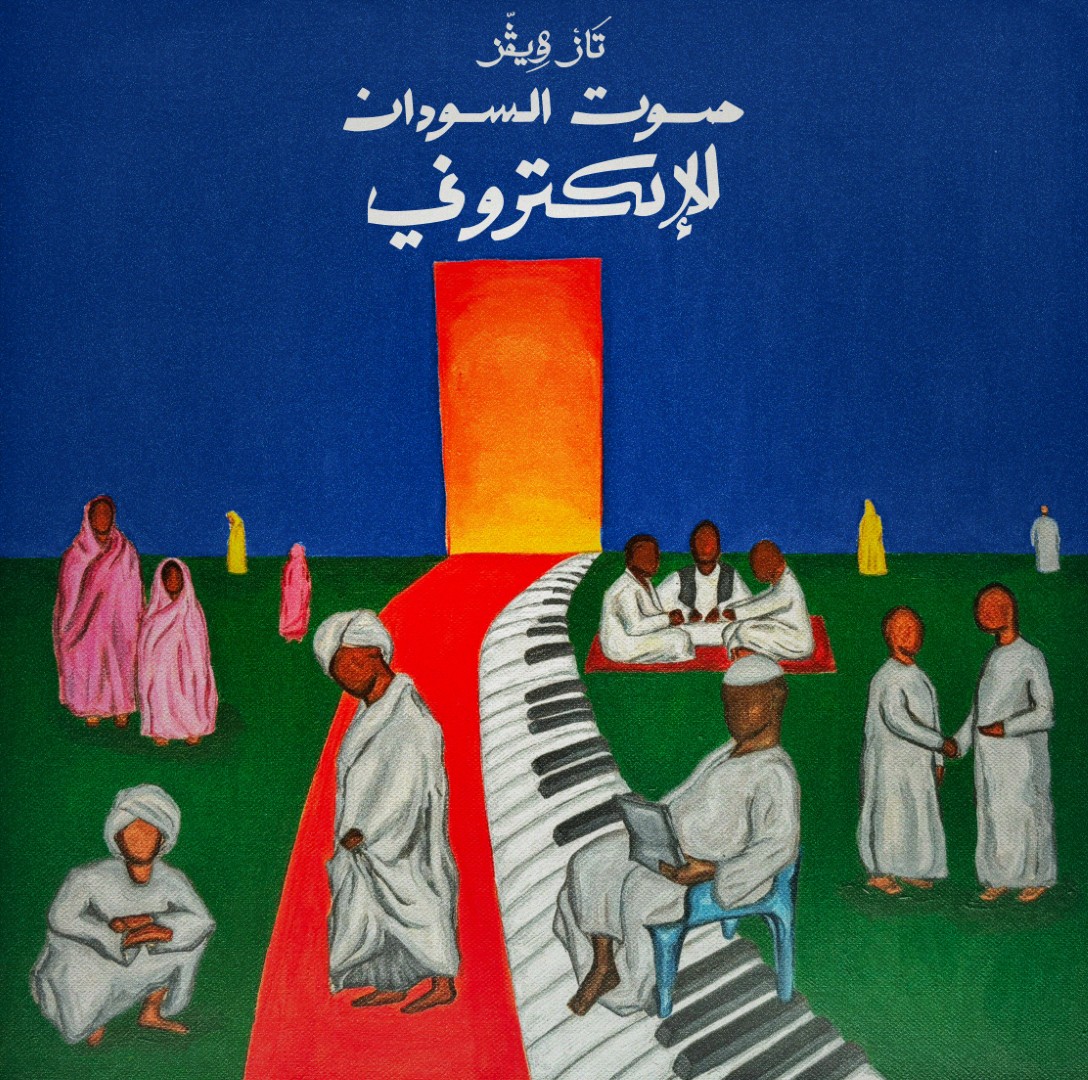
And from that space the album was brought into the world. The Electronic Sounds of Sudan is a 12-track, 40-minute project that pulls together years of movement from Riyadh where he grew up, then to Port Sudan, where he moved in 2017 and began digging into the music around him. Amman is also a big part of it. It is there where he studied audio engineering and familiarized himself with synthesis, sound design and live electronic performance. And finally, Port Sudan appears again, where the record was completed and released through Basinkob.
The album itself began long before that return. Much of it was made during Taz’s final months in Jordan. He tested several tracks in live sets there. But the idea behind it stretches further back, maybe four or five years, he estimates, to the period when he stopped thinking of himself as a rapper and began trying to understand exactly what kind of producer he wanted to become.
At some point, the equation became simple. “I’m a Sudanese producer, I’m from Sudan, I try to sell beats. My chances are low,” he says. “But electronic music, Sudanese, in Sudan, that’s sexy.”
There is something funny about how plainly he puts it, because the music itself does not feel opportunistic. It doesn’t feel like somebody arriving at Sudanese music from the outside and deciding to insert its cultural signifiers into electronic production. The relationship is too embedded for that. This is music he has been surrounded by, collected, sampled, studied and, increasingly, rebuilt from the inside.
Earlier Taz’s records leaned more heavily on sampling old Sudanese recordings. Here, synthesis takes the centre stage. The album draws on the sounds of keyboards like the Yamaha PSR series and Technics KN2000. These are machines whose tones have circulated through Sudanese weddings, street music and popular recordings for decades. He places all of that inside a different electronic language. The pads are stretched out and the percussion locks into club structures just as fast as it slips away from them. Taz has called it “Deserty New Age,” elsewhere “Spacey Ambient.” Both make sense.
You can wander around the album for a while. Taz built an entire audiovisual language around the project, partly by necessity. There was no real budget, so he kept learning how to do whatever needed doing. Artwork. Typography. Retouching. Video. He tells me one artwork, “Fatima,” took him four months.
“I learned after so many experiences as an artist, [that] I shouldn’t wait for anyone,” he says. “If I know how to make an artwork, I’ll do it.”
It explains why everything around The Electronic Sounds of Sudan feels unusually connected. Sound, image and object seem to come from the same place because, often, they literally did. Taz talks about creative software almost as though it is one instrument that is split across several interfaces. A parameter like distortion can belong to an image or a piece of music.
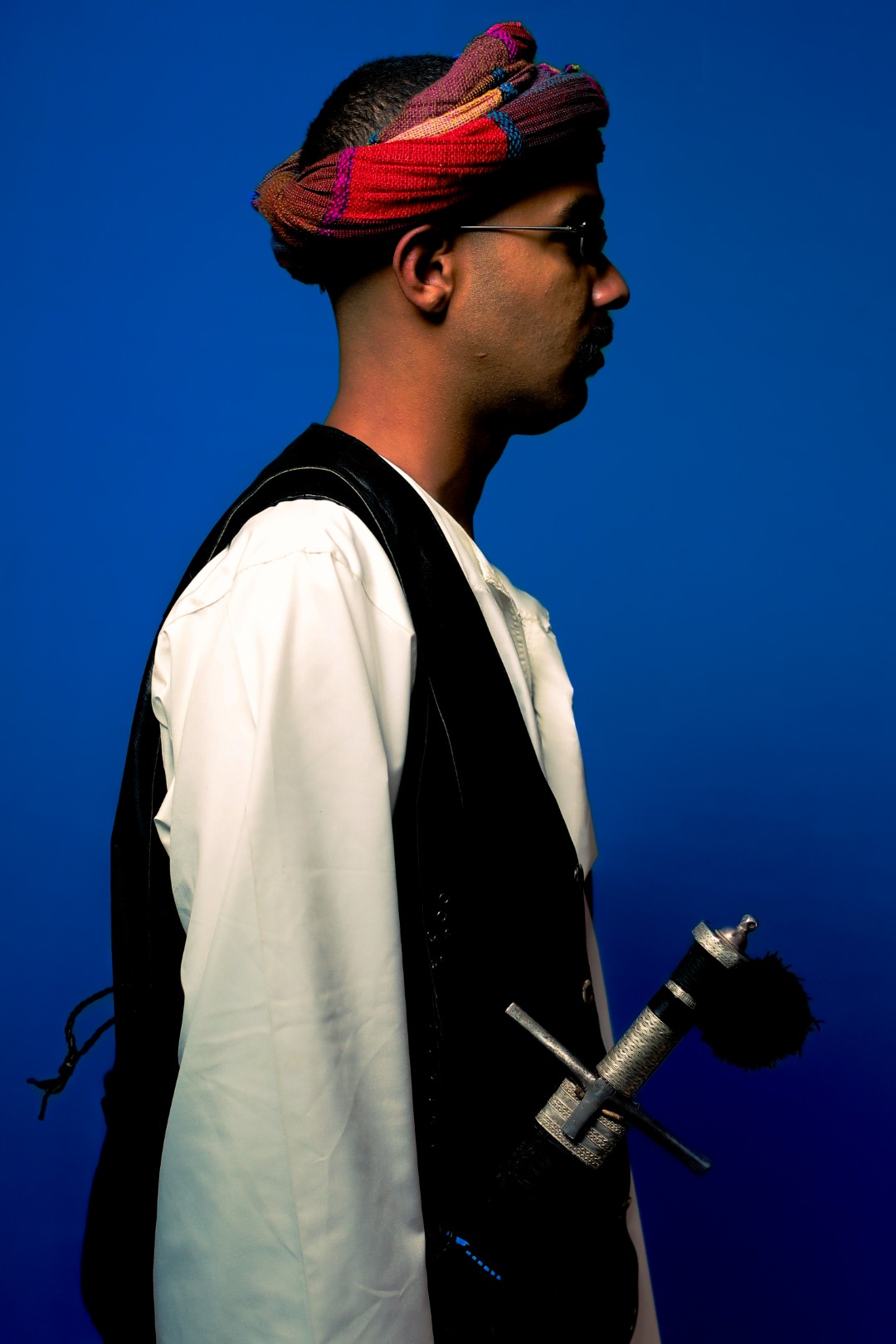
The album is an environment he has constructed around himself. There is also something more basic, almost stubborn, driving all of this. “I don’t have a choice,” Taz tells me. “I don’t have a choice. Either I do this, either I try my best, or find something else to do. Honestly.”
Later he tells me he can spend nine hours on his laptop, walk away for a break, then somehow find himself back at work again. “I’m not convinced that I have nothing to do,” he says. “I always feel like there’s something missing.” At the same time, he has spent years resisting the urge to rush this particular project out.
People already loved the music. They came to the shows and they danced. That wasn’t the problem; he wanted the world around it to catch up.
The Unknown Traveller is not searching endlessly for a destination, exactly, but he is someone who is compelled to keep moving toward something he can already hear.
For more stories of music from around the region and the diaspora, visit our dedicated archives and follow us on Instagram.