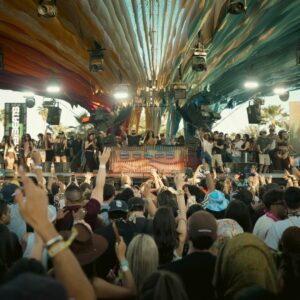
Few spaces in the Middle East have shaped nightlife culture the way BO18 has. For generations of Beirutis, the club was never simply a place to dance. It was ritual. Memory. Escape. Resistance. A place where architecture, music, and the city’s fractured identity collided under a retractable roof that opened to the sky just before sunrise.
Now, after years of closure, crisis, and uncertainty, BO18 is preparing to reopen once again, returning to Beirut at a time when the city continues to navigate political instability, economic collapse, and the long shadow of the 2020 port explosion. Yet BO18’s return feels larger than mere nostalgia. For many, it represents the revival of one of Beirut’s last true cultural landmarks — a space that never tried to imitate the city’s glamorous image, but instead confronted its scars directly.
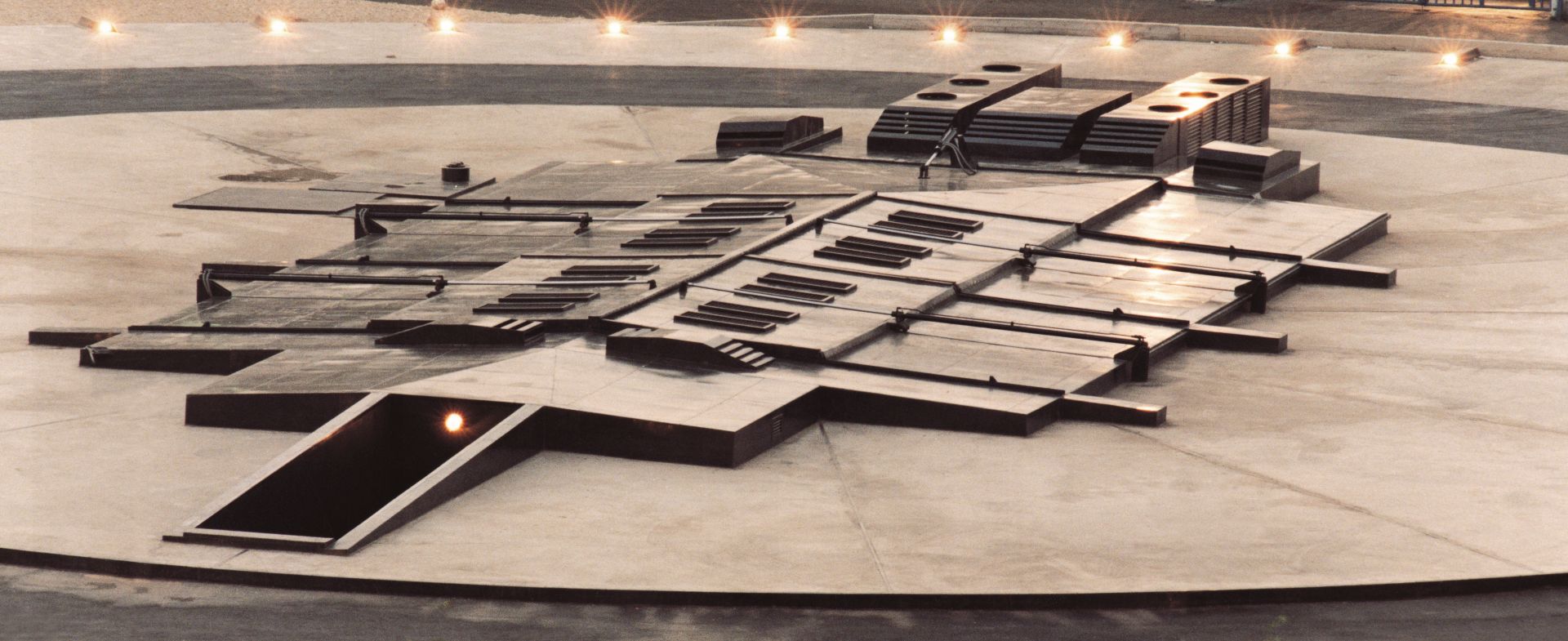
Founded by Naji Gebran, and originally designed by Lebanese architect Bernard Khoury, it opened in Karantina in 1998. It emerged during Beirut’s post-war reconstruction era, when much of the city was being rebuilt through polished narratives of luxury and reinvention. Khoury rejected that language entirely.
“Back in the late 1980s, Beirut was represented in quite a sugar-coated manner, which was not necessarily to my taste,” Khoury explains. “BO18 is an attempt to acknowledge the dark chapters of our very complex recent past.”
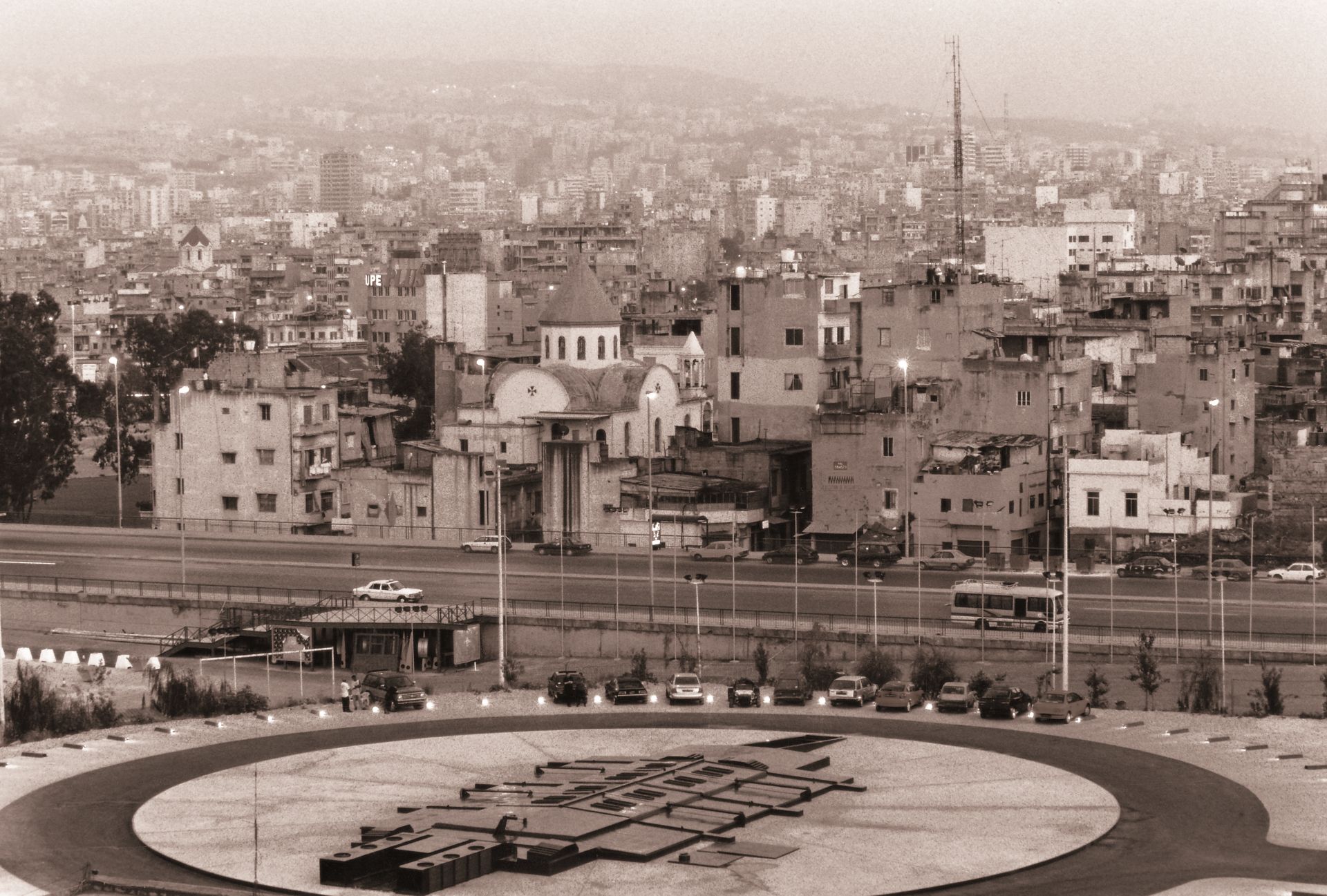
The site itself carried enormous historical weight. Built on the site of a massacre that took place in Karantina in 1976, the project stood on land shaped by decades of displacement, violence, and political erasure. Before the Lebanese Civil War, Karantina had functioned as a quarantine zone near Beirut’s port before later becoming home to Armenian refugees, Palestinians, Lebanese displaced from the south, Syrians, and Kurds. For decades, it remained physically and socially separated from the rest of Beirut.
Khoury describes the district as a “black hole” within the city’s urban fabric — an absence that Beirut’s rapid development deliberately ignored.
“As Beirut was portrayed as the Switzerland of the Middle East, it did not necessarily want to show the very sour realities, the other side of the coin,” he says. “Karantina was sealed from the rest of the city by a wall that separated it.”
Rather than erase this history, BO18 was designed around it.
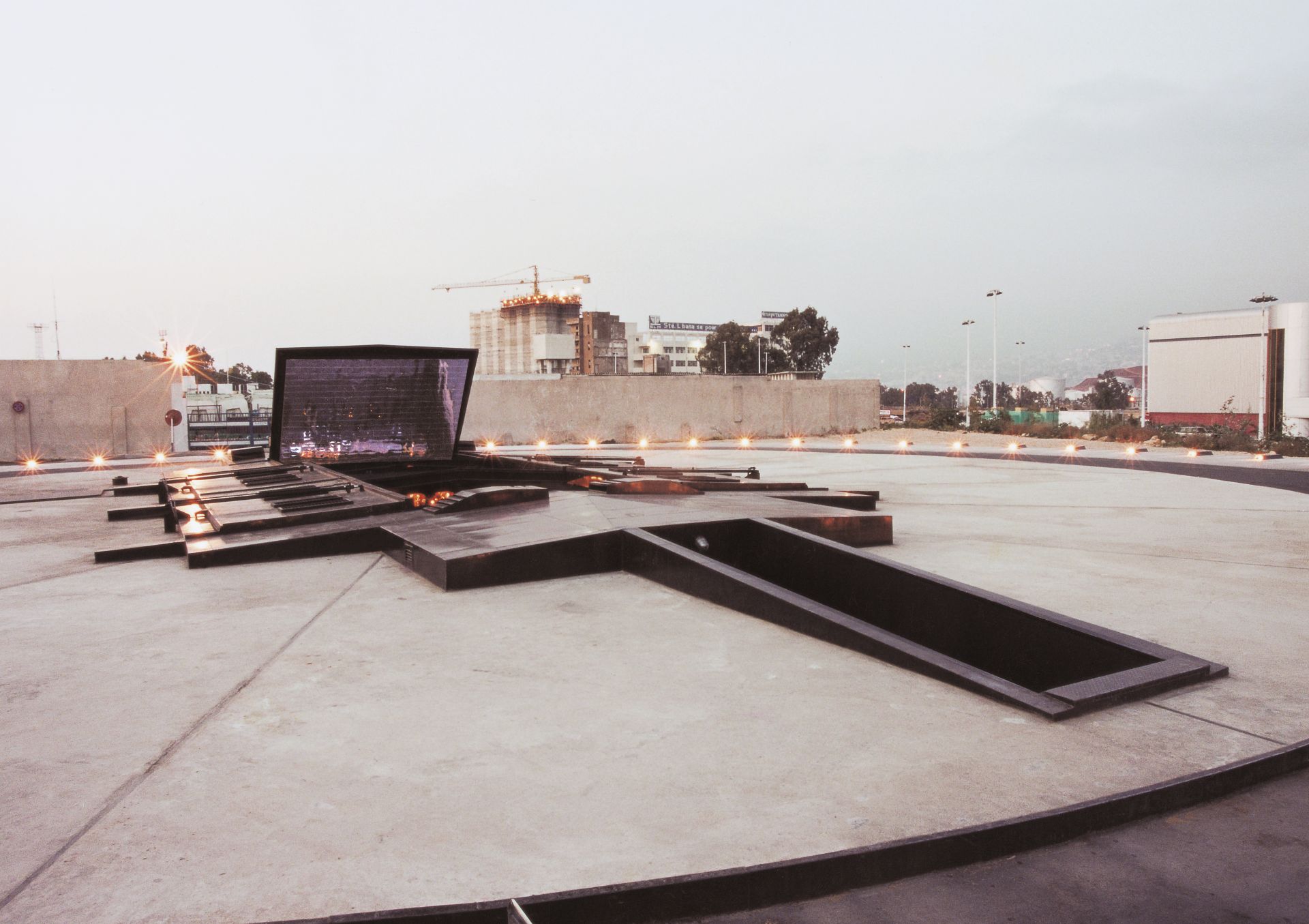
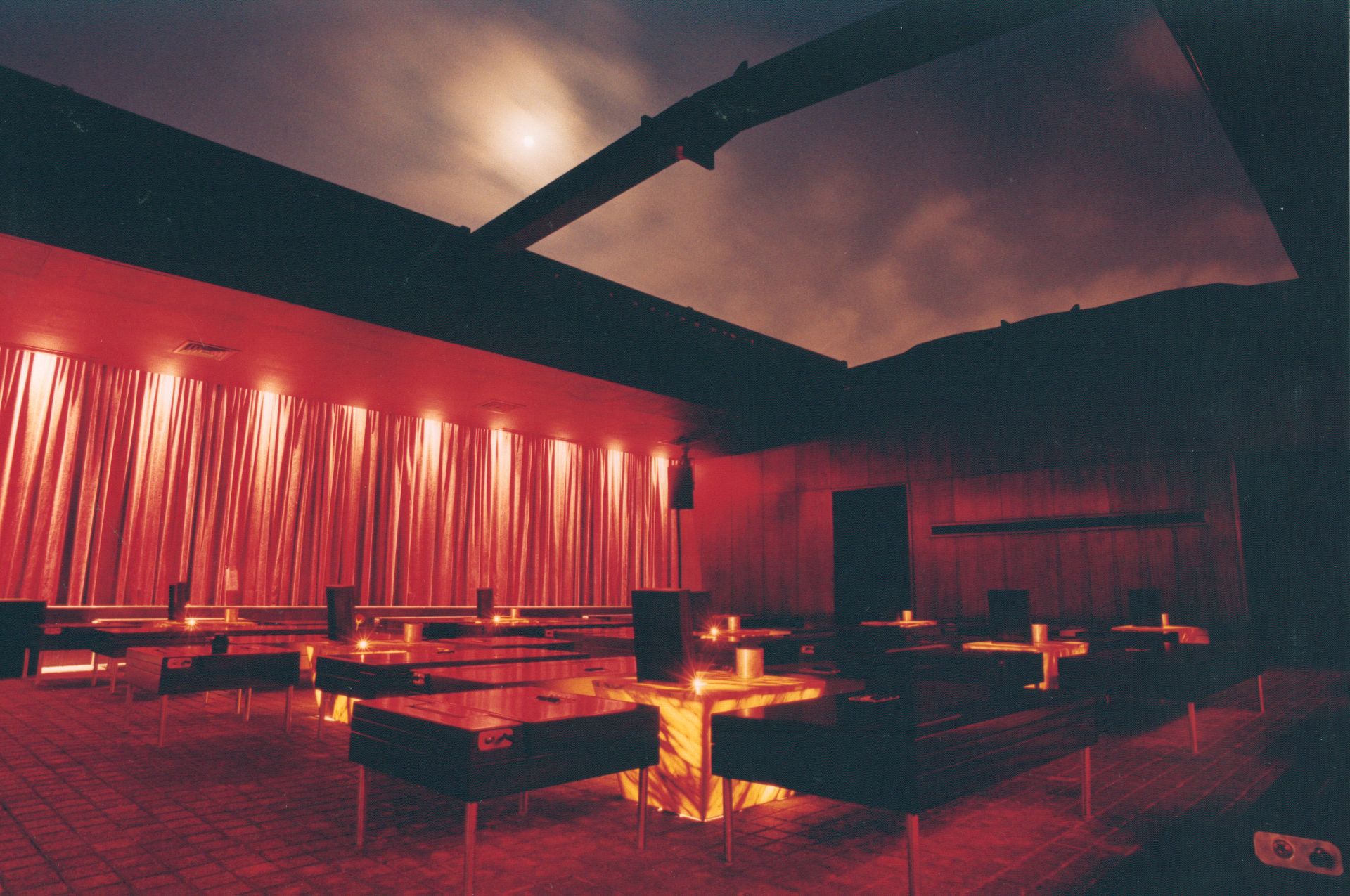
The club’s most radical gesture was not what Khoury built, but what he refused to build. Instead of constructing a visible monument along the highway, the architect preserved the void itself. From the outside, BO18 appears almost invisible — buried underground beneath a minimalist steel structure that feels more industrial intervention than nightclub.
“I certainly was not going to build a rhetorical mass visible on the highway negating this absence of building,” Khoury explains. “The absence of building, if anything, makes the club more visible than if there was a visible mass.”
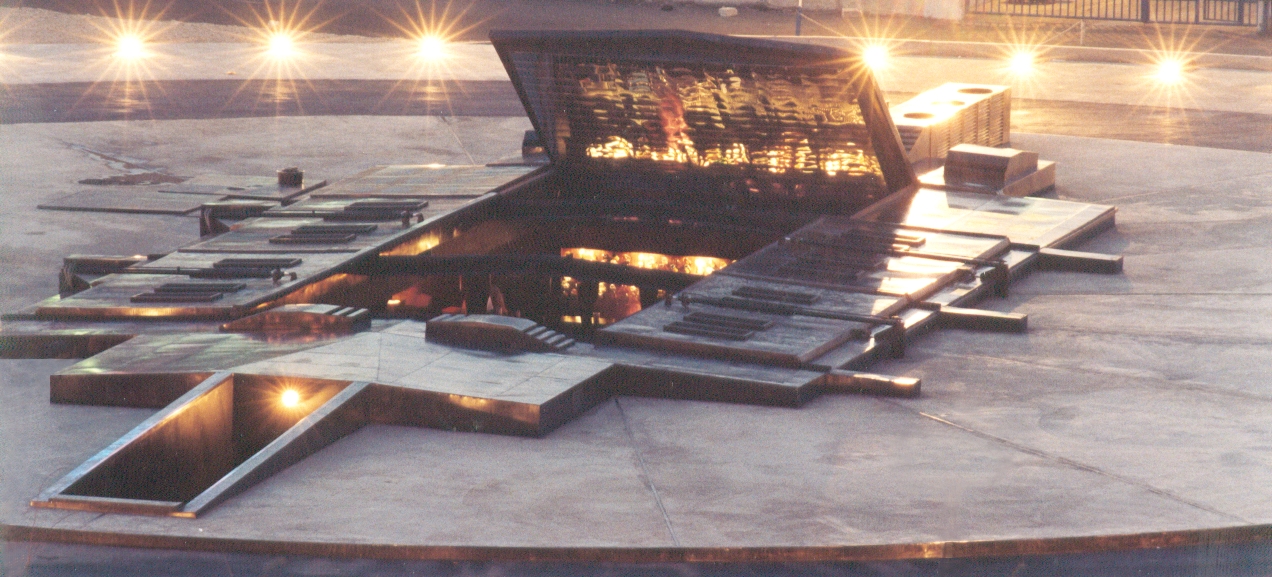
That confrontation between absence and presence became central to BO18’s mythology. Descending into the club always felt cinematic, almost ritualistic. Inside, metallic tables resembled coffins, concrete surfaces felt deliberately raw, and the ceiling was capable of disappearing entirely.
The retractable roof eventually became one of the most iconic architectural gestures in Beirut nightlife history. Near sunrise, the ceiling would slowly open, revealing the sky above exhausted dancers emerging from hours of music, sweat, smoke, and collective release.
But even this theatrical moment carried deeper meaning.
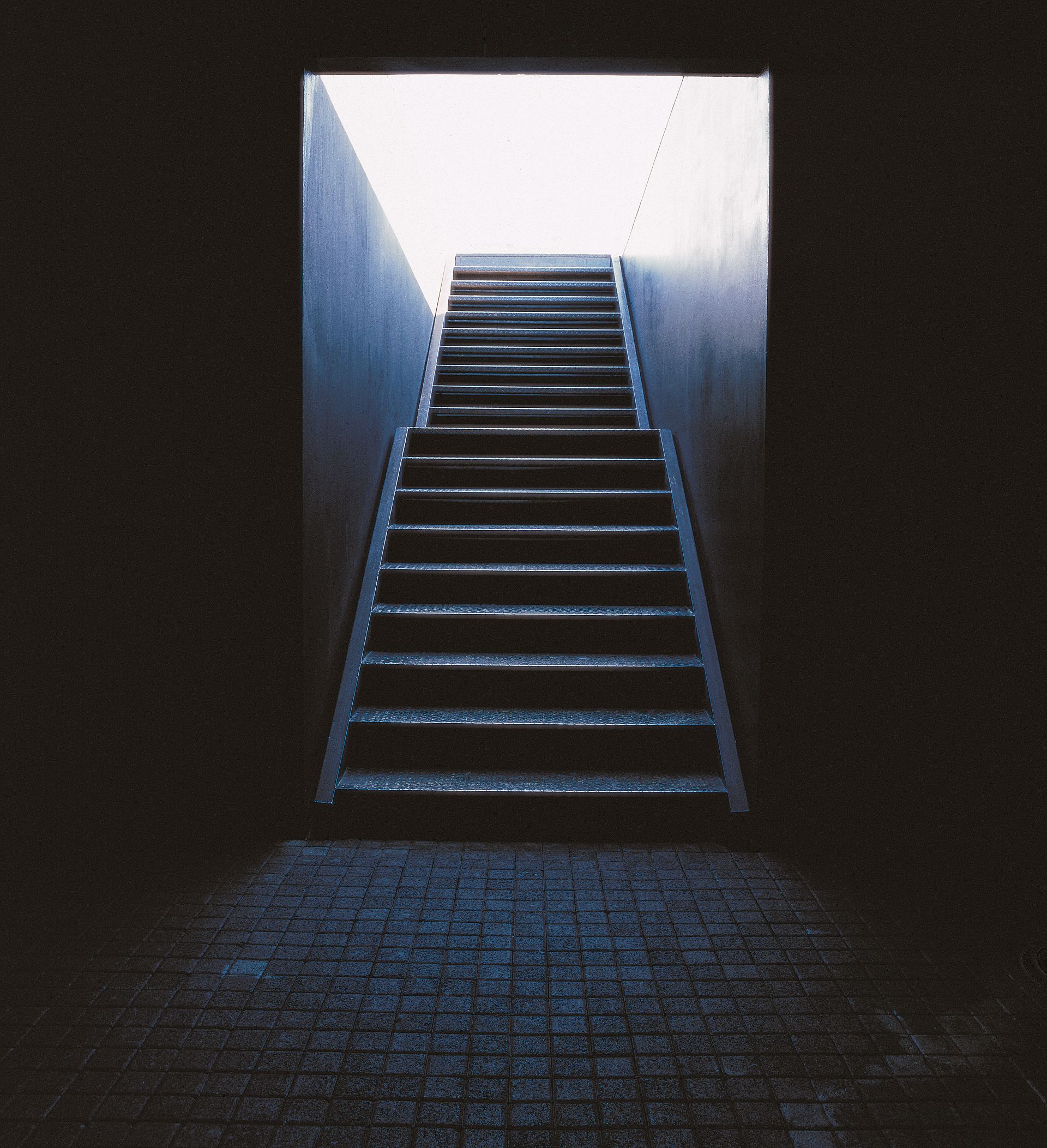
“The level where you sit and dance is in fact the exact topographical level of where the camps used to be,” Khoury explains. “Opening the roof was an important gesture historically and conceptually. You are almost outside again, standing under the sky at the original level of the camp.”
For decades, BO18 became synonymous with Beirut’s underground spirit. Long before massive nightlife venues and international DJ circuits transformed the city in the 2000s and 2010s, the club cultivated something far more intimate and experimental. Music at BO18 resisted categorisation. Electronic sounds collided with obscure global genres, unexpected selections, and nights that felt more like sonic experiences than commercial parties.
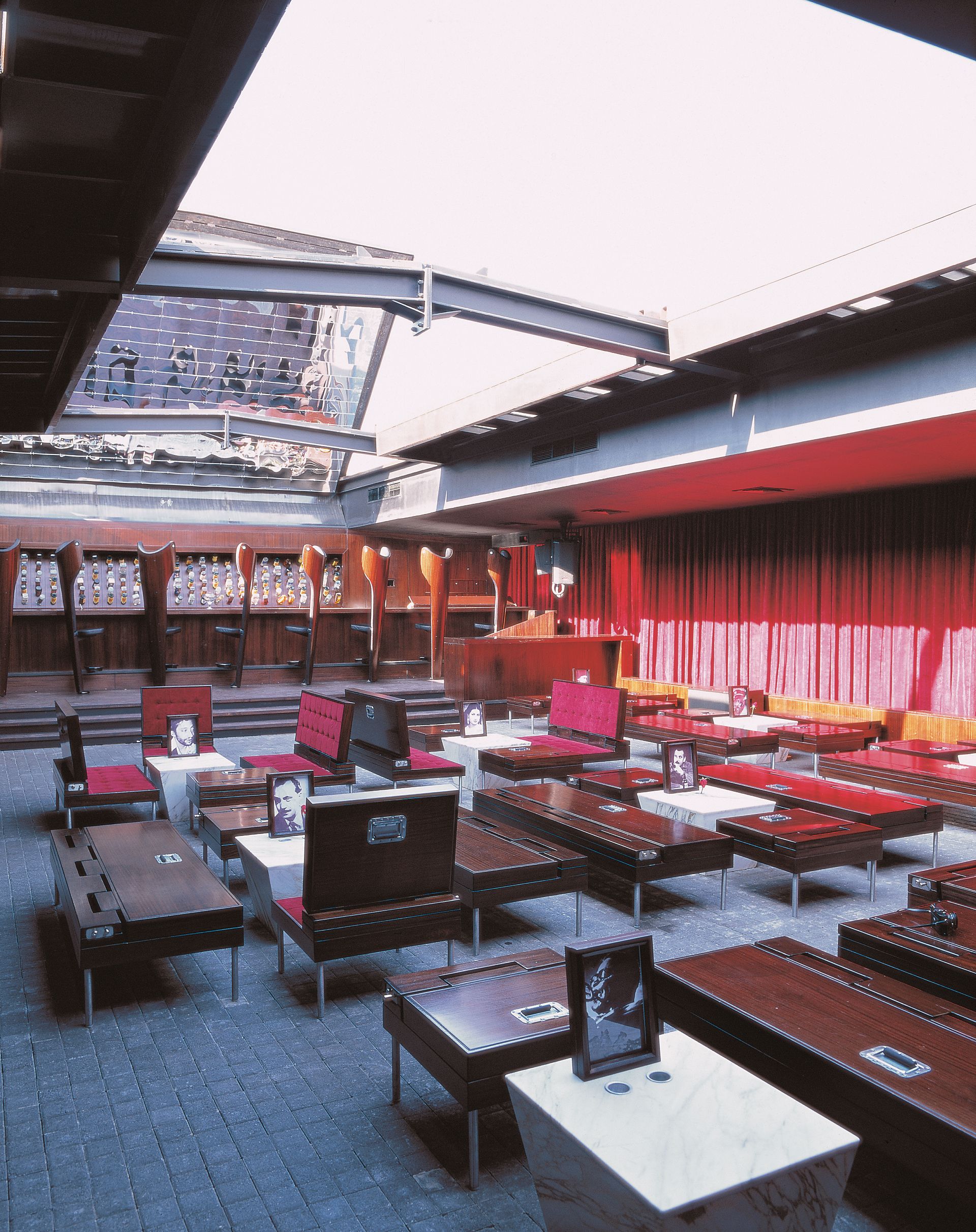
“What was played at BO18 in the initial years was very unique, very pluralist,” Khoury recalls. “There were selections and types of music you wouldn’t hear in any club anywhere around the world.”
That radical openness shaped generations of Beirut’s nightlife culture. BO18 became a rite of passage not only for club-goers, but for artists, musicians, designers, filmmakers, architects, and creatives who saw the venue as one of the few spaces in the city where experimentation still felt possible.
Yet Khoury insists BO18 was never designed to chase popularity. “BO18 is not a trendy place,” he says. “It should never have been a trendy place.”
As Beirut’s nightlife industry expanded into larger commercial venues inspired by Ibiza, Berlin, and international entertainment models, BO18 remained intentionally small. The club’s scale — roughly 200 square metres — became part of its identity.
“This is a place purely to experiment,” Khoury explains. “This is not a place that should play music everybody likes. We’re not after that.”
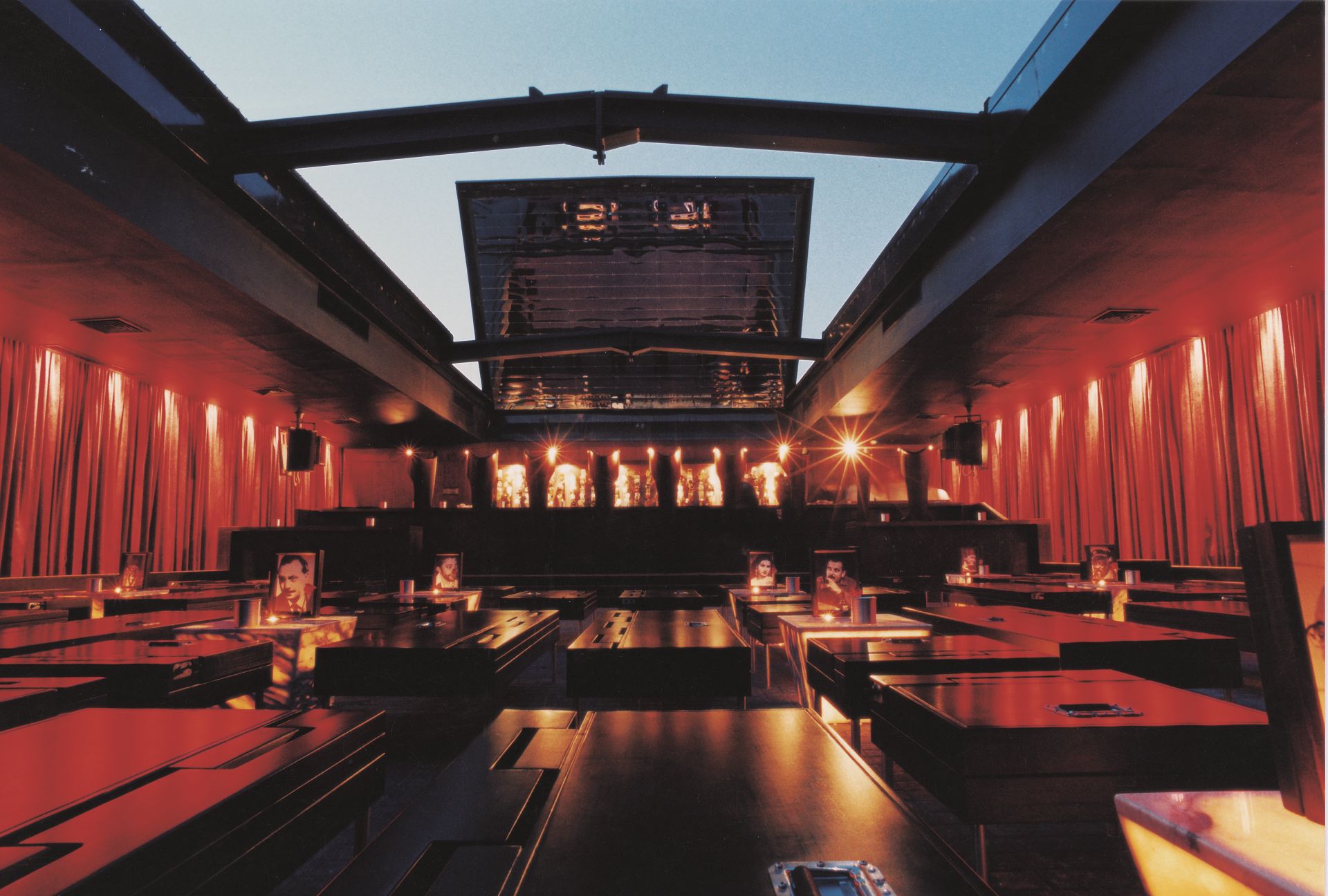
That philosophy also explains why the club struggled during its later years under different management. According to Khoury, BO18 drifted away from its original spirit, attempting to compete with large-scale nightlife operations instead of preserving its niche identity.
Now, with the reopening led by a group including Naji Gebran’s son Amran, the goal is not reinvention, but restoration.
“We’re rebooting BO18,” Khoury says. “We’re hoping to bring back to the city, and hopefully to the world, the BO18 that we all loved when it started.”
The timing of its return feels especially emotional. After the Beirut port explosion devastated nearby neighbourhoods in 2020, many residents viewed the disappearance of spaces like BO18 as symbolic of Beirut losing fragments of itself. Entire cultural ecosystems collapsed under the weight of economic crisis, political paralysis, and mass emigration.
Yet BO18’s reopening arrives with a different energy. Less nostalgic revival, more act of resistance. “Your only way to survive here is to accept this complexity and resist,” Khoury says. “The mechanisms of survival that we all create are what make this place very interesting.”
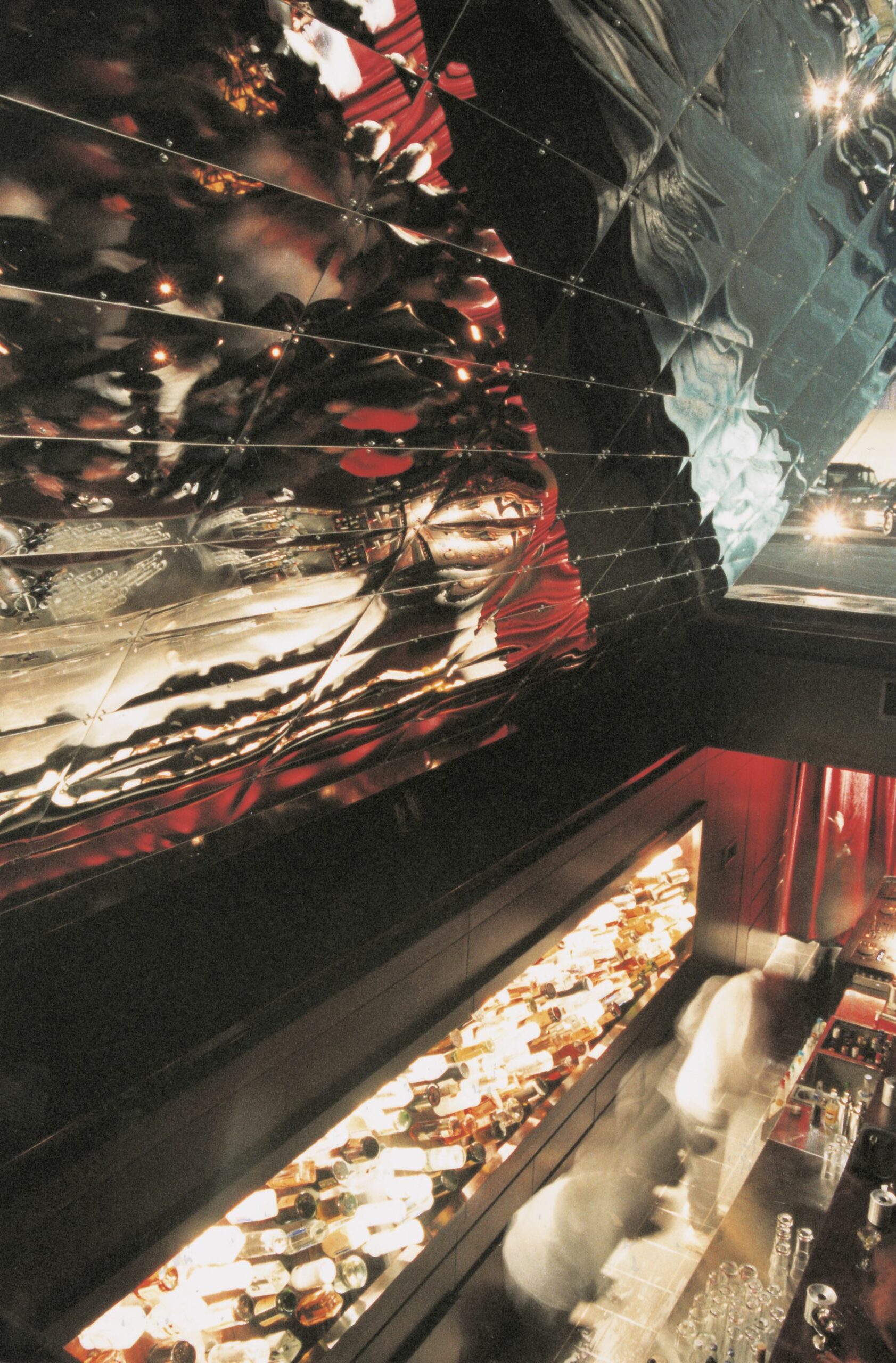
That resistance has always defined Beirut’s nightlife scene. Through wars, assassinations, blackouts, financial collapse, and destruction, the city has continuously returned to music, gathering, and nightlife not as escapism alone, but as forms of survival. BO18 embodied that tension perhaps more than any other venue in the region.
It was never polished. Never easy. Never designed to flatter Beirut’s image. Instead, it reflected the city’s contradictions back onto itself.
“Interesting cities are cities that have their own contradictions,” Khoury says. “Cities that are difficult to frame.”
More than twenty-five years after opening, BO18 remains one of the most radical architectural and cultural spaces Lebanon has produced. It challenged what nightlife could look like in the Arab world long before concepts like experiential clubbing or underground culture became global branding tools. It transformed trauma into architecture without turning suffering into spectacle. And it proved that nightlife spaces could carry intellectual, emotional, and historical weight while still functioning as places of pleasure.
For younger generations who never experienced BO18 in its original era, the reopening offers more than a flash of curiosity. It offers access to a chapter of Beirut that shaped the city’s creative identity for decades.
For Khoury, however, the essence remains simple.
“It’s not designed to be a club,” he says. “It’s designed to be a space for celebrating music and sound.”
And in Beirut, few things have ever mattered more.
For more stories of music and the scene, visit our dedicated archives and follow us on Instagram.