When Zayed National Museum opens its doors in Abu Dhabi’s Saadiyat Cultural District, visitors will encounter far more than a collection of galleries. As the national museum of the United Arab Emirates, the institution is designed to tell the story of a nation. Yet beyond the architecture itself lies another layer of storytelling, one that unfolds through materials, objects, atmospheres, and the work of some of the UAE’s most influential designers and makers.
Tasked with the creative direction, interior design, curatorship, and FF&E for a constellation of public, VIP, hospitality, and research spaces within the museum, Agata Kurzela Studio approached the project not as a conventional interior commission, but as an opportunity to create environments capable of carrying cultural meaning.
“The idea was not to present history, but to spatially interpret it,” explains the studio. Rather than illustrating heritage through literal references, the design embeds cultural narratives within materials, textures, colour palettes, and bespoke pieces created specifically for the museum.
At the heart of the project lies a conceptual framework rooted in cycles of time, ritual, and memory. Visitors are welcomed through Majlis Al Shaheen, a space inspired by the Emirati tradition of hospitality and the ceremonial serving of gahwa. From there, a sequence of interconnected meeting spaces unfolds around a central courtyard, drawing inspiration from the traditional Al Durour calendar, a system that maps the year through climatic and ecological changes.
These references are translated into atmosphere rather than symbolism. Colour, texture, density, and light shift throughout the interiors, creating spaces that echo seasons of intensity, renewal, softness, and dormancy. As the studio describes it, “cultural meaning is not illustrated but embedded within the tactility of surfaces, the weight of objects, and the atmospheres produced through light and proportion.”
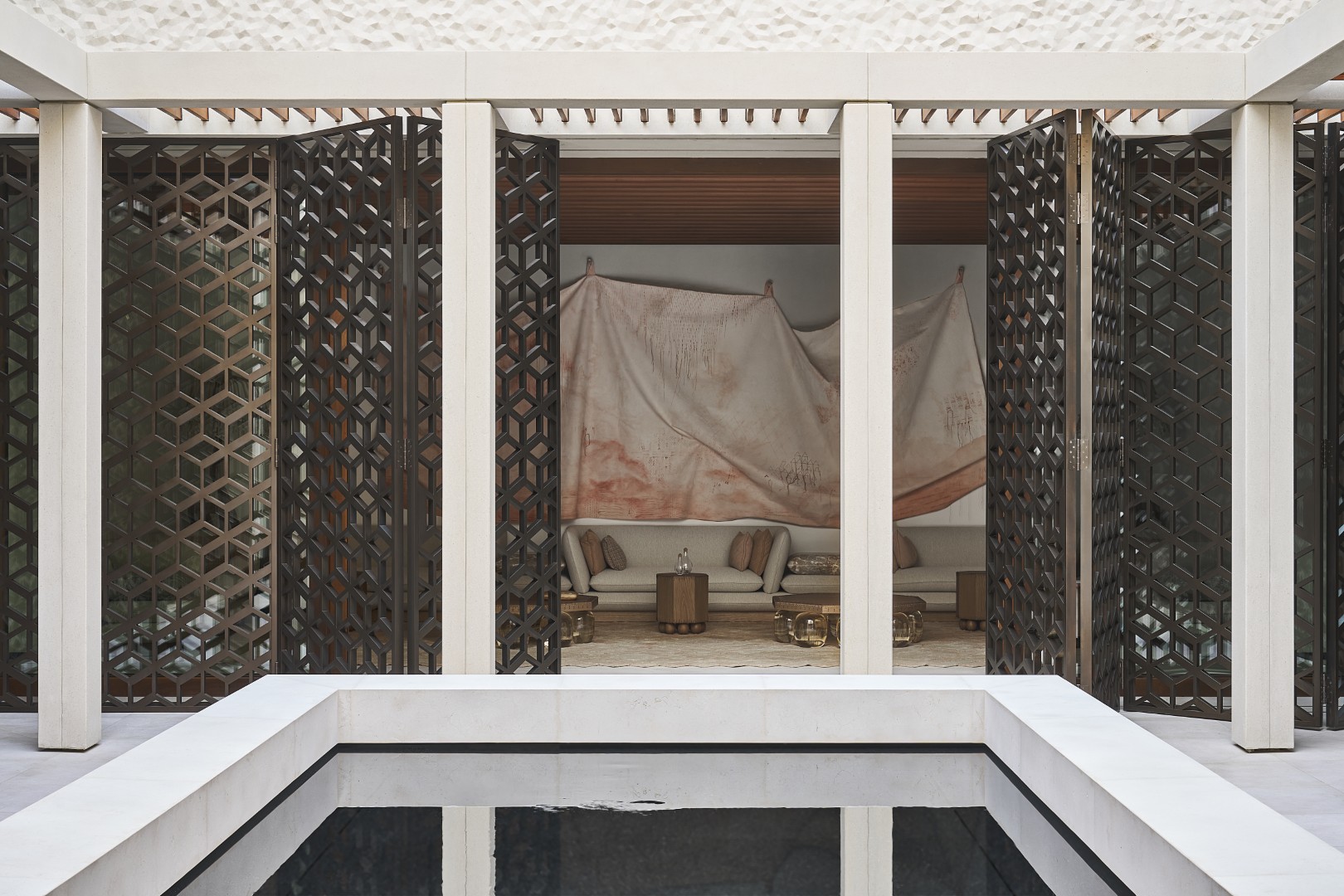
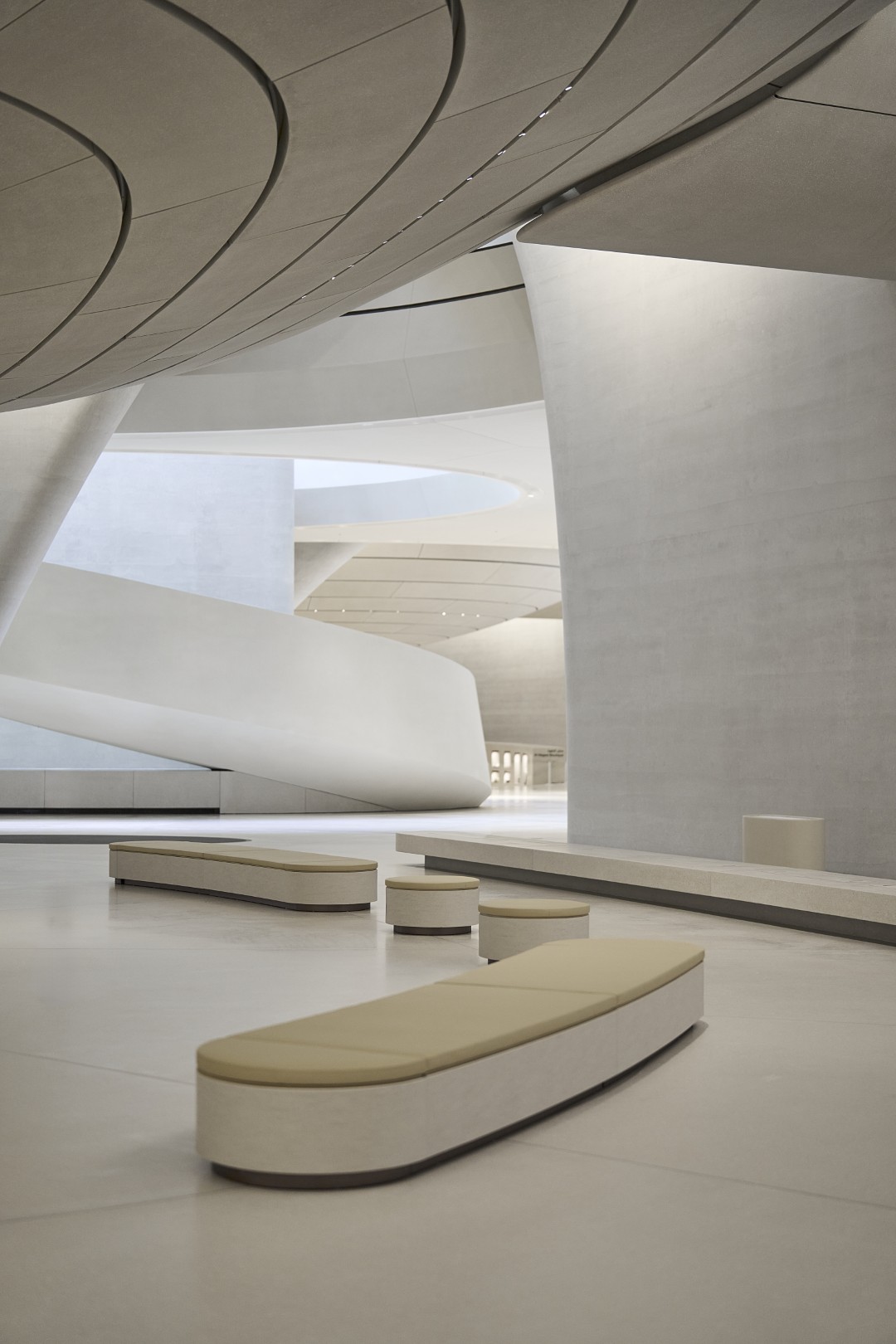
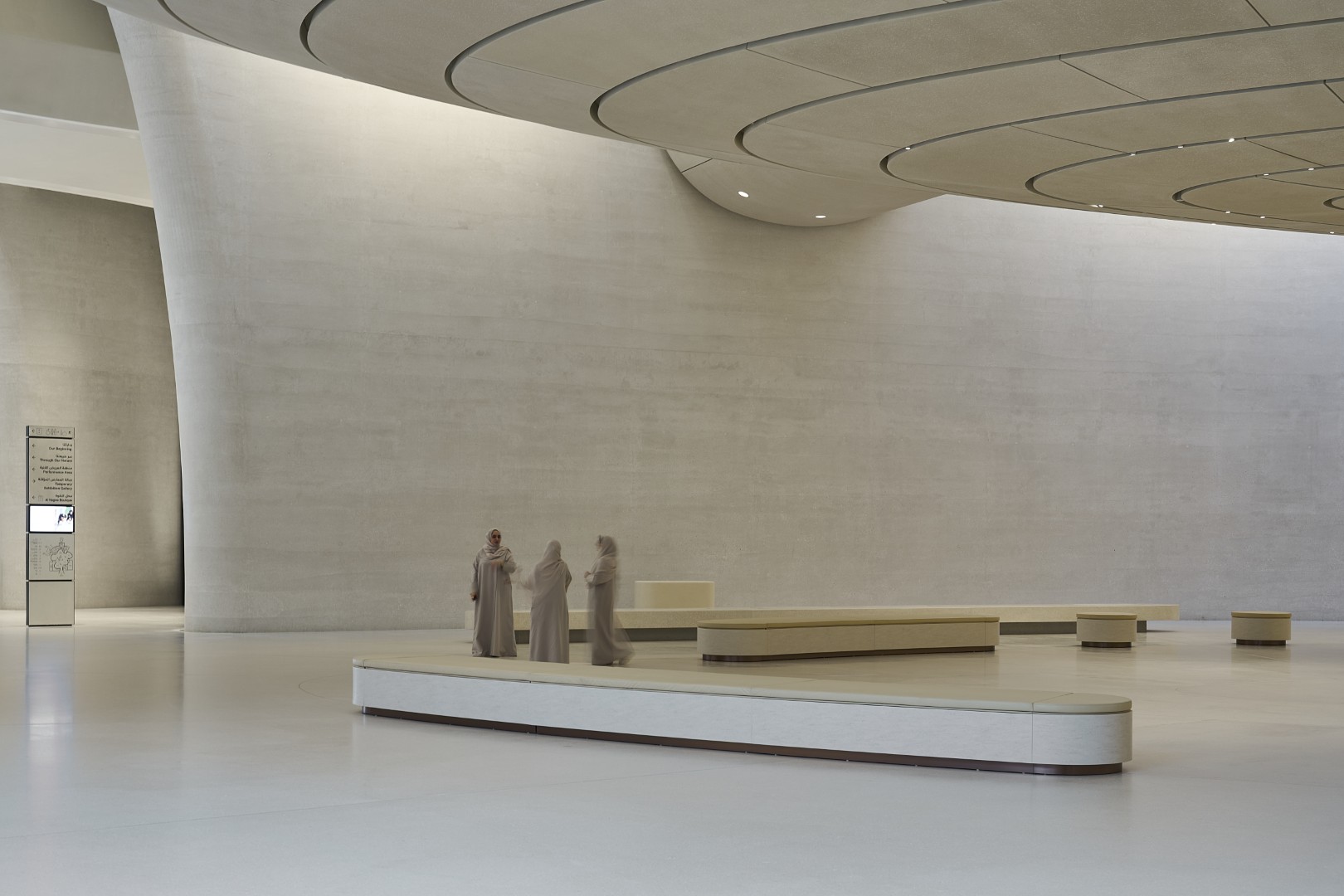
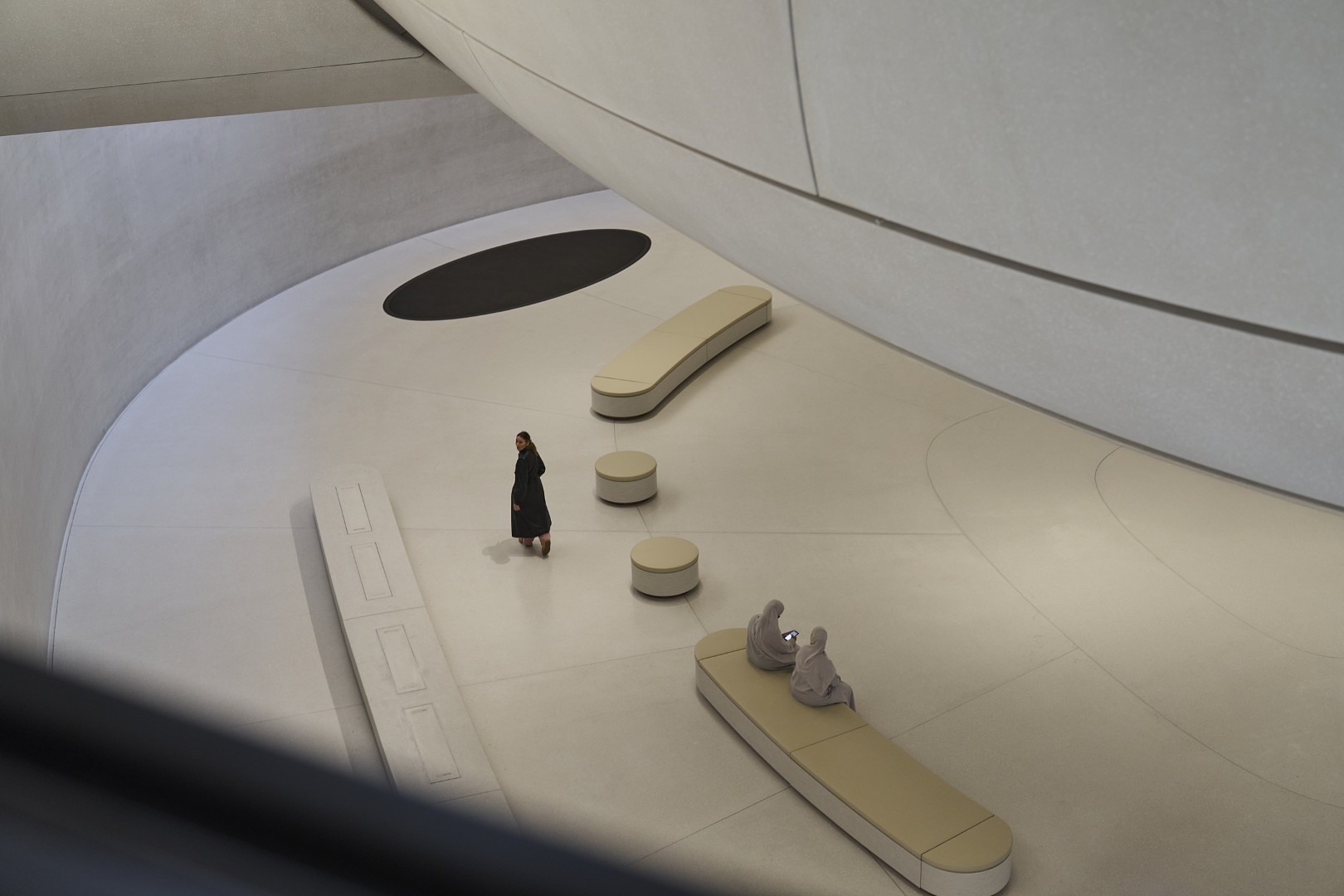
The project spans approximately 3,000 square metres and includes multiple majlis spaces, a public atrium known as Al Liwan, hospitality environments, VIP areas, and a dedicated Research Library. Each space functions as a distinct chapter within a larger narrative.
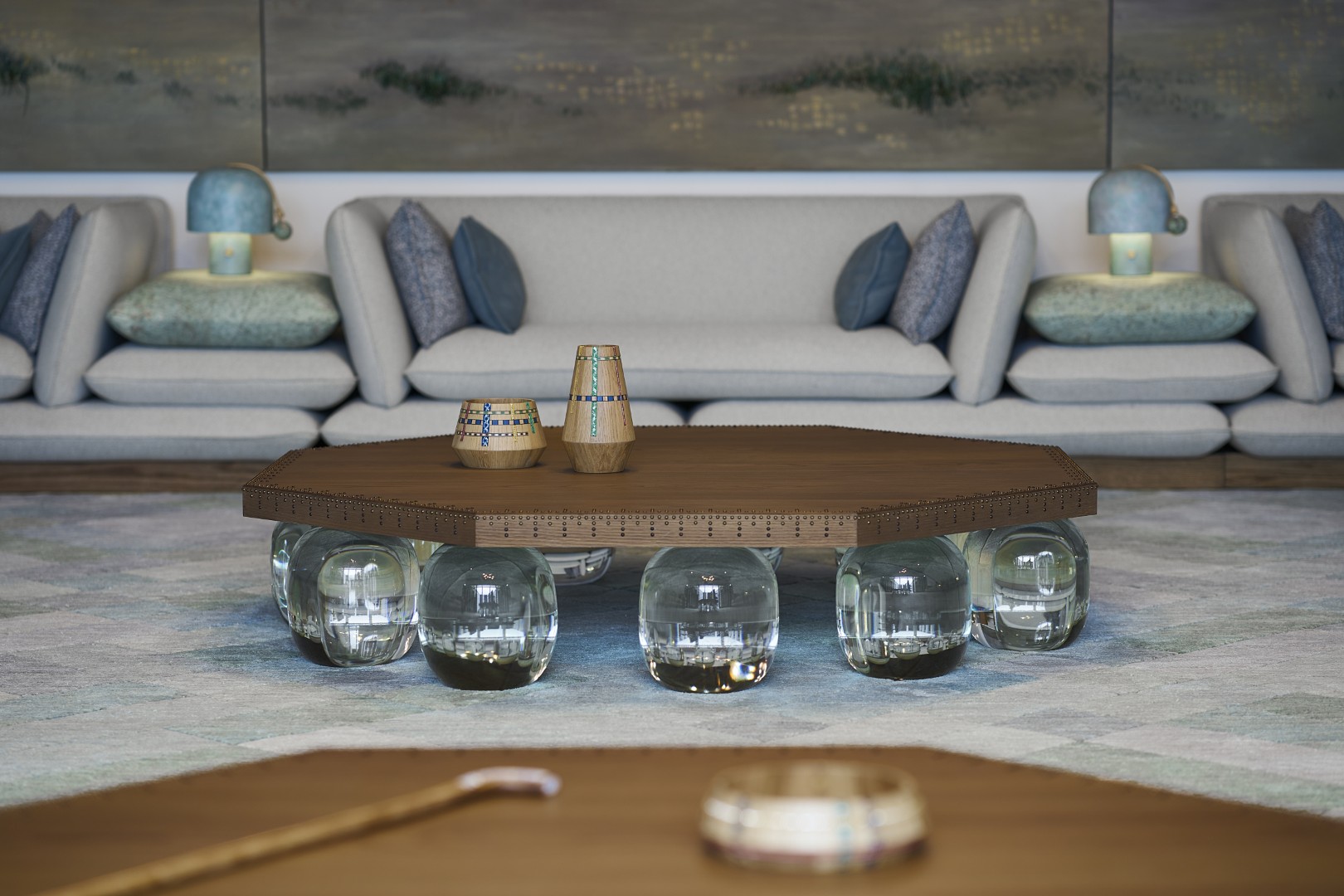
One of the defining gestures is found within Al Liwan, where a modular seating system developed by the studio acts almost as architectural infrastructure, dissolving into the surrounding building rather than competing with it. Elsewhere, interiors become increasingly layered, incorporating bespoke furniture, custom textiles, sculptural lighting, and commissioned artworks that collectively communicate cultural identity.
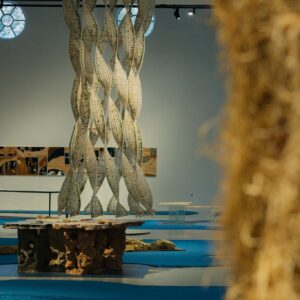
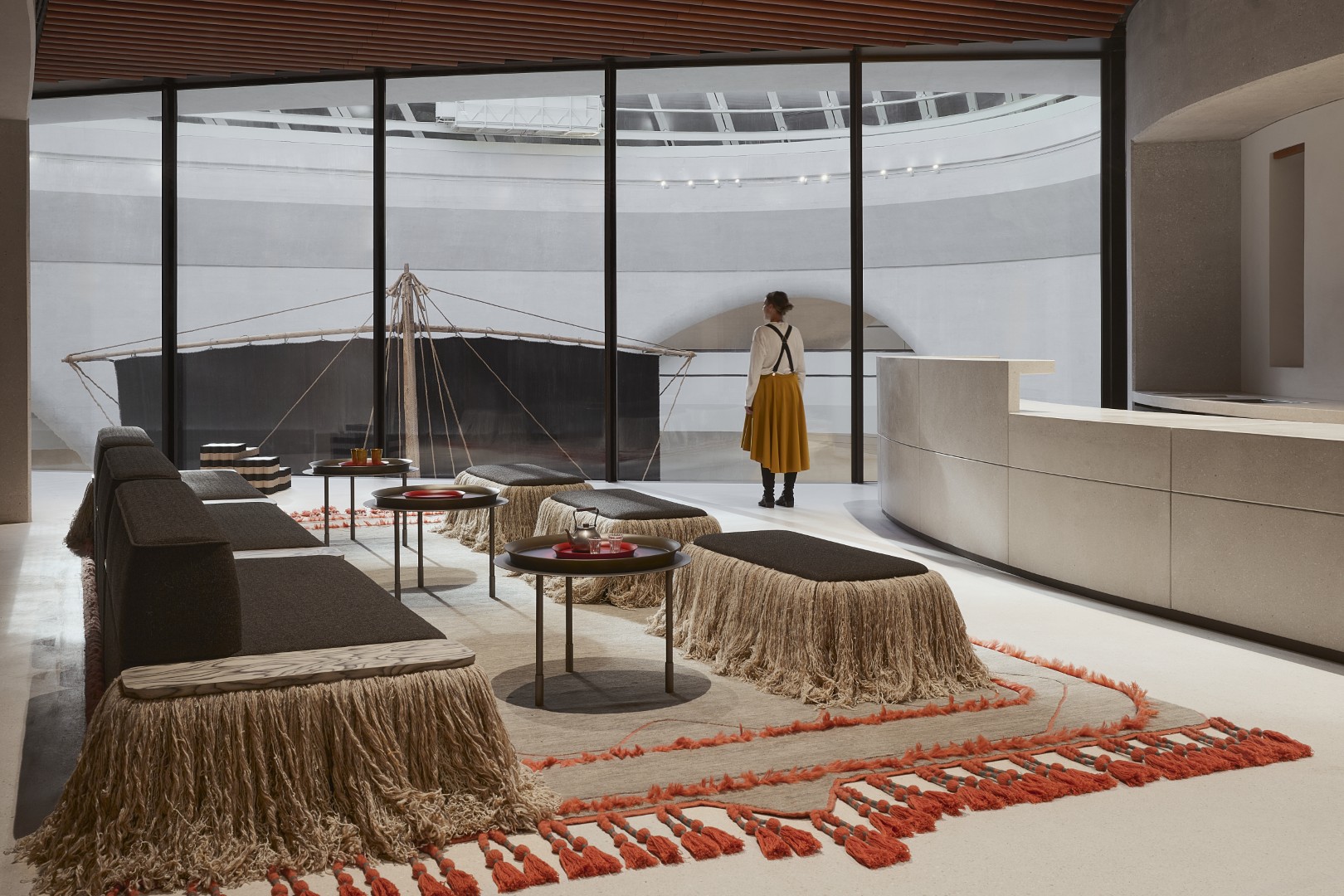
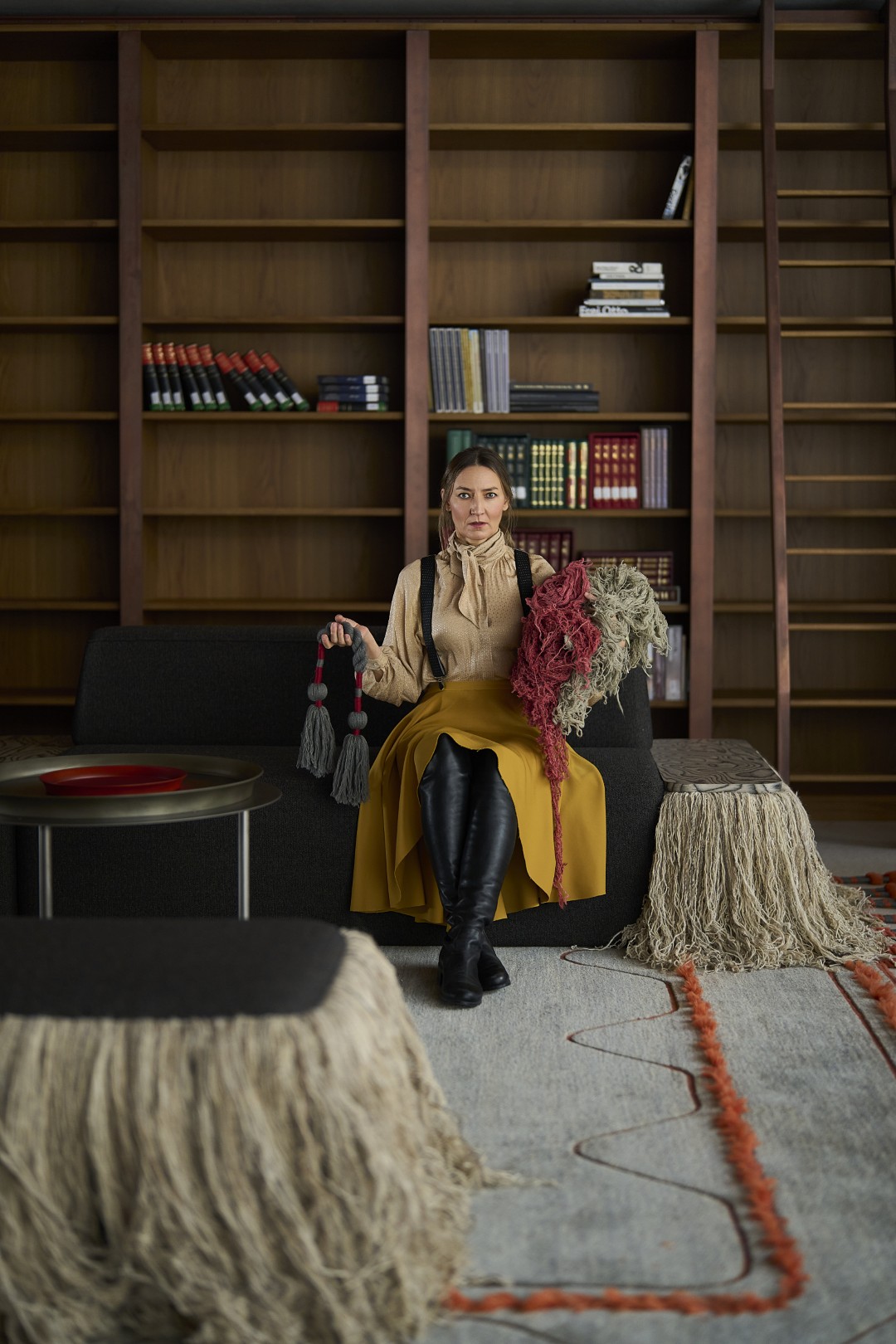
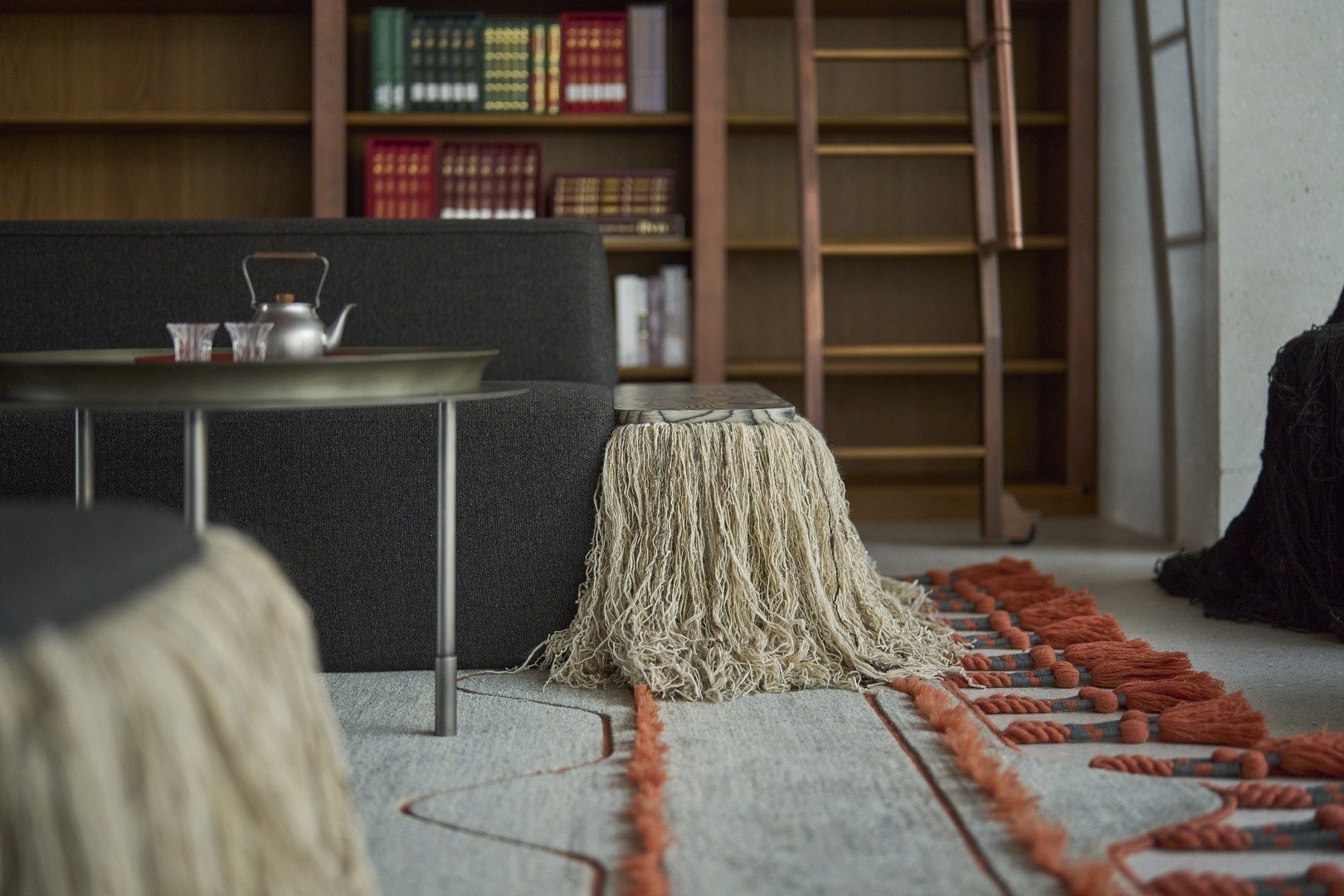
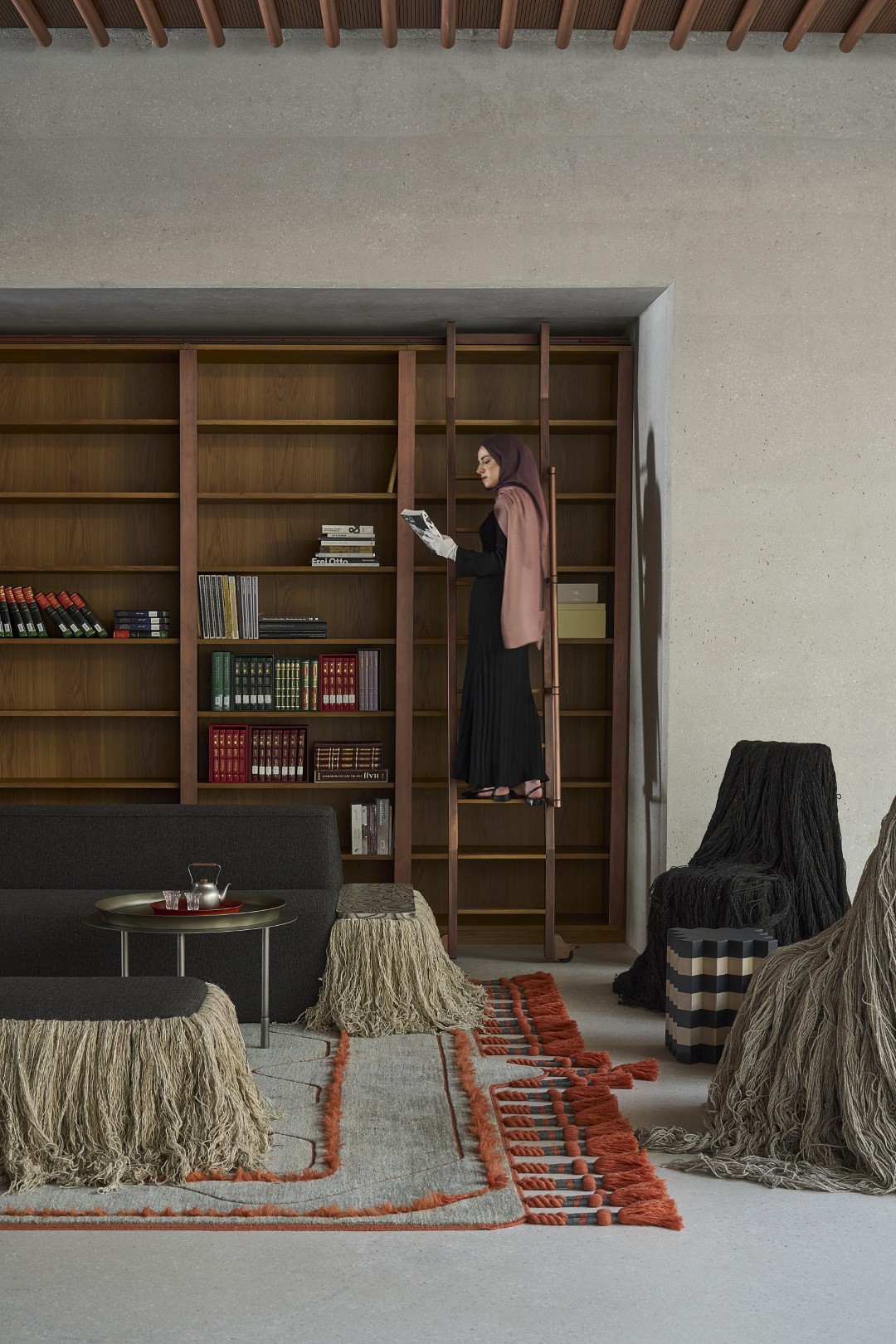
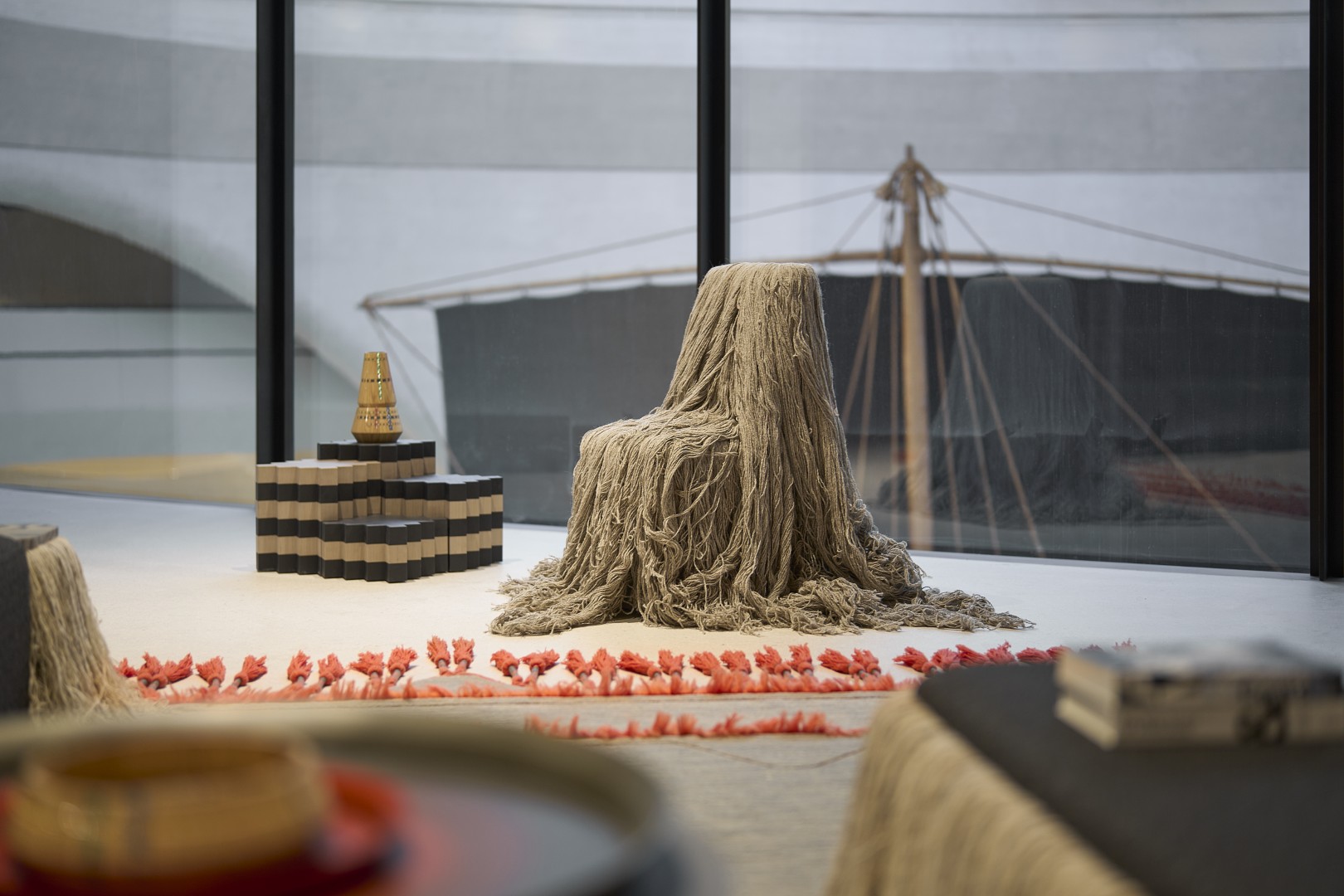
The Research Library offers one of the most compelling examples of this approach. Composed of both a library and sitting area, it overlooks the museum’s monumental Magan Boat. Its material language draws from Bedouin tents, particularly the black woollen sail that visually connects the vessel to the space itself. High-contrast black and white tones, semi-raw wool, burnished bronze, timber, and richly patinated metals create an environment that feels simultaneously scholarly and deeply rooted in regional traditions.
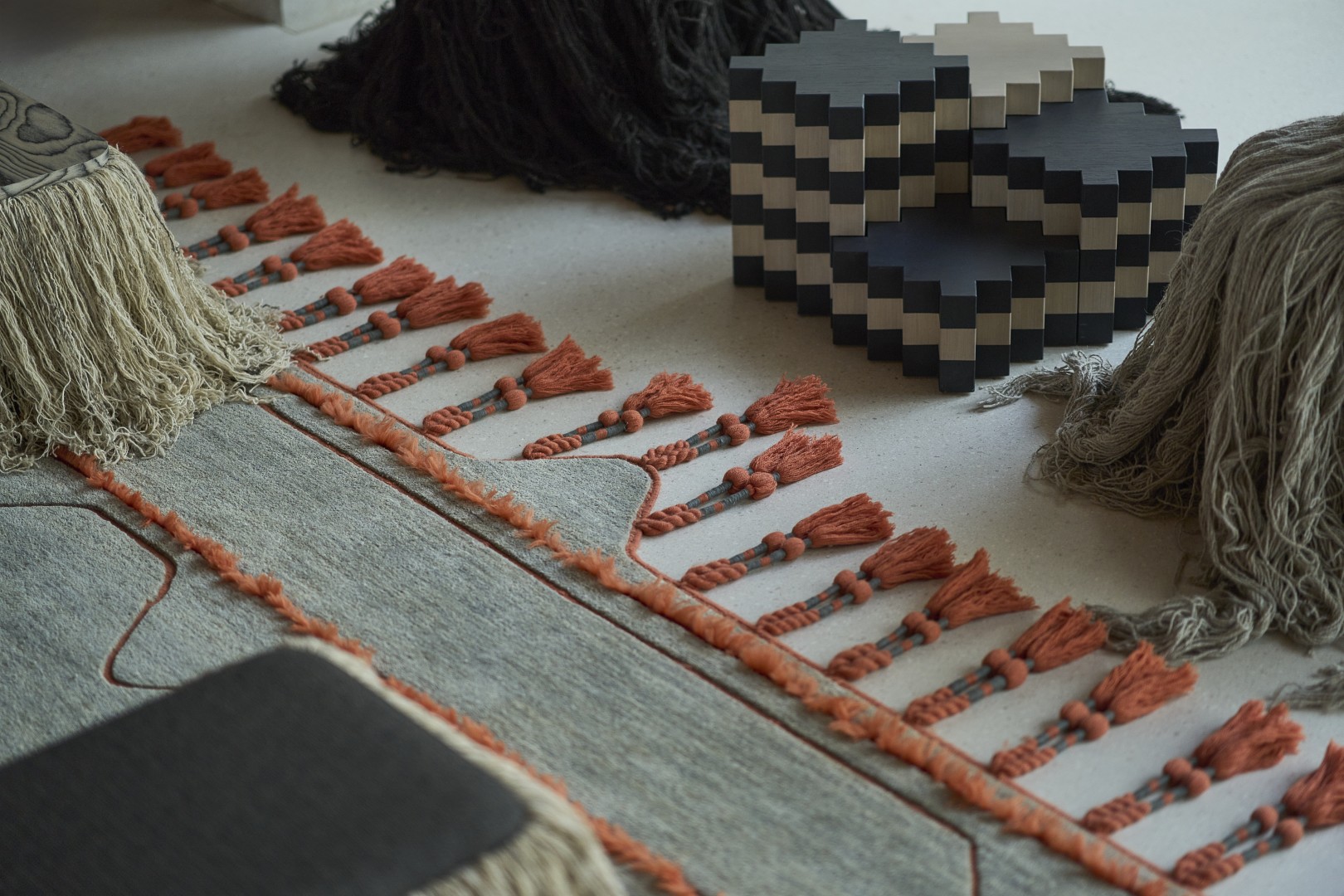
Execution became as important as design. The studio describes the process as “curatorial and research-led,” involving extensive prototyping, material testing, full-scale mock-ups, and close collaboration with local workshops and craftspeople. From experiments with ceramic glazes to the development of custom tassels and bespoke furniture systems, every detail emerged through a continuous dialogue between concept and fabrication. “This deliberate, investigative methodology ensured that every component aligned not only technically, but culturally.”
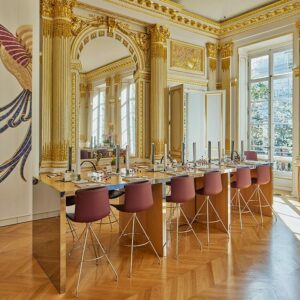
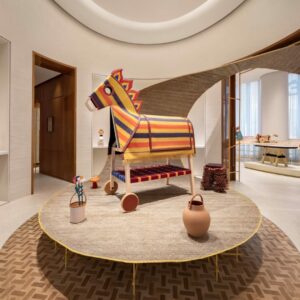
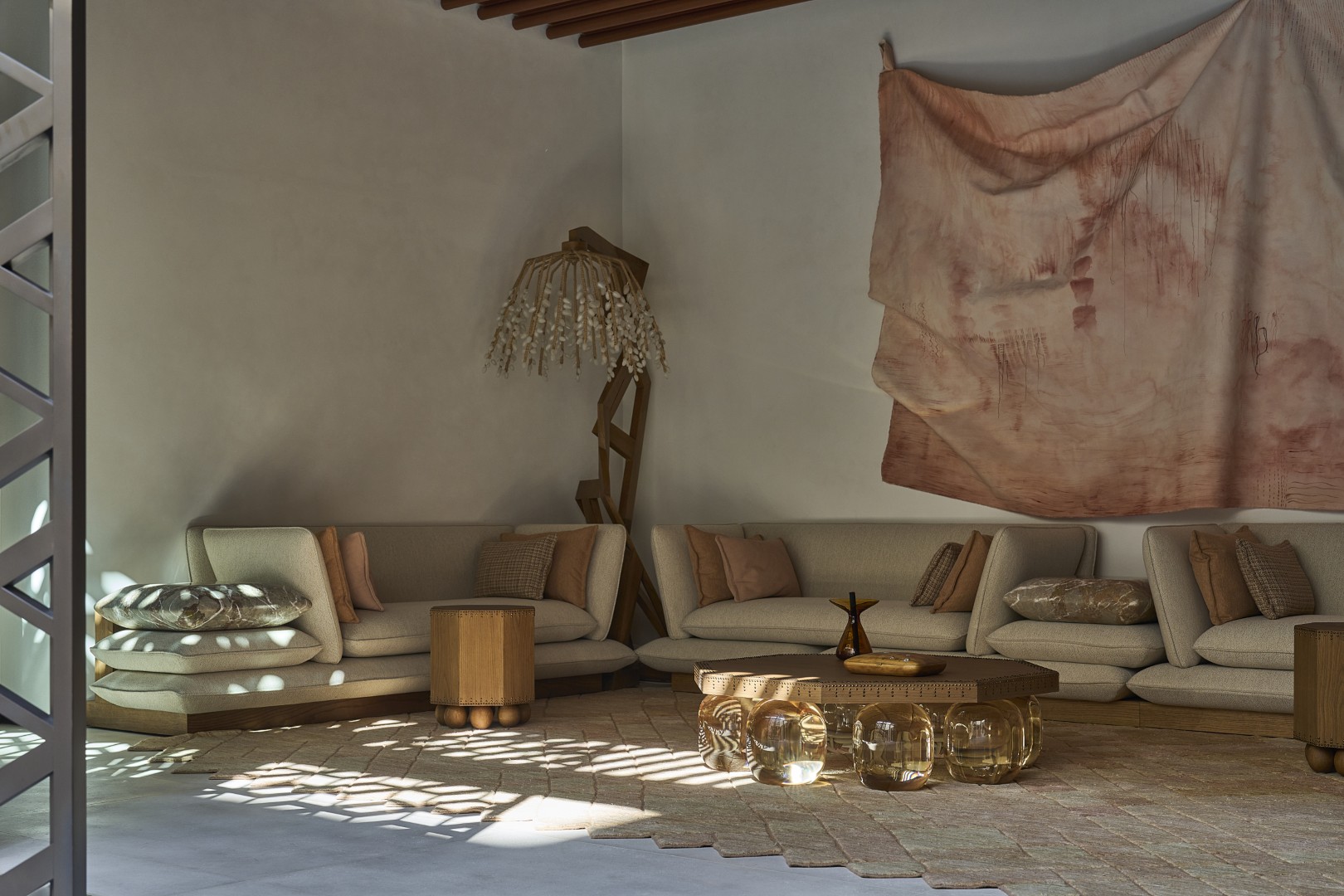
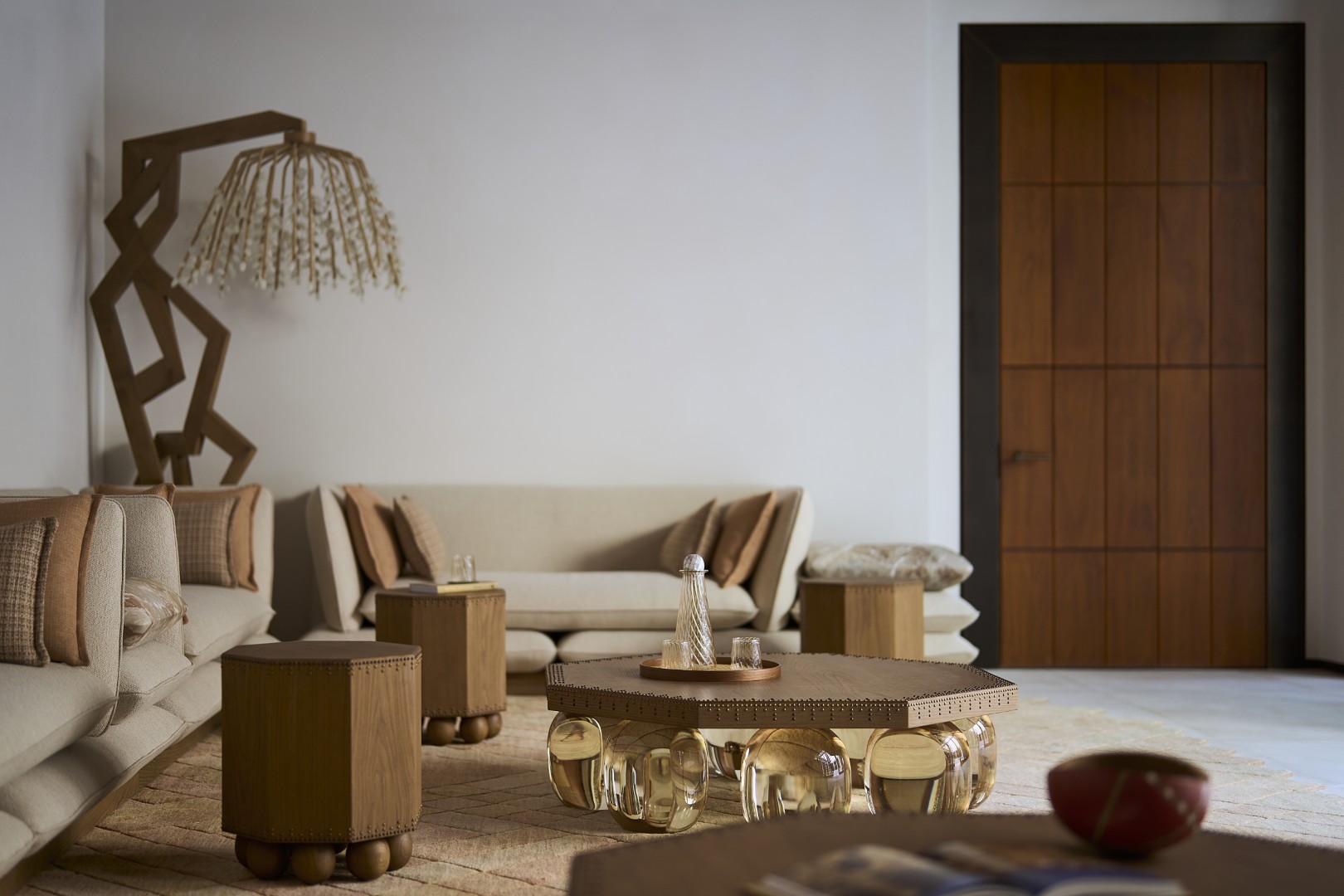
The museum’s majlis environments further demonstrate how contemporary design can reinterpret traditional forms. Majlis Al Shaheen draws inspiration from gahwa, dates, enamel coffee pots, safeefah weaving, traditional metal doors, and camels. The result is a warm and welcoming environment where Emirati hospitality traditions are translated into material expression.
Meanwhile, the Al Hurr majlises explore the changing seasons referenced by the Al Durour calendar. Al Sheta, inspired by winter, introduces muted greens and desert bloom tones, accented with embroidered motifs referencing rainfall and flowering desert shrubs. Al Qaith embraces the brightness and intensity of extreme summer heat through stronger contrasts and heightened colour. The Boardroom, inspired by Al Saif, reflects another seasonal chapter, translating climate into a distinct spatial identity.
Materiality serves as one of the project’s strongest storytelling tools. Wool, rope, ceramic, camel leather, metal, and stone form the foundation of the palette. Long-fringed carpets evoke the softness of camel fur, while embroidered details reference native flora. Throughout the interiors, materials are chosen not simply for aesthetics but for their ability to communicate place and memory.
Yet perhaps the project’s most significant achievement lies in its collaborative framework.
“Collaboration formed the backbone of the project,” notes the studio. While Agata Kurzela Studio developed the conceptual language and overall creative direction, the museum’s interiors became a platform for Emirati and regional voices.
Among those contributors is Abdalla Al Mulla, who created an adaptable modular bead bench for Majlis Al Shaheen and later co-designed tables for the Research Library. Omar Al Gurg adapted his Ned sofa system from a residential setting into a more formal museum context. Aljoud Lootah developed custom Takya sofa systems inspired by traditional Emirati cushion arrangements. Latifa Saeed contributed her Nomad chairs, and Khalid Shafar, Alya Al Ghefeli, Roudha Al Shamsi, Lodge Interior, One Third Studio, Irthi, Zuleya, and Loretta Bilinskaite all brought their expertise to the project.
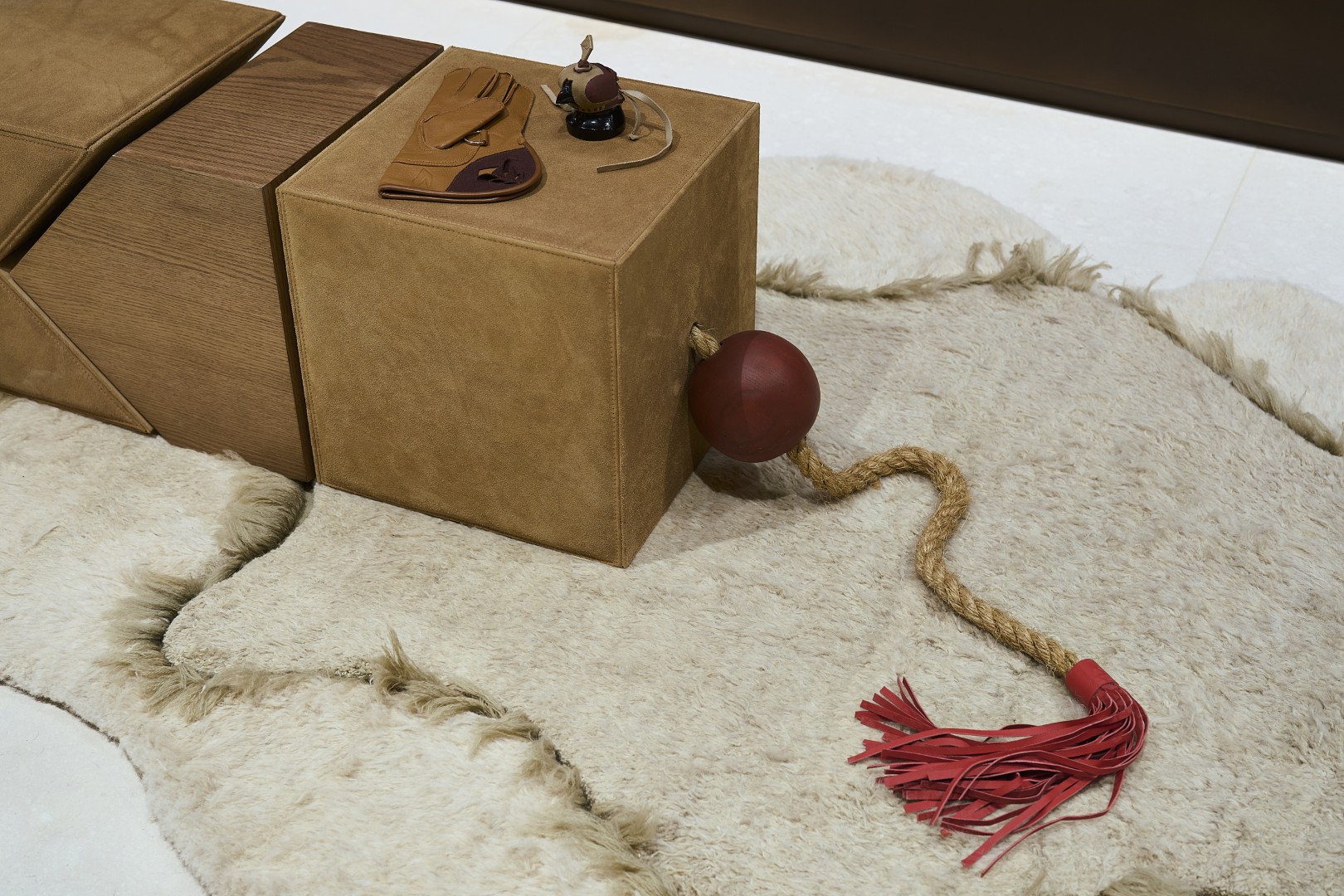
The artistic contributions are equally significant. Works by Afra Al Dhaheri, Juma Al Haj, Michael Rice, and Stephanie Neville are integrated directly into the spatial experience rather than treated as standalone additions. Their presence reinforces the museum’s ambition to present contemporary Emirati authorship as an essential part of the national narrative.
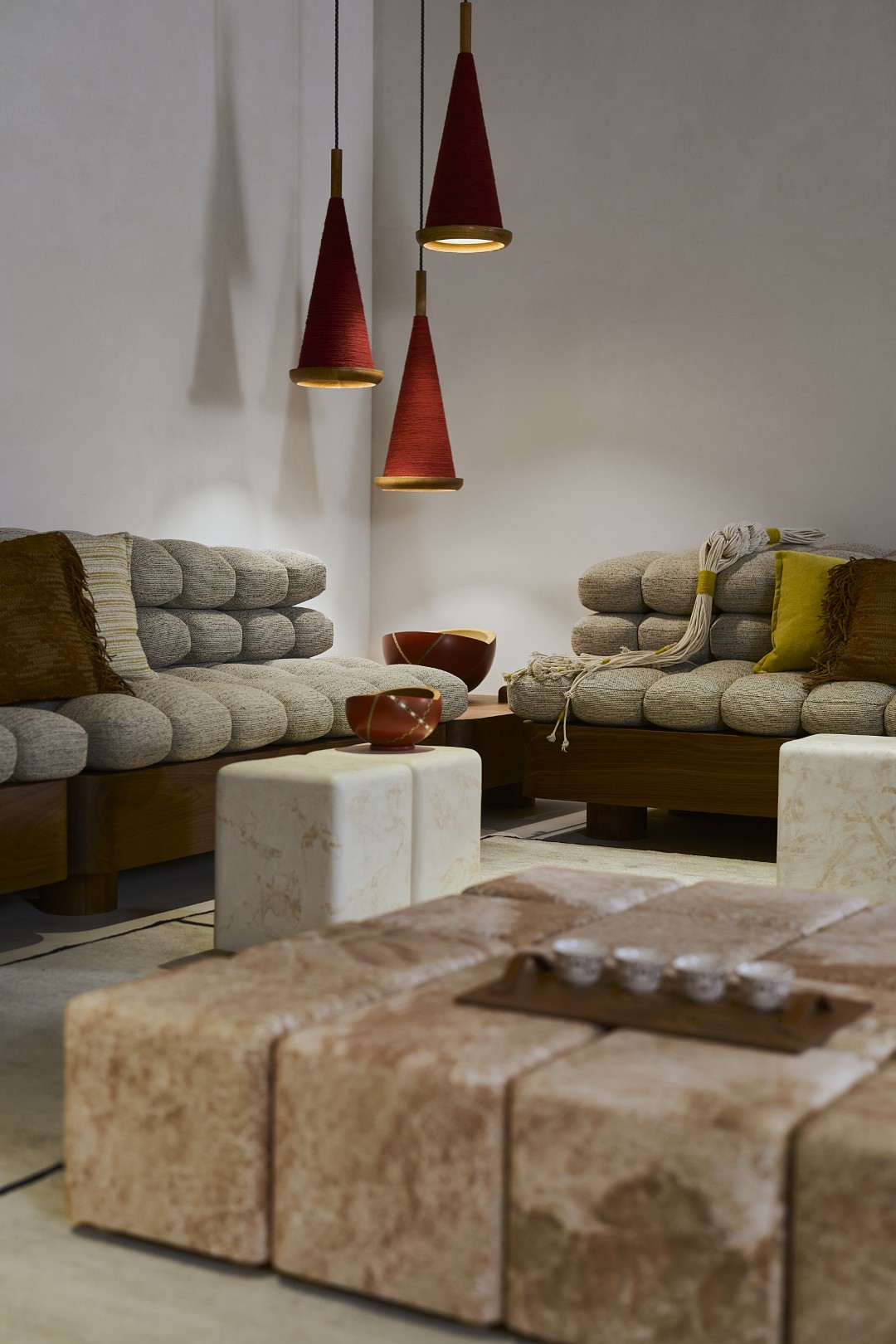
Balancing these diverse voices within one institution presented its own challenges. “Designing within a national monument required a careful negotiation between presence and humility,” the studio explains. “The interiors needed to hold emotional and cultural weight without competing with the architecture’s authority.”
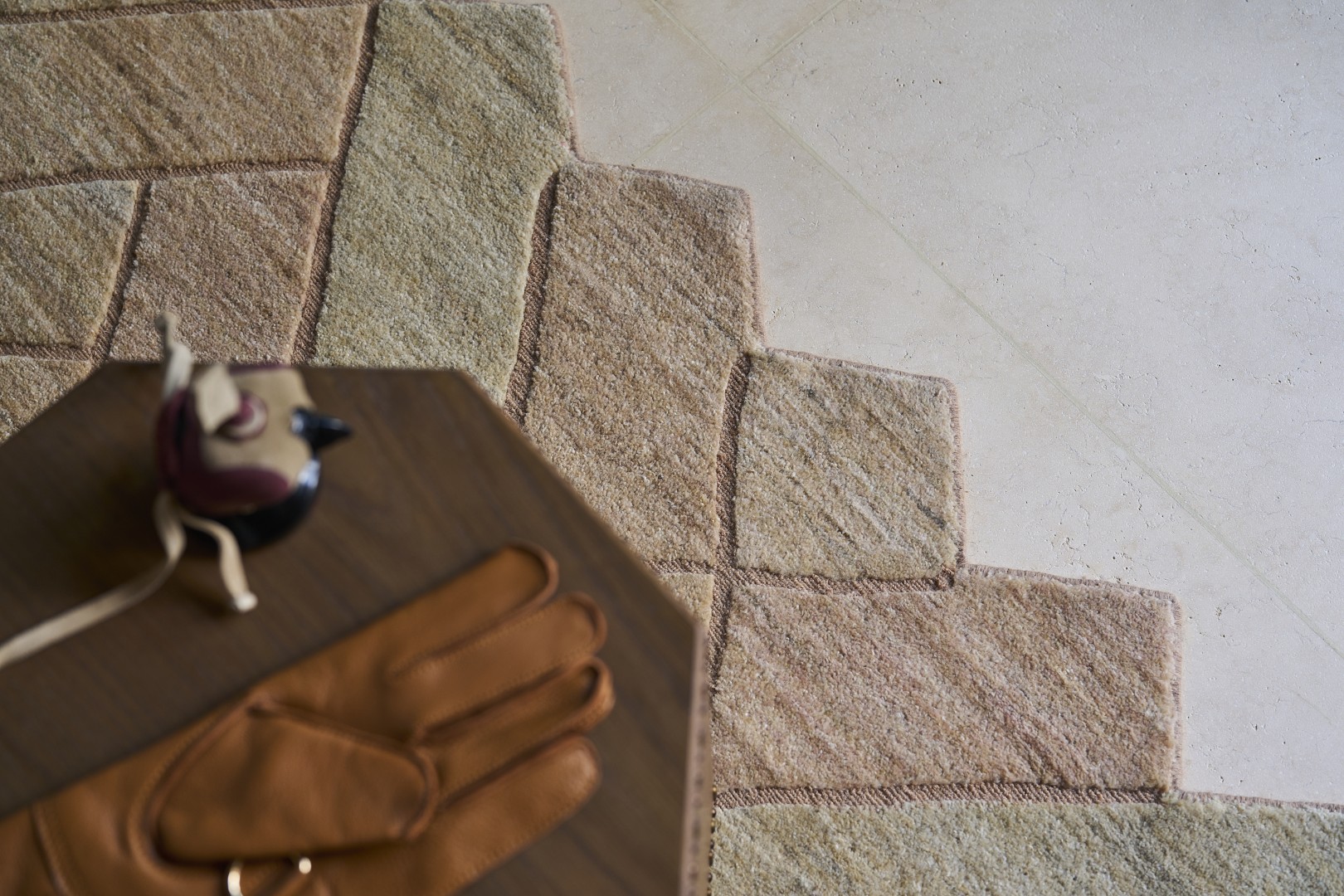
That delicate balance may ultimately define the success of the project. Rather than imposing itself upon the museum, the interior design creates a framework through which Emirati culture, memory, craftsmanship, and contemporary creativity can emerge naturally.
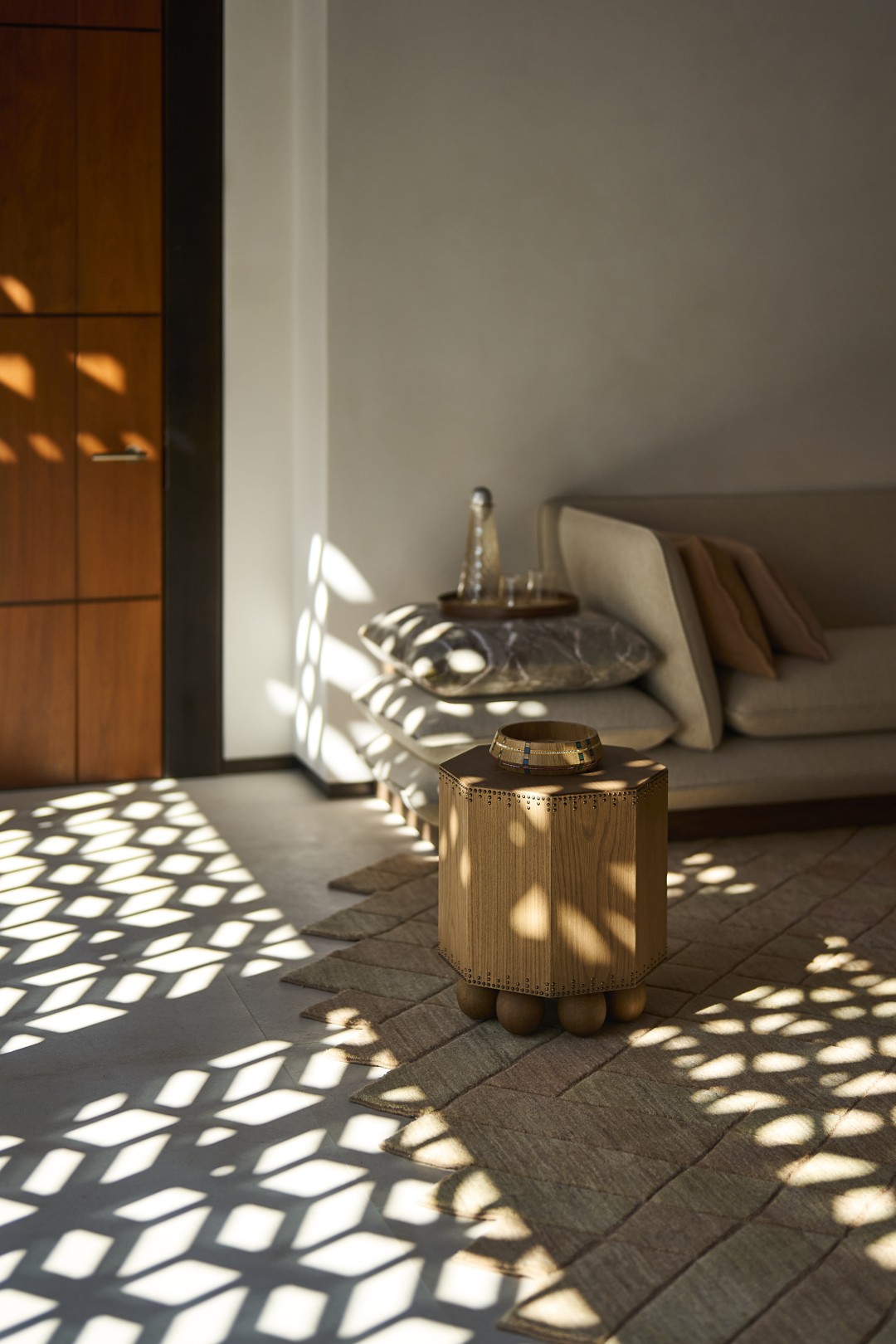
At Zayed National Museum, heritage is not frozen in time. Through Agata Kurzela Studio’s vision and the contributions of a remarkable network of designers, artists, and craftspeople, it becomes something living, evolving, and deeply connected to the present.
For more stories of art and culture, visit our dedicated archives and follow us on Instagram.