At Cannes, attention has a way of collapsing into a few predictable images: the staircase, the flashbulbs, the gown, the headline-name auteur emerging from a black car. But beyond the red carpet grammar, the 2026 festival has offered one of the year’s most compelling selections of Arab and Arab-world-linked cinema, spread across Un Certain Regard, La Cinef, Critics’ Week and Directors’ Fortnight. The films come from, or move through, Morocco, Palestine, Yemen, Syria, Algeria, Lebanon, Sudan and Tunisia, with stories shaped by labour, war, migration, memory, land and the uneasy question of where a body is allowed to belong.
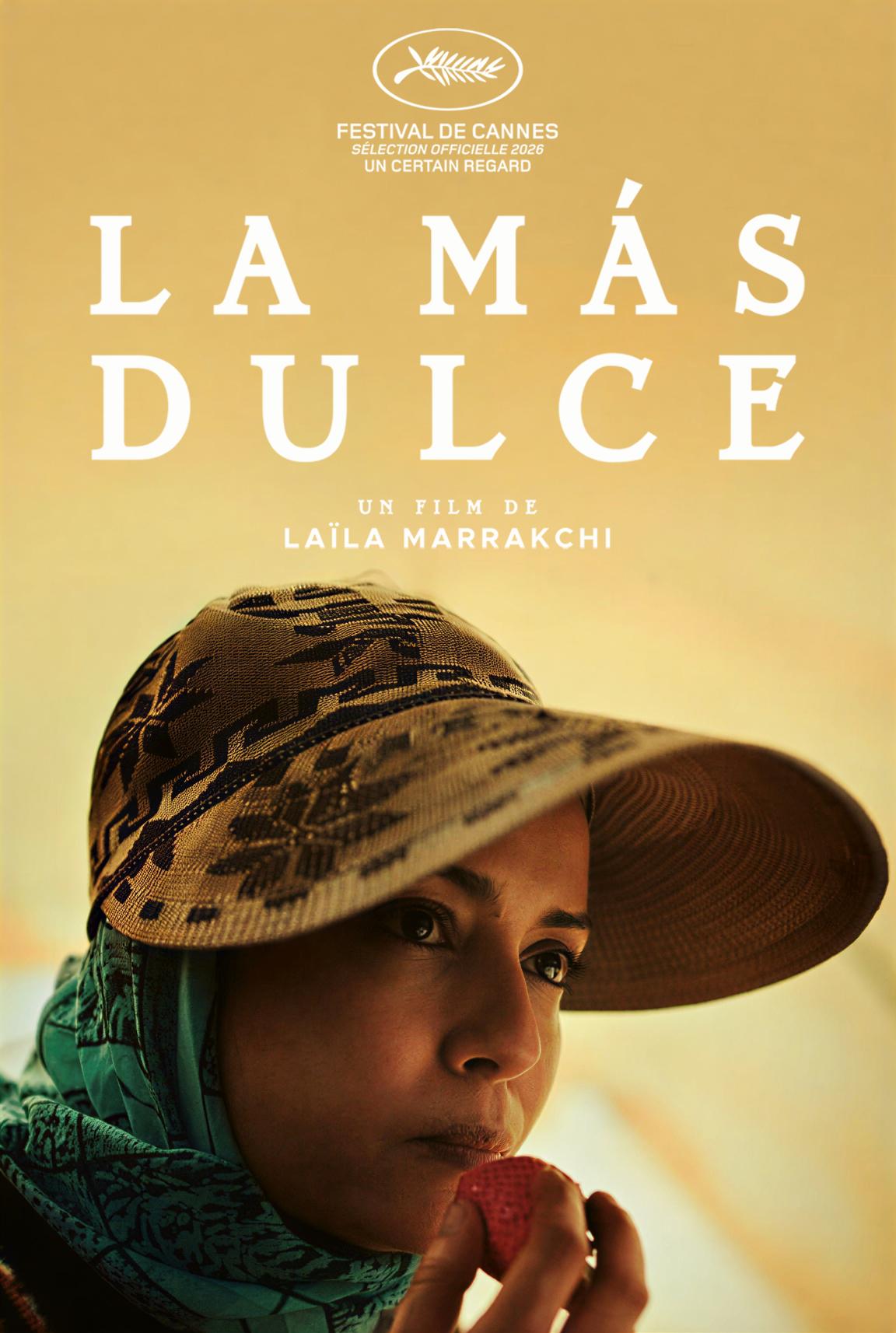
La Más Dulce / Strawberries, directed by Moroccan filmmaker Laïla Marrakchi, is one of the clearest examples. Presented in Un Certain Regard, the film follows two young Moroccan women who leave home to work as seasonal strawberry pickers in southern Spain. What they find is not the promised route towards financial stability, but abuse, harassment and degrading working conditions. Cannes describes the film as a story of sisterhood and resistance, with the women pushed into a fight for dignity against the people exploiting them.
There is an immediate charge to the subject: the fruit on European supermarket shelves, the invisible labour behind it, the racialised and gendered conditions that allow comfort to arrive washed, packed and affordable. Marrakchi’s return to Cannes gives the film another layer. Twenty years after Marock, her portrait of Casablanca youth, she comes back with a work that looks directly at Moroccan women whose lives are shaped by borders, contracts and the violence hidden inside seasonal labour.
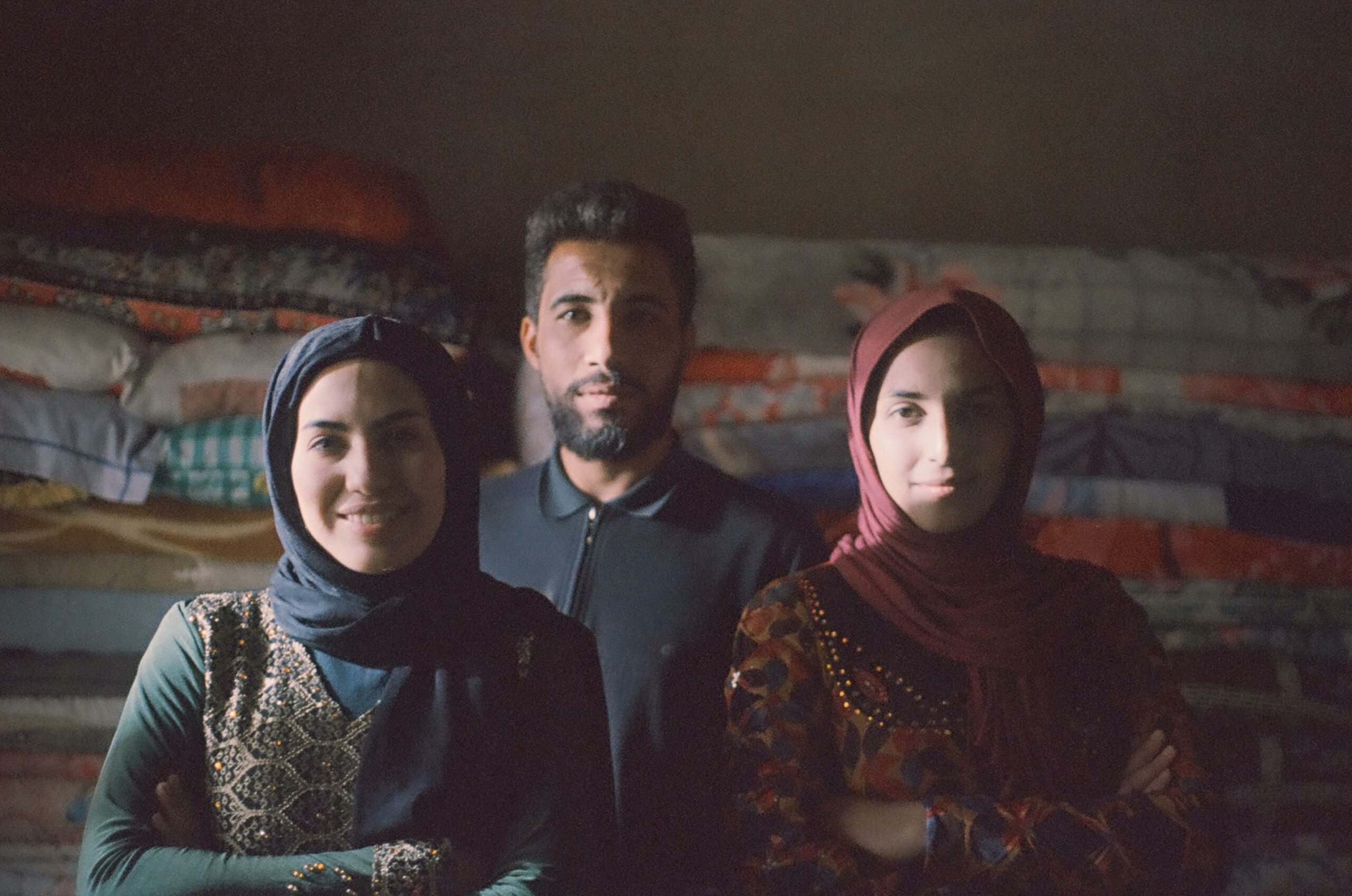
Also in Un Certain Regard is Yesterday the Eye Didn’t Sleep, the debut feature by Palestinian filmmaker Rakan Mayasi. Set in a Bedouin village in Lebanon’s Bekaa Valley, near the Syrian border, the film begins with the disappearance of a young woman and opens into a charged world of family, rumour, land and unresolved violence. It is one of the most intriguing titles in the selection because it seems to sit between thriller, folk memory and political geography. A missing woman is never only a missing woman when the landscape around her is already marked by borders and inheritance.
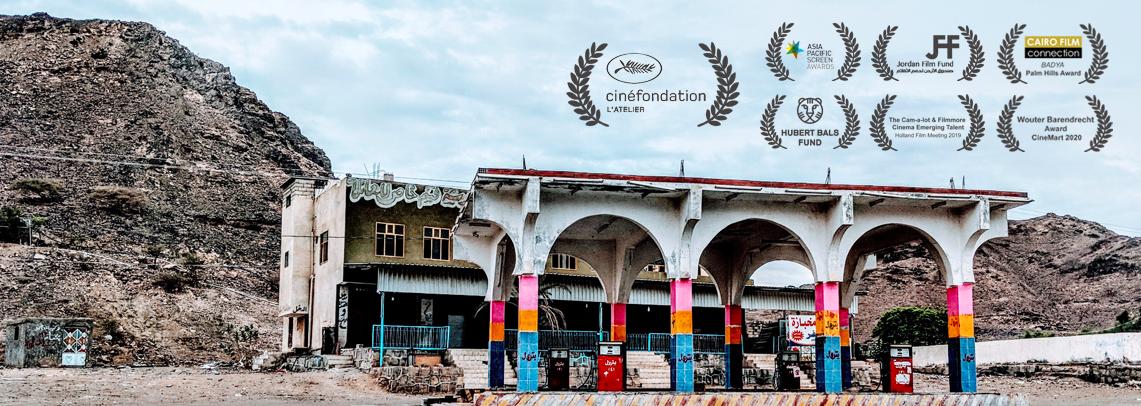
From Yemen, The Station / Al Mahattah by Sara Ishaq arrives in Critics’ Week with one of the strongest premises of the festival. Set around a women-run petrol station in a country fractured by war, the film follows estranged sisters, refuge, survival and the looming threat of enlistment. The petrol station becomes more than a location. It is a place where women work, hide, negotiate, protect one another and try to keep daily life moving while history presses against the door. Critics’ Week lists the film as a feature competition title, with Yemen, Jordan, France, Germany, the Netherlands, Norway and Qatar among its production countries.
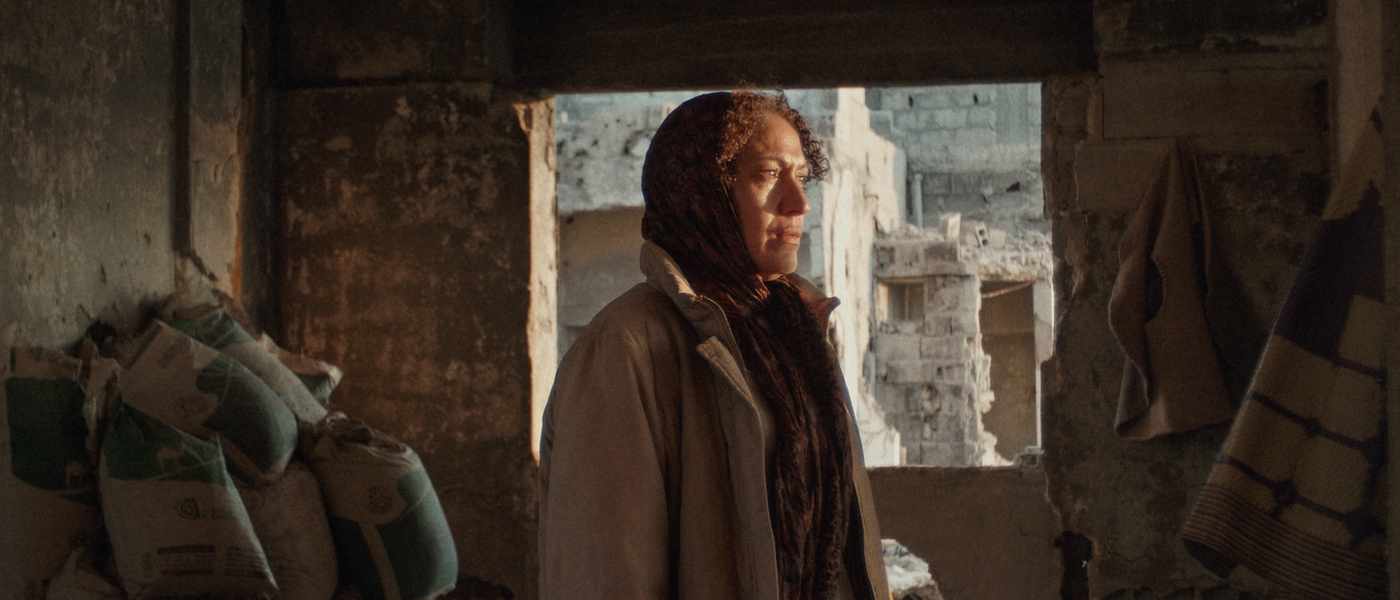
The Syrian short Nafron, directed by Daood Alabdulaa, also appears in Critics’ Week. Its image is stark: a middle-aged woman with no memory wandering through Damascus after the fall of Bashar Al Assad’s government. The city is not simply a backdrop here, but a damaged archive. To walk through it without memory is to move through a place where the past has not disappeared, but has become impossible to hold in one piece. Critics’ Week confirms the film as a Syrian-German short in Arabic, selected for the short film competition.
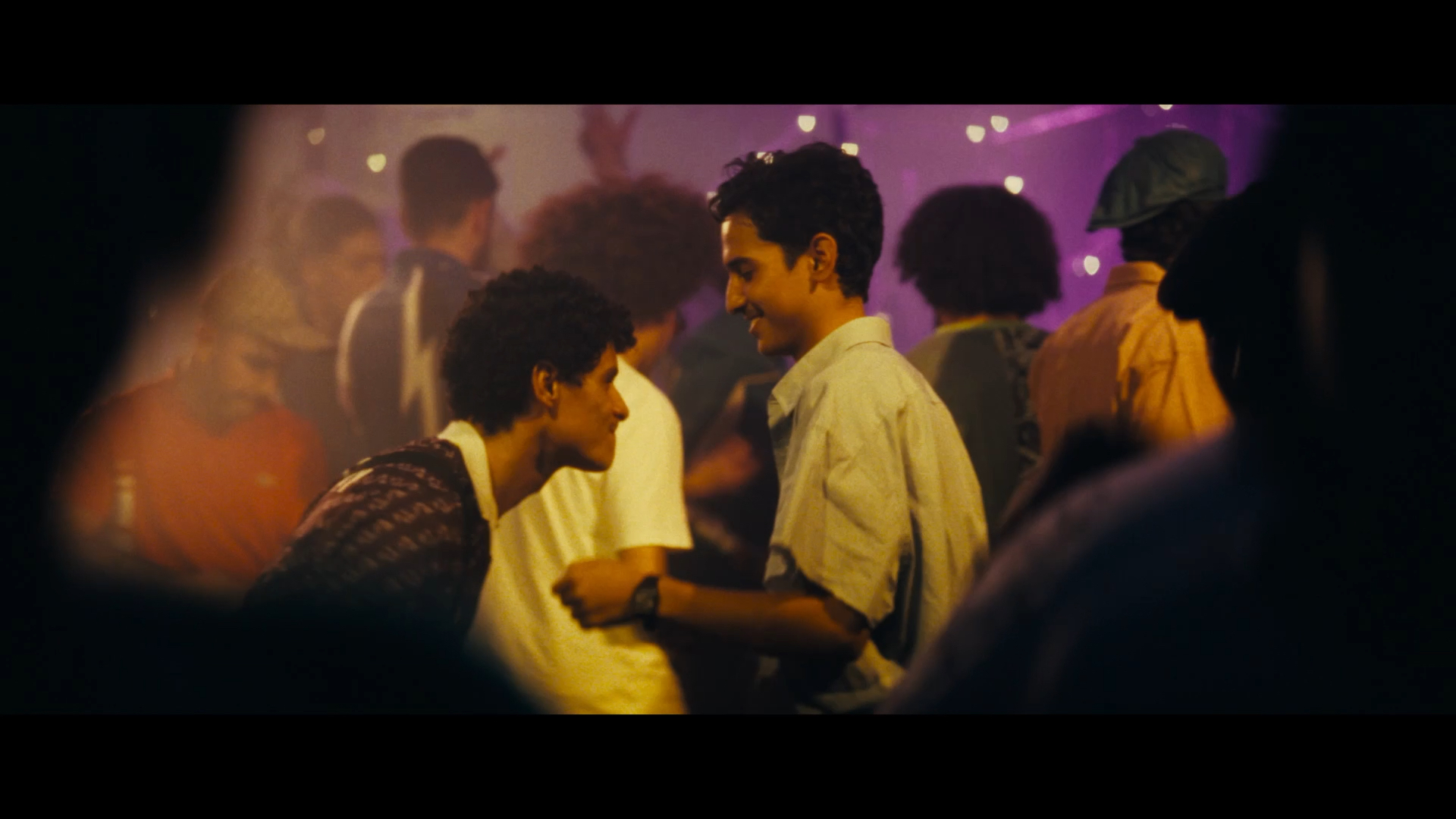
What Do the Maknines Dream Of, by Sarra Ryma, an Algerian-French short, also features in Critics’ Week. It follows two young Algerians preparing to leave everything behind and cross the Mediterranean. It could have become familiar territory in weaker hands: youth, departure, the sea, the dream of elsewhere. But the title alone suggests something stranger and more interior. What does it mean to dream of leaving when departure has already organised your imagination before your body has moved?
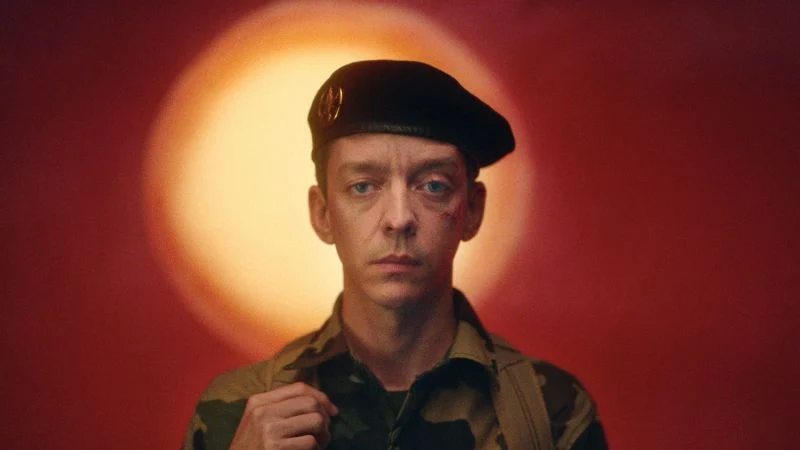
In Critics’ Week’s special screenings, The Sentinel / La Sentinelle by Lebanese artist and filmmaker Ali Cherri offers another register. Cherri’s practice has long moved between contemporary art and cinema, archaeology and violence, the material trace and the political wound. His Cannes short follows a sergeant granted one night of freedom on Bastille Day. In French and Arabic, the film seems to carry his usual interest in power, ceremony and the fragile theatre of authority. For anyone following the overlap between gallery practice and cinema, this is one to watch closely.
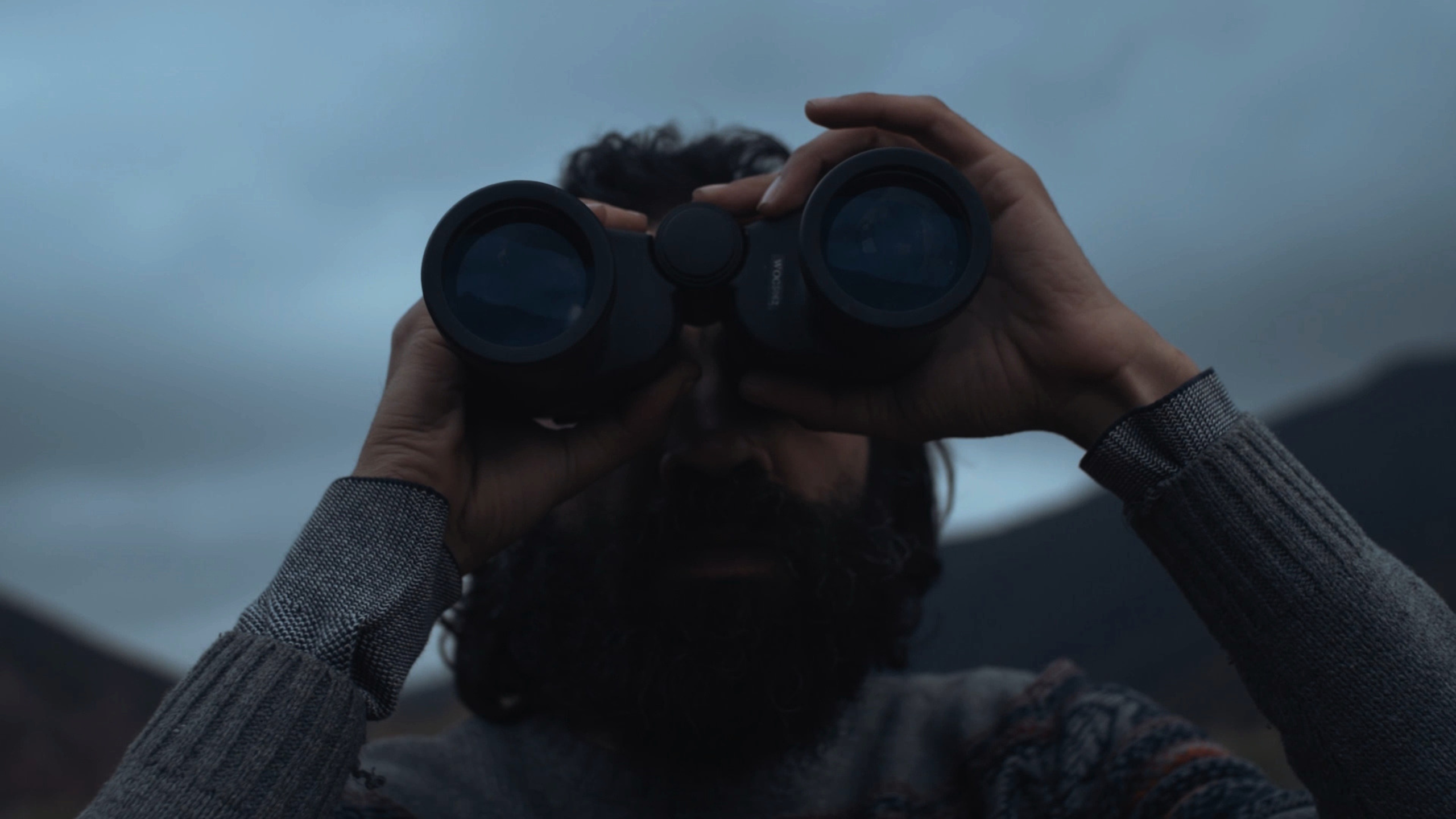
Directors’ Fortnight brings two particularly resonant shorts. In Search of the Grey Bird with Green Stripes, by Franco-Moroccan filmmaker Saïd Hamich Benlarbi, is a 45-minute work set through the Atlas Mountains south of Marrakesh. The journey in search of a symbolic bird gives the film the feel of a fable grounded in place, where landscape carries meaning without needing to announce itself too loudly.
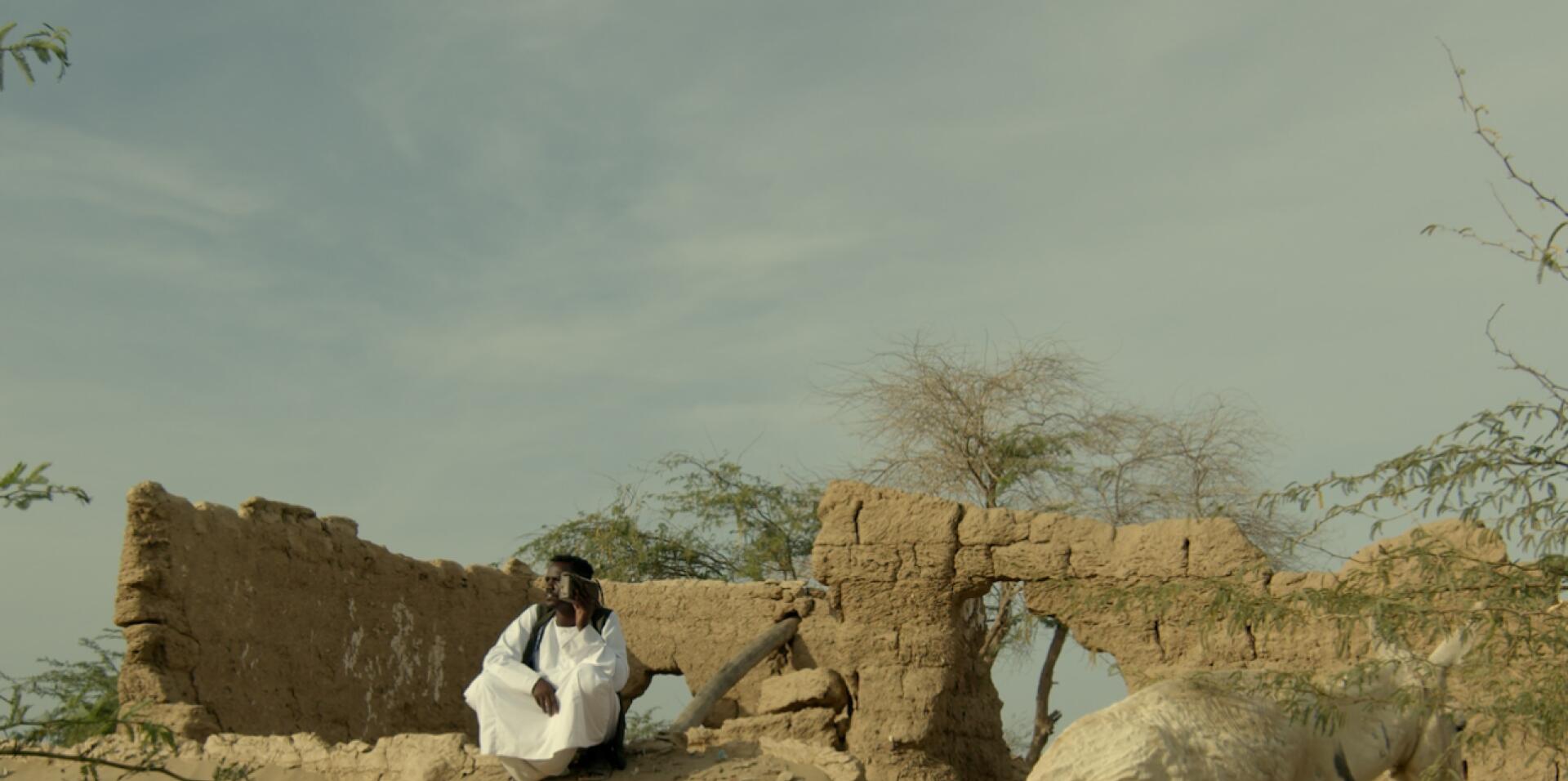
Then there is Nothing Happens After Your Absence, by Sudanese filmmaker Ibrahim Omar. At 16 minutes, it has one of the most painful premises in the selection: a man returns to a village to screen films, only for war to break out. The act of showing cinema, of gathering people around an image, becomes suddenly fragile. A screen is no longer just a screen. It is a promise of shared time, interrupted by the force that has defined so much of Sudan’s recent reality. Directors’ Fortnight confirms the film as a Sudanese world premiere.
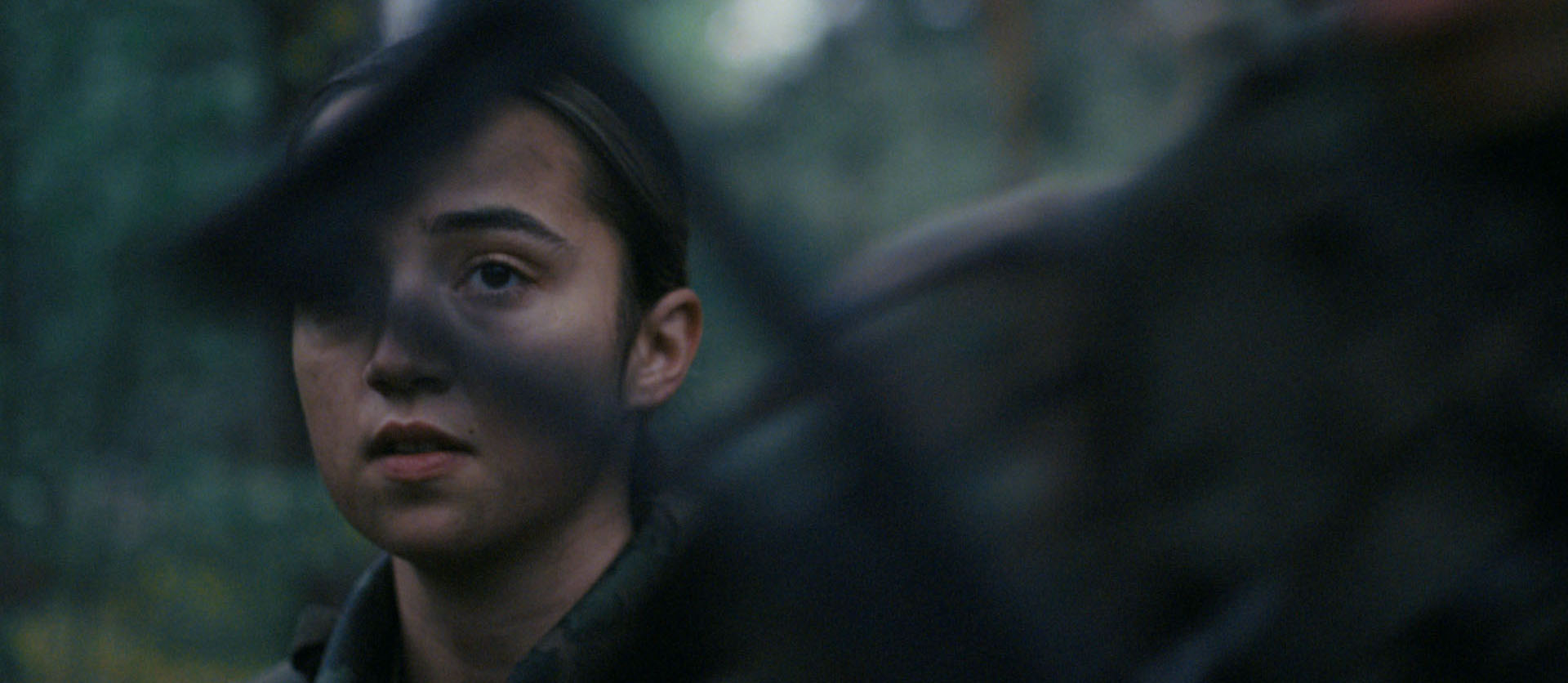
La Cinef, Cannes’s section for film-school work, adds two more titles. TJ28 / 28 Days Left, by Palestinian director Yasmin Najjar, follows a Finnish-Palestinian woman completing voluntary military service in Finland as the crisis in her father’s homeland escalates. The premise is brutal in its contradictions: service, state, ancestry, distance, duty. It places Palestine not only on the map, but inside a divided body, split between military structure and inherited grief.
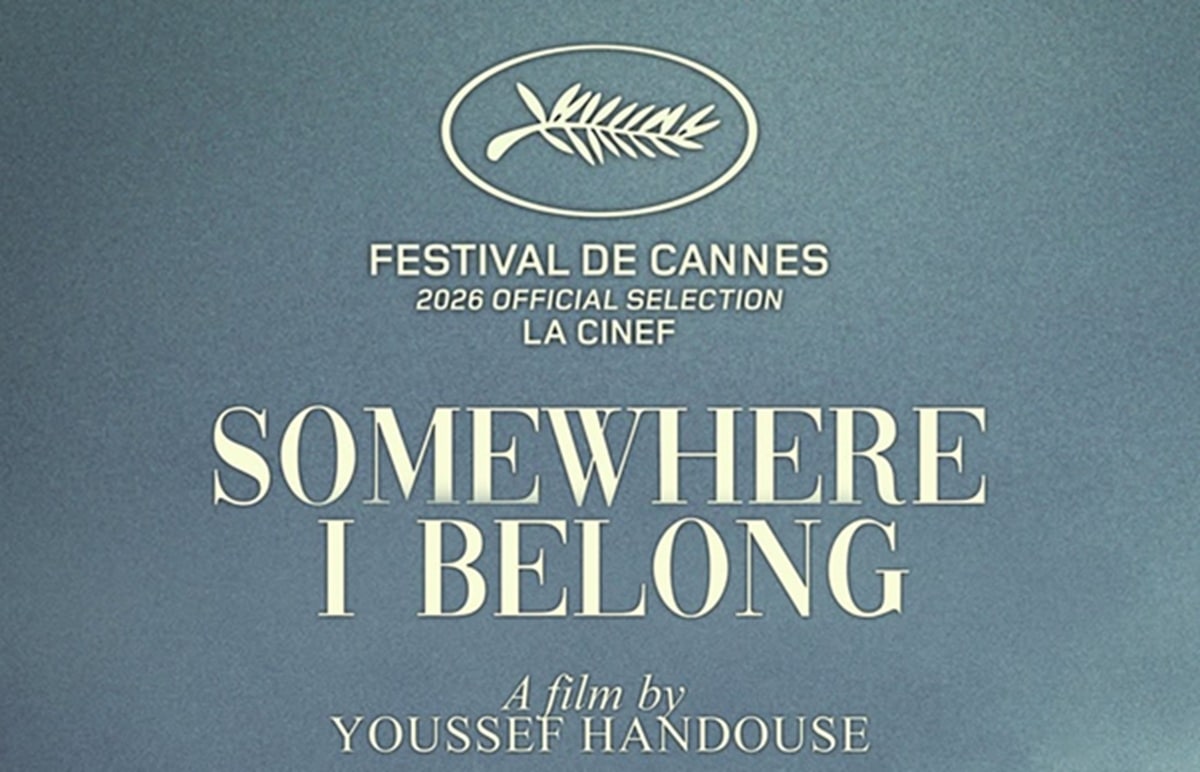
The Tunisian film Somewhere I Belong, by Youssef Handouse, also screens in La Cinef. Cannes lists it as a 21-minute Tunisian work from ISAMM. Its title carries a simpler ache, but no less force: belonging as a place one looks for, leaves, returns to, or fails to recognise.
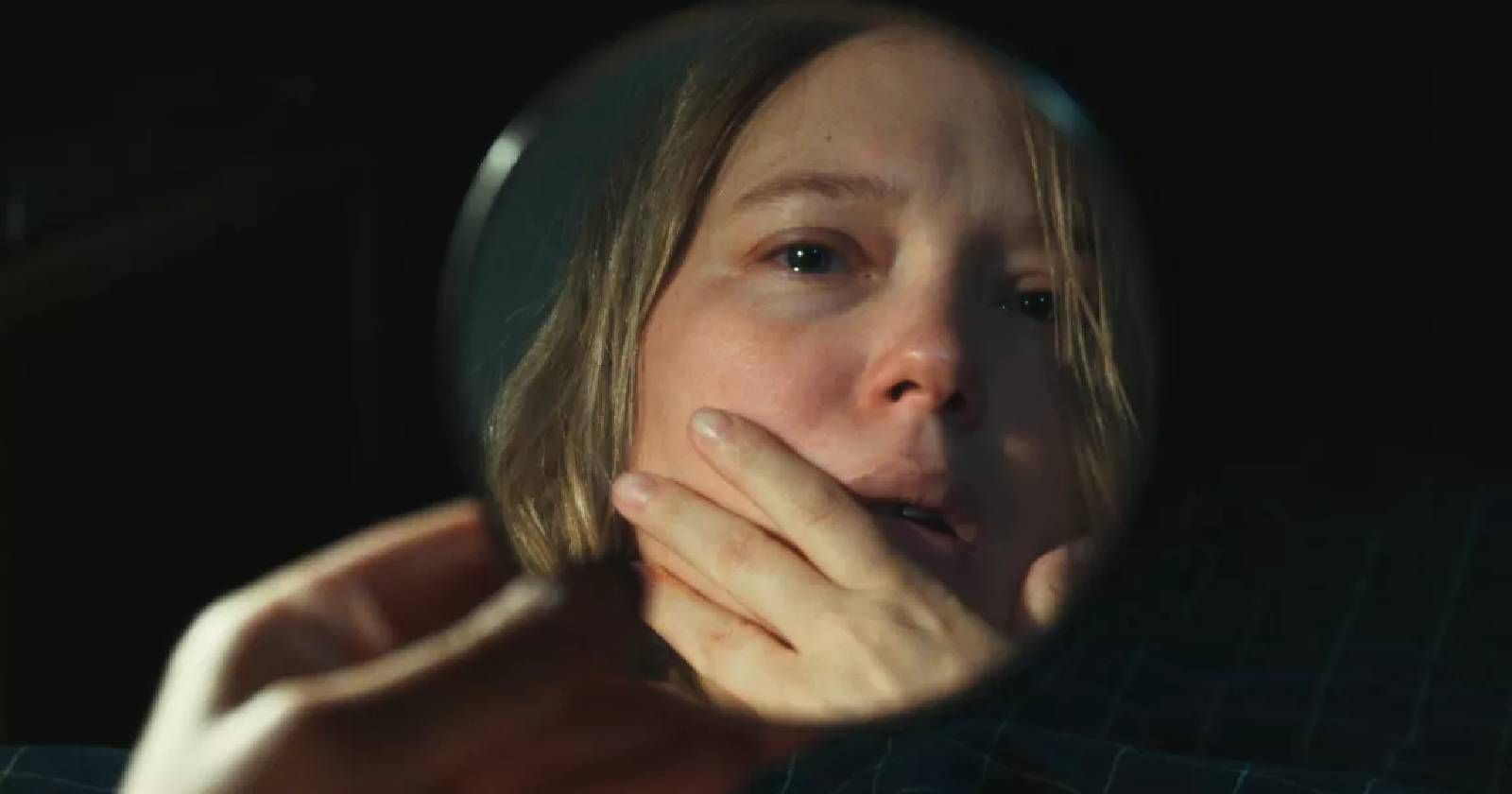
The final title for this watchlist is The Unknown / L’Inconnue, directed by Egyptian-French filmmaker Arthur Harari and selected for Competition. It is the loosest fit, since the film itself is officially listed as a France-Italy production, but Harari’s Egyptian-French makes it a title to watch out for. The point is not to force every film into a single cultural category, but to understand how filmmakers, origins, languages, financing and subjects move across borders long before they arrive on a festival programme.
What makes this Cannes watchlist worth paying attention to is the range of pressure it offers. Moroccan women in Spanish fields. A disappearance in the Bekaa Valley. A women-only petrol station in Yemen. A woman without memory in Damascus. Algerian youth preparing to cross the sea. A Sudanese screening interrupted by war. A Tunisian search for belonging. These are not films asking to be treated as a sidebar. They are among the clearest ways to read the festival this year: through the lives that glamour usually edits out, and through the filmmakers insisting that cinema still knows how to look.
For more stories of art and culture, visit our dedicated archives and follow us on Instagram.