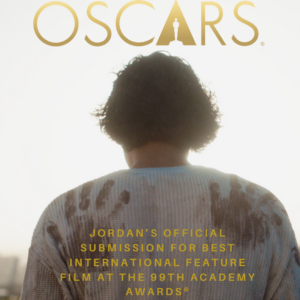
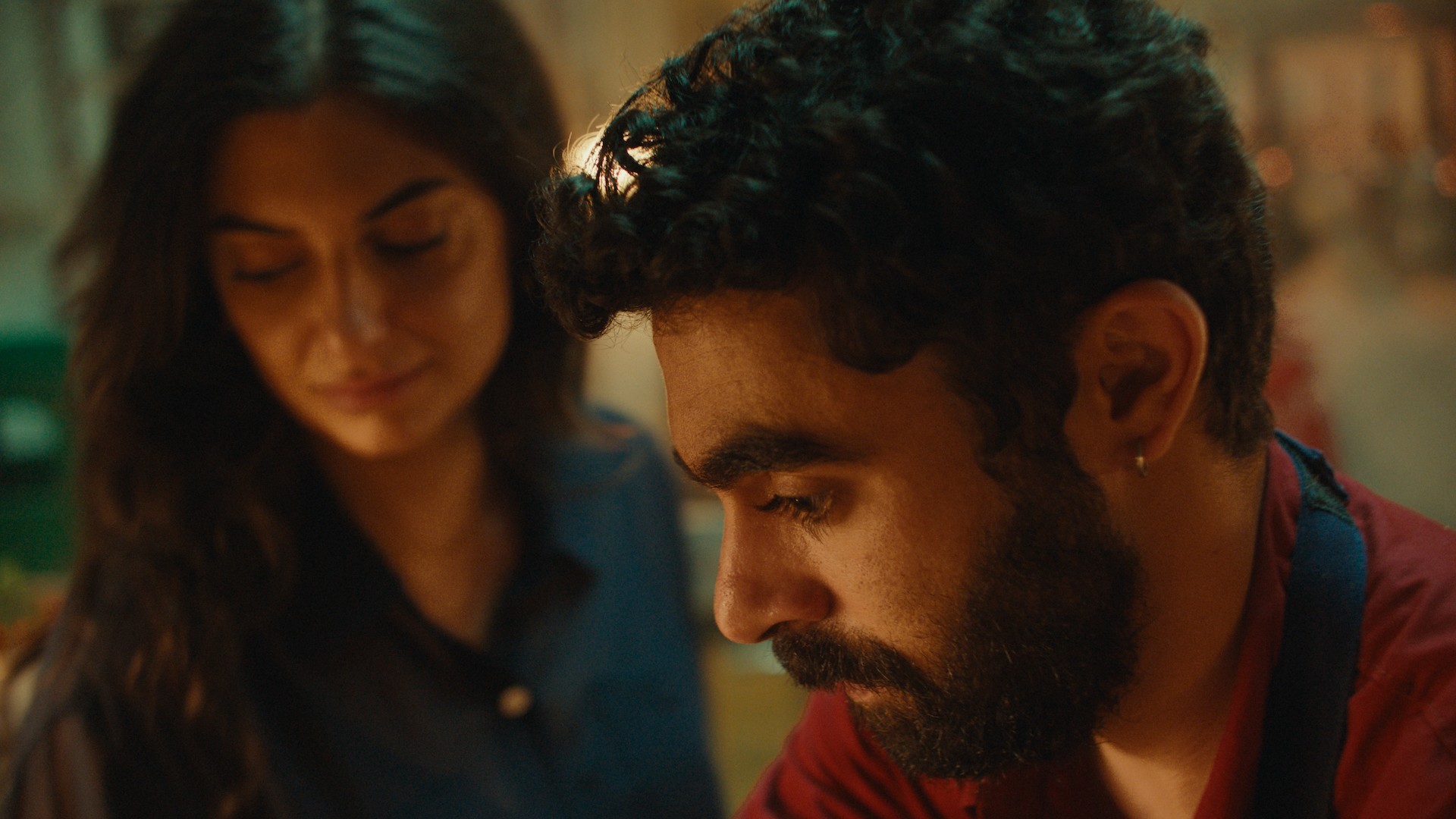
There are films that attempt to explain a country. And then there are films that feel like they’ve lived inside it. Set in Lebanon, A Sad and Beautiful World is one of the latter. From its opening sequence, a hospital corridor trembling as bombs fall outside, glass fracturing while two babies enter the world, the film refuses spectacle. Instead, it offers proximity. Life and destruction share the same breath. No swelling music. No grand declarations. Just the uneasy coexistence that has come to define modern Lebanon.
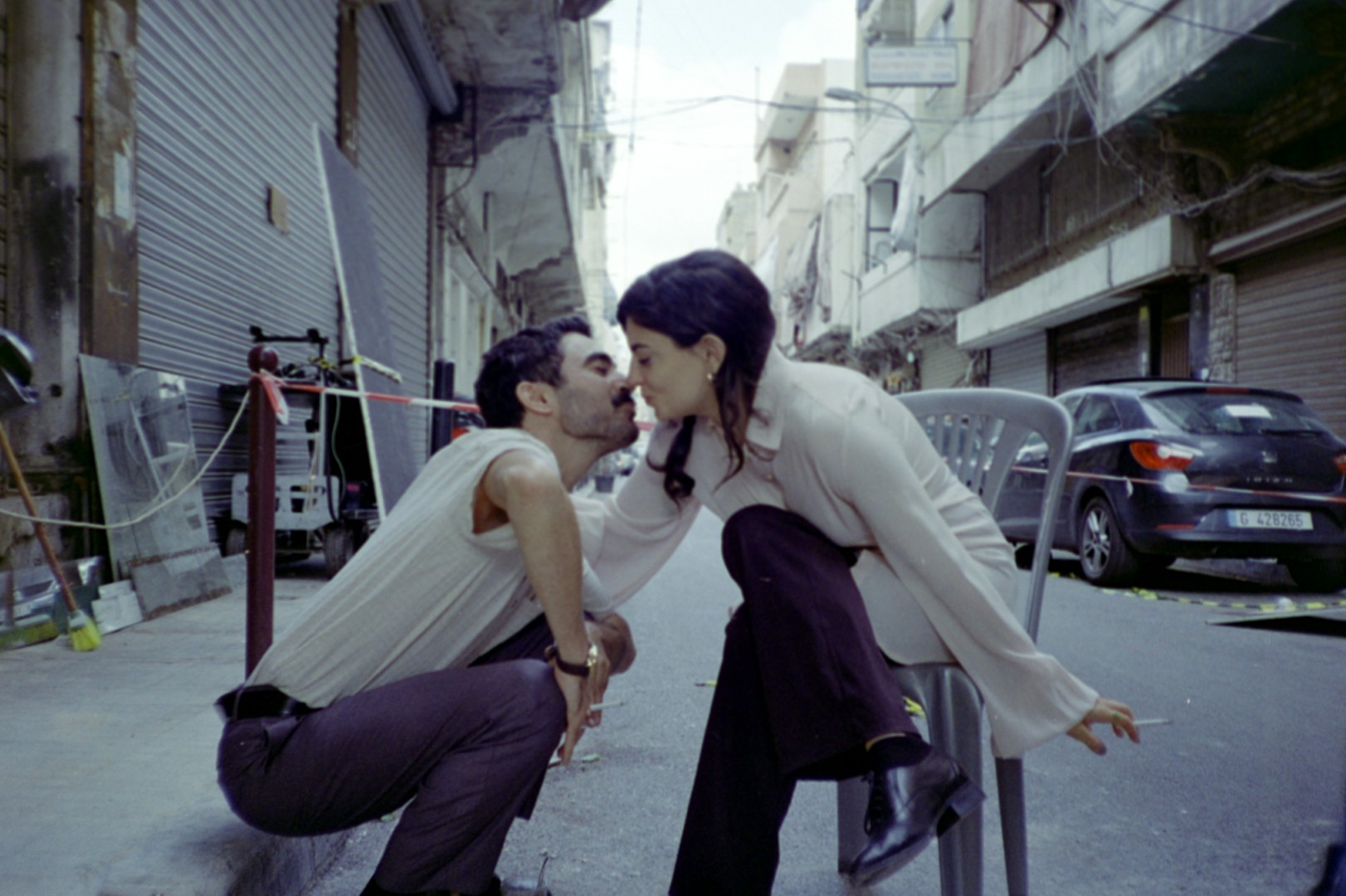
At its centre are Nino and Yasmina, two people bound not only by love but by geography, memory, and inheritance. Their romance unfolds in fragments: flirtation in kitchens, arguments in parked cars, silence stretching across dinner tables. Through them, director Cyril Aris maps something larger than a couple. He maps the emotional architecture of a generation raised on oscillation, between hope and collapse, departure and return, devotion and disillusionment.
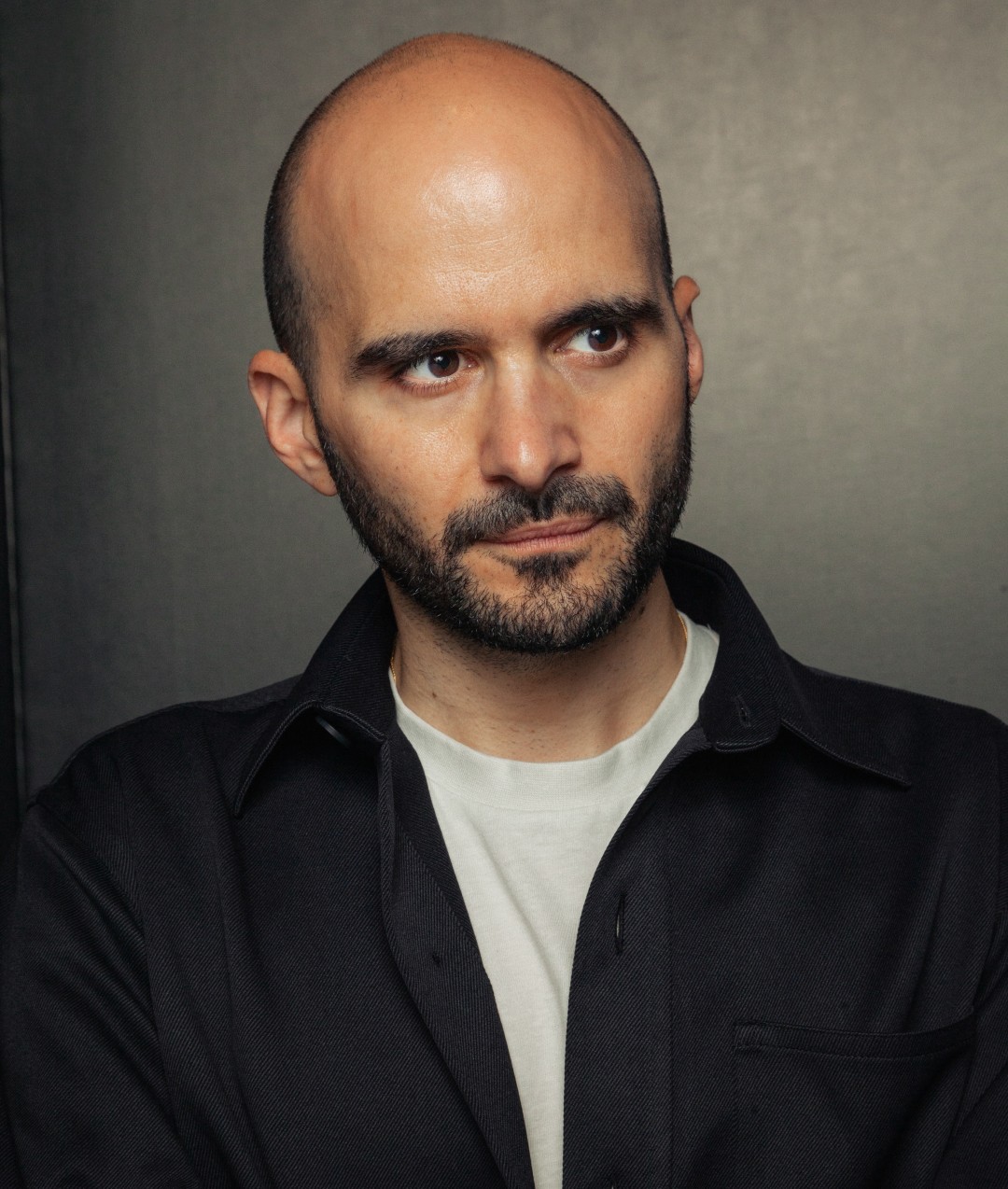
Here, Aris reflects on paradox, memory, and why sadness and beauty are not opposites, but companions.
A Sad and Beautiful World feels deeply personal yet universally relatable. What sparked this project?
A Sad and Beautiful World feels personal because it reflects my own complex relationship with Lebanon: a love-hate dynamic that swings between hope and despair, affection and detachment. Just as Lebanon experiences cycles of conflict and crisis alongside periods of vibrancy and cultural richness, our bond with our homeland is never straightforward.
This paradox inspired the emotional backbone of the film. It informs the two opposing perspectives of the main characters, Nino and Yasmina, whose relationship mirrors the tensions and contradictions of the country they grew up in. Through their story, we explore the beauty of Lebanon while never turning away from the sadness embedded in its history, its turmoil, upheavals, and enduring struggles.
How do you consciously balance sadness and beauty in your storytelling?
This balance is the very foundation of the Lebanon I know, and the atmosphere that radiates from our society. Since my childhood, after the civil war, life has been lived in extremes: an overwhelming thirst for life, moments of joy and hope… always darkened, preceded, and followed by wars, regional conflicts, collapse, and despair.
What survives all of this, however, is humour, love, and family. That is why it felt right to play with the tension between melancholy and hope, between romance and rupture, because this balance embodies the place I call home. So I created two characters who embody these two opposing emotions, and let them swing between these polar extremes, just as we all fluctuate between them, depending on the state of the country, and where we are in our lives.
The visuals in A Sad and Beautiful World feel intimate and fragile. How did you approach the visual tone to reflect emotional vulnerability?
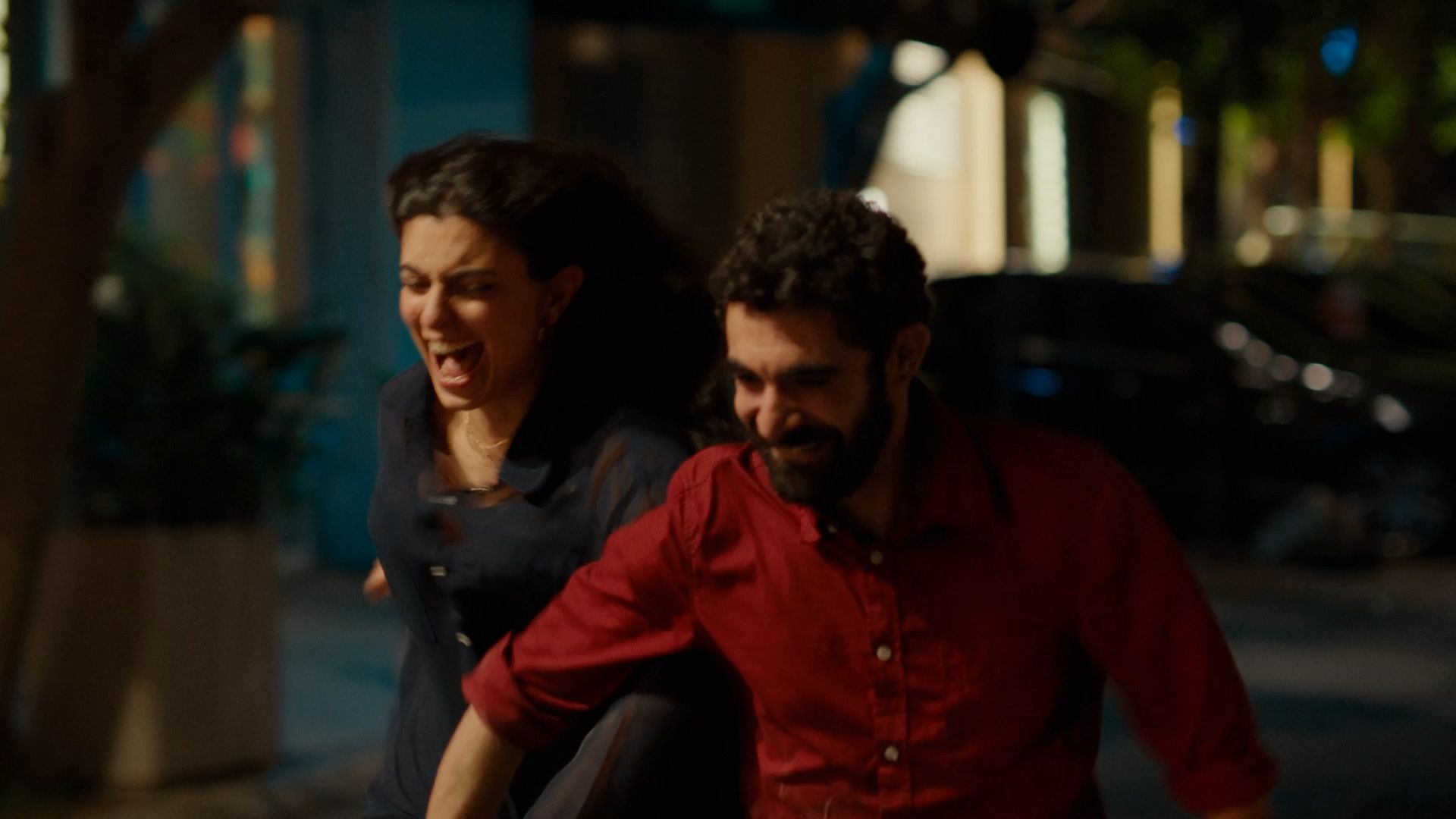
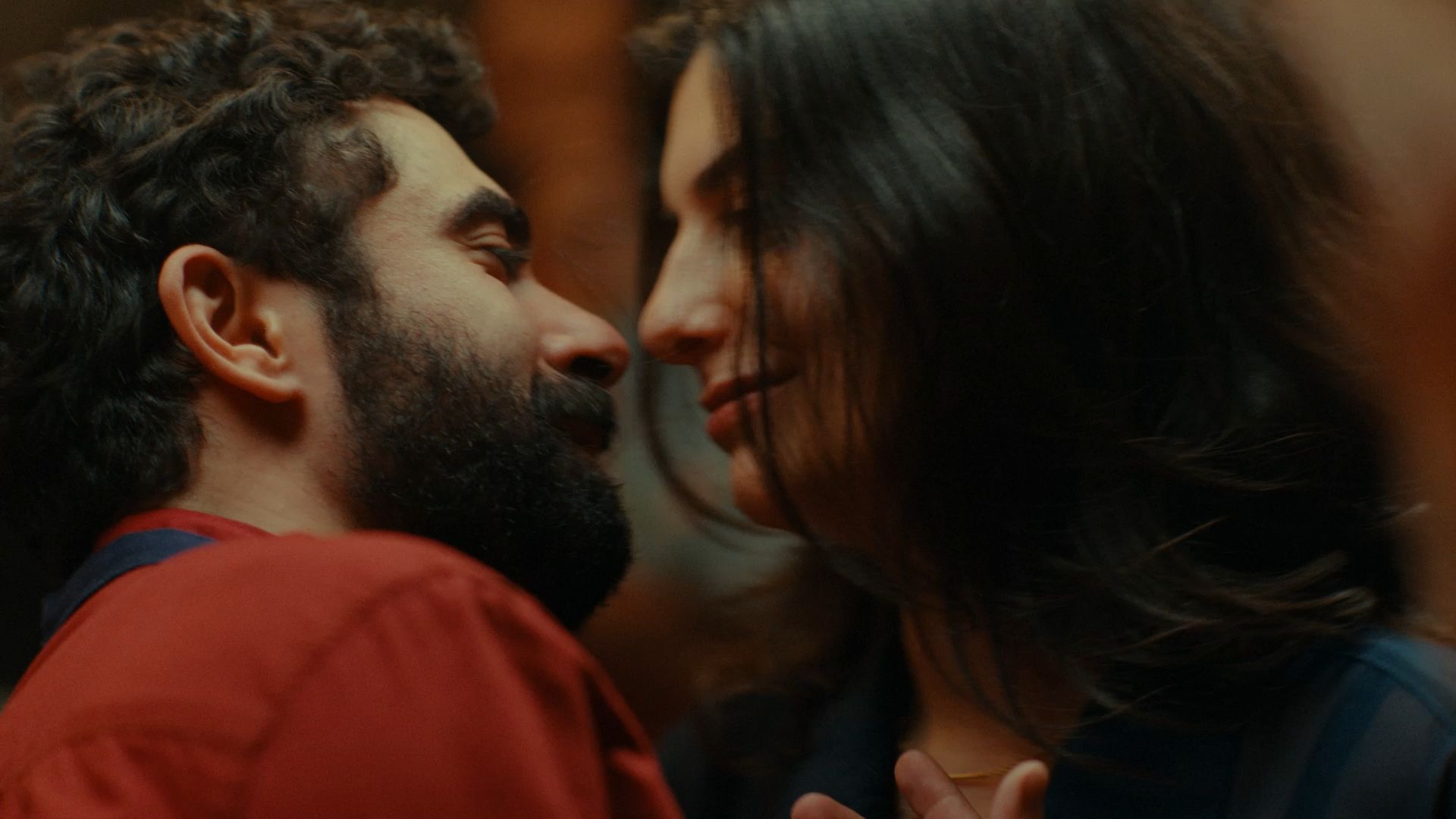
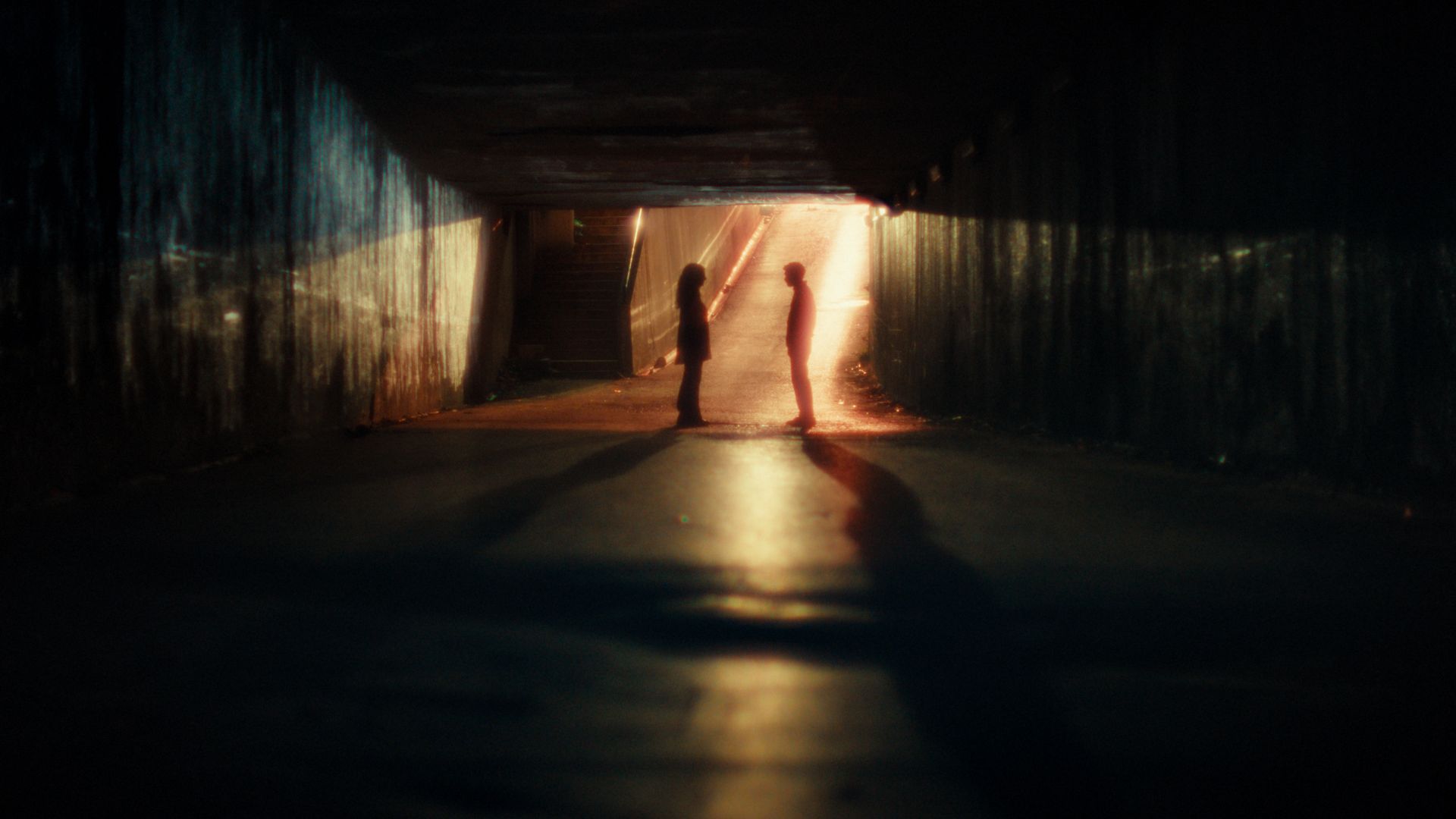
I worked closely with my cinematographer Joe Saade to visually convey the feelings of falling in love, the euphoria and vibrancy, as well as the decline, decay, and eventual crumbling of that relationship. The colours and production design reflect the state of the relationship, shifting from saturated and vibrant tones to something faded, drained of colour, and colder.
The camera begins with exuberance and energy, capturing the first moments of budding love, before moving into the intimate space between the characters with close-ups, showing skin, textures, and small details. Later, it pulls back, becoming more static, distant, and cold. Every visual choice was dictated by how the characters feel about each other, by the rhythm of their closeness and distance.
How has your cultural background influenced the emotional lens through which you view this “sad and beautiful” world?
In Lebanon, because of our complicated and dark history, we learn to appreciate moments of peace and prosperity even more. It gives us a lust for life and a joie-de-vivre that is typical of our culture. We are always aware that moments of peace can end overnight. In this way, our culture and the way we think are deeply shaped by the social and political context around us, making us see the world as both “sad and beautiful”.
Was there a particular scene, image, or moment in this project that was especially difficult, or healing, for you?
The opening scene is a long take showing both Nino and Yasmina being born in a hospital hallway while bombs fall around the building, shattering its windows. This image is inspired by the real-life birth of Mounia Akl, the actress who plays Yasmina, during the late years of the civil war. It is also inspired by the birth of a baby during the August 4th, 2020 port explosion, when a hospital was damaged by the shockwave of that explosion.
This scene was especially moving to create because it made us realize how history repeats itself. Babies born decades apart in real life, arrive into the world under the same conditions, revealing the cyclical nature of Lebanon’s tragedies and the fragility of life in this context.
Your work consistently explores emotional intimacy and human fragility. What draws you to these themes across different projects?
The desire to explore the hidden depths of our inner lives and the subtle ways we connect, resist, and survive. Across my projects, whether in short films, documentaries, or feature narratives, I am fascinated by the moments when people are most vulnerable and exposed and how these moments reveal universal truths about love, loss, longing, and resilience.
I am drawn to the small gestures, the silences, and the overlooked spaces where human emotion lives because they are where we see life in its rawest and most honest form.
For more stories of art and culture from across the region, visit our dedicated archives and follow us on Instagram.