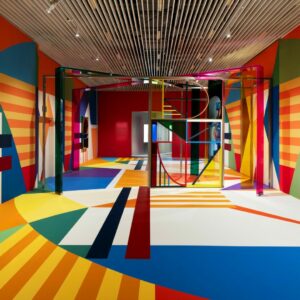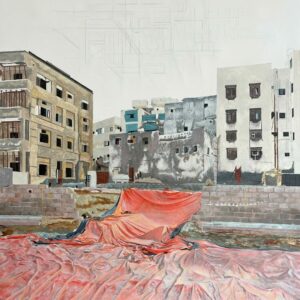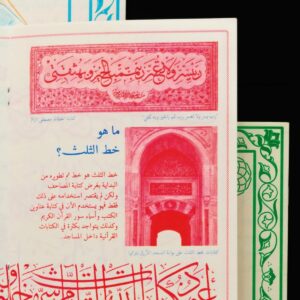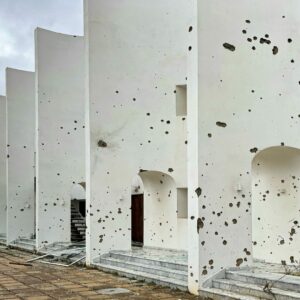
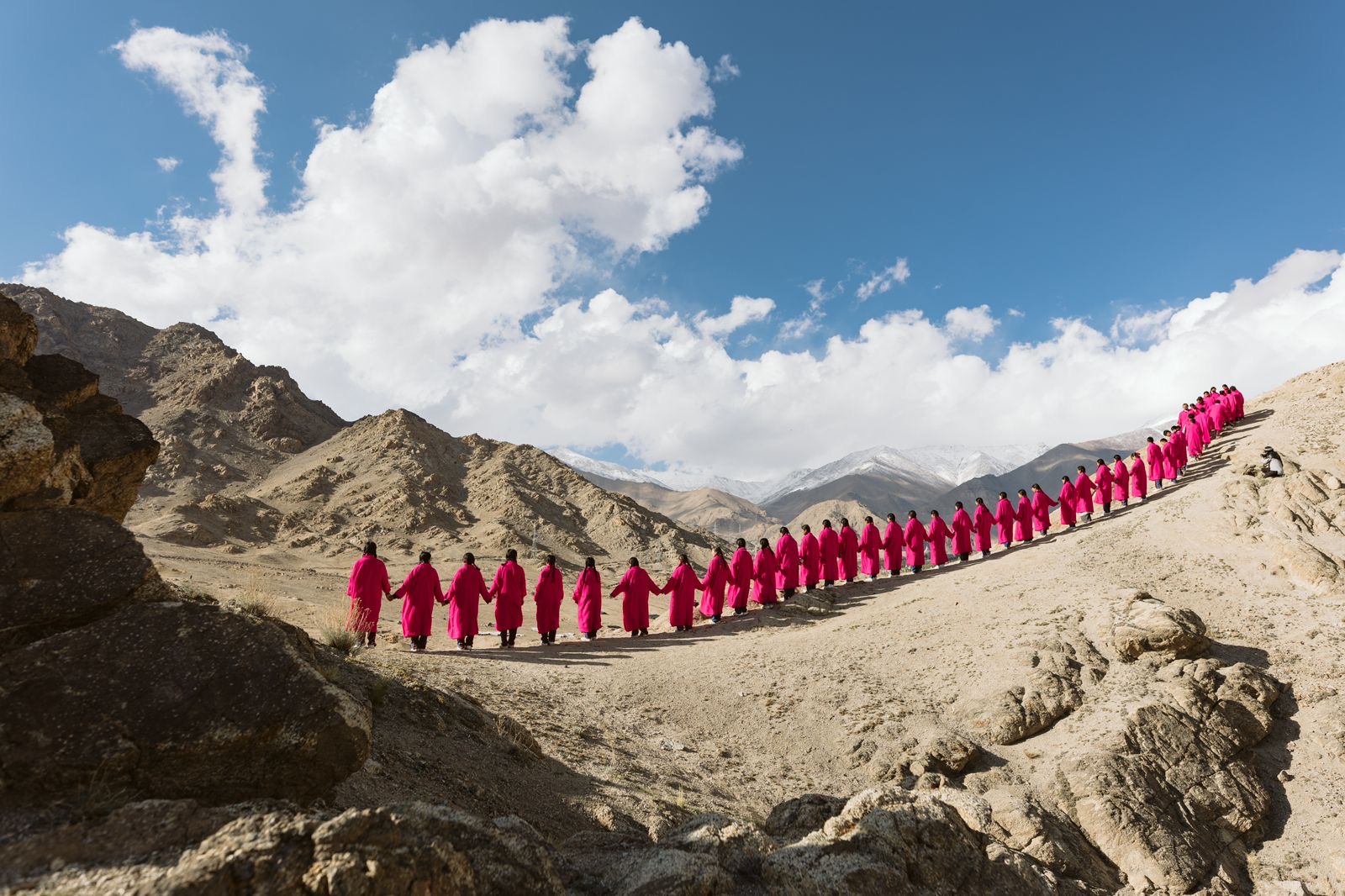
From 1 to 10 August, the inaugural sā Ladakh Biennale will unfold across 230 kilometres of northern India, following the road between Leh and Kargil through villages, monasteries and Himalayan landscapes that rise beyond 4,000 metres. Titled Signals from Another Star, it proposes an exhibition shaped by the conditions of Ladakh: its altitude, distances, communities and increasingly precarious climate.
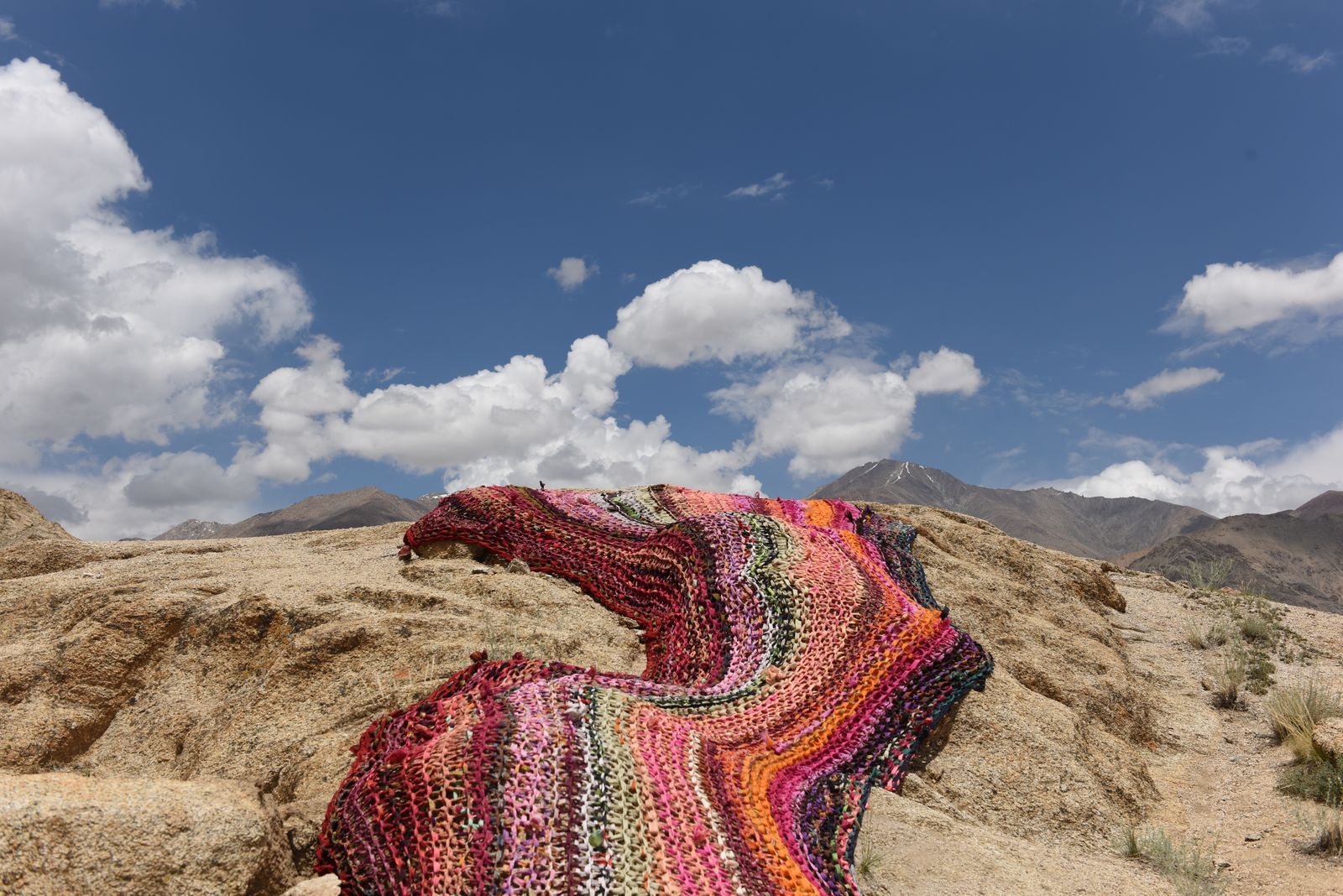
The biennale spans eight locations -Leh, Likir, Basgo, Nurla, Lamayuru, Henasku, Mulbekh and Kargil – with no prescribed route or central opening. Visitors can begin from either direction, choosing where to stop and how long to remain, while performances and screenings appear at scheduled points along the way. Experiencing the entire exhibition requires several days, a driver and enough time to acclimatise to an altitude that makes rushing physically inadvisable.
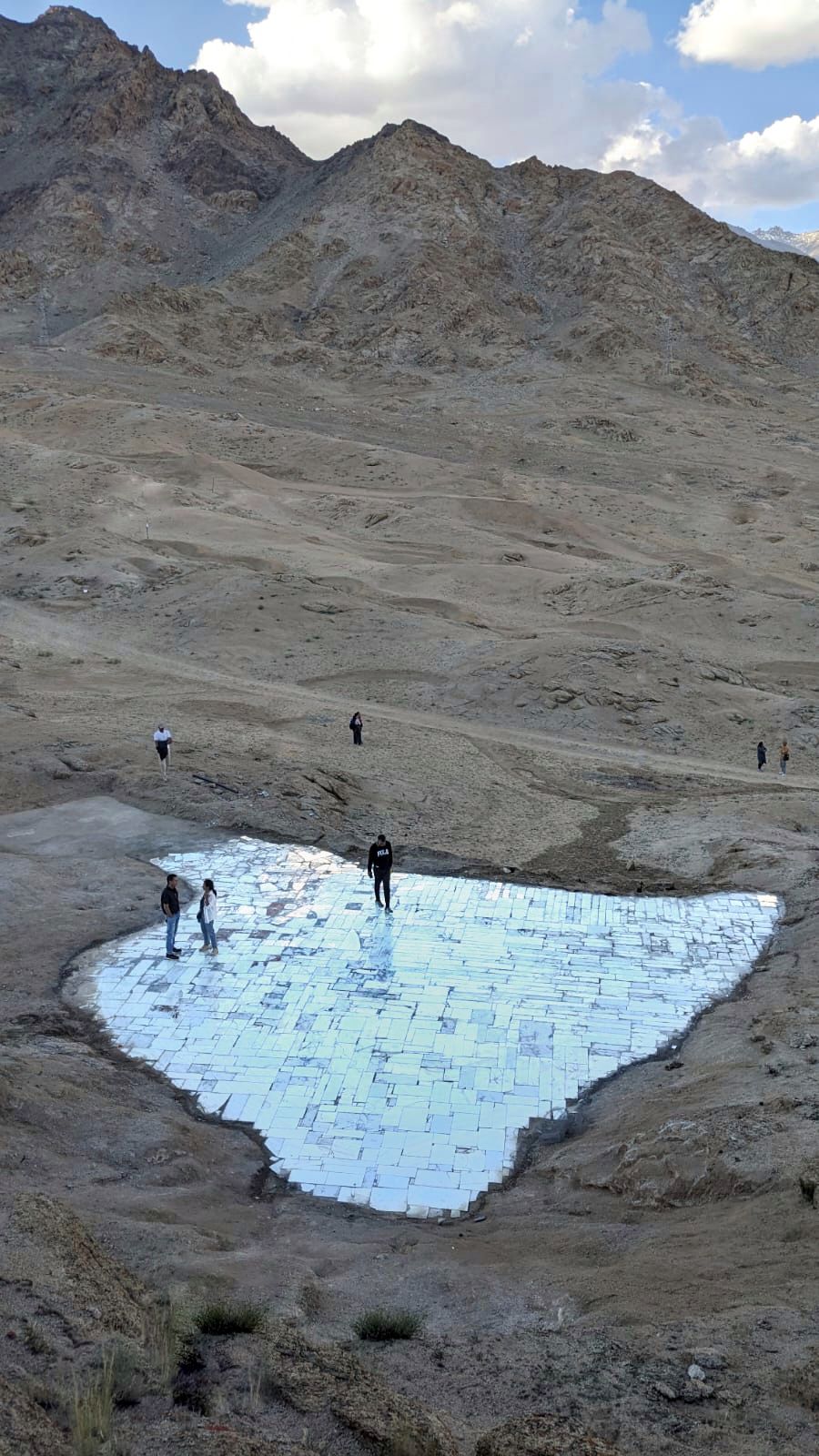
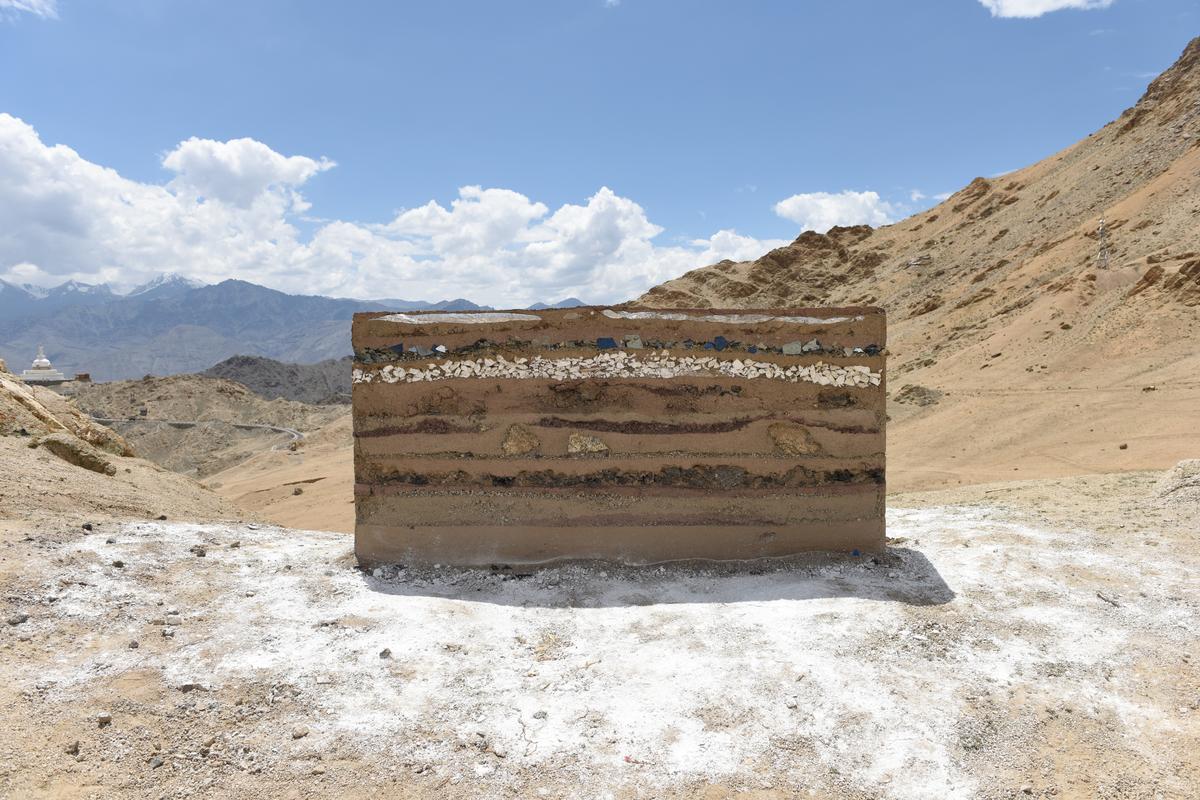
Its name comes from the Ladakhi word sā, meaning soil, and reflects a curatorial approach that begins with the region itself. Curated by Vishal K Dar, with Tsering Motup Siddho as associate curator, the exhibition brings together Ladakhi, Indian and international artists, including Avantika Bawa, Jitish Kallat, Agnieszka Kurant, Anna Jermolaewa, Amrit Karki, Stanzin Tsepel and Urgain Zawa. Developed through residencies and research in Ladakh, their projects address water scarcity, melting glaciers, migration and cultural memory, often using local or biodegradable materials.
Although 2026 marks its first edition as a biennale, sā began with land-art exhibitions in 2023 and 2024. The decision to adopt a biennial rhythm was intended to give artists more time to research, collaborate and develop work with local communities, an approach that feels increasingly relevant as the international art calendar grows more crowded and its exhibitions become more interchangeable.
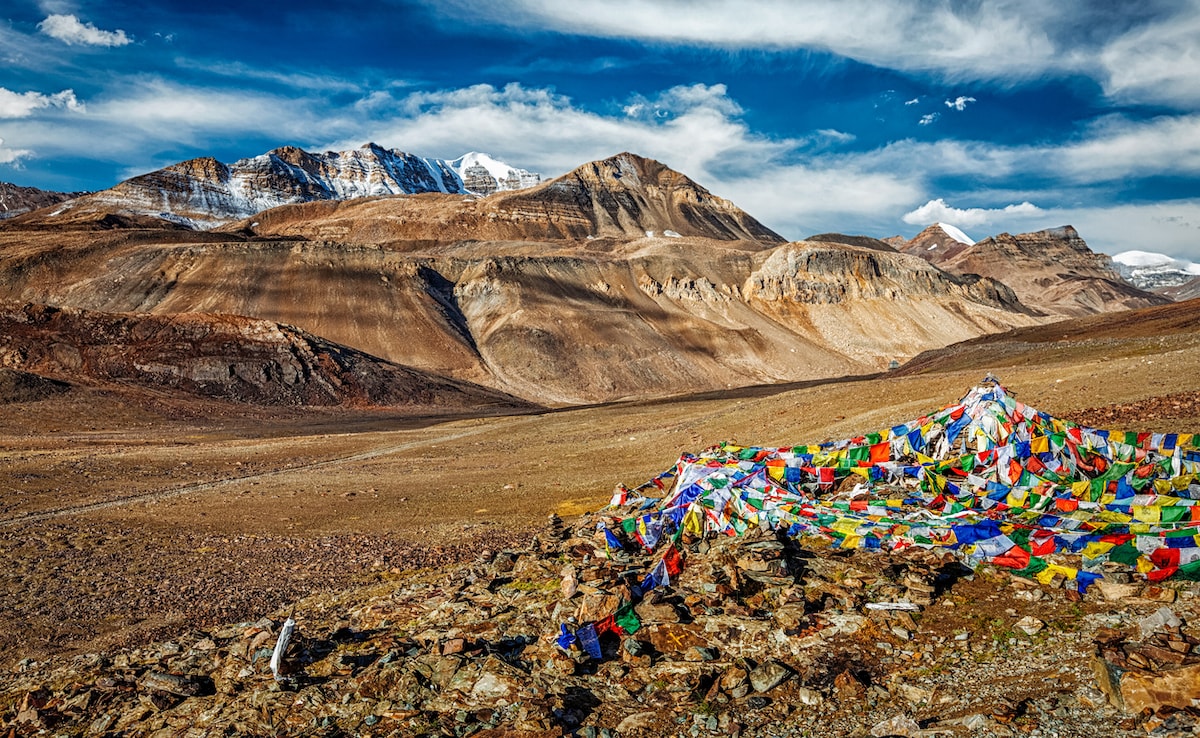
Could this provide a blueprint for the future of biennales? Probably not in any form that can simply be copied elsewhere, since sā’s strength lies precisely in its relationship with Ladakh. Its more useful proposition concerns scale, frequency and responsibility: fewer editions, longer periods of development, closer involvement from local artists and projects that could only exist in the place where they are presented.
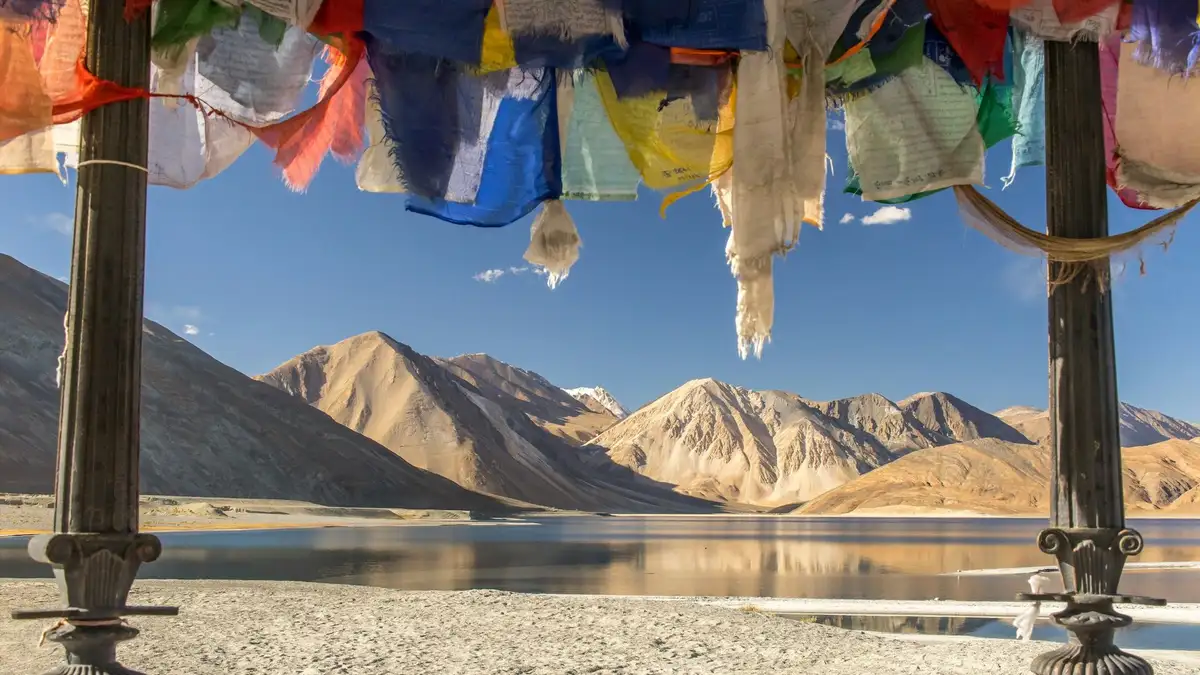
Calling the biennale regenerative still demands scrutiny. Flying artists and visitors into an environmentally fragile, high-altitude region carries an obvious cost, and slower travel does not erase it. What sā Ladakh may offer is a model willing to place that contradiction at the centre of its programme, while asking whether an international exhibition can contribute enough, to artists, communities and the cultural life of a region, to justify its arrival.
For more stories of art and culture visit our dedicated archives and follow us on Instagram.