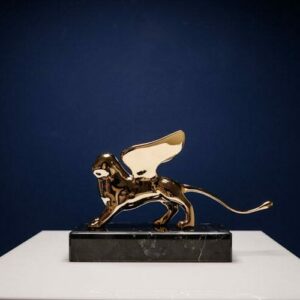
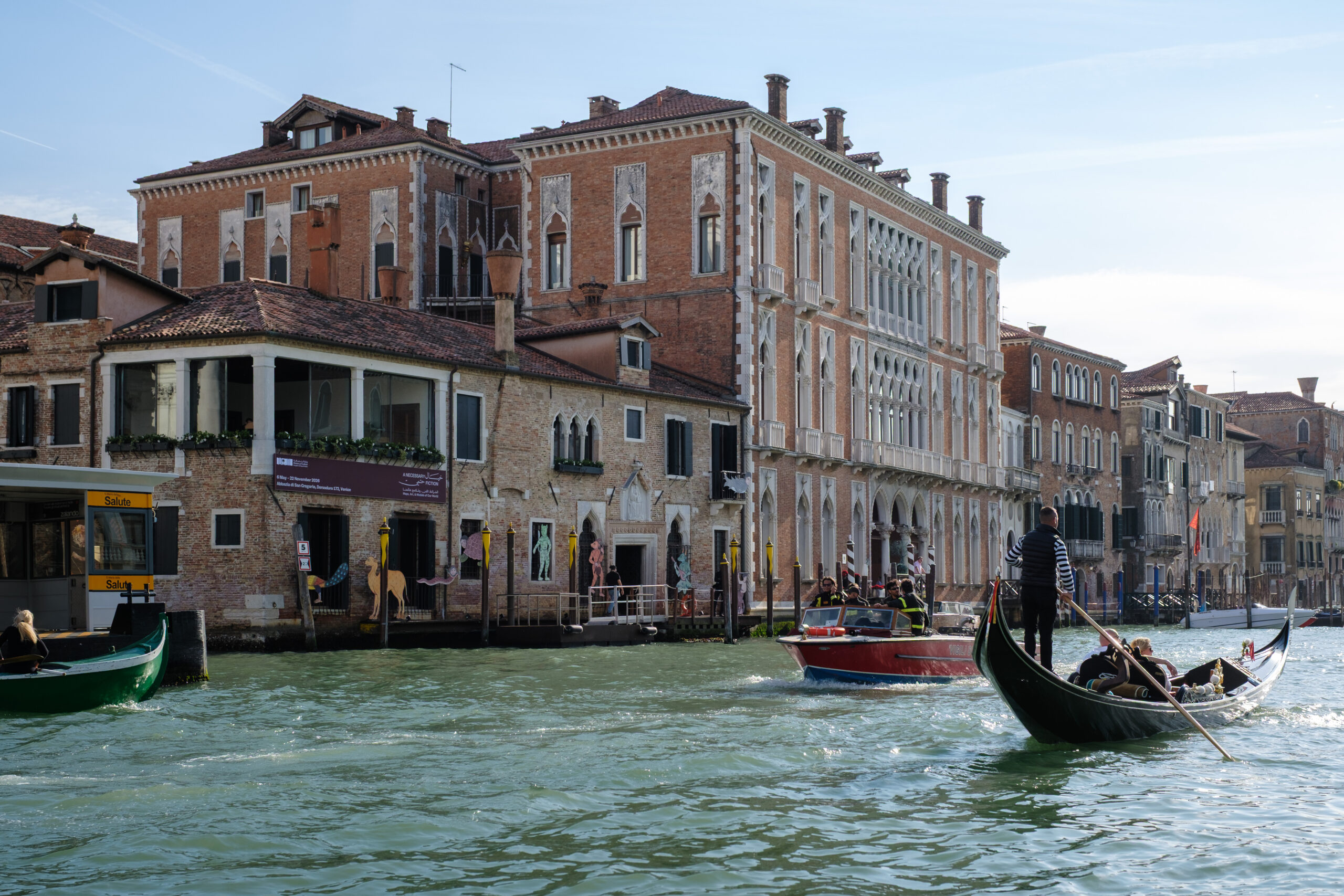
The 61st Venice Biennale has opened on 9 May, and the Arab world and wider Middle East and North Africa arrived with one of the region’s broadest presences in recent memory. La Biennale’s 2026 edition, In Minor Keys, runs until 22 November and brings together 100 national participations and 31 collateral events. Across the regional field, Egypt, Lebanon, Morocco, Oman, Qatar, Saudi Arabia, Somalia, Syria, Türkiye and the United Arab Emirates are all present through national pavilions. That presence unfolds against a particularly charged edition, marked by backlash around Russia’s return, Israel’s participation and wider calls to scrutinise the politics of national representation, including that of the United States; the tension has already reached the Biennale’s own prize structure, after the International Jury resigned following its stated intention not to consider countries whose leaders are currently charged with crimes against humanity, shifting the Golden Lion awards away from the usual jury process.
Venice still operates as one of the art world’s most symbolic stages, and this year the region’s presence stretches from long-established national platforms to first-time participations, returns and future institutional infrastructure.
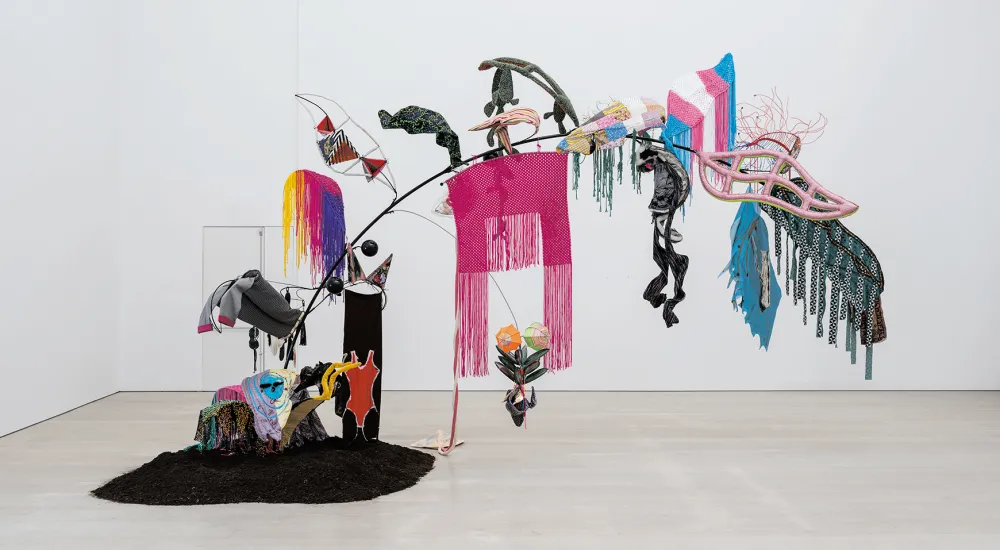
Türkiye presents Nilbar Güreş in a pavilion curated by Başak Doğa Temür. Titled A Kiss On The Eyes, the exhibition brings together existing works and new productions across sculpture, installation, painting and mixed-media works on paper and fabric. İKSV frames the project around closeness, care and forms of attention that resist possession, while Temür positions Güreş’s practice as one shaped by lived experience and attentive to gender, migration, belonging, displacement, racism and religious discrimination.
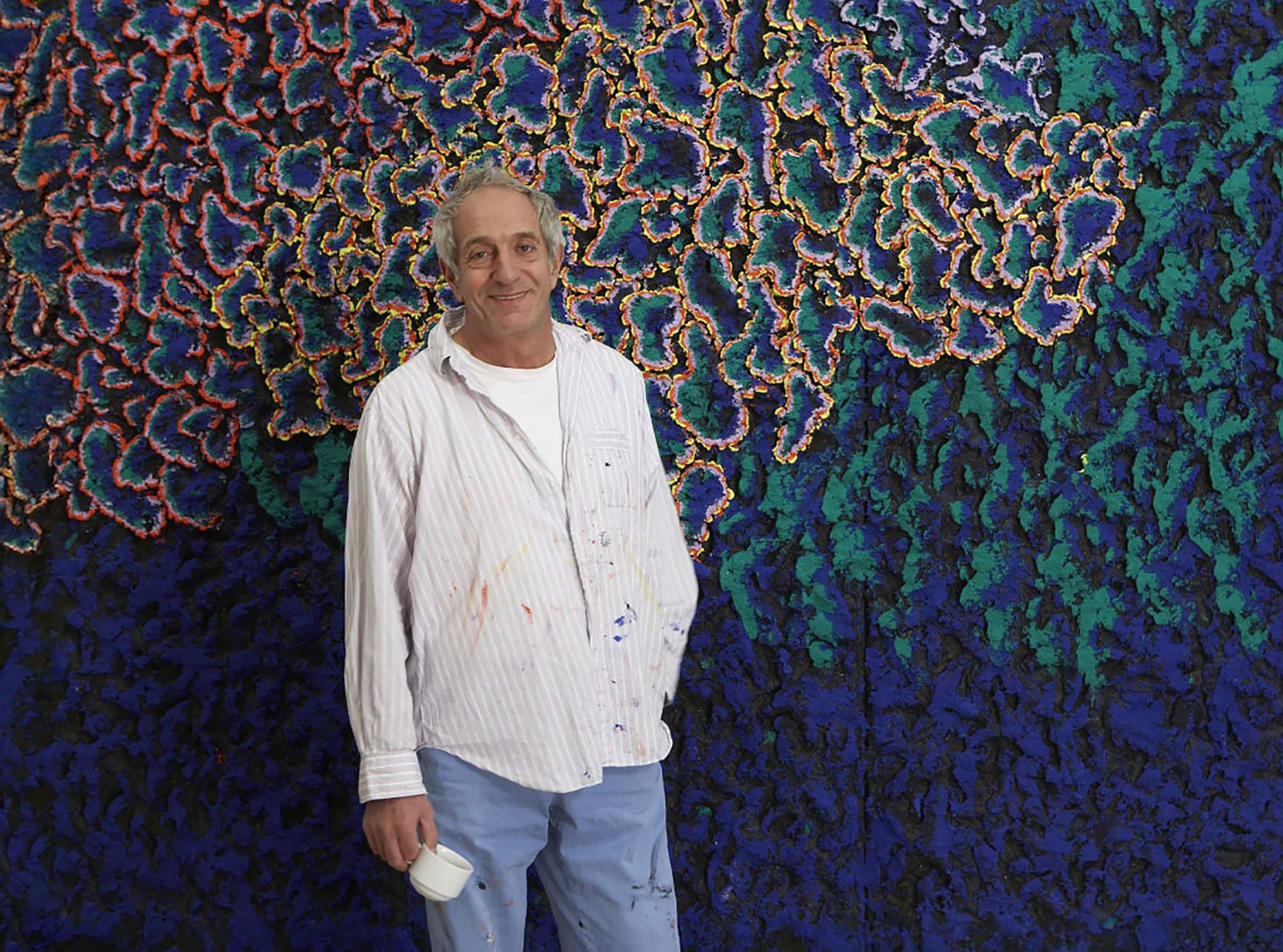
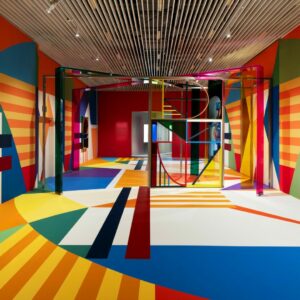
Lebanon is represented by Nabil Nahas, with Nada Ghandour as commissioner and curator. Titled Don’t Get Me Wrong, the pavilion centres a Lebanese American painter whose work moves between nature, geometry and the cosmos. Nahas’s language sits between abstraction and figuration, with compositions that draw on fractal thinking in both scientific and artistic terms. The pavilion places viewers inside a practice shaped by pattern, density and the unstable relationship between chaos and harmony.
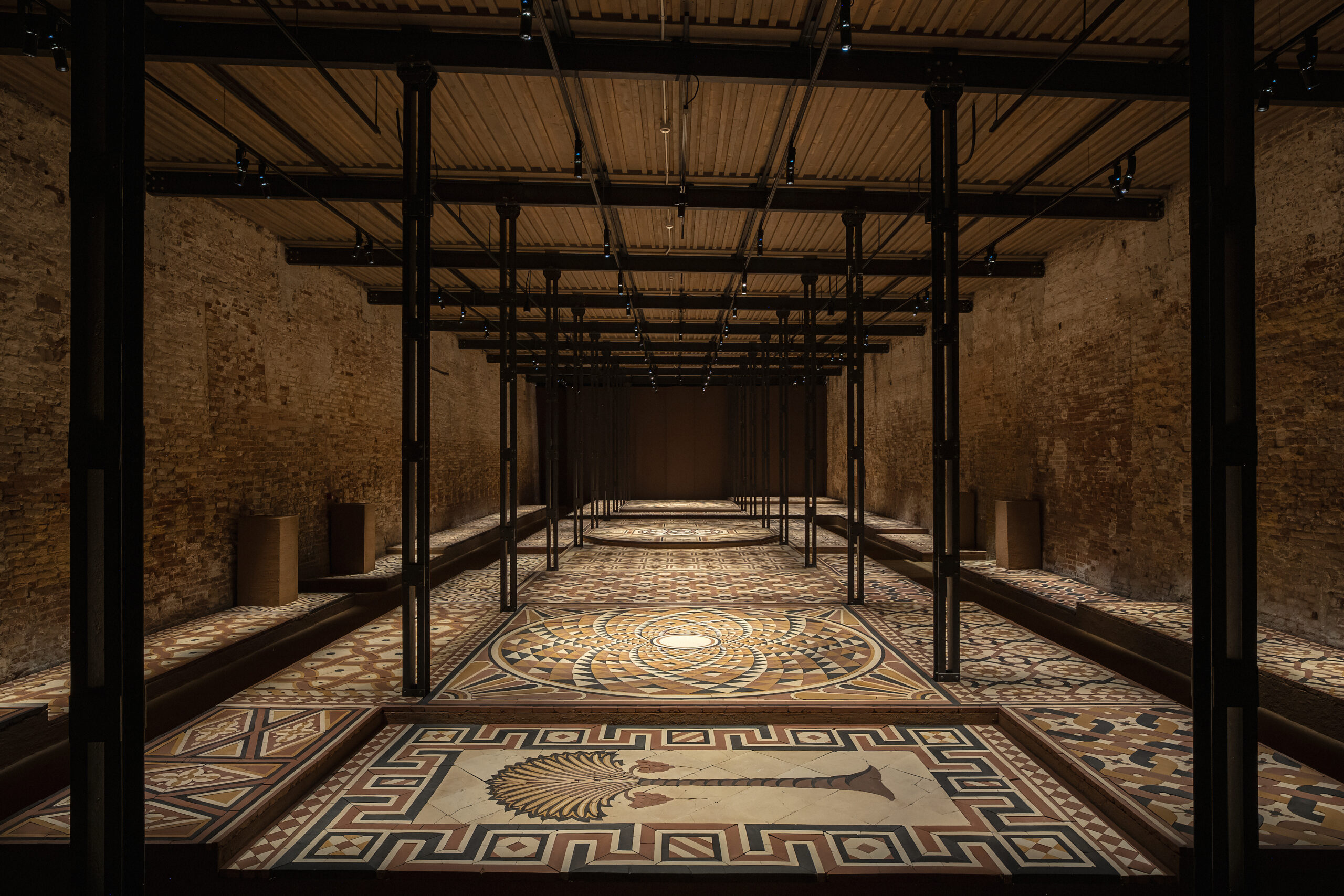
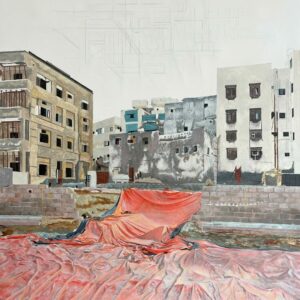
Saudi Arabia presents Dana Awartani, with Antonia Carver curating and Hafsa Alkhudairi serving as assistant curator. The exhibition, titled May your tears never dry, you who weep over stones, continues Awartani’s engagement with Islamic and Arab art-making traditions, preservation, continuity and material heritage. Her work often begins with inherited forms and techniques, but turns them towards questions of loss, repair and the fragility of cultural memory. In Venice, that language takes shape through a major new work developed for the Saudi pavilion in the Arsenale.
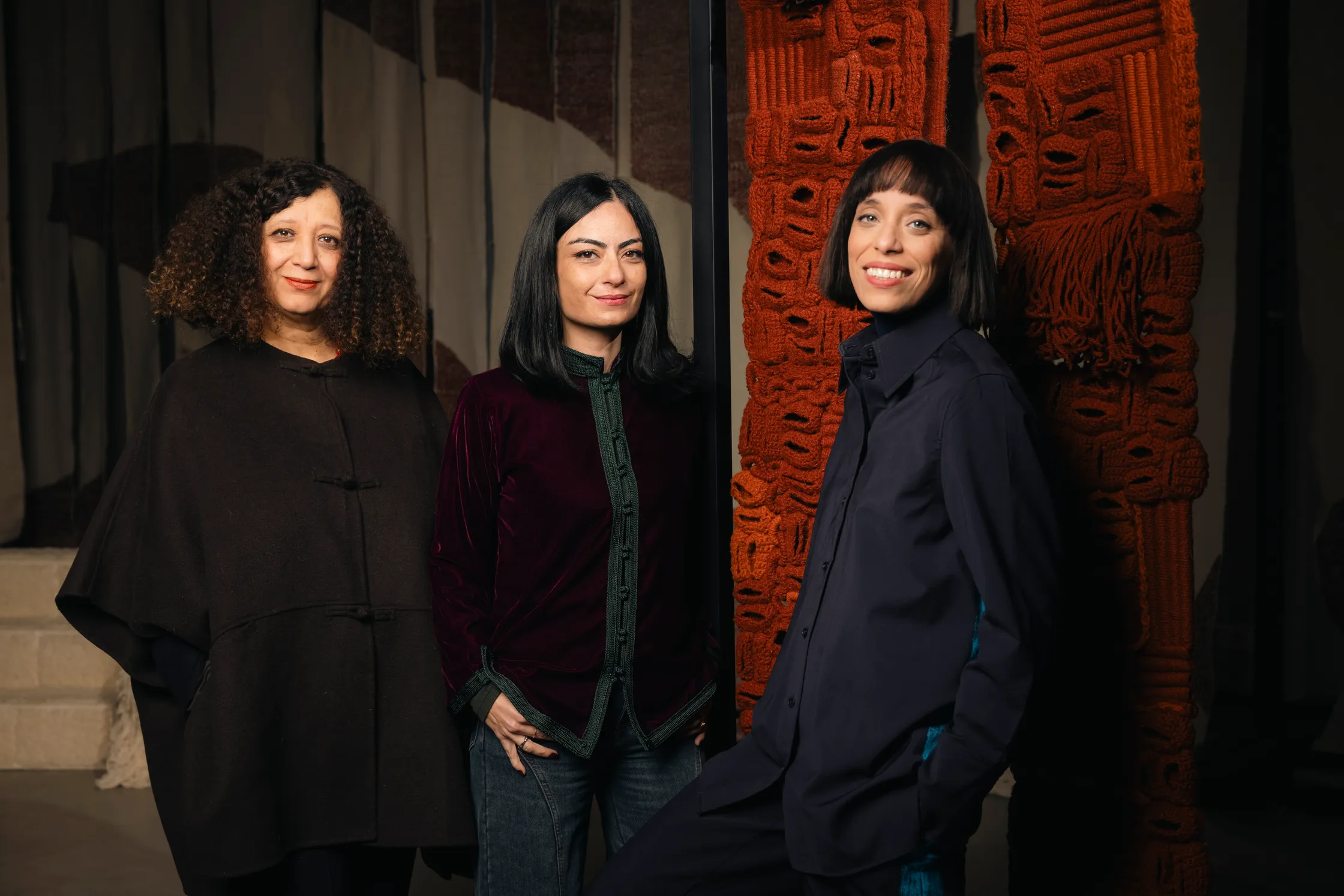
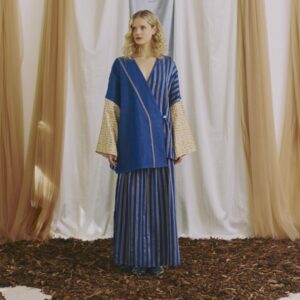
Morocco makes its debut with its first national pavilion, presenting Amina Agueznay in a project curated by Meriem Berrada. Titled Asǝṭṭa, the pavilion takes its name from an Amazigh term associated with ritual weaving and is conceived as a large-scale installation developed through research and collaboration with artisans across Morocco. The project draws on fibre, metal and thread, and is shaped by Agueznay’s long-running engagement with craft techniques, vernacular architecture and intergenerational knowledge. As a debut, it also matters institutionally: Morocco enters Venice through a project that treats craft not as background, but as a living system of knowledge.
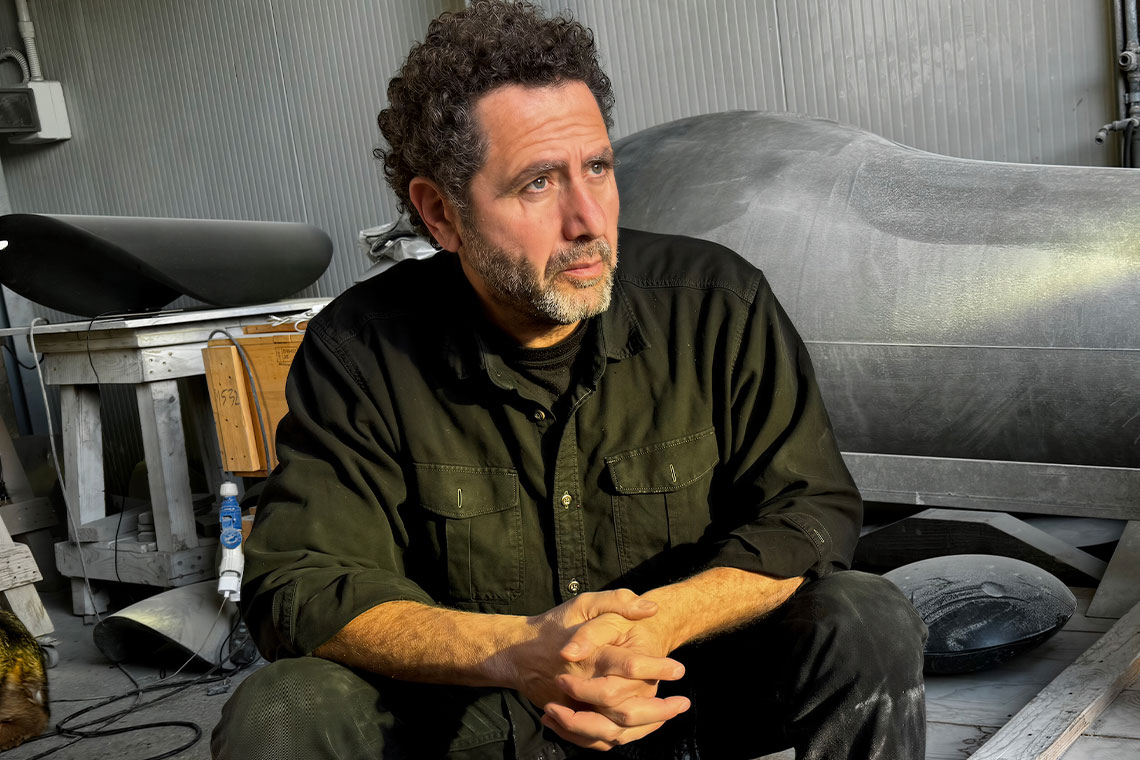
Egypt presents Silence Pavilion: Between the Tangible and the Intangible in the Giardini, with Armen Agop listed as both artist and curator. The pavilion places silence, material presence and immaterial experience at the centre of the work. In the context of a Biennale where national pavilions often become overloaded with explanation, Egypt’s project suggests a more reduced encounter: one built around form, stillness and the threshold between what can be held and what can only be sensed.
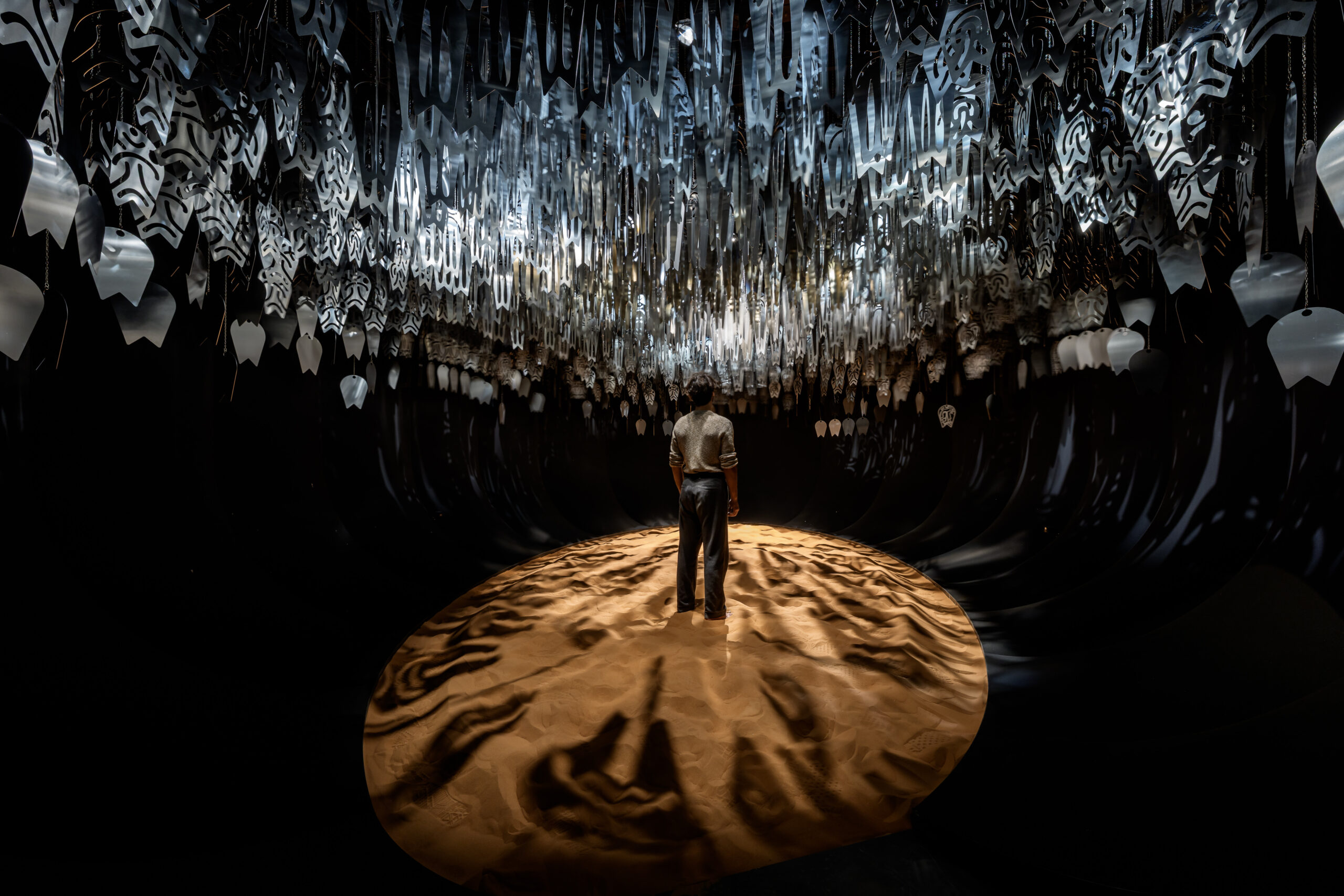
Oman presents Zīnah (Adornment), with Haitham Al Busafi as both artist and curator. The project transforms the tradition of Omani silver horse adornment, Al-Zaanah, into a spatial installation of sand, suspended metal and sound. Within the broader Gulf presence at Venice, Oman’s pavilion expands the conversation beyond the more established platforms of Saudi Arabia and the UAE, bringing another national voice into the Arsenale.
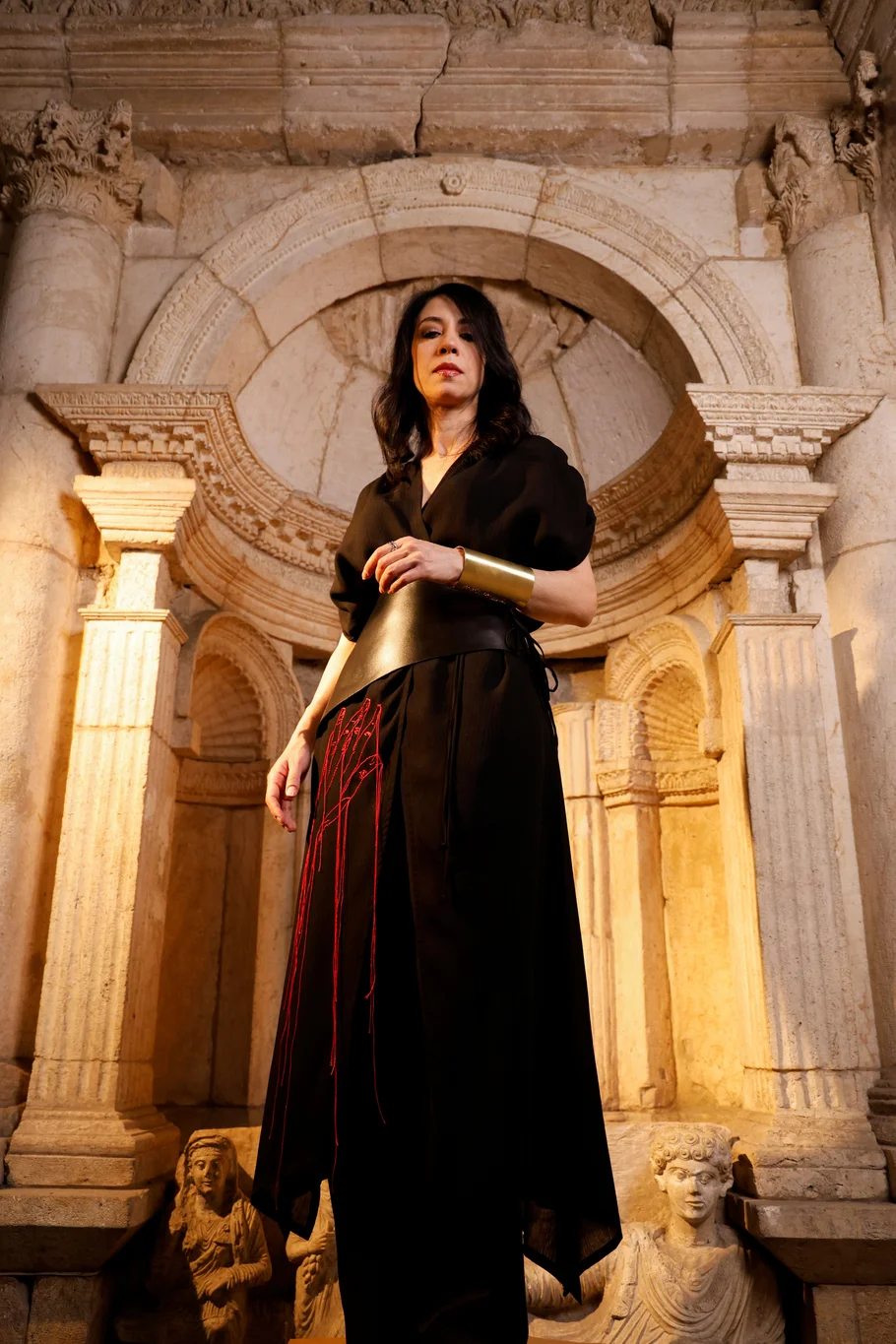
Syria is represented by Sara Shamma with Yuko Hasegawa curating a project listed by La Biennale as The Tower Tomb of Palmira. Announcements around the pavilion frame it as a solo presentation commissioned by the Syrian Ministry of Culture, bringing Shamma’s emotionally charged figurative language into direct dialogue with Palmyra, one of the most symbolically loaded sites in the region’s recent cultural memory. The pavilion carries the weight of archaeology, destruction and cultural survival, but does so through the lens of a painter whose work is rooted in the human figure and its psychological intensities.
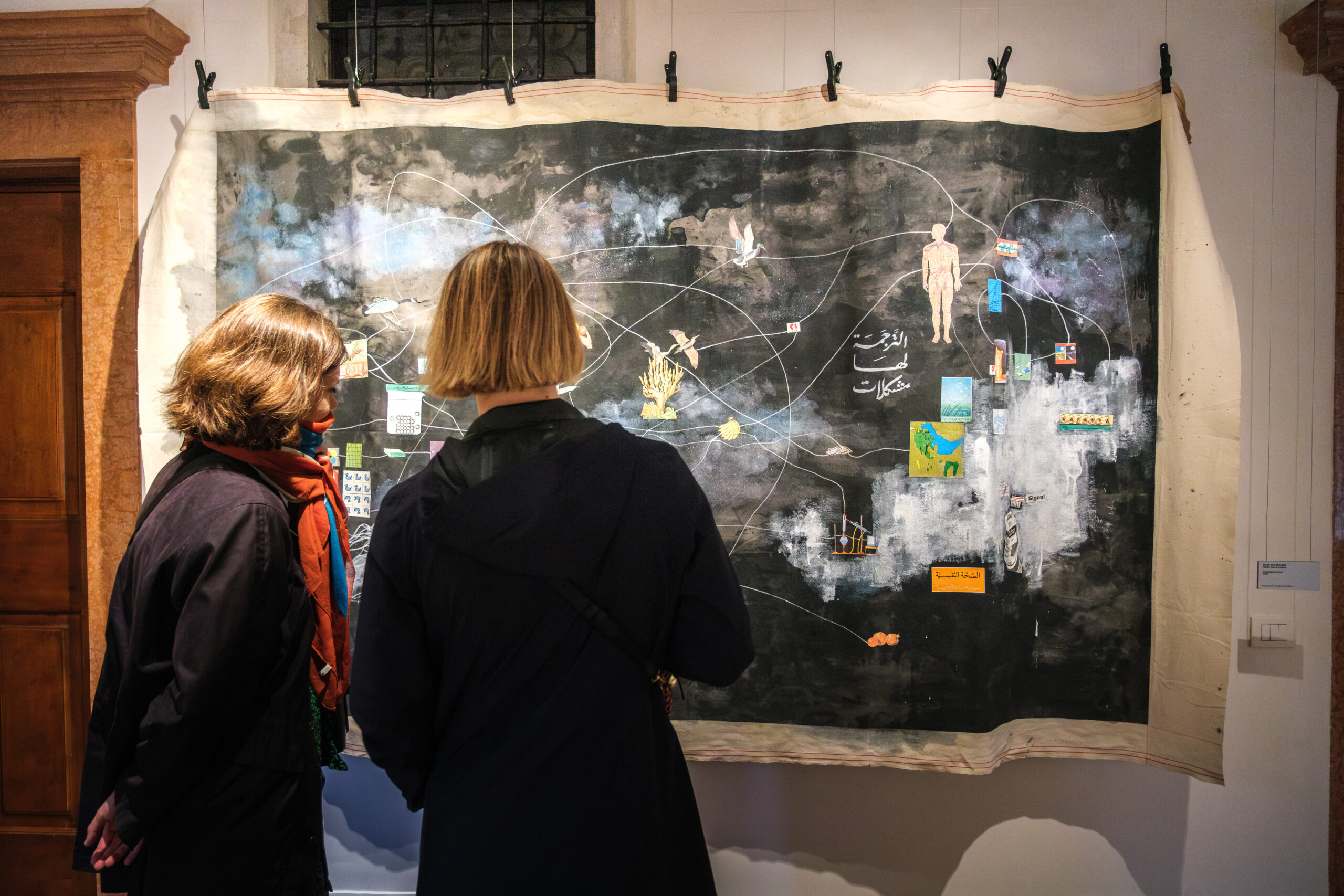
The United Arab Emirates presents Washwasha, curated by Bana Kattan. Rather than a single-artist presentation, the pavilion brings together Mays Albaik, Jawad Al Malhi, Farah Al Qasimi, Alaa Edris, Lamya Gargash and Taus Makhacheva. Kattan, Curator and Associate Head of Exhibitions at the Guggenheim Abu Dhabi, leads a project that shifts the UAE’s 2026 participation towards a multi-voice exhibition. The title, which evokes whispering, murmuring and low-frequency forms of communication, suggests a pavilion concerned with what circulates beneath official speech: memory, rumour, intimacy, inheritance and the textures of lived experience.
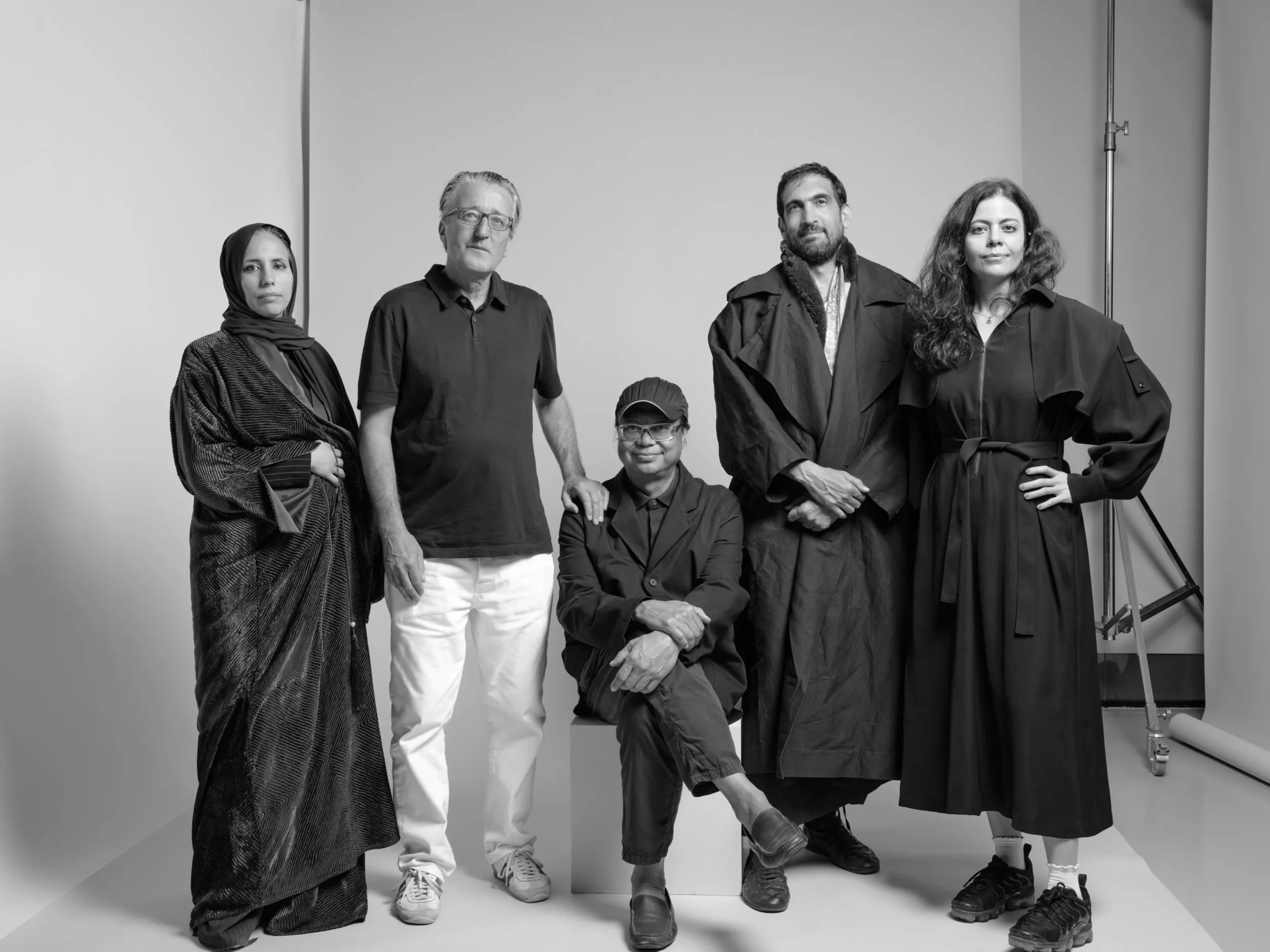
Qatar is one of the major shifts in this edition. It participates in the Biennale for the first time with untitled 2026 (a gathering of remarkable people), conceived by Rirkrit Tiravanija and bringing together Sophia Al-Maria, Tarek Atoui, Alia Farid and Fadi Kattan. The project is presented in the Giardini, on the site of Qatar’s future permanent pavilion, designed by Lina Ghotmeh. This means Qatar is not only entering the Biennale as a first-time national participation; it is also changing the physical map of Venice’s most historically charged exhibition site. The announcement points beyond one edition and towards a longer institutional presence.
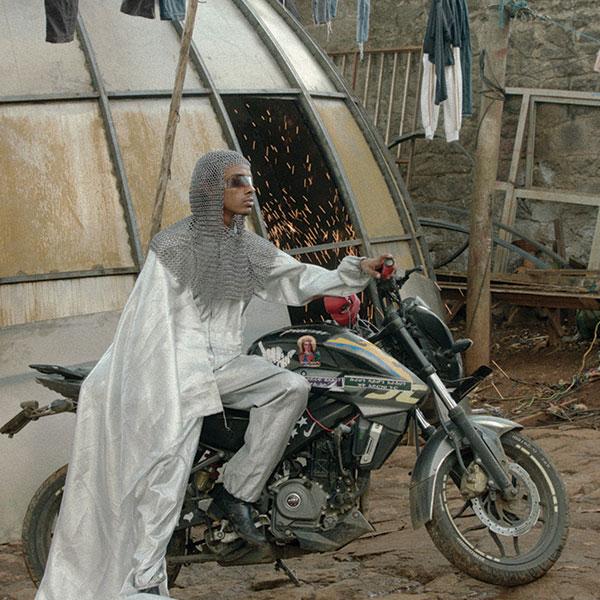
Somalia also participates for the first time, with Saddexley, curated by Mohamed Mire and Fabio Scrivanti and featuring Ayan Farah, Asmaa Jama and Warsan Shire. Its inclusion complicates the usual regional map. Somalia sits between the Horn of Africa, the Arab League and the wider Global South, and its Venice debut resists easy categorisation. The pavilion brings together artists whose practices move across poetry, language, memory, sound, image and material histories, making Somalia’s first appearance at the Biennale one of the edition’s most significant new entries.
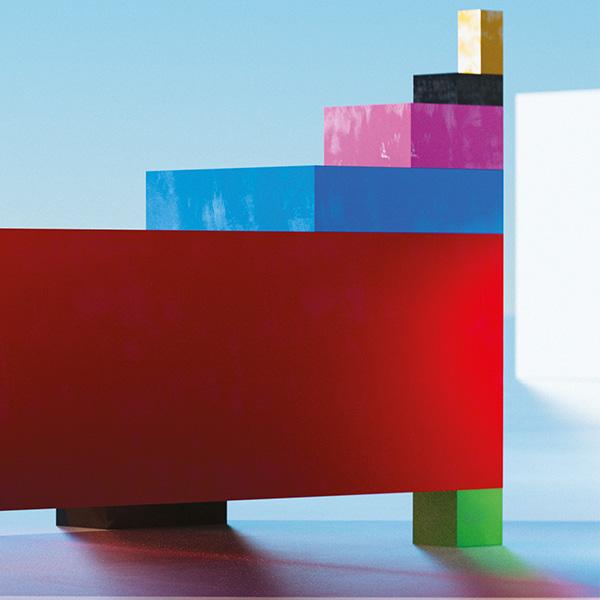
Armenia presents The Studio, a solo project by Armenian-born, US-based artist Zadik Zadikian, curated by Tony Shafrazi and Tina Chakarian, for the 61st Venice Biennale in 2026. Installed in the Arsenale Militare, the pavilion becomes a functioning atelier for the full six-month duration of the Biennale, making the process of creation visible through study, casting, assembly and formation. Rather than treating the exhibition space as a finished display, Zadikian turns it into a site of repeated labour, where making itself becomes the structure of the work. Within an edition shaped by questions of national representation, Armenia’s pavilion brings another regional-adjacent voice into Venice, using the studio as both subject and stage.
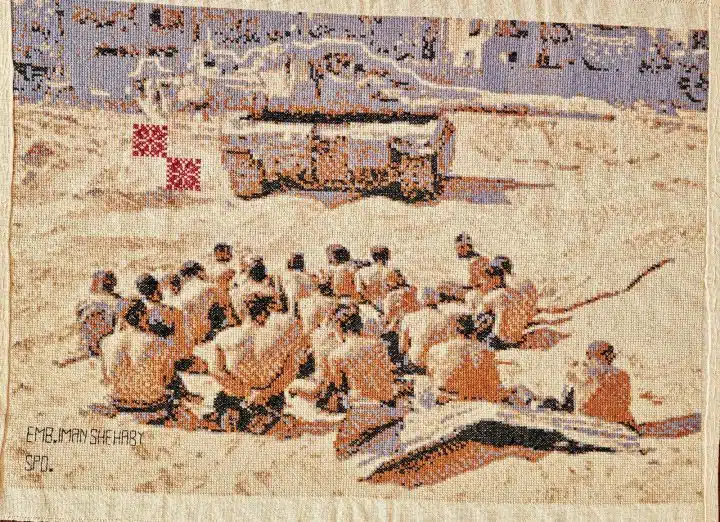
Beyond the national pavilions, the parallel programme adds another layer. La Biennale confirms 31 collateral events, including Gaza – No Words – See the Exhibit, presented by Palestine Museum US, and Aghrab Idrāk: Thresholds of Perception, presented by VCUarts Qatar.
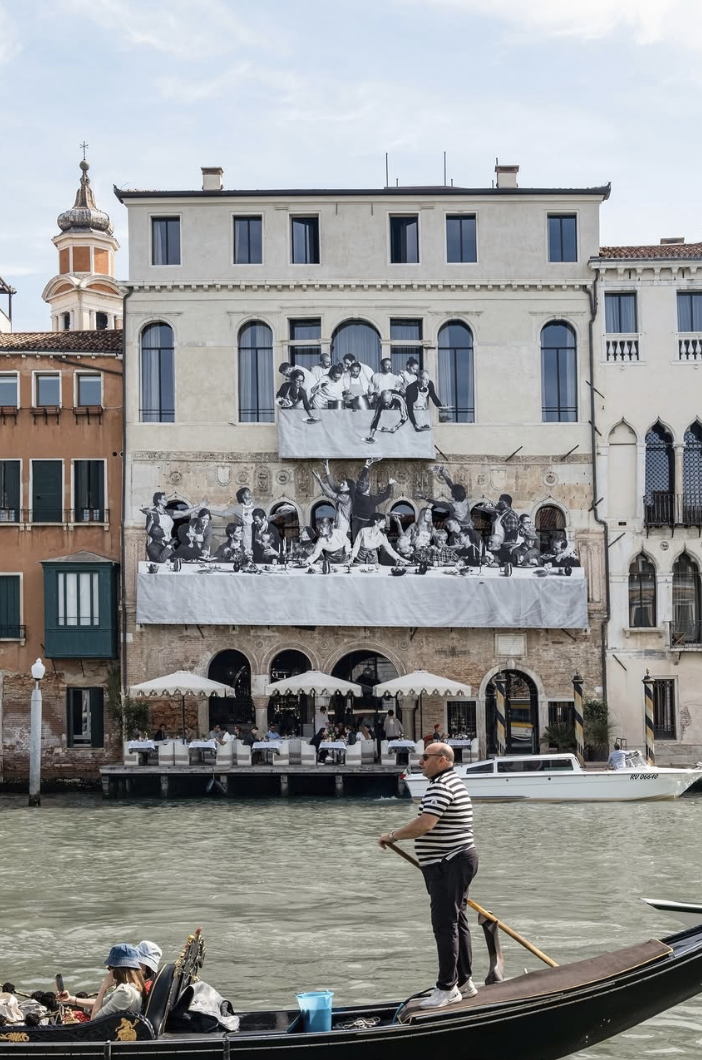
As well as the installation by French-Tunisian artist JR, Il Gesto, reimagines Veronese’s The Wedding at Cana across Palazzo Ca’ da Mosto and The Venice Venice Hotel, replacing biblical figures with 176 members of Refettorio Paris: guests, volunteers and chefs. The work turns a canonical image of miracle and abundance into something contemporary and social, where dignity, visibility and shared presence become the real transformation.
These are not national pavilions, but they still matter to the region’s presence in Venice. They show how representation at the Biennale is never limited to the official national format. For countries, institutions and communities working through contested or expanded forms of visibility, the collateral programme becomes another route into the city.
Taken together, the 2026 Biennale does not present the region as a single story. That would be impossible, and also uninteresting. What it does show is a field of different positions: Morocco and Somalia entering for the first time; Qatar arriving while building permanent infrastructure; Egypt and Türkiye working from established pavilion histories; Saudi Arabia, Oman and the UAE expanding the Gulf’s visibility; Lebanon and Syria bringing complex cultural histories into the Arsenale and beyond. The result is a map of artistic, institutional and political presence being redrawn in real time.